

 English
 English
 русский
 Français
 Español
 Português
 عربى
عربى
Cat:Glue -coated Protective Film
● No “ghost shadow” or “fish eye” after removal; ● Stable adhesion level; ● UV resistance for up to 6 months; ● Can print customized logo or applicati...
See Details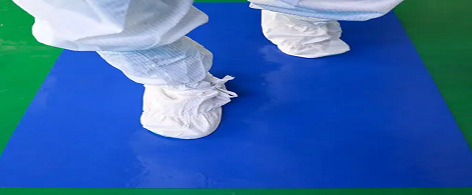
Bottom line: A sticky mat is a layered adhesive mat that traps dirt, dust, debris, and contaminants from shoes, wheels, and equipment as people or vehicles pass over it. For most cleanroom and laboratory environments, a 30-layer polyethylene tacky mat at 600 × 900 mm is the industry standard starting point. For home or office use, a thinner non-residue silicone sticky mat is the better choice. The right product depends entirely on your environment, contamination risk level, and traffic volume — this guide walks you through every factor.
A sticky mat — also called a tacky mat, adhesive mat, or peel-off mat — is a multi-layered floor product with a pressure-sensitive adhesive surface that captures particulate contamination on contact. As each layer becomes saturated with debris, it is peeled away to reveal a fresh, clean adhesive surface beneath.
The mechanism is deceptively simple but highly effective. When a shoe sole, wheel, or equipment foot makes contact with the mat surface, the adhesive grabs and holds particles ranging from visible dust and mud to microscopic fibers as small as 0.1 microns — a scale comparable to fine cleanroom particulate standards. A single peel-off layer on a standard 30-layer mat can capture up to 3,000–5,000 particles per square centimeter before it is considered saturated under ISO 14644-1 cleanroom protocols.
The sticky mat concept shares important material science principles with protective film technology used in other industries. For example, engineers who ask do windshields have UV protection built in are exploring the same polymer adhesion and surface-bonding science that makes sticky mats work. A high-quality screen protector windshield product bonds to curved glass using pressure-sensitive adhesives similar to those used in premium tacky mats. Products like auto glass protector films, windshielddefense coatings, and film windscreen solutions use optically clear adhesive layers that must grip firmly to a smooth surface without leaving residue when removed — exactly the performance standard a top-tier sticky mat adhesive must meet on flooring. Windscreen protective film, windscreen stone chip protection, and winshield protection film all rely on the same pressure-sensitive polymer chemistry that gives sticky mats their characteristic tack, elasticity, and clean-peel release. Even PPF film windshield (paint protection film applied to windshields) and exterior windshield protection film products share manufacturing processes — cast polyurethane or polyethylene layers with precision adhesive coat weights — that are directly comparable to the adhesive engineering in high-performance cleanroom sticky mats. When buyers research how much does windshield protection film cost or look for a protector for windshield or windshield chip protection film, they are navigating the same adhesive film market that produces professional contamination-control sticky mats. The connection is not superficial: windsheild protection products and cleanroom tacky mats are often produced on the same cast film extrusion lines, differentiated only by adhesive formulation and opacity.
Understanding this shared material foundation helps buyers evaluate sticky mat quality more critically — because the same properties that make a great protective film (clean adhesion, controlled tack, residue-free removal, dimensional stability) are exactly what separate a premium sticky mat from a cheap one.
Not all sticky mats are the same product. The market divides into several distinct categories, each engineered for a different contamination control challenge.
The most widely deployed sticky mat type globally. These are multi-layer adhesive polyethylene mats — typically 30 or 60 layers — used at entry points to ISO-classified cleanrooms, pharmaceutical manufacturing areas, semiconductor fabs, and food processing facilities. Each layer is numbered at the corner for tracking, and peeling is done from the numbered tab. Standard sizes are 600 × 900 mm and 900 × 1,200 mm. Adhesive tack is measured in grams-force and typically falls between 400–800 gf/25mm for cleanroom-grade products.
Made from molded silicone gel, these mats are designed for desks, dashboards, and household surfaces. They hold small items (phones, keys, coins) in place using static cling and mild surface adhesion rather than chemical adhesive. They are washable, reusable, and produce no residue. Popular in automotive interiors, home offices, and retail display environments.
These combine an ergonomic foam or rubber cushioned surface with a sticky backing that adheres to the floor, preventing mat migration and trip hazards. Common in kitchens, production line stations, and retail checkout counters. The adhesive backing typically withstands up to 5,000–10,000 foot strikes before repositioning is needed.
Used in garment manufacturing, printing, and electronics assembly, sticky roller mats are flat adhesive sheets used with a roller applicator to remove lint, fibers, and dust from flat surfaces — fabric, circuit boards, optical components — before they enter a critical process area. These are differentiated from floor sticky mats by their higher surface energy adhesive and finer particle capture rating.
Engineered for forklift traffic, pallet jack wheels, and heavy equipment passage. These mats are thicker (each layer typically 80–120 microns vs. 40–60 microns for standard cleanroom mats), have higher tack formulations to capture debris from large industrial tires, and come in larger footprints — up to 900 × 1,800 mm for single-mat coverage of wide doorways.
| Type | Layer Count | Reusable? | Traffic Type | Best For |
|---|---|---|---|---|
| Cleanroom Peel-Off | 30 / 60 layers | No (peel to renew) | Foot / light wheel | ISO cleanrooms, pharma, labs |
| Silicone Gel Mat | Single layer | Yes (washable) | Surface / object hold | Home, office, car dashboard |
| Anti-Fatigue Sticky-Back | Single layer | Partially | Standing / foot | Kitchen, production lines |
| Sticky Roller Mat | Multi-sheet roll | No (tear to renew) | Surface / flat goods | Garment, electronics, printing |
| Heavy-Duty Industrial | 20–40 layers | No (peel to renew) | Forklift / heavy wheel | Warehouses, factories, loading bays |
Sticky mats appear in a wider range of environments than most buyers initially expect. Here is a breakdown of how each sector uses them — and what performance characteristics matter most in each context.
This is the highest-spec application for sticky mats. FDA-regulated drug manufacturing areas require contamination documentation, and sticky mats at gowning room entrances are often part of a facility's contamination control strategy (CCS) under EU GMP Annex 1 (2023 revision). Mats used here must be:
Pharmaceutical cleanroom sticky mats are typically replaced every shift or every 4 hours of high-traffic use, regardless of visible saturation. This protocol is mandated under many internal SOPs and is not optional in GMP environments.
Semiconductor fabs operate at ISO Class 1–5 — the most demanding contamination environments on earth. A single human hair (approximately 70 microns) is catastrophically large in a chip fabrication bay where circuit features measure 3–5 nanometers. Sticky mats at every controlled-area threshold are mandatory. In these facilities, mat change-out schedules are automated and tracked digitally — a mat log is a compliance record, not a housekeeping note.
Food safety regulations in the US (FDA FSMA), EU (EC 852/2004), and internationally require documented contamination control at processing area entrances. Sticky mats used in food facilities must be food-contact-safe and ideally color-coded for zone identification. Blue mats (easily spotted in food if torn) are the most commonly specified color in food-grade sticky mat procurement.
Operating rooms, ICUs, sterile supply rooms, and pharmacy compounding areas all use sticky mats to prevent foot-borne contamination. In construction zones within hospitals — a surprisingly common scenario during renovations — sticky mats and tacky walk-off mats are specified under ICRA (Infection Control Risk Assessment) protocols to prevent construction dust from reaching patient care areas. Studies have shown that construction-zone sticky mats can reduce airborne particle counts in adjacent corridors by up to 60% when combined with negative pressure containment.
At the consumer level, sticky mats serve three main functions: keeping entrance mats in place, holding items on slippery surfaces (car dashboards, desk surfaces, shelving), and providing a sanitary entry point in allergy-sensitive or pet-heavy households. Silicone gel sticky mats have become particularly popular for home offices — a 30 × 30 cm silicone desk mat retails for $8–$25 and can hold a phone, remote, or small device without scratching surfaces or leaving residue.
High-traffic athletic facilities use sticky mats at locker room exits and court/studio entrances to capture shoe debris and moisture before athletes step onto playing surfaces. A sticky walk-off mat at a gym entrance can reduce floor maintenance frequency by 30–40%, according to facility management benchmarks from ISSA (the worldwide cleaning industry association).
Sticky mats are not a one-size category. Knowing the standard sizes and how layer count affects both cost and usage patterns is essential before ordering.
| Size (mm) | Common Layer Count | Typical Traffic Width | Best Application |
|---|---|---|---|
| 300 × 600 | 30 | Single-person doorway | Small offices, server rooms |
| 600 × 900 | 30 / 60 | Standard doorway | Cleanrooms, labs, hospitals (most common) |
| 900 × 1,200 | 30 / 60 | Wide door / double entry | Pharmaceutical mfg, food processing |
| 900 × 1,800 | 20 / 30 | Forklift / vehicle passage | Industrial loading areas, warehouses |
| Custom | 30–100+ | Any | Semiconductor fabs, aerospace, defence |
30 layers vs. 60 layers — which to choose? A 30-layer mat costs roughly 40–55% less per unit than a 60-layer equivalent of the same size. For low-to-moderate traffic environments (fewer than 50 people per day), 30 layers typically lasts 1–3 days. For high-traffic cleanrooms with 100+ personnel per shift, a 60-layer mat covers the same period without mid-shift change-outs. The 60-layer option is the higher-value choice whenever labor cost for mat replacement is significant.
Sticky mat suppliers vary enormously in quality, and price alone is a misleading guide. Here are the technical parameters you should review and compare before purchasing.
Sticky mat pricing varies by a factor of 5–10× across the market, and the cheapest options are almost never the most economical when total cost of use is calculated. Here is a realistic breakdown of the current market pricing (2026).
| Category | Size | Layer Count | Price per Mat (USD) | Price per Layer |
|---|---|---|---|---|
| Economy / generic | 600 × 900 mm | 30 | $3–$6 | $0.10–$0.20 |
| Standard cleanroom | 600 × 900 mm | 30 | $7–$14 | $0.23–$0.47 |
| Premium pharma / ISO | 600 × 900 mm | 60 | $18–$32 | $0.30–$0.53 |
| Heavy-duty industrial | 900 × 1,800 mm | 20 | $25–$55 | $1.25–$2.75 |
| Silicone gel (reusable) | 30 × 30 cm | N/A (reusable) | $8–$25 | N/A |
The hidden cost trap: Economy sticky mats priced at $3–$4 per unit frequently have tack levels below 300 gf and layer thicknesses under 25 microns. They tear during peel removal 20–40% more often than standard mats, consuming additional labor time for cleanup and reducing actual usable layers to 20–24 from the labeled 30. When true cost-per-usable-layer is calculated, economy mats often cost more than mid-range products.
Even a premium sticky mat will underperform if installed or used incorrectly. These are the key steps that most facility managers skip — and why each one matters.
The mat base must adhere to the floor without air pockets or edge lift. The installation surface should be:
For critical environments, apply a border of low-residue masking tape around the mat perimeter to seal edges completely. This is standard practice in ISO Class 6 and cleaner environments.
Personnel should approach the sticky mat at a normal walking pace and take at least two full steps across the mat surface — one step per foot. A single step on a 600 mm mat is insufficient to decontaminate both shoe soles. For cleanroom gowning rooms, the mat should be positioned so that gowned personnel exit onto it after fully gowning up, not before — otherwise the gowning process re-contaminates the cleaned foot.
The most common error is waiting too long to peel. A saturated layer has lost most of its tack but may not look visibly dirty. The practical rule is: peel when the mat surface no longer shows a slight sheen under overhead lighting. In high-traffic areas, this typically means peeling every 2–4 hours, not once per day. Posting a peel log at the mat location ensures accountability and provides an audit trail for regulated environments.
Used tacky mat layers are classified as general waste in most jurisdictions — they do not require hazardous disposal unless the facility handles biohazardous or chemically contaminated materials. In pharmaceutical environments, used mat layers should be bagged and labeled per internal SOP before disposal, as they may retain pharmaceutical compound residues.
With this much variation in sticky mat types, specs, and pricing, the selection process needs a structured approach. Use the following framework to narrow down your options efficiently.
Are you trying to protect a regulated manufacturing environment, reduce floor maintenance frequency, prevent slip hazards, or hold objects on a surface? Each objective points to a completely different product category. A facility manager protecting a pharmaceutical cleanroom needs a documented ISO-compatible peel-off mat. A gym owner reducing floor cleaning frequency needs a walk-off tacky mat. A home user holding a phone on a car dashboard needs a silicone gel mat. Define the objective before comparing products.
If operating in a regulated environment, ask your supplier for documentation of the following before committing to a product:
Divide the cost per mat by the actual usable layers (request peel-failure rate data from the supplier if available). A $12 mat with 28 reliable layers costs $0.43 per layer. A $6 mat with only 22 reliable layers (after accounting for tear failures) costs $0.27 per layer — but also costs additional labor time per failure. For a facility changing mats 3× per day at 5 minutes per change, labor cost per month at $25/hr is approximately $94 — often more than the mats themselves.
Sticky mat performance varies between manufacturing batches and suppliers far more than the specifications suggest. Always order a trial quantity of 5–10 mats from any new supplier and evaluate:
| Your Environment | Recommended Mat | Change Frequency |
|---|---|---|
| ISO Class 5–7 cleanroom | 60-layer PE, 600 × 900 mm, antistatic | Per shift or per SOP protocol |
| Pharmaceutical manufacturing | 60-layer, lot-traceable, FDA 21 CFR compliant | Every 4 hours minimum |
| Hospital operating room / ICU | 30-layer, blue, 600 × 900 mm | Daily or per case |
| Food processing area | 30-layer, blue, food-contact certified | Every 2–4 hours |
| Industrial warehouse entry | Heavy-duty, 20-layer, 900 × 1,800 mm | Weekly or per visible saturation |
| Home / office entryway | 30-layer standard or silicone walk-off mat | Weekly |
| Gym / sports facility | Walk-off tacky mat, 600 × 900 mm, rubber backing | Daily peel |
| Car dashboard / desk surface | Silicone gel mat, 15–30 cm, washable | Wash monthly |
Even experienced facility managers and procurement officers make avoidable errors when specifying sticky mats. Here are the most costly ones:
Sticky mats are a single-use product by design — each peeled layer becomes waste. In a large pharmaceutical facility using 20 mats per day at 30 layers each, that is 600 individual PE film layers discarded daily, or approximately 219,000 layers per year. Sustainability-conscious buyers should know the current state of the market:
The central lesson of this guide is that "sticky mat" describes a category, not a single product. A $4 generic mat placed at a hospital OR entrance and a $28 lot-traceable antistatic mat at a semiconductor fab entrance are both "sticky mats" — but they are as different as a general-purpose adhesive tape and a precision aerospace bonding film.
The selection process should always start with the contamination control objective, not the price list. Define what you are trying to prevent, quantify your traffic type and volume, determine your compliance obligations, and calculate true cost per layer — not cost per unit. A facility that takes this approach consistently spends less on sticky mats over a 12-month period than one that buys on headline price, because waste, rework, and compliance failures all have real financial consequences that dwarf the cost difference between economy and premium mats.
If you are specifying sticky mats for the first time: start with a standard 30-layer polyethylene mat at 600 × 900 mm, run a 2-week usage trial, measure your actual peel frequency, and then optimize layer count, size, and tack level based on real operational data. That empirical approach will serve you better than any specification sheet.
● No “ghost shadow” or “fish eye” after removal; ● Stable adhesion level; ● UV resistance for up to 6 months; ● Can print customized logo or applicati...
See Details
● No “ghost shadow” or “fish eye” after removal; ● Low gel content, soft and stable adhesion plus easy-peel removal with no surface damage or curling;...
See Details
● Patented adhesive formula suits all hard surfaces such as hardwood floors, laminate floors, ceramic, marble, tile, granite, vinyl, worktops, and gla...
See Details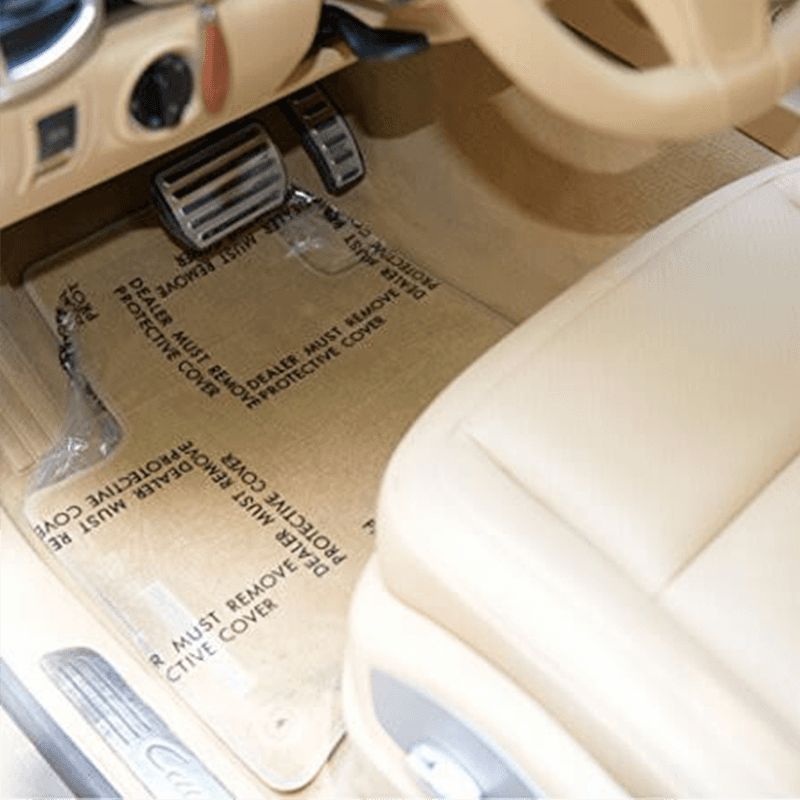
● Distance of each perforation die-cut ranges from 100mm to 1200mm;● Can peel off each die-cut piece of protective film at the perforated line easily;...
See Details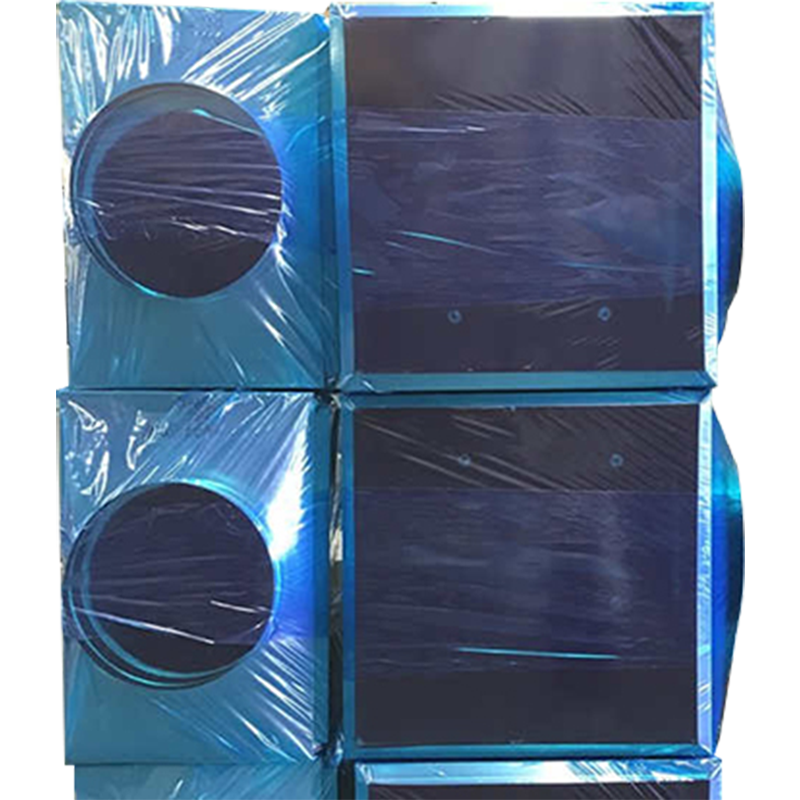
● The super-tough polyethylene film resists puncture and penetration by liquid and dirt during storage, transportation, and installation of the ductwo...
See Details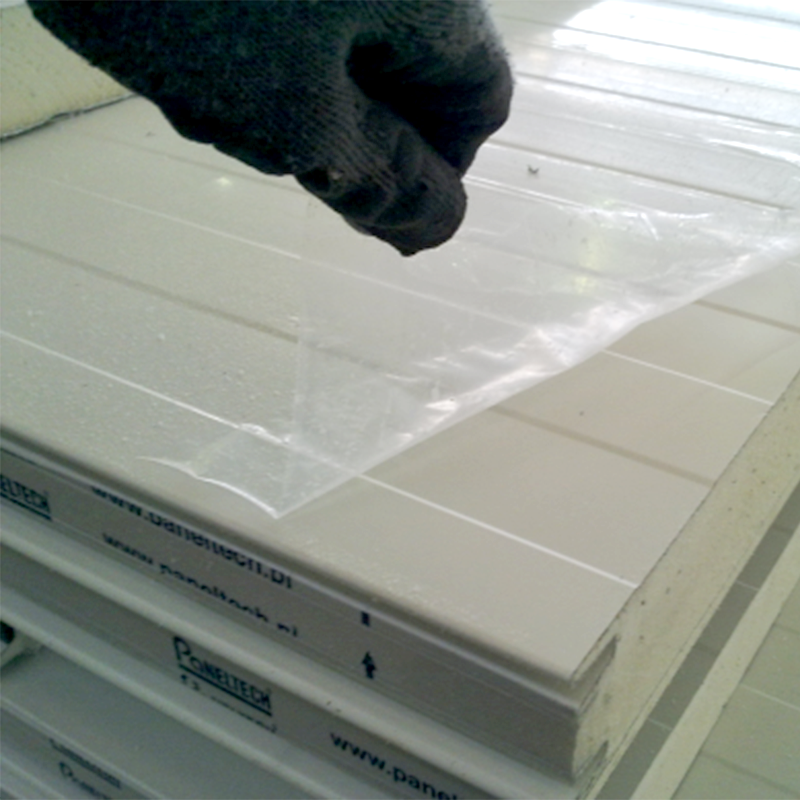
● The specially formulated adhesive ensures easy application and removal without leaving residue glue on the sandwich panels; ● The super-tough polyet...
See Details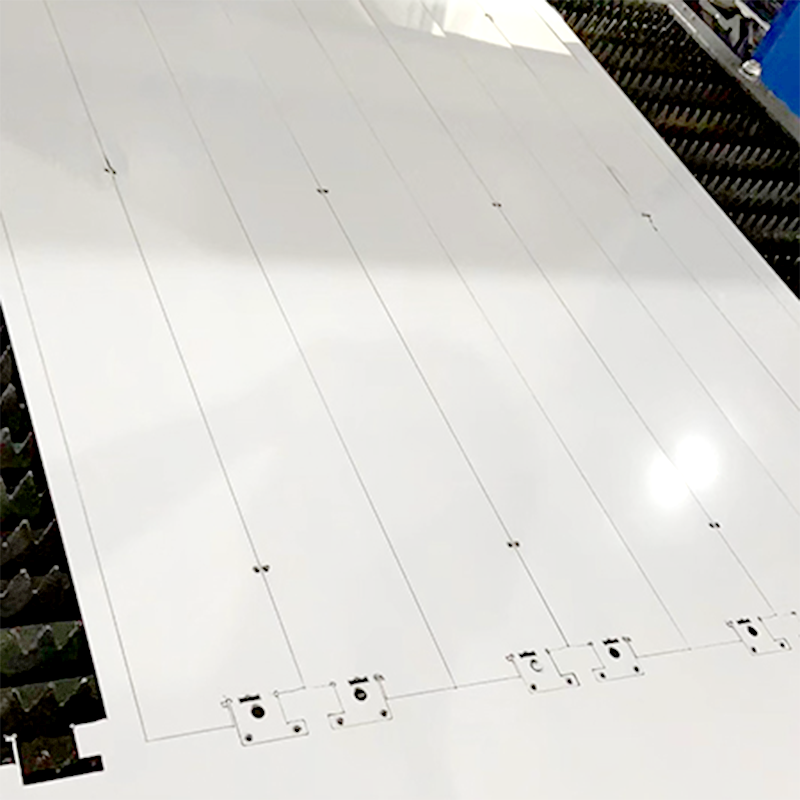
● The specially formulated natural rubber adhesive suitable for both CO2 and Fiber laser cutting processes;● High cutting quality without burr or trac...
See Details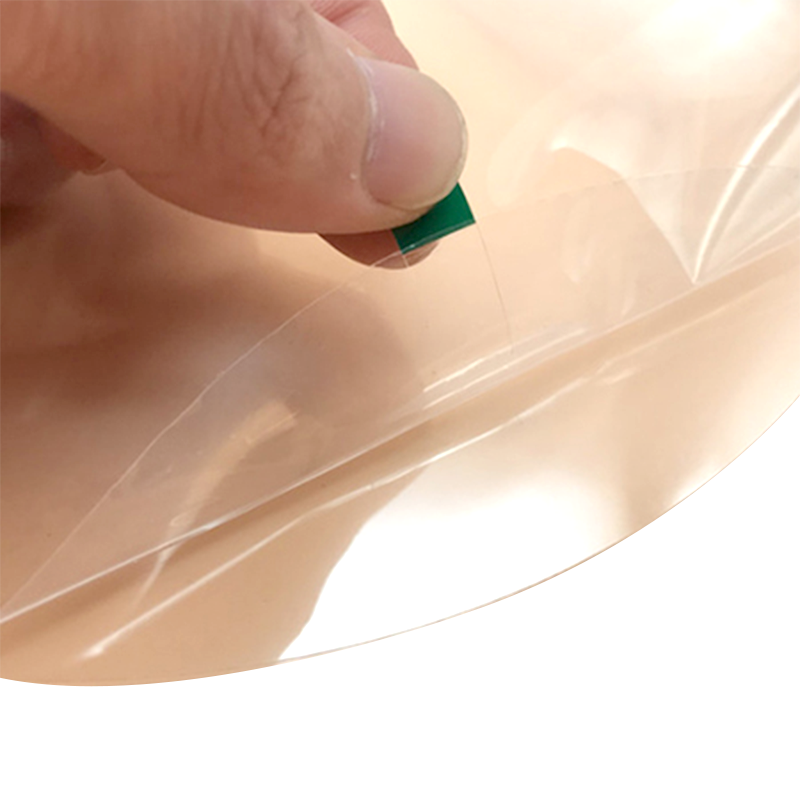
● Suitable for plastic sheets’ drilling, cutting, routing, thermoforming, bending, or post-fabrication operations;● No “ghost shadow” or “fish eye” af...
See Details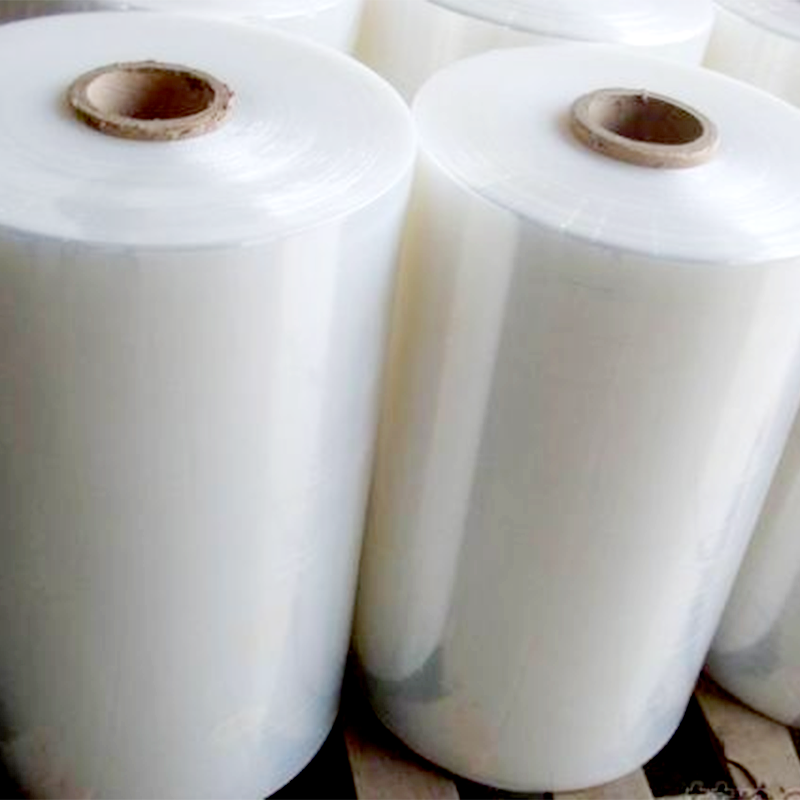
● Excellent puncture and tear resistance; ● Self-adhering-each layer of film bonds to the next for added strength; ● Big roll size to save cost and re...
See Details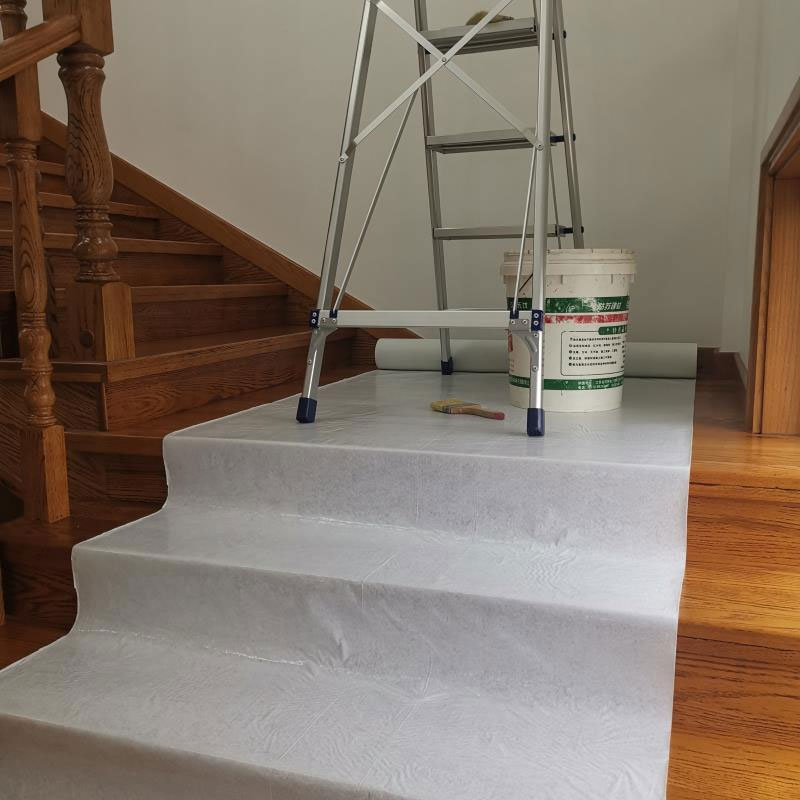
This product has non-woven synthetic fleece in middle; Breathable PE film adhered onto top of the non-woven fabric, which is coated with self adhesive...
See DetailsWe’re a reliable partner that shapes our expertise into success for your project.

Copyright 2024 Wuxi Qida Tape Co., Ltd. All Rights Reserved
 Wholesale Protective Film/Foil Manufacturers
Privacy
Wholesale Protective Film/Foil Manufacturers
Privacy