

 English
 English
 русский
 Français
 Español
 Português
 عربى
عربى
Cat:Glue -coated Protective Film
● Prevents costly damages in case of fire /flame;● Meet the strict international test standards of loss prevention; ● Extensive selection for flame re...
See Details
PE stretch film — short for polyethylene stretch film — is a highly elastic plastic wrap used to secure, bundle, and protect goods during storage and transportation. The bottom line: the right PE stretch film reduces product damage, cuts packaging costs, and improves load stability. The wrong one tears prematurely, wastes material, and leaves shipments vulnerable.
The global stretch film market was valued at $10.2 billion in 2023 and is expected to grow steadily through 2030 (Grand View Research), reflecting just how central this material is to modern logistics and warehousing. Whether you're wrapping a single pallet or running a high-volume distribution center, this guide gives you everything you need to make a confident, cost-effective purchase.
All PE stretch film starts with polyethylene resin, but the manufacturing process determines its properties. There are two primary types, and choosing between them is the most important decision you'll make.
Cast film is produced by extruding molten resin through a flat die and rapidly cooling it on chilled rollers. The result is a film that is clear, quiet to unwind, and consistent in thickness. It stretches easily and requires less force to apply, making it the dominant choice for hand wrapping and general-purpose machine wrapping.
Cast film accounts for approximately 75–80% of all stretch film sold globally, largely because of its lower production cost and versatility.
Blown film is made by extruding resin upward through a circular die and inflating it into a bubble, then allowing it to cool slowly in air. This process creates a film with higher puncture resistance, greater load-holding force, and better memory — meaning it clings tightly and stays put even under pressure.
Blown film is noisier to unwind and slightly cloudier than cast, but it's the preferred choice for heavy, irregular, or sharp-edged loads where tear resistance is critical.
| Feature | Cast Stretch Film | Blown Stretch Film |
|---|---|---|
| Clarity | High (clear) | Medium (slightly hazy) |
| Noise on Unwind | Quiet | Loud |
| Puncture Resistance | Moderate | High |
| Stretch Ratio | Up to 300% | Up to 200% |
| Load-Holding Force | Moderate | High |
| Cost | Lower | Higher |
| Best For | General-purpose wrapping | Heavy or sharp-edged loads |
Beyond film type, you need to match the film to how it will be applied. PE stretch film comes in two application formats, each engineered for different operational scales.
Hand stretch film is applied manually using a handheld dispenser or directly by hand. It typically comes in rolls 12–18 inches wide and ranges from 47 to 80 gauge (12–20 microns) in thickness. It's the go-to solution for low-to-medium volume operations, irregular loads, or situations where wrapping happens at the point of use rather than a fixed station.
A key limitation: manual wrapping applies significantly less stretch than machine wrapping — typically 10–30% stretch vs. 150–300% with a machine — meaning more film is consumed per pallet and labor costs are higher at scale.
Machine stretch film is used with semi-automatic or fully automatic pallet wrapping equipment. It comes in wider rolls — typically 20 inches wide — and is engineered to withstand the tension and speed of mechanical application. Because machines pre-stretch the film before application, a single roll of machine film can cover significantly more pallets than the equivalent weight of hand film.
For operations wrapping more than 15–20 pallets per day, investing in machine wrapping typically delivers ROI within months through film savings and reduced labor time.
PE stretch film is sold with a set of technical specifications that directly affect performance. Here's what each one means and why it matters.
Gauge refers to the film's thickness, measured in gauge units or microns (1 gauge = 0.254 microns). Thicker film offers more puncture resistance but costs more and weighs more. Here's a practical reference:
Stretch ratio refers to how much the film can elongate before breaking, expressed as a percentage. A film with a 250% stretch ratio means 1 meter of film can stretch to 2.5 meters. Higher stretch ratios reduce the total amount of film needed per pallet — directly lowering material costs. Pre-stretched or "extended core" films exploit this principle by pre-elongating the film during manufacturing, requiring very little force to apply.
Cling refers to the film's ability to stick to itself without adhesive. PE stretch film achieves this through tackifiers added during production. One-sided cling prevents layers from sticking to the product surface while still bonding to overlapping film — ideal for wrapping finished goods or products with labels. Two-sided cling offers stronger overall adhesion and is preferred for bundling irregularly shaped items.
LCF is the actual holding force the wrapped film exerts on a load, measured in pounds or Newtons. It's determined by the combination of film tension, stretch percentage, and number of wraps. Industry standards such as ASTM D4649 provide guidelines for minimum LCF based on load weight and shipping conditions. For most standard pallets, a LCF of 150–200 lbs is considered adequate for domestic transport.
PE stretch film is one of the most versatile packaging materials in use today. Its applications span virtually every industry that moves goods.
| Industry | Typical Application | Recommended Film Type |
|---|---|---|
| Warehousing & Logistics | Pallet stabilization for storage and shipping | Cast machine film, 80 gauge |
| Food & Beverage | Wrapping perishables, bundling bottles/cans | Food-grade cast film, UV-resistant options |
| Manufacturing | Securing raw materials, metal components | Blown film, 100+ gauge |
| Agriculture | Silage bale wrapping, crop protection | Agricultural stretch film (UV-stabilized) |
| Retail & E-commerce | Bundling products, protecting goods in transit | Hand film, 47–63 gauge |
| Construction | Wrapping lumber, pipes, building materials | Blown or colored film, 80–100 gauge |
| Moving & Storage | Protecting furniture, bundling boxes | Hand film, 60–80 gauge |
Standard clear stretch film covers the majority of use cases, but several specialty variants address specific operational needs.
Available in black, blue, red, green, and other colors. Colored film is used for color-coding inventory, concealing load contents for security, or differentiating shipments by destination or priority. Black film also provides UV protection for light-sensitive goods.
Pre-stretched film is elongated during manufacturing to near its maximum stretch point, then wound onto the roll. Because most of the stretching is done, it requires very little force to apply — reducing worker fatigue significantly. It also delivers more consistent wrapping tension compared to manual stretching. A single roll of pre-stretched film can cover up to 40% more pallets than a comparable standard roll.
Standard PE film degrades under prolonged UV exposure, becoming brittle and losing cling. UV-stabilized film includes additives that extend outdoor durability — essential for outdoor storage yards, agriculture, and construction sites where wrapped goods may sit in sunlight for weeks or months.
Vented or perforated stretch film has small holes punched through its surface, allowing air circulation while still providing containment. It's specifically designed for fresh produce, plants, and other perishables that require ventilation to prevent moisture buildup and spoilage.
Anti-static film dissipates static electricity, making it the right choice for electronics, computer components, and sensitive equipment where electrostatic discharge could cause damage during packaging or transit.
With so many options on the market, use these criteria to evaluate and compare products before purchasing.
Even quality film can underperform if misapplied or misspecified. Here are the most frequent issues buyers encounter and how to address them.
| Problem | Likely Cause | Solution |
|---|---|---|
| Film tears during application | Gauge too light for load; over-stretching | Increase gauge; reduce stretch ratio; switch to blown film |
| Load shifts in transit | Insufficient wraps; too little tension | Add more wrap passes; increase stretch tension; use a higher LCF film |
| Film unwinds or unravels | Poor cling; incorrect cling side used | Switch to two-sided cling; ensure cling side faces inward |
| Excessive film usage | Under-stretching; wrong film for machine | Use pre-stretched film; calibrate machine stretch settings |
| Film becomes brittle outdoors | UV degradation | Switch to UV-stabilized or black stretch film |
| Labels can't be read through film | Film too thick or colored | Use clear cast film; apply labels after wrapping |
Before placing your order, run through these questions to make sure you're selecting the right product:
Answering these eight questions will narrow your options significantly and give any supplier the information they need to recommend the right film — saving you time, material waste, and the cost of a bad purchase.
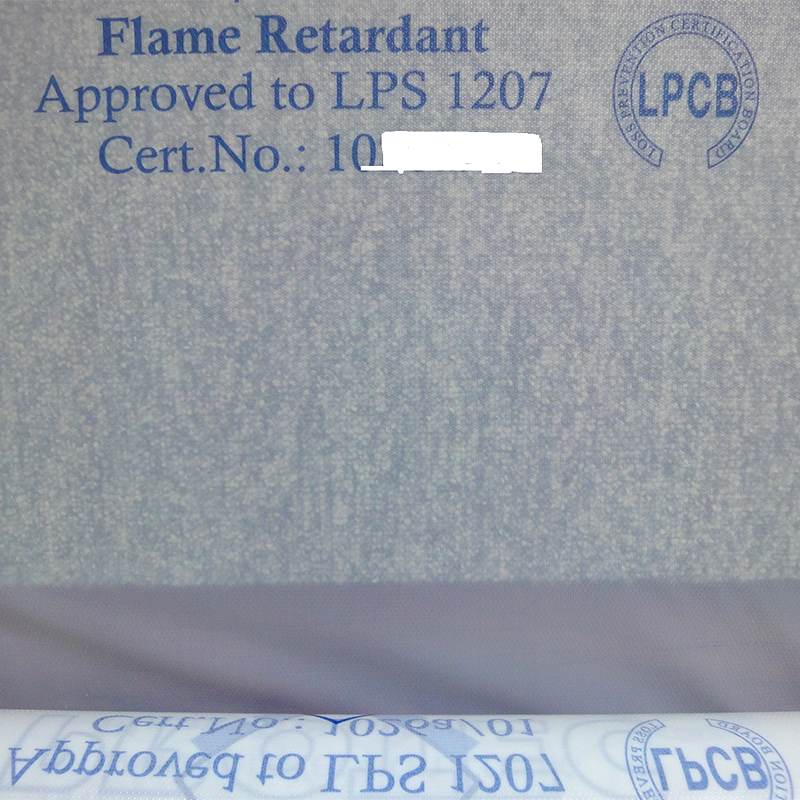
● Prevents costly damages in case of fire /flame;● Meet the strict international test standards of loss prevention; ● Extensive selection for flame re...
See Details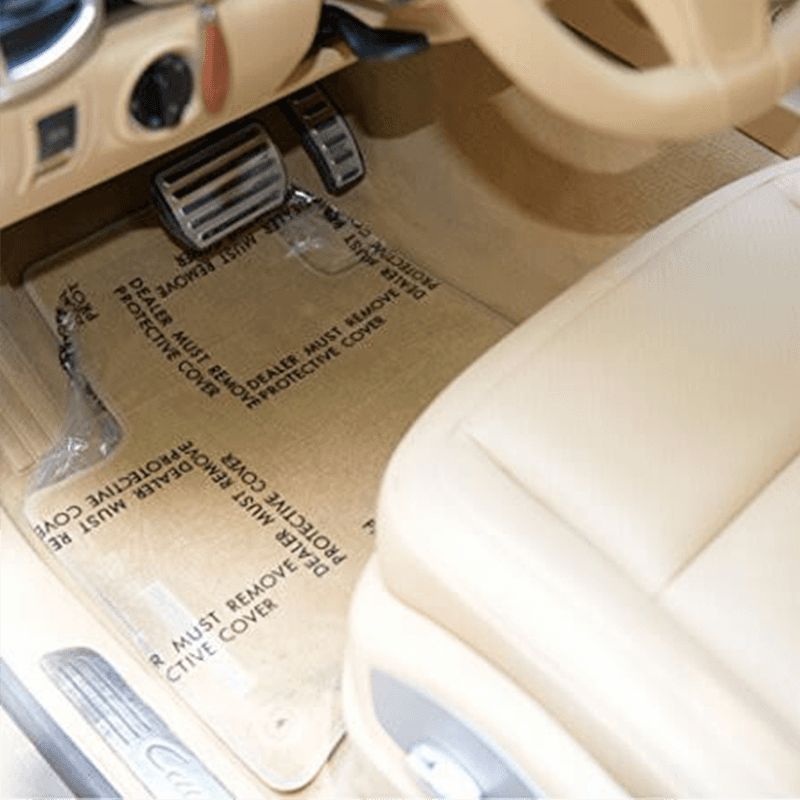
● Distance of each perforation die-cut ranges from 100mm to 1200mm;● Can peel off each die-cut piece of protective film at the perforated line easily;...
See Details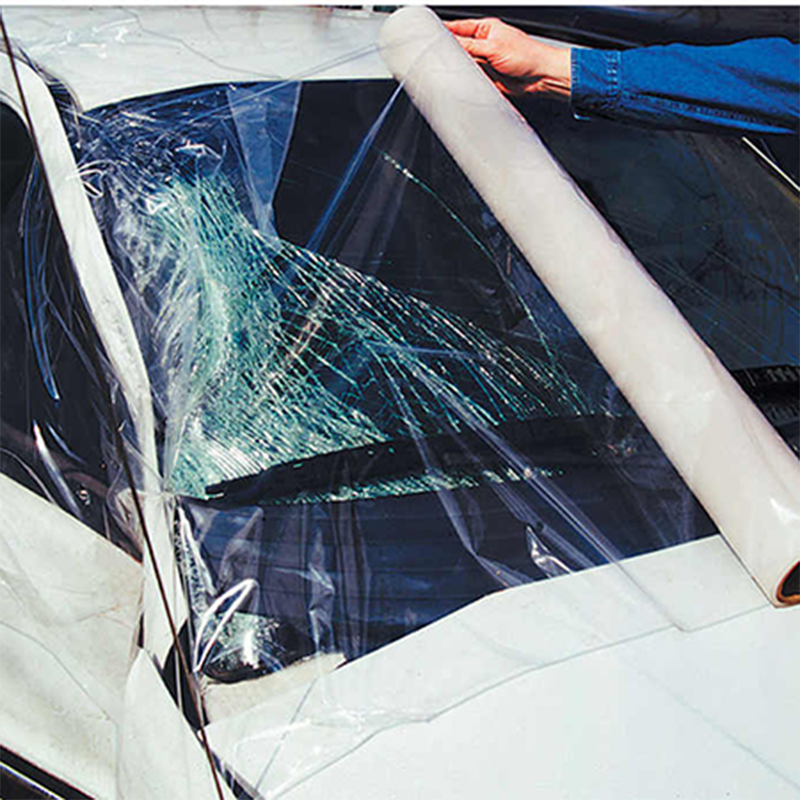
● The super-tough polyethylene film resists puncture and penetration by rain, snow, debris, and dirt during the transportation and storage of the cras...
See Details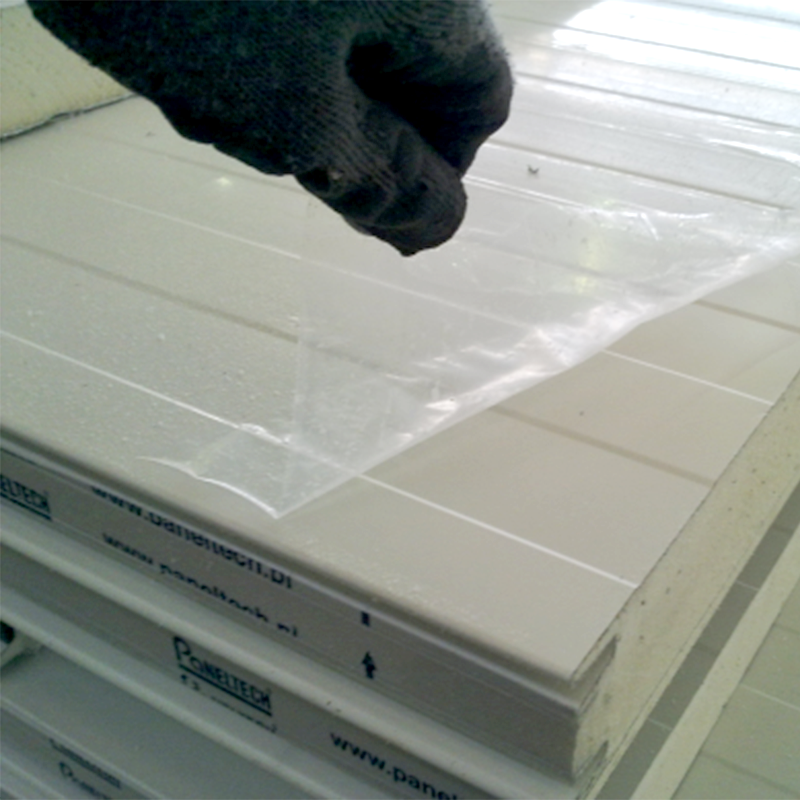
● The specially formulated adhesive ensures easy application and removal without leaving residue glue on the sandwich panels; ● The super-tough polyet...
See Details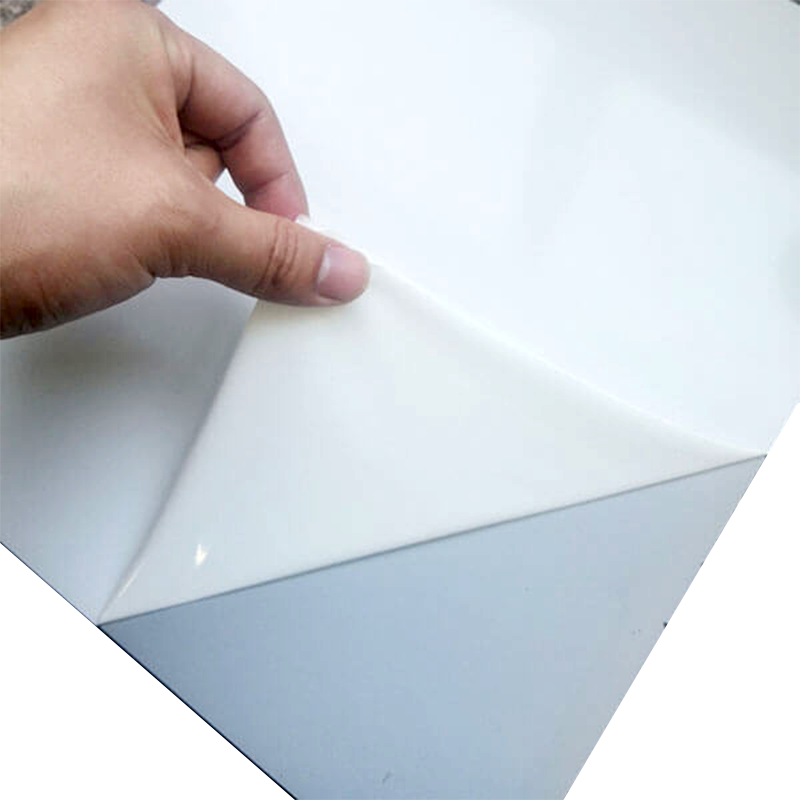
● The super tough polyethylene film with super high adhesion can stop parts of the glass or mirror from splintering away and injuring people when it i...
See Details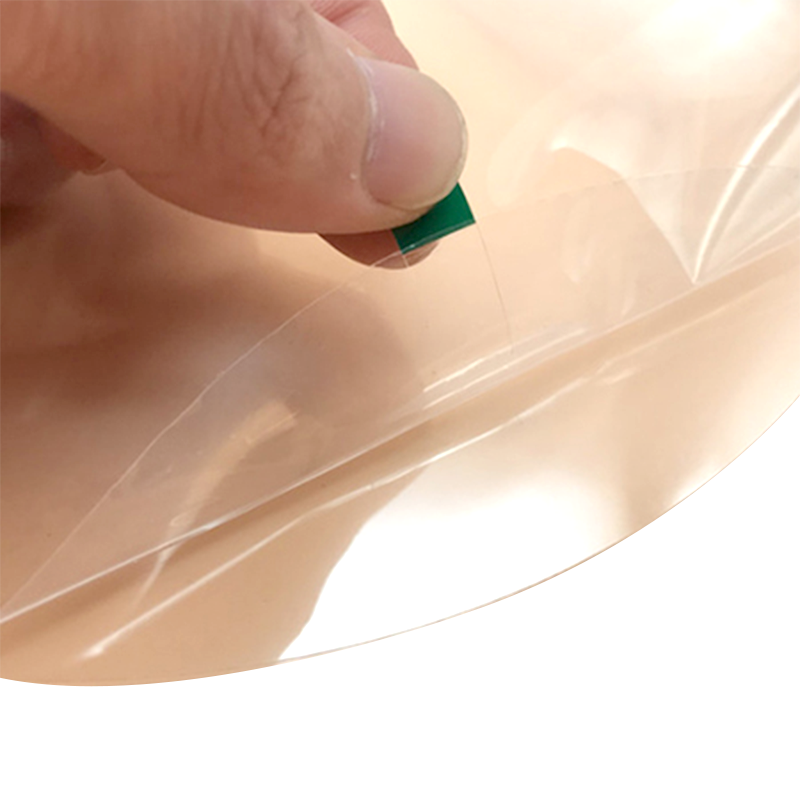
● Suitable for plastic sheets’ drilling, cutting, routing, thermoforming, bending, or post-fabrication operations;● No “ghost shadow” or “fish eye” af...
See Details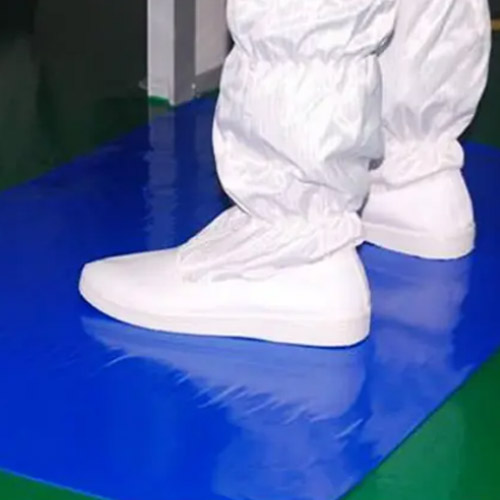
● Options for either 30 or 60 layers per mat; can be packed with four mats, eight mats, or ten mats per carton;● Remove dirt effect: ≥99.9% (5 steps);...
See Details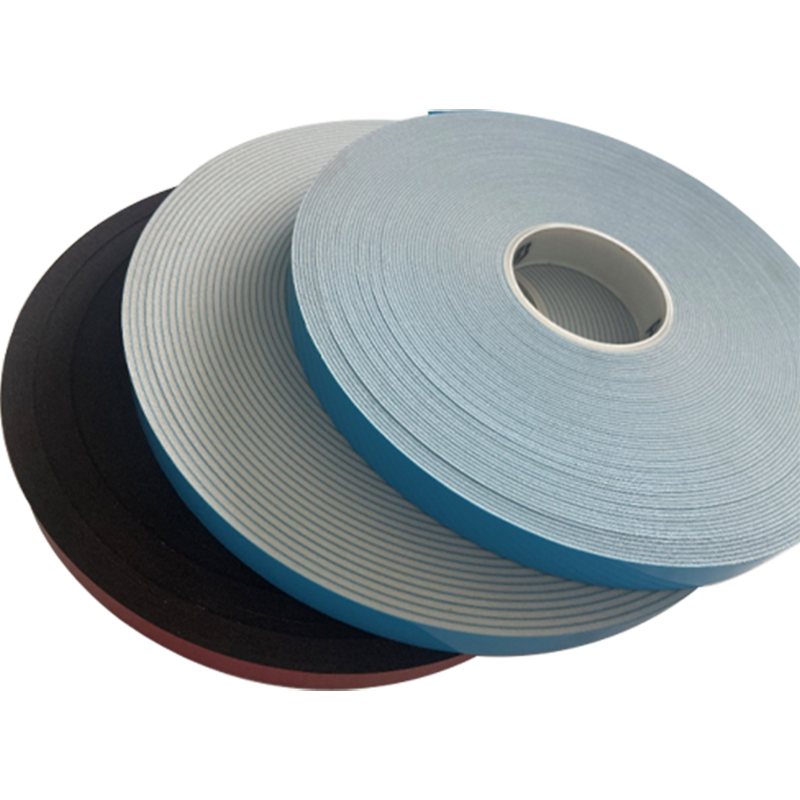
● Waterproof - the desirable material for waterproofing. ● Dust-proof - positive performance of dust prevention.● Low resilience - prevent the deforma...
See Details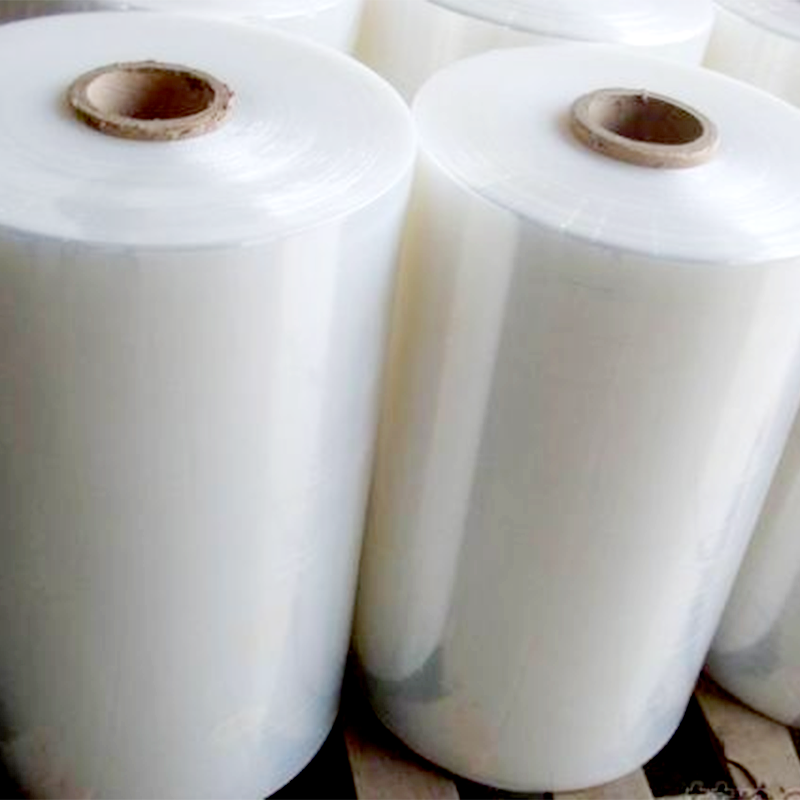
● Excellent puncture and tear resistance; ● Self-adhering-each layer of film bonds to the next for added strength; ● Big roll size to save cost and re...
See Details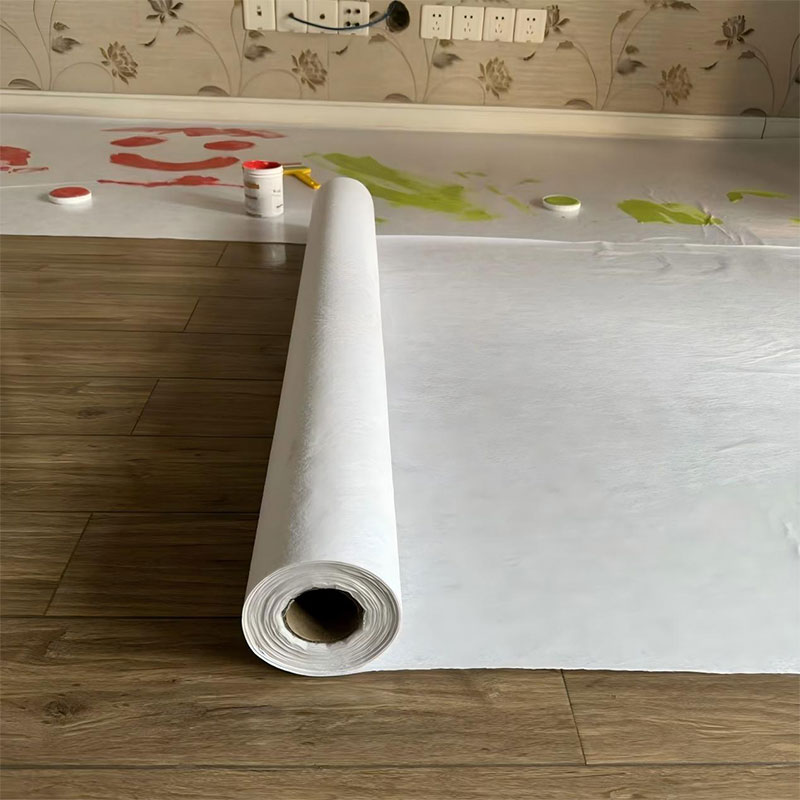
This product has non-woven synthetic fleece in middle; PE film adhered onto top of the non-woven fabric, which is coated with self adhesive glue on it...
See DetailsWe’re a reliable partner that shapes our expertise into success for your project.

Copyright 2024 Wuxi Qida Tape Co., Ltd. All Rights Reserved
 Wholesale Protective Film/Foil Manufacturers
Privacy
Wholesale Protective Film/Foil Manufacturers
Privacy