

 English
 English
 русский
 Français
 Español
 Português
 عربى
عربى
Cat:Glue -coated Protective Film
● Good weatherability for outdoor exposure; ● Stable adhesion level; ● UV resistance for up to 12 months; ● Can print customized logo or application i...
See Details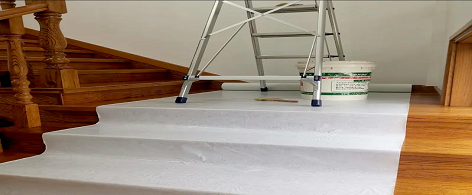
Protective film is a thin, transparent layer of material—usually polyurethane (PU), polyvinyl chloride (PVC), or polyethylene terephthalate (PET)—applied directly onto a surface to shield it from scratches, UV damage, impact, and general wear. In the automotive world, the most common form is paint protection film (PPF), a clear urethane layer applied to a vehicle's exterior to prevent rock chips, road debris damage, and minor scratches. For glass surfaces, window protection film and shatter resistant window film serve a similar purpose by reinforcing glass against impact and blocking up to 99% of UV rays.
If you're deciding whether you need protective film, the short answer is: if a surface is exposed to physical wear, sun exposure, or impact risk—like a car's hood, a windshield, or a phone screen—protective film is almost always a worthwhile, cost-effective investment compared to repairing or replacing the surface later.
Protective film functions as a sacrificial barrier. Rather than letting scratches, chips, or UV rays damage the original surface directly, the film absorbs that impact and degradation instead. Most modern films, including clear paint protection film and 3m ppf film products, are engineered with multiple layers:
Some films, especially those used in auto paint protection, also include a "self-healing" top coat that uses heat (from sunlight or warm water) to reverse minor scratches and swirl marks automatically, restoring a smooth, glossy appearance within minutes.
Protective film isn't a single product—it spans several categories, each designed for a specific surface and purpose. Below are the most common types found on the market in 2026.
Paint protection film, often shortened to ppf film, is applied to a vehicle's painted surfaces—hood, bumper, side mirrors, and door edges—to guard against rock chips, road salt, bug splatter, and minor abrasions. A quality car paint protection film typically ranges from 6 to 8 mils thick and can last 5 to 10 years with proper care.
Windshield protection film is a specialized, optically clear film designed to protect glass from pitting and chipping caused by road debris, gravel, and small stones, all while maintaining full visibility and meeting automotive safety standards for clarity.
UV blocking window film is commonly applied to home and vehicle windows to filter out harmful ultraviolet rays. High-quality versions block up to 99% of UVA and UVB radiation, reducing interior fading of upholstery, flooring, and furniture while also lowering interior temperatures by several degrees during hot weather.
Shatter resistant window film (also called shatter proof window film) is a thicker security-grade film designed to hold broken glass fragments together if a window is struck or shattered. This type is widely used in storefronts, ground-floor residential windows, and vehicles in areas prone to break-ins or severe weather.
To help you quickly identify which type fits your needs, here is a side-by-side comparison of the major protective film categories.
| Film Type | Primary Use | Typical Thickness | Average Lifespan |
|---|---|---|---|
| Paint protection film | Vehicle paint surfaces | 6-8 mils | 5-10 years |
| Windshield protection film | Windshield glass | 7-8 mils | 2-3 years |
| UV blocking window film | Home/auto windows | 2-4 mils | 10-15 years |
| Shatter resistant window film | Security/safety glass | 7-14 mils | 10-15 years |
A common point of confusion is how ppf wrap compares to other auto paint protection methods like wax or ceramic coating. While all three protect a vehicle's finish, they work in very different ways.
Many car owners now combine both—applying ceramic coating over clear paint protection film—to get UV resistance, chemical protection, and physical impact resistance all in one package.
Not all ppf film is created equal. Brand reputation and manufacturing quality significantly affect performance. 3m ppf film, for example, is widely regarded as an industry benchmark due to its consistent self-healing top coat and stain resistance against bug splatter and tree sap.
When evaluating any auto paint protection brand, look for these quality indicators:
Whether you're installing car paint protection film or window protection film, the application process follows a similar general sequence, though automotive PPF requires significantly more precision due to curved body panels.
The surface must be thoroughly cleaned and decontaminated. Any dirt, wax, or residue left underneath the film can cause bubbling or poor adhesion later.
Professional installers use computer-aided pattern cutting software to pre-cut ppf wrap pieces to match exact vehicle panel dimensions. This reduces waste and ensures a precise edge-to-edge fit.
A slip solution (typically water mixed with a small amount of soap) is sprayed onto the surface and the adhesive side of the film. This allows installers to reposition the film before it fully bonds.
Using a squeegee, installers push out air bubbles and excess solution. A heat gun is then used to stretch the film around curves and contours, which is especially critical for complex shapes like mirrors and bumpers.
Most films require 24 to 48 hours of curing time before the vehicle is washed or exposed to rain, allowing the adhesive to fully set.
Many consumers wonder whether they can install clear paint protection film or window protection film themselves to save money.
| Factor | DIY Installation | Professional Installation |
|---|---|---|
| Average Cost (full vehicle) | $300-$800 (materials only) | $1,500-$6,000 |
| Time Required | 8-20 hours (first attempt) | 4-8 hours |
| Finish Quality | Visible seams/bubbles common | Seamless, factory-like finish |
| Warranty Coverage | Material only, no labor guarantee | Full material + labor warranty |
For smaller, flat surfaces like window protection film on a home window, DIY installation is generally manageable. However, for full-vehicle ppf film coverage involving curved panels, professional installation typically delivers a noticeably better finish and is the recommended option for high-value vehicles.
While car paint protection and windshield protection film dominate consumer awareness, protective film technology extends well beyond vehicles.
Proper care extends the lifespan and performance of any protective film, whether it's applied to a vehicle or a window.
High-quality car paint protection film typically lasts 5 to 10 years with proper maintenance, though premium brands like 3m ppf film often come with warranties extending up to 10 years against yellowing and cracking.
No. Quality uv blocking window film and shatter resistant window film are engineered to maintain optical clarity, typically allowing over 90% visible light transmission while still filtering harmful UV rays.
Yes, when installed correctly, both ppf wrap and window protection film are designed for clean removal without leaving adhesive residue or damaging the underlying paint or glass, provided it's removed using proper heat and technique.
No. Shatter resistant window film significantly improves impact resistance and helps hold glass fragments together when broken, but it is not a substitute for bulletproof or ballistic-rated glass.
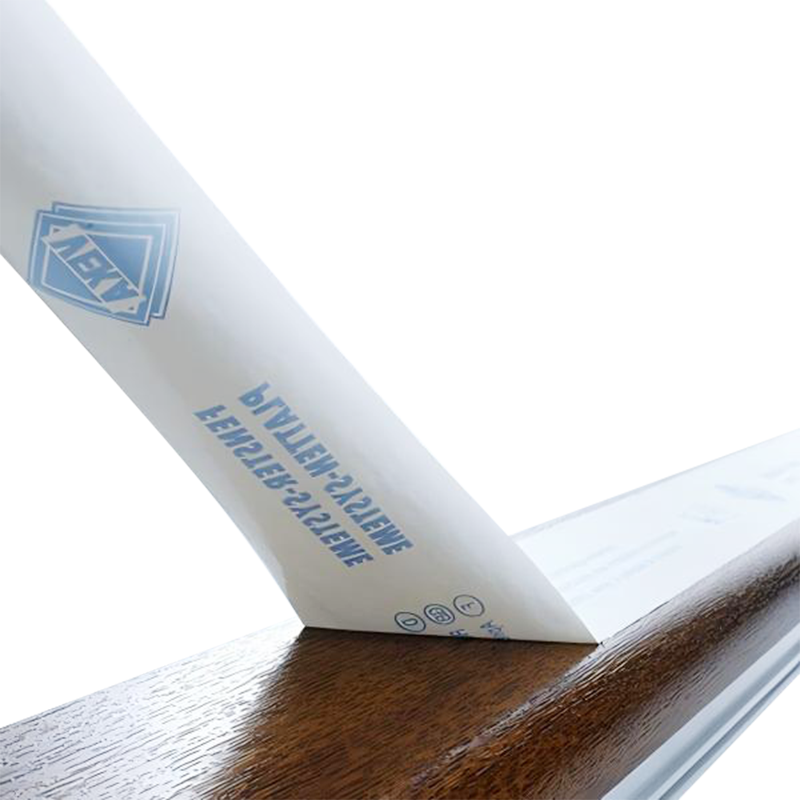
● Good weatherability for outdoor exposure; ● Stable adhesion level; ● UV resistance for up to 12 months; ● Can print customized logo or application i...
See Details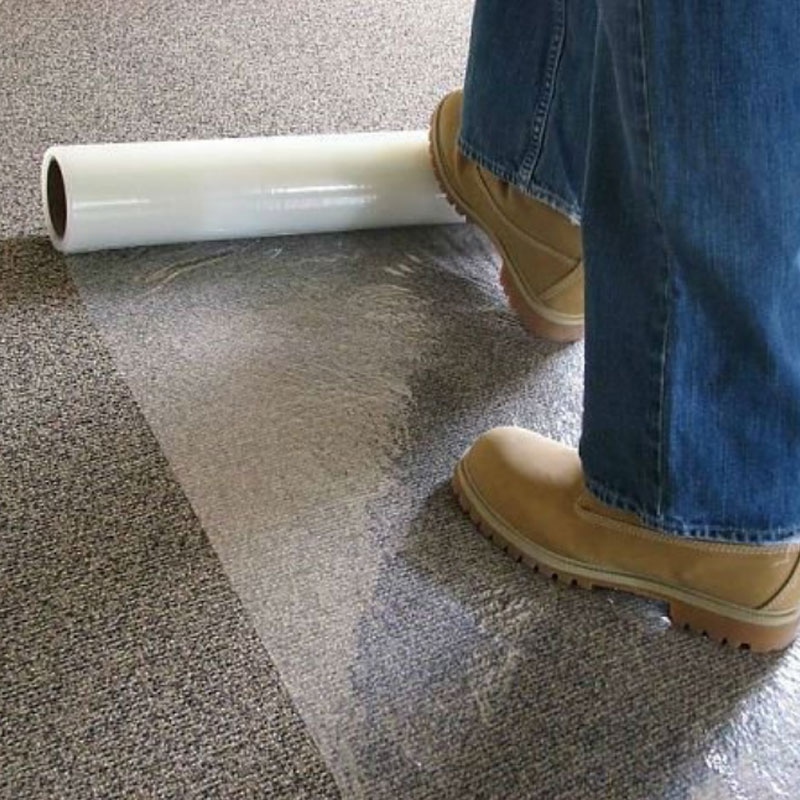
● Protects carpet against staining, paint spillage and dirt during painting, building, remodeling, plastering, tiling, decoration, general maintenance...
See Details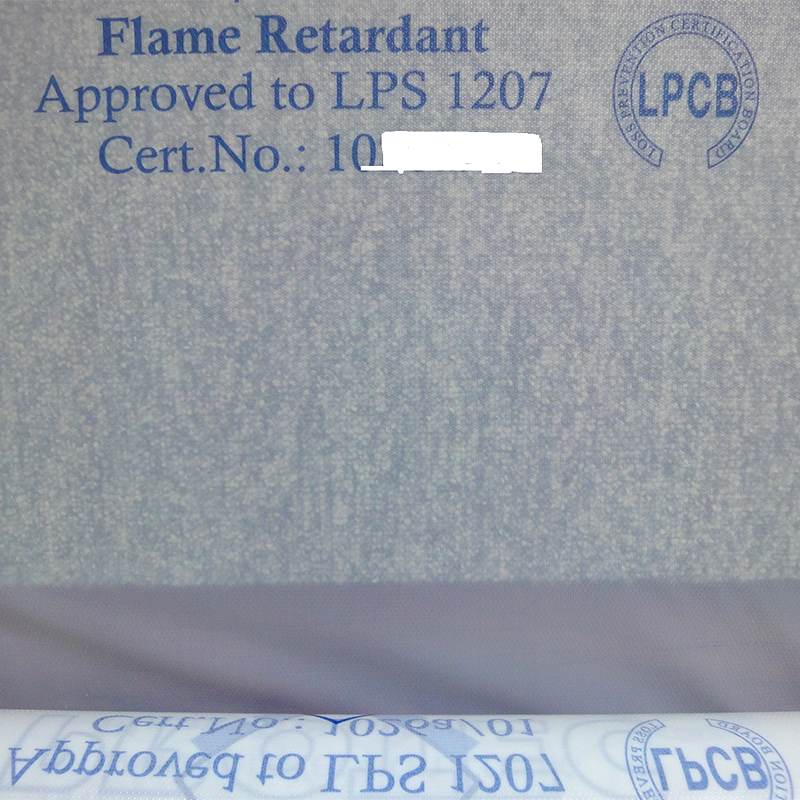
● Prevents costly damages in case of fire /flame;● Meet the strict international test standards of loss prevention; ● Extensive selection for flame re...
See Details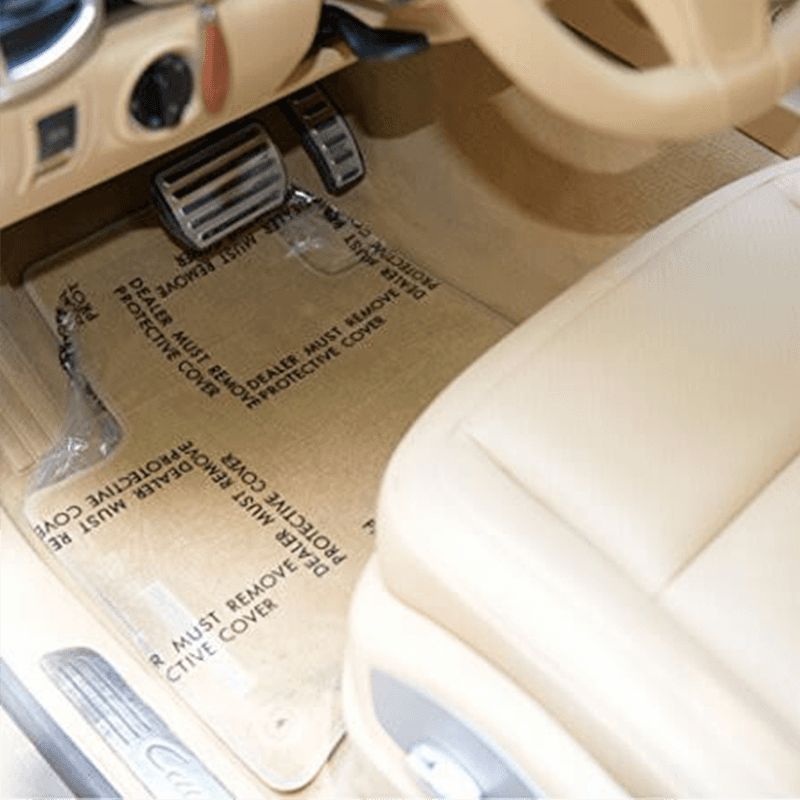
● Distance of each perforation die-cut ranges from 100mm to 1200mm;● Can peel off each die-cut piece of protective film at the perforated line easily;...
See Details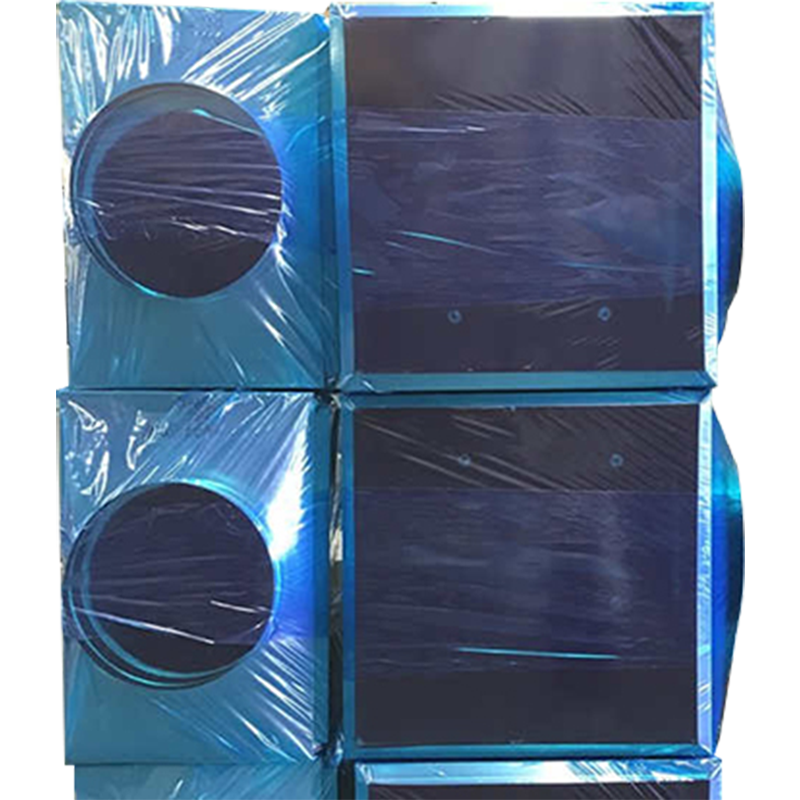
● The super-tough polyethylene film resists puncture and penetration by liquid and dirt during storage, transportation, and installation of the ductwo...
See Details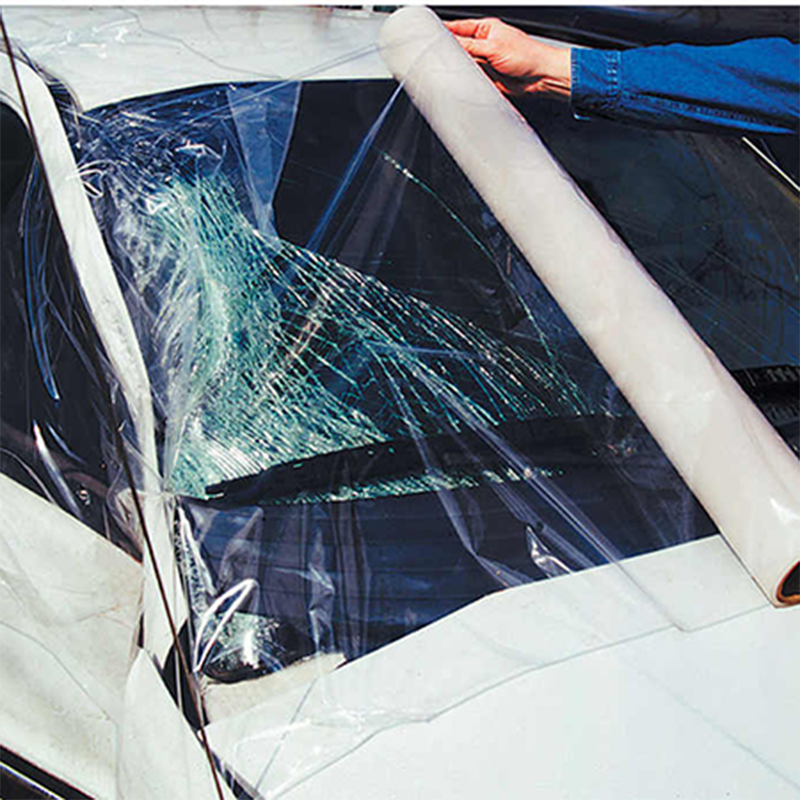
● The super-tough polyethylene film resists puncture and penetration by rain, snow, debris, and dirt during the transportation and storage of the cras...
See Details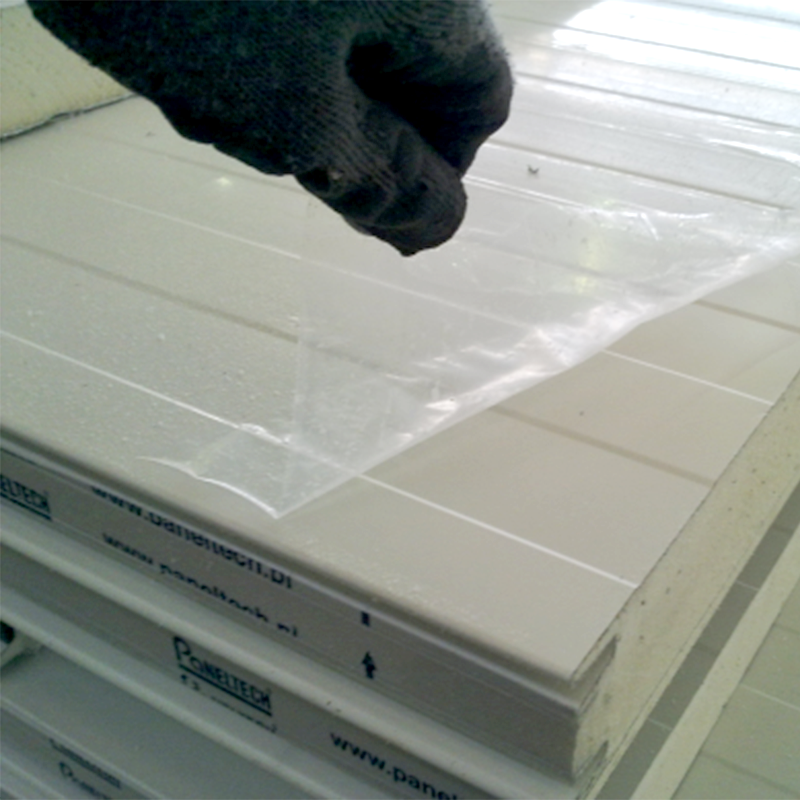
● The specially formulated adhesive ensures easy application and removal without leaving residue glue on the sandwich panels; ● The super-tough polyet...
See Details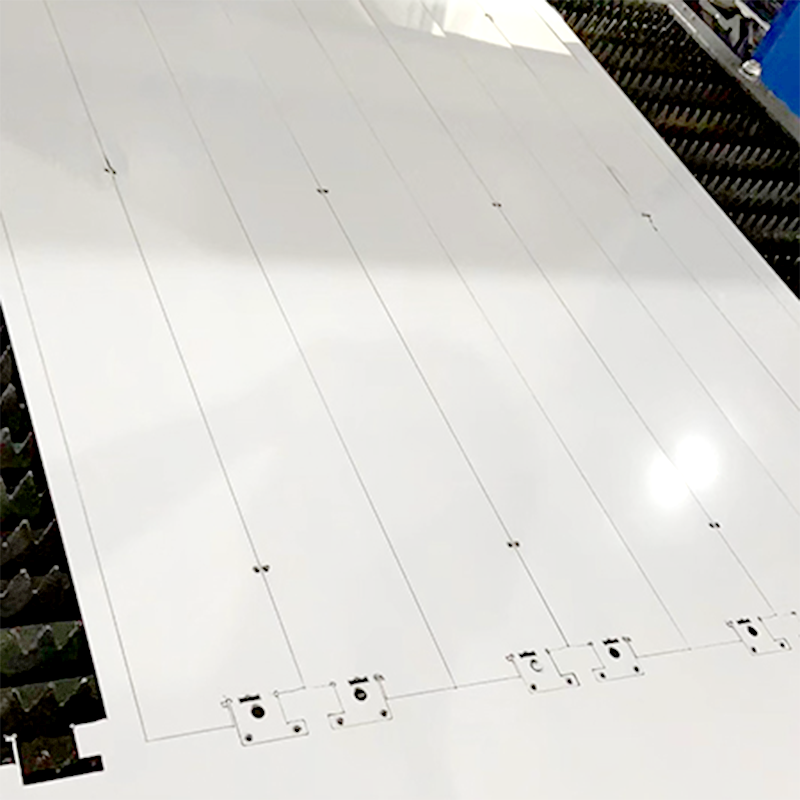
● The specially formulated natural rubber adhesive suitable for both CO2 and Fiber laser cutting processes;● High cutting quality without burr or trac...
See Details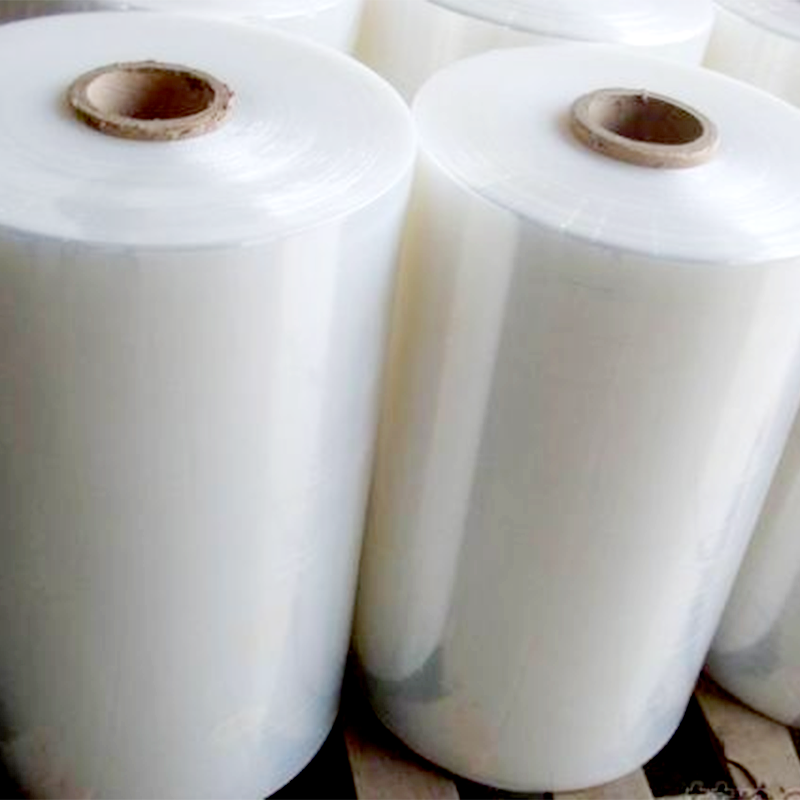
● Excellent puncture and tear resistance; ● Self-adhering-each layer of film bonds to the next for added strength; ● Big roll size to save cost and re...
See Details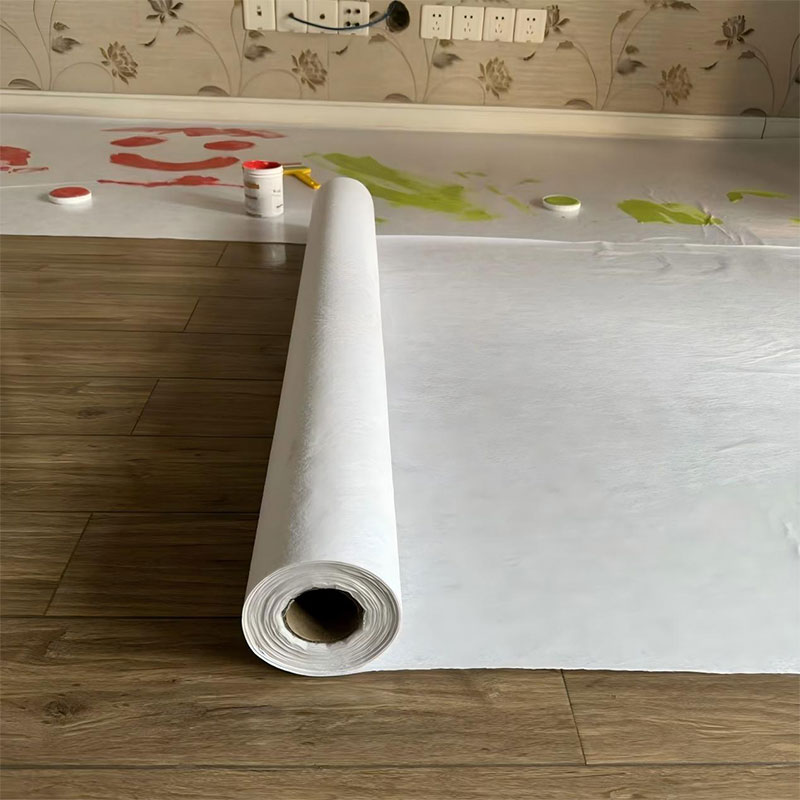
This product has non-woven synthetic fleece in middle; PE film adhered onto top of the non-woven fabric, which is coated with self adhesive glue on it...
See DetailsWe’re a reliable partner that shapes our expertise into success for your project.

Copyright 2024 Wuxi Qida Tape Co., Ltd. All Rights Reserved
 Wholesale Protective Film/Foil Manufacturers
Privacy
Wholesale Protective Film/Foil Manufacturers
Privacy