

 English
 English
 русский
 Français
 Español
 Português
 عربى
عربى
Cat:Glue -coated Protective Film
● Good weatherability for outdoor exposure; ● Stable adhesion level; ● UV resistance for up to 12 months; ● Can print customized logo or application i...
See Details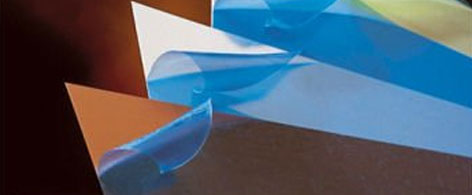
The best windshield protection film for most drivers is a 8-mil polyurethane PPF applied to the full windshield surface by a certified installer — it offers the strongest combination of impact resistance, optical clarity, and self-healing capability. Budget-conscious buyers who primarily want UV blocking and minor chip resistance can get meaningful protection from a quality 4-mil cast PET film at roughly one-third the cost. What is not worth the money: thin pre-cut universal kits sold for under $30, which lack the optical clarity and adhesive quality needed to maintain safe driving visibility over time.
Windshield protection is one of the most cost-effective investments a vehicle owner can make. A single windshield replacement on a modern vehicle with advanced driver-assistance systems (ADAS) — cameras, sensors, and rain detectors embedded in the glass — typically costs $400–$1,500, and recalibration of ADAS sensors after replacement adds another $150–$400. A quality windshield protection film installation costs $150–$600 and can prevent that replacement entirely. This guide covers every major film type, what thickness ratings actually mean, how to evaluate optical quality, and how to match the right product to your driving environment and budget.
A windshield film protector is a thin, optically transparent layer of polymer material bonded to the outer surface of the windshield using a pressure-sensitive adhesive. Its primary function is to absorb and distribute the kinetic energy of road debris — gravel, sand, small stones — before that energy reaches the glass surface beneath. Secondary functions vary by film type and include UV rejection, hydrophobic water repellency, and reduction of glare from oncoming headlights.
Understanding what windshield protection cannot do is equally important for setting realistic expectations. No film on the market prevents all damage from large, high-velocity impacts. A rock ejected at highway speed from a truck tire strikes the glass with enough force that even the thickest commercially available PPF will not fully prevent cracking. What the film does in this scenario is absorb a portion of the impact energy, potentially converting a full star-crack or bullseye break into a surface chip confined to the film layer itself — which can be replaced at a fraction of the cost of glass replacement.
Key things windshield film protection provides:
Key things windshield protection film does not provide:
Understanding the types of auto window film available is essential before making any purchase decision. The windshield market is served by four distinct film categories, each built on different base materials with fundamentally different performance profiles. Conflating them — as many online comparisons do — leads to poor purchasing decisions.
Windshield PPF — thermoplastic polyurethane applied to glass — represents the highest-performance category available for windshield protection. Originally developed for military helicopter rotor blade protection in the 1960s and later adapted for automotive body panels, TPU film brings genuine elastomeric properties to windshield applications. When struck by road debris, the film deforms to absorb impact energy rather than shattering or cracking, then returns toward its original shape. The best products in this category include a self-healing topcoat: light surface scratches disappear within minutes when exposed to heat (sunlight or warm water), typically at temperatures above 140°F (60°C).
Windshield PPF products are typically available in thicknesses of 6 mil, 8 mil, and 10 mil. The 8-mil option represents the practical sweet spot — thick enough for meaningful impact resistance without introducing the optical distortion risks that poorly installed 10-mil film can create on curved windshields. Premium windshield PPF maintains optical clarity of 92–95% light transmission, which meets or exceeds legal minimums for windshield tinting in all 50 US states (most require 70% minimum VLT).
Leading brands in the windshield PPF space include XPEL FUSION PLUS, 3M Crystalline, SunTek Ultra, and Llumar FormulaOne Stratos. Professional installation of full-windshield PPF typically costs $300–$600 depending on vehicle size and local market.
Cast PET film is the most widely sold category of windshield protective film, occupying the mid-range price segment. PET is a rigid polyester material — the same base material used in many beverage bottles — that offers excellent dimensional stability, high optical clarity, and reliable UV blocking. Unlike TPU, PET does not self-heal and has no meaningful elastomeric properties, meaning it will not absorb significant impact energy.
The primary value proposition of cast PET windshield film is UV and infrared rejection combined with scratch resistance. A quality cast PET film rejects 99% of UV radiation and 50–70% of infrared heat, meaningfully reducing interior cabin temperature and protecting dashboard materials from UV degradation. Cast PET films are manufactured by casting liquid PET onto a highly polished drum, which produces a dimensionally stable film without internal stress — critical for maintaining optical clarity on curved windshields over time. Cheaper "calendered" PET film is manufactured by forcing PET through rollers, introducing internal stress that causes the film to shrink, bubble, and distort within 1–2 years.
Quality cast PET windshield protector film installation costs $150–$350 professionally applied, making it the most cost-effective option for drivers whose primary concern is UV protection and scratch resistance rather than impact resistance.
Ceramic window film uses nano-ceramic particles embedded within a PET or polyurethane carrier matrix. The ceramic component provides exceptional infrared rejection — quality ceramic films reject 70–80% of total solar energy while maintaining very high visible light transmission, making them the preferred choice for heat reduction without significant darkening of the glass. Ceramic films are also non-conductive, meaning they do not interfere with GPS, cellular, or radar signals — a meaningful advantage over older metallized film technologies.
For windshield applications specifically, ceramic film is most commonly applied as a hybrid product combining a ceramic PET layer for heat rejection with a TPU surface layer for scratch and impact resistance. Pure ceramic film on its own offers limited impact protection compared to full-thickness TPU PPF. Ceramic hybrid windshield films typically cost $250–$500 installed and represent the best option for drivers in hot climates where heat rejection is the primary concern alongside basic impact protection.
Anti-glare windshield film applies a matte or micro-textured coating to the inner surface of a PET or TPU carrier film to reduce reflections and diffuse high-intensity light sources. This category is primarily a comfort and visibility product rather than a protection product. It is particularly effective for drivers who experience significant glare from oncoming LED headlights — a growing issue as high-intensity LED and matrix LED headlights become standard on modern vehicles.
The trade-off is optical resolution: the micro-texture that diffuses glare also introduces a small amount of visual softening, which some drivers find distracting during daytime driving. Anti-glare windshield film is best reserved for drivers who do significant nighttime driving and find existing glare levels genuinely impairing, rather than as a primary protection product.
| Film Type | Impact Resistance | UV Rejection | Heat Rejection | Self-Healing | Installed Cost |
|---|---|---|---|---|---|
| Polyurethane PPF | Excellent | 99% | 40–60% | Yes | $300–$600 |
| Cast PET | Low–Moderate | 99% | 50–70% | No | $150–$350 |
| Ceramic Hybrid | Moderate | 99% | 70–80% | Varies | $250–$500 |
| Anti-Glare Film | Low | 95–99% | 30–50% | No | $100–$300 |
Film thickness is measured in mils — one mil equals one-thousandth of an inch (0.0254mm). Thickness is the single most important specification for impact and scratch resistance, but it is not a linear relationship: doubling the thickness does not double the protection. The relationship between thickness and impact absorption follows a diminishing-returns curve, which is why the industry has converged on 6–8 mil as the practical optimum for windshield applications.
Films in the 2–4 mil range provide meaningful UV blocking and basic scratch resistance from wiper blades and light contact, but offer minimal impact resistance against road debris. At this thickness, the film absorbs very little kinetic energy from a stone chip. These films are best suited to enclosed parking situations where highway chip risk is low, or as a temporary protective layer on new vehicles before higher-grade film installation. Many windshield screen protector products sold in retail auto parts stores fall into this thickness range — adequate for what they claim but often marketed with misleading "protection" language that implies greater impact resistance than the thickness can deliver.
At 6 mil, polyurethane PPF begins to provide measurable impact energy absorption. Independent testing by film manufacturers using SAE J400 chip resistance protocols shows that 6-mil TPU film absorbs approximately 30–40% of the kinetic energy from standardized gravel impacts at 60 mph. This translates to meaningful real-world protection: chips that would have created a 6–8mm bullseye crack in bare glass are frequently contained to a surface mark in the film itself. 6-mil film is the minimum recommended thickness for highway driving in areas with significant gravel truck traffic or road construction.
8-mil polyurethane PPF is the specification used by the majority of professional installers for full windshield coverage, and for good reason. The additional mass compared to 6-mil film provides meaningfully better impact absorption without the conformability challenges that thicker films introduce on compound-curved modern windshields. Most OEM-grade windshield PPF products from leading brands ship in 8-mil thickness as their primary windshield SKU. At this thickness, the self-healing topcoat performs most effectively — the additional polymer mass retains heat better, enabling the topcoat to flow and heal surface scratches more reliably.
10-mil and thicker films exist primarily for extreme-duty applications: off-road vehicles, construction equipment, vehicles operated in active gravel quarry environments, and fleet vehicles driven on unsealed roads. At this thickness, conformability on curved windshields becomes a legitimate concern — 10-mil film requires heat forming during installation and cannot be applied flat on compound curves without professional-grade plotters and heat guns. Optical distortion risk also increases. For the vast majority of passenger vehicle applications, 10-mil provides minimal additional real-world protection over 8-mil and introduces unnecessary installation complexity.
| Thickness | Impact Energy Absorbed | Self-Healing Effectiveness | Installation Difficulty | Best Application |
|---|---|---|---|---|
| 2–4 mil | ~10–15% | Limited | DIY-friendly | Urban/low-speed use, UV blocking only |
| 6 mil | ~30–40% | Good | Moderate | Highway driving, entry-level PPF |
| 8 mil | ~50–60% | Excellent | Professional recommended | Full windshield, most vehicles |
| 10 mil+ | ~65–70% | Excellent | Professional only | Off-road, extreme-duty fleet |
One of the most practical decisions buyers face is whether to apply a windshield skin — a partial film covering only the highest-impact zone — or invest in full windshield coverage. Both approaches have legitimate use cases, and the right choice depends on driving pattern, budget, and vehicle type.
A windshield skin refers to a partial application covering the lower portion of the windshield — typically the bottom 12–18 inches — which is the zone that receives the overwhelming majority of stone chip and road debris impacts during highway driving. Studies of windshield damage patterns across fleet vehicles consistently show that over 75% of stone chips occur in the lower third of the windshield, directly in the path of debris thrown by the vehicle ahead.
A windshield skin application using 8-mil PPF typically costs $80–$200 professionally installed, compared to $300–$600 for full coverage. For daily highway commuters who want chip protection without the full investment, a quality windshield skin addresses the majority of the real-world risk at roughly one-third the cost. The limitation is obvious: the upper two-thirds of the glass remains unprotected against UV degradation, wiper abrasion, and less common but possible high-angle impacts.
Full windshield PPF coverage protects the entire glass surface and is the recommended approach for any vehicle where windshield replacement cost exceeds $600 — which now describes most vehicles with ADAS cameras, lane departure warning systems, and embedded rain sensors. On a vehicle like a 2023 Tesla Model 3 (OEM windshield replacement: $1,200–$1,800 including ADAS recalibration), a $400 full-windshield PPF installation that prevents even one replacement pays for itself immediately.
Full coverage also provides uniform aging across the glass surface. Partial film applications create a visible line between the protected and unprotected zones over time, as the unfilmed glass develops haziness from UV exposure and wiper abrasion while the filmed section remains clear.
A windshield protector film that compromises optical clarity is worse than no film at all, because degraded visibility directly impairs driving safety. This is the area where the widest quality gap exists between budget and premium products, and where buyers most frequently make costly mistakes by choosing on price alone.
VLT measures the percentage of visible light that passes through the film. Most jurisdictions mandate a minimum VLT of 70% for windshields. Quality windshield film products — whether PPF, cast PET, or ceramic — are engineered to maintain 88–95% VLT to preserve full visibility and legal compliance. Budget films frequently show VLT values of 70–75%, which is technically legal but leaves virtually no margin if the film develops any haziness from aging or installation defects.
Request the VLT specification sheet from any supplier before purchasing. Reputable manufacturers publish these values prominently. If a supplier cannot provide VLT data, the product should be disqualified from consideration for windshield use.
Haze is measured as a percentage of transmitted light that is scattered by the film rather than passing through in a straight line. A haze rating above 1.0% is perceptible to the human eye in normal driving conditions; above 2.0% it creates a milky visual softening that is most apparent in backlit driving scenarios (sunrise, sunset, oncoming headlights). Premium windshield protective film products achieve haze ratings of 0.1–0.5%. Budget products, particularly self-adhesive films with uneven adhesive layers, frequently measure 2–5% haze — a serious safety concern that the buyer will not discover until after installation.
Polyurethane PPF formulations from the early 2000s had a well-documented problem with yellowing — UV exposure caused the polymer matrix to oxidize and develop a yellow-orange tint within 3–5 years. Modern windshield PPF from established manufacturers uses UV-stabilized formulations with hindered amine light stabilizers (HALS) that dramatically reduce yellowing. Leading products like XPEL FUSION PLUS and SunTek CIR carry 10-year warranties against yellowing, cracking, and peeling. No-name products without yellowing warranty coverage should be avoided for windshield use, where even mild discoloration affects safety.
The term windshield screen protector is used loosely across the market, describing everything from high-performance PPF to thin acrylic shields designed primarily to deflect sunlight when parked. Understanding the retail landscape prevents wasted spending on products that do not deliver meaningful protection.
Pre-cut kits sold online and in auto parts stores are the most frequently purchased and most frequently disappointing product in this category. These kits are cut to approximate sizes covering a range of vehicle models and are made from 2–4 mil PET film with a generic pressure-sensitive adhesive. The combination of universal sizing (requiring trimming by the buyer) and thin film results in products that typically exhibit edge lifting within 3–6 months, bubble formation from trapped moisture, and limited practical protection against anything beyond light UV exposure.
Universal fit kits are not recommended for painted surface film areas or ADAS camera zones. If budget constraints make a professional installation impossible, choose a kit from a brand that provides vehicle-specific cutting patterns (not universal sizes) and uses a cast PET base rather than calendered PET. The price difference between these subcategories is typically only $10–$20 but the performance gap is substantial.
A step above universal kits, vehicle-specific DIY products are cut using a plotter to the exact windshield dimensions of a specific make, model, and year. These kits eliminate the trimming problem and allow the film to reach the full glass perimeter without gaps or overlaps. Some brands, including XPEL and SunTek, sell their professional-grade film in vehicle-specific DIY formats at prices between $80–$180.
The challenge with DIY installation on windshields — compared to, say, a phone screen protector — is the compound curve of automotive glass. Windshields curve in two planes simultaneously, requiring the film to be stretched and conformed to the glass without introducing bubbles or tension points. Even experienced DIY enthusiasts report a 40–60% failure rate on their first windshield film installation attempt. For this reason, vehicle-specific DIY kits are best recommended only for buyers who have already successfully completed body panel PPF installations and who have access to a spray bottle solution, squeegee set, and heat gun.
Professional installation by a certified detailing shop or tint installer represents the best value for most buyers when the full cost of a failed DIY installation is factored in. A professional installer uses a computer-cut pattern matched to the vehicle, a slip solution for wet-method installation that prevents premature adhesion during positioning, heat-forming for compound curves, and edge-sealing to prevent moisture infiltration. The labor component — typically 2–4 hours for a full windshield — is where the price gap between DIY kits and professional installation is most justified.
When sourcing a professional installer, look for certification from the film manufacturer (XPEL Certified, 3M Authorized, Llumar Dealer Network) and ask specifically about their experience with windshield applications. Body panel PPF installation experience does not automatically transfer to windshield work — the optical standards for windshield film are significantly higher, and installers who primarily do body panels may not routinely work to the zero-bubble, zero-distortion standard required for safe windshield applications.
Film compatibility with ADAS systems is the most frequently overlooked specification in the car windshield protector market, and getting it wrong can disable critical safety systems. Modern vehicles embed a growing range of sensors and cameras in or behind the windshield: forward collision warning cameras, rain sensors, automatic high-beam controllers, heads-up display projection zones, and lane departure warning cameras. Each of these systems has specific requirements for the optical properties of the glass in front of them.
Forward-facing ADAS cameras are typically mounted at the top center of the windshield, behind the rearview mirror bracket. These cameras operate across a broad spectrum including visible light and near-infrared. Certain windshield films with infrared-reflective coatings — particularly some metallized films — can interfere with camera function by blocking the near-IR wavelengths the camera uses for distance measurement and object detection.
The safest approach is to specify a film with confirmed ADAS compatibility from the manufacturer, and to discuss camera zone treatment with the installer before work begins. Options include:
Rain sensors use infrared light beamed at the windshield surface and detect changes in reflection caused by water droplets. Most quality windshield film products do not interfere with rain sensor function — the key is ensuring no adhesive bubbles or film edges cross the sensor pad, which is typically located near the base of the rearview mirror in a clearly marked zone on the glass. Professional installers who routinely work on ADAS-equipped vehicles will identify and work around this zone as a standard part of their installation process.
Vehicles with windshield-projected HUDs present a unique challenge. HUD images are projected onto the glass and reflected back to the driver — any film with a refractive index that differs significantly from the glass substrate can create a "ghost image" where the projected display appears doubled. Most quality PPF and cast PET films are compatible with HUD systems, but any film with an anti-reflective or high-gloss topcoat should be specifically tested for HUD ghost-image compatibility before full-windshield application. When in doubt, leave the HUD projection zone (typically the lower driver-side quadrant) without film coverage.
With dozens of windshield film products on the market — from globally recognized brands to anonymous white-label rolls — a systematic evaluation framework prevents expensive mistakes. The following checklist covers the minimum specifications a windshield protector film should meet before purchase.
| Specification | Minimum Acceptable | Premium Standard | Test Standard |
|---|---|---|---|
| Visible Light Transmission | ≥ 70% (legal) | ≥ 88% | ASTM D1003 |
| Haze Rating | ≤ 2.0% | ≤ 0.5% | ASTM D1003 |
| UV Rejection | ≥ 95% | 99% | ISO 9050 |
| Infrared Rejection | ≥ 30% | ≥ 60% | ISO 9050 |
| Yellowing Warranty | 5 years | 10 years | Manufacturer warranty |
| Film Thickness (PPF) | 6 mil | 8 mil | Manufacturer spec sheet |
A properly installed windshield protector film requires minimal maintenance compared to bare glass, but several practices meaningfully extend its lifespan and preserve optical clarity through years of use.
The adhesive layer requires a full cure period after installation. During the first 48–72 hours, avoid the following:
Small water bubbles visible beneath the film immediately after installation are normal and expected. The installation process uses a water-based slip solution, and residual moisture works its way out through the film's edges during the cure period. Bubbles that persist beyond 2 weeks indicate an installation defect and should be brought to the installer's attention under warranty.
Clean the filmed windshield with pH-neutral car wash soap and a clean microfiber cloth. Avoid the following products, which can damage the film's topcoat or adhesive layer:
Standard rubber and silicone wiper blades are fully compatible with filmed windshields. However, wiper blades should be replaced more frequently on filmed windshields — a degraded blade with a chipped or hardened rubber edge can scratch the film surface in ways that would not damage bare glass. Replace wiper blades every 6–12 months regardless of apparent condition, and inspect blade edges for chips or deposits before operating wipers on a dry filmed surface.
Quality windshield PPF from established manufacturers carries a 7–10 year lifespan under normal use. Replace the film when any of the following occur:
Film removal is non-destructive when performed by a professional using heat and appropriate adhesive remover. The glass beneath is unaffected, and a fresh film layer can be applied immediately after removal and cleaning. This is a significant advantage over glass replacement — a complete film refresh costs $150–$400 versus $400–$1,500+ for full windshield replacement.
The correct budget for windshield film protection is not a fixed number — it scales with the replacement cost of your windshield and the intensity of your driving environment. Here is a practical framework for matching investment to risk and value.
Drivers who primarily use their vehicle in urban settings at speeds below 45 mph, with access to covered parking, face minimal stone chip risk. For this profile, a quality cast PET or ceramic film focused on UV and heat rejection is the appropriate investment. Budget: $150–$300 professionally installed. Full PPF is not cost-justified for this profile.
A driver covering 15,000–25,000 highway miles per year on standard roads faces a meaningful stone chip risk. Statistically, a driver in this category should expect 1–2 stone chip incidents per year on an unprotected windshield, and one of those chips has approximately a 30% chance of requiring professional repair. For this profile, a windshield skin (lower third) in 8-mil PPF from a quality brand represents strong value. Budget: $150–$250 for a windshield skin; $300–$450 for full coverage if the windshield replacement cost exceeds $500.
Rural drivers, those who regularly follow trucks on highways, and fleet vehicle operators face the highest chip frequency. Full windshield PPF at 8 mil is unambiguously the correct choice and should be treated as a routine maintenance cost rather than an optional upgrade. For fleet operators running 10+ vehicles, negotiating a bulk installation rate with a certified installer typically brings per-vehicle installation cost down to $200–$350 per windshield, with ROI realized within the first windshield replacement prevented. Budget: $350–$600 per vehicle for full coverage.
For any vehicle where windshield replacement exceeds $700 — which now includes most vehicles produced after 2018 with forward-facing cameras — the financial case for full windshield PPF is clear regardless of driving profile. A single prevented replacement delivers 1.5–3x the return on a $400–$600 film investment. Specify 8-mil PPF from a brand with a 10-year warranty, confirm ADAS and camera zone compatibility with the installer, and treat the installation cost as windshield insurance with a finite upfront premium.
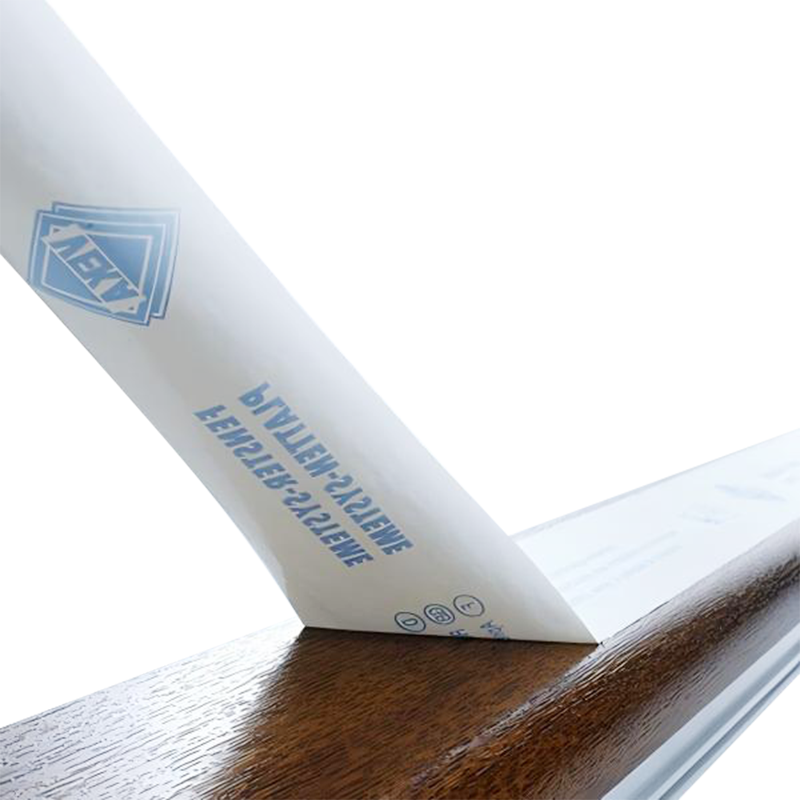
● Good weatherability for outdoor exposure; ● Stable adhesion level; ● UV resistance for up to 12 months; ● Can print customized logo or application i...
See Details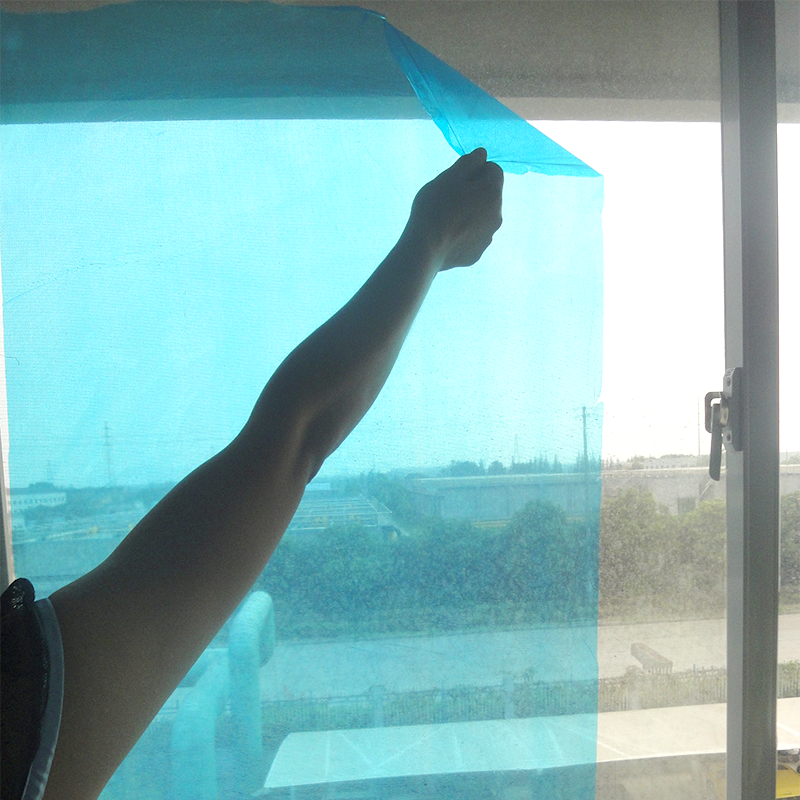
● Protect window glass against paint splatters, dirt, staining, and spillages during painting, building, plastering, tiling, general maintenance and r...
See Details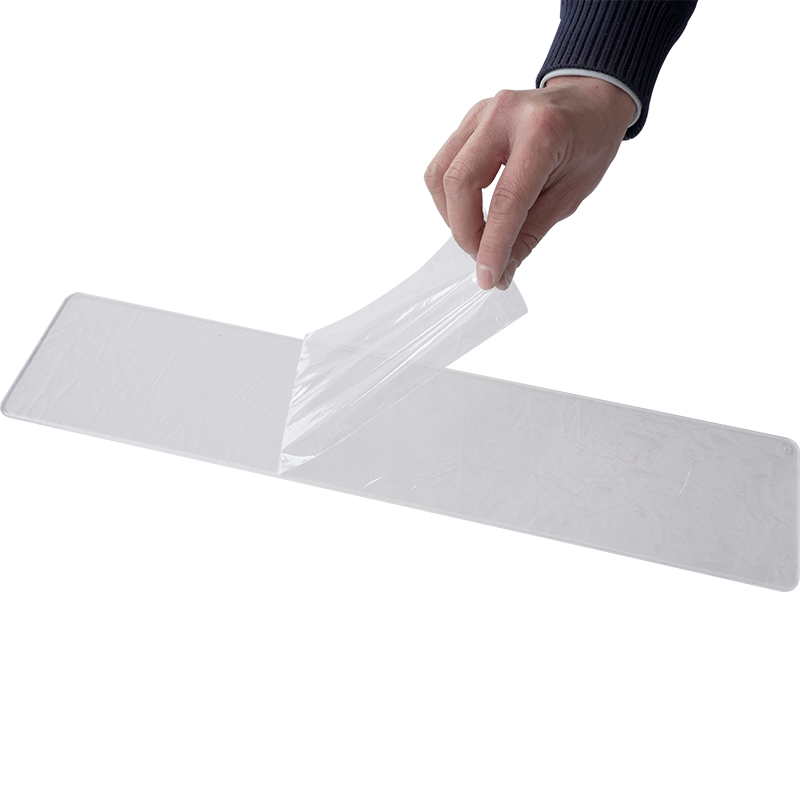
● No “ghost shadow” or “fish eye” after removal; ● Low gel content, soft and stable adhesion plus easy-peel removal with no surface damage or curling;...
See Details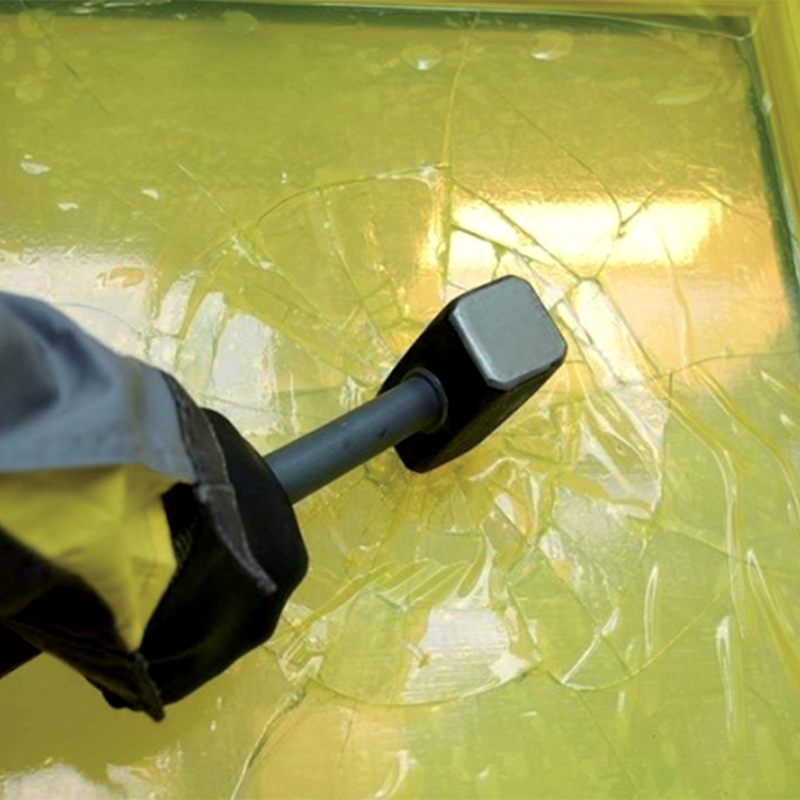
● The super tough polyethylene film with super high adhesion can stop the glass splitting and falling off during window glass demolition process;● Non...
See Details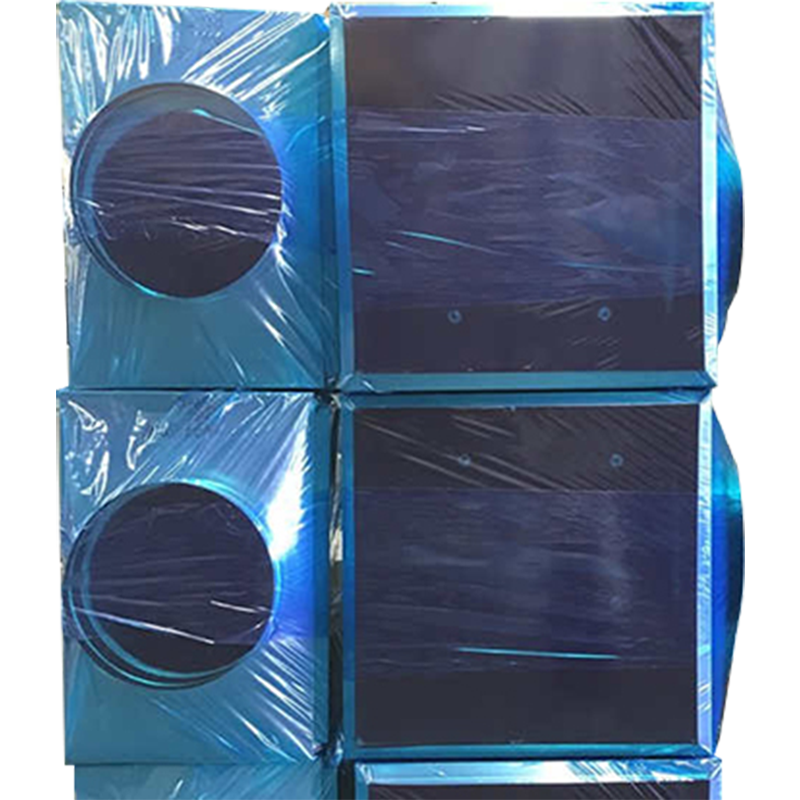
● The super-tough polyethylene film resists puncture and penetration by liquid and dirt during storage, transportation, and installation of the ductwo...
See Details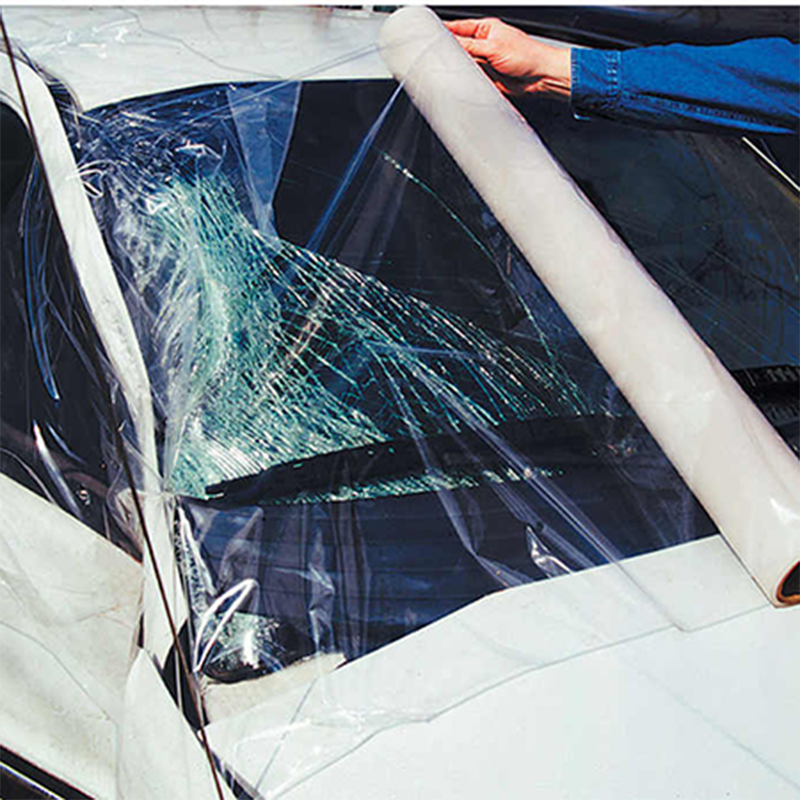
● The super-tough polyethylene film resists puncture and penetration by rain, snow, debris, and dirt during the transportation and storage of the cras...
See Details
● The specially formulated adhesive ensures easy application and removal without leaving residue glue; ● The super-tough polyethylene film protects ag...
See Details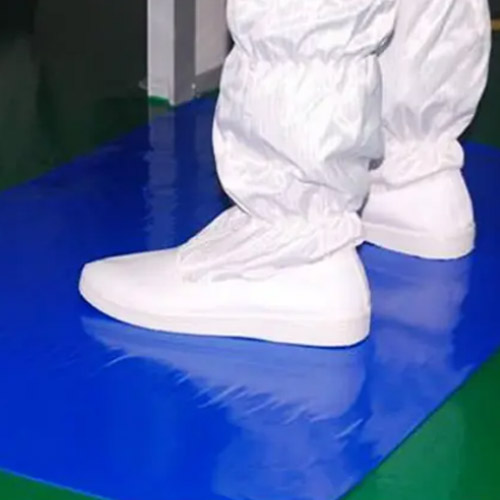
● Options for either 30 or 60 layers per mat; can be packed with four mats, eight mats, or ten mats per carton;● Remove dirt effect: ≥99.9% (5 steps);...
See Details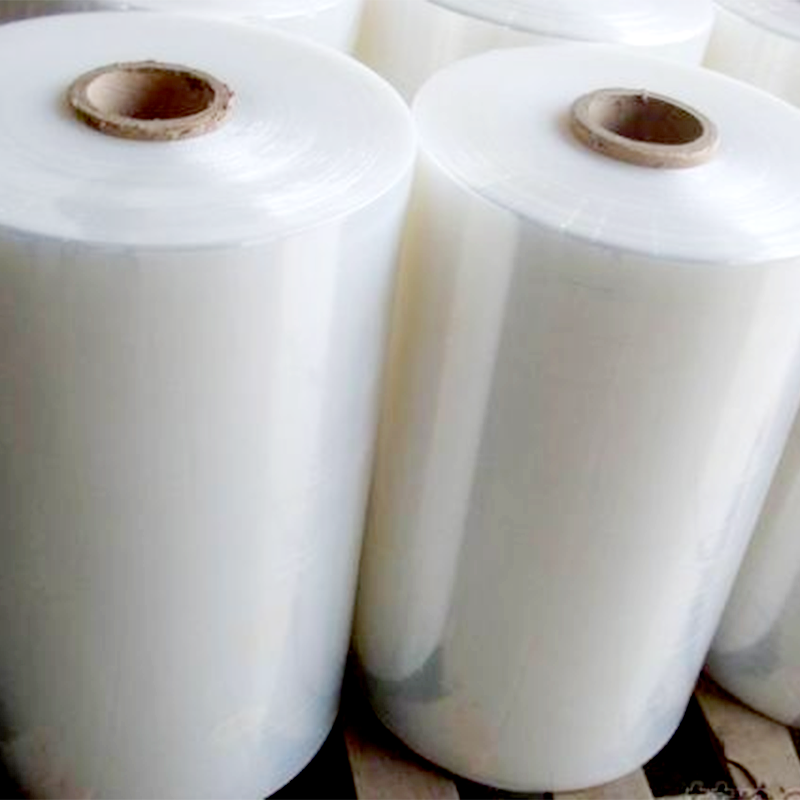
● Excellent puncture and tear resistance; ● Self-adhering-each layer of film bonds to the next for added strength; ● Big roll size to save cost and re...
See Details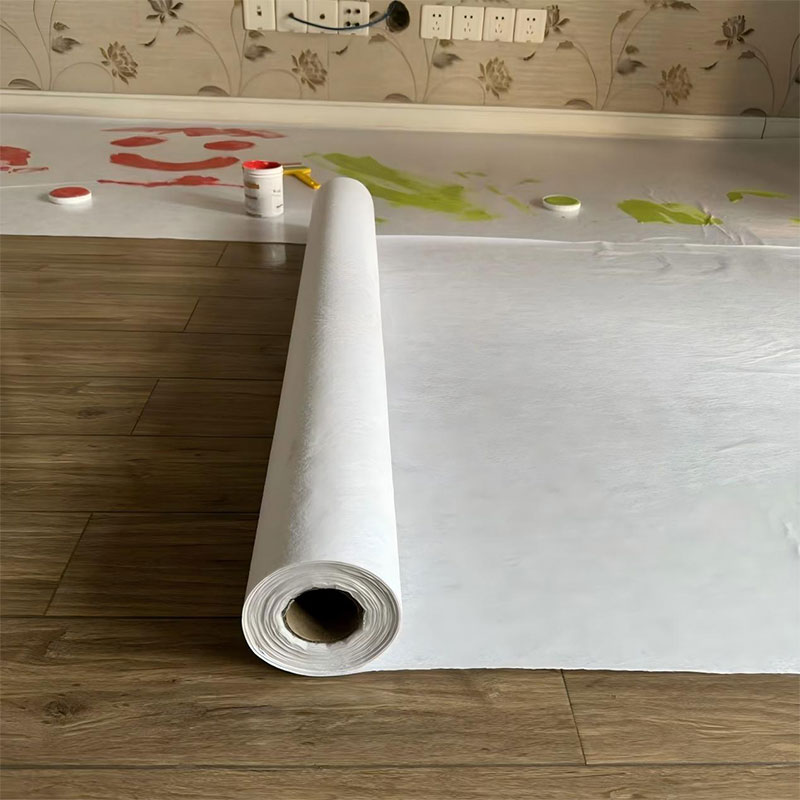
This product has non-woven synthetic fleece in middle; PE film adhered onto top of the non-woven fabric, which is coated with self adhesive glue on it...
See DetailsWe’re a reliable partner that shapes our expertise into success for your project.

Copyright 2024 Wuxi Qida Tape Co., Ltd. All Rights Reserved
 Wholesale Protective Film/Foil Manufacturers
Privacy
Wholesale Protective Film/Foil Manufacturers
Privacy