

 English
 English
 русский
 Français
 Español
 Português
 عربى
عربى
Cat:Glue -coated Protective Film
● Protects carpet against staining, paint spillage and dirt during painting, building, remodeling, plastering, tiling, decoration, general maintenance...
See Details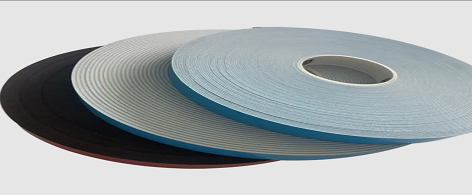
A practical, data backed breakdown of foam tapes, sticky pads and clear adhesive options, so you can pick the right bonding solution instead of guessing.
Acrylic foam tape, the closed cell foam core tape used for structural glazing, signage and automotive trim, is generally considered the strongest double sided tape available for permanent, high load bonding. It combines a thick viscoelastic foam layer with high strength acrylic adhesive on both faces, which lets it absorb stress, resist vibration, seal out moisture and hold weight that ordinary double sided sticky pads cannot handle. Products built on this acrylic foam tape platform, including many labeled as 3m double sided foam tape or industrial double sided foam mounting tape, routinely hold several kilograms per square inch of bonded surface and stay attached through temperature swings, UV exposure and years of outdoor use.
That said, strength is not one single number. The right tape depends on the surface, the load, the temperature range and whether the bond needs to be removable. The rest of this guide walks through the categories, the numbers behind them and how to choose correctly the first time.
Before comparing strength ratings, it helps to be precise about the product itself. Double sided tape is an adhesive tape coated with a pressure sensitive adhesive on both faces instead of one, so it can join two surfaces together without screws, nails, welding or wet glue. Between the two adhesive layers sits a carrier, which might be a thin polyester film, a paper liner during manufacturing, or a thick foam core, depending on the intended job. The carrier is what mostly determines whether a tape is thin and precise for graphics work, or thick and forgiving for uneven, textured or curved surfaces.
Unlike liquid adhesives, double sided tape gives an instant bond on contact, a predictable and repeatable thickness, and a clean application with no drips, no cure time and no fumes. That is why it has become the default fastening method in industries ranging from electronics assembly and automotive trim to signage, construction, and picture framing. Understanding what is double sided tape at a construction level, adhesive plus carrier plus adhesive, is the foundation for understanding why some versions are dramatically stronger than others.
People often ask what is the strongest double sided tape as if strength were a single spec on a data sheet, but manufacturers actually report several different numbers, and the right tape depends on which of them matters most for your application.
A tape can score high on peel adhesion and mediocre on shear, or the reverse, so the honest answer to what is the strongest double sided tape always needs a follow up question: strongest for what kind of load, on what surface, in what environment.
Double sided foam tapes use a foam carrier, typically polyethylene, polyurethane or acrylic foam, sandwiched between two adhesive layers. The foam does two important jobs that a thin film tape cannot do. First, it conforms to gaps, texture and slightly uneven surfaces, filling microscopic and even visible irregularities so more of the adhesive actually contacts the substrate. Second, it acts as a shock absorber, flexing under vibration, thermal expansion and minor impacts instead of transferring that stress directly into the adhesive bond line, which is exactly where thin tapes tend to fail.
Because of this cushioning behavior, double sided foam tapes are the default choice for mounting nameplates, trim, moldings, mirrors, signage lettering, foam gaskets, weatherstripping and light fixtures. They are sold in a wide range of thicknesses, commonly from about 0.5 millimeters up to 3 millimeters or more, with thicker versions used specifically to bridge gaps or absorb larger amounts of movement.
Not all foam cores are equal. Low density, open cell foam tapes are cheap and fine for light indoor jobs like poster mounting, but they compress permanently under sustained load and lose grip over time. High density, closed cell acrylic foam tapes resist compression set, keep their thickness under pressure, and are what most professional installers reach for when the bond has to survive years outdoors. This density difference is the single biggest factor separating a bargain foam tape from a genuinely strong one.
When people specifically search for what is the strongest double sided tape, acrylic foam tape is almost always the category that data supports. Acrylic foam tape uses a closed cell acrylic foam core combined with a high performance acrylic adhesive, and it was originally developed to replace mechanical fasteners like rivets and screws in structural and semi structural applications, including exterior building panels, vehicle body trim, and glass railing systems.
The reason acrylic foam tape outperforms most other double sided tape types comes down to three properties working together.
In independent style testing, acrylic foam tape bonds on properly prepared metal or painted panels commonly hold static shear loads in the range of 300 to 700 kilopascals, and can exceed the tensile strength of the substrate itself in certain configurations, meaning the panel or the paint layer fails before the tape does. That is the practical ceiling of what is the strongest double sided tape looks like in real numbers.
A large share of buyers researching this category start by searching for 3m double sided foam tape, because that brand line became a common shorthand for the acrylic foam tape category the way a well known brand name sometimes stands in for an entire product type. These product lines are commonly used in automotive emblem attachment, exterior trim, and permanent signage installation, and are frequently used as the reference point that other manufacturers benchmark their own acrylic foam tape against in spec sheets.
Whether you buy a name brand roll or a tape from a specialized foam tape factory, the questions worth asking before purchase are the same:
Buyers who only compare price per roll frequently end up disappointed, because two rolls that look identical can use very different foam densities and adhesive chemistries, with real world holding power differing by a wide margin.
Color is often treated as a cosmetic detail, but it actually correlates with two different product families that behave differently in the field.
Double sided black tape is typically an acrylic foam tape or a reinforced film tape where the black color comes from carbon black additive in the foam or film. Carbon black improves UV stability and is why this shade is so common in automotive trim, outdoor signage lettering and electronics assembly, where the tape edge must also stay invisible against dark housings or trim pieces. Black foam tape formulations are frequently the same performance tier as the strongest acrylic foam tape lines, just with the added benefit of UV grade carbon black in the foam itself.
Double sided clear adhesive tape uses a transparent film or thin optically clear adhesive layer, prioritizing invisibility over sheer holding power. It is the right choice for glass mounted graphics, POP displays, photo mounting, and any application where a visible tape edge would ruin the look. Clear tape is rarely the strongest option for structural loads because the thin film core cannot absorb stress the way a thick foam core can, so it should be reserved for lightweight, low stress bonding rather than anything that needs to resist shear or vibration.
It is worth pausing on terminology, because these two categories solve completely different problems even though the word foam appears in both.
| Feature | Two Sided Foam Tape | One Sided Foam Tape |
|---|---|---|
| Adhesive layers | Adhesive on both faces of the foam core | Adhesive on only one face |
| Primary job | Joining two surfaces permanently or semi permanently | Sealing gaps, cushioning, weatherstripping |
| Typical use case | Mounting nameplates, trim, panels, signage | Door and window seals, HVAC gaskets, vibration padding |
| Load bearing role | Structural or semi structural bonding | Not intended to bond two rigid surfaces together |
| Typical thickness range | 0.5 mm to 3 mm plus | 1 mm to 25 mm plus for gasket grade foam |
Confusing the two is a common and costly mistake. One sided foam tape is not designed to carry a mounting load at all, its exposed foam face is meant to compress against a mating surface as a seal, not to bond to it. If a product listing is unclear, always confirm whether adhesive is present on both faces before assuming it can be used as a mounting tape.
Double sided sticky pads are pre cut foam squares, circles or strips, usually built on the same foam and acrylic chemistry as roll foam tape, just die cut into ready to use shapes. They are extremely popular for hanging lightweight picture frames, mounting bathroom accessories, attaching small plastic hooks, securing rugs, and holding down cables and small electronics components.
Sticky pads trade some raw strength for convenience and consistency. Because they come in a fixed size and thickness, there is no cutting or measuring, which reduces installation error, but their holding capacity is generally sized for objects in the range of roughly under one to a few kilograms per pad, depending on thickness and pad size, rather than the multi kilogram per square inch performance of a full acrylic foam tape roll used in a continuous bead. For anything heavier than a small picture frame, mirror clip, or light fixture, moving up to a proper foam mounting tape roll or strip is the safer choice.
Small picture frames, bathroom hooks, remote control holders, light switch plates, small decorative items, cable clips.
Exterior trim, signage lettering, mirrors over a few kilograms, shelving brackets, long moldings, automotive emblems.
Anything supporting body weight, structural shelving, safety critical mounts, heavy cabinetry.
Once you know the categories, selecting a specific double sided foam mounting tape comes down to matching the tape to five practical factors.
| Application | Recommended Tape Type | Why |
|---|---|---|
| Outdoor signage lettering | Acrylic foam tape, black or clear | UV stable, high shear strength, weatherproof |
| Automotive trim and emblems | Acrylic foam tape, thin gauge | Vibration absorption, temperature resistance |
| Glass mounted graphics | Double sided clear adhesive tape | Invisible bond line, adequate light duty hold |
| Picture frames and small decor | Double sided sticky pads | Pre sized, quick, sufficient for light loads |
| Foam gasket and weatherstripping | One sided foam tape | Compresses to seal rather than bond two rigid parts |
| Interior trim on uneven surfaces | Thicker double sided foam tapes | Fills gaps and conforms to texture |
Even the strongest double sided tape underperforms badly if applied incorrectly. Installation technique often matters more than brand choice.
Wipe both surfaces with isopropyl alcohol to remove oil, dust and mold release agents. Adhesive failure is most often a surface contamination problem, not a tape quality problem.
Press with a roller or firm hand pressure across the entire bonded area. Most foam tapes need substantial pressure to activate full adhesive contact with the surface texture.
Most acrylic foam tapes need an application temperature above roughly 10 degrees Celsius to bond properly, even though the finished bond may later tolerate much colder service temperatures.
Avoid loading the bond fully for 24 to 72 hours. Initial tack is only a fraction of the tape's ultimate strength, which builds as the adhesive flows into the microscopic texture of the surface.
Reading specifications is useful, but working through a few concrete scenarios makes the decision much easier to apply to your own project. Below are common situations people run into when trying to decide what is the strongest double sided tape for a specific job, along with the reasoning behind each recommendation.
A wooden or metal house number sign mounted on brick or siding faces sun, rain and occasional wind gusts pressing against its face. A thin double sided clear adhesive tape will likely fail within a season because it cannot absorb the combination of UV exposure and wind load. The correct choice is an acrylic foam tape in a thickness that can bridge the slightly uneven texture of brick or painted wood siding, paired with a thorough alcohol wipe down of both surfaces before installation.
A small frame under roughly half a kilogram, hung indoors away from humidity or temperature swings, is a textbook case for double sided sticky pads. There is no vibration, no UV exposure and no heavy load, so the convenience and clean removal of a pre cut pad outweighs any benefit from a heavier duty foam tape roll.
Automotive surfaces move constantly through vibration, and painted panels can reach very high temperatures in direct summer sun. This scenario calls for automotive grade acrylic foam tape, often sold in the same category as 3m double sided foam tape products, chosen specifically for its temperature range and vibration damping rather than for maximum peel strength alone.
This is not a bonding job at all, it is a sealing job, which means one sided foam tape is the right category rather than any double sided option. The exposed foam face compresses when the door closes, blocking drafts and dampening noise, while the adhesive face only needs to hold the foam strip in place on the door frame.
Mirrors present real weight along with a smooth glass surface, which actually bonds very well with acrylic adhesive. For mirrors up to a few kilograms, a quality acrylic foam mounting tape rated for glass can be sufficient on its own, though many installers still add a mechanical support ledge at the bottom edge as a safety backup, since a failed bond on a heavy mirror is a safety hazard rather than just an inconvenience.
Even the strongest double sided tape can underperform if it has been stored or handled poorly before use. A few practical habits protect the tape's rated performance.
Because so much of real world tape performance depends on foam density, adhesive chemistry and manufacturing consistency rather than what the label says, sourcing from an experienced, quality controlled manufacturer matters as much as picking the right category. Wuxi Qida Tape Co., Ltd. is a China based manufacturer specializing in double sided foam tapes, acrylic foam tape, double sided sticky pads and custom die cut adhesive solutions for automotive, electronics, signage and construction customers.
Working with a dedicated tape manufacturer rather than a generic reseller typically gives buyers more control over foam density, adhesive formulation for specific substrates including low surface energy plastics, custom widths and thicknesses, and consistent batch to batch quality, all of which directly affect whether a tape performs anywhere near its rated shear and peel numbers in the field.
Acrylic foam tape Double sided foam mounting tape Custom die cutting OEM and private labelReading a data sheet only tells half the story. Seeing how double tape foam products get specified across real industries makes it much easier to translate a peel adhesion number into a decision you can actually trust. Below is a walk through of the major industries that rely on foam and acrylic tape every day, and what each one prioritizes when selecting a product.
Vehicle assembly lines use acrylic foam tape extensively to attach body side moldings, badges, weatherstrips, spoilers and interior trim panels. The automotive environment is brutal on adhesives, with temperature swings from below freezing to well over sixty degrees Celsius inside a closed cabin in summer, constant vibration from the road, and years of UV exposure on exterior panels. This is exactly the environment acrylic foam tape was engineered for, and it is one of the strongest arguments for why acrylic chemistry, rather than rubber based adhesive, dominates this space. Aftermarket installers replacing trim or adding emblems generally reach for the same category of tape, often labeled explicitly as automotive grade double sided foam tape.
Sign makers use double sided foam tapes to mount channel letters, dimensional logos and panel signage to storefronts, vehicles and building facades. Outdoor signage needs to survive direct sun, rain, wind load and sometimes snow load pressing against the face of the letters, which again points toward acrylic foam tape as the default rather than a thinner film tape. For indoor point of sale displays and temporary graphics, a thinner double sided clear adhesive tape is usually sufficient and preferred, since it disappears visually and the load and environmental stress are both much lower.
Inside consumer electronics, thin double sided tape bonds display panels, battery packs, speaker gaskets and touch sensors to housings. Space is extremely limited, so tapes here are chosen for thin gauge, precise die cutting, and controlled adhesive squeeze out rather than raw shear strength. This is a category where one sided foam tape also appears frequently, used as a light cushioning gasket around components to control vibration and dust ingress rather than as a bonding layer.
Structural glazing, curtain wall systems and window assembly rely on acrylic foam tape rated for very high shear loads and long service life, sometimes decades, since replacing failed tape on an installed glass facade is expensive and disruptive. These are the applications where the strongest formulations of acrylic foam tape are specified, frequently alongside a mechanical backup fastening system as a safety measure, even though the tape itself is engineered to carry the full structural load on its own.
At the consumer end, double sided sticky pads and lighter foam tapes dominate, used for hanging décor, mounting small hooks, crafts, and temporary displays. Strength requirements here are modest, and ease of use, clean removal, and low cost matter more than the maximum shear rating that an industrial buyer would care about.
It is worth directly comparing acrylic foam tape against the two alternatives it most often replaces, since the choice is rarely between two types of tape but between tape and an entirely different fastening method.
| Factor | Acrylic Foam Tape | Liquid or Epoxy Adhesive | Mechanical Fasteners |
|---|---|---|---|
| Application speed | Instant bond, no cure wait to handle | Slow, needs clamping and cure time | Fast but requires drilling and hardware |
| Gap filling | Excellent on uneven surfaces | Good but can shrink while curing | Poor, needs flat mating surfaces |
| Vibration resistance | Excellent, foam absorbs energy | Fair, brittle once cured | Fair, can loosen over time |
| Surface damage | None, no holes or heat needed | None, but can be messy | Yes, requires drilling or welding |
| Removability | Possible with specialty release types | Very difficult once cured | Easy, reversible by design |
| Best for | Panels, trim, signage, semi structural bonding | Permanent structural bonding, filling large gaps | Heavy structural loads, safety critical joints |
This comparison is a useful gut check whenever someone asks what is the strongest double sided tape and really means to ask whether tape can replace their current fastening method altogether. For many trim, panel and signage applications, the answer is yes. For heavy structural or safety critical loads, tape is usually paired with, rather than substituted for, a mechanical fastener.
Technical data sheets for double sided foam tapes and double sided sticky pads can look intimidating, but a handful of line items explain almost everything you need to know before buying.
Cross referencing these figures across a couple of manufacturers, rather than trusting a single marketing headline, is the most reliable way to answer what is the strongest double sided tape for your specific project rather than for a generic case.
| Term | Plain Meaning |
|---|---|
| Carrier | The middle layer of a tape, which can be film, paper or foam, that the adhesive is coated onto |
| Closed cell foam | Foam with sealed air pockets that resists water absorption and compression set |
| Low surface energy plastic | Plastics like polypropylene and polyethylene that resist adhesion because liquids and adhesives struggle to wet their surface |
| Dwell time | The time an adhesive needs after application to build toward its full, ultimate bond strength |
| Die cutting | The process of cutting tape into custom shapes such as sticky pads, gaskets or rings |
| Compression set | Permanent thinning of foam after being compressed for a long period, reducing its sealing or cushioning ability |
Acrylic foam tape with UV stable adhesive, often in a black formulation, is the standard choice for outdoor mounting because it resists UV degradation, temperature swings and vibration far better than rubber based film tapes.
For many semi structural applications such as trim, panels and signage, properly selected acrylic foam tape can match or exceed the practical strength of mechanical fasteners, though safety critical or heavy structural loads should still use mechanical fastening or a combination of both.
The most common causes are surface contamination during application, using a light duty sticky pad for a load that needed a thicker foam tape, applying the tape in cold weather, or loading the bond before it reached full cure strength.
Not automatically. Thickness helps foam tape conform to gaps and uneven surfaces, but shear strength depends more on foam density and adhesive chemistry than thickness alone. A thin, high density acrylic foam tape can outperform a thick, low density foam tape on a smooth surface.
They are often the same underlying foam material. The term one sided foam tape simply describes foam with adhesive on a single face, commonly used as compressible gasket material for seals rather than as a bonding tape between two rigid surfaces.
For low surface energy plastics such as polypropylene and polyethylene, a primer or a specially formulated low surface energy adhesive is usually necessary, since standard acrylic foam tape often struggles to wet out and grip these plastics without one. For higher surface energy plastics, painted metal, and glass, a standard acrylic foam tape typically bonds well on its own once the surface is properly cleaned.
Most acrylic foam tapes reach a workable initial bond within minutes, but the ultimate shear and peel strength usually builds over twenty four to seventy two hours as the adhesive gradually flows into the microscopic texture of both surfaces. Avoid placing a full load on the bond during this window whenever the schedule allows it.
Bottom line: when someone asks what is the strongest double sided tape, the honest, well supported answer is acrylic foam tape, specifically closed cell, high density acrylic foam tape with acrylic adhesive on both faces. It consistently outperforms sticky pads, clear film tape and lower density foam tapes on shear strength, temperature resistance and long term outdoor durability. Match the category to your surface, load and environment, apply it correctly, and source it from a manufacturer that controls foam density and adhesive formulation closely, and double sided tape can genuinely replace mechanical fasteners in a wide range of mounting and bonding jobs.
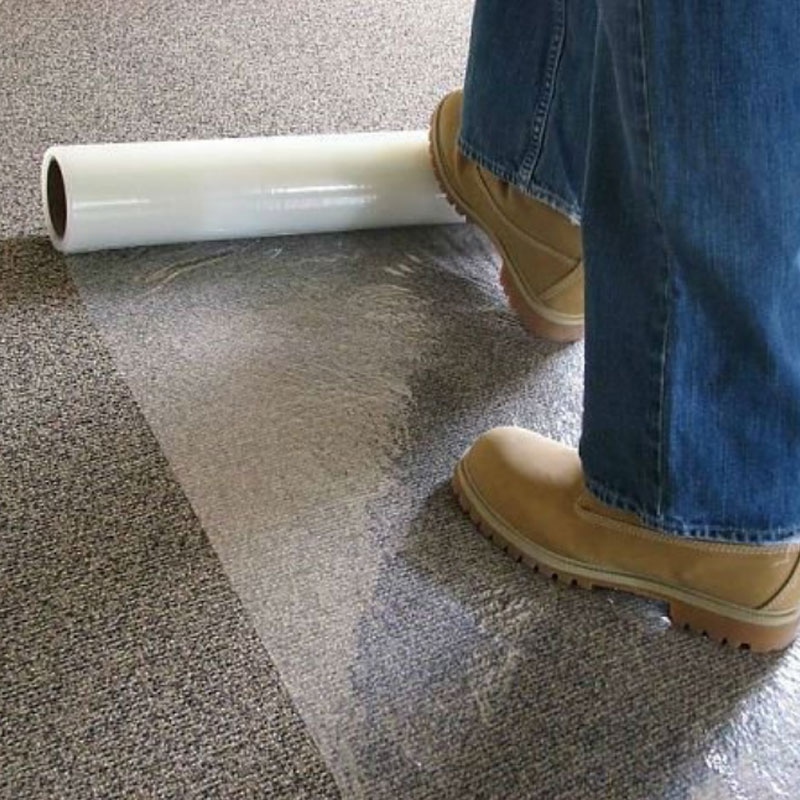
● Protects carpet against staining, paint spillage and dirt during painting, building, remodeling, plastering, tiling, decoration, general maintenance...
See Details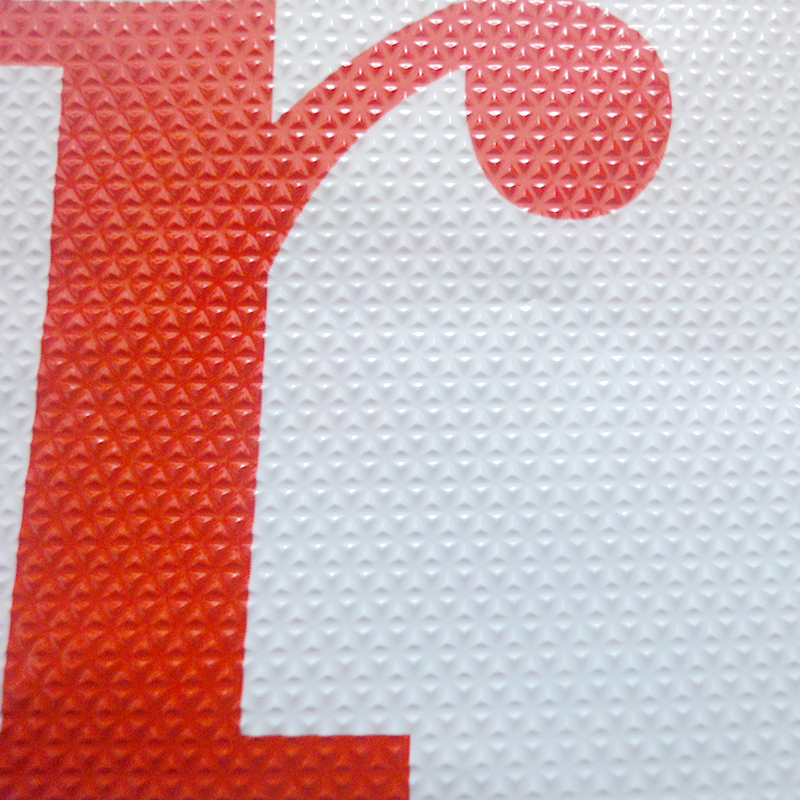
● Anti-slip; ● Embossed film surface to guarantee trip safety;● Tough puncture-resistant polyethylene film;● Can be coated with or without adhesive;● ...
See Details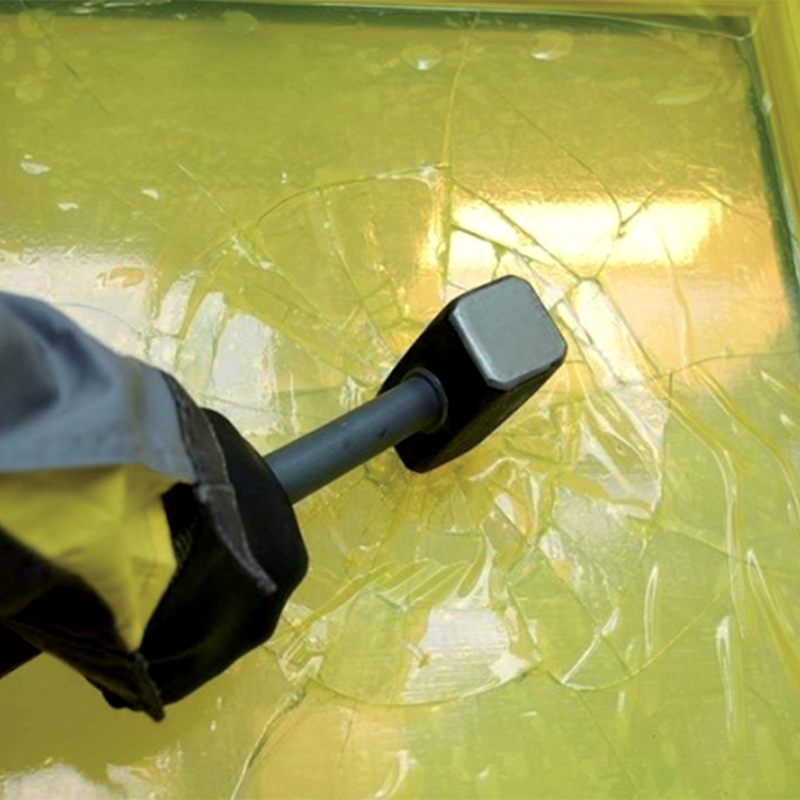
● The super tough polyethylene film with super high adhesion can stop the glass splitting and falling off during window glass demolition process;● Non...
See Details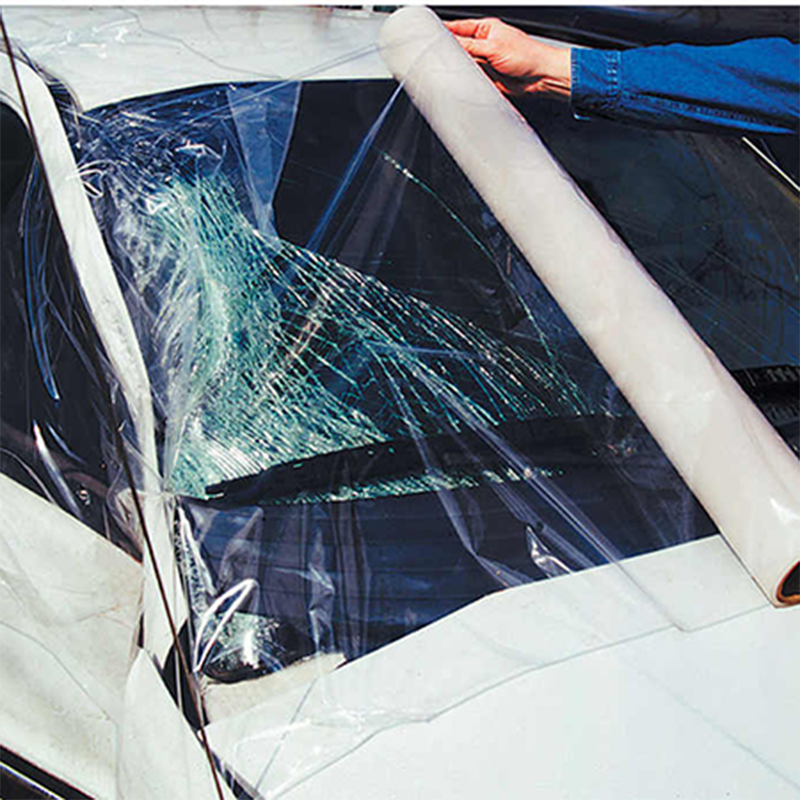
● The super-tough polyethylene film resists puncture and penetration by rain, snow, debris, and dirt during the transportation and storage of the cras...
See Details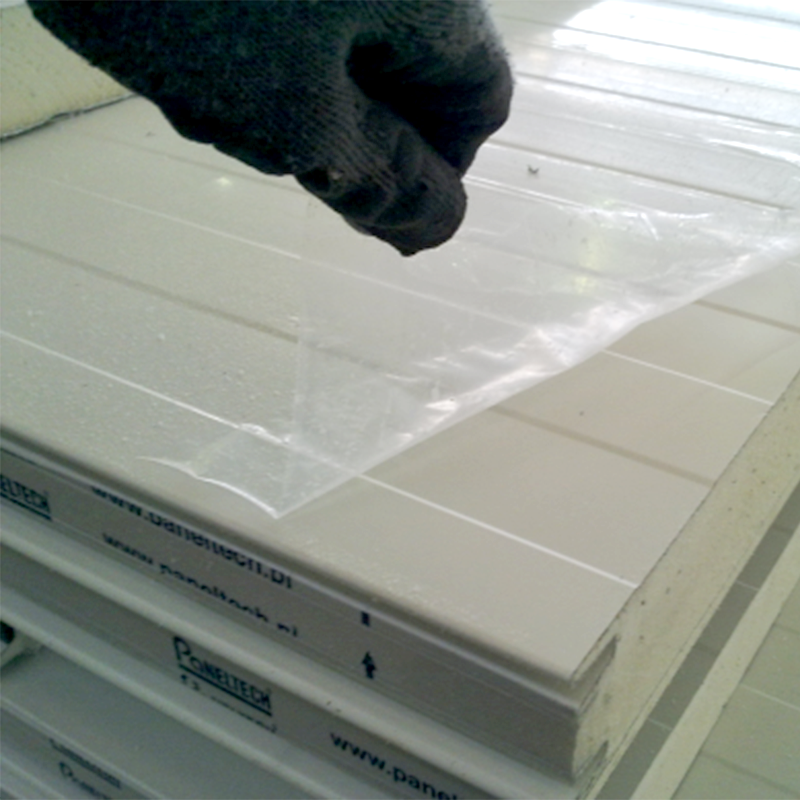
● The specially formulated adhesive ensures easy application and removal without leaving residue glue on the sandwich panels; ● The super-tough polyet...
See Details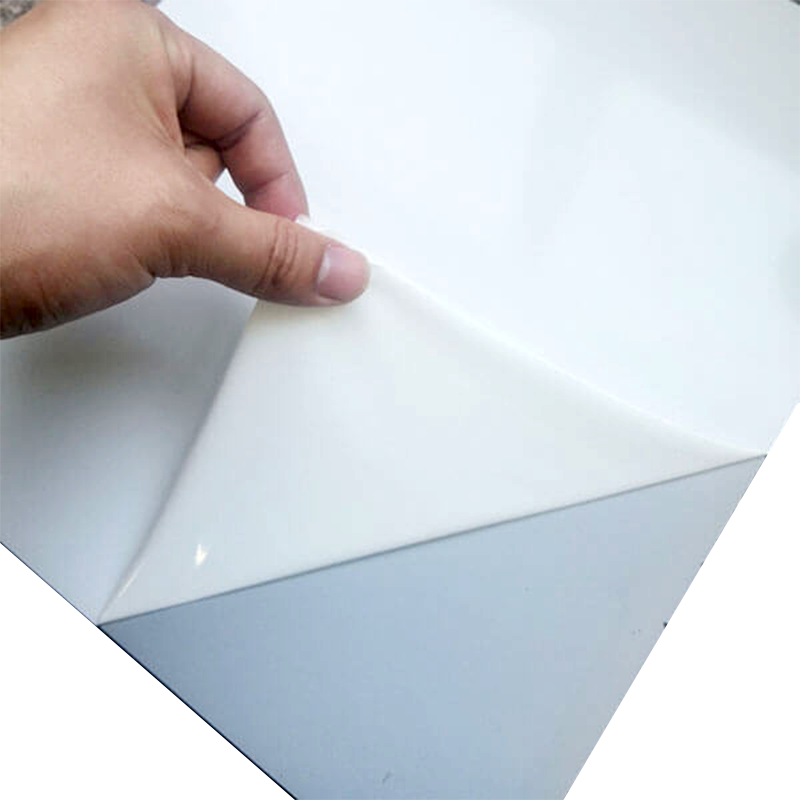
● The super tough polyethylene film with super high adhesion can stop parts of the glass or mirror from splintering away and injuring people when it i...
See Details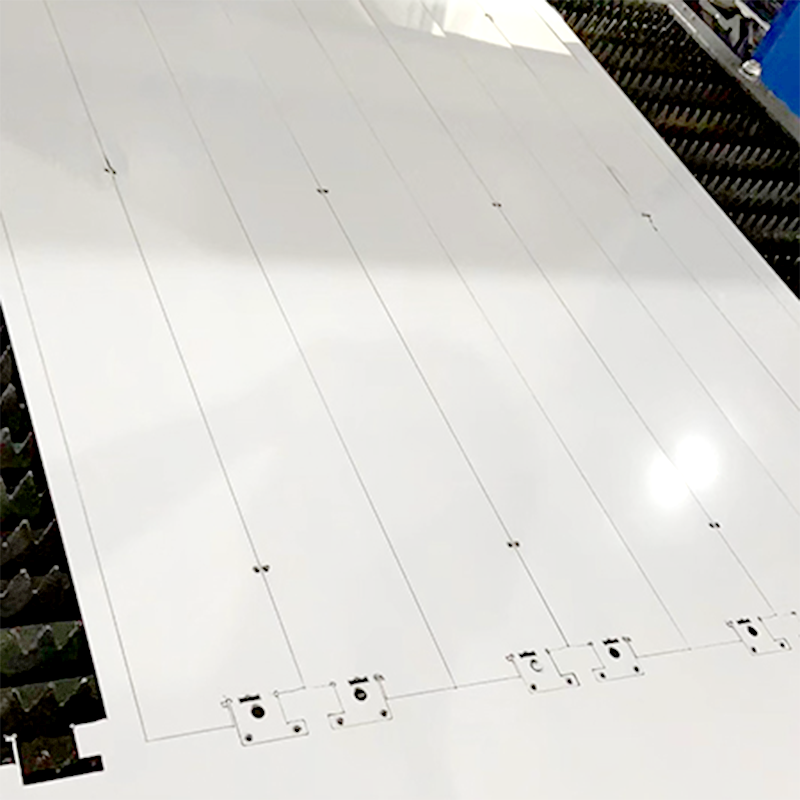
● The specially formulated natural rubber adhesive suitable for both CO2 and Fiber laser cutting processes;● High cutting quality without burr or trac...
See Details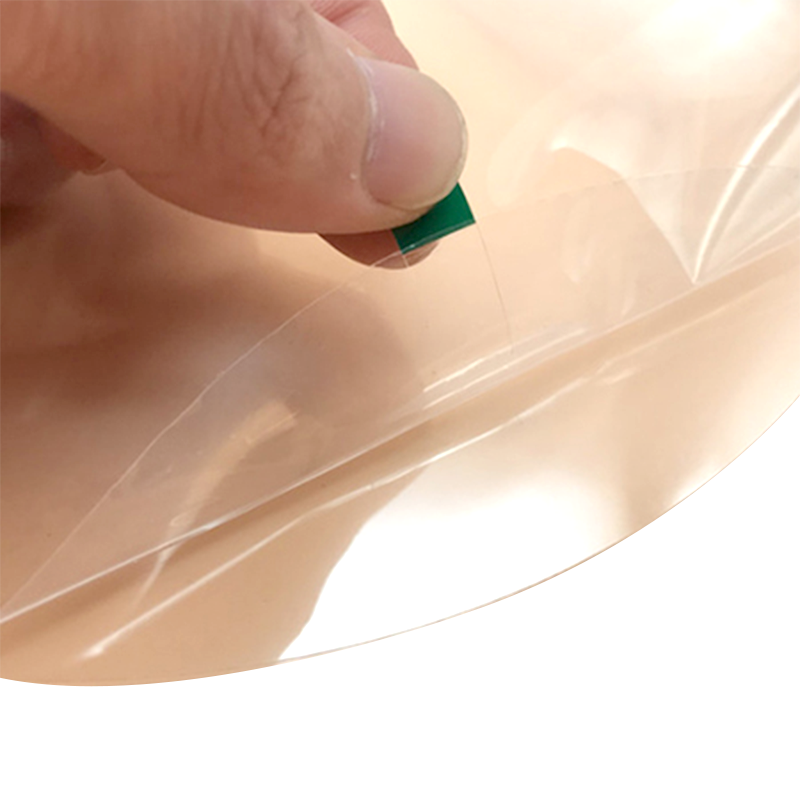
● Suitable for plastic sheets’ drilling, cutting, routing, thermoforming, bending, or post-fabrication operations;● No “ghost shadow” or “fish eye” af...
See Details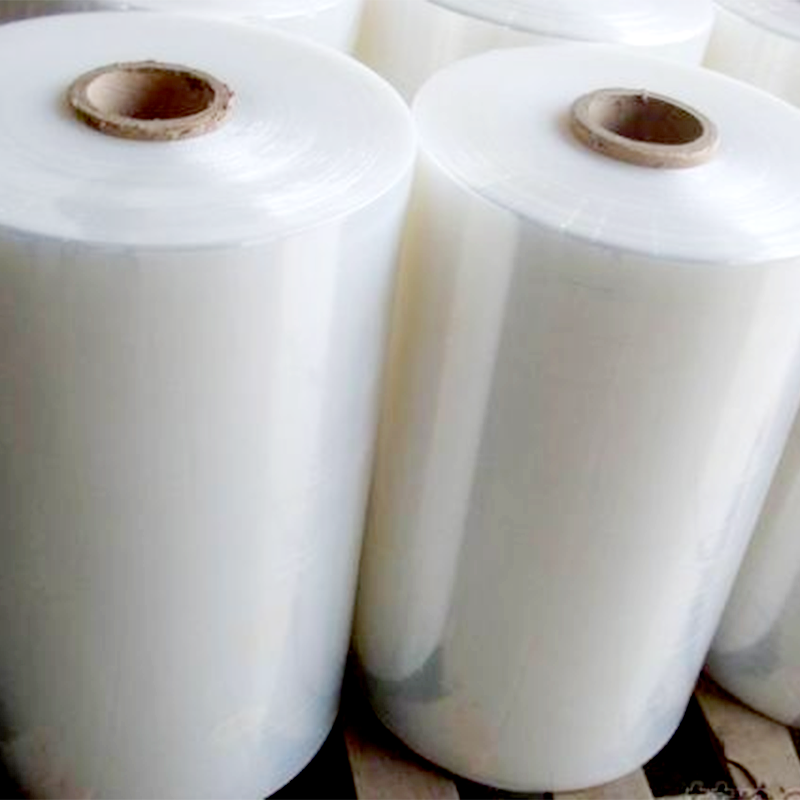
● Excellent puncture and tear resistance; ● Self-adhering-each layer of film bonds to the next for added strength; ● Big roll size to save cost and re...
See Details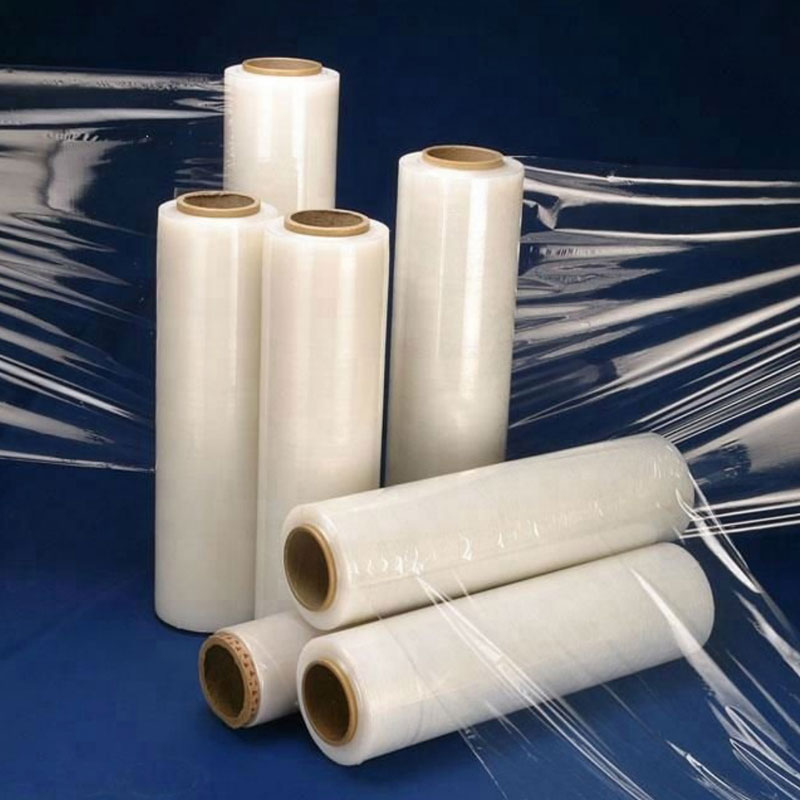
● Small roll size for convenient manual application;● Excellent puncture and tear resistance ; ● A self-adhering-each layer of film bonds to the next ...
See DetailsWe’re a reliable partner that shapes our expertise into success for your project.

Copyright 2024 Wuxi Qida Tape Co., Ltd. All Rights Reserved
 Wholesale Protective Film/Foil Manufacturers
Privacy
Wholesale Protective Film/Foil Manufacturers
Privacy