

 English

 English
 русский
 Français
 Español
 Português
 عربى

Cat:Glue -coated Protective Film
● Protect window glass against paint splatters, dirt, staining, and spillages during painting, building, plastering, tiling, general maintenance and r...
See Details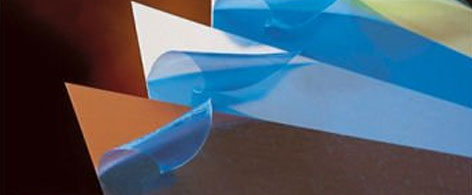
Flexible packaging printing has become the backbone of modern consumer goods, from snacks and pet food to liquid pouches and medical devices. As the fastest-growing segment in the printing industry, it demands impeccable quality across every step—from the printing press through slitting, lamination, and ultimately filling and shipping. Yet one of the most overlooked challenges in this high-speed environment is protecting the delicate printed surface. A scratch on the print, dust embedded during rewinding, or a scuff during transport can turn a premium package into a reject. With over 25 years of experience in industrial surface protection, we have learned that the right temporary protective film can make the difference between a satisfied customer and a costly reprint.
Each printing method used for flexible packaging—flexography, gravure, and digital printing—brings its own set of surface protection requirements. Understanding these differences helps you choose the right temporary shield for your production line.
Flexo remains the workhorse of flexible packaging, running at high speeds on a wide range of substrates such as polyethylene, polypropylene, and metallized films. The printed web is often rewound into large rolls before being transferred to the next process. During rewinding and handling, the ink layer is vulnerable to marking, blocking (sticking to the backside), and contamination from airborne particles. A low-tack protective film applied immediately after printing can prevent these issues without affecting the ink adhesion.
Gravure delivers exceptional image quality and consistency, especially for long runs. However, the high solvent content of gravure inks means the printed surface must be fully dried before any protective layer is applied. Once dry, the film can be coated or laminated with a multi-surface protection solution that guards against scuffing during slitting and bag making. Operators often report that even a thin, clear protection film reduces waste by up to 30% in downstream operations.
Digital printing enables short runs, variable data, and fast turnaround for emerging brands. The inks used—especially electrophotographic or UV-curable formulations—can be softer and more prone to abrasion immediately after printing. Many digital presses output sheets or rolls that need to be finished the same day, leaving no time for a long curing wait. A self-adhesive protective film that can be applied in-line or at the unwind station gives you the flexibility to move the printed material directly to cutting or pouch making without worrying about surface damage. Our co-extruded self-adhesive protective film is designed specifically for delicate prints, offering just enough adhesion to stay in place while peeling cleanly away before final packaging.
Beyond the printing press, flexible packaging materials face numerous hazards:
A temporary protective film acts as a sacrificial barrier. It absorbs impacts, keeps contaminants away from the ink, and preserves the pristine condition of your print. The key is selecting a film that has the correct balance of adhesion (strong enough to stay bonded, weak enough to remove without residue), clarity (no haze that blocks quality inspection), and thickness (adequate for the expected handling aggressiveness).
For example, when protecting high-gloss printed surfaces on laminated pouches, a 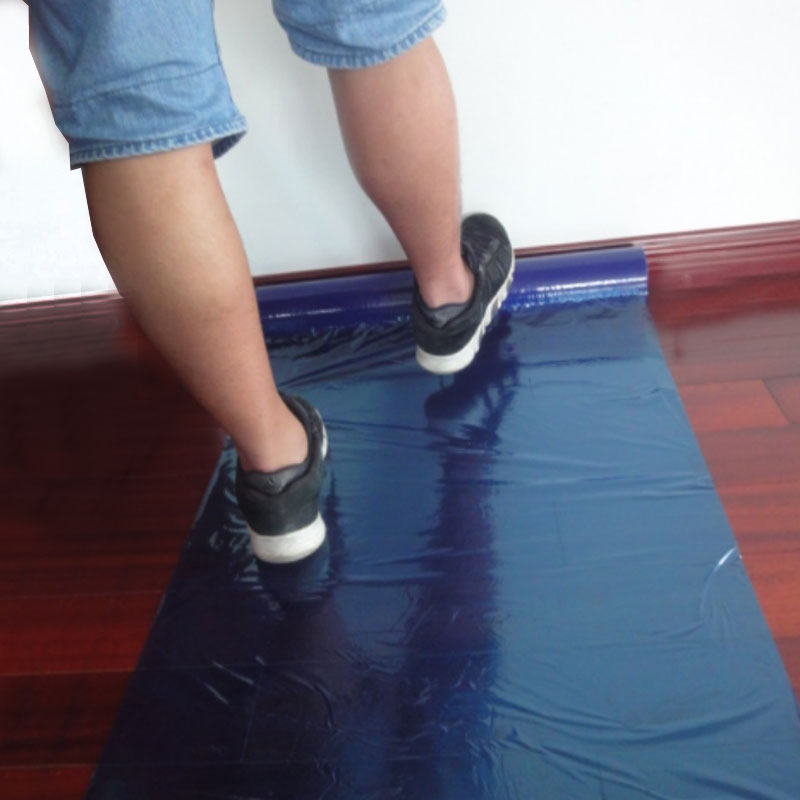 Multi-Purpose Protective Film for Printed Surfaces and Hard FloorsThis film’s rubber-based adhesive reliably holds on smooth films like BOPP and PET, yet peels cleanly after weeks—ideal for protecting high-gloss printed laminated pouches during storage and transport.View Product →multipurpose glue-coated protective film works exceptionally well. It features a rubber-based adhesive that provides reliable hold on smooth films like BOPP and PET, yet peels off cleanly even after weeks of storage. This product is already trusted by aluminum profile and decorative laminate manufacturers, and its versatility makes it ideal for printed film protection as well.
Having supplied surface protection to industries ranging from metal finishing to electronics, we bring the same rigorous approach to flexible packaging printing. Our product portfolio covers three critical needs:
Available in a range of thicknesses (30µ to 150µ) and adhesive strengths, these films are perfect for protecting long-run printed rolls. They can be applied during slitting or at the winder station. The adhesive is solvent-based and engineered to leave zero residue on the ink or substrate. Common applications include protecting gravure-printed laminates and flexo-printed shrink sleeves.
For digital prints and other sensitive surfaces, our co-extruded self-adhesive films offer a dry, adhesive-free bonding mechanism that relies on the film’s own surface tack. This eliminates any potential chemical interaction between adhesive and ink. They are also available in anti-static grades to prevent dust attraction during high-speed converting. As mentioned above, this is our go-to recommendation for HP Indigo and inkjet jobs.
Once the printed and converted pouches or rolls are packed, the final line of defense is the stretch wrap that secures them on pallets. Our  Manual PE Stretch Film for Palletizing Finished GoodsProvides excellent puncture resistance and holding force to secure printed pouches or rolls on pallets, preventing crushed corners and scuffed prints during shipping and warehouse handling.View Product →manual PE stretch film provides excellent puncture resistance and holding force, ensuring that your finished goods arrive at the customer’s warehouse without crushed corners or scuffed prints. For automated lines, we also offer machine-grade stretch film with consistent pre-stretch performance.
Selecting the correct temporary protective film depends on several factors. Use the table below as a quick reference guide:
| Printing Method | Substrate Type | Recommended Protection | Key Feature |
|---|---|---|---|
| Flexographic | PE, PP, PET | Glue-coated 50-80µ | Good adhesion on non-polar surfaces |
| Gravure | BOPP, metallized film | Glue-coated 80-120µ | High abrasion resistance |
| Digital (HP Indigo) | Any printable film | Co-extruded self-adhesive 30-60µ | Zero chemical interaction |
| Digital (Inkjet) | Coated paper/film | Co-extruded self-adhesive 40-60µ | Anti-static option available |
Another critical consideration is the downstream process. If your printed rolls will undergo further lamination, make sure the protective film can withstand the temperature and pressure without adhesive oozing. Our technical team can help you run a simple peel test to confirm compatibility before full-scale use.
Flexible packaging printing is a demanding environment where even a tiny defect can lead to a customer complaint. That is why many converters and brand owners turn to us for customized protection solutions. With ISO 9001 and ISO 14001 certifications, 25 years of export experience, and a dedicated R&D team that collaborates closely with printing houses, we can develop a protective film that matches your exact process parameters.
We also offer 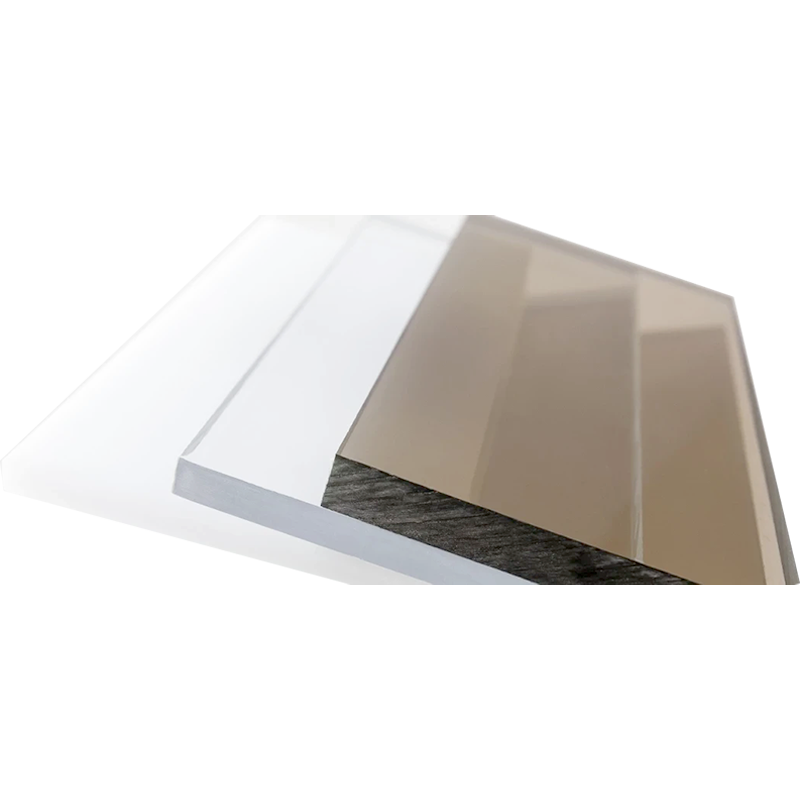 Co-extruded Self-Adhesive Protective Film with Custom OptionsOffers stable adhesion, no ghost shadow after removal, UV resistance up to 6 months, and can be printed with logos or instructions—useful as temporary branding or labeling on flexible packaging.View Product →co-extruded self-adhesive protective film in custom widths, colors, and logo imprinting—so you can even use the protection film as a temporary branding or instruction label. It is a small but effective way to reduce waste and improve operational efficiency.
As the industry moves toward shorter runs and faster turnarounds, the need for reliable, easy-to-remove protective films will only grow. By integrating the right surface protection into your flexible packaging printing workflow, you can eliminate rework, protect your brand reputation, and ultimately deliver a package that looks as good on the shelf as it did coming off the press.
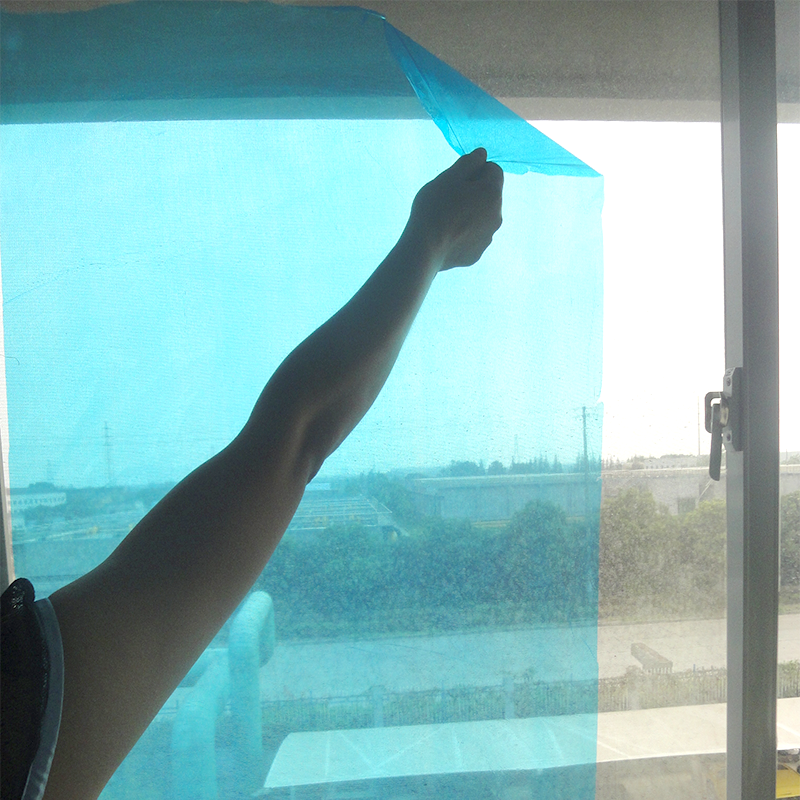
● Protect window glass against paint splatters, dirt, staining, and spillages during painting, building, plastering, tiling, general maintenance and r...
See Details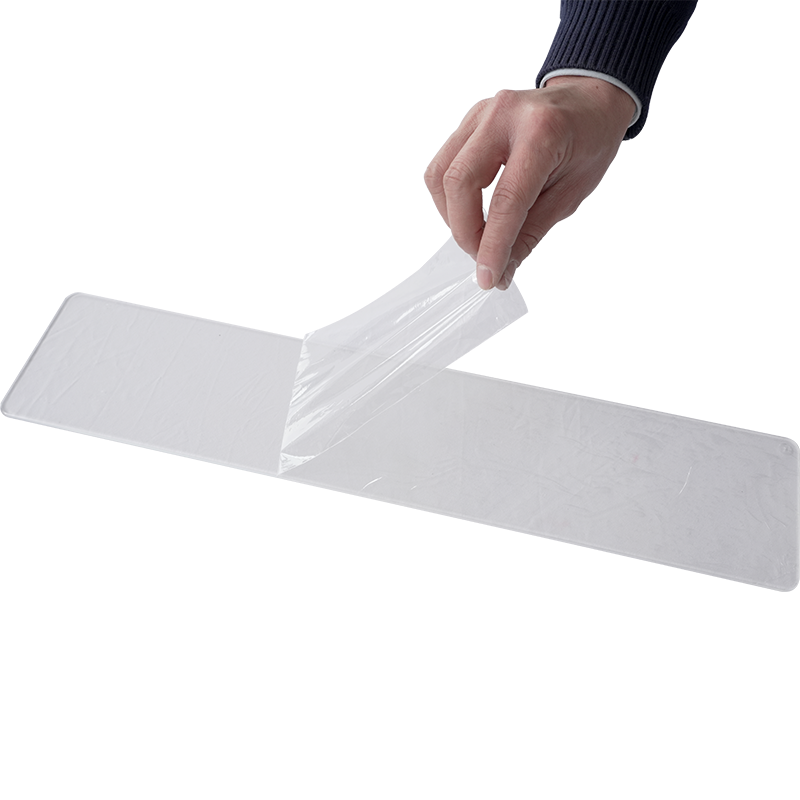
● No “ghost shadow” or “fish eye” after removal; ● Low gel content, soft and stable adhesion plus easy-peel removal with no surface damage or curling;...
See Details
● Patented adhesive formula suits all hard surfaces such as hardwood floors, laminate floors, ceramic, marble, tile, granite, vinyl, worktops, and gla...
See Details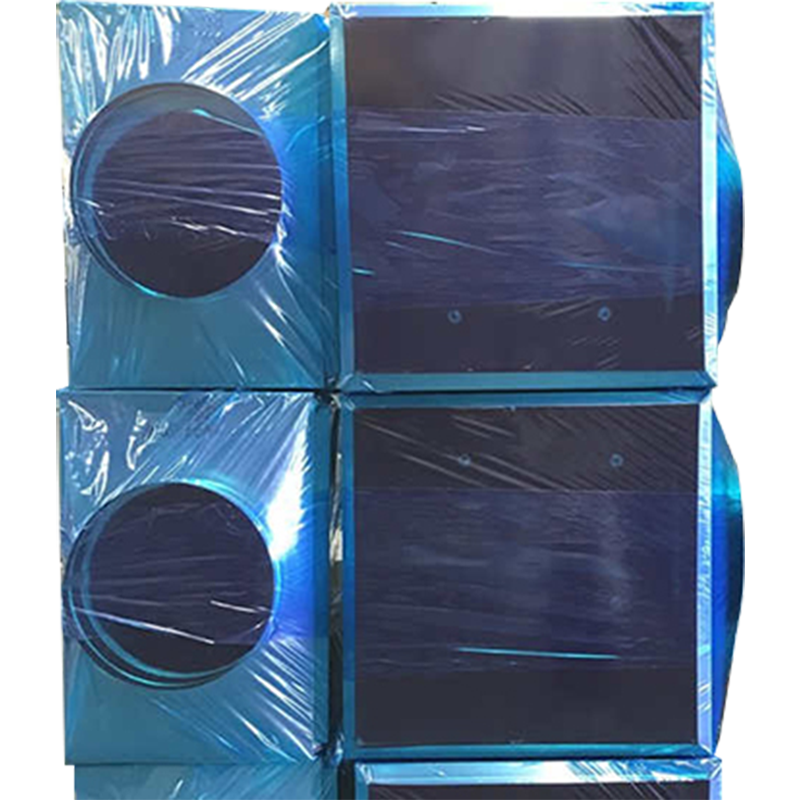
● The super-tough polyethylene film resists puncture and penetration by liquid and dirt during storage, transportation, and installation of the ductwo...
See Details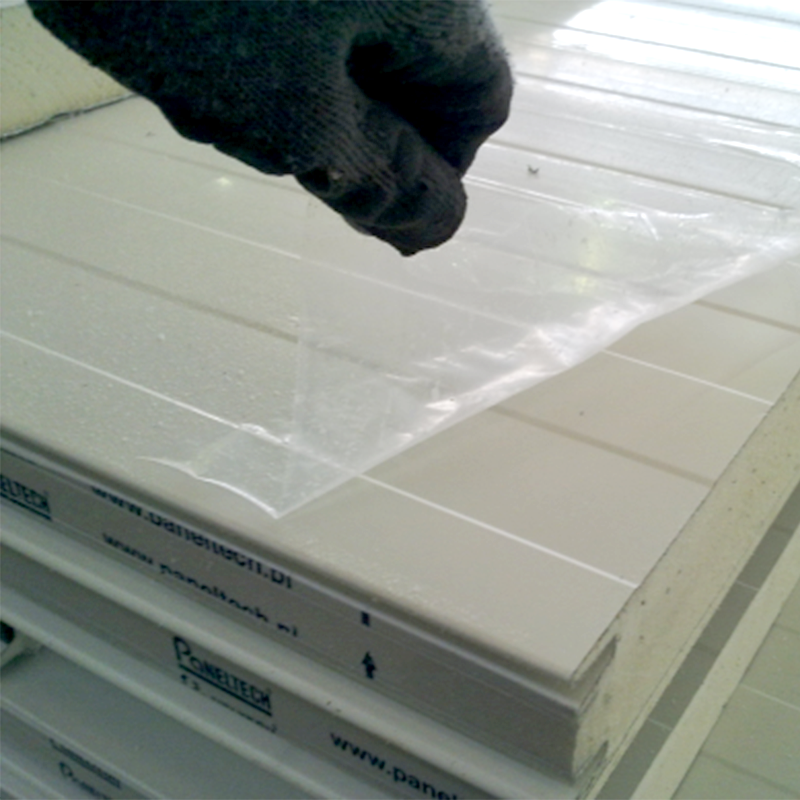
● The specially formulated adhesive ensures easy application and removal without leaving residue glue on the sandwich panels; ● The super-tough polyet...
See Details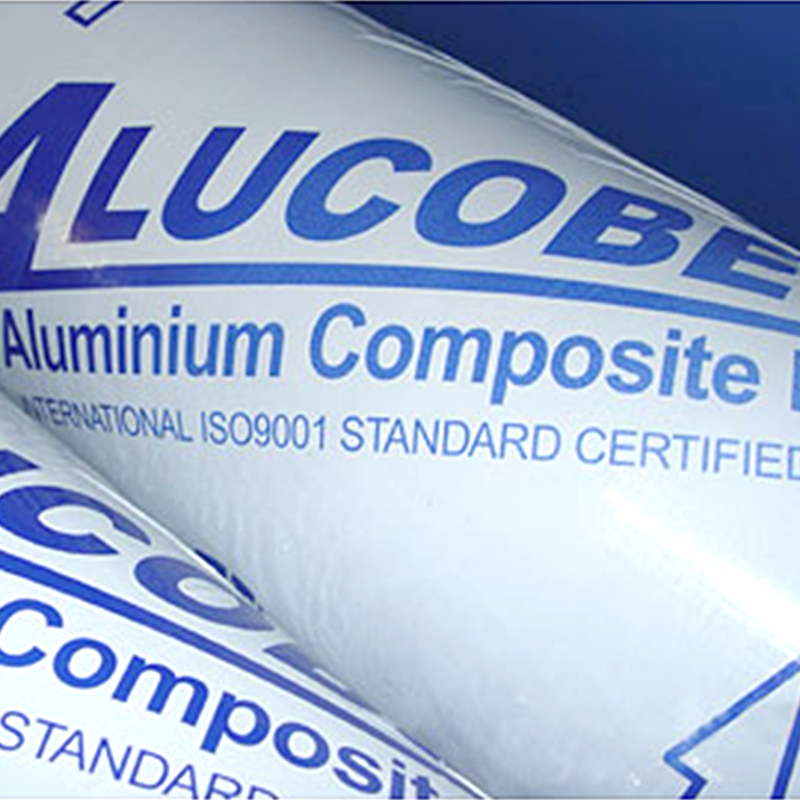
● The specially formulated adhesive ensures easy application and removal without leaving residue glue; ● The super-tough polyethylene film protects ag...
See Details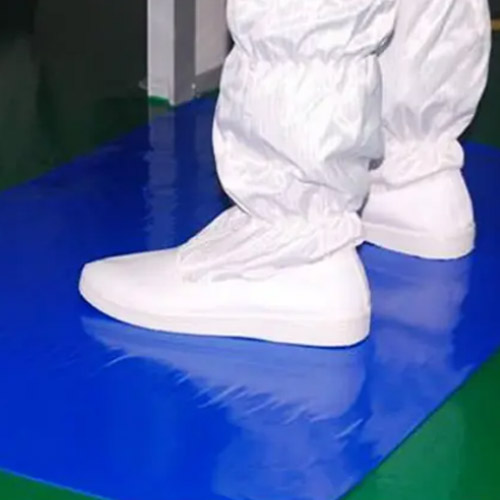
● Options for either 30 or 60 layers per mat; can be packed with four mats, eight mats, or ten mats per carton;● Remove dirt effect: ≥99.9% (5 steps);...
See Details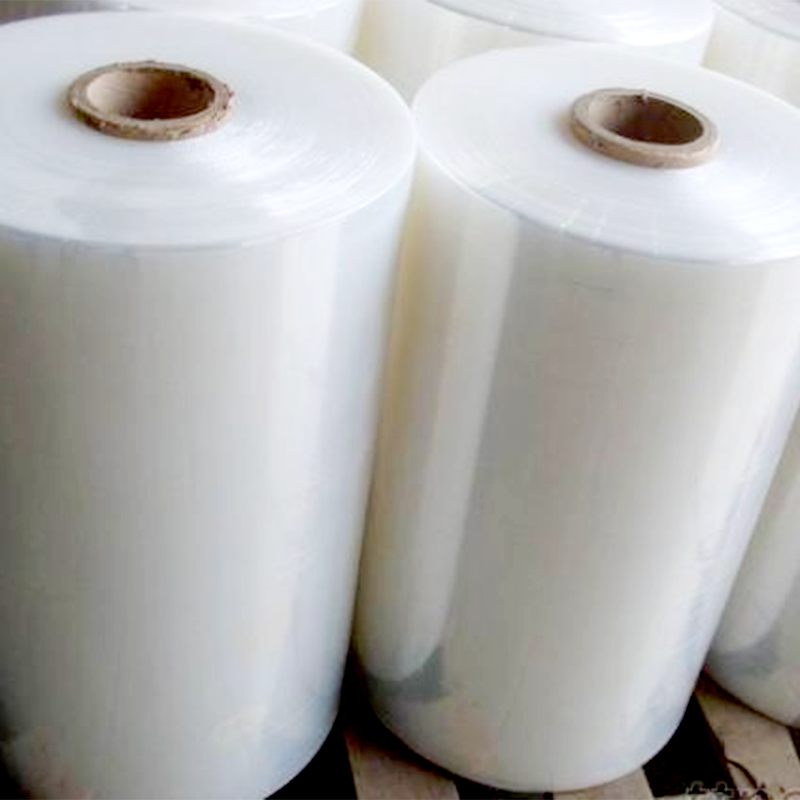
● Excellent puncture and tear resistance; ● Self-adhering-each layer of film bonds to the next for added strength; ● Big roll size to save cost and re...
See Details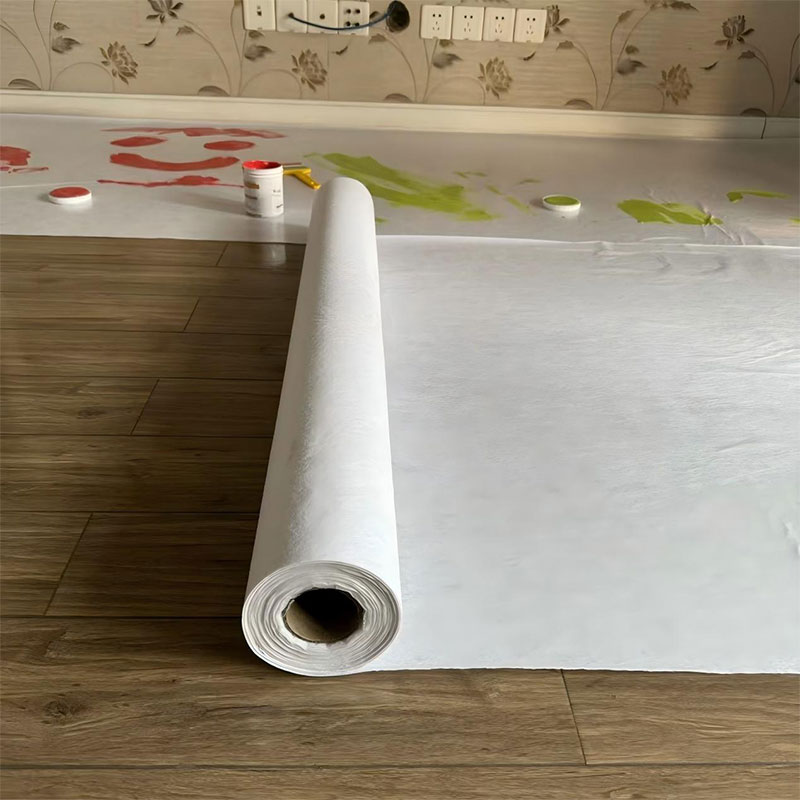
This product has non-woven synthetic fleece in middle; PE film adhered onto top of the non-woven fabric, which is coated with self adhesive glue on it...
See Details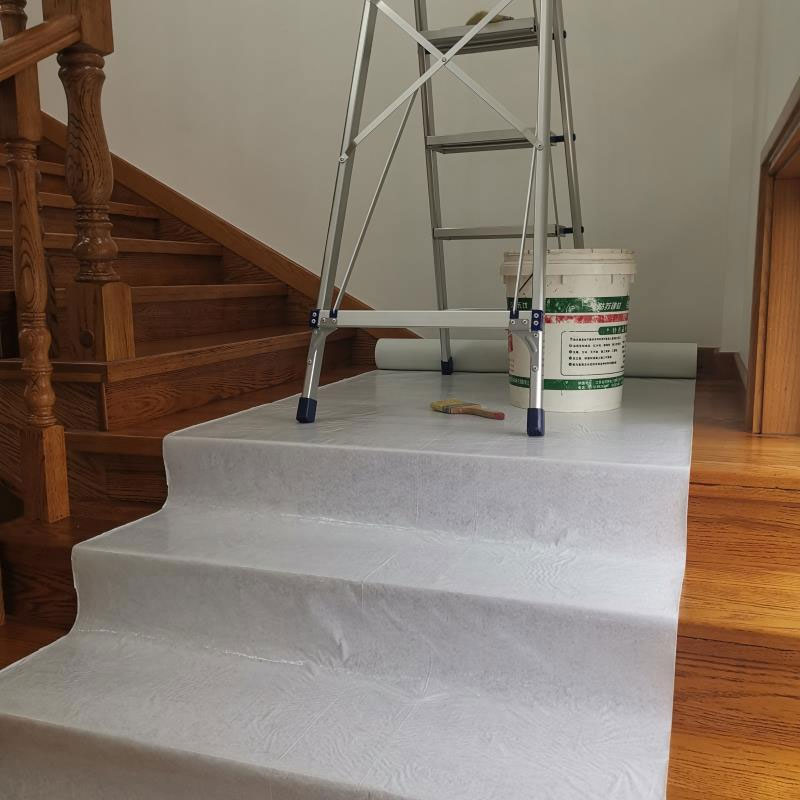
This product has non-woven synthetic fleece in middle; Breathable PE film adhered onto top of the non-woven fabric, which is coated with self adhesive...
See DetailsWe’re a reliable partner that shapes our expertise into success for your project.
Copyright 2024 Wuxi Qida Tape Co., Ltd. All Rights Reserved
 Wholesale Protective Film/Foil Manufacturers
Privacy