

 English

 English
 русский
 Français
 Español
 Português
 عربى

Cat:Glue -coated Protective Film
● Good weatherability for outdoor exposure; ● Stable adhesion level; ● UV resistance for up to 12 months; ● Can print customized logo or application i...
See Details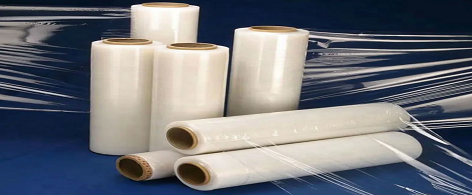
Compostable films are having a moment. They turn up in produce bags, coffee capsules, mulch film, courier mailers, and increasingly in the sustainability briefs that land on our desk. The appeal is easy to understand: a film that does its job and then disappears into a compost heap instead of sitting in a landfill for decades.
The harder question is whether a compostable film is right for your particular job. We have been manufacturing protective and packaging films at Qida since 2002, and our honest answer is that compostable films are excellent in some applications and a poor fit in others. What follows is a practical look at the materials, the standards behind the claims, and the situations where a compostable film actually earns its higher price tag.
In everyday conversation, "compostable" sounds like a property of a material. In standards language, it describes a process. A film is compostable only if it breaks down within a defined time window, in a defined environment, into carbon dioxide, water, and biomass, leaving no visible fragments and no toxic residue behind.
Under the European standard EN 13432, that typically means around 90 percent disintegration within twelve weeks at industrial composting temperatures near 58 °C, followed by a check that the residue does not harm plant growth. Home composting standards work the same way but at ambient temperatures, which is why plenty of films certified for industrial composting are not certified for a backyard bin.
So the first thing to pin down with any supplier is: compostable where? An industrial windrow and a garden heap are very different environments, and a film that passes in one may sit untouched in the other for years.
No single polymer does everything well, so most commercial compostable films are blends. The names worth knowing are:
Blending is normal and not a warning sign. What matters is whether the finished film, not just the resin pellet, carries a compostability certificate for your region and your thickness.
These three words describe different end-of-life routes, and they are not interchangeable. The table below summarises where each claim actually leads.
| Label | What it promises | Real end-of-life | Watch out for |
|---|---|---|---|
| Compostable | Breaks down in a defined time and environment with no toxic residue | Industrial or home composting, if the film is collected | Certification is region-specific and often thickness-specific |
| Biodegradable | Will eventually be broken down by microorganisms, with no timeframe stated | Unpredictable; frequently landfill | The claim says almost nothing about timing or residue |
| Oxo-degradable | Fragments when exposed to heat and oxygen | Fragmentation rather than breakdown; microplastic risk | Restricted or banned in a growing number of markets |
| Recyclable (for example PE) | Can be reprocessed into new material where collection exists | Mechanical recycling streams | Food residue or mixed polymers can contaminate the batch |
A logo on a website is not evidence. Ask for the certificate number, the issuing body, and the exact film it covers. The standards you are most likely to encounter are:
One detail catches people out: certificates are usually granted for a specific thickness and formulation. A certified 25 micron film does not make a 50 micron version of the same product compostable by default.
Compostable films perform best in a fairly narrow band of applications: short service life, food or organic contamination, and a realistic chance of ending up in an organics collection stream. That means produce bags, food-contact wrapping, fruit and vegetable liners, serviceware films, coffee capsules, agricultural mulch film, and organic waste caddie liners.
In these cases the film is likely to be dirty, difficult to wash, and therefore difficult to recycle mechanically. A compostable grade gives the material a second route that a conventional plastic film simply does not have. Agriculture is a particularly good fit, because mulch film is hard to recover once it has been in the field.
Outside that band, the case gets weaker quickly, and it is worth saying so plainly rather than selling the idea on principle.
Compostable films are generally more moisture-sensitive, offer lower barrier performance, and have a shorter shelf life than their conventional counterparts. They usually cost two to four times more, and they only degrade if the right facility actually receives them. Dropped into a mechanical recycling bin, they act as a contaminant rather than a benefit.
Industrial surface protection is a good example of a job they are wrong for. A film protecting an aluminium profile or a powder-coated panel has to survive months of handling, sunlight, bending, and coating processes, then peel away cleanly without leaving adhesive behind. That is a durability problem, not a composting problem, and our glue-coated protective films are built for it.
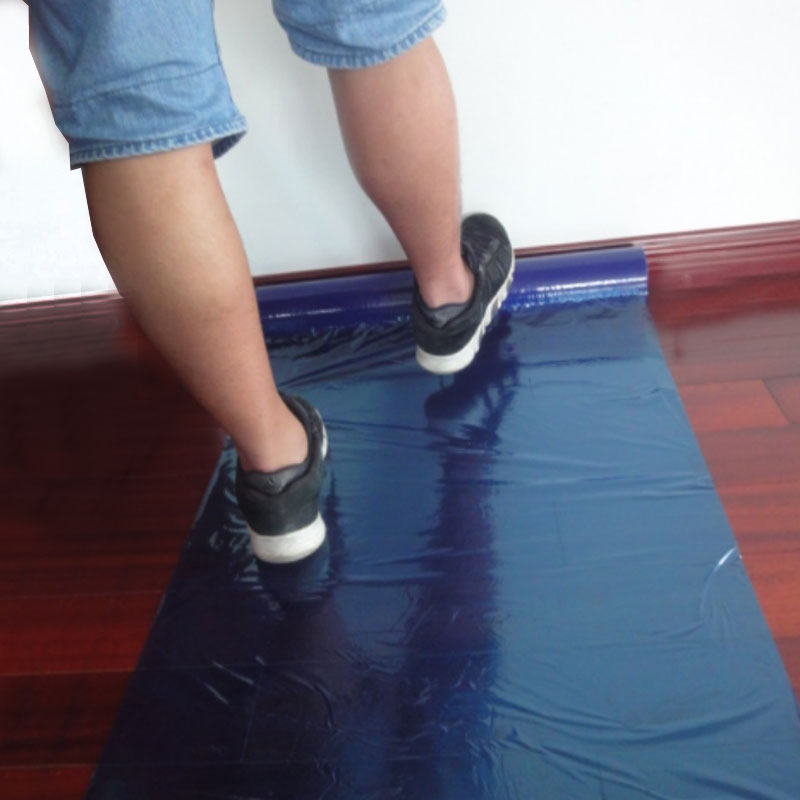 Multi-Purpose Protective Film for Hard SurfacesDurable polyethylene film with residue-free adhesive removal, suited to protecting ceramic, glass, stone, and worktops during painting, building, or remodeling work.View Product →
If your film is going onto a high-value surface during fabrication and installation, prioritise adhesion control, UV resistance, and clean removal. Compostability can be revisited once those three are settled.
Sustainability in packaging is not a single race towards compostability. Mono-material design, thinner gauges, and better recyclability often deliver a bigger reduction in waste than switching polymer families. Where collection and recycling infrastructure already exists, keeping the material in that loop is usually the more efficient choice.
This is where conventional films still earn their place. A well-specified machine stretch film holds a pallet together using less material than many alternatives and fits existing recycling streams when it is kept clean and mono-material. We have written about this trade-off in more detail in our note on recyclable PE stretch film in sustainable packaging.
 Machine Stretch Film for Pallet WrappingA machine-grade PE stretch film for pallet wrapping, with puncture resistance, self-adhering layers, large rolls, and recyclable options.View Product →
Whichever material you lean towards, these questions separate a sound decision from a marketing one.
There is no single best film, only a best fit. Compostable films are a real and useful tool for short-life, food-contact and agricultural applications where an organics stream exists. For industrial surface protection, packaging, and anything that needs to survive months of real-world handling, a carefully specified conventional film is still the more reliable and often the more sustainable answer.
If you are weighing up options for a surface, a process, or a pallet, talk to us early. Matching a film to a substrate or a production step is far easier before the specification is frozen than after. That conversation is the part of the job we have enjoyed since 2002.
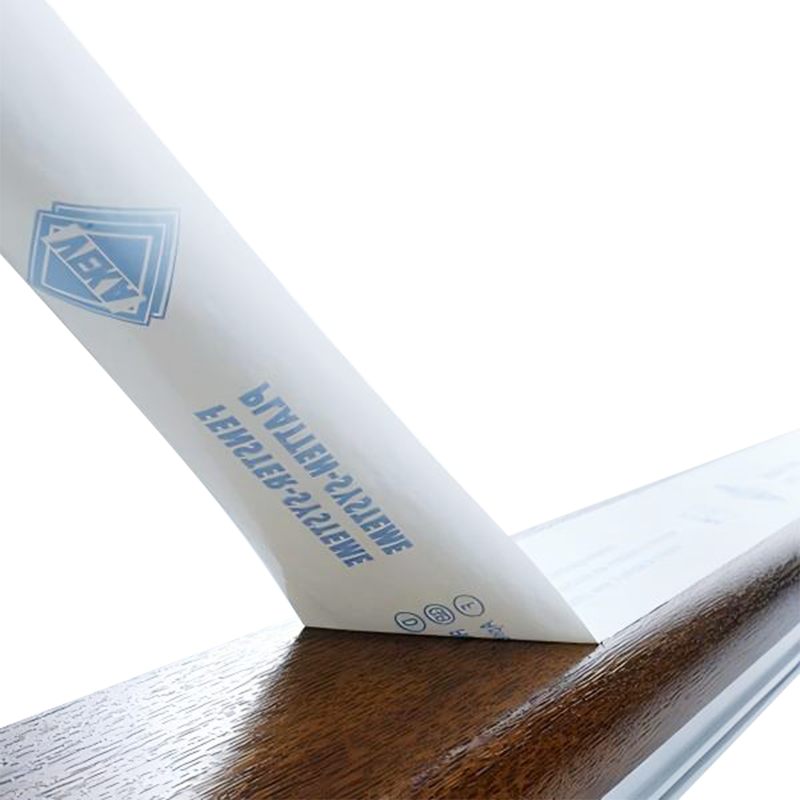
● Good weatherability for outdoor exposure; ● Stable adhesion level; ● UV resistance for up to 12 months; ● Can print customized logo or application i...
See Details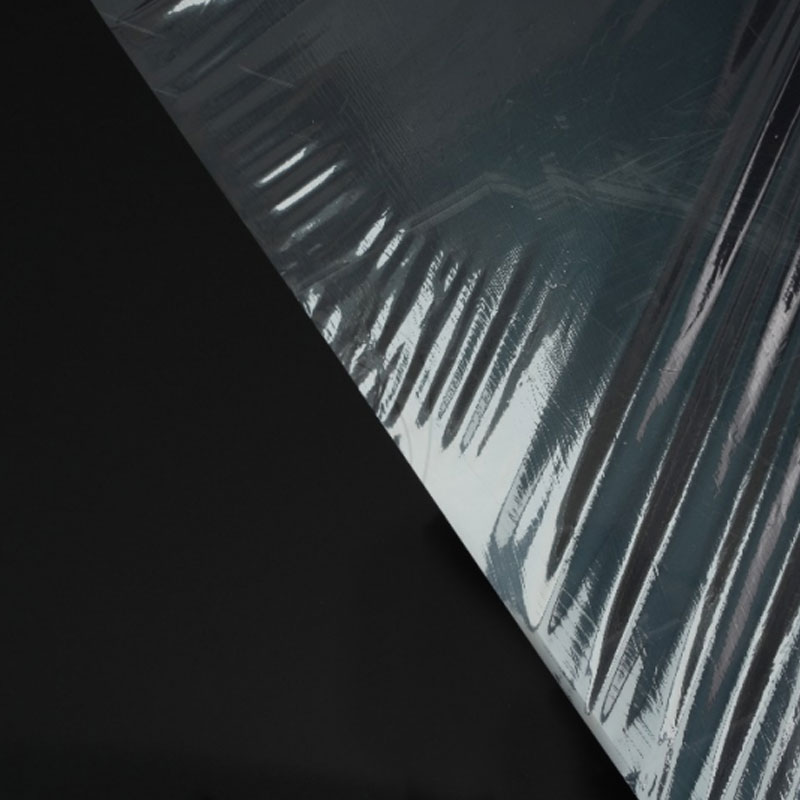
● No “ghost shadow” or “fish eye” after removal; ● Stable adhesion level; ● UV resistance for up to 6 months; ● Can print customized logo or applicati...
See Details
● Protect window glass against paint splatters, dirt, staining, and spillages during painting, building, plastering, tiling, general maintenance and r...
See Details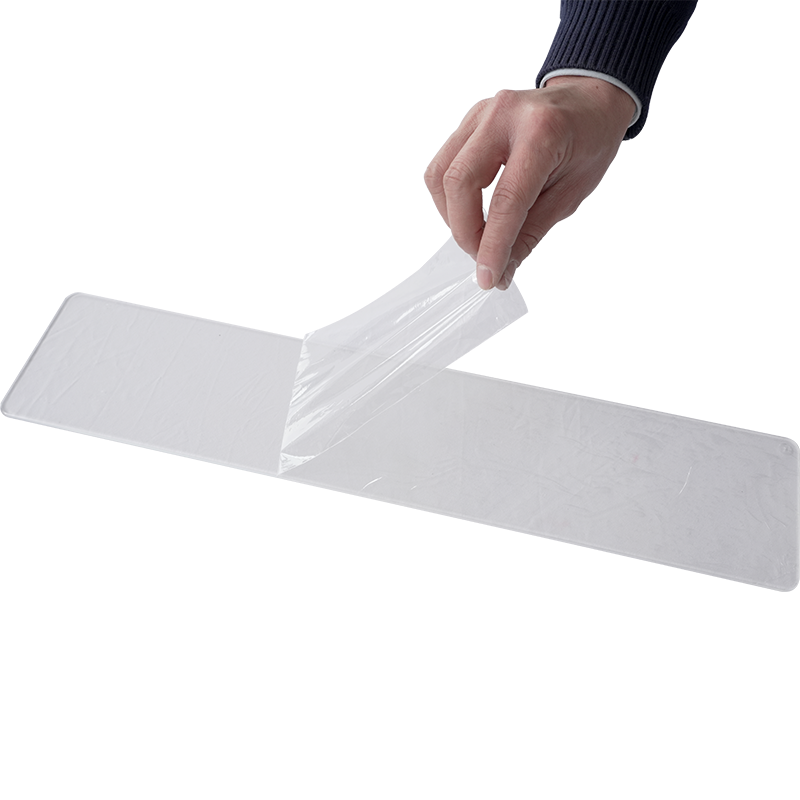
● No “ghost shadow” or “fish eye” after removal; ● Low gel content, soft and stable adhesion plus easy-peel removal with no surface damage or curling;...
See Details
● Patented adhesive formula suits all hard surfaces such as hardwood floors, laminate floors, ceramic, marble, tile, granite, vinyl, worktops, and gla...
See Details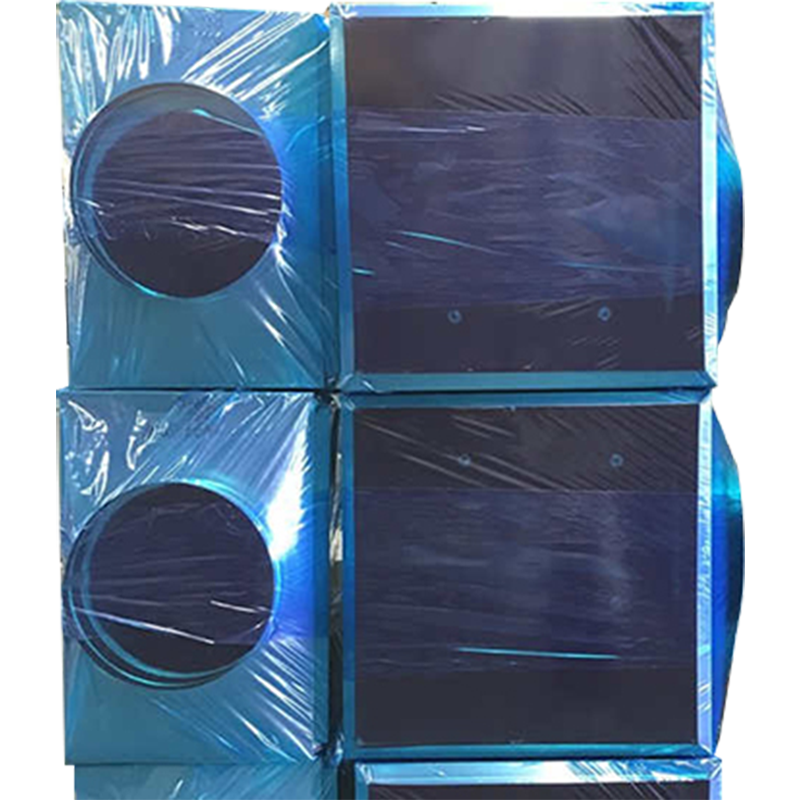
● The super-tough polyethylene film resists puncture and penetration by liquid and dirt during storage, transportation, and installation of the ductwo...
See Details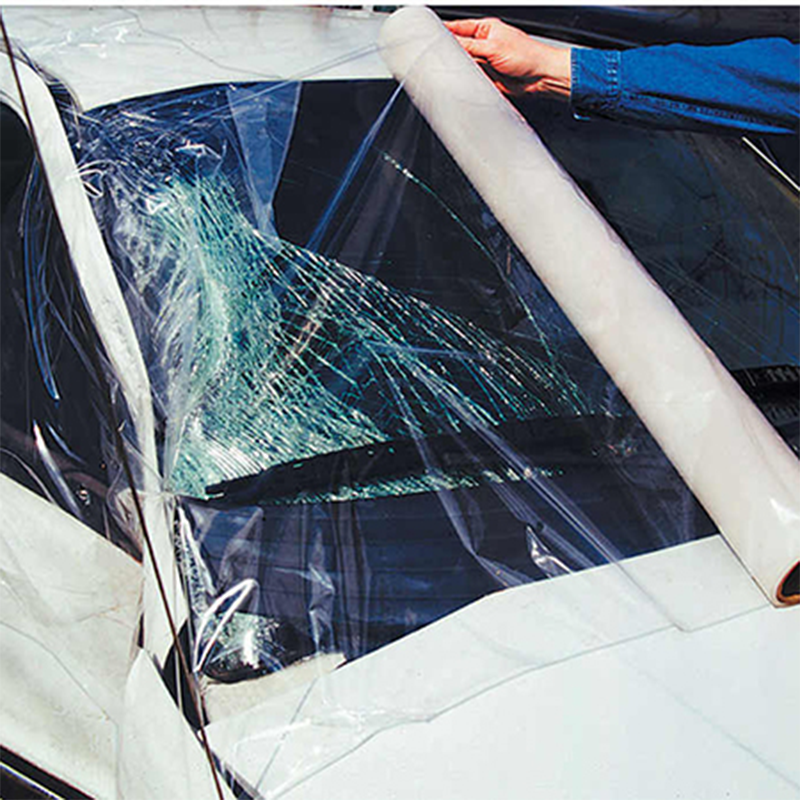
● The super-tough polyethylene film resists puncture and penetration by rain, snow, debris, and dirt during the transportation and storage of the cras...
See Details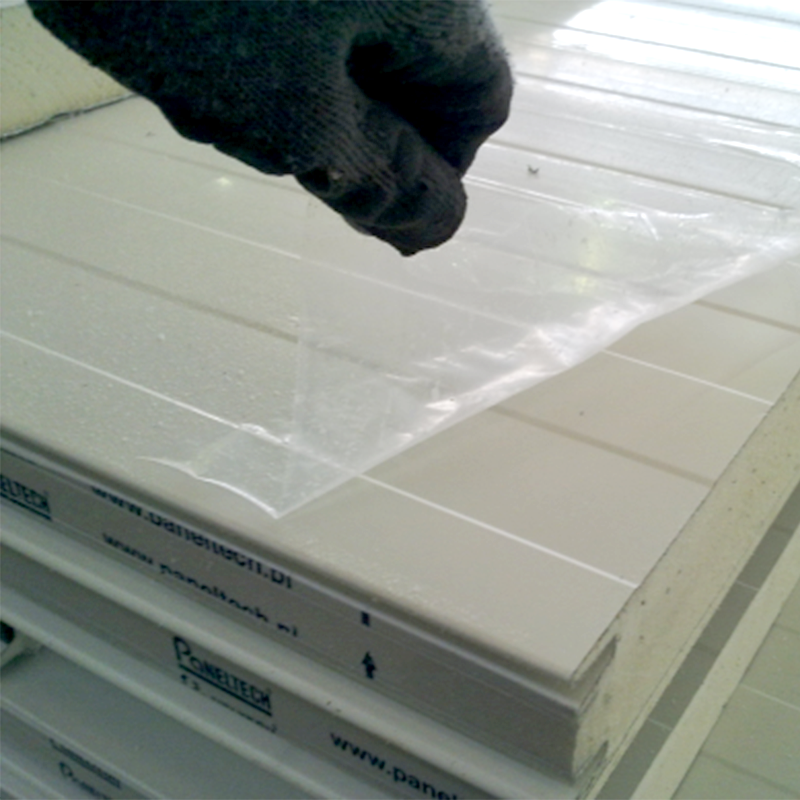
● The specially formulated adhesive ensures easy application and removal without leaving residue glue on the sandwich panels; ● The super-tough polyet...
See Details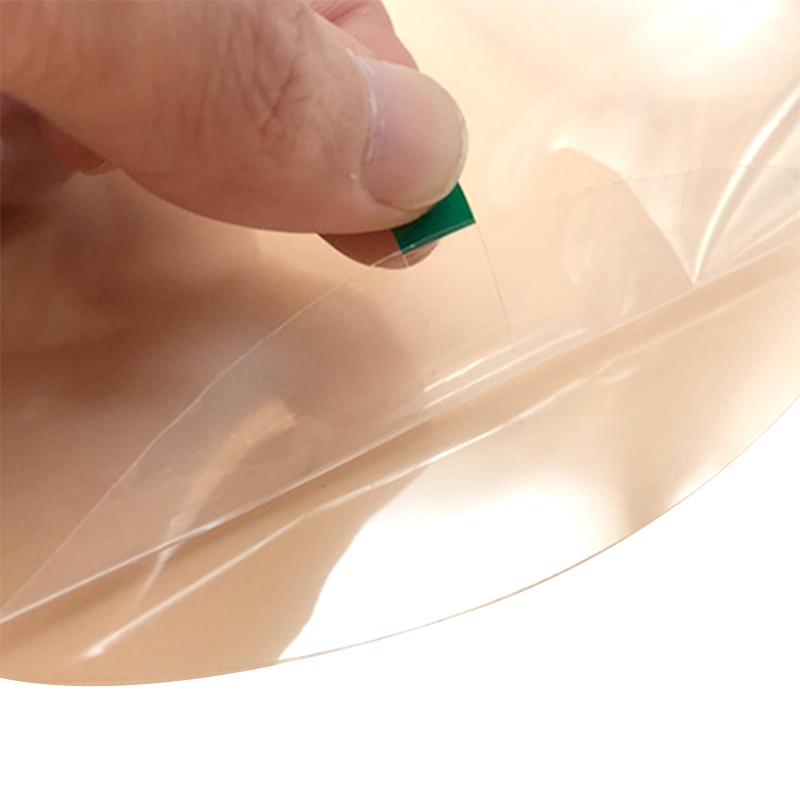
● Suitable for plastic sheets’ drilling, cutting, routing, thermoforming, bending, or post-fabrication operations;● No “ghost shadow” or “fish eye” af...
See Details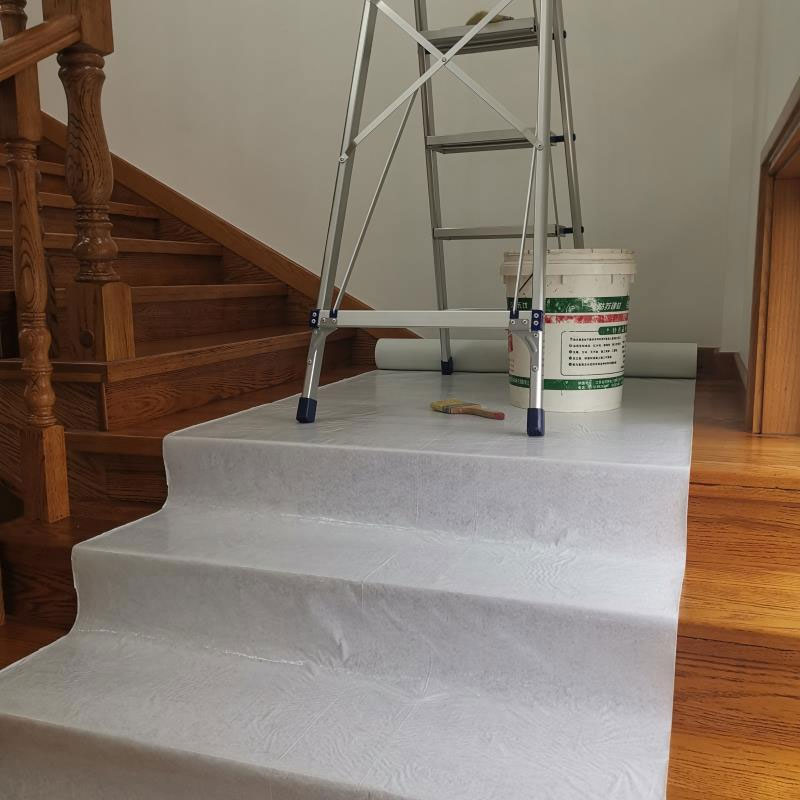
This product has non-woven synthetic fleece in middle; Breathable PE film adhered onto top of the non-woven fabric, which is coated with self adhesive...
See DetailsWe’re a reliable partner that shapes our expertise into success for your project.
Copyright 2024 Wuxi Qida Tape Co., Ltd. All Rights Reserved
 Wholesale Protective Film/Foil Manufacturers
Privacy