

 English

 English
 русский
 Français
 Español
 Português
 عربى

Cat:Glue -coated Protective Film
● No “ghost shadow” or “fish eye” after removal; ● Stable adhesion level; ● UV resistance for up to 6 months; ● Can print customized logo or applicati...
See Details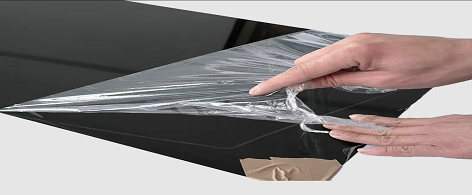
Type "polyethylene film manufacturers" into a search engine and you get back a mixed list: resin producers, packaging extruders, and a smaller group of factories that build film for one specific job, which is keeping a finished surface clean until somebody finally peels the film away. Those are three different businesses with three different ideas about what quality means.
If you buy aluminium profiles, coated steel, architectural glass or decorative laminate, the difference matters. A supplier who measures success in tonnes per hour and a supplier who measures it in how a polished panel looks after three months in a warehouse are not interchangeable, even when both describe themselves as polyethylene film manufacturers.
This article comes from a factory that has been making protective film since the early 2000s and shipping it to Europe, North America, the Middle East, Japan and Australia. It explains what actually decides whether a polyethylene film performs, and how to judge the people who supply it.
Polyethylene is a family, not a single material. Density and molecular structure change how a film behaves under tension, heat and time.
From these resins come two product families that share a name but little else. Packaging film is designed to hold a load together and is judged on stretch, cling and puncture resistance. Protective film is judged on something harder to measure: it has to stay put through everything your process throws at it, and then come off without leaving a mark.
That is why the conversation with a real protective film supplier starts with your substrate. A line running aluminium extrusions for window frames needs a film that survives being pulled over sharp profile edges and then through roller forming, without tearing or lifting at the corners.
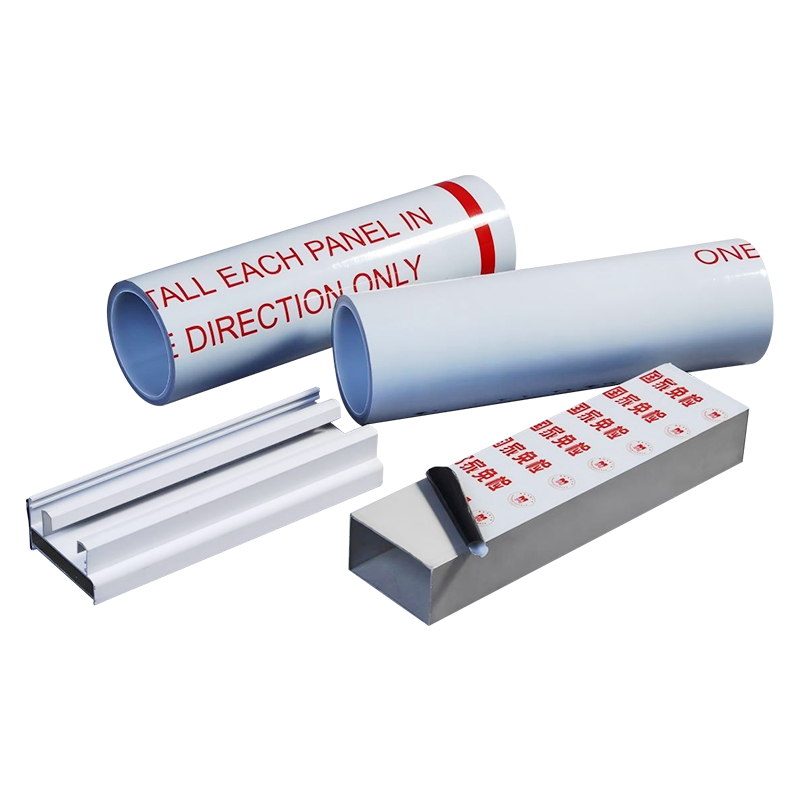 Protective Film for Aluminum Profiles, Windows, Doors, and Coated PlatesFor aluminium profiles, window and door, and coated aluminium plates; stable adhesion and clean removal help protect sharp edges during forming, transport and installation.View Product →
A film that was chosen mainly on price per square metre rarely survives that test, and the cost of a failed roll shows up later as rework, rejected panels or unhappy installers.
Protective film is a system, not a sheet. Get any one of the following three elements wrong and the whole roll is a problem.
Carrier thickness usually sits between 30 and 100 microns for industrial protection. Thicker is not automatically better. What matters is the balance between elongation, tensile strength and stiffness for your process: a deep-drawn stainless part and a flat laminate panel want different carriers. Colour also carries information. Transparent film lets operators inspect the surface, blue film is easy to see on bright metal, and black-and-white film helps when the protected side must stay dark or must not be exposed to light.
Adhesion can be coated onto the carrier in a separate step or coextruded as part of a multilayer structure. Rubber-based systems grab quickly, acrylic systems age better and leave less residue, and water-based formulations reduce solvent emissions. The tack level should be matched to surface energy. High-gloss laminate and mirror steel hold onto adhesive far more aggressively than a rough, porous surface, so the same glue that feels weak on one panel can be stubborn on another.
Peel force is not a fixed number. It grows with contact time, pressure and temperature, and it behaves differently at 5 degrees in a cold warehouse than at 45 degrees inside a sealed container. This is the part of the specification most buyers forget, and it is the part that decides whether removal takes seconds or ruins an afternoon. If a supplier can only quote a tack value without discussing dwell time and temperature, keep asking questions.
The table below is a starting point rather than a rulebook. Use it to frame the questions you put to your supplier, and treat any final choice as something to confirm with an actual peel test on your own material.
| Surface | Typical film approach | Main risk if mismatched |
|---|---|---|
| Mirror and brushed stainless, prepainted steel | Medium-tack glue-coated PE film applied at controlled tension | Adhesive transfer or ghosting on the polished face after weeks in storage |
| Coated aluminium profiles and window frames | Elastic PE film able to follow bending and roller forming | Tearing along profile edges or lifting during handling |
| Architectural and window glass | Clean-peel film with reasonable UV stability | Residue baked on by sunlight and difficult removal on site |
| Decorative laminate, HPL and artificial marble | Low-tack film for smooth, low-porosity panels | Over-adhesion and tearing when the film is finally stripped |
| Acrylic, PC and PET sheets | Antistatic or static-dissipative protective film | Dust attraction and inspection defects before shipping |
| Carpet and finished flooring during renovation | Heavier film or protection fleece with strong mechanical resistance | Slipping, or adhesive picked up by fibres |
Stainless is the clearest illustration of why a test panel is worth the effort. A mirror sheet can look flawless when the film is applied and show a faint haze two months later, once temperature and pressure have had time to work on the adhesive.
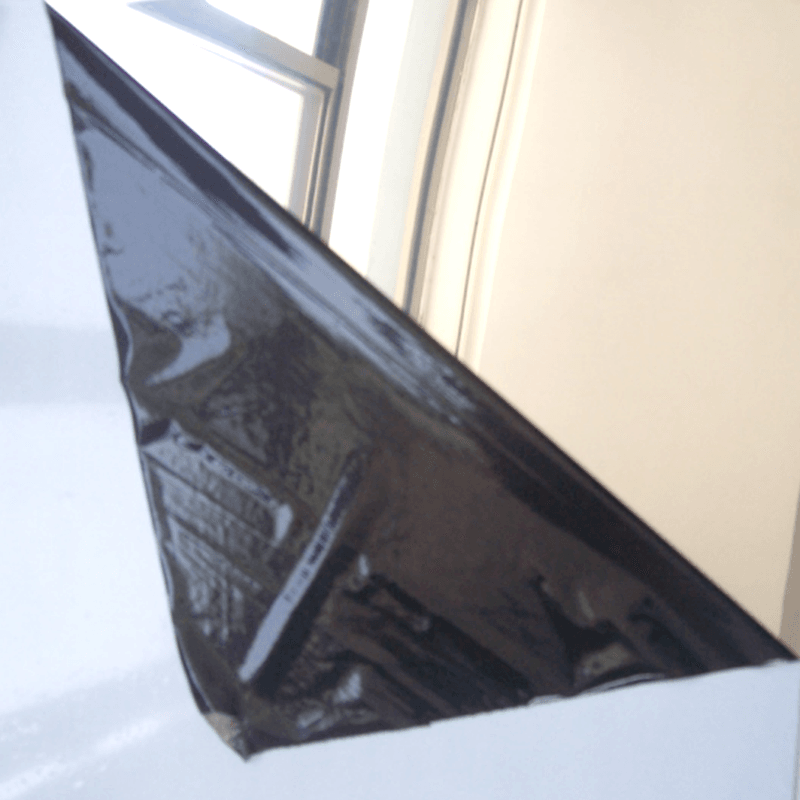 Protective Film for Stainless, Colored, and Mirrored Steel PlatesDesigned for stainless, colored, and mirrored steel, with stable adhesion and no ghost shadow or fish eye after removal to preserve surface appearance.View Product →
One way to avoid this is to treat protection as a system that crosses several materials rather than a single purchase. Our own multi-surface protection solutions were built around that idea, because a workshop protecting aluminium, glass and laminate in the same building does not want three unrelated specifications to manage.
Most protective film is made either by blowing a bubble through an annular die or by casting molten polymer onto a chilled roll. Both routes produce usable film, and both leave fingerprints on the final product.
Blown film cools slowly, develops more balanced strength in both directions and generally offers better puncture and tear resistance, which suits bending, stamping and rough handling. Cast film cools fast against the chill roll, giving a flatter, clearer sheet with tighter gauge tolerance, and it is usually the better choice when the film will be printed, coated or laminated in a later step. Optical clarity comes at a cost though: cast film tends to be more oriented in the machine direction, so it can split more easily if pulled sideways.
A supplier who can explain which route they use for your application, and why, is usually a supplier who understands the difference between selling film and solving a protection problem.
Between application and removal, your panels may sit in a yard, cross an ocean and wait on a construction site. Each stage adds stress. Ultraviolet exposure embrittles the carrier and hardens the adhesive. Humidity softens some water-based systems. Heat accelerates adhesion build-up until a film that peeled cleanly in the factory has to be scraped off on site.
Glazing is where this bites hardest. Glass travels in racks, sits in the open and waits for a facade programme that may slip by months. A film that ignores that timeline creates work for the glazier, not the factory.
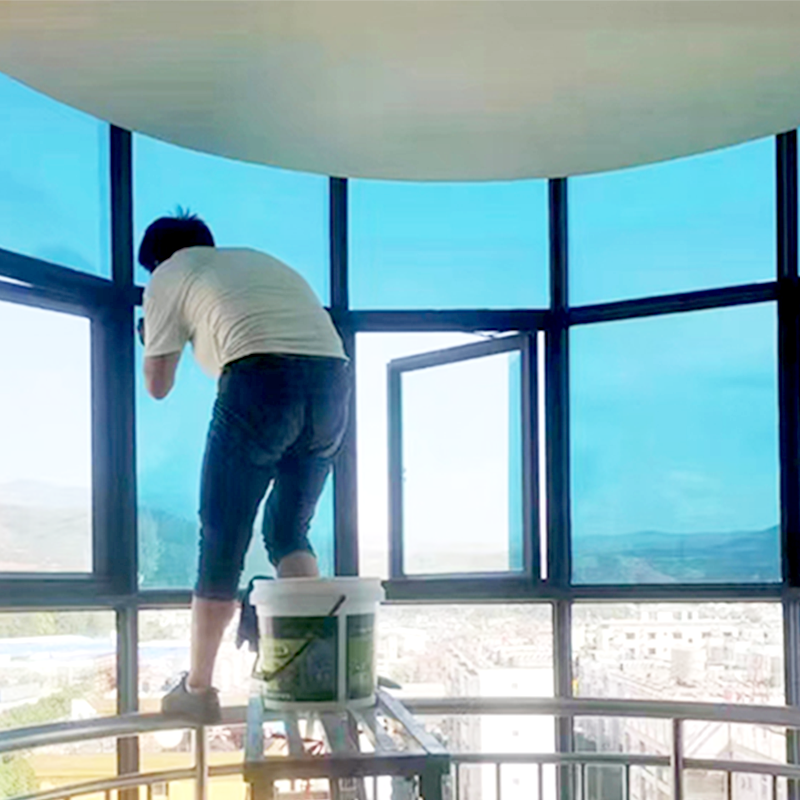 Protective Film for Window Glass and Glass DoorsProtects window glass and doors from paint, dirt, and spillages during construction and repair, with easy removal and UV resistance for outdoor exposure.View Product →
So the useful question is not "how strong is your adhesive" but "how does your adhesive behave after 90 days at 40 degrees". Ask it early, and ask it with the removal temperature in mind.
Certificates are a baseline, not a differentiator; ISO 9001 and ISO 14001 tell you a system exists but not whether it produces the film you need. The following checks tell you more.
If you are still at the stage of comparing film types rather than suppliers, this guide on how to choose a suitable protective film or tape walks through the selection logic in more detail.
Standard rolls cover a surprising number of jobs, and it is a poor use of time to customise a film that already works. But when the surface is unusual or the process is harsh, a factory should be able to adjust thickness, tack, colour, width and printing. Expect the following questions before you get a quotation.
A supplier who sends a sample roll for you to trial on production material is committing more than a supplier who sends a specification sheet. That sample, and how quickly it arrives, tells you a great deal about how the relationship will run.
None of these are exotic failures. They are ordinary ones, and they are usually preventable with one test panel and a straight conversation.
Send three manufacturers the same brief: substrate, finish, process steps, storage conditions, removal point and dwell time. The replies will differ more than you expect. One will quote a standard tack, one will ask two follow-up questions, and one will send a sample with a suggested peel test protocol attached. That last reply is the one worth pursuing.
Protective film is a small cost next to the panel underneath it. Treat the selection process with the seriousness the surface deserves, and polyethylene film stops being a commodity purchase and becomes part of how your product arrives in the customer's hands.
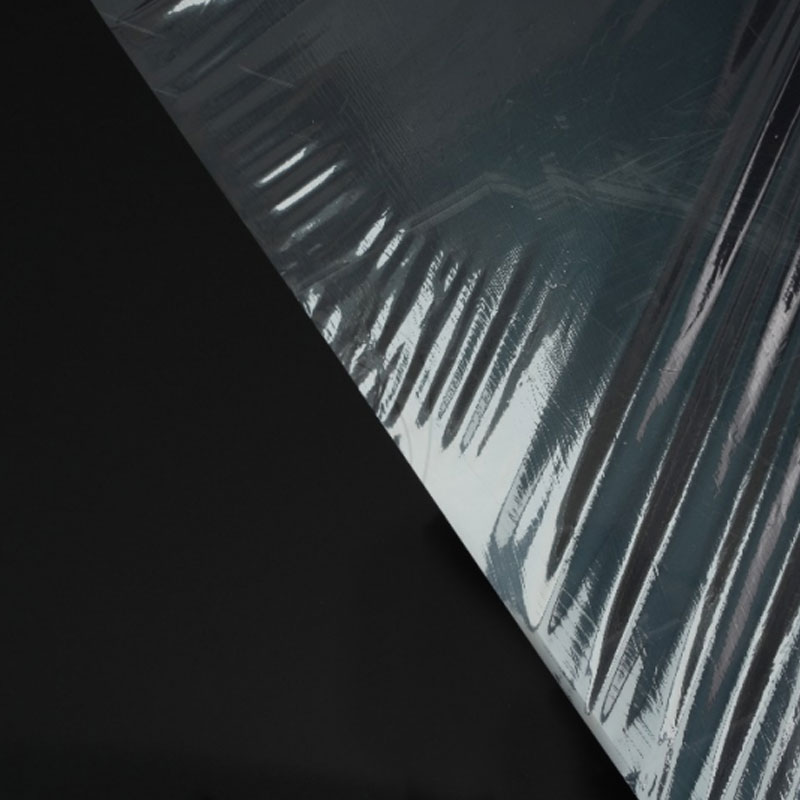
● No “ghost shadow” or “fish eye” after removal; ● Stable adhesion level; ● UV resistance for up to 6 months; ● Can print customized logo or applicati...
See Details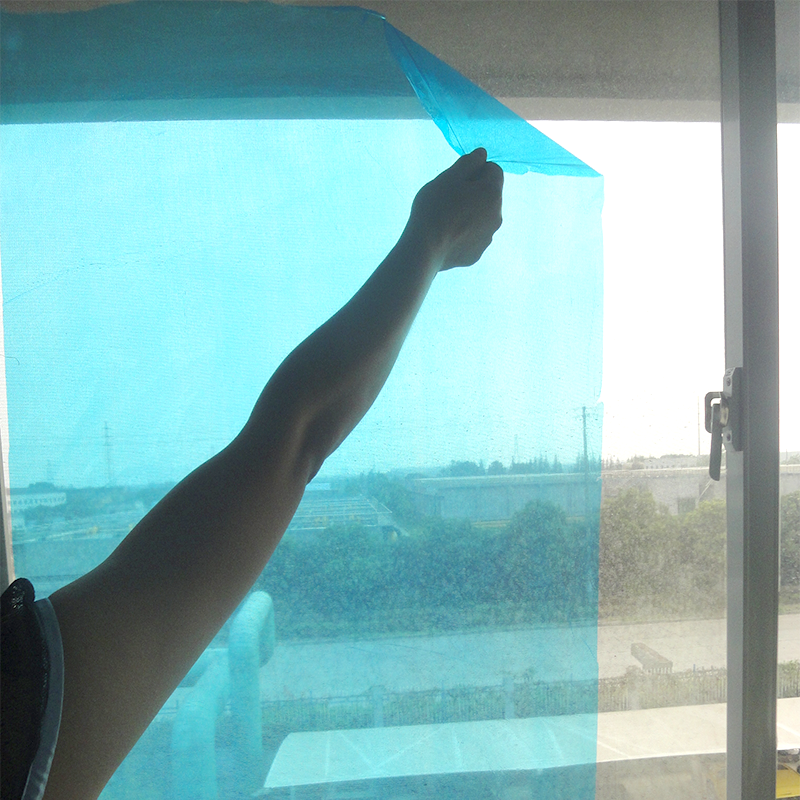
● Protect window glass against paint splatters, dirt, staining, and spillages during painting, building, plastering, tiling, general maintenance and r...
See Details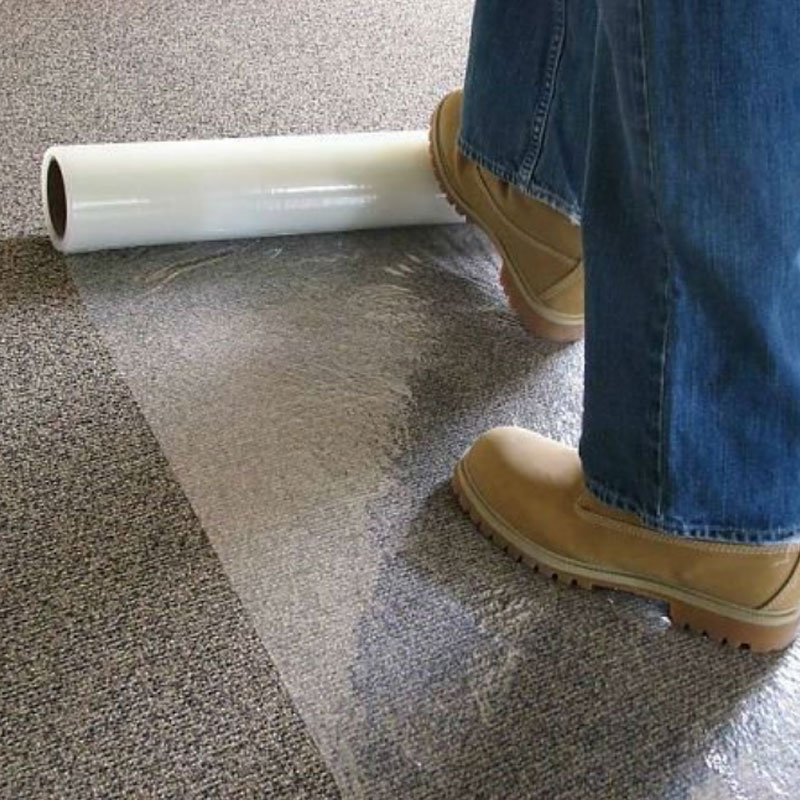
● Protects carpet against staining, paint spillage and dirt during painting, building, remodeling, plastering, tiling, decoration, general maintenance...
See Details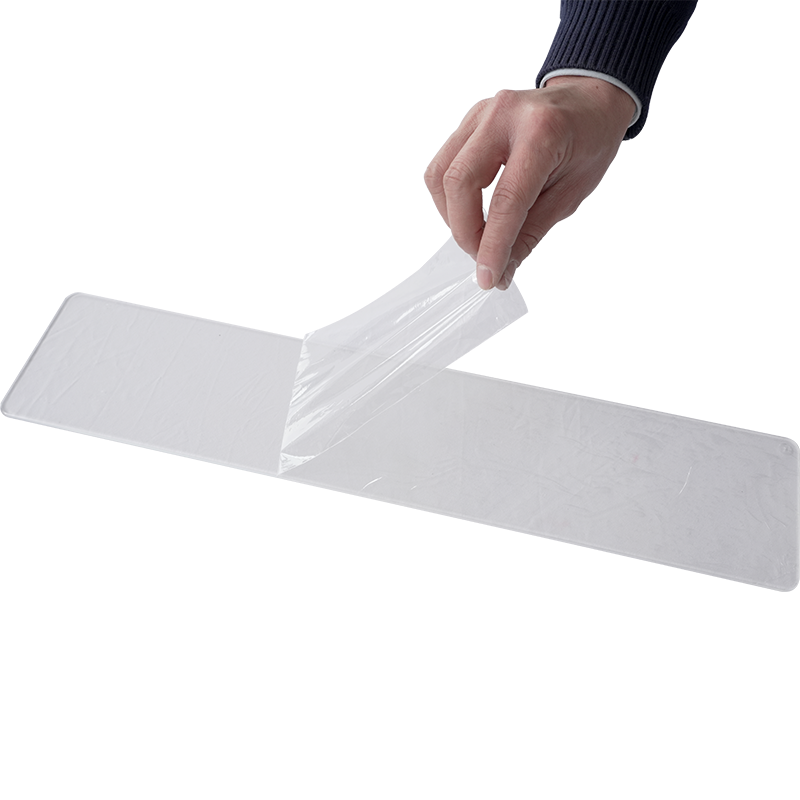
● No “ghost shadow” or “fish eye” after removal; ● Low gel content, soft and stable adhesion plus easy-peel removal with no surface damage or curling;...
See Details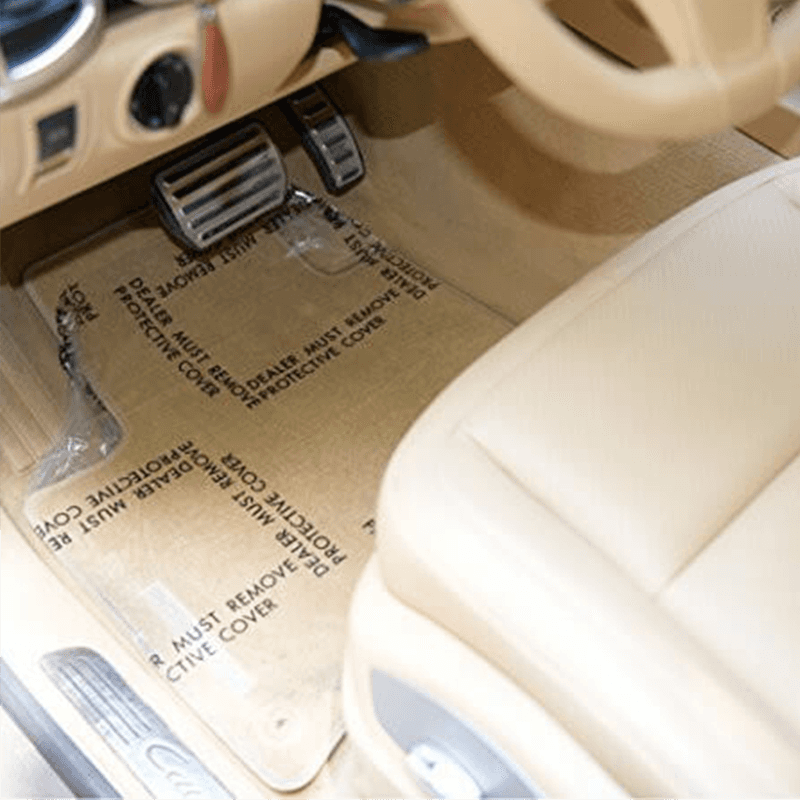
● Distance of each perforation die-cut ranges from 100mm to 1200mm;● Can peel off each die-cut piece of protective film at the perforated line easily;...
See Details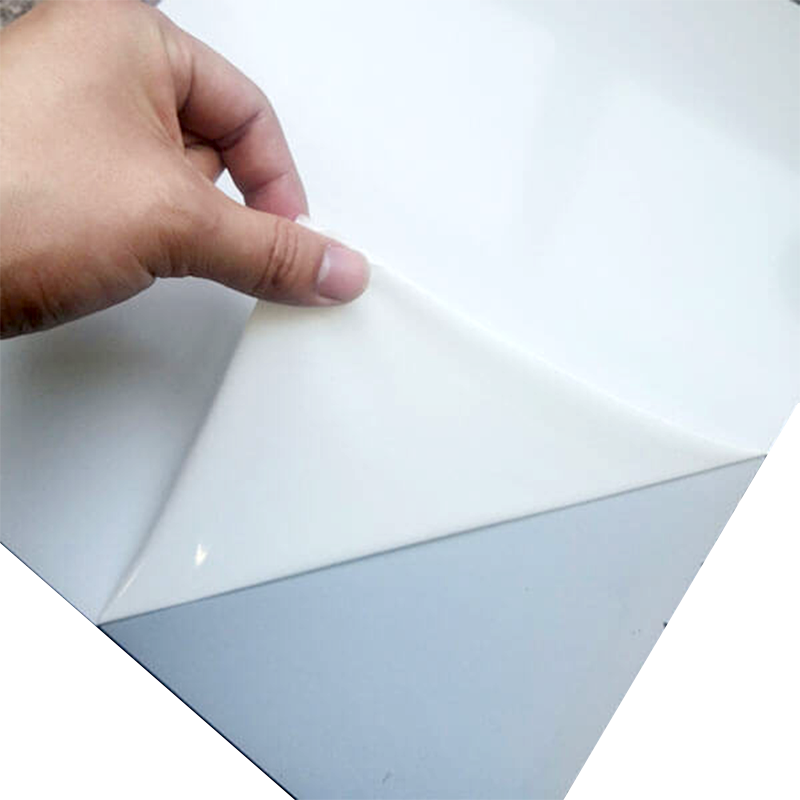
● The super tough polyethylene film with super high adhesion can stop parts of the glass or mirror from splintering away and injuring people when it i...
See Details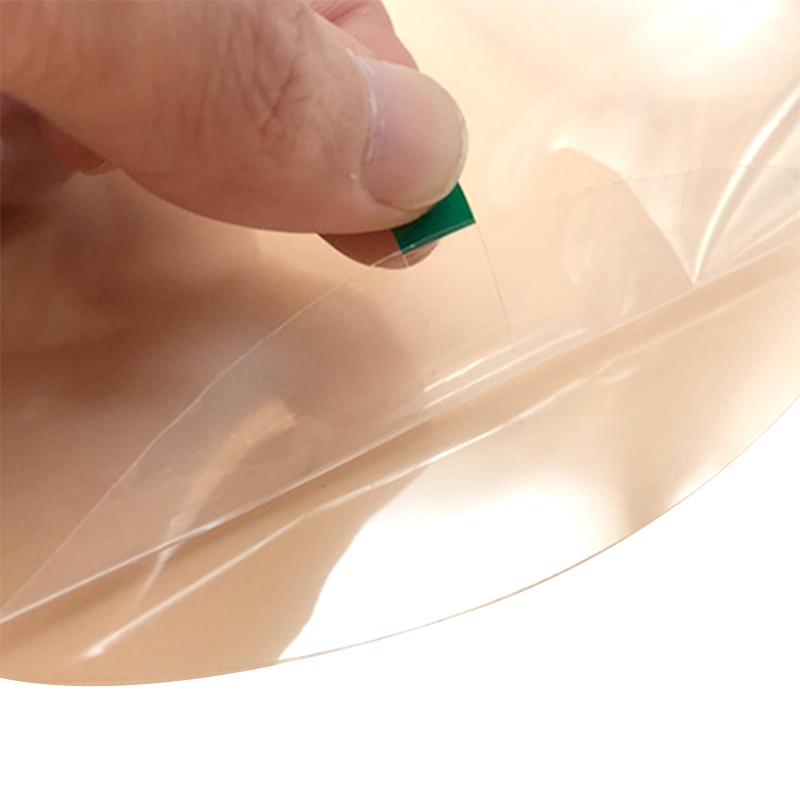
● Suitable for plastic sheets’ drilling, cutting, routing, thermoforming, bending, or post-fabrication operations;● No “ghost shadow” or “fish eye” af...
See Details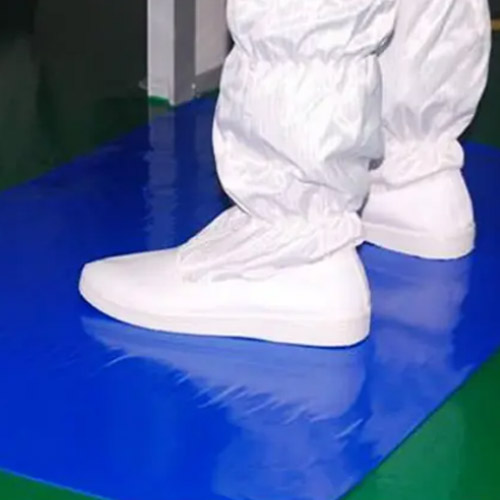
● Options for either 30 or 60 layers per mat; can be packed with four mats, eight mats, or ten mats per carton;● Remove dirt effect: ≥99.9% (5 steps);...
See Details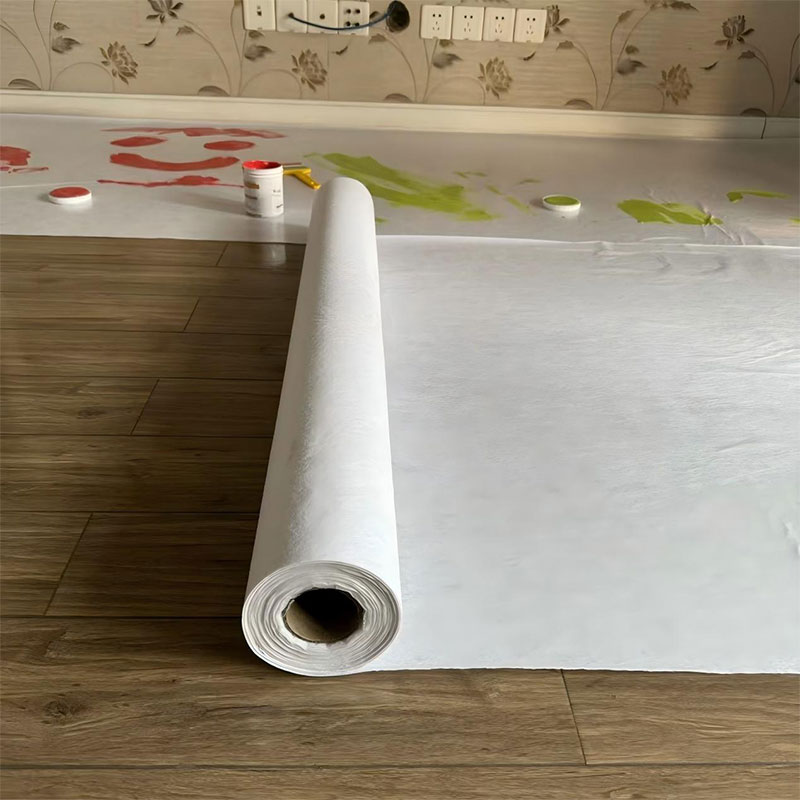
This product has non-woven synthetic fleece in middle; PE film adhered onto top of the non-woven fabric, which is coated with self adhesive glue on it...
See Details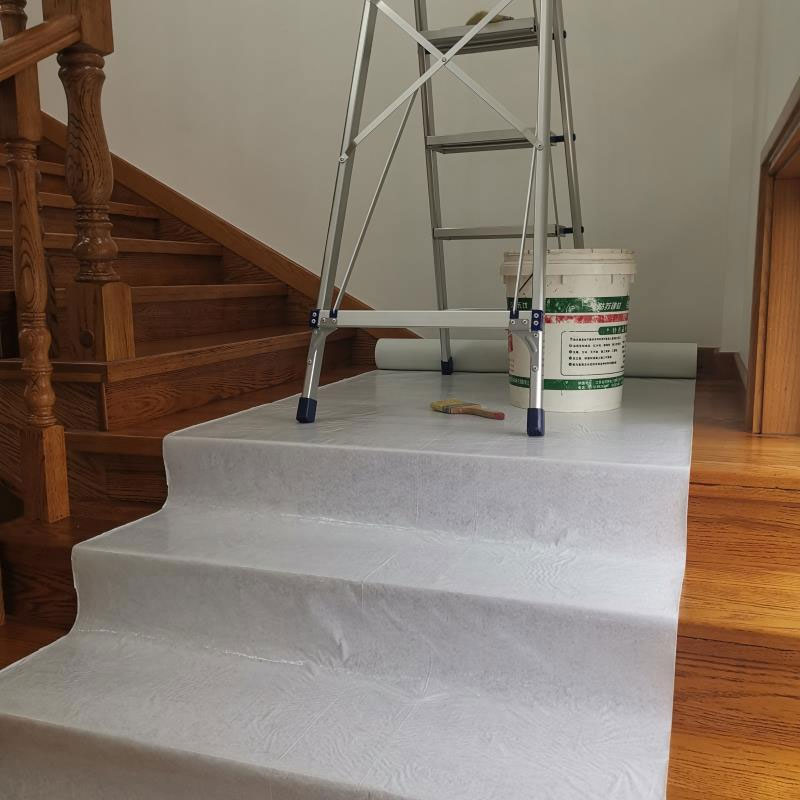
This product has non-woven synthetic fleece in middle; Breathable PE film adhered onto top of the non-woven fabric, which is coated with self adhesive...
See DetailsWe’re a reliable partner that shapes our expertise into success for your project.
Copyright 2024 Wuxi Qida Tape Co., Ltd. All Rights Reserved
 Wholesale Protective Film/Foil Manufacturers
Privacy