

 English

 English
 русский
 Français
 Español
 Português
 عربى

Cat:Glue -coated Protective Film
● No “ghost shadow” or “fish eye” after removal; ● Low gel content, soft and stable adhesion plus easy-peel removal with no surface damage or curling;...
See Details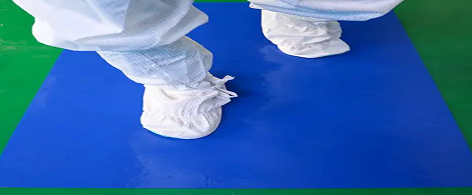
Medical packaging films do two jobs at once, and both matter more than most people outside the industry expect. They keep a device sterile from the moment it leaves the production line to the moment a clinician opens it, and they have to open cleanly, without shedding particles or tearing in a way that puts the device at risk. That balance between barrier performance and controlled opening is what makes this category a genuinely specialised field.
What follows is a practical look at the main film families, how sterilization methods shape material choice, and where surface protection and contamination control fit into the same production chain.
Strictly speaking, the term covers any polymer film that forms part of a sterile barrier system: the thermoformable web that becomes a tray or blister, the lidding film sealed over it, and the film component of pouches and form-fill-seal packs. ISO 11607-1 sets the expectations, requiring that the system maintain sterility, allow aseptic presentation at the point of use, and be validated as a process rather than judged on appearance alone.
Films are usually distinguished from porous materials such as medical-grade paper or spunbonded olefin nonwovens, yet the two normally work as a pair. A porous lidding lets a gaseous sterilant in and out, while the film supplies the physical barrier against microorganisms, dust and moisture. Remove either half and the system stops doing its job.
Most specifications begin with a shortlist of polymer families. Each brings a different mix of forming behaviour, sterilization tolerance and barrier level.
| Film family | Typical role | What to check |
|---|---|---|
| PET and PETG thermoformable film | Base web for trays, blisters and clamshells | Forming depth, clarity, EtO and gamma compatibility |
| Polypropylene (PP) film | Base web or seal layer | Steam resistance, mono-material recyclability, seal window |
| Polycarbonate (PC) film | Rigid, high-strength trays | Impact strength, radiation stability, cost per pack |
| Coextruded seal-layer film | Peelable lidding and sealant layer | Peel force range, clean peel, fibre tear risk |
| Spunbonded olefin lidding | Porous lid for EtO and steam | Microbial barrier, gas permeability, coating uniformity |
| High-barrier laminates | Foil, EVOH or metallised structures | Moisture and oxygen transmission, shelf life, opacity |
The sterilization route is usually the first filter applied to a shortlist, because a film that performs beautifully in one cycle can yellow, embrittle or lose seal strength in another.
Whatever the route, ageing studies matter as much as the initial result. A pack that peels correctly on day one but fails after twelve months on a shelf has not really passed.
Sealing is where film properties, machine settings and operator discipline meet. Heat, pressure and dwell time define a window, and the useful job is not finding one good setting but finding a window wide enough to survive normal production variation. Thermal contact sealing with accurate temperature control and impulse or ultrasonic methods each have their own strengths; what they share is a need for objective, repeatable measurement rather than operator judgement.
Under ISO 11607-2 the sealing process itself must be validated, which means documented parameters, defined limits and routine monitoring. Seal strength, peel force and visual inspection after dye penetration or burst testing are the usual evidence. In cleanroom packaging areas the film also has to behave well as a material: low particulate generation, no loose fibres at the cut edge, and no static that pulls dust onto the seal area.
A polished housing or a formed tray has something in common with a coated metal panel: neither forgives a scratch. Temporary protective films are applied early, often to sheet stock before forming or to machined and polished components before assembly, then peeled away once the part is ready for its sterile pack. The film has to hold firmly through handling, cutting and cleaning, and then release with no residue or adhesive transfer that could later interfere with a seal or a bonding step.
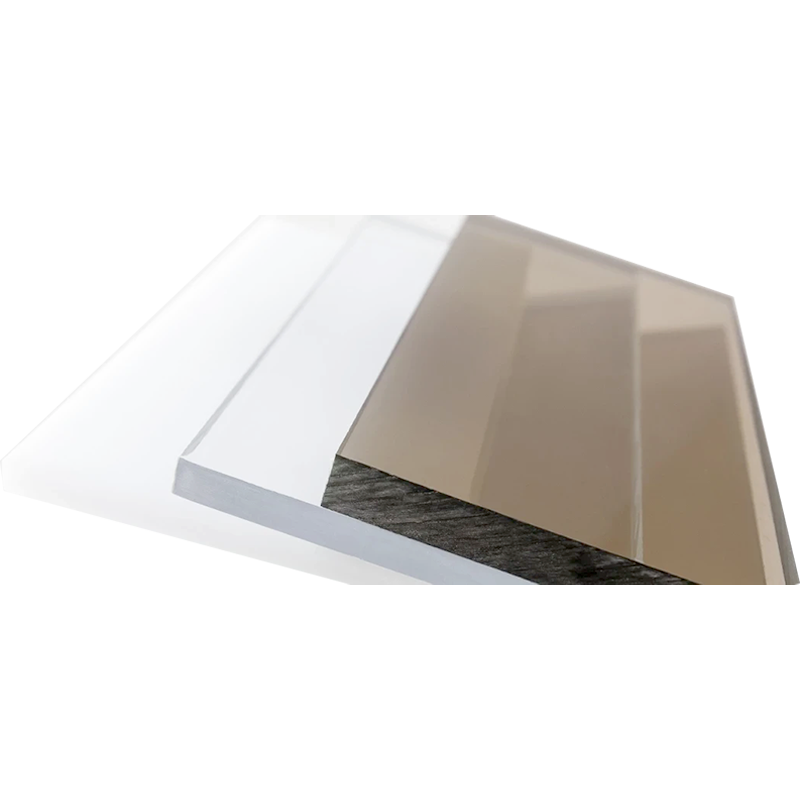 Co-extruded Self-Adhesive Protective Film for Plastic SheetsTemporary protection film for acrylic, PET, polycarbonate and similar sheets during cutting, routing, thermoforming or handling, with easy-peel removal.View Product →
When the surface is optical rather than structural, the specification gets tighter. Acrylic, PET and polycarbonate windows, lenses and display covers need protection that leaves no haze behind and can be removed without solvents. Low-tack grades and coextruded constructions that carry no separate adhesive layer are the usual answer, and self-adhesive protective films in this family are typically specified by thickness and tack level rather than by appearance alone.
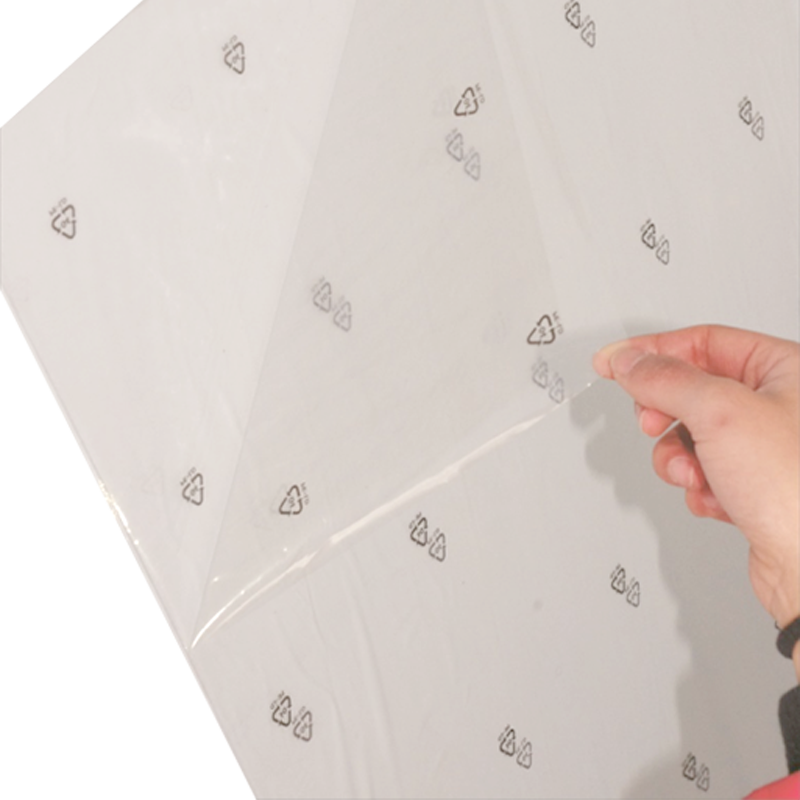 Protective Film for Acrylic, Polyester and Polycarbonate SurfacesGlue-coated temporary protection for acrylic, PET, polycarbonate and similar surfaces, offering easy-peel removal without ghosting or surface damage during handling and processing.View Product →
Contamination control begins well before the packaging line. An ISO 7 or ISO 8 area only keeps its classification if the people and goods crossing into it do not carry dust in with them, which is why tacky mats sit at every doorway used by trolleys and footwear. A mat that lies flat, keeps its tack through a shift and peels away layer by layer is inexpensive compared with a batch investigation triggered by a particulate excursion. Cleanroom sticky mats are a small line item that quietly protects the whole validation effort.
 Cleanroom Sticky Mats for Contamination Control at EntrancesTacky floor mats with multiple peel-off layers and full-surface adhesive backing, used at clean and sensitive area entrances to help remove foot and trolley dirt.View Product →
Two forces are reshaping medical packaging films at the same time. Healthcare providers are under pressure to cut single-use plastic waste, while regulators continue to tighten documentation and material safety expectations. The result is growing interest in mono-material structures that can be recycled, in thinner films that meet the same barrier target with less material, and in moving away from halogenated polymers where an alternative exists.
Those goals pull against barrier performance, and there is rarely a free win. The realistic path is usually incremental: identify the layers that carry no real function, test a downgauged web, and confirm that seal strength and shelf life still hold after ageing. Sustainability claims that have not survived a stability study tend to cause more trouble than they solve.
The most useful questions are practical ones. Which sterilization method will the pack actually see? What peel force does the clinical user expect? Which surfaces inside the pack are sensitive to pressure, heat or residue? Does the film need to be clear, or is opacity acceptable?
We have been extruding, coating and converting protective films since 2002, and much of what we do sits one step before packaging: keeping a surface intact and clean until it is ready to be sealed. Our engineers work from the material and the process rather than from a catalogue, and we are happy to look at a sample of your part and a description of your line before anyone talks about specifications.
Medical packaging films reward a little patience at the specification stage. Get the sterilization route, the seal window and the peel expectation right, and the rest of the pack tends to fall into place. Get them wrong, and no amount of inspection will rescue the batch.
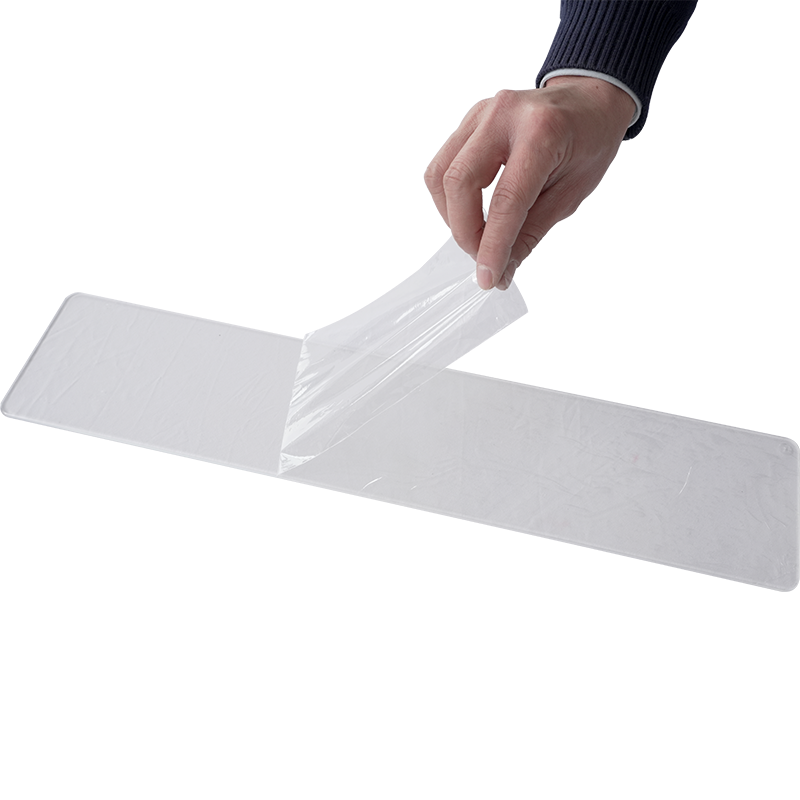
● No “ghost shadow” or “fish eye” after removal; ● Low gel content, soft and stable adhesion plus easy-peel removal with no surface damage or curling;...
See Details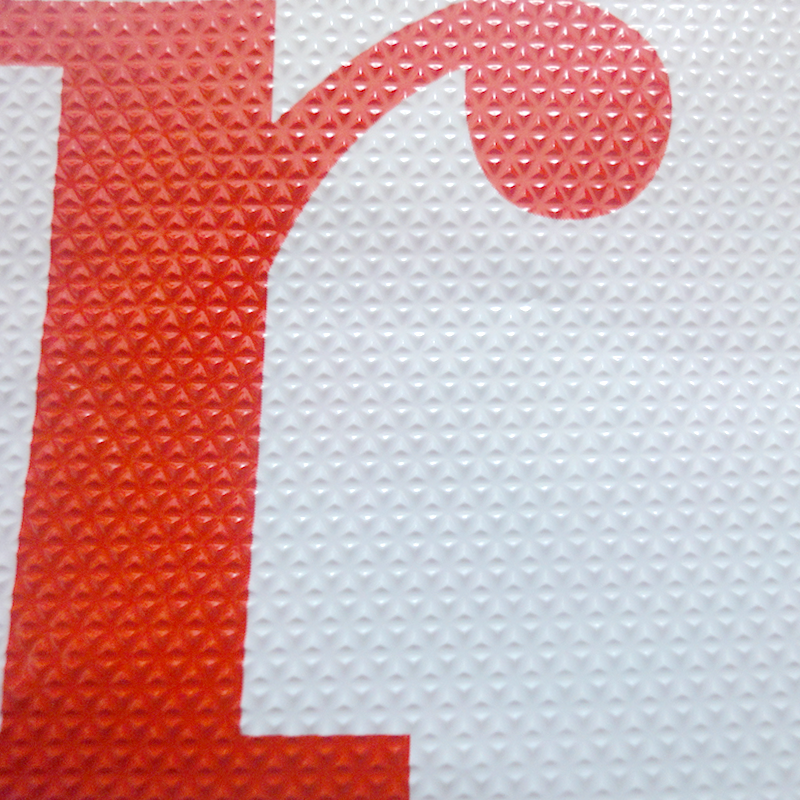
● Anti-slip; ● Embossed film surface to guarantee trip safety;● Tough puncture-resistant polyethylene film;● Can be coated with or without adhesive;● ...
See Details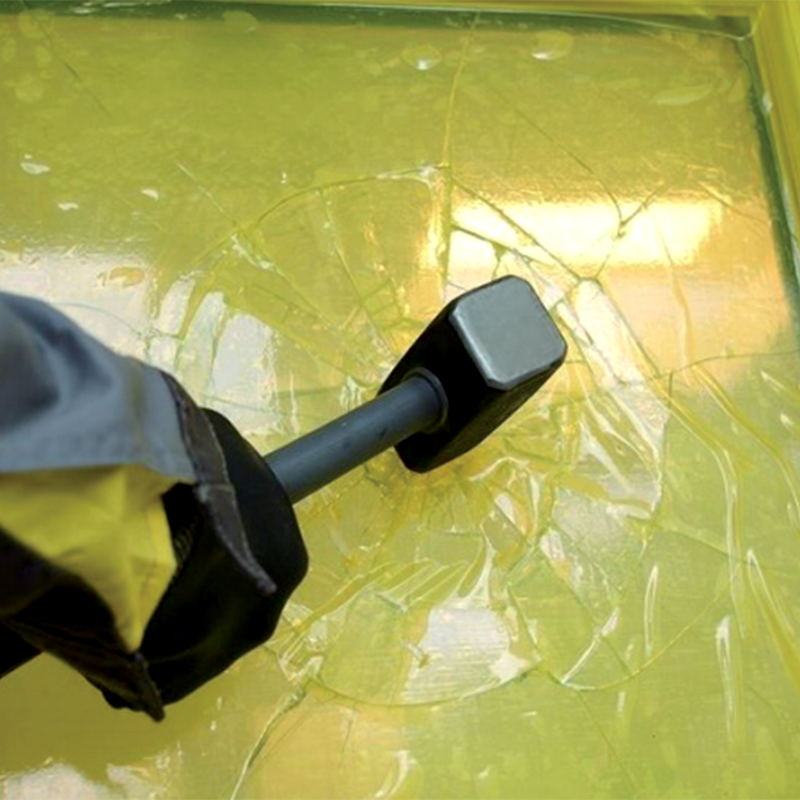
● The super tough polyethylene film with super high adhesion can stop the glass splitting and falling off during window glass demolition process;● Non...
See Details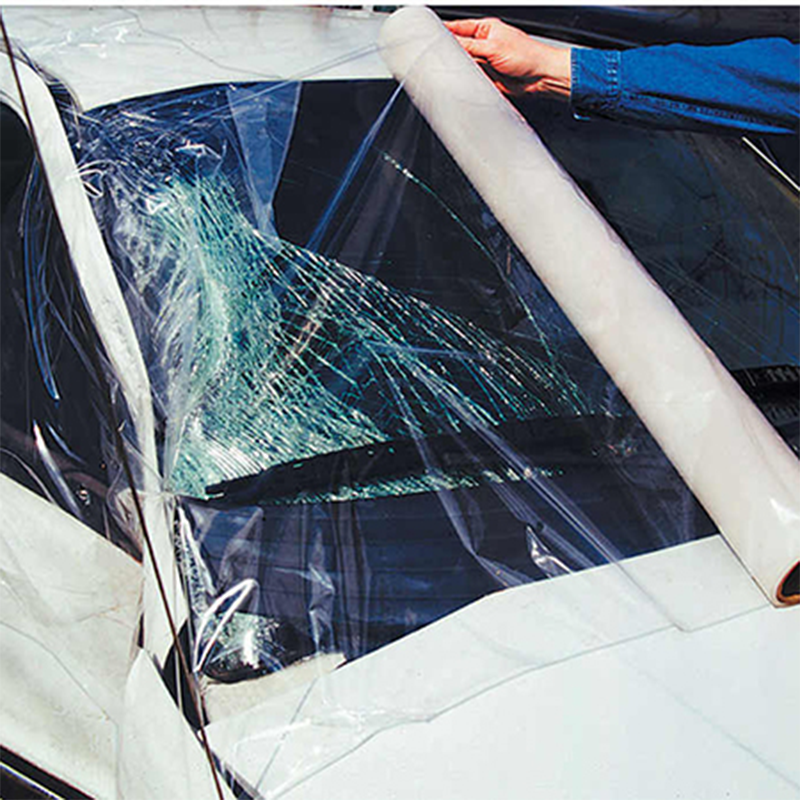
● The super-tough polyethylene film resists puncture and penetration by rain, snow, debris, and dirt during the transportation and storage of the cras...
See Details
● The specially formulated adhesive ensures easy application and removal without leaving residue glue; ● The super-tough polyethylene film protects ag...
See Details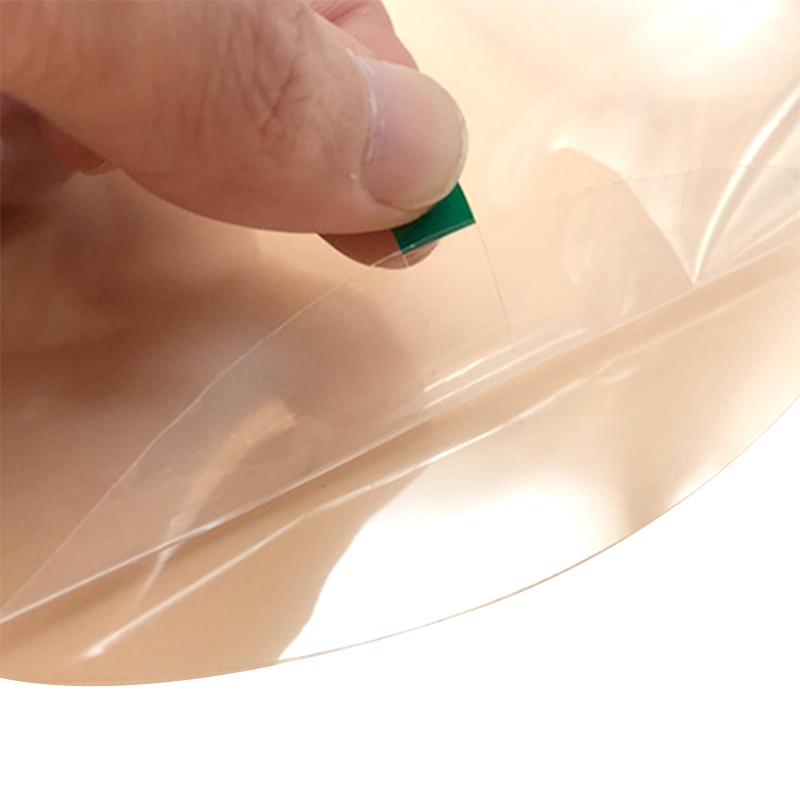
● Suitable for plastic sheets’ drilling, cutting, routing, thermoforming, bending, or post-fabrication operations;● No “ghost shadow” or “fish eye” af...
See Details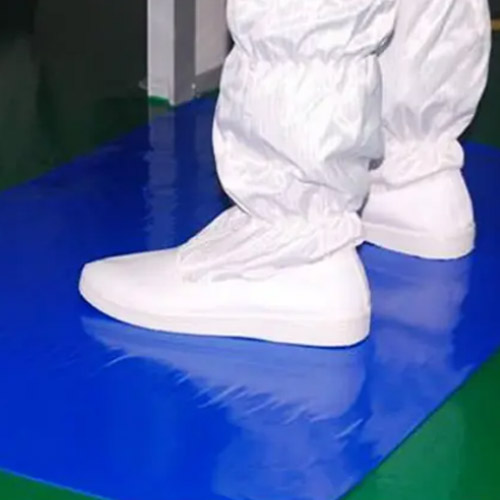
● Options for either 30 or 60 layers per mat; can be packed with four mats, eight mats, or ten mats per carton;● Remove dirt effect: ≥99.9% (5 steps);...
See Details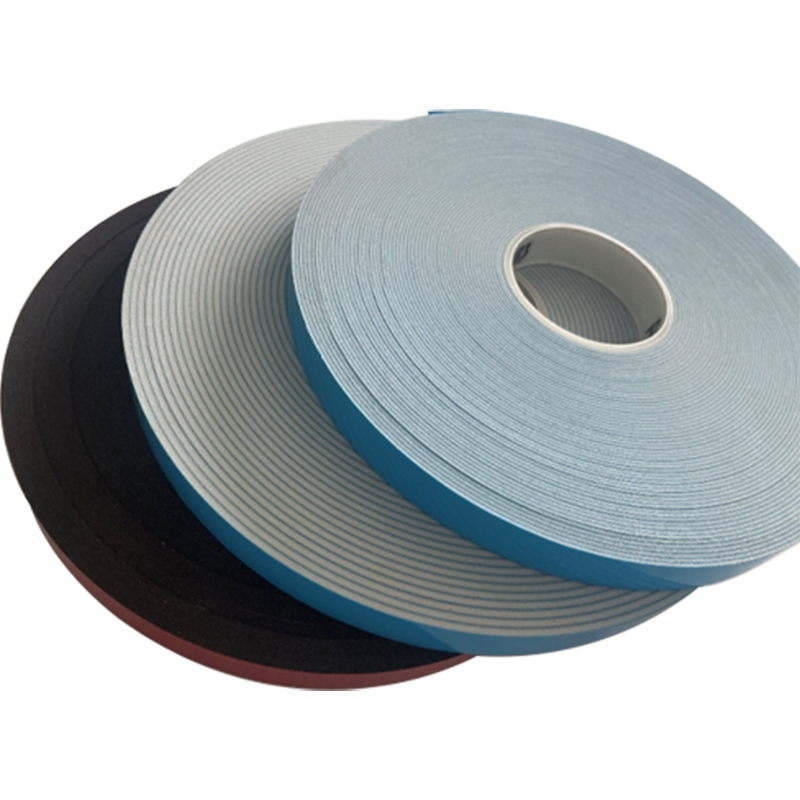
● Waterproof - the desirable material for waterproofing. ● Dust-proof - positive performance of dust prevention.● Low resilience - prevent the deforma...
See Details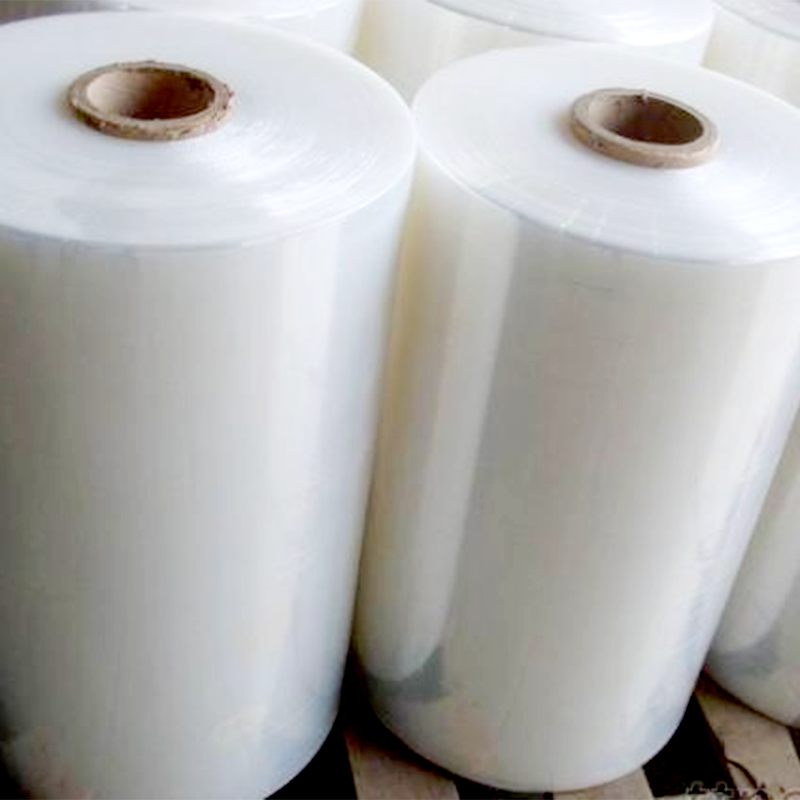
● Excellent puncture and tear resistance; ● Self-adhering-each layer of film bonds to the next for added strength; ● Big roll size to save cost and re...
See Details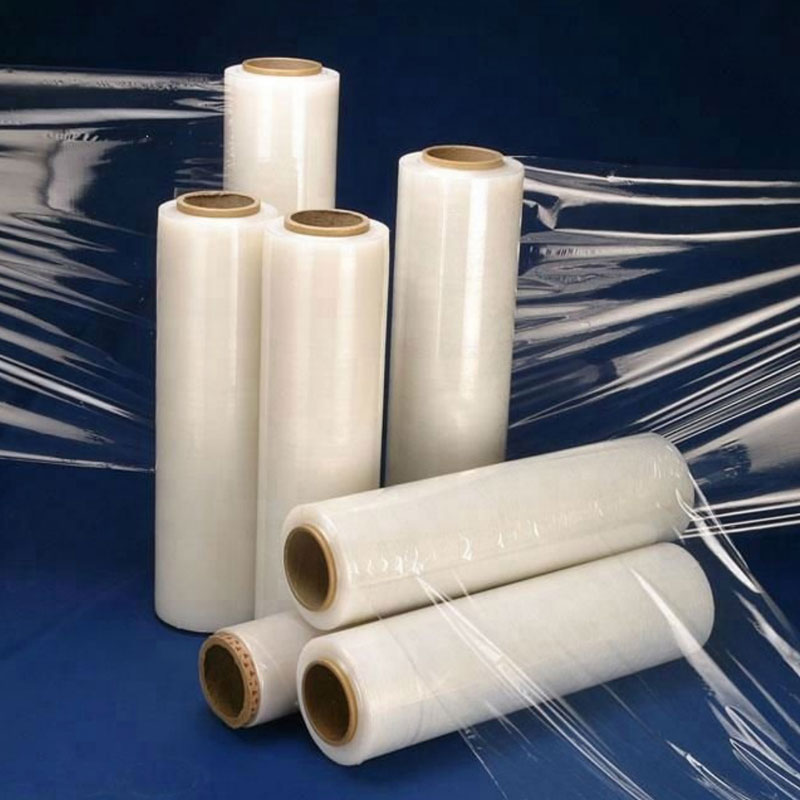
● Small roll size for convenient manual application;● Excellent puncture and tear resistance ; ● A self-adhering-each layer of film bonds to the next ...
See DetailsWe’re a reliable partner that shapes our expertise into success for your project.
Copyright 2024 Wuxi Qida Tape Co., Ltd. All Rights Reserved
 Wholesale Protective Film/Foil Manufacturers
Privacy