

 English
 English
 русский
 Français
 Español
 Português
 عربى
عربى
Cat:Glue -coated Protective Film
● Good weatherability for outdoor exposure; ● Stable adhesion level; ● UV resistance for up to 12 months; ● Can print customized logo or application i...
See Details
Flexible packaging is the quiet overachiever of the packaging world. It usually shows up as a roll of film, a stack of flat pouches, or a printed laminate wound onto a core, and it does something glass jars and steel cans cannot do: it bends. That single property decides how a product is filled, how much it weighs in transit, how long it stays fresh, and how easily somebody opens it at home.
This guide works through the flexible packaging definition, the types you are most likely to meet on a factory floor or in a retail aisle, the materials that make them work, and the applications where they earn their keep. It also spends a little time on a branch of the family that rarely appears in consumer packaging articles: protective films and transit wraps that shield surfaces rather than products.
Flexible packaging is any package built from a material that changes shape when it is filled, closed, or handled. Plastic film, paper, aluminium foil, and laminates made from combinations of these all belong to this group. Rigid packaging works the other way round: the container keeps its shape and the product has to fit inside it. With flexible packaging, the package adapts to the product instead.
Flexible packaging definition: a package made from pliable materials such as plastic film, paper, aluminium foil, or a laminate of several of these, which can bend, fold, or flex when filled and handled. Common formats include pouches, sachets, bags, rollstock films, wraps, liners, lidding films, shrink film, and stretch film.
The term also covers three levels of packaging. Primary flexible packaging touches the product directly, such as a snack pouch or a sachet of powder. Secondary packaging groups units together, such as a shrink-wrapped multipack. Tertiary packaging protects the load in transit, and the stretch-wrapped pallet is the everyday example everybody has seen without noticing.
Formats that turn up most often include:
One useful test when you are unsure: ask whether the package itself holds the shape, or whether the product does. If the pack collapses when the product is removed, it is flexible. If it stands there empty, it is rigid.
Flexible packaging did not take over so much shelf space by accident. Its advantages all trace back to the same property that defines it: because the pack is thin and pliable, it uses very little material to do a large amount of work.
A film a few dozen microns thick can wrap, seal, and protect a product that would otherwise need a much heavier container, so far less material is consumed per unit packed.
Lighter packs mean lighter loads. Trucks, containers, and pallets carry more product and less packaging, which generally reduces freight cost and fuel use per unit shipped.
Layers can be combined so the pack blocks exactly what needs blocking: oxygen, moisture, light, grease, or aroma, and nothing more than that.
A pouch or sleeve is a moving billboard. The whole surface can carry print, not just a small label on one panel.
Zippers, spouts, tear notches, and single-serve portions are straightforward to add to a film-based format, and consumers increasingly expect them.
Empty pouches and film rolls take up a fraction of the warehouse space of empty jars or cans, which matters for seasonal peaks and tight production schedules.
None of this makes flexible packaging automatically better. It has honest limits. It is harder to recycle in many municipal systems, it offers less impact protection than a can or a crate, and it cannot be run on rigid filling lines without equipment designed for film. Knowing those limits is part of specifying the right format.
Materials are usually chosen for what they keep out, not only for how they look. The chart below is a relative, illustrative snapshot of how much barrier a single material typically contributes to a structure. Treat it as a conversation starter rather than a test report: real performance depends on thickness, the full layer stack, and the product being protected.
Relative, illustrative comparison only. Two lessons follow from it. First, no single material is good at everything, which is why most real structures combine two or more. Second, the barrier has to match the risk. A snack pack fighting oxygen and moisture needs a very different build from a protective film that only has to keep dust and fingerprints off a stainless steel panel for a few weeks.
Type names in this industry are practical rather than tidy, and one format can belong to more than one category. Even so, most conversations land on a handful of familiar families.
Stand-up, flat, and spouted pouches are the retail workhorses. They stand on a shelf, hold anything from coffee to detergent, and often carry a resealable zipper.
Small, single-dose formats built from a printed laminate with a seal on all sides. Common for powders, sauces, samples, and pharmaceutical doses.
Wicketed bags for bread and produce, side-gusseted bags for bulk dry goods, and vacuum bags that collapse tightly around the contents.
Printed or plain laminate supplied on a roll, fed into form-fill-seal machines that shape the pack on the line itself.
Films that hold rather than contain. They bind pallets, bundle profiles, and stabilise loads so nothing shifts between the plant and the customer.
Film that tightens when heated, giving a skin-tight covering for multipacks, bottles, and tamper-evident closures.
Drum liners, box liners, and bag-in-box structures that separate a bulk product from its outer container, so the container can be reused or recycled separately.
Peelable or weld-seal lids for trays, cups, and tubs. Often engineered for a specific opening force or a specific seal to a specific tray material.
Plastic or laminate tubes for pastes, gels, and creams, plus flat squeeze packs for condiments and refills.
Stretch film deserves a closer look because it does a job the others do not. It is not a container at all, it is a restraint. A pallet wrapped in a good stretch film survives a forklift turn, a bumpy yard, and a container crossing without shedding cartons, and because the film is stretched before it is applied, it holds tension for weeks. For heavy pallets and high-volume lines, machine stretch film is usually the practical answer, while hand rolls remain the everyday tool for low-volume and mixed loads.
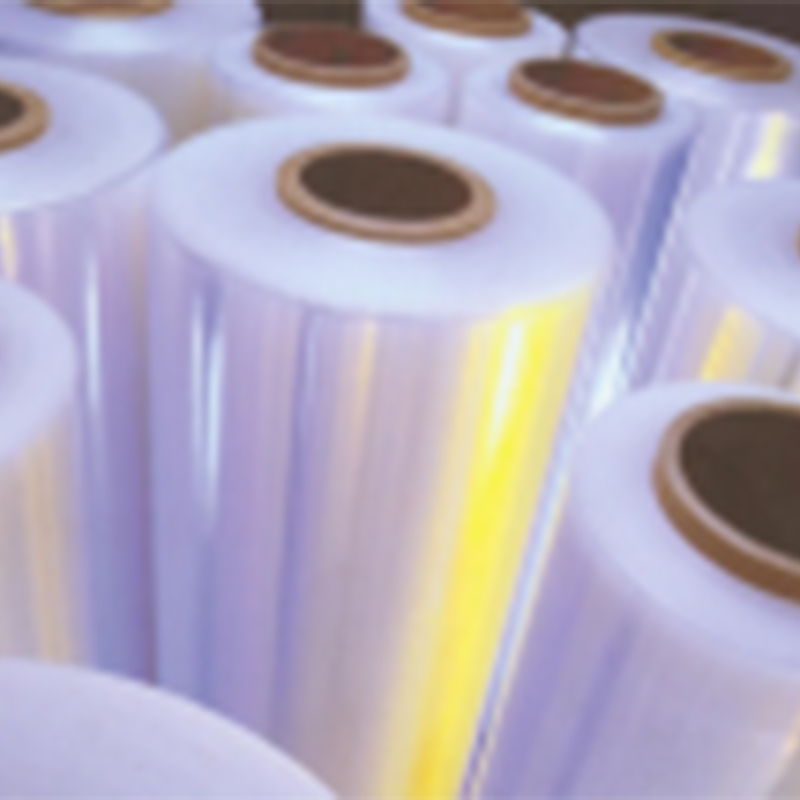 Machine Stretch Film for Automated Pallet WrappingA PE stretch film for machine wrapping, offering puncture and tear resistance and load stability for heavy pallets on high-volume lines.View Product →
Most flexible packaging is not one material. It is a stack of materials, each doing one job well. Reading a structure as a set of jobs is the fastest way to understand why a pouch can be both strong and easy to tear.
| Material | Typical role | Strengths | Watch-outs |
|---|---|---|---|
| Polyethylene (PE) | Sealing layer and toughness | Heat-seals easily, resists moisture, tolerates flexing | Poor oxygen barrier on its own |
| Polypropylene (PP, BOPP) | Outer layer, print surface | Clear, stiff, good moisture barrier, retort capable | Needs a separate sealing layer |
| PET film | Outer carrier and print base | Strong, heat resistant, excellent print quality | Does not heat-seal to itself |
| Aluminium foil | High barrier core | Blocks light, oxygen, and moisture almost completely | Costlier, can crack if flexed repeatedly |
| Metallised film | Barrier with visual appeal | Strong barrier at lower cost than foil | Thin coating can scratch or scuff |
| Paper | Structure and printability | Renewable, printable, pleasant to handle | Needs coating or lamination for barrier |
| EVOH | Oxygen barrier layer | Excellent oxygen barrier in thin layers | Sensitive to moisture, so it must be buried inside |
| Adhesives and seal coatings | Bonding and easy-open features | Control seal strength and peel behaviour | Wrong choice causes leaks or unopenable packs |
Once you know which jobs need doing, the next question is how the layers are put together. There are three common answers, and they differ in cost, flexibility, and lead time.
One resin, extruded once. It is the simplest and cheapest option, and it is perfectly adequate when protection is mechanical rather than chemical: dust cover, interleaving, surface shielding, basic bundling. Much of the protective film used on metal, glass, and plastic sheet sits in this group.
Two or more resins extruded together in a single pass, with no adhesive between them. Each layer can be tuned separately, so one side can seal while the other resists scratching or UV light. Co-extruded self-adhesive films are a good example: the tack layer and the backing are formed in one operation, which is why they can peel away without leaving residue.
Separate films bonded with adhesive. It is the most expensive route and also the most flexible, because foil, print, barrier, and seal layers can be combined almost without limit. When a product needs a long shelf life or a high barrier, lamination is usually the answer.
Structure choice also drives the practical details: how the film runs on a machine, how it behaves in cold storage, how easily it tears, and whether the pack can be recycled in the market where it is sold.
The same handful of formats reappear across very different industries, with the structure changed to suit the risk. A few sectors worth knowing well:
Coffee, snacks, frozen goods, sauces, and ready meals depend on barrier laminates and retort pouches. Shelf life and seal integrity matter more here than almost anywhere else.
Blister lidding, sachets, and sterile barrier pouches must be traceable, clean to open, and consistent batch after batch.
Tubes, sachets, and soft pouches combine decoration with chemical resistance, because many formulations are aggressive towards seals.
Refill pouches and heavy-duty liners have to survive stacking, dropping, and contact with solvents or detergents.
Mailers, poly bags, and flow wrap keep goods clean on their way to a doorstep, and they print easily for returns and tracking information.
Seed, fertiliser, and silage films need UV resistance and puncture strength in equal measure, because they are used outdoors.
Antistatic bags, protective films, and cleanroom packaging stop dust and static damage during handling and storage.
Aluminium composite panels, decorative laminates, coated metal, and worktops are all wrapped or film-protected during fabrication, transport, and installation.
Stretch film, strapping alternatives, and load liners hold mixed pallets together across long journeys and multiple handling points.
Interior fit-out is a good illustration of how broad the application list gets. Ceramic, hardwood, laminate, and vinyl worktops can all be sitting in the same building at the same time while several trades are still working nearby, and one multipurpose protective film can cover that whole mixture of surfaces with a single roll.
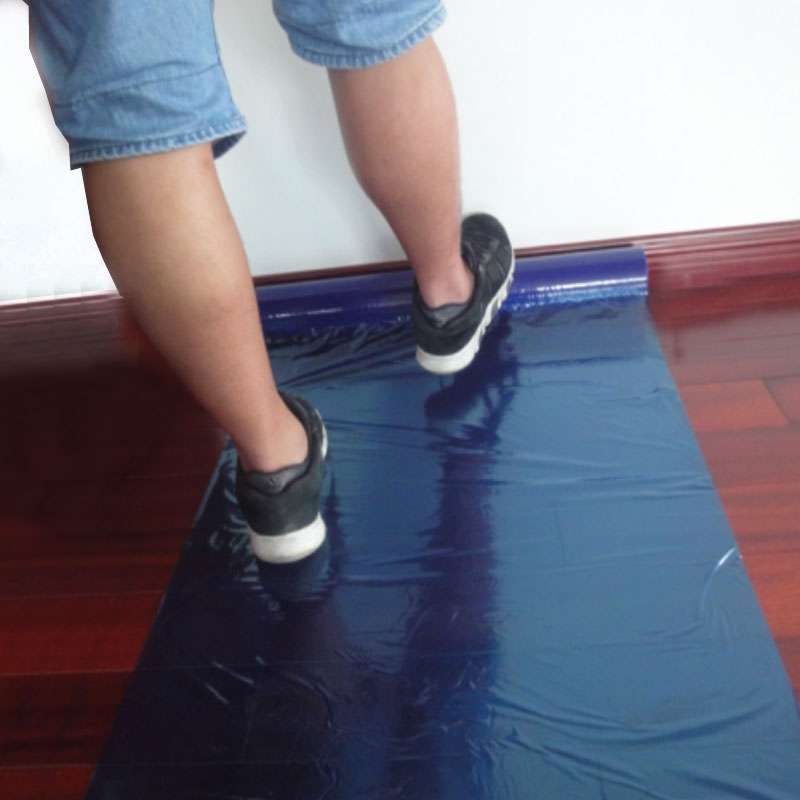 Multi-Purpose Protective Film for Hard SurfacesA tough adhesive film for hardwood, laminate, ceramic, vinyl and worktops, useful during painting, remodeling and fit-out when multiple trades work nearby.View Product →
Search for flexible packaging and you will mostly be shown food, cosmetics, and pouches. In heavy industry, the same idea takes a different form. A protective film is a temporary flexible skin applied to a surface so that the surface arrives at the next stage of the process, or at the customer, in the condition it left the line.
The list of surfaces is long: stainless steel, aluminium profiles and coated aluminium sheet, pre-painted metal, plastic sheet such as acrylic, polycarbonate, and PET, decorative laminates and composite panels, glass, marble, ceramic, sandwich panels, and even carpet and flooring during renovation work. In each case the film has to survive whatever happens next, which might be bending, pressing, roll forming, laser cutting, powder coating, transport, or a site full of tradespeople, and then peel away cleanly when its job is done.
Laser cutting is a good illustration of how specific the requirement can get. During cutting, the film has to stay bonded to the sheet despite heat and airborne debris, then release without leaving adhesive residue along the cut edge, because a contaminated edge means extra cleaning before welding or coating. That is precisely the job our laser cutting protective film is designed for.
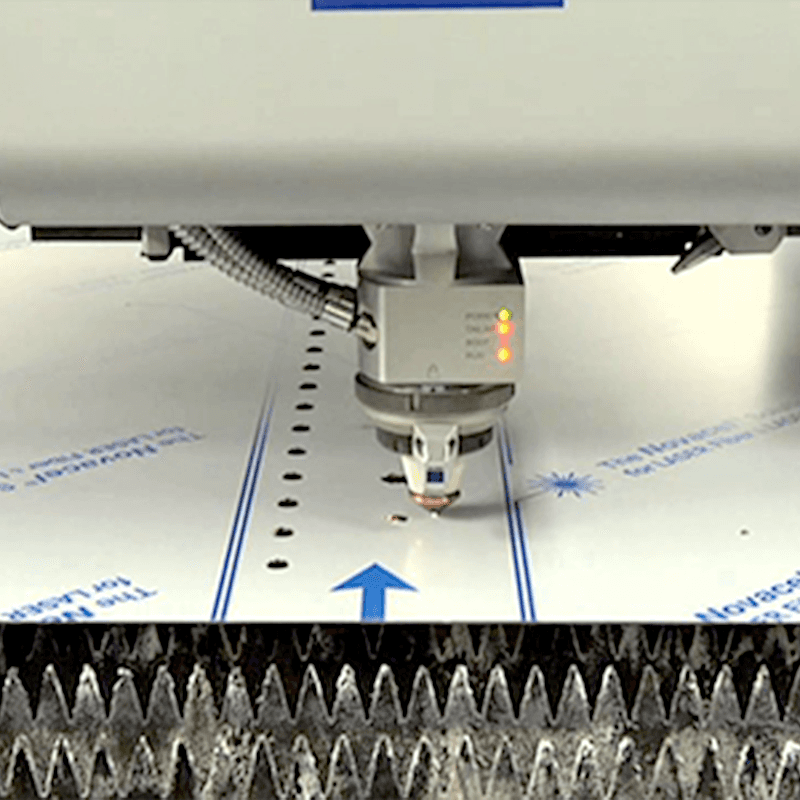 Laser Cutting Protective Film for Metal Sheet ProcessingA high-adhesion, residue-free film for CO2 and fiber laser cutting, protecting stainless steel, aluminum and precision parts during cutting, transport and storage.View Product →
There are two main families to choose between. Glue-coated films carry an adhesive layer that can be tuned for different surfaces and dwell times, while co-extruded self-adhesive films form their tack during extrusion and are prized for clean removal. Choosing between them is usually a question of substrate, dwell time, and how the film will be removed, rather than price alone.
This is the world we work in every day at Qida. We have been coating and slitting films since 2002 for metal processors, glass and building material producers, and furniture and appliance manufacturers, and industrial surface shielding is our routine rather than a sideline. The habit that keeps a supplier useful over decades is unglamorous: match the film to the surface, test it on the actual material, and remove it before the adhesive has had time to change its mind.
Neither category wins outright. The right answer depends on what the product needs, where it travels, and how it is sold.
In practice the two often cooperate. A rigid tray with a flexible lidding film, or a rigid drum with a flexible liner, gets the best of both: structure where strength is needed, and a thin, sealable surface where barrier and cleanliness are needed.
Most specification mistakes happen before anyone talks about film. They happen because the product, the process, and the journey were not described fully. A short, orderly conversation avoids most of them.
Physical form, weight, acidity or oil content, temperature at filling, and any aggressive ingredients. These determine which sealant and barrier layers are even possible.
Machine type, line speed, sealing method, and whether the pack faces retort, freezing, or pasteurisation afterwards.
Shipping distance, humidity, sunlight, stacking height, and expected shelf life. A pack that looks fine in the plant often fails in a container.
Oxygen, moisture, light, grease, aroma, or nothing at all. Each requirement adds cost, so only the real ones should be designed in.
Run the film on the actual line with the actual product before committing to a long print or coating run. Sample rolls exist for this reason.
When you request a quotation, these details speed things up considerably:
Four currents are shaping the next few years of flexible packaging, and they pull in slightly different directions.
The first is mono-material design. Multi-layer laminates perform beautifully but are difficult to recycle, so converters are rebuilding structures around a single polymer family wherever the barrier requirement allows it, accepting slightly thicker films in exchange for a pack that can re-enter a recycling stream.
The second is lightweighting. Gauges keep shrinking as resins and extrusion control improve, which reduces material per pack and freight weight at the same time. The limit is mechanical: a film still has to survive the machine, the pallet, and the customer.
The third is digital printing. Short runs and frequent design changes are easier and cheaper on digital presses, which opens flexible packaging to smaller brands and to regional variations of the same product.
The fourth is information. QR codes, batch-level traceability, and connected packaging turn a printed surface into a channel rather than a decoration. For industrial films, the same logic shows up as batch documentation and material declarations.
Sustainability pressure sits behind all four. Extended producer responsibility rules and packaging regulations are pushing brands to prove what their packs are made of and where they end up, which makes structure documentation as important as structure performance.
Sometimes. Single-material films such as polyethylene are recyclable where collection systems accept them, while multi-material laminates usually are not. Mono-material designs are improving the situation, but availability of collection still varies a great deal by region.
Shape. A flexible pack conforms to the product and collapses when the product is removed, while a rigid container holds its own shape. That difference drives weight, protection, stackability, and recycling behaviour.
Polyethylene for sealing and toughness, polypropylene and PET for structure and print, aluminium foil or metallised film for high barrier, and paper where printability and renewability matter. Most packs combine two or more of these.
Yes, with the right structure. Retort pouches use heat-resistant sealants and strong laminates that survive sterilisation temperatures. The seal layer, not the print film, is usually the deciding factor.
No. Industrial protective films, stretch wraps, liners, and transit covers are flexible packaging too. In those applications the pack protects a surface or stabilises a load rather than containing a product for sale.
Product details, the surface or machine the film will run on, required width and thickness, dwell time, colour preference, quantity, and delivery destination. Photos of the substrate are often more useful than a paragraph of description.
Flexible packaging is easier to understand once you stop treating it as one product and start treating it as a set of jobs: contain, protect, seal, inform, carry, and release. Every type and material in this guide is simply a different way of arranging those jobs, which is why the same industry vocabulary describes a coffee pouch, a pallet wrap, and a film that keeps a mirror-polished steel panel free of scratches until it reaches the installer.
If you are working through a specification now, start with the surface or the product, then the process, then the journey. Those three answers narrow the options faster than any catalogue can. And if you are weighing a self-adhesive option against a glue-coated one, our self-adhesive protective films overview is a reasonable next stop, or you can simply tell us what you are protecting and let the film choice follow from there.
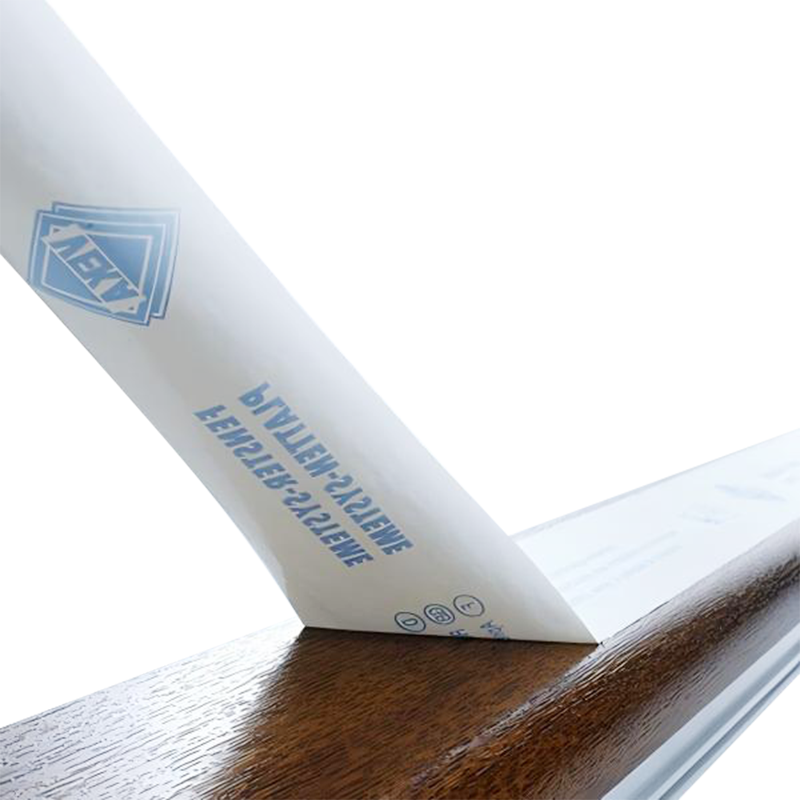
● Good weatherability for outdoor exposure; ● Stable adhesion level; ● UV resistance for up to 12 months; ● Can print customized logo or application i...
See Details
● No “ghost shadow” or “fish eye” after removal; ● Stable adhesion level; ● UV resistance for up to 6 months; ● Can print customized logo or applicati...
See Details
● Protect window glass against paint splatters, dirt, staining, and spillages during painting, building, plastering, tiling, general maintenance and r...
See Details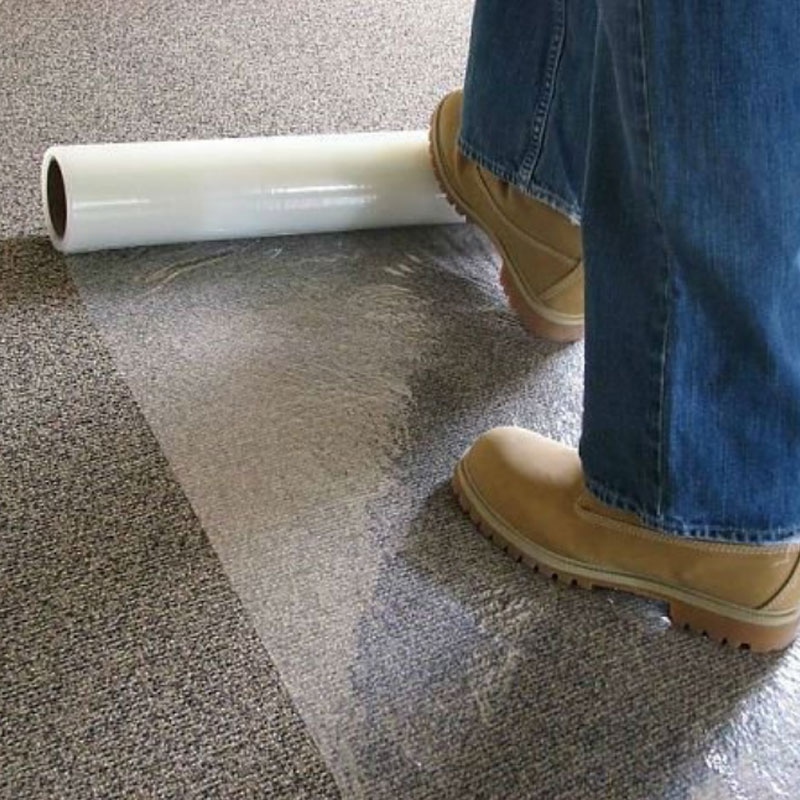
● Protects carpet against staining, paint spillage and dirt during painting, building, remodeling, plastering, tiling, decoration, general maintenance...
See Details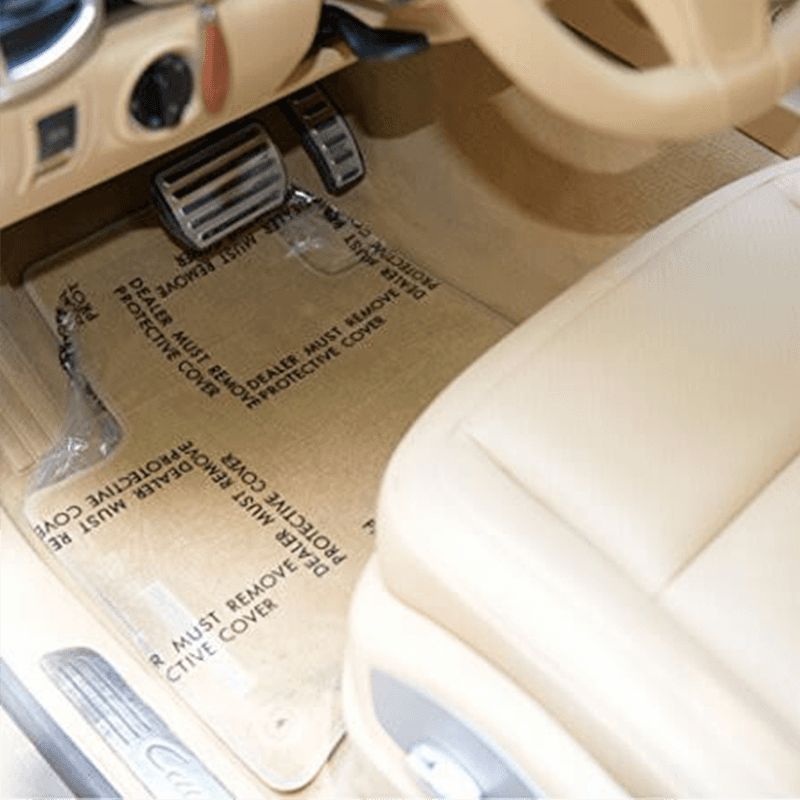
● Distance of each perforation die-cut ranges from 100mm to 1200mm;● Can peel off each die-cut piece of protective film at the perforated line easily;...
See Details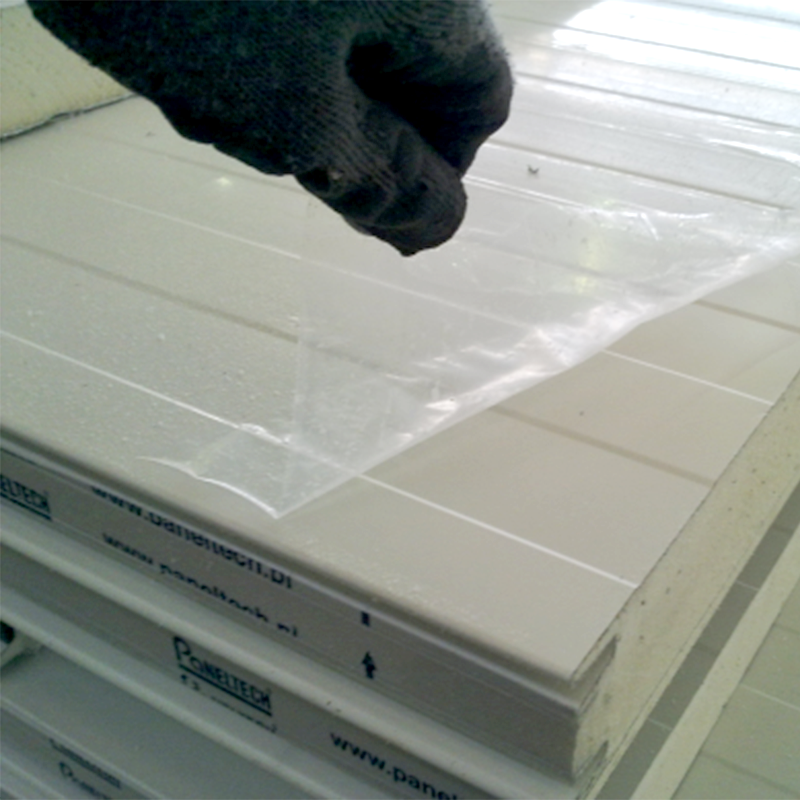
● The specially formulated adhesive ensures easy application and removal without leaving residue glue on the sandwich panels; ● The super-tough polyet...
See Details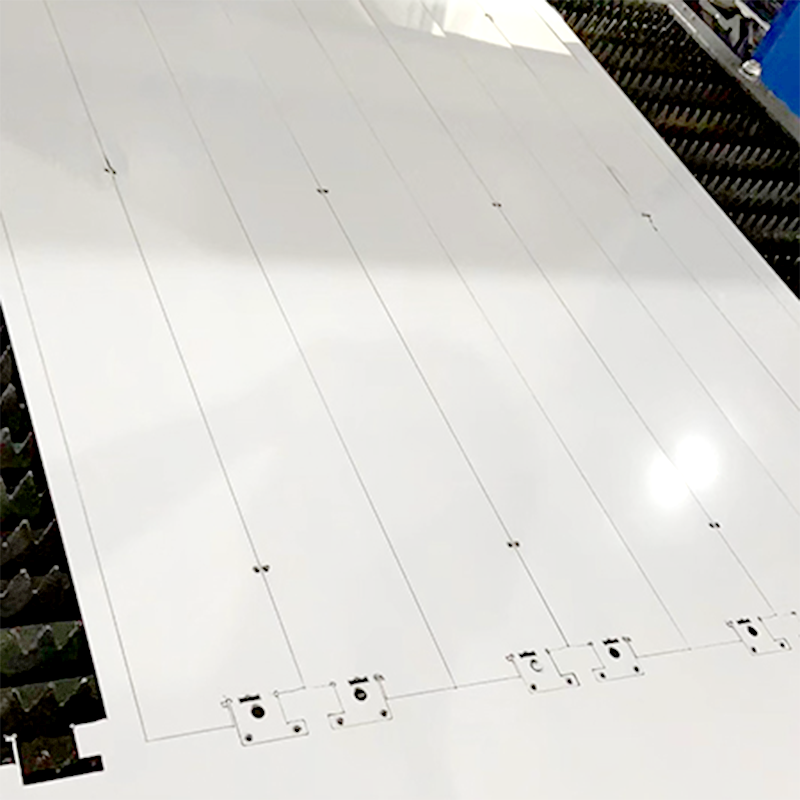
● The specially formulated natural rubber adhesive suitable for both CO2 and Fiber laser cutting processes;● High cutting quality without burr or trac...
See Details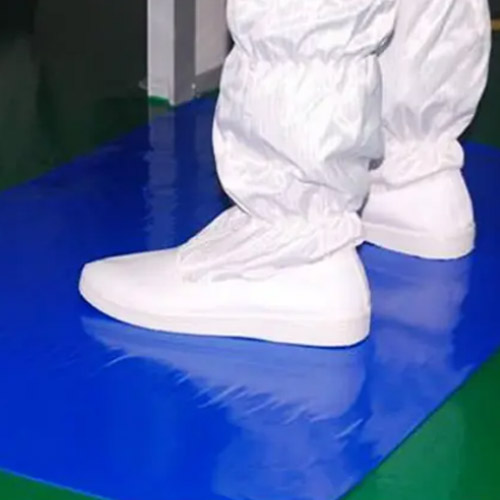
● Options for either 30 or 60 layers per mat; can be packed with four mats, eight mats, or ten mats per carton;● Remove dirt effect: ≥99.9% (5 steps);...
See Details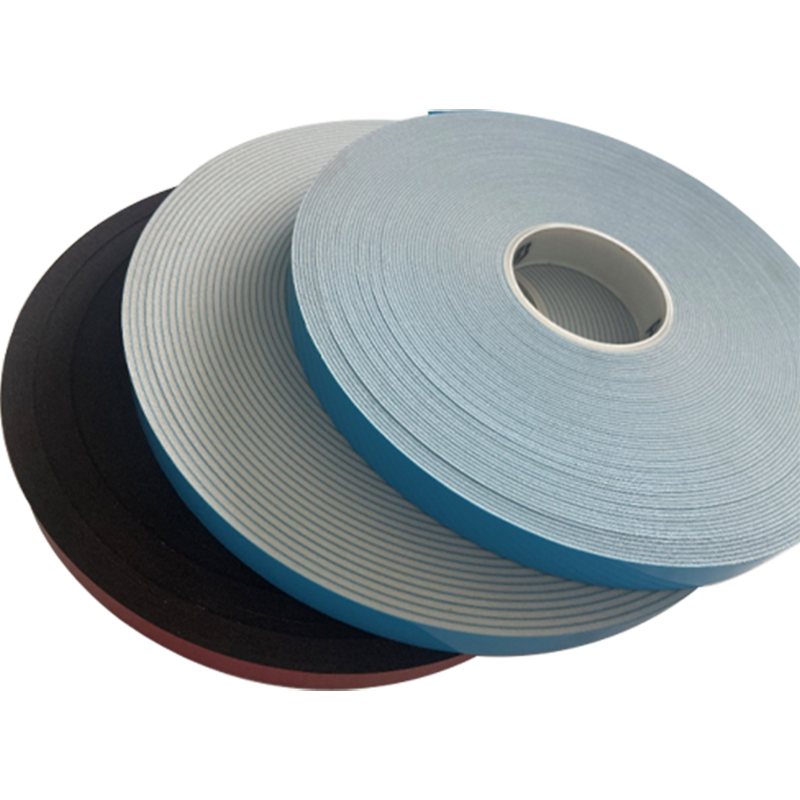
● Waterproof - the desirable material for waterproofing. ● Dust-proof - positive performance of dust prevention.● Low resilience - prevent the deforma...
See Details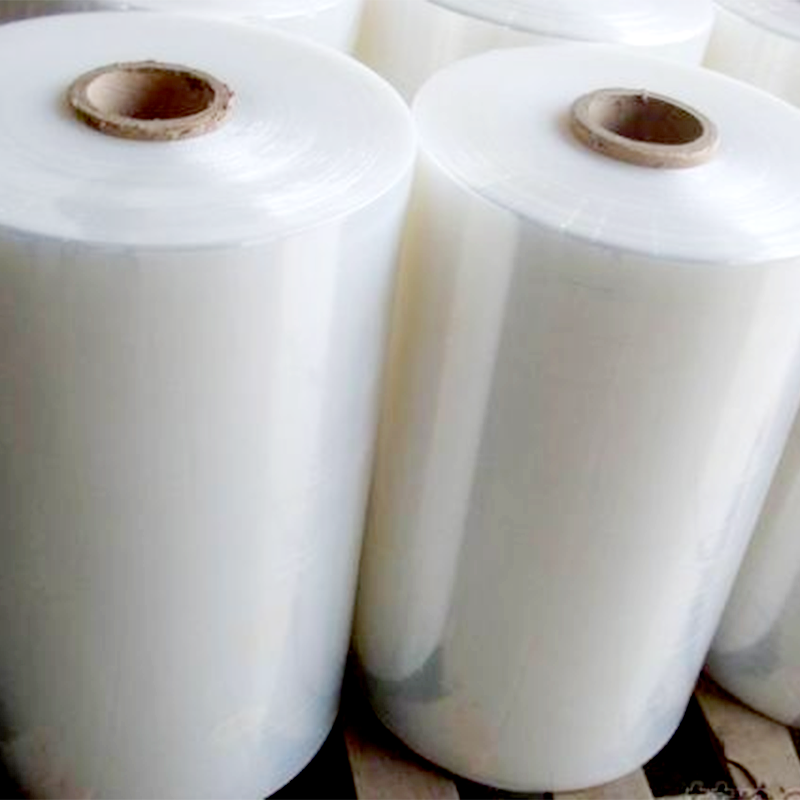
● Excellent puncture and tear resistance; ● Self-adhering-each layer of film bonds to the next for added strength; ● Big roll size to save cost and re...
See DetailsWe’re a reliable partner that shapes our expertise into success for your project.

Copyright 2024 Wuxi Qida Tape Co., Ltd. All Rights Reserved
 Wholesale Protective Film/Foil Manufacturers
Privacy
Wholesale Protective Film/Foil Manufacturers
Privacy