

 English
 English
 русский
 Français
 Español
 Português
 عربى
عربى
Cat:Glue -coated Protective Film
● Good weatherability for outdoor exposure; ● Stable adhesion level; ● UV resistance for up to 12 months; ● Can print customized logo or application i...
See Details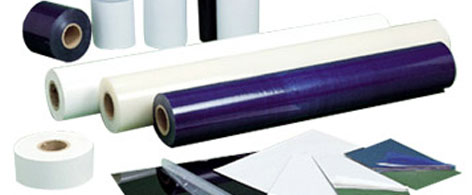
During the assembly of a commercial aircraft, a single scratch on the wing skin can halt the line while the part is reworked or replaced. The same risk applies to a fuselage panel waiting for shipment, a turbine blade in storage, or a bracket being installed in a narrow fuselage bay. These surfaces are expensive, often specified with tight tolerances and demanding cosmetic requirements. The practical solution is temporary surface protection that can be applied early, left in place through multiple operations, and then peeled off without residue.
Aerospace parts are not just any metal components. Aluminum alloy sheets, stainless steel skins, and carbon fiber laminates each have a specific surface condition that must survive forming, drilling, cleaning, painting, and final inspection. A scratch that is invisible on a construction panel may be unacceptable on the upper wing surface, and a subtle mark can trigger rejection at final quality control.
Unlike consumer goods where a protective film's main job is aesthetics, aerospace protection focuses on preventing physical damage, contamination, and corrosion along an entire production chain. The film is removed only when the part is ready for assembly or delivery. If the adhesive leaves residue, the cost is not just rework of the film but potentially rework of a surface that already passed chemical treatment or paint prep.
For aluminum profiles and sheets, a well-matched aluminum profile protective film can be applied at the mill or in the manufacturing cell, maintaining the surface finish through cutting, deburring, and transport.
| Material | Typical Surface Condition | Protection Priority |
|---|---|---|
| Aluminum alloy (2024, 7075, 6061) | Clad or bare, anodized or bare | Abrasion resistance, UV stability, residue-free removal |
| Stainless steel | Passivated, polished, or brushed | Prevent fingerprints, scratches, and oxidization |
| Carbon fiber composite | Gel coat or painted surface | Conformability, low adhesion, no gel coat damage |
| Polycarbonate/acrylic glazing | Transparent or tinted | Optical clarity, no haze, no chemical interaction |
Each material combination means a different level of tack, thickness, and backing. A film that works for a brushed stainless steel part may leave an unacceptable mark on anodized aluminum.
The adhesive system is the most critical variable. For aerospace work, the film must hold through handling and vibration, yet peel away in one piece without leaving ghosting or sticky residue. This balance depends on the film’s tack level and the surface’s roughness. A medium-tack self-adhesive film is often a safe starting point for painted or smooth surfaces, while a slightly higher tack may be needed for rough, textured surfaces that could otherwise shed the film.
Thicker films provide impact resistance but are less likely to conform around tight radii or deep-drawn shapes. Thinner films conform well but offer less protection from dents. For laser cut parts and formed sheet metal, you need a film that stays attached through the cut, with a backing that resists melting or leaving melted residue on the edge.
Parts often stay protected for weeks or months, sometimes outdoors near a hangar line. A film that degrades under UV light can become brittle and shatter on removal. Similarly, if the part goes through a bake cycle or a solvent wipe, the film and adhesive must tolerate those conditions. This is why UV-resistant protective films and weatherproof solutions are common in aerospace surface protection.
The best point to apply a protective film is as early as possible, but that depends on the operation. A clear workflow helps avoid surprises:
During laser cutting, the film protects the surface from hot spatter and scratches from debris. A dedicated product must handle the edge heat while remaining peelable.
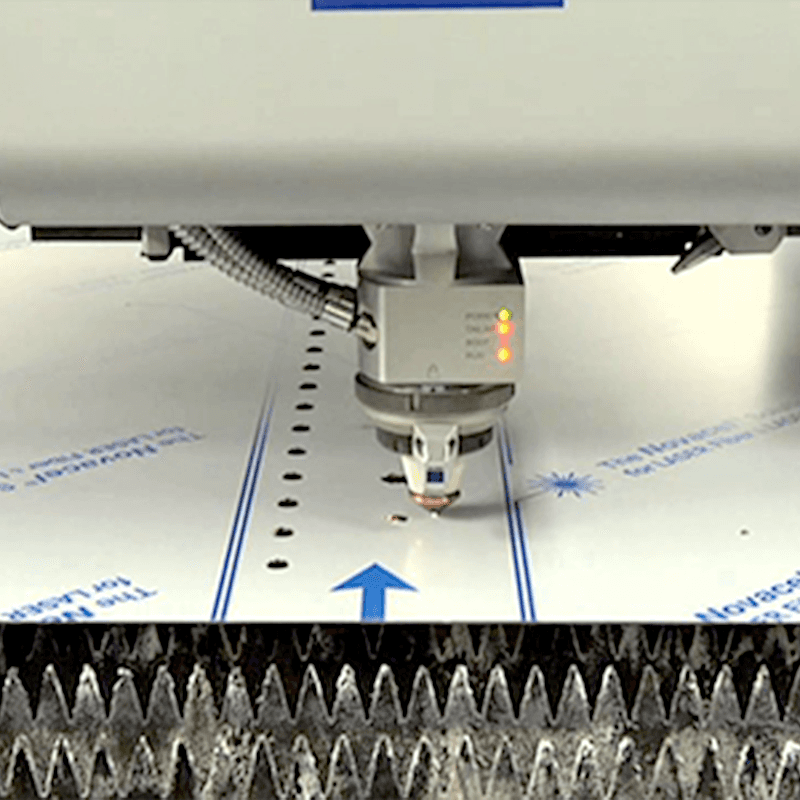 Laser Cutting Protective Film for Stainless SteelA specially formulated film with natural rubber adhesive protects surfaces during laser cutting, preventing scratches and spatter while ensuring clean removal without residue.View Product →
For stainless steel panels that go through forming and storage, a surface shield can prevent scratching from handling equipment and tooling contact.
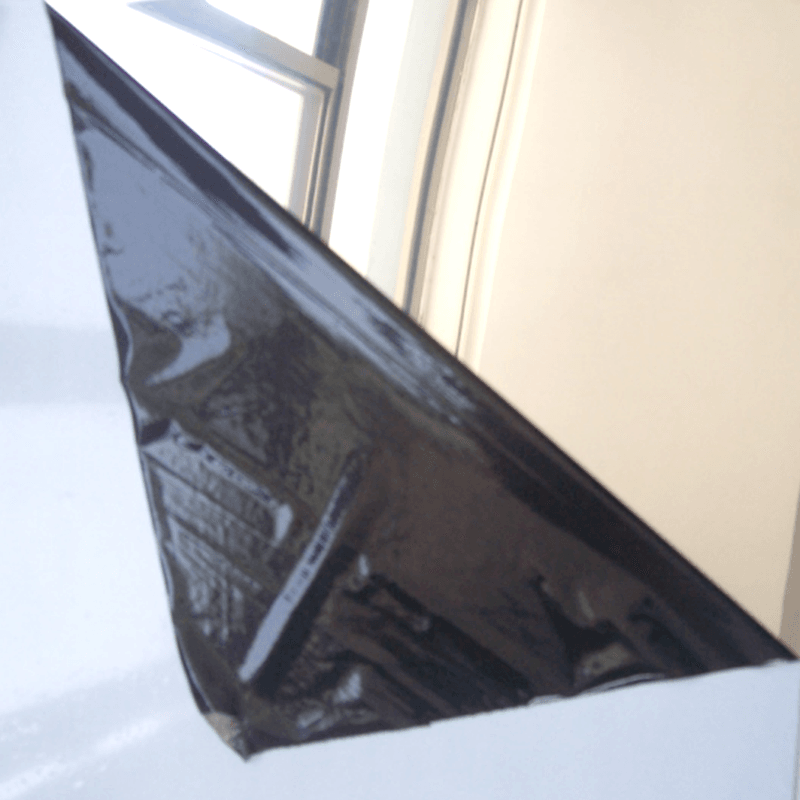 Protective Film for Stainless Steel and Colored PlatesThis UV-resistant film shields stainless and colored plates through forming and storage, offering stable adhesion and easy peel-off without ghosting or residue.View Product →
Once the part reaches final assembly or MRO, removing the film should be straightforward. A coextruded self-adhesive film can be peeled in one sheet, reducing downtime and the risk of leaving fragmented adhesive behind.
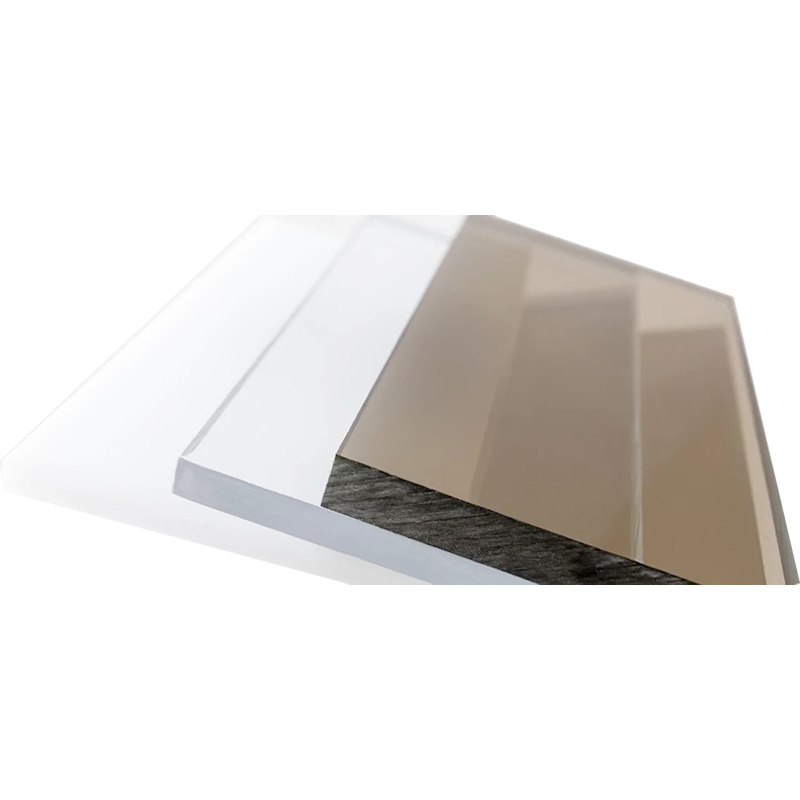 Co-extruded Self-Adhesive Protective Film for Multi-Surface UseDesigned for plastic sheets and multiple surfaces, this co-extruded film provides easy removal, no ghosting, and customization options to simplify inventory and processes.View Product →
Choosing a protective film is a technical decision, not a commodity purchase. Suppliers with in-house coating experience can custom-adjust thickness, tack, and color to match your specific surface and process. If you are dealing with multiple surfaces across a single aircraft, working with a partner that offers multi-surface solutions can simplify inventory and validation.
Start with a simple test: apply a proposed film to a sample sheet, run through your actual forming or painting step, then peel. Note whether any residue, mottling, or film tear appears. This short trial usually reveals the right combination before you spend on a full production batch. For companies that routinely handle high-value aerospace materials, a multi-surface protection solution often reduces the number of distinct film types needed across the shop floor.
By selecting the correct temporary protection and removing it at the right moment, you protect the finish, the schedule, and the final profitability of every aerospace part.
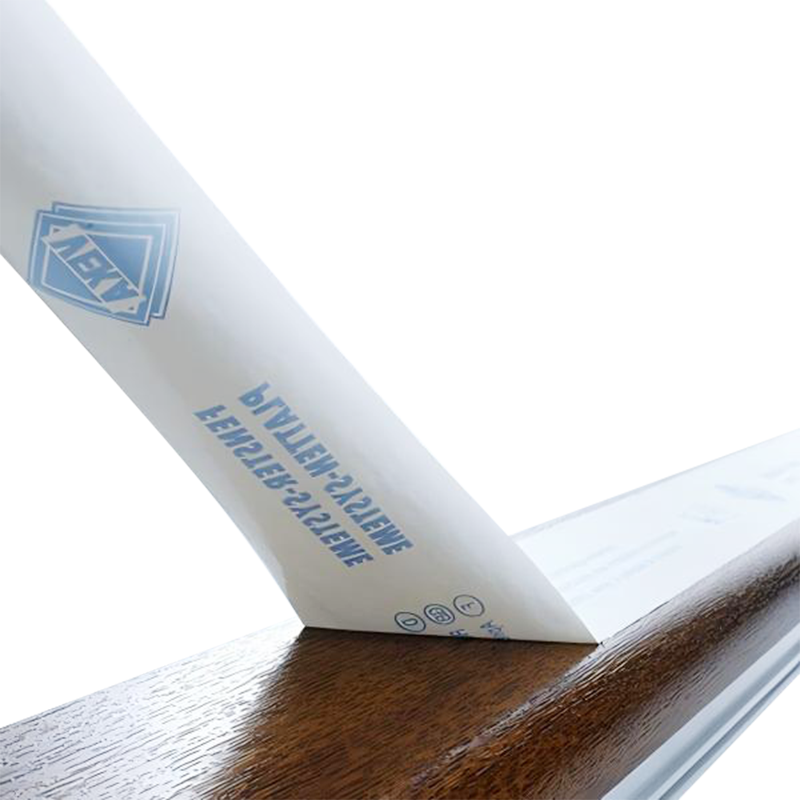
● Good weatherability for outdoor exposure; ● Stable adhesion level; ● UV resistance for up to 12 months; ● Can print customized logo or application i...
See Details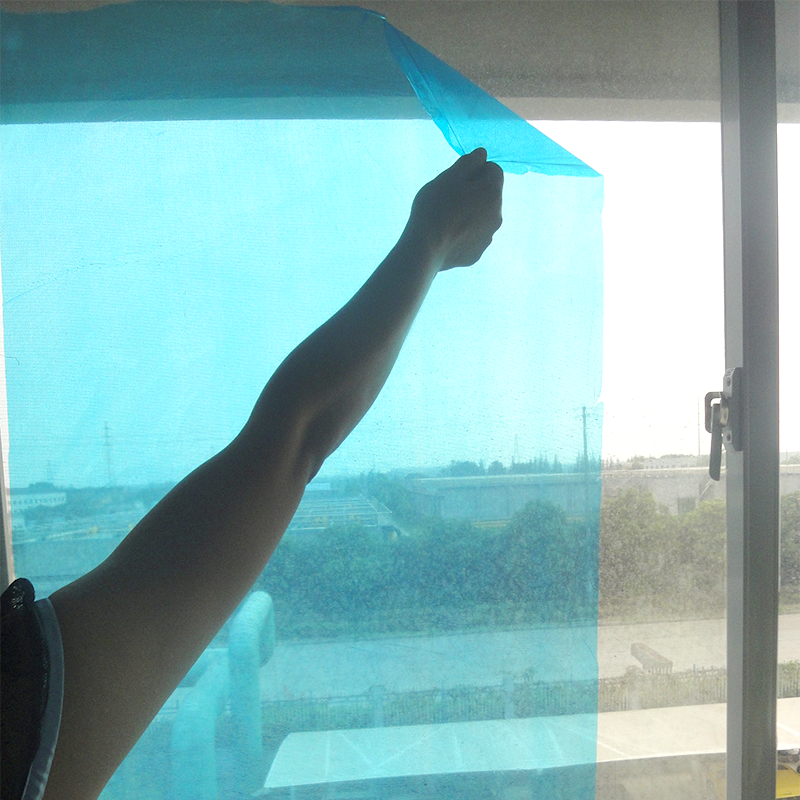
● Protect window glass against paint splatters, dirt, staining, and spillages during painting, building, plastering, tiling, general maintenance and r...
See Details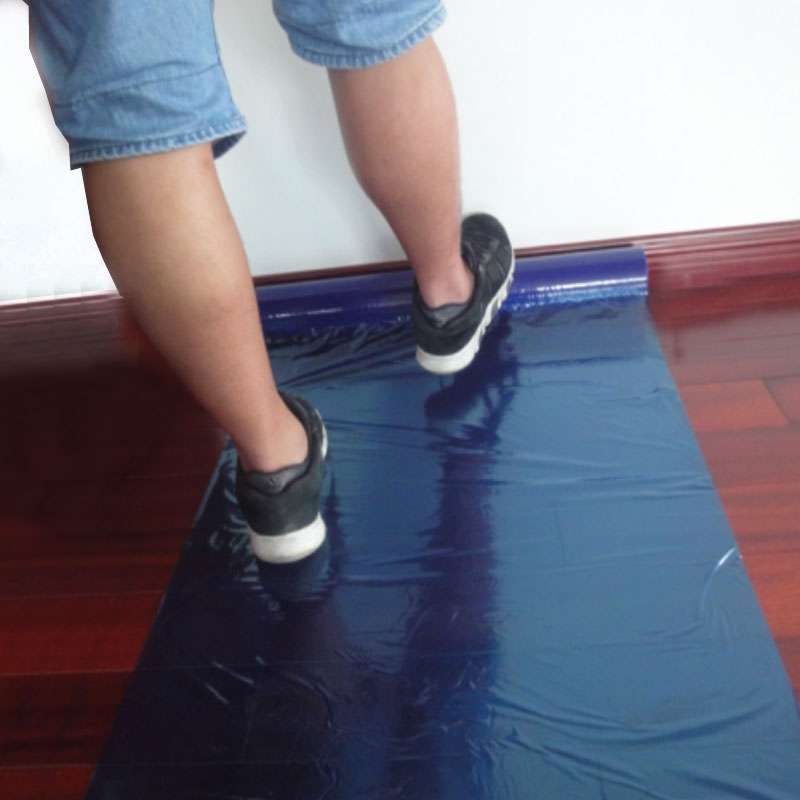
● Patented adhesive formula suits all hard surfaces such as hardwood floors, laminate floors, ceramic, marble, tile, granite, vinyl, worktops, and gla...
See Details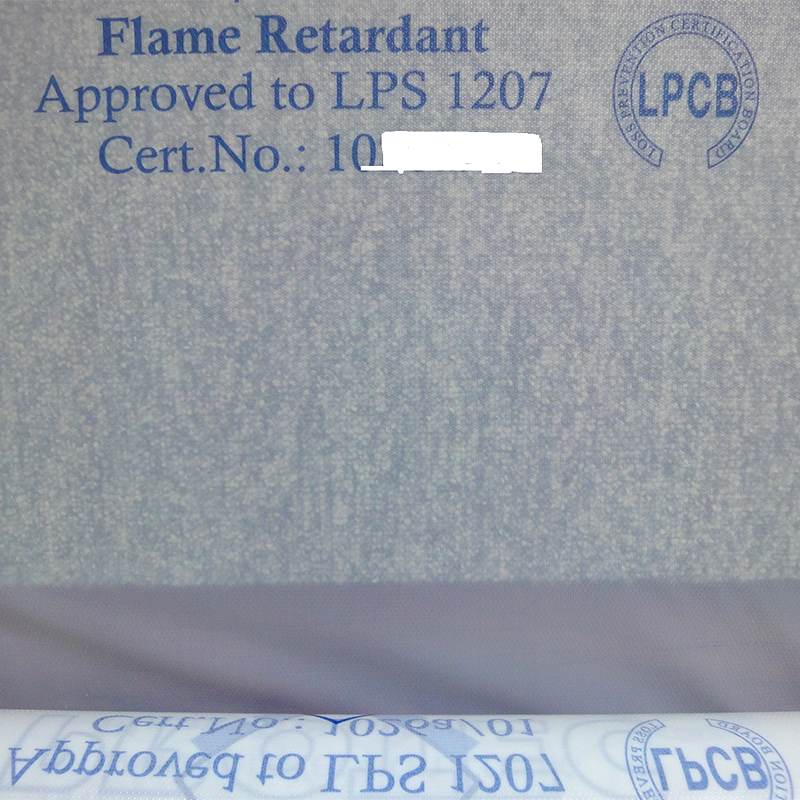
● Prevents costly damages in case of fire /flame;● Meet the strict international test standards of loss prevention; ● Extensive selection for flame re...
See Details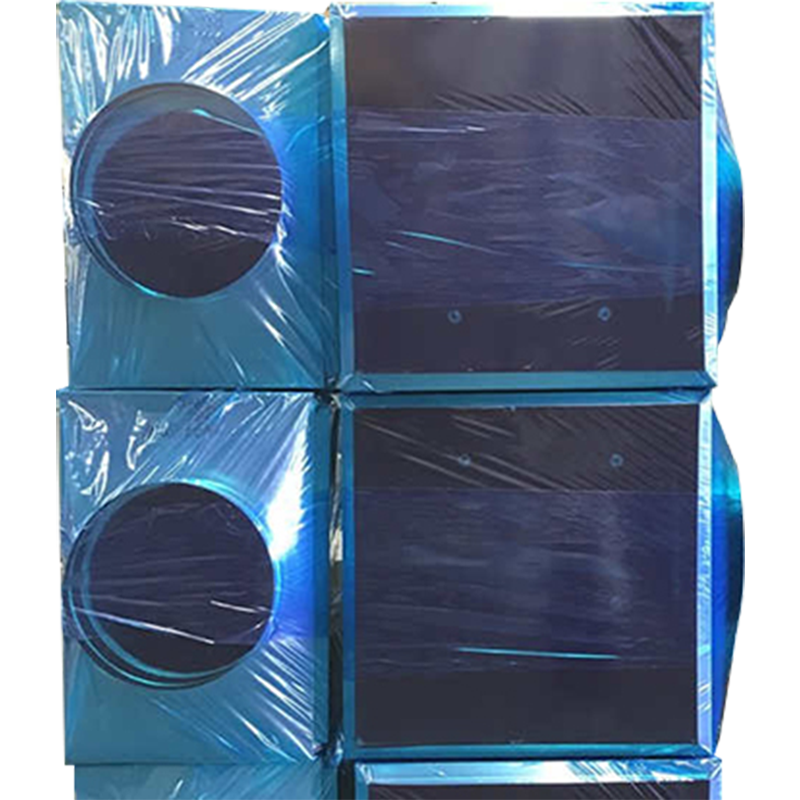
● The super-tough polyethylene film resists puncture and penetration by liquid and dirt during storage, transportation, and installation of the ductwo...
See Details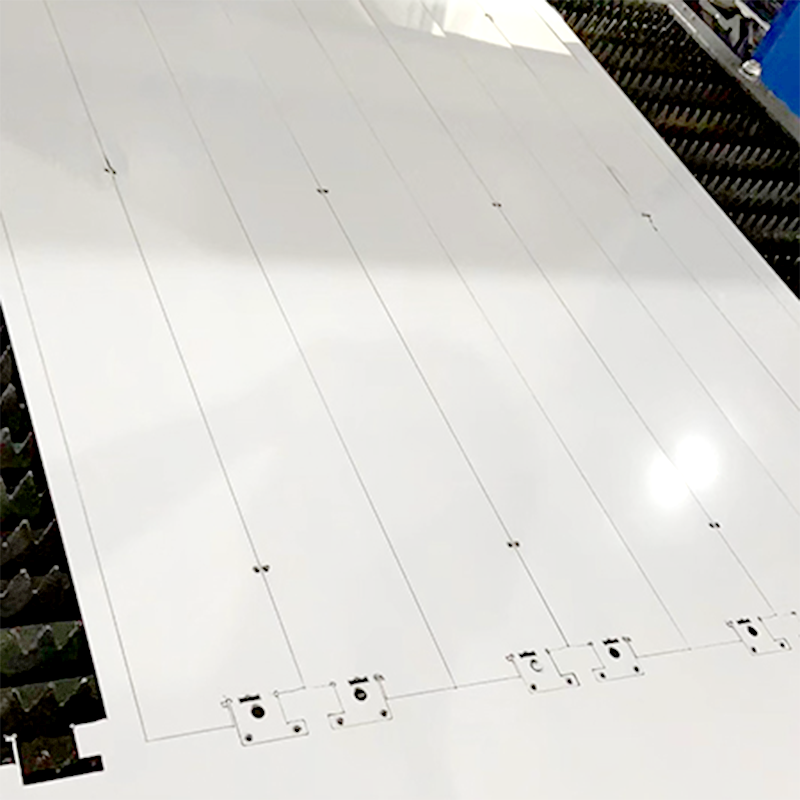
● The specially formulated natural rubber adhesive suitable for both CO2 and Fiber laser cutting processes;● High cutting quality without burr or trac...
See Details
● The specially formulated adhesive ensures easy application and removal without leaving residue glue; ● The super-tough polyethylene film protects ag...
See Details
● Options for either 30 or 60 layers per mat; can be packed with four mats, eight mats, or ten mats per carton;● Remove dirt effect: ≥99.9% (5 steps);...
See Details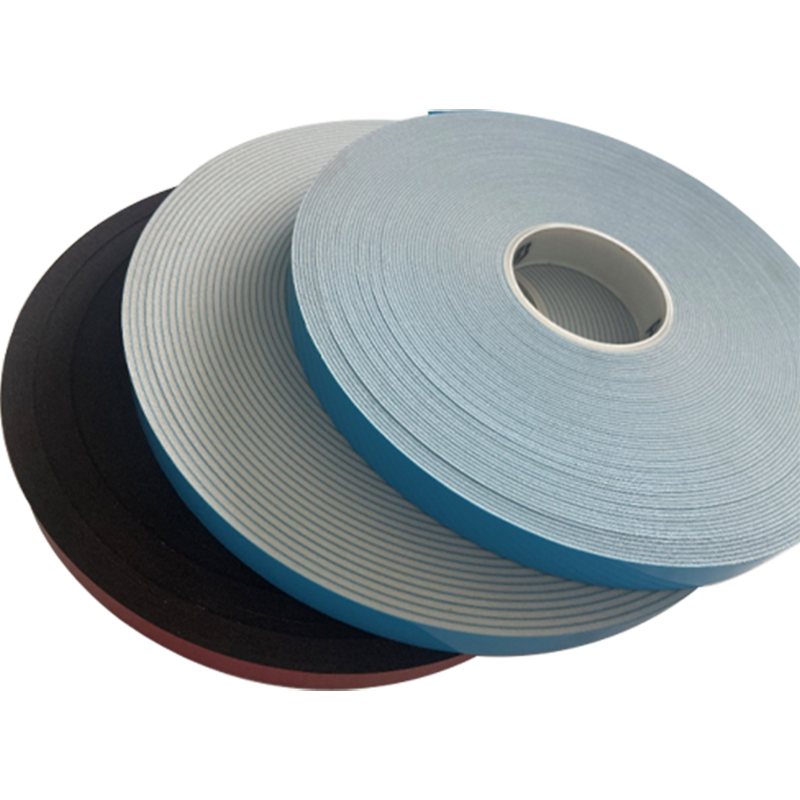
● Waterproof - the desirable material for waterproofing. ● Dust-proof - positive performance of dust prevention.● Low resilience - prevent the deforma...
See Details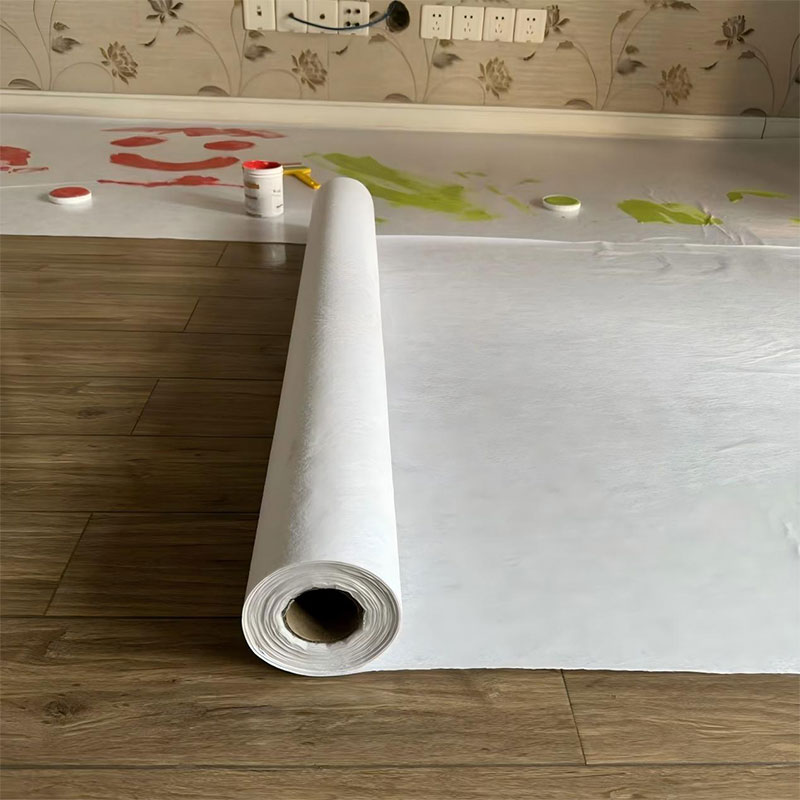
This product has non-woven synthetic fleece in middle; PE film adhered onto top of the non-woven fabric, which is coated with self adhesive glue on it...
See DetailsWe’re a reliable partner that shapes our expertise into success for your project.

Copyright 2024 Wuxi Qida Tape Co., Ltd. All Rights Reserved
 Wholesale Protective Film/Foil Manufacturers
Privacy
Wholesale Protective Film/Foil Manufacturers
Privacy