

 English
 English
 русский
 Français
 Español
 Português
 عربى
عربى
Cat:Glue -coated Protective Film
● Good weatherability for outdoor exposure; ● Stable adhesion level; ● UV resistance for up to 12 months; ● Can print customized logo or application i...
See Details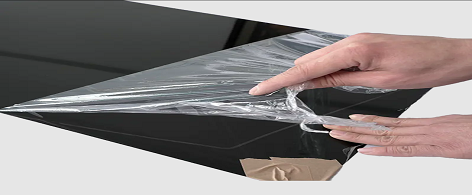
Peeling a shipping label off a stainless steel cabinet usually goes one of two ways: the label comes off cleanly, or a sticky patch remains. The same issue appears on glass jars, plastic totes, aluminum window frames, laminated tabletops and painted doors. Adhesive residue is not really a cleaning problem; it is an adhesive failure. The tape backing has separated from part of the adhesive layer, and the residue is still bonded to the surface.
For most situations, the fastest safe route is to soften the residue first, lift it off with a cloth, fingertip or plastic scraper, and then clean the surface. Scraping first is the most common way to turn a two-minute cleanup into a permanent scratch.
Pressure-sensitive tape has two functional parts: a backing and a layer of adhesive. On a good removal, the adhesive releases from the surface when the backing is peeled away. On a bad removal, the adhesive splits internally and leaves sticky material behind. This is more likely when the tape has been in place for days or months, when it has seen heat or sunlight, or when it is pulled quickly at a steep angle.
The surface matters just as much. On glass or polished metal, residue sits on top and is easy to reach. On wood, painted drywall, matte plastic or a forming sheet that has rough texture, the adhesive can flow into microscopic gaps. The result is a thin, hard-to-see layer that does not lift with a single wipe. That is why the same sticker removal trick that works on a jar can fail on a painted doorframe.
Before trying any chemical, identify the surface. The method that is safe for glass can damage acrylic, and a scraper that works on stainless steel can scratch coated aluminum. Use this table as a starting point, and always test in a hidden spot when the material is unknown.
| Surface | First choice | Why it works | Main caution |
|---|---|---|---|
| Glass | White vinegar, warm soapy water or isopropyl alcohol | Solvents dissolve the residue without scratching the surface | Use a razor blade only on standard glass and only at a low angle |
| Metal and stainless steel | Cooking oil, baby oil or isopropyl alcohol | Oil weakens the bond while alcohol softens the adhesive | Avoid scouring pads on brushed, coated or painted metal |
| Plastic | Warm soapy water, then oil or alcohol | Gentle methods soften residue without clouding the plastic | Some solvents damage acrylic and polycarbonate, so test first |
| Wood and painted surfaces | Heat from a hair dryer, then oil or a citrus-based adhesive remover | Heat softens the adhesive before it is pulled off the finish | Scrape only with a plastic card and keep the contact area small |
| Ceramic and tile | Baking soda paste or vinegar soak | Mild abrasion plus solvent lifts residue without heavy chemicals | Rinse thoroughly so the residue does not redeposit |
If you are not sure whether a solvent is safe, apply a few drops on a small corner with a cotton swab, wait two minutes, and check for dullness, whitening or softening. This test takes less time than repairing a damaged finish.
Follow this order and stop as soon as the residue lifts. More aggressive steps add risk, not speed.
A hair dryer is often enough for fresh residue, but do not use it on an acrylic sheet or coated surfaces that might distort. In those cases, switch directly to a solvent and give it time.
The hardest residue comes from tape that has been in place for months, exposed to heat cycles, or stressed during forming. In those cases, increase the solvent dwell time to 10 to 15 minutes instead of reaching for a razor blade. For extreme cases, a solvent-based adhesive remover designed for industrial use is appropriate. Keep the area ventilated, wipe with a clean cloth, and wash the surface afterward.
In manufacturing settings, residue is more than a cosmetic nuisance. If temporary masking tape leaves adhesive on a metal sheet before bending or coating, the residue can trap dust, disturb the coating line, or trigger a quality rejection. This is why industrial buyers do not choose tape based on initial stickiness alone. They specify a peel adhesion range, a dwell-time test, and a clean-removal test on the actual substrate.
When temporary protection is applied at the factory, the same principle holds. A glue-coated protective film is manufactured with an adhesive system that should release from the surface without visible transfer. If the film is too aggressive or the surface is unstable, the adhesive can stay behind after the protection period. Testing on the actual material is the only way to be sure.
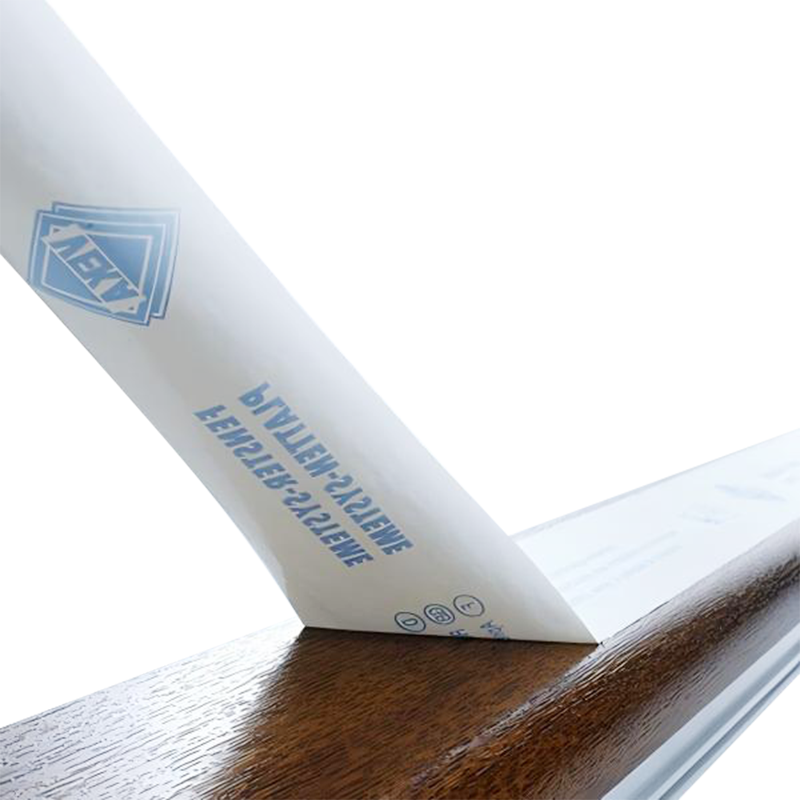 Custom Glue -coated Protective Film Factory, ManufacturersAs China Glue -coated Protective Film Manufacturers and Glue -coated Protective Film Factory, Wuxi Qida Tape Co., Ltd. offer Custom Glue ...View Product →
The most reliable way to get rid of adhesive residue is to prevent it from being laid down in the first place. For simple labels, that means removing them quickly, before heat and UV expose the adhesive to longer aging. For industrial materials, it means choosing the right film or tape for the surface, not the strongest one available.
A well-designed temporary protection product has a controlled peel adhesion: high enough to stay on during handling, shipping, bending or forming, but low enough to release cleanly. When we develop coextruded self-adhesive protective film, the adhesive layer and the film are designed as one construction. The result is more predictable behavior on aluminum, steel, plastic sheets and decorative panels.
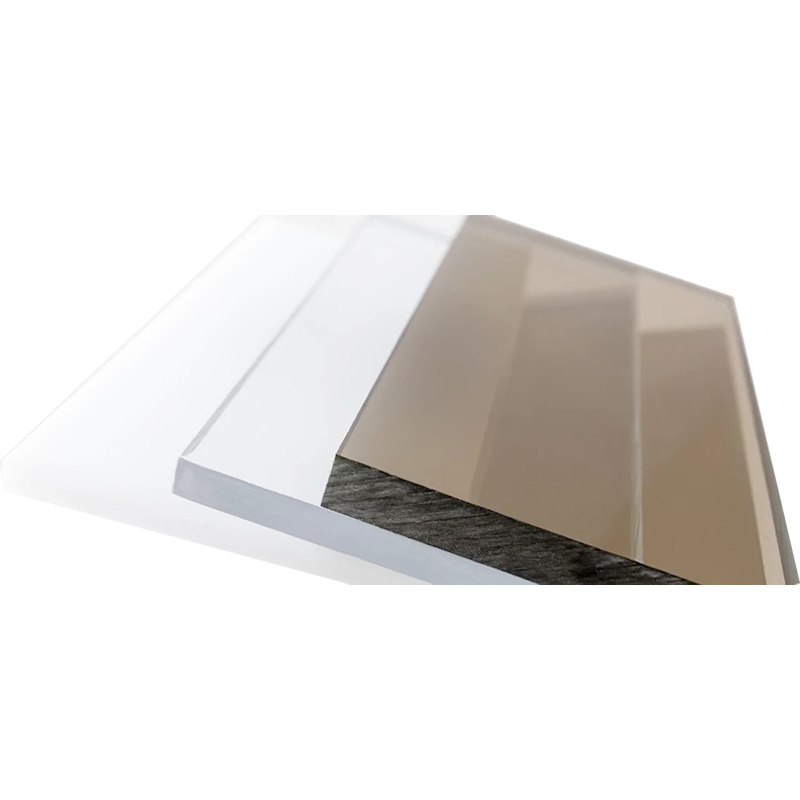 Wholesale Co-extruded Self-Adhesive Protective Film Manufacturers, Suppliers - Wuxi Qida Tape Co., Ltd. is China Wholesale Co-extruded Self-Adhesive Protective Film Manufacturers and Co-extruded Self-Adhesive Protec...View Product →
If you are buying protective film or tape for production, ask for three numbers: the peel adhesion in newtons per 25 millimeters, the intended dwell time, and the maximum removal temperature. Also ask whether the supplier has tested the product on your material after aging, not just on a clean sample. A simple thirty-second sticker test at room temperature will not predict what happens after the film sits through a summer warehouse or a deep-drawing process.
The difference between a clean peel and a sticky disaster is usually not a miracle cleaner, but the order of operations. Soften first, lift gently, clean last. On a one-off household sticker, that routine will protect glass, metal, plastic, wood and ceramic from the scratching that happens when people rush. On a production line, the same logic applies much earlier: specify clean removal before you apply the film, and you will rarely have to think about adhesive residue afterward.

● Good weatherability for outdoor exposure; ● Stable adhesion level; ● UV resistance for up to 12 months; ● Can print customized logo or application i...
See Details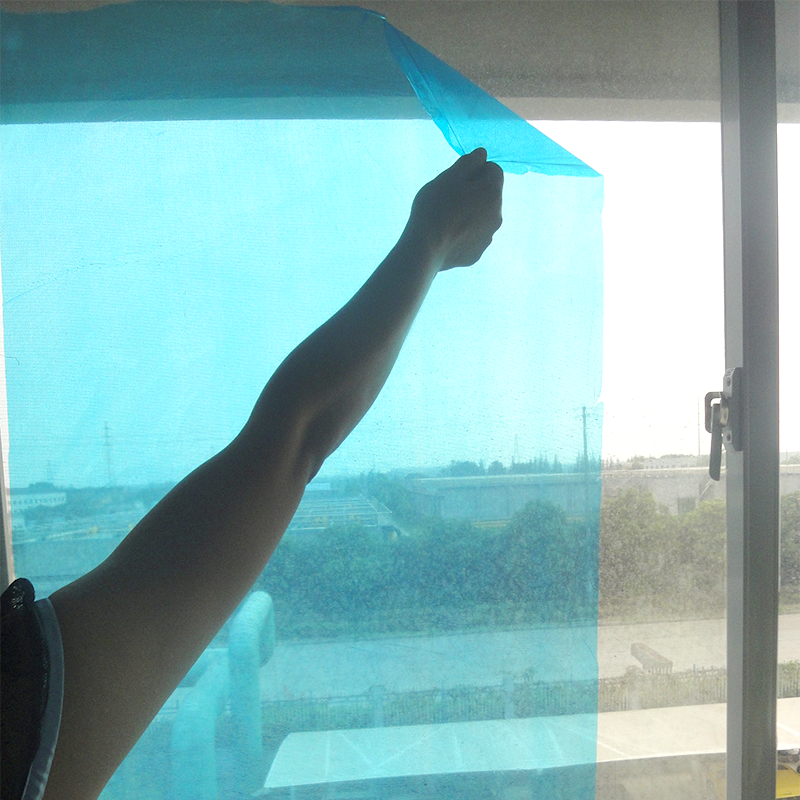
● Protect window glass against paint splatters, dirt, staining, and spillages during painting, building, plastering, tiling, general maintenance and r...
See Details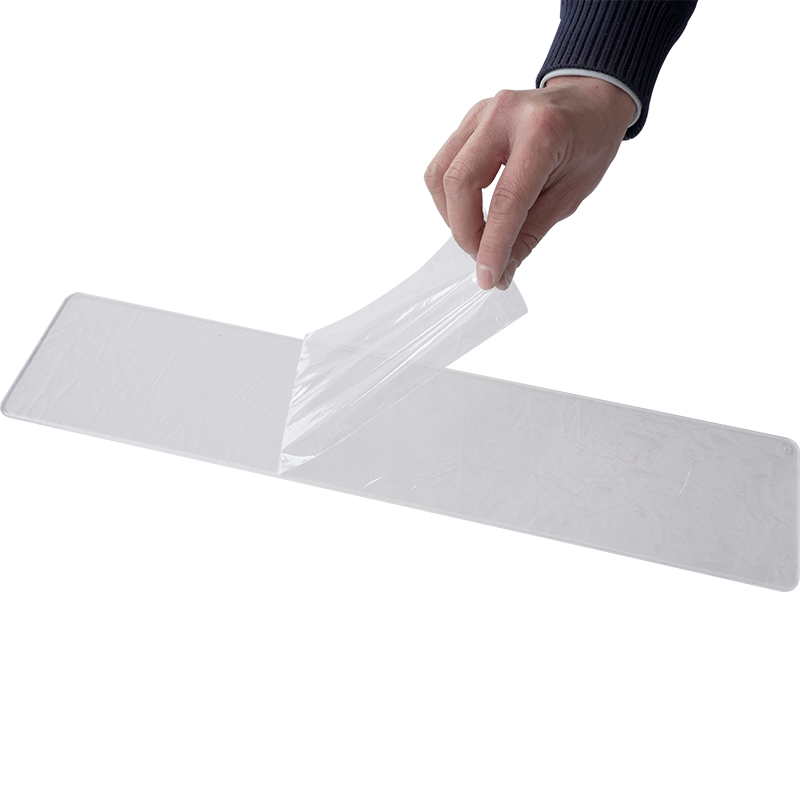
● No “ghost shadow” or “fish eye” after removal; ● Low gel content, soft and stable adhesion plus easy-peel removal with no surface damage or curling;...
See Details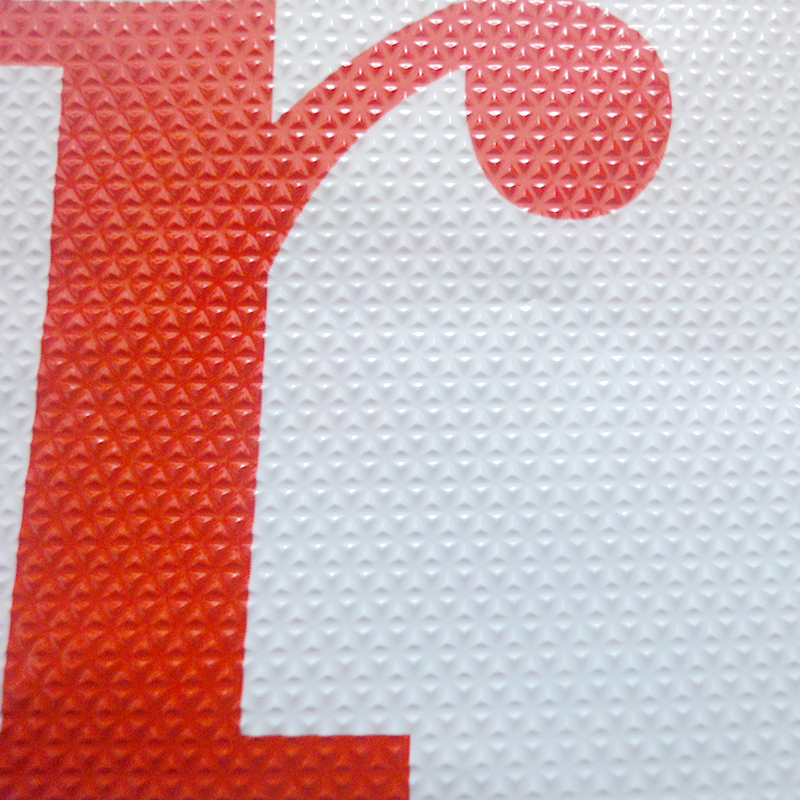
● Anti-slip; ● Embossed film surface to guarantee trip safety;● Tough puncture-resistant polyethylene film;● Can be coated with or without adhesive;● ...
See Details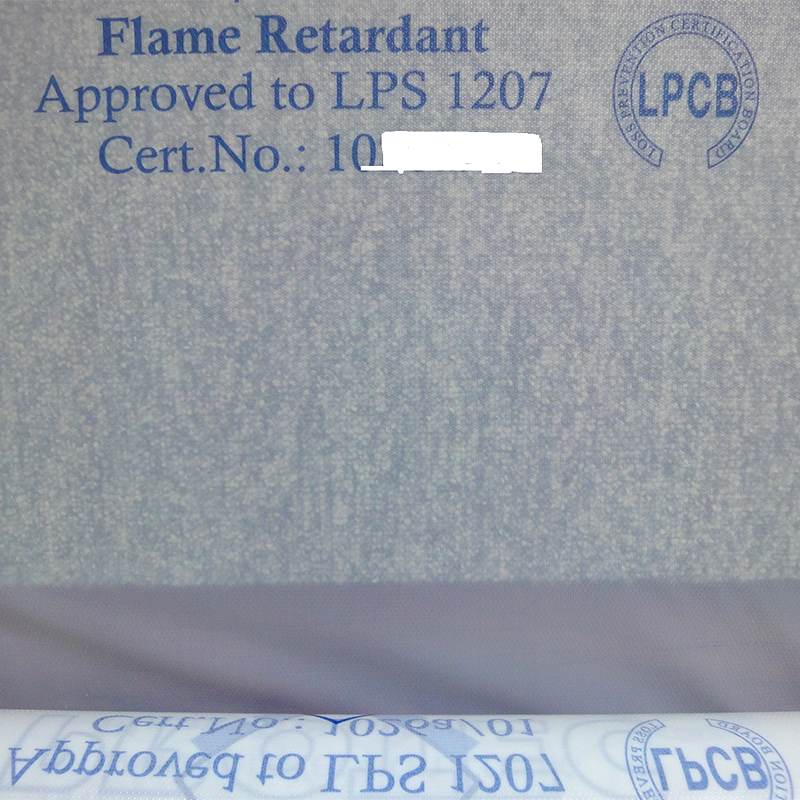
● Prevents costly damages in case of fire /flame;● Meet the strict international test standards of loss prevention; ● Extensive selection for flame re...
See Details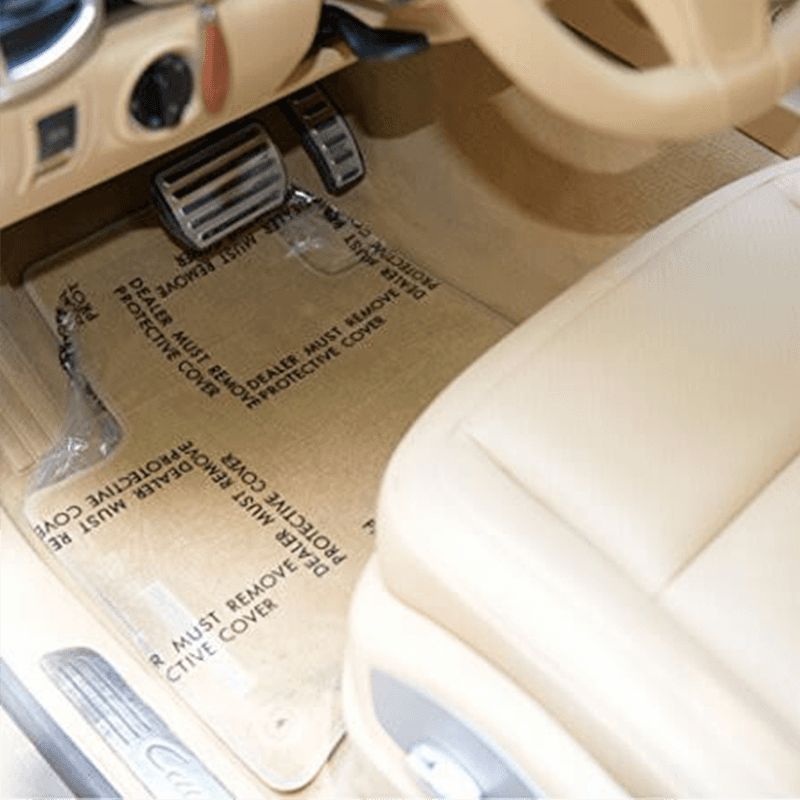
● Distance of each perforation die-cut ranges from 100mm to 1200mm;● Can peel off each die-cut piece of protective film at the perforated line easily;...
See Details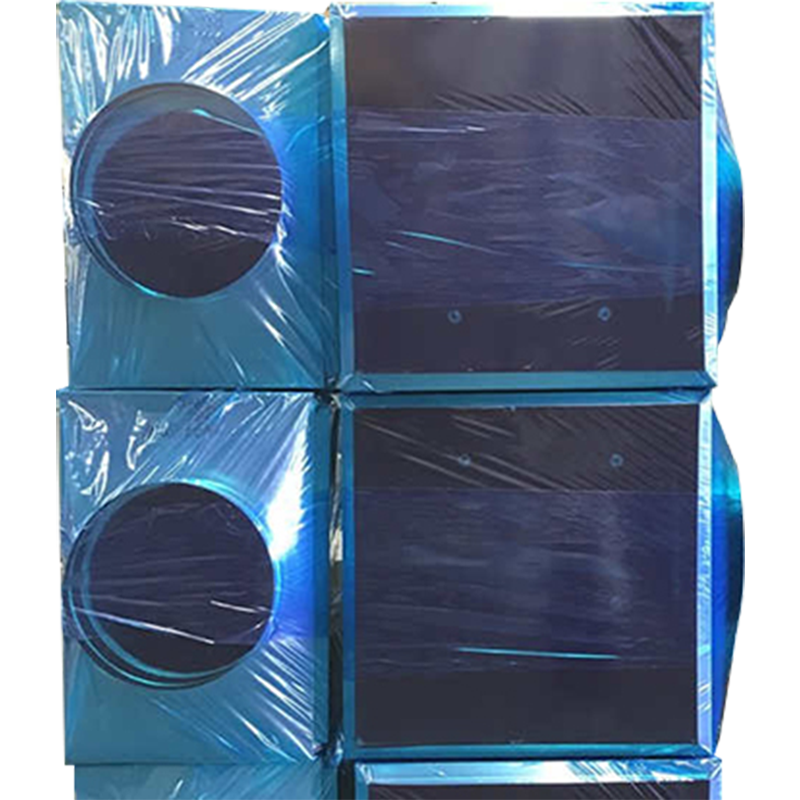
● The super-tough polyethylene film resists puncture and penetration by liquid and dirt during storage, transportation, and installation of the ductwo...
See Details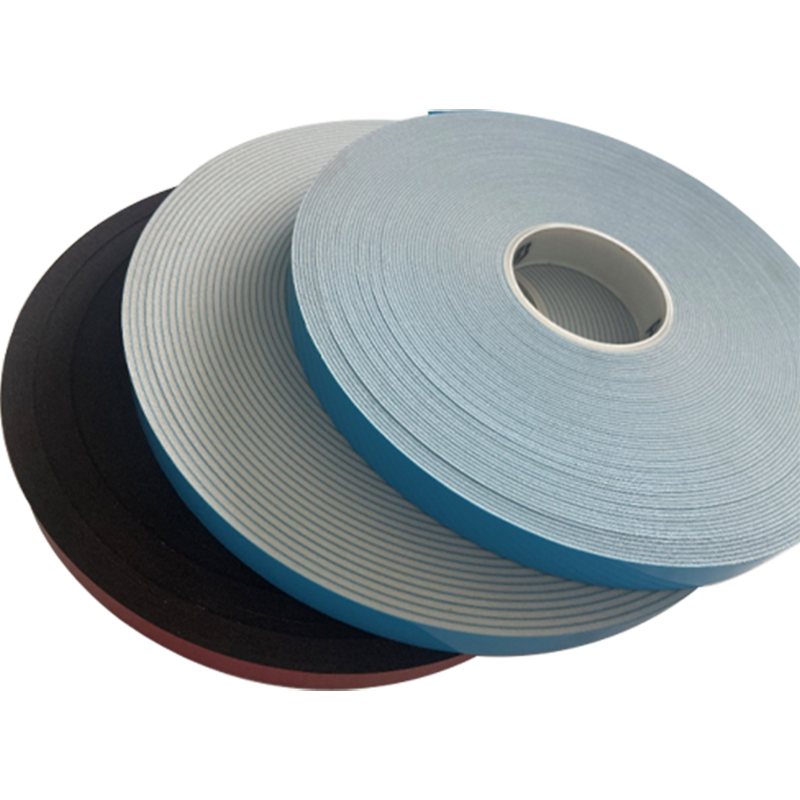
● Waterproof - the desirable material for waterproofing. ● Dust-proof - positive performance of dust prevention.● Low resilience - prevent the deforma...
See Details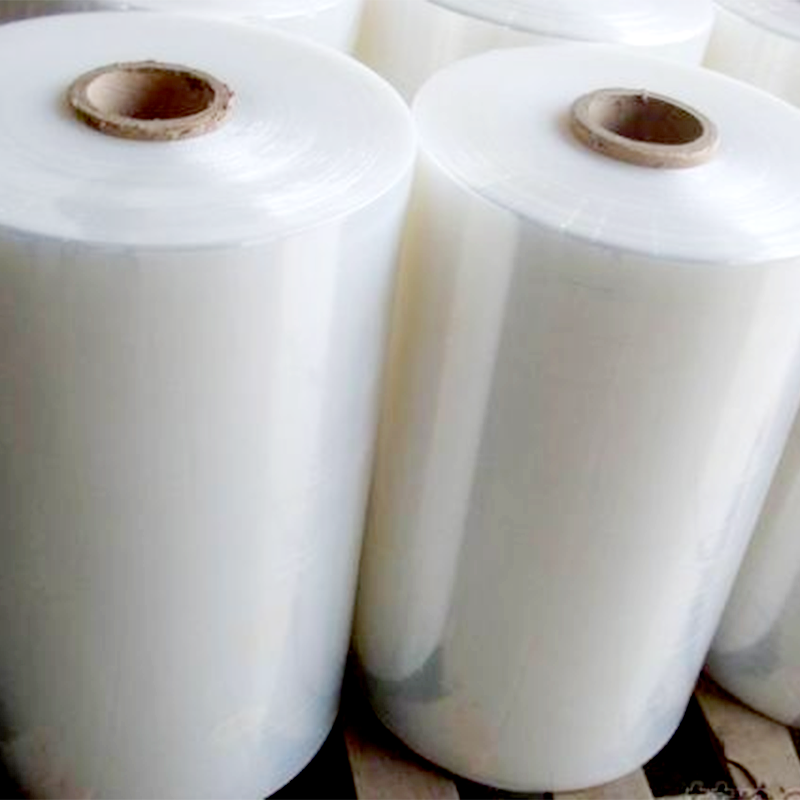
● Excellent puncture and tear resistance; ● Self-adhering-each layer of film bonds to the next for added strength; ● Big roll size to save cost and re...
See Details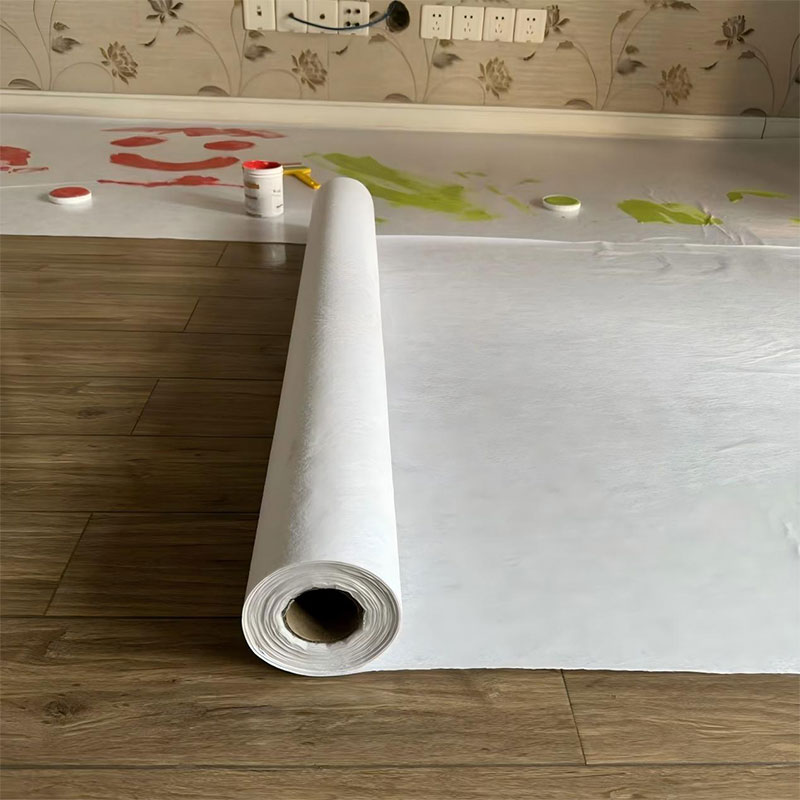
This product has non-woven synthetic fleece in middle; PE film adhered onto top of the non-woven fabric, which is coated with self adhesive glue on it...
See DetailsWe’re a reliable partner that shapes our expertise into success for your project.

Copyright 2024 Wuxi Qida Tape Co., Ltd. All Rights Reserved
 Wholesale Protective Film/Foil Manufacturers
Privacy
Wholesale Protective Film/Foil Manufacturers
Privacy