

 English
 English
 русский
 Français
 Español
 Português
 عربى
عربى
Cat:Glue -coated Protective Film
● Good weatherability for outdoor exposure; ● Stable adhesion level; ● UV resistance for up to 12 months; ● Can print customized logo or application i...
See Details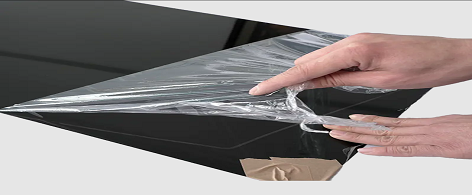
You peel away a sticker, a shipping label, or the edge of a protective film, and the metal underneath looks clean except for one problem: a tacky, rubbery layer of adhesive that collects dust and refuses to budge. Removing adhesive residue from metal is simpler than most people assume, and it does not require harsh chemicals or aggressive scraping. The reliable approach is to soften the adhesive first with heat or oil, lift it with a plastic scraper, and finish with isopropyl alcohol. On bare metal, stainless steel, and most coated surfaces, that sequence works quickly and safely.
Adhesive residue is not dirt. It is a thin layer of pressure-sensitive adhesive designed to stick firmly, and its internal strength often exceeds the bond between the adhesive and the film or label you are pulling away. When the tear happens inside the adhesive layer, a portion of the glue stays behind on the metal.
The type of adhesive changes the approach. Acrylic adhesives, common on barcode labels and nameplates, tend to leave a transparent, slightly gummy film. Rubber-based adhesives, used on duct tape and packaging tape, soften quickly under heat and respond well to oils. Silicone adhesives are rarer in everyday labels, but they resist both heat and alcohol, which is why a dedicated cleaner is usually required.
Metal surfaces make the problem worse in one specific way. Clean metal has high surface energy, so the adhesive spreads evenly across the microscopic texture of the surface. That large contact area creates a strong physical bond and explains why the same label lifts easily off a plastic jug but leaves a stubborn trace on a stainless steel worktop.
Before you start, identify the finish. The method that is perfect for a brushed stainless steel panel can damage a painted sheet or a powder-coated frame.
| Metal surface | Recommended first approach | Main risk |
|---|---|---|
| Stainless steel, brushed or polished | Isopropyl alcohol, then a plastic scraper | Scratches that dull the grain |
| Bare aluminum | Heat, then isopropyl alcohol | Strong alkaline cleaners that etch the metal |
| Painted metal | Warm air, then cooking oil | Solvents that soften the paint |
| Powder-coated metal | Citrus-based remover, gentle wipe | Razor blades that cut the coating |
| Chrome-plated metal | Warm soapy water, then isopropyl alcohol | Acidic cleaners that pit the chrome |
The principle is consistent: start with the gentlest method that softens the adhesive, and test any chemical in an inconspicuous spot when the surface is painted or coated. Bare metals like aluminum and stainless steel are forgiving, but the wrong tool can still leave permanent marks. That is why fabrication shops that handle stainless steel regularly invest in dedicated stainless steel surface protection from the start, rather than spending time on residue removal after the fact.
Work through these methods from gentlest to strongest. Most household residue is gone by the second step, and industrial residue rarely survives the third.
A hair dryer on medium or a heat gun on low is the fastest way to break the bond. Hold it 10 to 15 cm from the surface and aim at the residue for 30 to 60 seconds. The adhesive softens, becoming tacky instead of brittle, and the edge can then be lifted with a plastic scraper, a fingernail, or an old credit card. Pull in one direction and avoid using the scraper at an aggressive angle. On painted metal, keep the heat moderate, because blistering paint is much harder to repair than the residue you are trying to remove.
Cooking oil, olive oil, baby oil, or even peanut butter works by penetrating the gap between the adhesive and the metal and weakening the bond. Apply a generous layer, let it sit for 10 to 15 minutes, and wipe with a soft cloth. Thick, aged residue may need 30 minutes; placing a paper towel soaked in oil over the area keeps it from drying out. Oil does not attack paint or powder coatings, which makes it the safest choice for finished surfaces.
Isopropyl alcohol, sold as rubbing alcohol, dissolves most acrylic and rubber-based adhesives within seconds. Solutions of 91% or higher work best. Dampen a microfiber cloth, press it onto the residue for ten seconds, and wipe. The alcohol breaks down the adhesive chain, so the glue comes off without scrubbing. This same step removes the oily film left behind by the oil and citrus methods. On painted metal, test on a hidden area first.
When the residue has hardened after months of age or exposure to heat, citrus-based adhesive removers and spray lubricants are effective. Spray the area, wait three to five minutes, and wipe with a clean cloth. These products cut through greasy adhesive layers, but they leave an oily trace, so follow with alcohol or warm soapy water.
For large label areas or industrial-grade residue, a dedicated adhesive remover from a hardware store saves time compared to an hour of scrubbing. Apply it generously, follow the label instructions, and change cloths often so dissolved adhesive is not smeared back onto the metal.
Most damage during residue removal comes from the tool, not from the adhesive itself.
The most efficient way to deal with adhesive residue is to prevent it. If you regularly peel labels or protective films from metal parts, the quality of that product decides how much glue stays behind. A well-designed protective film uses an adhesive system that holds firmly during handling and forming, yet releases cleanly when it is time to remove it. That balance is the essence of surface protection.
Manufacturers working with stainless steel coils, sheets, and mirrors typically choose a purpose-built protective film designed for stainless steel surfaces so the film stays in place during bending, punching, and transport, then peels off without residue. Aluminum fabricators follow the same logic with a protective film for aluminum profiles and coated aluminum plates, which maintains its release properties even after machining and extended storage.
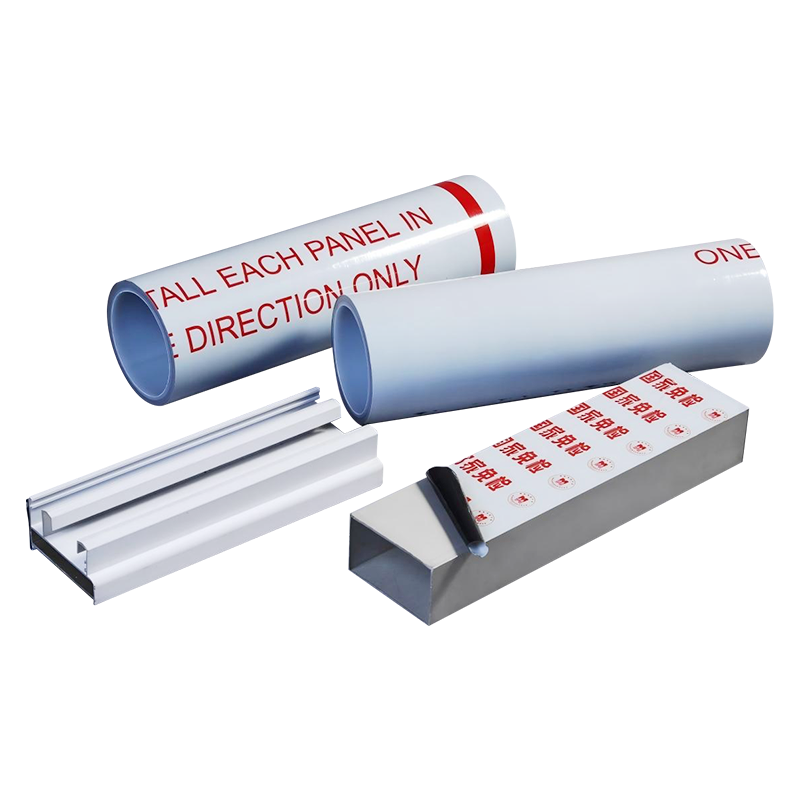 Protective Film For Aluminum Profile Manufacturers, SuppliersAs China protective film for aluminum profile manufacturers and suppliers, Wuxi Qida Tape Co., Ltd. offers OEM/ODM protective film for al...View Product →
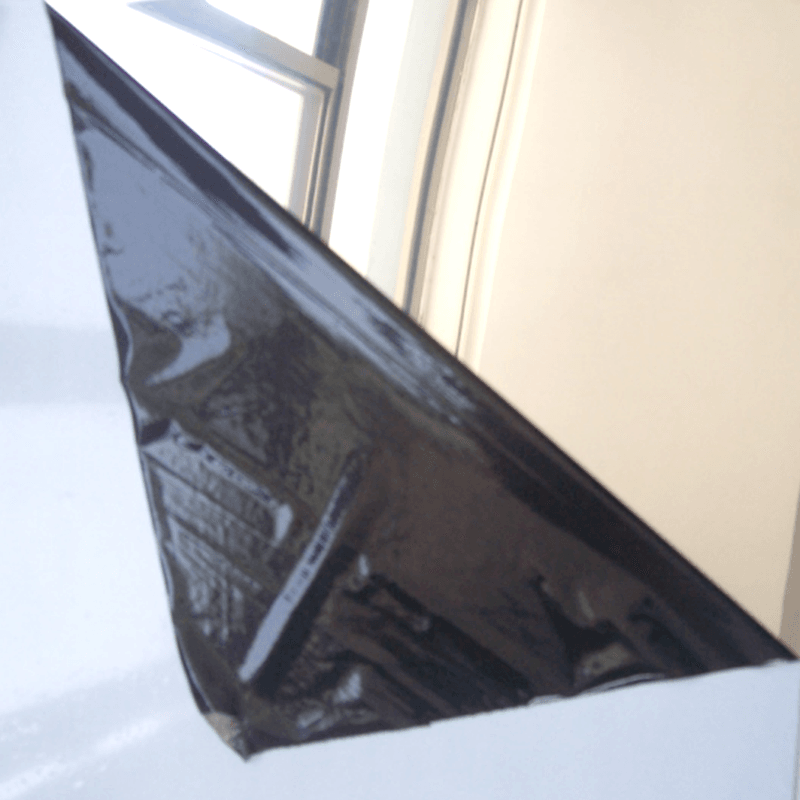 Stainless Steel Prepainted Metal Protective Film ManufacturersAs China stainless steel prepainted metal protective film manufacturers and suppliers, Wuxi Qida Tape Co., Ltd. offers OEM/ODM protective...View Product →
Timing matters too. The longer a film or label remains on metal, the stronger the adhesive bond becomes, especially in warm workshops or under sunlight. Heat and UV slowly harden the adhesive, so removing temporary protection within the film’s recommended service life prevents most residue problems before they start.
For a broader view of how temporary shielding prevents scratches, fingerprints, and adhesive residue across many metals and finished surfaces, see the industrial surface shielding guide.
Removing adhesive residue from metal comes down to a few simple rules: soften the adhesive before lifting it, move from the gentlest method to the strongest, and match the tool to the finish. With heat, oil, alcohol, and a plastic scraper, even old residue gives way and leaves the metal clean and ready for its next use.
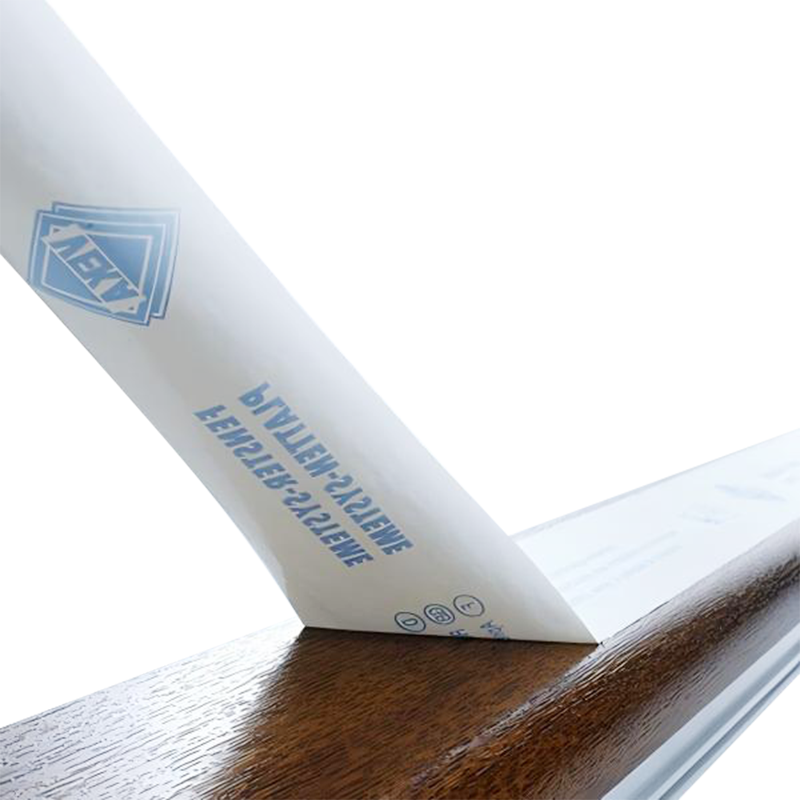
● Good weatherability for outdoor exposure; ● Stable adhesion level; ● UV resistance for up to 12 months; ● Can print customized logo or application i...
See Details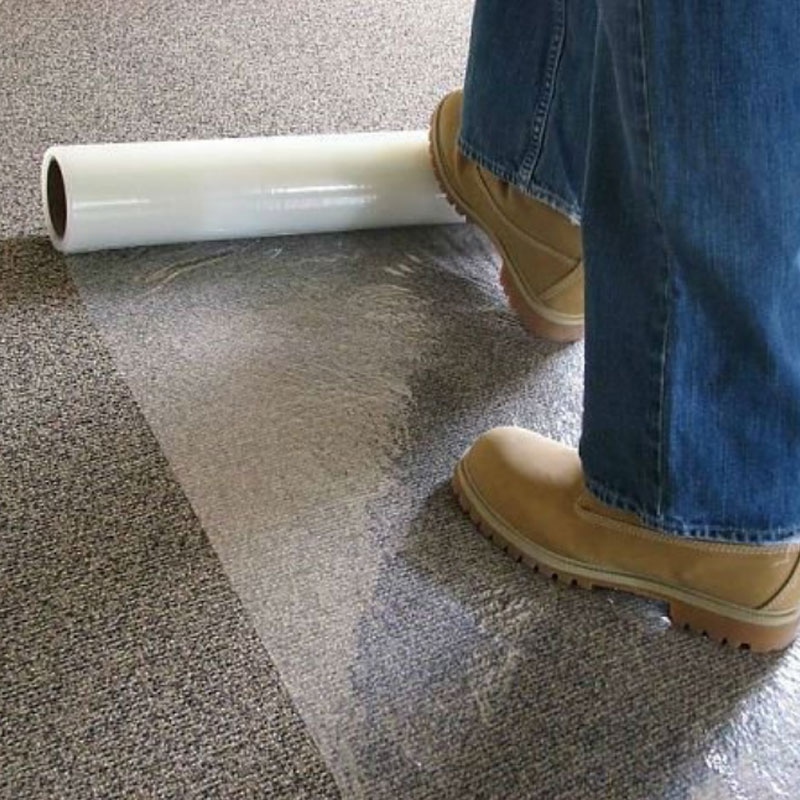
● Protects carpet against staining, paint spillage and dirt during painting, building, remodeling, plastering, tiling, decoration, general maintenance...
See Details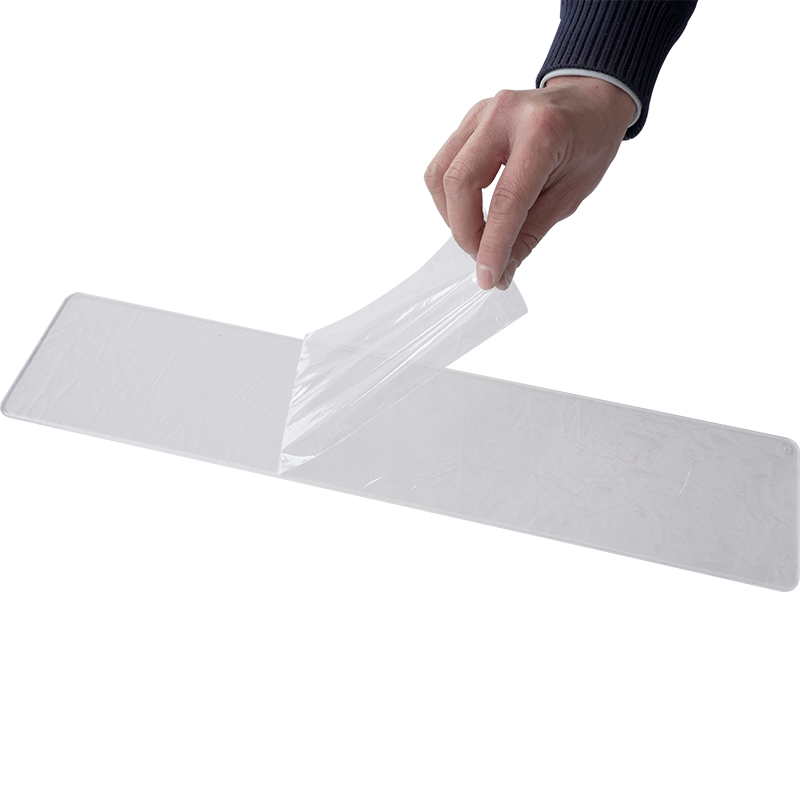
● No “ghost shadow” or “fish eye” after removal; ● Low gel content, soft and stable adhesion plus easy-peel removal with no surface damage or curling;...
See Details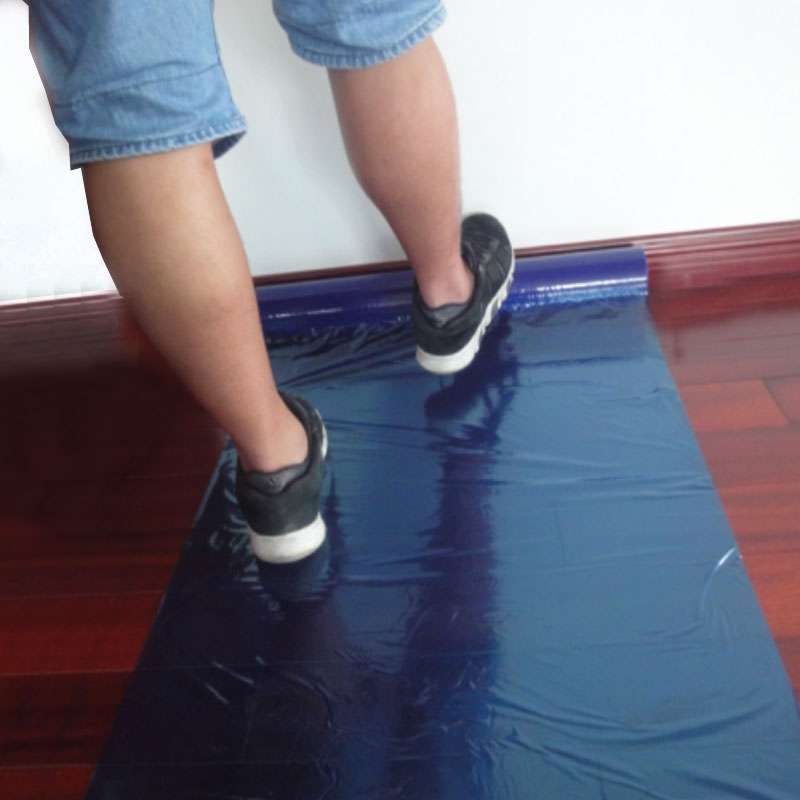
● Patented adhesive formula suits all hard surfaces such as hardwood floors, laminate floors, ceramic, marble, tile, granite, vinyl, worktops, and gla...
See Details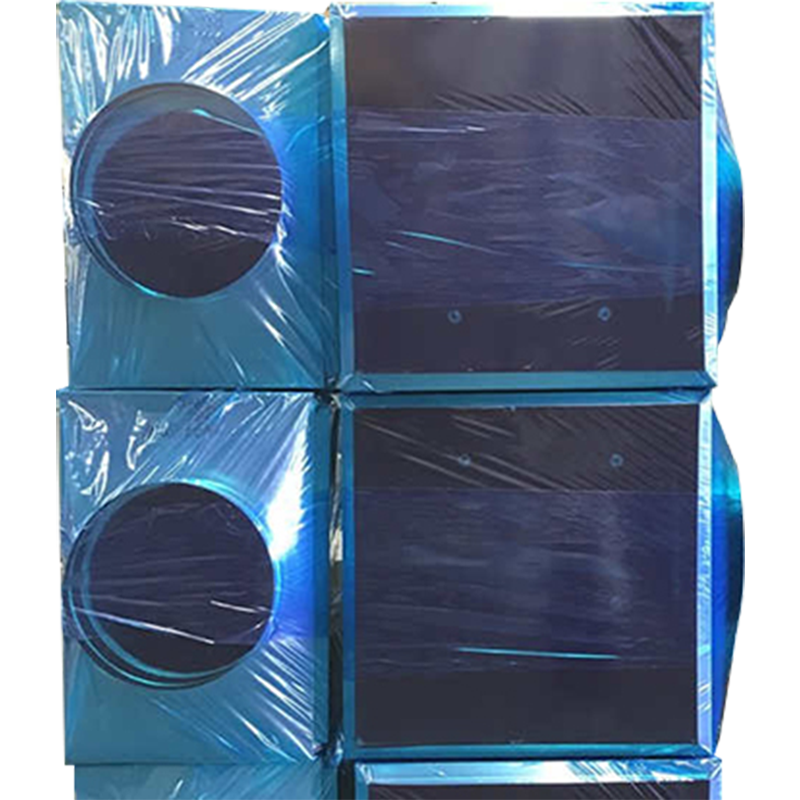
● The super-tough polyethylene film resists puncture and penetration by liquid and dirt during storage, transportation, and installation of the ductwo...
See Details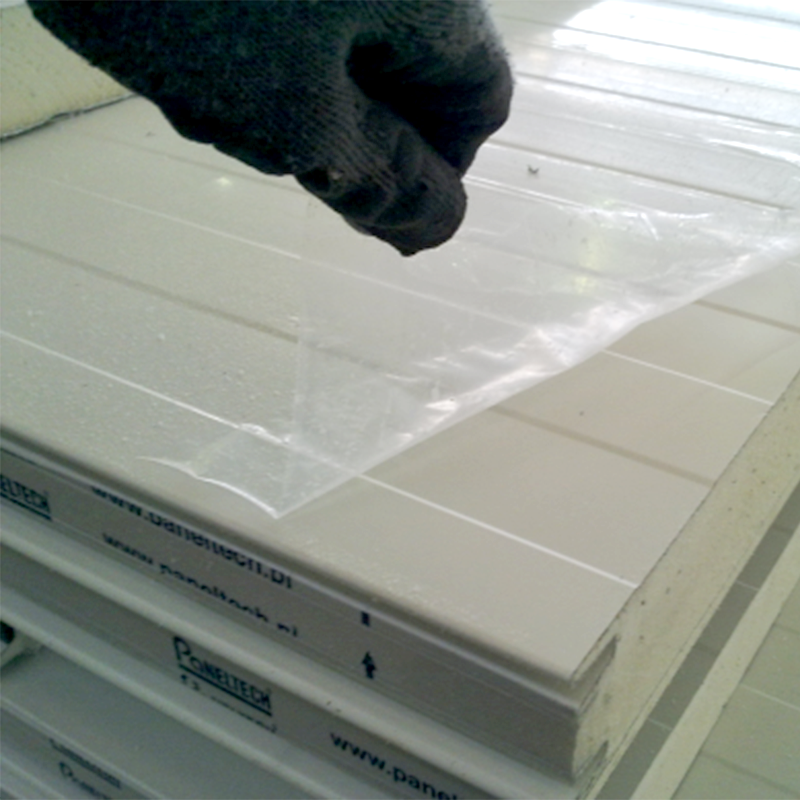
● The specially formulated adhesive ensures easy application and removal without leaving residue glue on the sandwich panels; ● The super-tough polyet...
See Details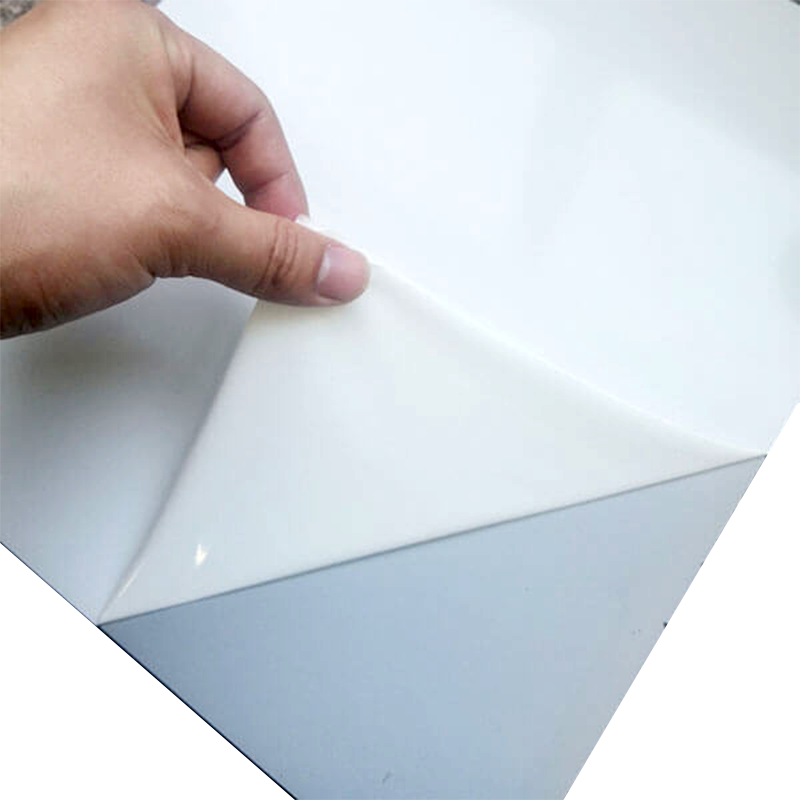
● The super tough polyethylene film with super high adhesion can stop parts of the glass or mirror from splintering away and injuring people when it i...
See Details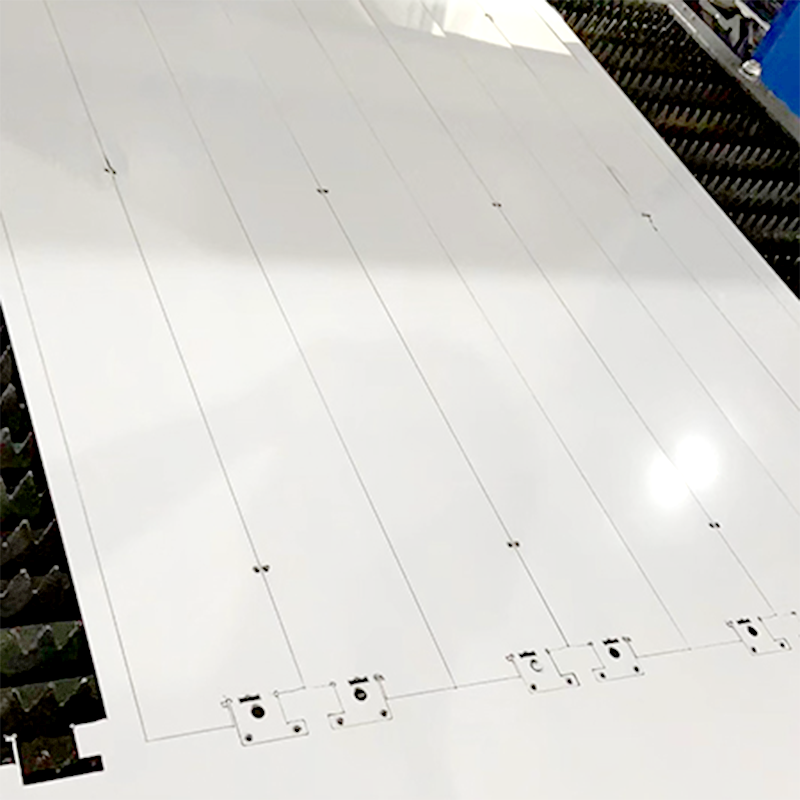
● The specially formulated natural rubber adhesive suitable for both CO2 and Fiber laser cutting processes;● High cutting quality without burr or trac...
See Details
● The specially formulated adhesive ensures easy application and removal without leaving residue glue; ● The super-tough polyethylene film protects ag...
See Details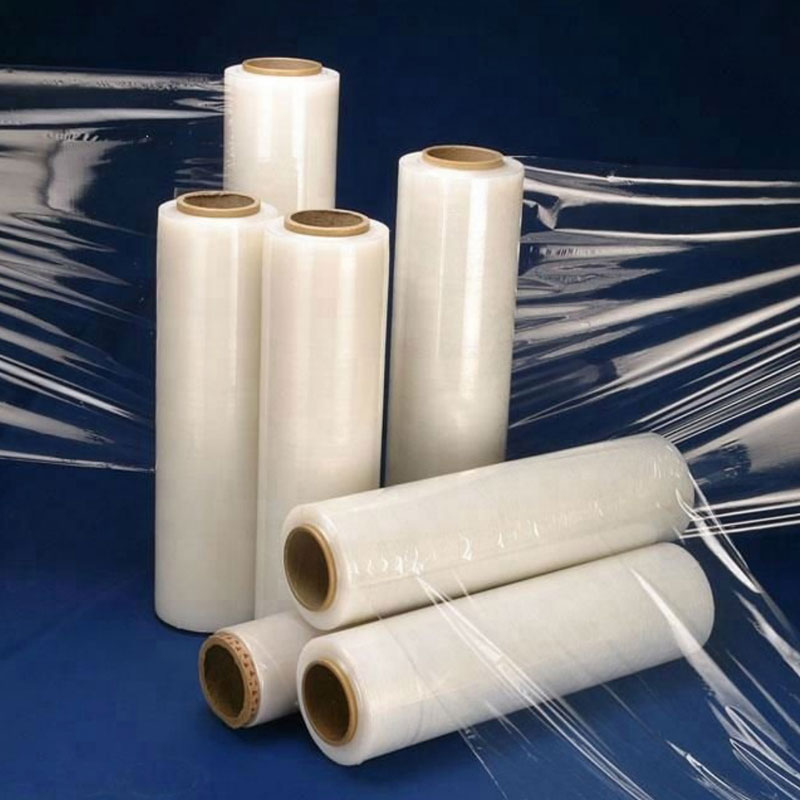
● Small roll size for convenient manual application;● Excellent puncture and tear resistance ; ● A self-adhering-each layer of film bonds to the next ...
See DetailsWe’re a reliable partner that shapes our expertise into success for your project.

Copyright 2024 Wuxi Qida Tape Co., Ltd. All Rights Reserved
 Wholesale Protective Film/Foil Manufacturers
Privacy
Wholesale Protective Film/Foil Manufacturers
Privacy