

 English
 English
 русский
 Français
 Español
 Português
 عربى
عربى
Cat:Glue -coated Protective Film
● Good weatherability for outdoor exposure; ● Stable adhesion level; ● UV resistance for up to 12 months; ● Can print customized logo or application i...
See Details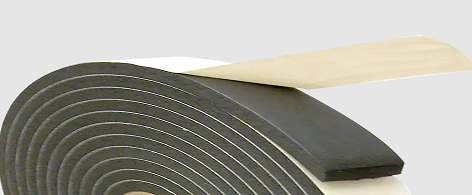
Picture the moment a finished stainless steel sheet comes out of storage. The protective film that was supposed to peel off in seconds splits into strips; underneath, a grey adhesive haze covers the surface, picks up fingerprints, and refuses to budge. The same thing happens when a foam tape sign is removed after two summers of direct sunlight, or when a hook-and-loop strip that held a window screen for two years is finally pulled away. The conclusion to keep in mind: strong adhesive residue is almost always removable, and the order of operations matters more than the solvent you choose. Heat softens, solvent dissolves, a scraper lifts, and a final wipe restores the surface. Follow that sequence while respecting the substrate, and you will rarely need to grind, soak, or risk a permanent scratch.
Adhesive residue looks like a coating, but it behaves like a wedge. When the tape or film was applied, the adhesive was soft enough to flow into the microscopic valleys of the material. It then hardened gradually: volatile components evaporated, UV light and oxygen oxidised the exposed edges, and temperature cycling made the polymer creep deeper into surface pores. Pressure from stacking, handling, or thermal expansion pressed the bond thinner, and a thin layer of adhesive grips far harder than a thick one. This is why two otherwise identical tapes can behave very differently: one releases cleanly after a year in a climate-controlled warehouse, while another fuses to a window frame after two seasons of sun. It is also why dry scraping is the worst first move; it polishes the hard skin and presses the softer inner layer deeper, making the residue harder to see and even harder to remove.
There is no single solvent that removes every adhesive from every substrate. Acetone dissolves acrylic and many plastics; isopropyl alcohol is milder but slower; heat loosens almost anything but can warp thin sections or blister paint. The surface itself must drive the choice. If your material is not listed below, test the solvent on an inconspicuous spot and wait a full minute before applying it to the affected area.
| Surface | Best approach | Keep away |
|---|---|---|
| Glass | Heat with a hair dryer, then a razor blade at a shallow angle, and finish with rubbing alcohol. | Abrasive pads and steel wool, which leave visible micro-scratches. |
| Stainless steel | Heat gun to 60-100 °C, isopropyl alcohol or citrus cleaner, then a plastic scraper. | Metal scrapers and steel wool on brushed or coated finishes. |
| Aluminum | Vegetable oil, citrus cleaner, or a penetrating lubricant; gentle heat; plastic scraper. | Caustic oven cleaners, which discolour anodized aluminium. |
| Plastic (acrylic, polycarbonate, PVC) | Hair dryer on low, vegetable oil or citrus-based cleaner, plastic scraper; test first. | Acetone, benzene, and other aggressive solvents that cloud or craze the polymer. |
| Powder-coated or painted metal | Warm soapy water, isopropyl alcohol, penetrating lubricant, and patience. | Razor blades and abrasive scouring pads, which strip the coating. |
| Finished wood | Heat, mineral spirits or olive oil, then immediate wiping with a soft cloth. | Acetone or alcohol, which dissolve the finish, and long solvent soaks. |
| Fabric and upholstery | Freezer method to embrittle the adhesive, isopropyl alcohol blotting, or repeated tape-lifting. | High heat, which drives the adhesive deeper into the fibres. |
Once you have chosen a solvent and a tool that will not damage the surface, the sequence stays the same. Work in a ventilated area, keep a clean cloth close by, and complete a small patch test before you tackle the full area.
Some adhesives are formulated to resist solvents, and they behave differently from sticker residue. Our double-sided foam tape, for example, is designed for permanent mounting of signs, trim, and panels, and its bond builds strength as it cures. Removing it means breaking that cured bond with heat: warm the joint to 80-100 °C, work mineral spirits or isopropyl alcohol along the foam layer, then roll the softened mass off with your thumb.
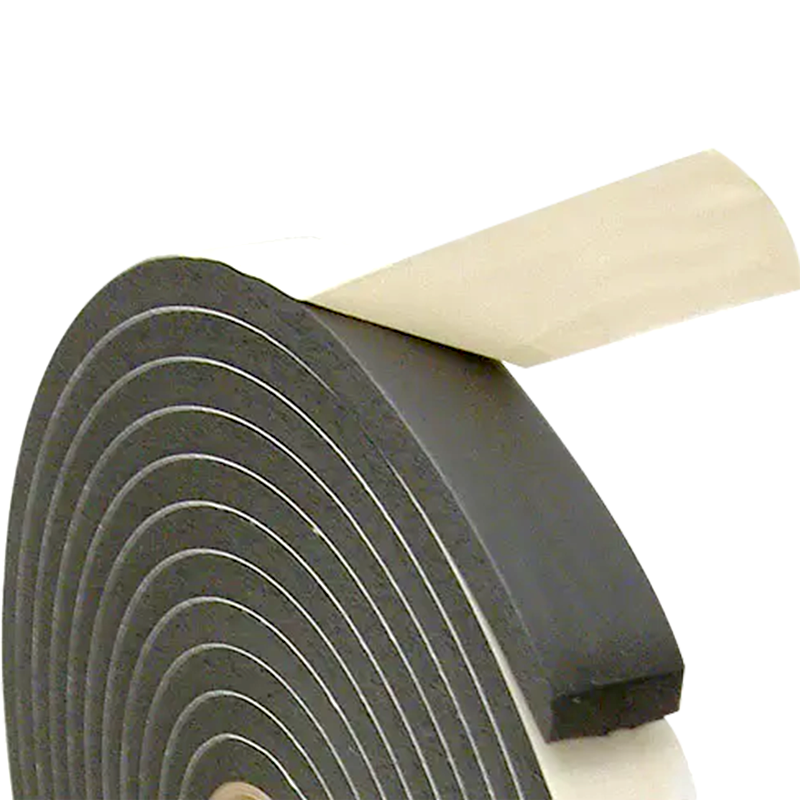 Wholesale Double Sided Foam Tape Manufacturers, Suppliers - Wuxi Qida Tape Co., Wuxi Qida Tape Co., Ltd. is China Wholesale Double Sided Foam Tape Manufacturers and Double Sided Foam Tape Suppliers, details:● Waterpro...View Product →
Cyanoacrylate instant glue crumbles when softened with acetone or a purpose-made debonder: soak a cotton pad, hold it on the spot for several minutes, then lift with a scraper. Epoxy is the least forgiving of all. Heat the joint to 150-200 °C to weaken the bond, work it loose with a thin blade, and remove the residue with a methylene-chloride-based paint stripper where the surface allows it. These chemicals exist because the adhesive is strong, so wear gloves, ventilate the workspace, and always test on an unseen area first. In a production environment, document the procedure and train operators; improvised solvents and improvised scrapers are how finished parts get ruined.
For anyone who has spent an afternoon scraping adhesive haze off finished metal, the real cost of residue is not the solvent. It is the labour hours, the rejected parts, and the customer who notices a slight ghost mark on a mirror-finish sheet. That is why experienced buyers choose temporary protection with predictable removal behaviour rather than the cheapest film on the shelf.
This is the exact design goal of coextruded self-adhesive protective film. It holds firmly enough to survive stamping, bending, and freight, but its tie-layer releases from the substrate, so the adhesive stays on the film instead of transferring to the part. For flat stock in demanding conditions, the protective film for stainless steel and coloured steel plates handles deep drawing, roll forming, and transit, then strips away in one continuous sheet. When the job covers large or varied surfaces, industrial surface shielding is a practical way to match the carrier to the surface type and dwell time.
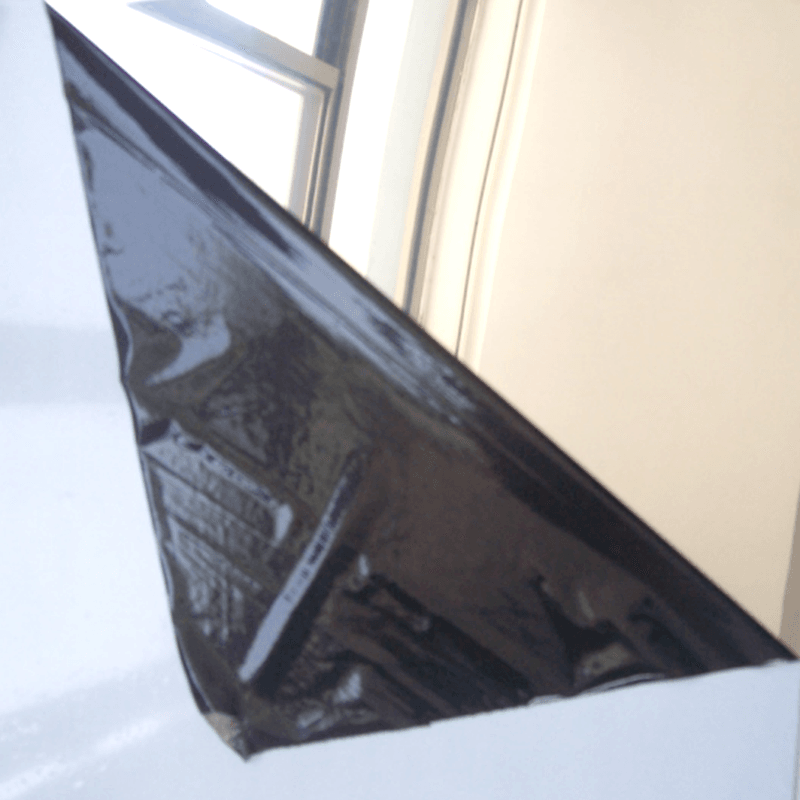 Stainless Steel Prepainted Metal Protective Film ManufacturersAs China stainless steel prepainted metal protective film manufacturers and suppliers, Wuxi Qida Tape Co., Ltd. offers OEM/ODM protective...View Product →
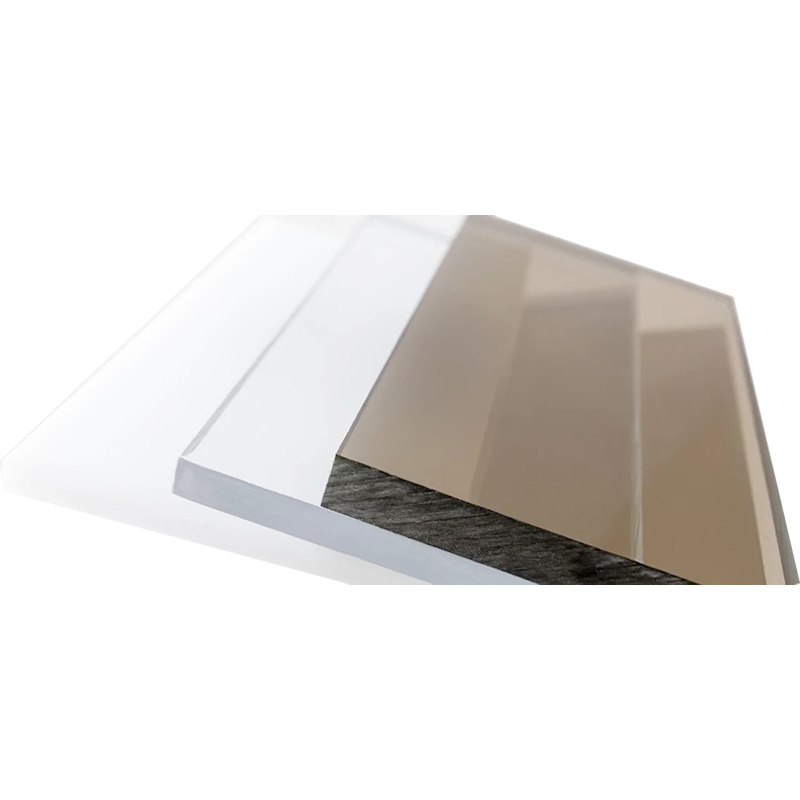 Wholesale Co-extruded Self-Adhesive Protective Film Manufacturers, Suppliers - Wuxi Qida Tape Co., Ltd. is China Wholesale Co-extruded Self-Adhesive Protective Film Manufacturers and Co-extruded Self-Adhesive Protec...View Product →
The same logic applies on a construction or renovation site. Masking tape may hold for an afternoon, but it will not release cleanly after three weeks of foot traffic. The right temporary cover is designed for that dwell time, so its removal behaviour is predictable and schedulable. When the adhesive stays on the film and the part stays clean, nobody has to look up how to remove strong adhesive at the end of the project.
Heat, solvent, a suitable tool, and prevention, applied in that order, solve nearly every strong-adhesive situation. Permanent adhesive belongs on parts that should stay in place; removable protective film belongs on parts that will move on. Choose a carrier engineered to release cleanly, and the residue problem never appears in the first place.
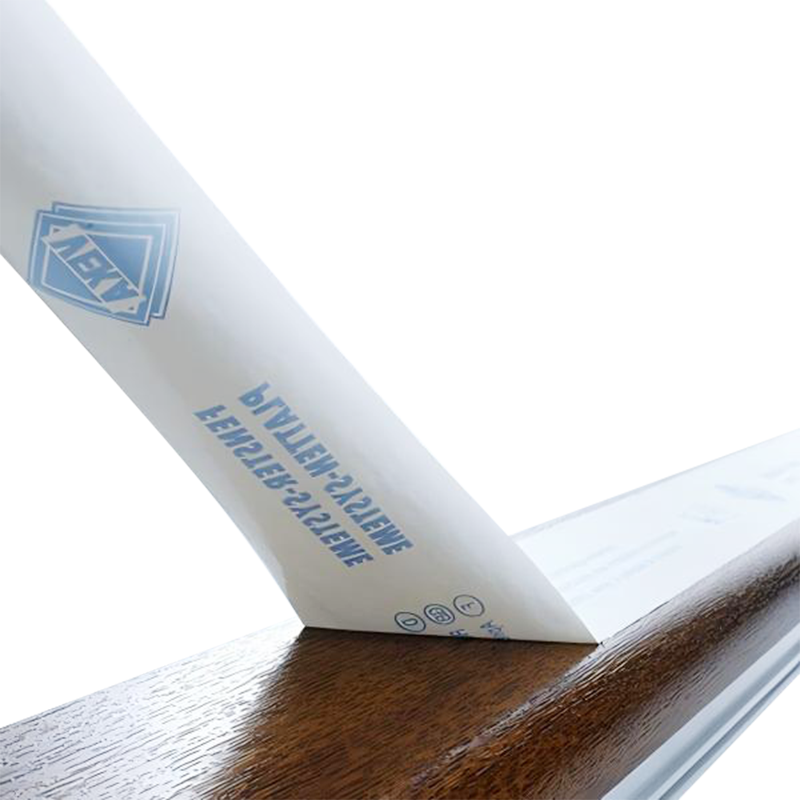
● Good weatherability for outdoor exposure; ● Stable adhesion level; ● UV resistance for up to 12 months; ● Can print customized logo or application i...
See Details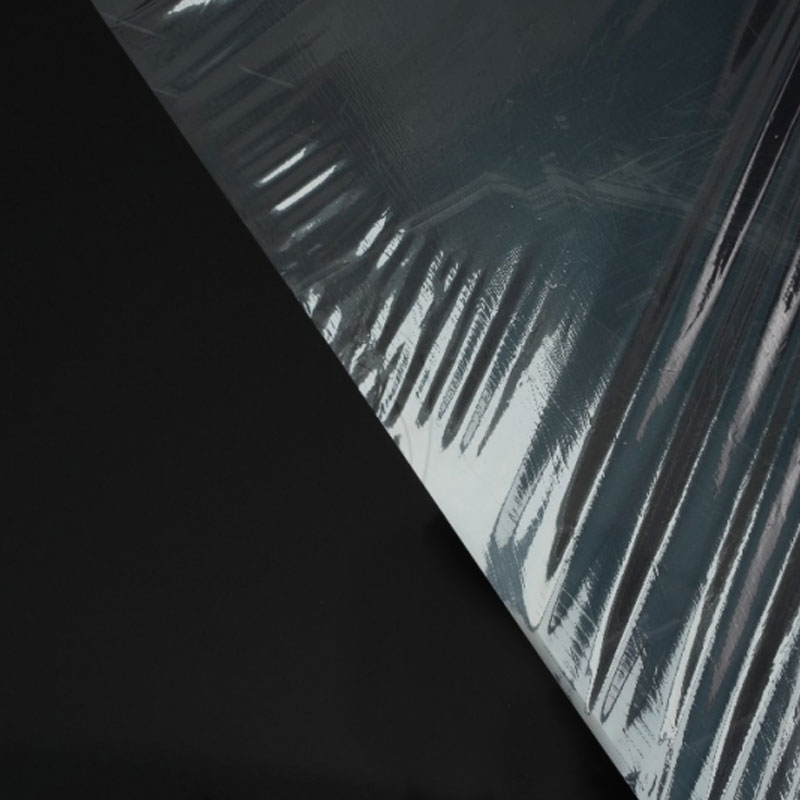
● No “ghost shadow” or “fish eye” after removal; ● Stable adhesion level; ● UV resistance for up to 6 months; ● Can print customized logo or applicati...
See Details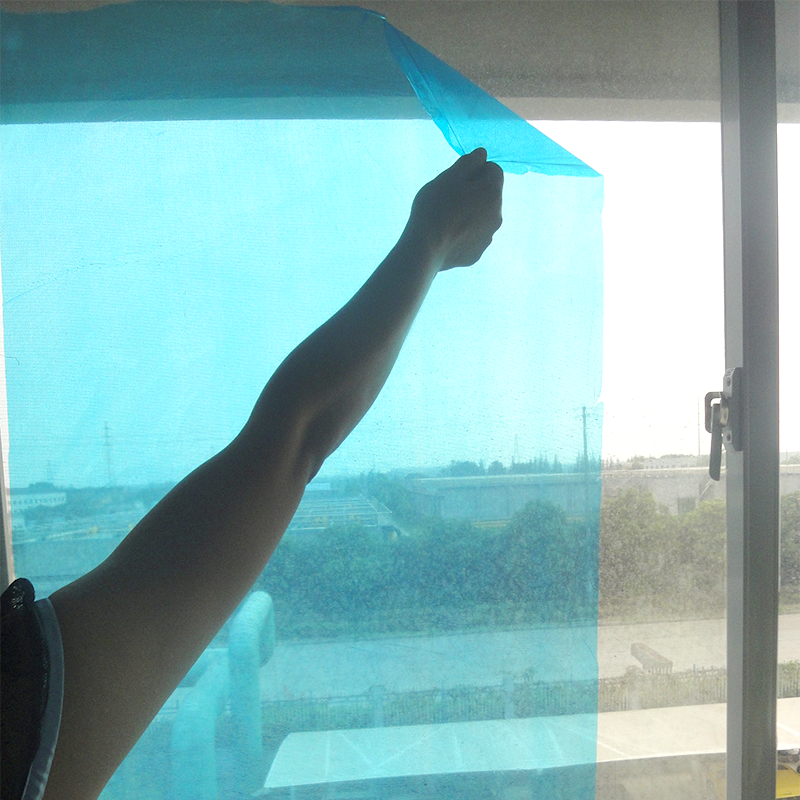
● Protect window glass against paint splatters, dirt, staining, and spillages during painting, building, plastering, tiling, general maintenance and r...
See Details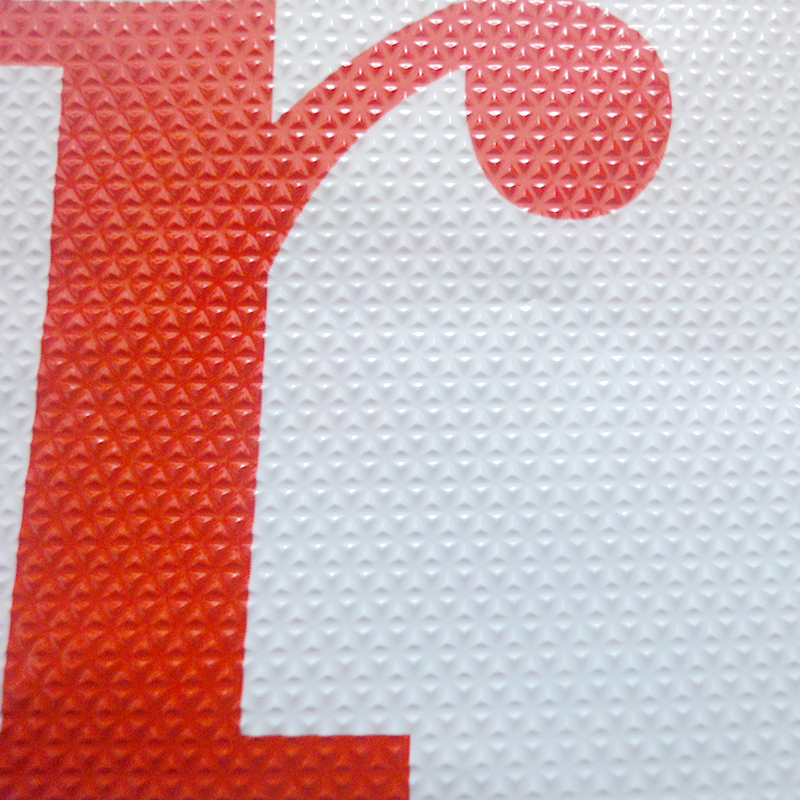
● Anti-slip; ● Embossed film surface to guarantee trip safety;● Tough puncture-resistant polyethylene film;● Can be coated with or without adhesive;● ...
See Details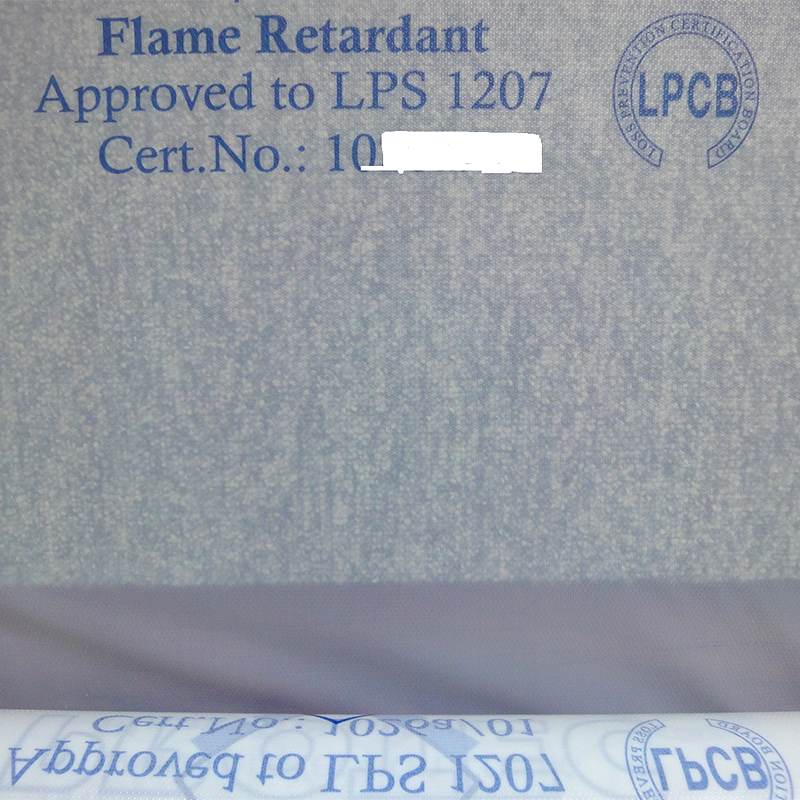
● Prevents costly damages in case of fire /flame;● Meet the strict international test standards of loss prevention; ● Extensive selection for flame re...
See Details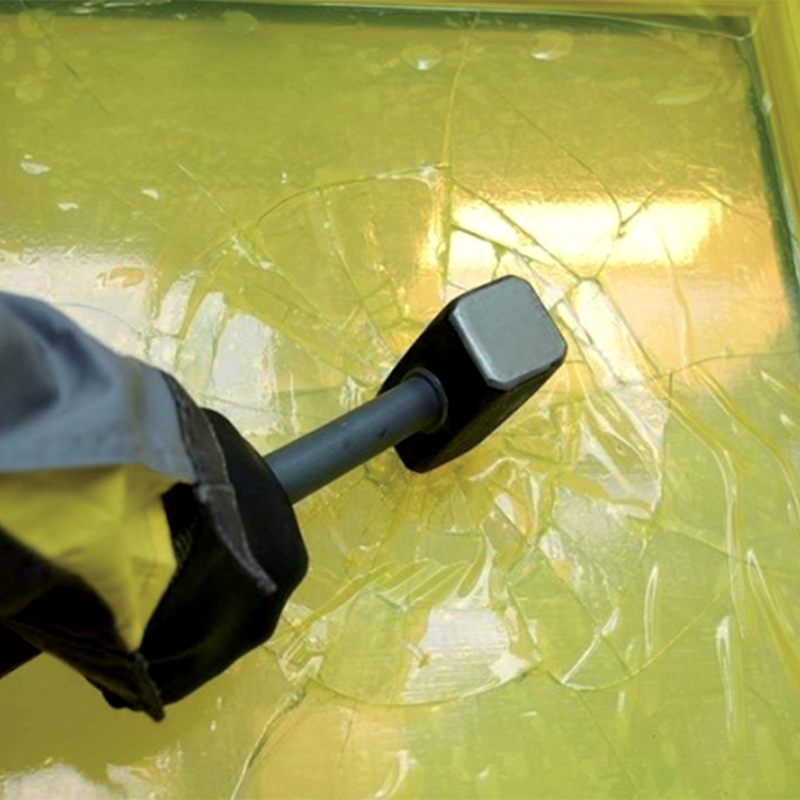
● The super tough polyethylene film with super high adhesion can stop the glass splitting and falling off during window glass demolition process;● Non...
See Details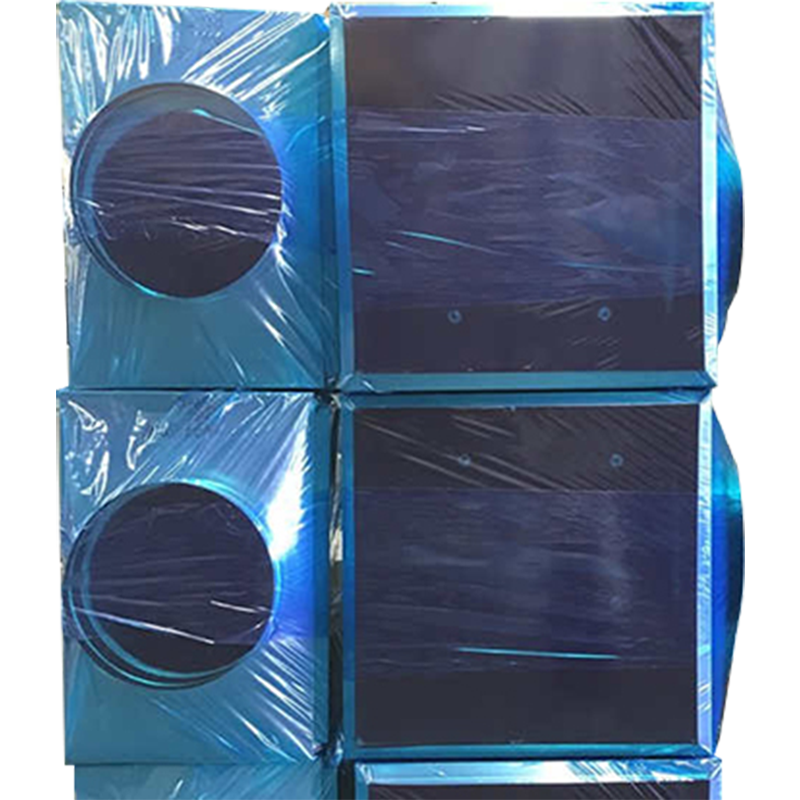
● The super-tough polyethylene film resists puncture and penetration by liquid and dirt during storage, transportation, and installation of the ductwo...
See Details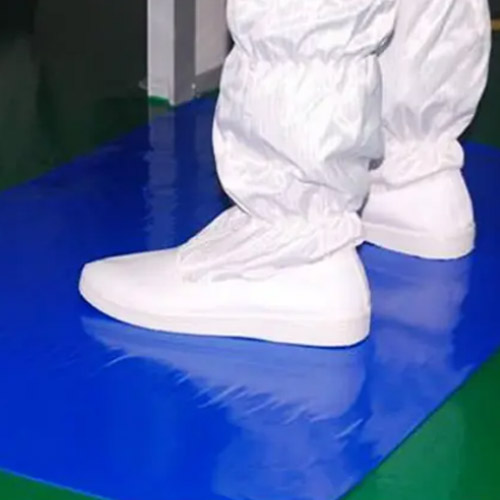
● Options for either 30 or 60 layers per mat; can be packed with four mats, eight mats, or ten mats per carton;● Remove dirt effect: ≥99.9% (5 steps);...
See Details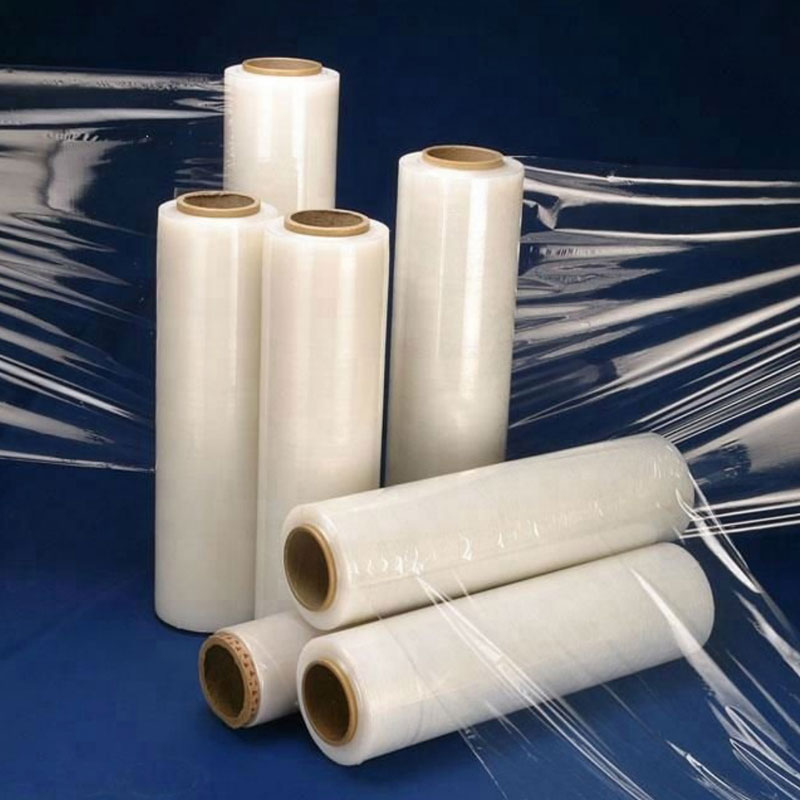
● Small roll size for convenient manual application;● Excellent puncture and tear resistance ; ● A self-adhering-each layer of film bonds to the next ...
See Details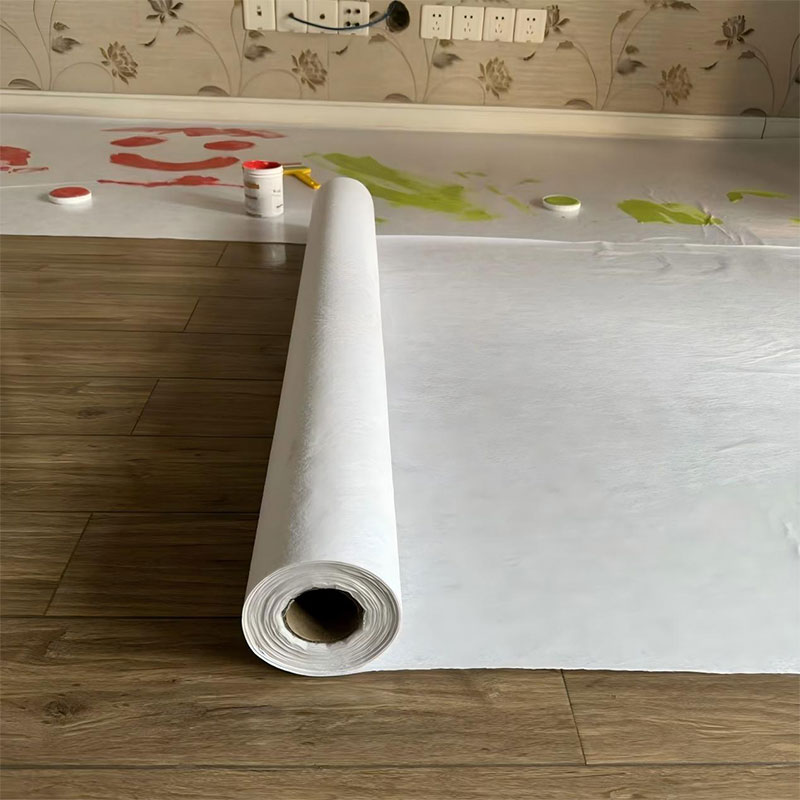
This product has non-woven synthetic fleece in middle; PE film adhered onto top of the non-woven fabric, which is coated with self adhesive glue on it...
See DetailsWe’re a reliable partner that shapes our expertise into success for your project.

Copyright 2024 Wuxi Qida Tape Co., Ltd. All Rights Reserved
 Wholesale Protective Film/Foil Manufacturers
Privacy
Wholesale Protective Film/Foil Manufacturers
Privacy