

 English
 English
 русский
 Français
 Español
 Português
 عربى
عربى
Cat:Glue -coated Protective Film
● No “ghost shadow” or “fish eye” after removal; ● Stable adhesion level; ● UV resistance for up to 6 months; ● Can print customized logo or applicati...
See Details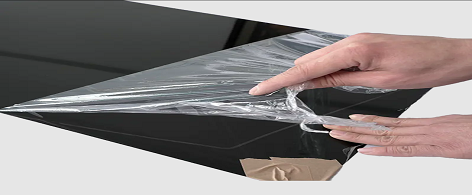
A coil of pre-painted steel arrives at the fabricator with a hairline scratch across the top layer. Tracing the coil back, the damage occurred before it left the mill. That scratch turns an acceptable sheet into a rejected one, and it costs real money in rework, rescheduling, and customer goodwill. Cast film is the technology designed to prevent exactly this kind of loss.
Cast film is the process behind many of the protective films applied to metal, glass, and coated surfaces during forming, handling, and transport. This article explains what cast film is, why it matters for protective film, how it differs from blown film, and what to specify when you buy it for high-value surfaces.
Cast film is produced by extruding molten thermoplastic through a flat die onto a temperature-controlled chill roll. The melt is quenched quickly, solidifies into a thin, uniform web, and is then trimmed and wound. Because cooling happens on a polished roll, the film takes on a smooth surface and a predictable thickness profile.
The production sequence is straightforward:
Cast lines can produce single-layer films or multi-layer structures in a single pass. Coextrusion is the key capability: two or more materials are combined while molten, which is exactly how many self-adhesive protective films are made. The carrier layer and the adhesive layer are fused during extrusion, eliminating the need for a separate solvent-based adhesive coating.
For temporary surface protection, four properties matter more than anything else:
Cast film delivers these properties more predictably than most alternative processes. The chilled roll produces a steady surface and tight gauge control, and that becomes the foundation for everything else the film has to do. When a protective film fails, it is rarely because the material lacked strength. It fails because the thickness varied, the adhesive layer delaminated, or the peel force drifted after weeks of storage. Those failures trace back to the base film.
Coextruded self-adhesive protective film is the most direct example. In this construction, the adhesive is coextruded with the carrier, so the bond between layers is stable and the peel force can be tailored to the substrate. It applies smoothly, follows the shape of a bent profile, and pulls off cleanly later. We explain the structure and main advantages of coextruded self-adhesive film in a separate article, but the practical result is a protective layer that behaves consistently on curved and flat surfaces alike.
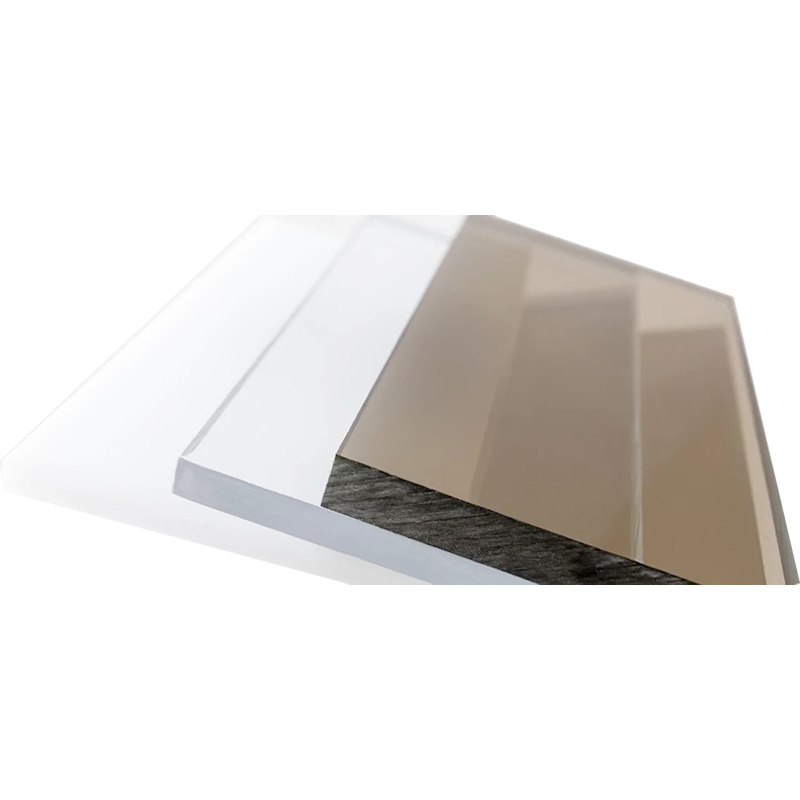 Co-extruded Self-Adhesive Protective Film for Plastic FabricationThis coextruded protective film bonds adhesive and carrier in one process, offering stable peel force for curved and flat surfaces. It resists UV for six months and removes cleanly without ghost shadows, suiting acrylic, polycarbonate, and other plastic sheets.View Product →
Most industrial protective films start as either cast film or blown film. The process choice sets the film's physical character before any adhesive is added. In general, cast film offers better thickness control and clarity, while blown film can deliver greater toughness per micron for heavy-duty packaging.
| Property | Cast Film | Blown Film |
|---|---|---|
| Thickness tolerance | Tight and consistent | Good, but gauge variation is more common |
| Optical clarity | High, with low haze | Moderate; haze is usually higher |
| Flatness | Excellent for slitting and die-cutting | Acceptable, but winding needs more care |
| Tear and impact resistance | Balanced in thin protective layers | Generally tougher for heavy wrapping |
| Best fit in surface protection | Scratch and stain protection on smooth or coated surfaces | Puncture resistance for shipping and bundling |
For a protective film that must sit on a visible architectural profile or a mirror-polished sheet, the cast route is usually the better starting point. The flat web sits evenly on the substrate, and the uniform thickness keeps adhesion predictable. Blown film remains the stronger option when the job is more about absorbing impact during shipping than about optical quality.
The film itself is only half of the specification. The adhesive, the thickness range, and the aging behavior have to match the surface and the process it will go through. These are the points to clarify with a manufacturer:
Aluminum profiles are a good example. Aluminum is soft enough to scratch during bending and pressing, yet the finished profile often remains visible in architectural work. The protective film has to stretch slightly with the profile during forming, keep its grip, and still come off cleanly months later. For this reason, a glue-coated protective film for aluminum profiles is usually specified with a proven record on extrusion, anodizing, and powder-coating lines.
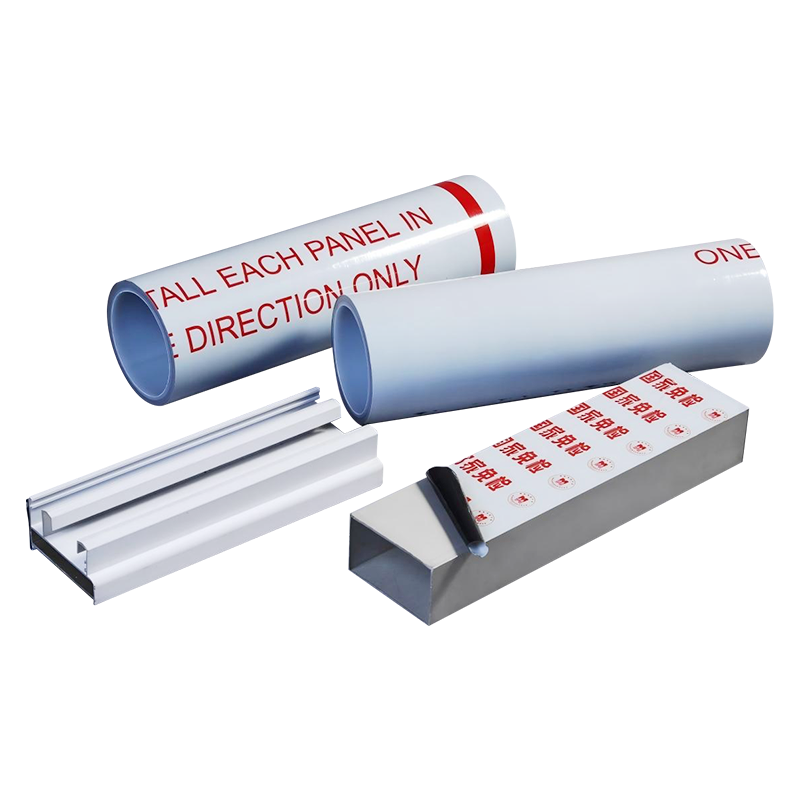 Protective Film for Aluminum Profiles and Coated AluminumDesigned for aluminum profiles, windows, doors, and coated plates, this film maintains grip during forming and resists outdoor exposure for up to 12 months. Its adhesive ensures easy application and residue-free removal.View Product →
Stainless steel and pre-painted metal raise the same questions in a different form. Mirror-polished stainless shows fingerprints, hairlines, and adhesive residue with almost no tolerance for error. Pre-painted coil can be damaged at the coating line, during cutting, or inside the truck. A cast protective film with a smooth carrier and controlled, low-adhesion peel is the standard defense. Confirming the removal performance after prolonged aging is what separates a film that works in production from one that only looks good on a sample sheet.
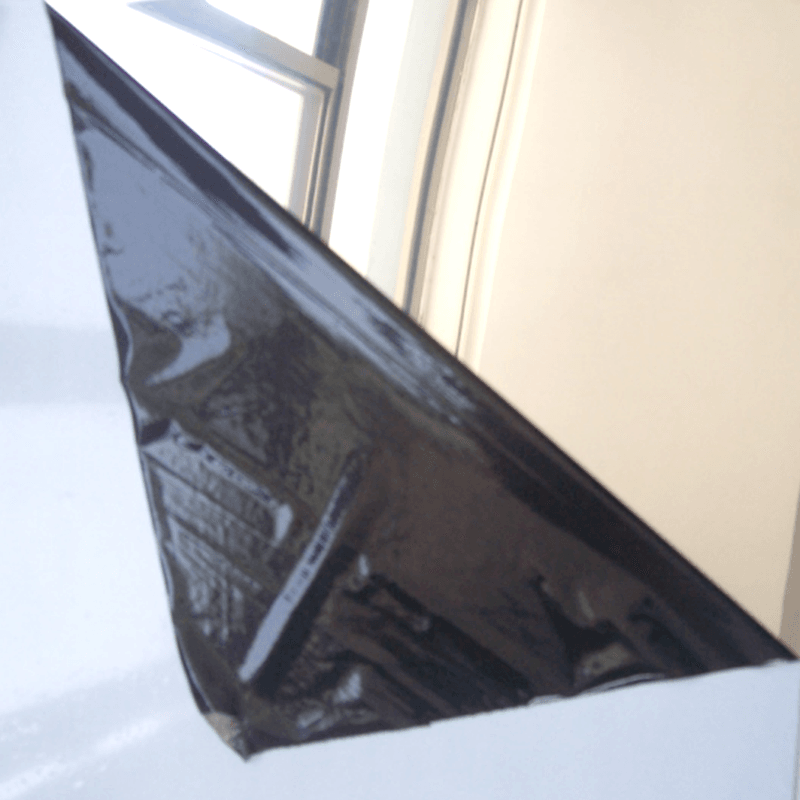 Protective Film for Stainless Steel and Mirrored Steel PlatesThis film protects polished stainless and colored steel from scratches and fingerprints during handling. With stable adhesion and UV resistance for six months, it removes without residue or ghost shadows, ideal for fabrication and transport.View Product →
In both cases, the practical test is not the initial tack but the film's behavior at the end of its service life. A protective film that is easy to remove after one day may become difficult after three months of exposure to heat, humidity, or ultraviolet light. The right supplier will confirm the expected removal window and adjust the formulation for the actual conditions on your line.
When protective film is bought through a trading intermediary, the factory's process knowledge rarely reaches the end user. When you work directly with the producer, the supplier can test formulations on your actual substrate, adjust the adhesive, and confirm the film's behavior under your bending or stamping conditions. That direct link also shortens the feedback loop when a new surface or a new coating changes the requirements.
Wuxi Qida Tape has manufactured and exported protective films since 2002, selling into Europe, North America, Australia, the Middle East, and Japan. Its portfolio covers glue-coated and coextruded self-adhesive films, along with surface protection fleece, sticky mats, and stretch films for the surrounding handling and packaging phases. For plants that work with several materials in different departments, a single supplier can be more practical than managing separate sources for every surface. An industrial surface shielding approach keeps the selection process and the quality responsibility in one place.
Cast film technology is not the only way to make a protective film, but it provides the consistency that fabricators can plan around. When you know what the film has to survive in the press brake, on the storage rack, and during transport, you can specify it with real confidence rather than guesswork.
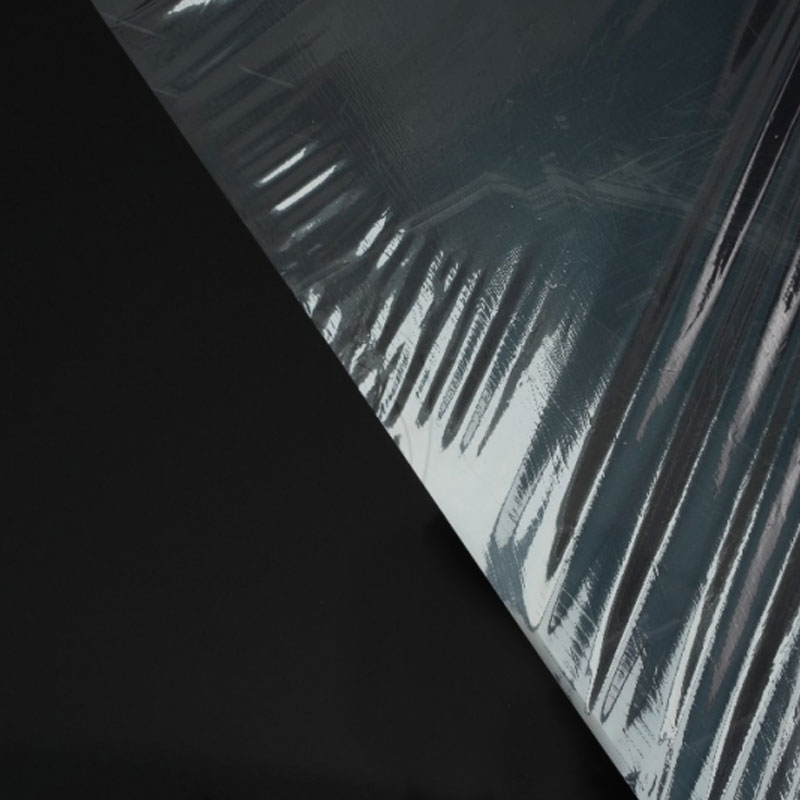
● No “ghost shadow” or “fish eye” after removal; ● Stable adhesion level; ● UV resistance for up to 6 months; ● Can print customized logo or applicati...
See Details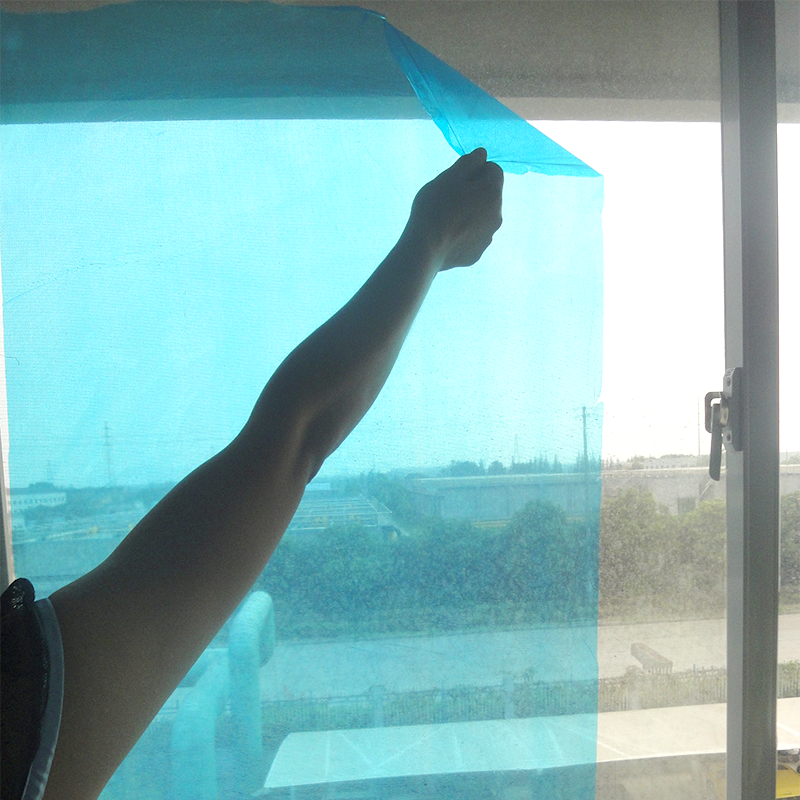
● Protect window glass against paint splatters, dirt, staining, and spillages during painting, building, plastering, tiling, general maintenance and r...
See Details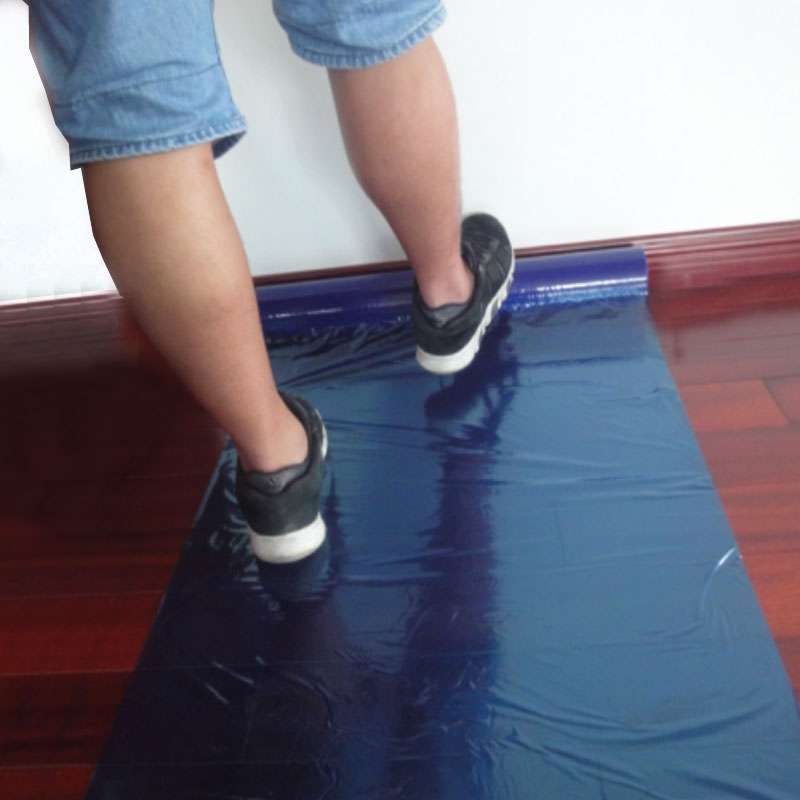
● Patented adhesive formula suits all hard surfaces such as hardwood floors, laminate floors, ceramic, marble, tile, granite, vinyl, worktops, and gla...
See Details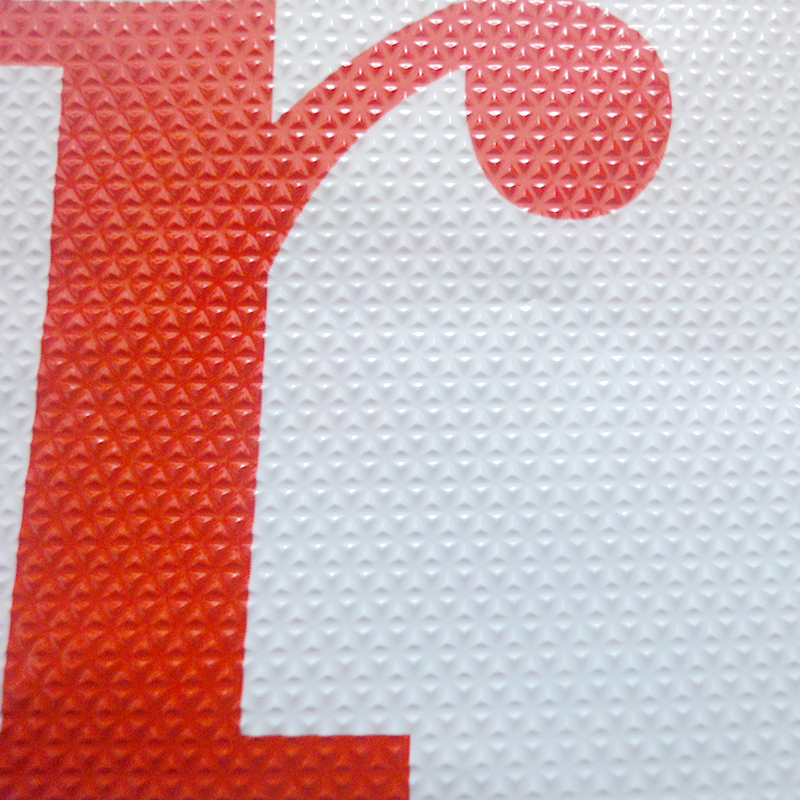
● Anti-slip; ● Embossed film surface to guarantee trip safety;● Tough puncture-resistant polyethylene film;● Can be coated with or without adhesive;● ...
See Details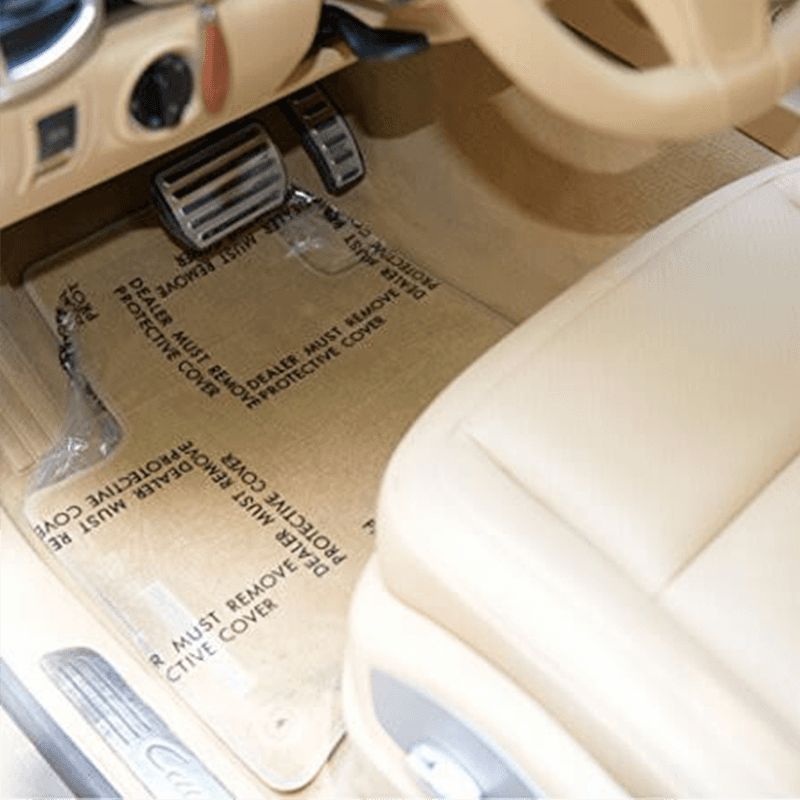
● Distance of each perforation die-cut ranges from 100mm to 1200mm;● Can peel off each die-cut piece of protective film at the perforated line easily;...
See Details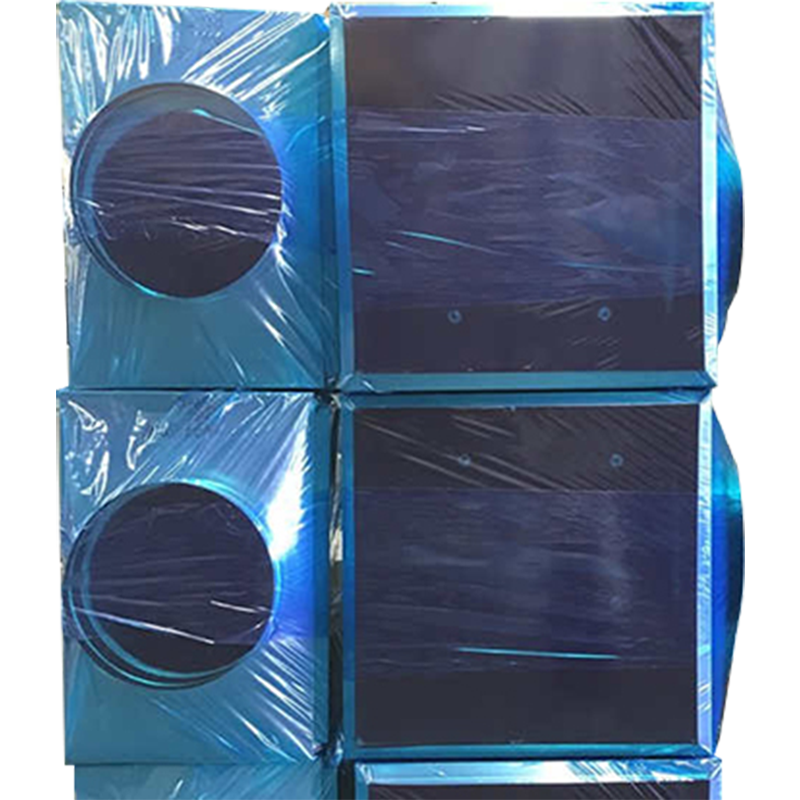
● The super-tough polyethylene film resists puncture and penetration by liquid and dirt during storage, transportation, and installation of the ductwo...
See Details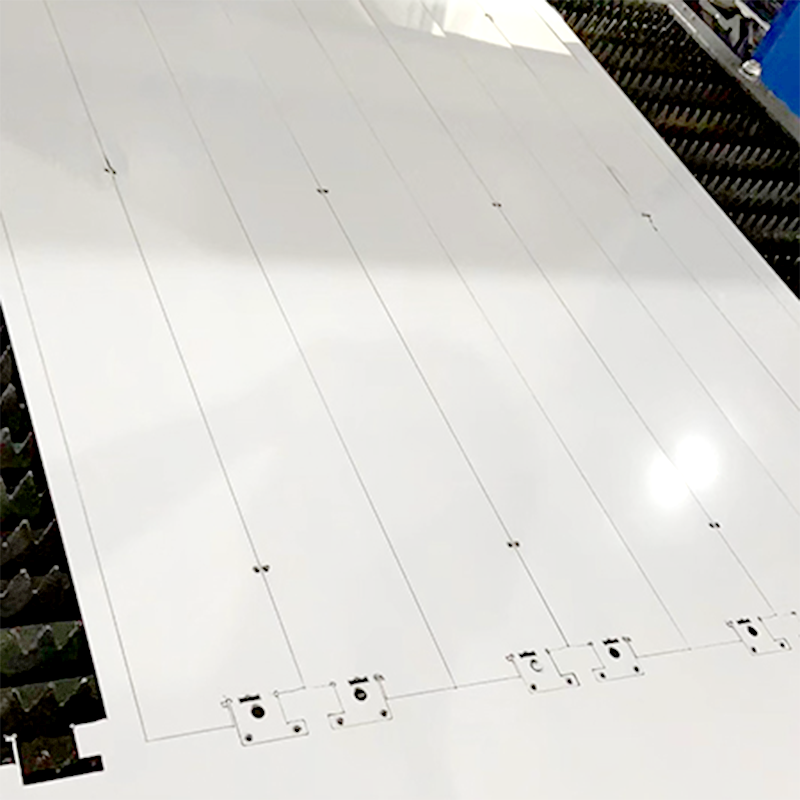
● The specially formulated natural rubber adhesive suitable for both CO2 and Fiber laser cutting processes;● High cutting quality without burr or trac...
See Details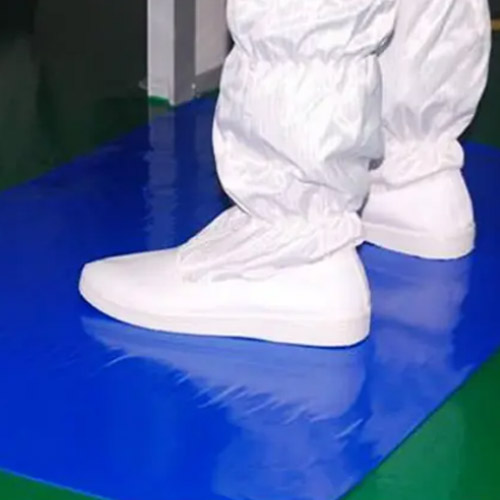
● Options for either 30 or 60 layers per mat; can be packed with four mats, eight mats, or ten mats per carton;● Remove dirt effect: ≥99.9% (5 steps);...
See Details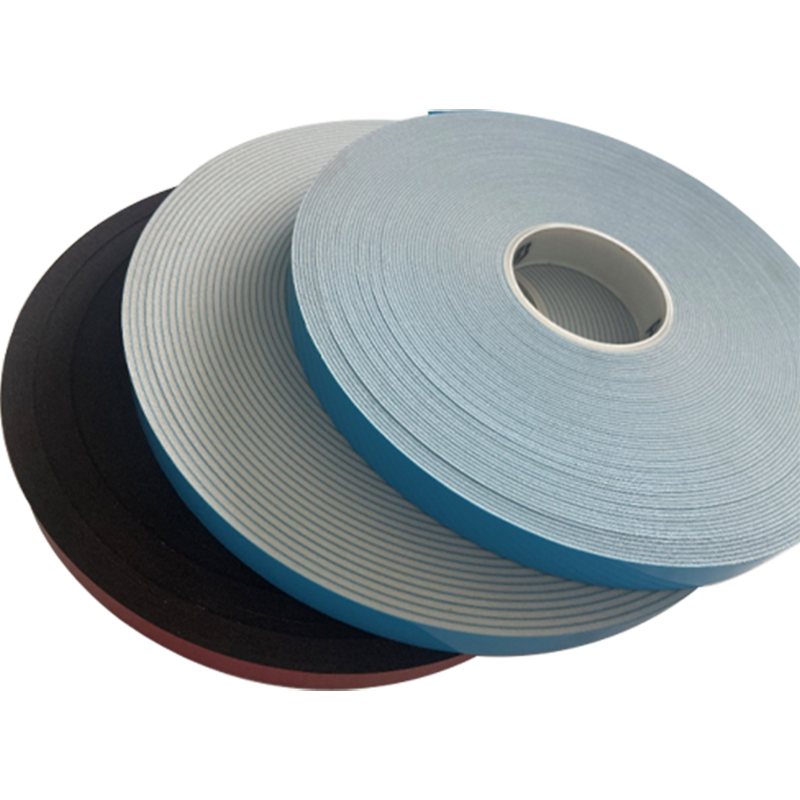
● Waterproof - the desirable material for waterproofing. ● Dust-proof - positive performance of dust prevention.● Low resilience - prevent the deforma...
See Details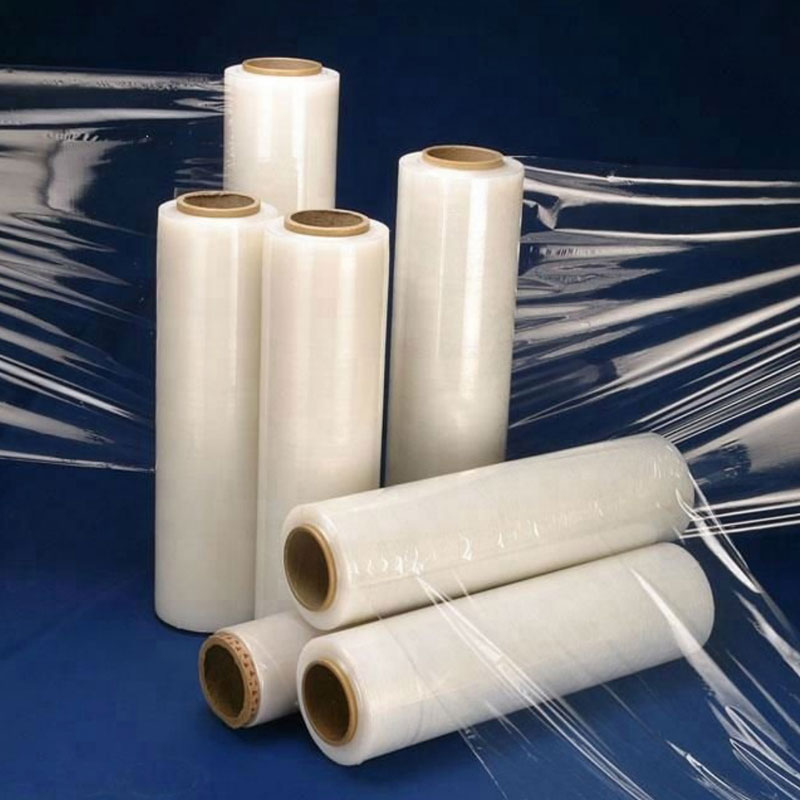
● Small roll size for convenient manual application;● Excellent puncture and tear resistance ; ● A self-adhering-each layer of film bonds to the next ...
See DetailsWe’re a reliable partner that shapes our expertise into success for your project.

Copyright 2024 Wuxi Qida Tape Co., Ltd. All Rights Reserved
 Wholesale Protective Film/Foil Manufacturers
Privacy
Wholesale Protective Film/Foil Manufacturers
Privacy