

 English
 English
 русский
 Français
 Español
 Português
 عربى
عربى
Cat:Glue -coated Protective Film
● No “ghost shadow” or “fish eye” after removal; ● Stable adhesion level; ● UV resistance for up to 6 months; ● Can print customized logo or applicati...
See Details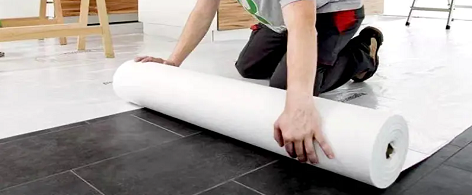
You just peeled a barcode sticker from a new plastic storage box, and the sticky smear left behind refuses to wash off. The same thing happens with tape on a lunchbox, a price label on a kids toy, or the residue left by a temporary protective film on a plastic component. That sticky layer is the leftover adhesive that was designed to grip a non-porous surface. Removing it from plastic requires a different approach than removing it from glass or metal, because the plastic itself is easily damaged. The strategy that works most consistently is to soften the adhesive first, then dissolve or lift it with a compatible solvent, and finally clean the surface with mild soap. Each step matters, and the order is designed to protect your plastic while leaving it clean.
Plastics are low-energy, smooth surfaces. This is exactly what makes adhesives adhere so well: the adhesive flows into microscopic irregularities and then cures into a tight bond. When you peel a label or tape, the bond does not break cleanly at the interface. Instead, a thin layer of adhesive remains on the plastic, often carried by the adhesive's own internal shear strength. If the adhesive is old, UV-exposed, or cross-linked, it becomes even harder to lift.
The material of the plastic also matters. Polycarbonate and acrylic are sensitive to many common solvents, while polyethylene and polypropylene are more resistant. A method that works on a PP cutting board can ruin an acrylic display sign. Before you reach for a bottle, check the plastic's recycling number or test a hidden spot first.
In manufacturing, plastic sheets, panels, and profiles often arrive with a protective film. If that film was chosen without considering the plastic's surface energy, the adhesive can transfer and leave residue. That is why the selection of a protective film is not only about scratch protection; it also determines how easily the film can be removed later. For companies that work with acrylic, PET, polycarbonate, or other plastic substrates, selecting a film specifically matched to those materials is the first line of defense against residue.
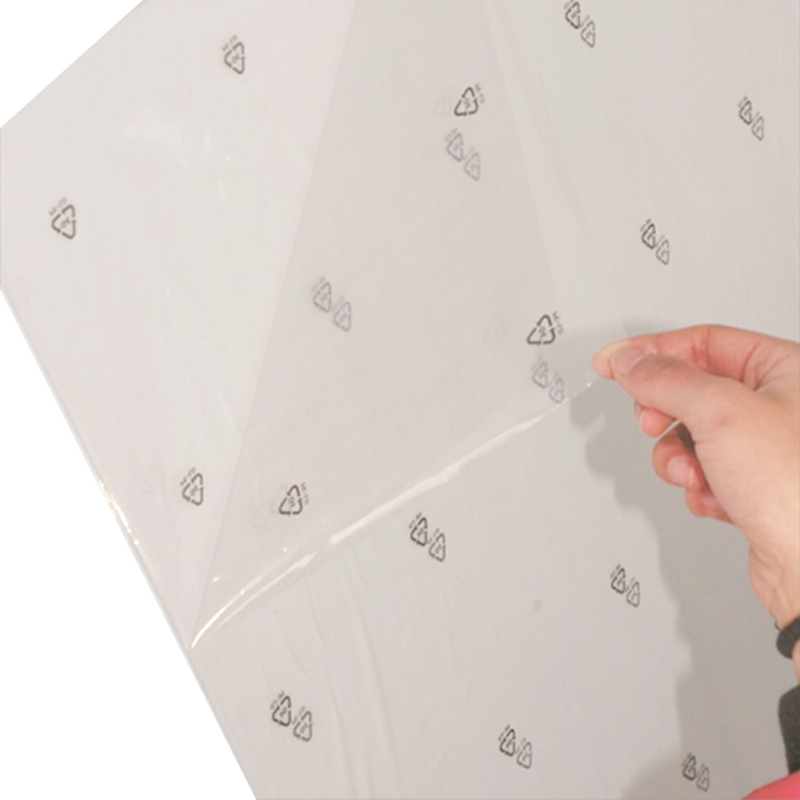 Protective Film for Acrylic, PET, and Polycarbonate SurfacesThis film is specially matched to plastic substrates to prevent adhesive residue. It offers easy peel-off without ghosting, surface damage, or curling, and withstands UV exposure for up to six months.View Product →
Heat is the least damaging way to break an adhesive bond. The goal is to soften the adhesive so that it loses its grip, not to melt the plastic. A hair dryer set to low heat, held 10–15 cm away, is enough for most stickers. Keep the dryer moving and test the plastic with a fingertip. If the surface is too hot to hold, it is too hot. For small items, soaking in hot water for a few minutes does the same job.
Once the adhesive is warm and pliable, use a plastic scraper, an old credit card, or your thumbnail to lift it. Start at the edge and push forward with gentle, consistent pressure. Avoid using a metal blade; it can gouge the plastic surface. This method is especially effective on tape residue and old label gum. For super glues and cyanoacrylates, heat can actually make things worse, so reserve this method for the common pressure-sensitive adhesives.
Temperature control is important. Most household plastics begin to warp when heated above 70°C (158°F). Keeping the hair dryer on its coolest setting and moving it rapidly keeps you well below that threshold.
After heat has relaxed the adhesive, a small amount of solvent can dissolve the leftover film. The table below summarizes common methods and their limits. Always test any solvent on an inconspicuous area first, and use the most diluted solution that will still remove the residue.
| Method | Best For | Watch Out For |
|---|---|---|
| White vinegar | Fresh sticker residue on food containers | Needs 15 minutes contact time; not effective on super glue |
| Isopropyl alcohol (70%+) | General adhesive and ink marks | Evaporates fast; can etch some acrylics if left too long |
| Baking soda + cooking oil | Gummy, sticky layers on most plastics | Rub gently; the soda is slightly abrasive |
| Acetone | Old, cross-linked adhesives | Bonds to polycarbonate and acrylic; never use on those |
| Fresh masking tape | Picking up small greasy smears | Press down firmly and lift quickly |
In practice, white vinegar is the safest first pick for plastic containers. It is mildly acidic and works on many light residues, but it may take 15–20 minutes to soften the adhesive. Isopropyl alcohol is more effective on harder residues, and it evaporates quickly, leaving no oily look. Baking soda mixed with cooking oil offers a gentle abrasive paste that is ideal for gummy, sticky films. Acetone is the strongest in the list and should be used only on plastics that are known to be resistant.
If the residue is from an industrial pressure-sensitive adhesive, the same chemistry that makes it stick also makes it sensitive to the film's adhesive formulation. For someone processing plastic sheets, picking a self-adhesive film with a controlled peel strength avoids the need for aggressive solvents in the first place.
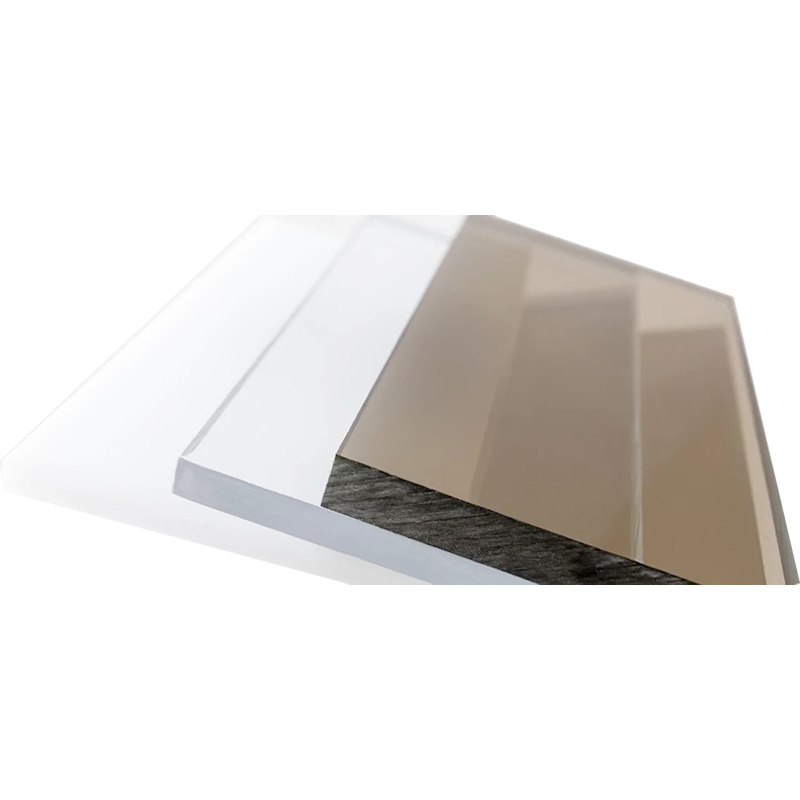 Co-extruded Self-Adhesive Film for Plastic FabricationDesigned for drilling, cutting, routing, and thermoforming, this film provides stable adhesion and easy removal. Its low-gel formulation prevents residue and protects plastic surfaces during post-fabrication operations.View Product →
Once the residue is softened, it can be lifted with a soft cloth or a non-abrasive sponge. For large areas, wrap a clean cloth around a plastic spatula and push gently across the surface. The key is to keep the cloth moving so that the residue rolls into the fabric rather than smearing across the plastic. A fresh piece of wide masking tape or packaging tape also works well for small sticky spots. Press the tape firmly onto the residue and pull it up in a quick, short motion. This transfers the residue away from the plastic without adding a solvent.
After the adhesive is gone, wash the plastic with warm water and a few drops of liquid dish soap. Dry it with a microfiber cloth. This final wash removes any oily film from the solvent or the oil-and-baking-soda paste. It also helps restore the original clarity of translucent plastics.
Some common cleaning shortcuts can damage plastic permanently. Knowing what to avoid is just as important as knowing which method to use.
When in doubt, start with warm soapy water. If that does not work, move to a mild solvent such as white vinegar or isopropyl alcohol. Test every new solvent on the underside of the item or on an innocent corner before applying it to the visible side.
The best way to deal with adhesive residue on plastic is to avoid it in the first place. In a production environment, this means choosing a temporary protective film that is compatible with the plastic surface. The film's adhesive needs to have the right tack and peel strength for the substrate. A film that is too aggressive will leave adhesive behind; one that is too weak will lift off during handling. That balance is exactly what a supplier with experience in plastic surface protection is able to provide.
For example, when you are manufacturing or storing acrylic, PET, or polycarbonate parts, a film engineered for those materials will peel cleanly after the part is formed, cut, or transported. This is a more efficient way to manage surface quality than having a cleanup step in the process. The same logic applies to multi-material operations where one protective film is used across metal, laminate, and plastic components. A multipurpose film can simplify inventory while still preventing adhesive transfer.
You can read a more detailed analysis of adhesive protective films to understand the technical differences. If your application involves plastic sheets specifically, this dedicated guide explains how to select the right temporary protection.
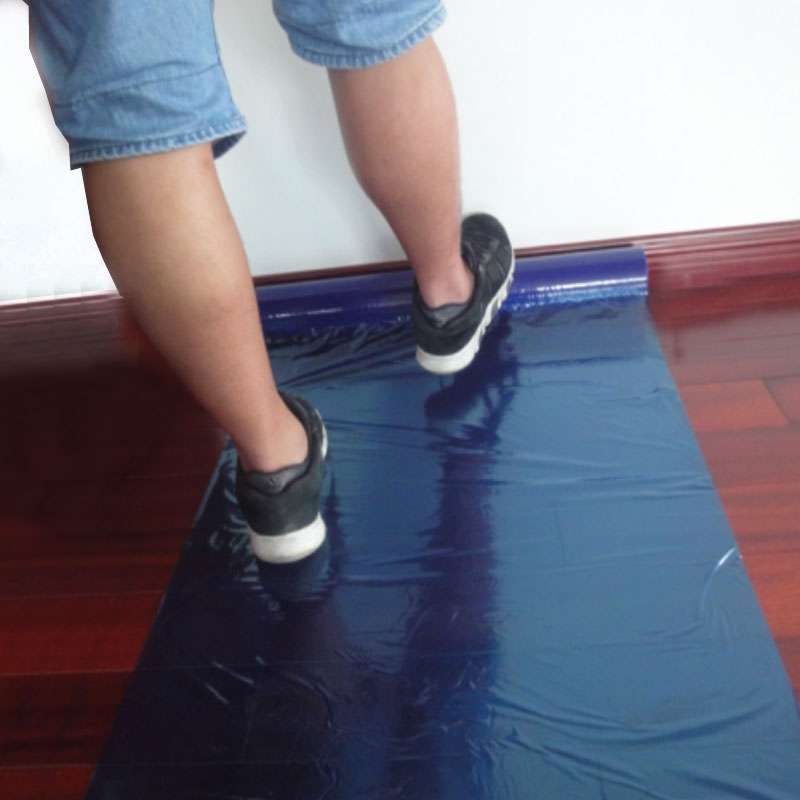 Multi-Purpose Protective Film for Hard SurfacesThis heavy-duty film shields hardwood, ceramic, laminate, vinyl, and worktops during painting or remodeling. Its patented adhesive peels off cleanly without residue, protecting surfaces from scratches, paint, and liquid damage.View Product →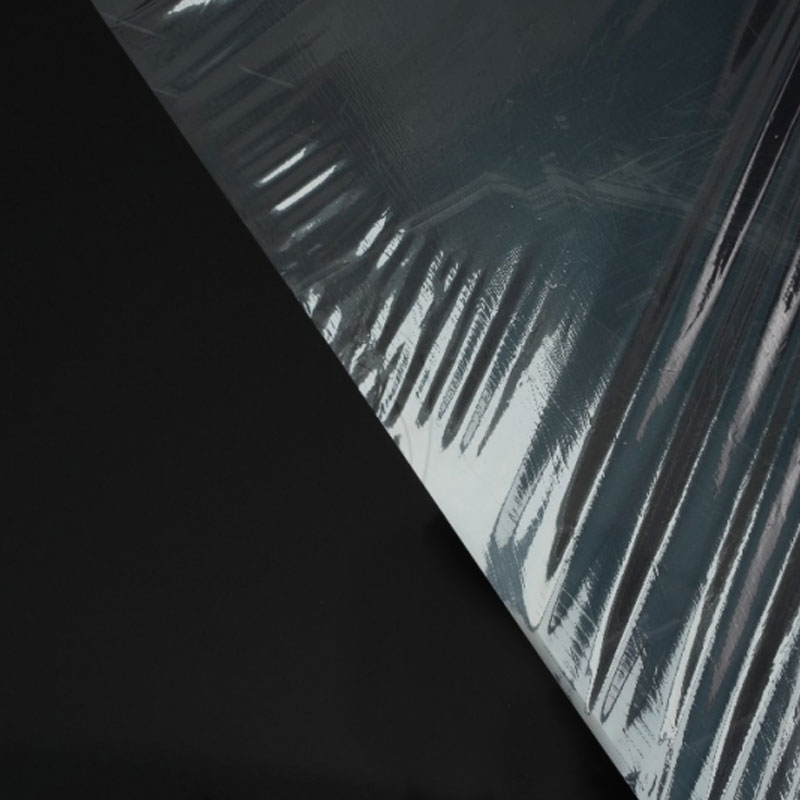
● No “ghost shadow” or “fish eye” after removal; ● Stable adhesion level; ● UV resistance for up to 6 months; ● Can print customized logo or applicati...
See Details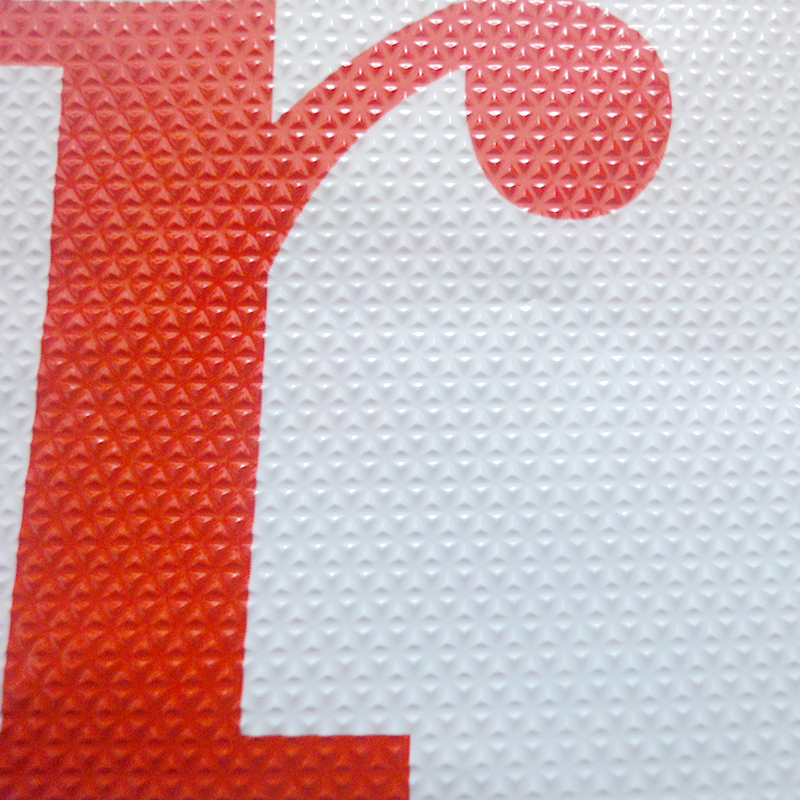
● Anti-slip; ● Embossed film surface to guarantee trip safety;● Tough puncture-resistant polyethylene film;● Can be coated with or without adhesive;● ...
See Details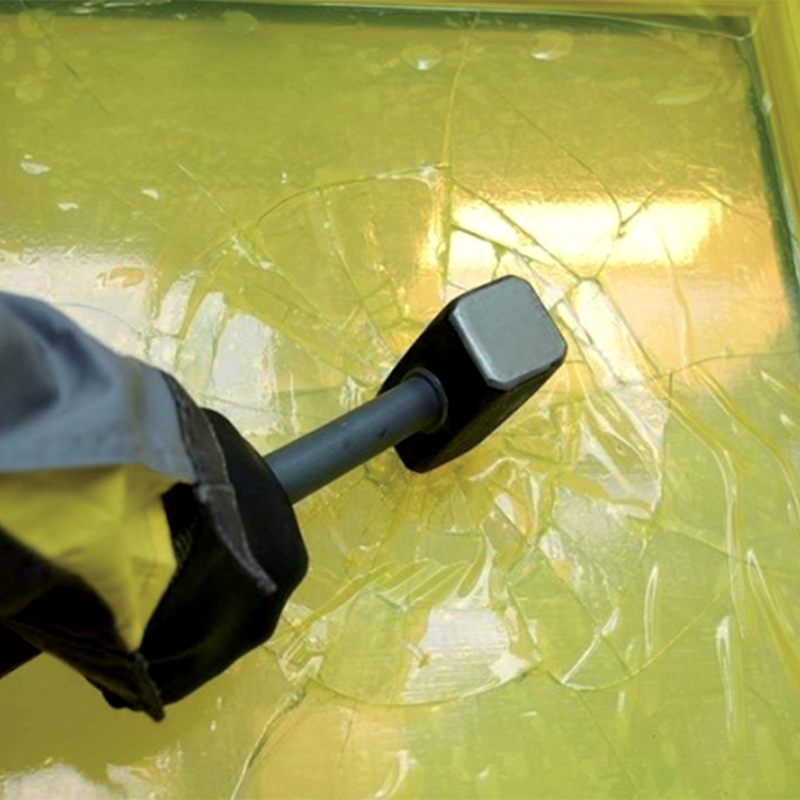
● The super tough polyethylene film with super high adhesion can stop the glass splitting and falling off during window glass demolition process;● Non...
See Details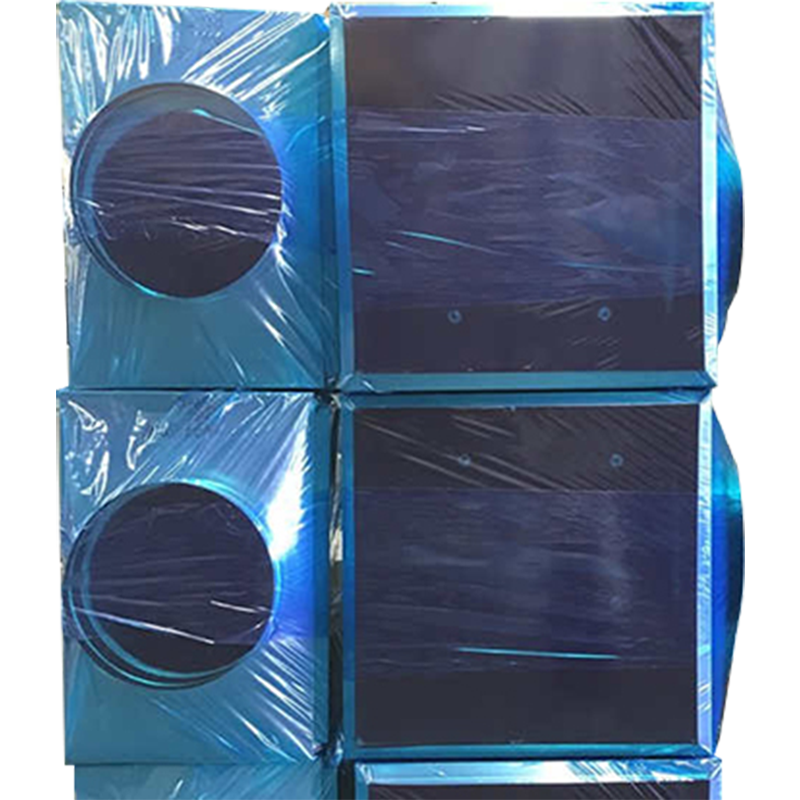
● The super-tough polyethylene film resists puncture and penetration by liquid and dirt during storage, transportation, and installation of the ductwo...
See Details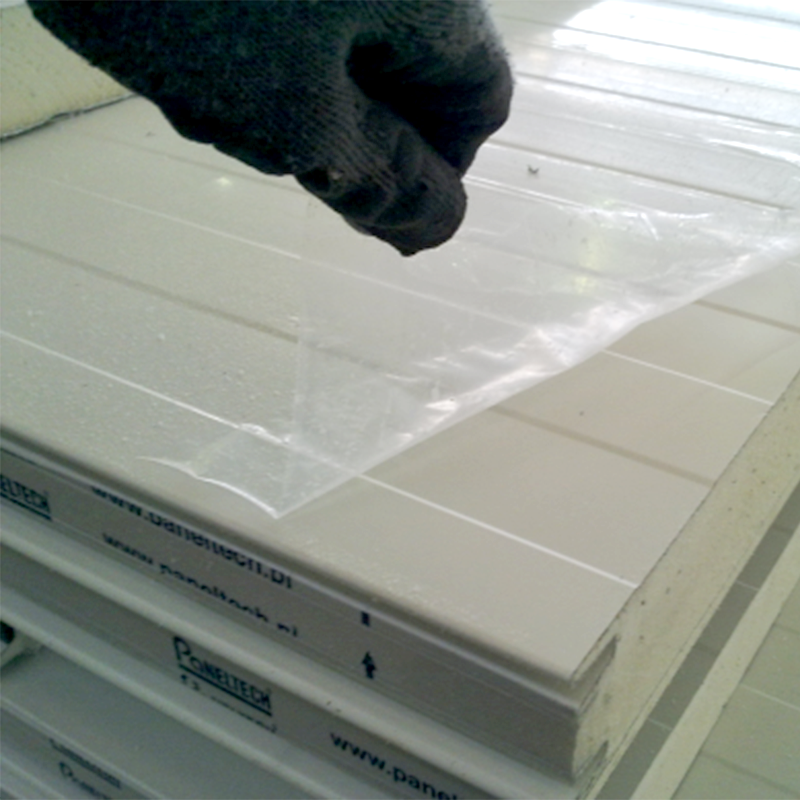
● The specially formulated adhesive ensures easy application and removal without leaving residue glue on the sandwich panels; ● The super-tough polyet...
See Details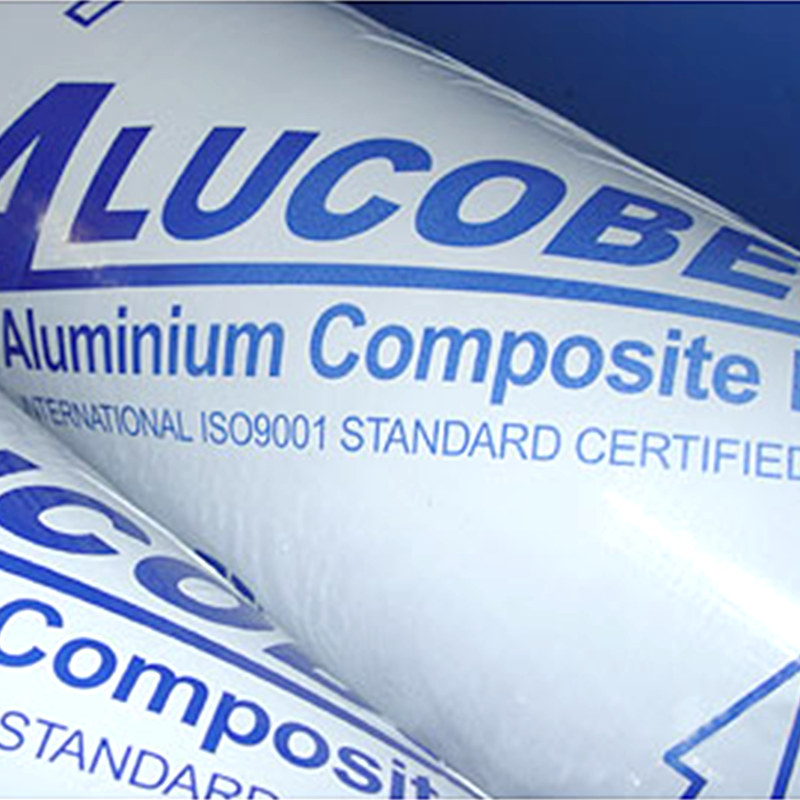
● The specially formulated adhesive ensures easy application and removal without leaving residue glue; ● The super-tough polyethylene film protects ag...
See Details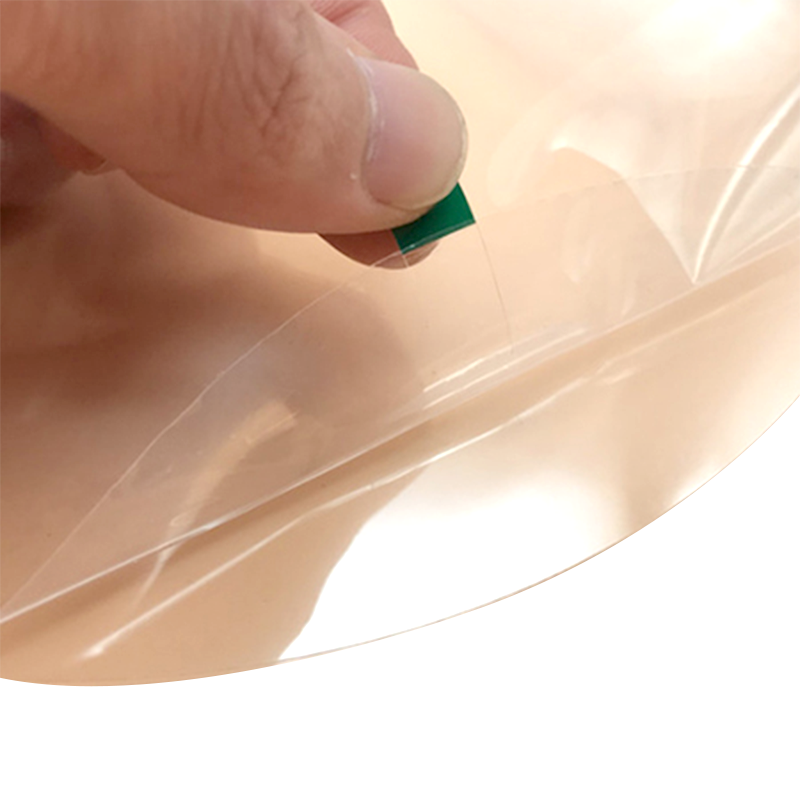
● Suitable for plastic sheets’ drilling, cutting, routing, thermoforming, bending, or post-fabrication operations;● No “ghost shadow” or “fish eye” af...
See Details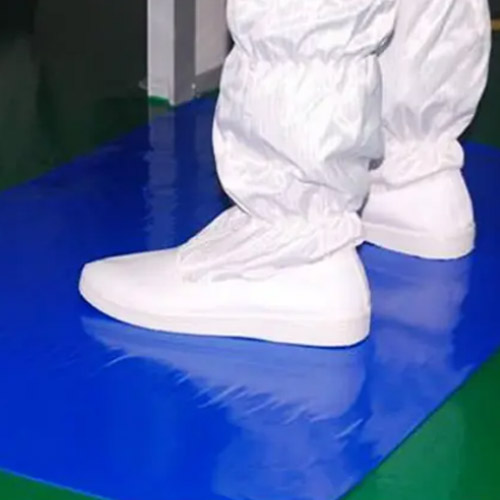
● Options for either 30 or 60 layers per mat; can be packed with four mats, eight mats, or ten mats per carton;● Remove dirt effect: ≥99.9% (5 steps);...
See Details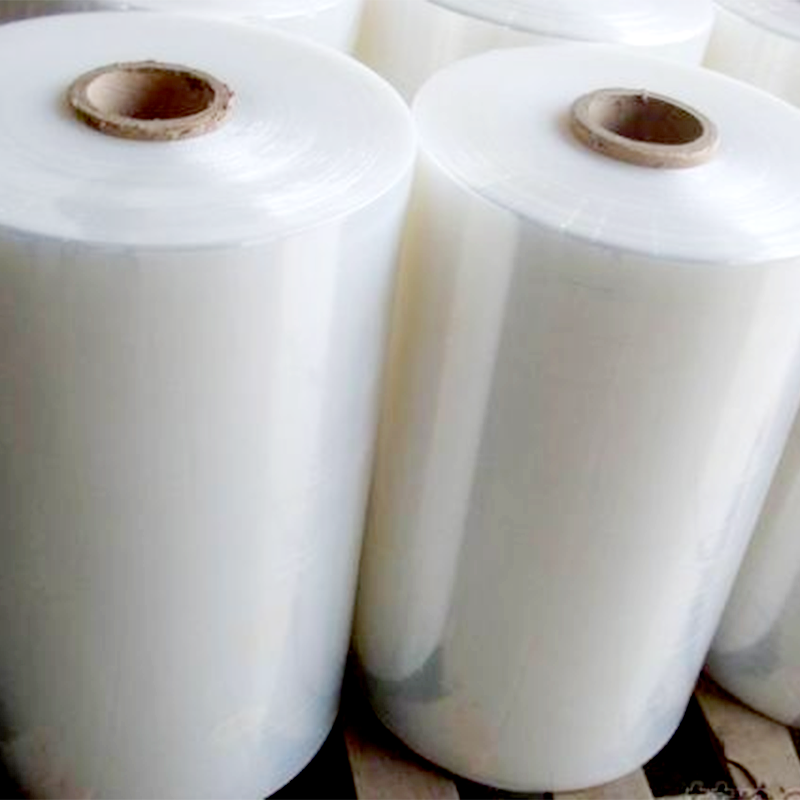
● Excellent puncture and tear resistance; ● Self-adhering-each layer of film bonds to the next for added strength; ● Big roll size to save cost and re...
See Details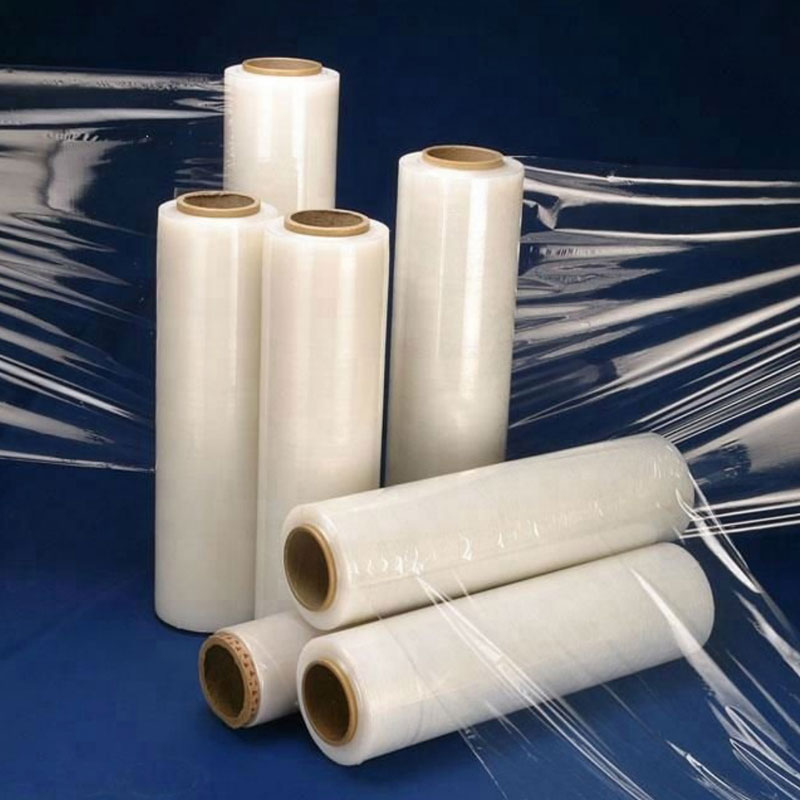
● Small roll size for convenient manual application;● Excellent puncture and tear resistance ; ● A self-adhering-each layer of film bonds to the next ...
See DetailsWe’re a reliable partner that shapes our expertise into success for your project.

Copyright 2024 Wuxi Qida Tape Co., Ltd. All Rights Reserved
 Wholesale Protective Film/Foil Manufacturers
Privacy
Wholesale Protective Film/Foil Manufacturers
Privacy