

 English

 English
 русский
 Français
 Español
 Português
 عربى

Cat:Glue -coated Protective Film
● Protect window glass against paint splatters, dirt, staining, and spillages during painting, building, plastering, tiling, general maintenance and r...
See Details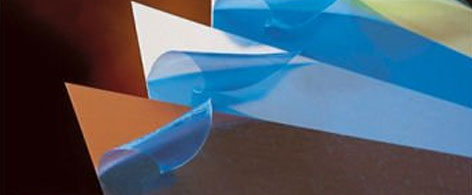
Plastic wrap is one of the most handled and least examined materials in modern life. It stretches over a bowl, clings to the rim, turns translucent under a kitchen light, and lands in the bin within a day. Yet the question of what plastic wrap is made of has a genuinely interesting answer, because the film stretched across last night's leftovers and the film protecting a brushed stainless steel panel on a production line often begin with the same family of polymers.
This guide walks through the base polymers, the additives that make them behave the way they do, how a pellet of resin becomes a thin transparent sheet, and what all of that means in practice — whether you are wrapping a sandwich or specifying a protective film for a few hundred tonnes of coated aluminium.
Most household plastic wrap sold today is made from low-density polyethylene (LDPE), usually blended with a portion of linear low-density polyethylene (LLDPE). The LDPE brings softness, clarity and a low melting point that seals easily; the LLDPE adds tensile strength and resistance to punctures and tears. Together they produce a film typically 10 to 20 micrometres thick, transparent, chemically inert, and an excellent barrier to water vapour — though a fairly poor barrier to oxygen.
A smaller share of the market still uses polyvinyl chloride (PVC) or polyvinylidene chloride (PVDC). PVC wrap clings more aggressively and blocks oxygen better, but it must be softened with plasticizers, and that is the root of most of the health discussion around cling film. PVDC delivers the best combined oxygen and moisture barrier of the three and was the original chemistry behind the best-known household cling films, before most of that business moved to polyethylene.
On top of the base polymer, a finished roll usually carries one to five percent of additives by weight: slip agents, anti-block particles, cling promoters, antioxidants and sometimes UV stabilizers. Those small percentages are what separate a film that behaves beautifully from one that fights you every time you try to tear it off the roll.
The table below is a practical reference rather than a chemistry lecture. Read it as a map of trade-offs: every polymer that makes a good wrap gives something up in exchange for the property it is chosen for.
| Polymer | What it contributes | How it clings | Where you still see it | Trade-offs |
|---|---|---|---|---|
| LDPE | Softness, clarity, moisture barrier, easy heat sealing | Light pressure, static, cling additives | Household wrap, bags, carrier layer of protective films | Softens around 105–115 °C; weak oxygen barrier |
| LLDPE | Tensile strength, puncture and tear resistance | Blends with LDPE; relies on the same additives | Stretch wrap, heavy-duty wrap, pallet film | Less transparent; stiffer feel |
| PVC | Very tight cling, good oxygen barrier, high stretch | Plasticizer at the surface creates tack | Food-service and retail wrap in some regions | Plasticizer migration into fatty foods; chlorine content; harder to recycle |
| PVDC | Excellent oxygen and moisture barrier | High crystallinity gives a tight, springy cling | Specialty food wrap, casings, high-barrier packaging | Higher cost; chlorine content raises end-of-life questions |
| PLA and starch blends | Compostability claims, bio-based feedstock | Usually minimal or none | Niche and premium retail wrap | Needs industrial composting; shorter shelf life; higher cost |
One clarification that saves a lot of confusion: "plastic wrap" is used for two different products. The thin cling film in a kitchen drawer is a consumer item. The stretch film wrapped around a pallet, and the protective film applied to a metal or glass surface before transport, are industrial films made from the same polyethylene family but engineered for completely different jobs.
The manufacturing route matters because it explains the properties you feel in your hands. Here is the sequence in plain terms.
If the base polymer is the skeleton, the additives are the nervous system. They are used in tiny amounts, yet they decide whether a film slides off the roll smoothly, whether it fogs, and whether it still clings after a week in the fridge.
Fatty amides such as erucamide migrate to the surface and lower friction, so the film unwinds without dragging and layers slide apart instead of blocking.
Fine silica or mineral particles create microscopic bumps that stop two smooth film surfaces from welding together under pressure on the roll.
Polyisobutylene and similar low-molecular-weight tackifiers bloom to the surface and provide the gentle stickiness that makes wrap cling to itself and to a bowl.
Hindered phenols and phosphites protect the polymer chain from thermal and oxidative breakdown during extrusion, and slow ageing in storage.
Essential for outdoor applications. A film that protects a façade or a boat hull for months needs UV absorbers that a kitchen roll does not.
Used specifically in PVC wrap to reduce stiffness. They also supply the cling, which is precisely why migration into fatty food has been studied so closely.
Surfactants that stop water droplets beading on the film, keeping visibility clear over fresh produce and chilled display cases.
Used where the film must block light or signal a function — a white backing layer, a coloured film that distinguishes coated from uncoated surfaces on a line.
Cling is not glue, and it is not wax. Three effects work together, which is why the same film can grip a ceramic bowl firmly and refuse to stick to a wet plate.
The first is surface tack from additives. Polyisobutylene or a PVC plasticizer migrates to the film surface over the hours after extrusion, forming an invisible, slightly sticky layer at the molecular scale. The second is static charge. Peeling film off a roll separates charged surfaces, and the resulting electrostatic attraction pulls the film toward itself and toward dry, insulating surfaces. The third is intimate contact. Polyethylene is soft and compliant, so it wets a smooth surface on a microscopic level and is held by weak van der Waals forces plus whatever pressure you apply with your hand.
Water, flour and dust all break that contact. A wet bowl interrupts the close surface-to-surface interaction, and a dusty panel reduces the effective contact area. This is why the film that clings perfectly to a clean glass rim slides off a damp one — and why industrial films are specified with a measured peel adhesion rather than an intuitive sense of "stickiness".
Household cling film was originally built on PVC and PVDC. Both cling superbly and both block oxygen well, which is why they suited fatty foods that go rancid quickly. The complication is that PVC must contain roughly 10 to 30 percent plasticizer to be flexible at all, and plasticizers are small molecules that can migrate into food, particularly fatty food, particularly when warmed.
Regulators in several markets tightened the rules on certain plasticizers in food-contact applications, and several manufacturers reformulated or moved their consumer wrap to polyethylene. PVC cling film has not disappeared — it remains common in parts of Europe and in professional kitchens — but it now shares the shelf with PE alternatives. PVDC, meanwhile, retreated largely because of cost and because its chlorine content complicates end-of-life handling.
The honest framing is a trade-off rather than a villain and a hero. Polyethylene needs no plasticizer, has a long-established food-contact record and melts at a relatively low temperature, which makes it simple to process. In exchange, it clings less aggressively and lets more oxygen through than PVC or PVDC. For most domestic uses that is a good bargain; for a high-fat, oxygen-sensitive product on a long shelf life, it may not be.
Density rarely appears on a consumer pack, but it drives cost and material use more than almost any other property. Polyethylene is light for a plastic; PVC and PVDC are considerably denser. Because a film's area per kilogram is inversely proportional to density at a given thickness, a lower-density polymer gives you more coverage from the same mass.
Typical density in grams per cubic centimetre. Individual grades vary; the figures illustrate the relationship rather than define a specification.
Put a number on it: at a 12 micrometre thickness, one kilogram of LDPE yields roughly 90 square metres of film, while one kilogram of PVC yields roughly 60. That is half again as much coverage from the same weight of material, before any conversation about recycling or plasticizer content begins. It is also why polyethylene dominates the high-volume end of the market, from kitchen wrap to pallet stretch film to industrial surface protection.
The same polyethylene technology that makes cling film also makes the temporary protective films applied to metal, glass, plastic sheet and decorative laminates before forming, transport and installation. The chemistry is familiar; the requirements are far stricter. A protective film may sit on a surface for months, survive bending, stamping, laser cutting, outdoor storage and shipping, and then have to peel away cleanly with no residue and no ghosting — a standard no kitchen wrap was ever designed to meet.
Industrial films are usually built as a carrier layer plus an adhesive system, and the adhesive choice does most of the work. Acrylic adhesives offer predictable, low-residue peel and age well, which suits stainless steel, aluminium profiles, coated coil and architectural glass. Rubber-based systems deliver a higher initial grip for demanding handling but need more care where long-term residue matters. A third route removes the adhesive layer altogether: coextruded films bond a tacky skin layer to a structural core during extrusion, so there is nothing to migrate and nothing to leave behind. Our glue-coated protective films and self-adhesive protective films cover both approaches.
Thickness is the other major difference. A cling film at 12 micrometres is a barrier against air and moisture; a protective film at 40 to 100 micrometres is a physical shield against abrasion, impact and swarf. Where the surface is a mirror-polished stainless panel, the film also has to resist the pressure of roller forming without imprinting its own texture onto the finish.
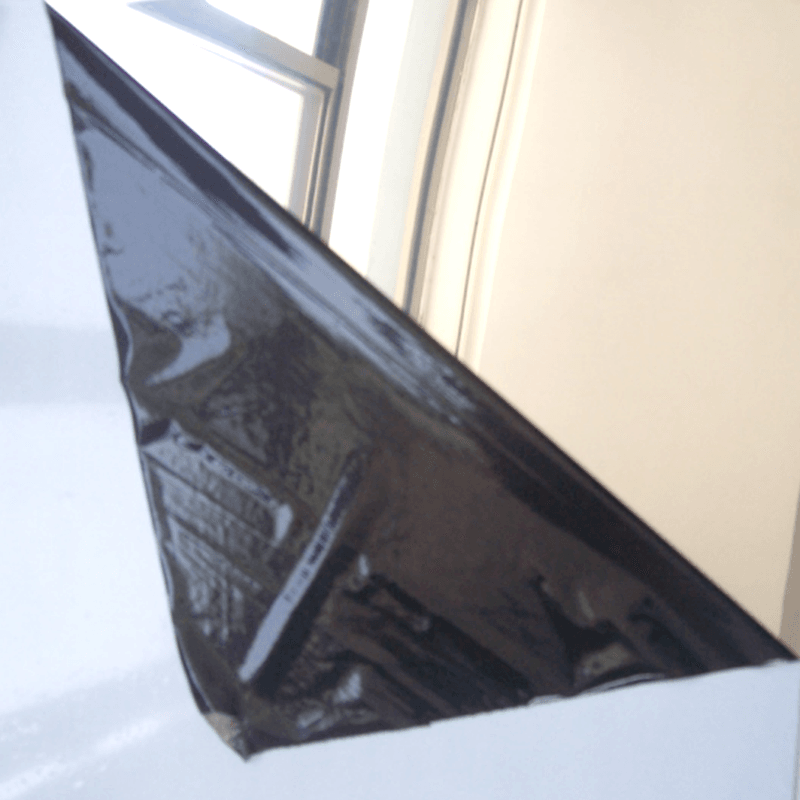 Protective Film for Stainless, Colored and Mirrored SteelA 30–80 µm glue-coated film with stable adhesion and clean removal, suited to protecting decorative steel through bending, roll forming and transport.View Product →
For brushed, mirrored and coloured stainless steel, the failure mode is almost always cosmetic: a scuff from a roller, a fingerprint etched in by humidity, a haze left behind after peeling. Adhesion has to be strong enough to hold through bending and weak enough to release without pulling at the surface. That balance is what separates a film specified for decorative steel from a general-purpose one.
Aluminium brings its own requirements. Profiles and coated coil are frequently stored outdoors or in unheated sheds, so the film must hold through temperature swings and sunlight without the adhesive cross-linking into something that will not peel. Coated and powder-coated surfaces are more delicate still, because the coating itself can be softened or marked by an aggressive adhesive.
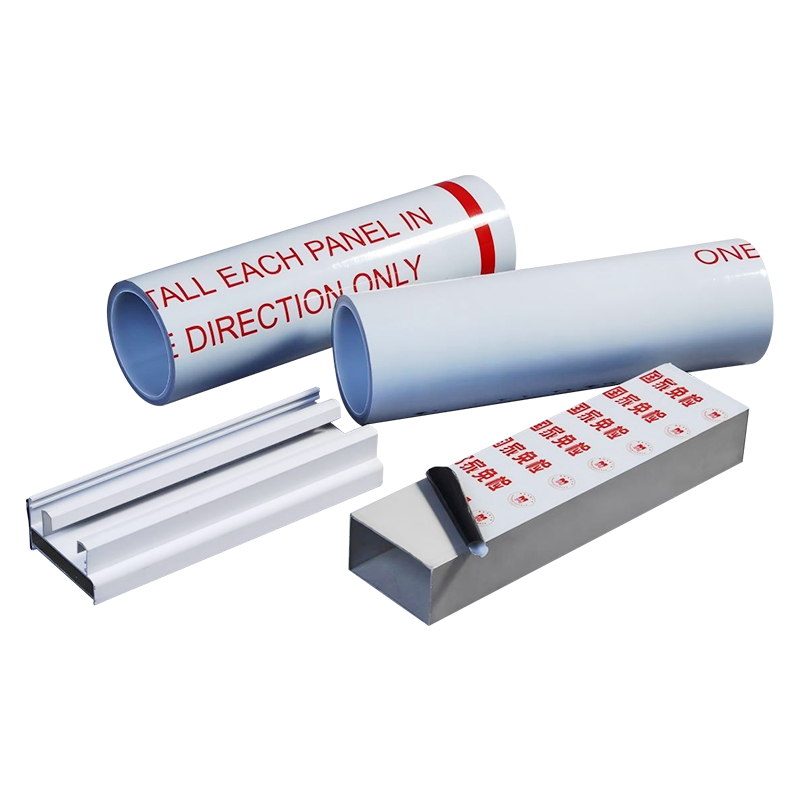 Protective Film for Aluminum Profiles, Windows and Coated PlatesA 50–120 µm film with high adhesion and up to 12 months UV resistance for aluminum profiles and coated panels exposed outdoors.View Product →
Where a clean peel is critical and the surface is sensitive — high-gloss laminate, polished plastic sheet, coated panels — a coextruded construction is often the safer specification, because the tack comes from the polymer skin rather than from a coated adhesive.
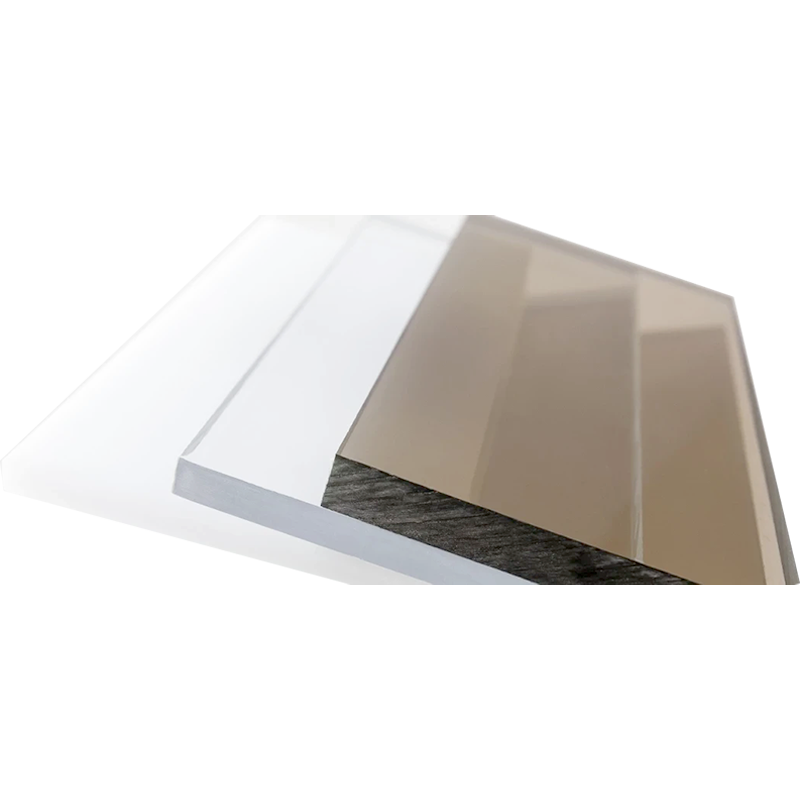 Co-extruded Protective Film for Plastic Sheets and Sensitive SurfacesA low-adhesion co-extruded film for acrylic, polycarbonate and other plastic sheets, offering clean peel and up to 6 months UV resistance.View Product →
Whether you are comparing kitchen wrap or a protective film for an aluminium extrusion line, the same handful of numbers tells most of the story. The table below explains what each one actually means in use.
| Property | Typical unit | What it tells you | Why it matters in practice |
|---|---|---|---|
| Thickness | micrometres | Material mass and physical shielding | Thin film saves cost; thick film survives abrasion and forming |
| Peel adhesion | g/25 mm | How firmly the film grips the surface | Too low and edges lift; too high and removal is slow or damaging |
| Tensile strength | MPa | Load the film carries before breaking | Predicts whether it survives machine application and stretching |
| Elongation at break | % | How far it stretches before failing | High elongation suits bending and deep drawing; low elongation suits clean cutting |
| Haze | % | Optical clarity | Matters when you must inspect a surface without removing the film |
| Ageing and residue | % retention, pass/fail | Behaviour after weeks or months in place | The single most common cause of complaints in industrial applications |
| UV resistance | hours or months | Outdoor service life | Determines whether the film is suitable for site storage |
There is no universal film, and a specification that works beautifully on one substrate can fail badly on another. The cards below summarise the practical logic for the surfaces we see most often.
Priority is a residue-free peel after forming and storage. Moderate adhesion, good tensile strength and reliable ageing behaviour matter more than initial grip.
Weather resistance and clean removal after outdoor storage are the deciding factors, along with adhesion that holds through bending and transport.
The film protects against breakage scatter and site damage, so tear resistance and controlled adhesion on a smooth, non-porous surface lead the specification.
Sensitive substrates need low-tack systems. Solvent-based adhesives can stress-craze some plastics, so acrylic or coextruded films are usually safer.
The coating is the vulnerable layer. Adhesion must be gentle enough not to lift or mark it, especially when cured coatings are still relatively fresh.
Different job entirely: impact and dirt protection with high tear resistance, plus an adhesive that releases from fibre and finished floor without leaving tack.
Cling film contains no wax. The tack comes from polymer chemistry and additives. Wax paper is an entirely different product with a paper base.
Most modern wrap is LDPE or an LDPE/LLDPE blend, with no plasticizer and no coating. That is why it is inert and food-safe by design.
LDPE softens around 105–115 °C. Even microwave-rated films should not touch the food directly, and high-fat food can exceed the film's tolerance.
Use film only when the packaging says it is suitable for reheating, leave a gap for steam, and pierce or lift one corner so pressure can escape.
Thin film tangles sorting equipment, so most kerbside programmes reject it. Store drop-off schemes for PE film exist in some regions.
Rinse off food residue, dry the film and keep it together with other PE film. Contaminated wrap contaminates the whole stream.
On a protective film, excess thickness can increase peel force and leave more adhesive behind. Fit for purpose beats brute force.
Forming, laser cutting and transport each stress the film differently. Specification should follow the process route, not a rule of thumb.
Most household plastic wrap is made from low-density polyethylene, often blended with linear low-density polyethylene, plus small amounts of additives such as slip agents, anti-block particles and cling promoters. Some markets still use PVC film softened with plasticizers, or high-barrier PVDC film.
It depends on the market and the product. Polyethylene dominates in North America and in most new product development, while PVC cling film remains common in parts of Europe and in professional food service. The polymer is usually identified on the packaging or in the manufacturer's declaration of compliance.
BPA is used in polycarbonate and in some epoxy coatings, not in polyethylene cling film. The additive conversation around wrap has centred far more on plasticizers in PVC film than on bisphenol A.
Film sold for food use is manufactured to comply with food-contact regulations, which cover the base polymer and every additive in it. Problems usually arise from misuse rather than the material itself — for example, using a film beyond its temperature limits or letting it contact fatty food directly during heating.
Only film explicitly labelled for microwave use, and even then it should not touch the food. Polyethylene softens at around 105–115 °C, and fats can reach far higher temperatures than water-based food, so a small gap and a vented corner matter.
Technically yes, practically not usually through kerbside collection, because thin film jams sorting machinery. Store drop-off points for polyethylene film accept clean, dry material in some regions, and industrial protective film offcuts are often collected separately.
Mostly polylactic acid derived from corn or sugarcane starch, or blends of PLA with PBAT and starch. These films typically compost only in industrial conditions, lose strength faster in storage, and cling noticeably less than polyethylene.
The cling comes from surface tack, static charge and very close molecular contact. A film of water between the wrap and the bowl interrupts that contact, so the wrap slides instead of gripping. The same principle explains why dust and oil reduce adhesion on industrial surfaces.
Both are usually polyethylene, but stretch film is formulated for high elongation and load containment on pallets, while household wrap is formulated for clarity, food contact and gentle cling. Industrial protective film is a third category, built with an adhesive or tacky skin layer and specified for clean removal from finished surfaces.

● Protect window glass against paint splatters, dirt, staining, and spillages during painting, building, plastering, tiling, general maintenance and r...
See Details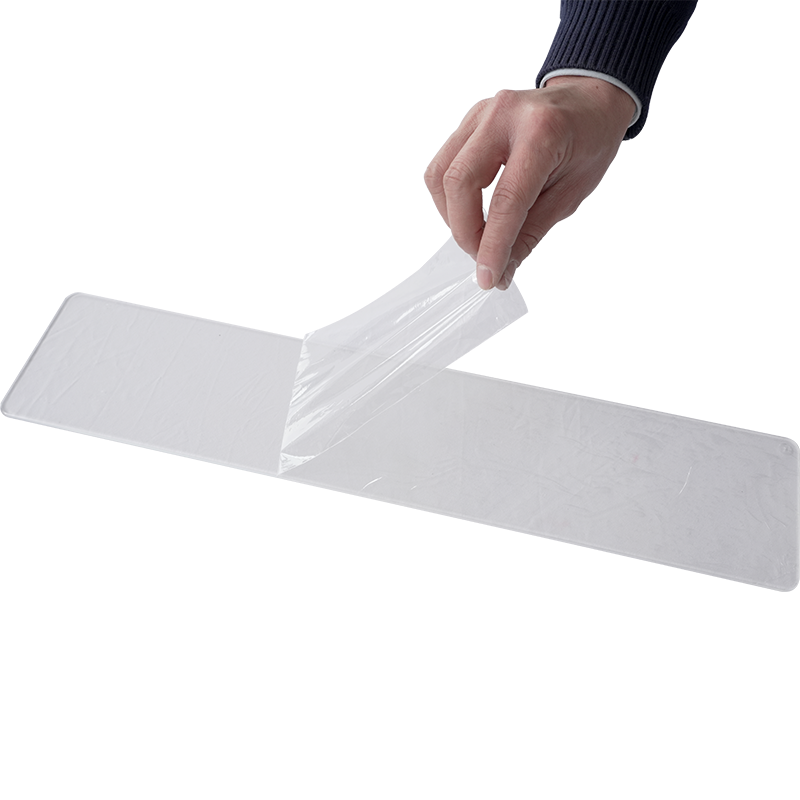
● No “ghost shadow” or “fish eye” after removal; ● Low gel content, soft and stable adhesion plus easy-peel removal with no surface damage or curling;...
See Details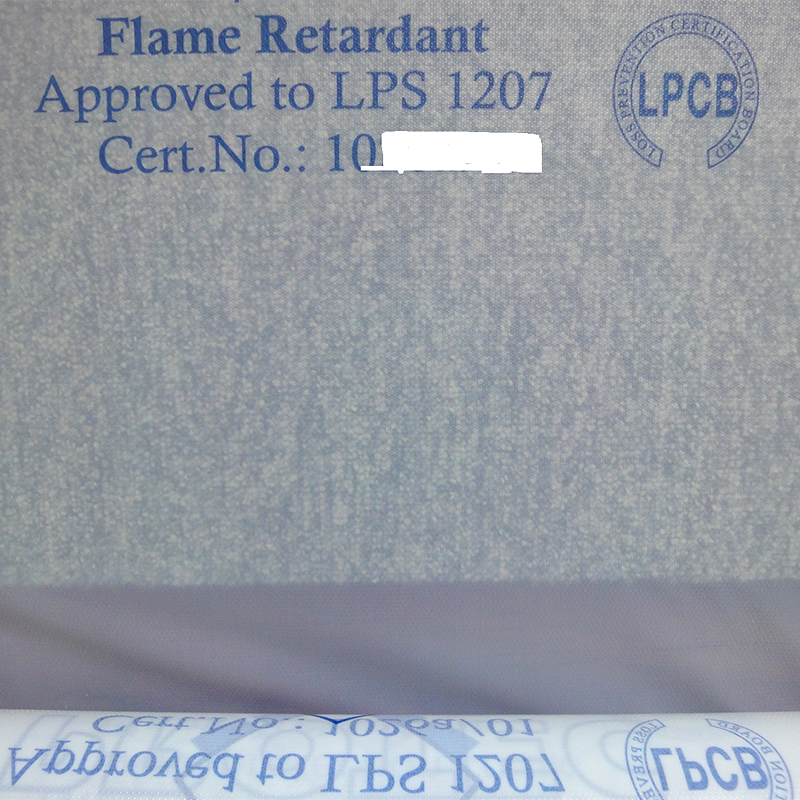
● Prevents costly damages in case of fire /flame;● Meet the strict international test standards of loss prevention; ● Extensive selection for flame re...
See Details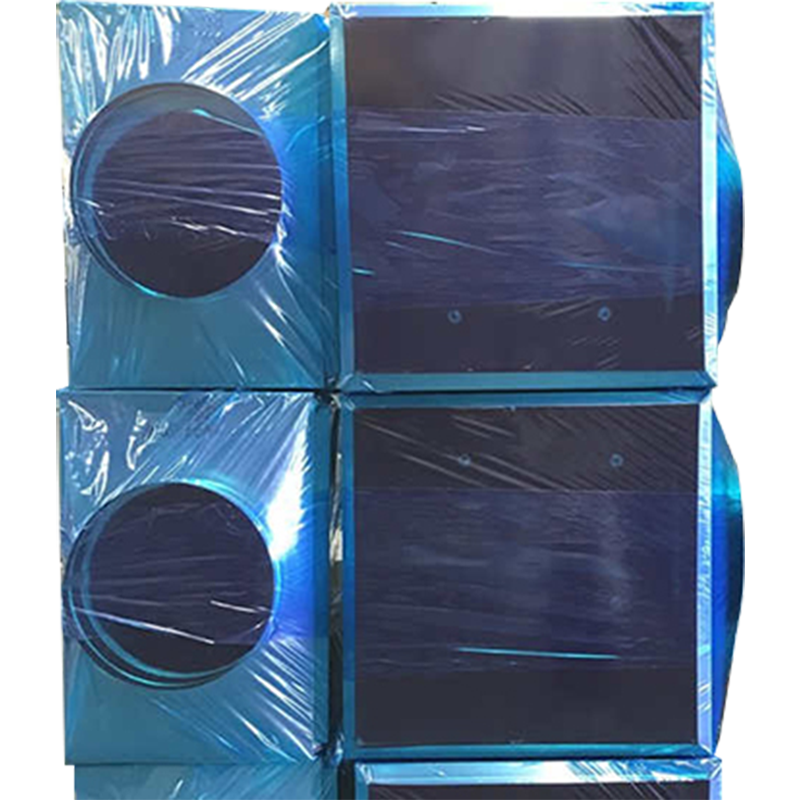
● The super-tough polyethylene film resists puncture and penetration by liquid and dirt during storage, transportation, and installation of the ductwo...
See Details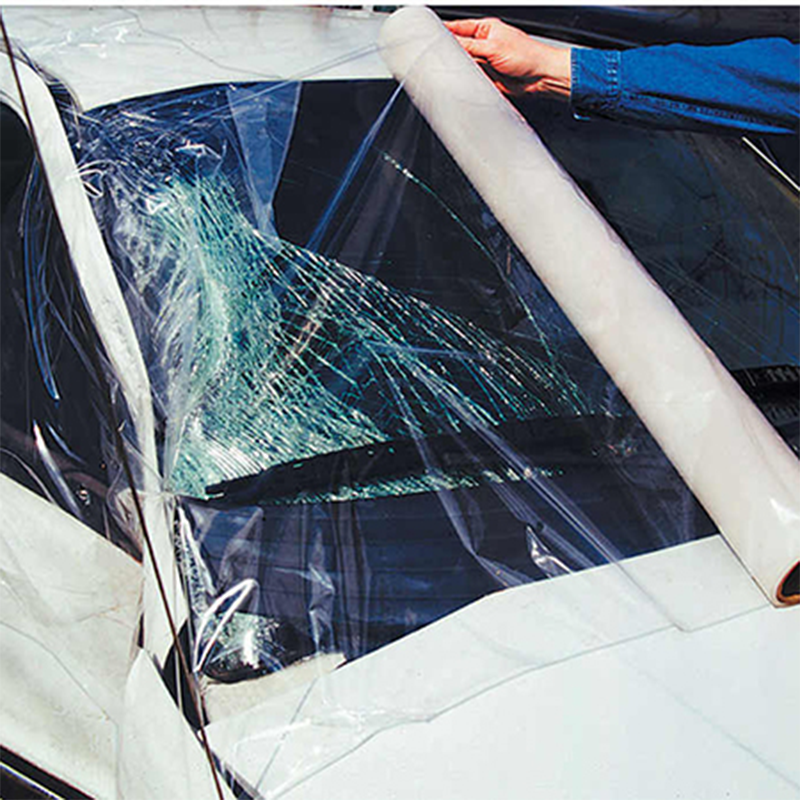
● The super-tough polyethylene film resists puncture and penetration by rain, snow, debris, and dirt during the transportation and storage of the cras...
See Details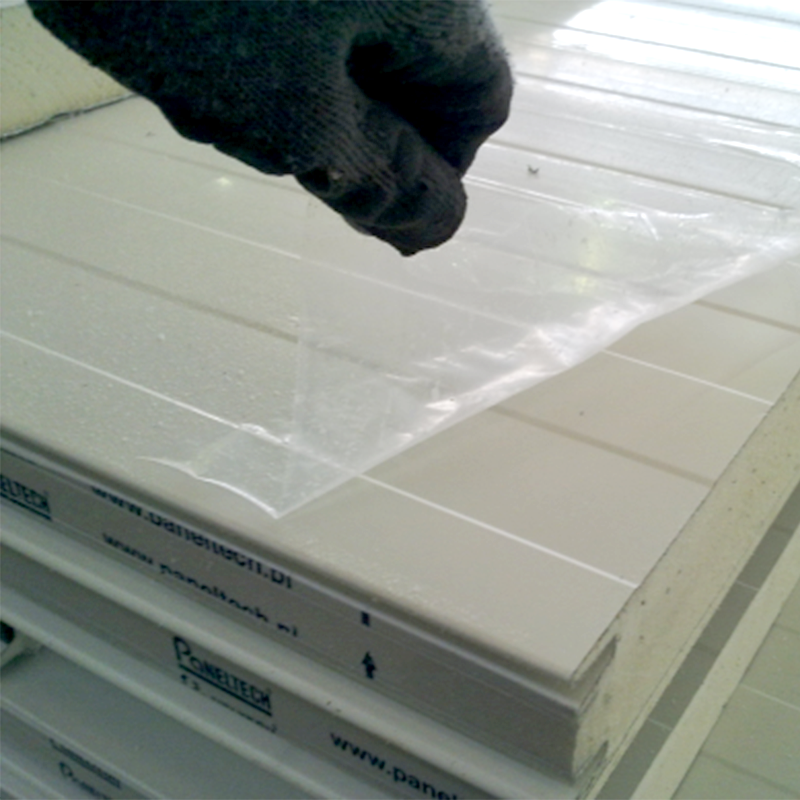
● The specially formulated adhesive ensures easy application and removal without leaving residue glue on the sandwich panels; ● The super-tough polyet...
See Details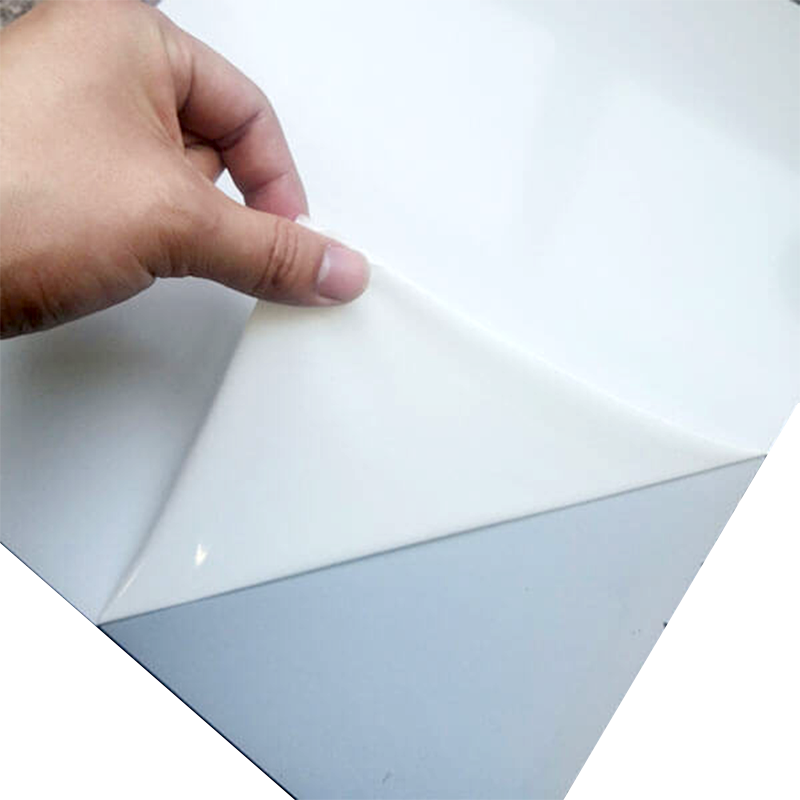
● The super tough polyethylene film with super high adhesion can stop parts of the glass or mirror from splintering away and injuring people when it i...
See Details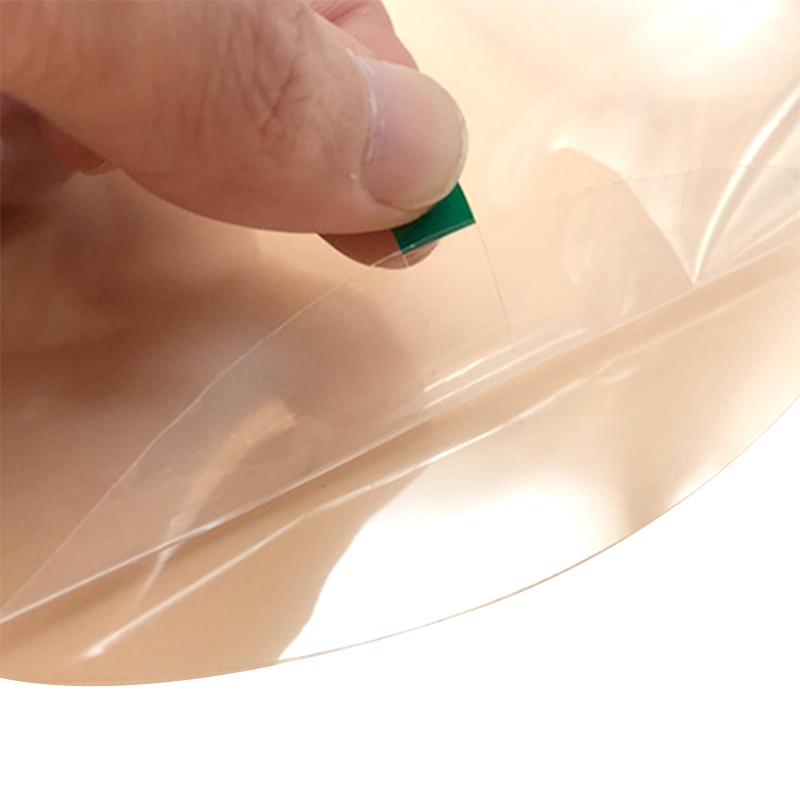
● Suitable for plastic sheets’ drilling, cutting, routing, thermoforming, bending, or post-fabrication operations;● No “ghost shadow” or “fish eye” af...
See Details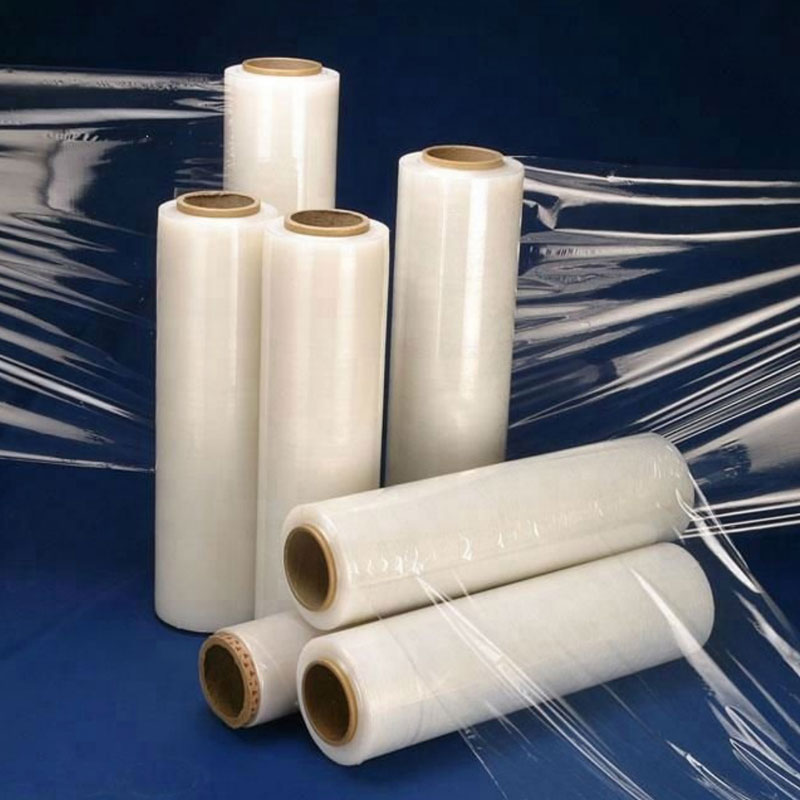
● Small roll size for convenient manual application;● Excellent puncture and tear resistance ; ● A self-adhering-each layer of film bonds to the next ...
See Details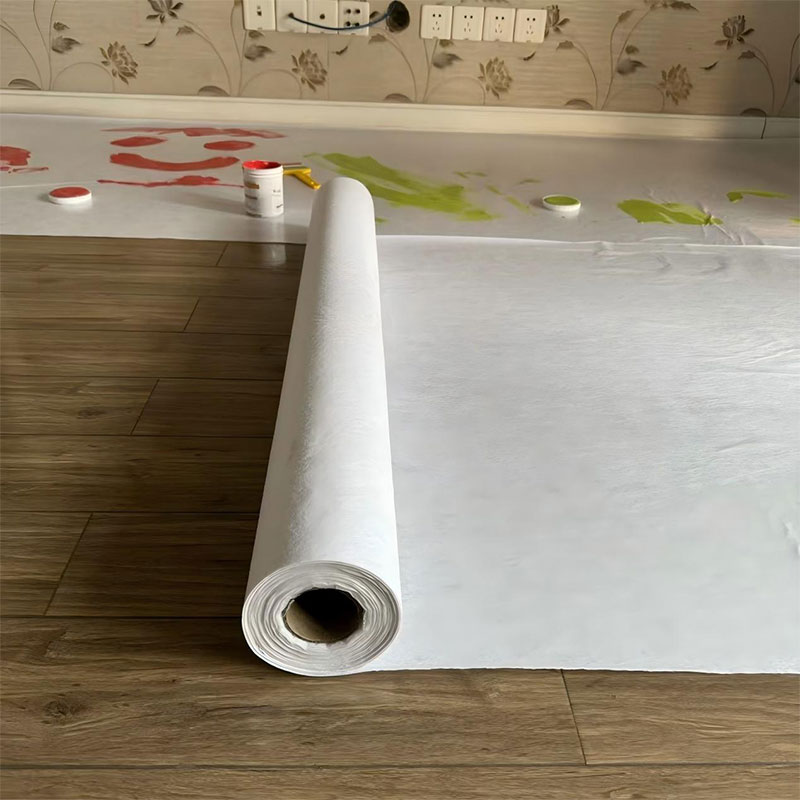
This product has non-woven synthetic fleece in middle; PE film adhered onto top of the non-woven fabric, which is coated with self adhesive glue on it...
See DetailsWe’re a reliable partner that shapes our expertise into success for your project.
Copyright 2024 Wuxi Qida Tape Co., Ltd. All Rights Reserved
 Wholesale Protective Film/Foil Manufacturers
Privacy