

 English

 English
 русский
 Français
 Español
 Português
 عربى

Cat:Glue -coated Protective Film
● No “ghost shadow” or “fish eye” after removal; ● Stable adhesion level; ● UV resistance for up to 6 months; ● Can print customized logo or applicati...
See Details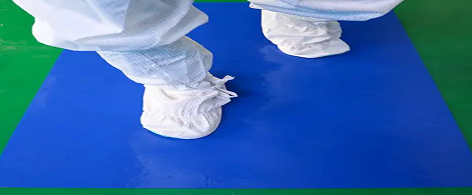
A pouch is one of those words that quietly changes shape depending on who is speaking. Ask a hiker and it is a small bag for a phone, keys and a folded map. Ask a packaging engineer and it is a sealed film container holding coffee, shampoo or saline solution. Ask a wildlife guide and it is the fold of skin where a kangaroo carries its young. All three answers are correct, which is why the question "what is a pouch" deserves a better answer than a single line from a dictionary.
We make flexible films for a living, so soft containers are part of our daily vocabulary. This guide walks through the plain definition, the words people mix up, the materials involved, and the point where a pouch stops being useful and a protective film takes over.
In everyday English, a pouch is a small, soft container used to hold a small object or a small amount of something. That is where most dictionaries begin, and it covers a surprising amount of ground: a drawstring pouch for coins, a travel pouch for an electric shaver, a pouch of tobacco and a heat-sealed pouch of instant coffee are all pouches. The common threads are small size, flexible construction and a closure that keeps things from falling out.
The word carries several related senses, and keeping them apart makes the rest of this article much easier to follow.
| Sense of "pouch" | Typical example | Usual closure |
|---|---|---|
| Small personal bag | Coin pouch, belt pouch | Drawstring or cord lock |
| Soft container for goods | Travel pouch, pet treat pouch | Zipper, flap or press stud |
| Animal feature | Kangaroo marsupial pouch | Formed naturally, no closure |
| Fold of skin | Loose skin beneath the eye | Not applicable |
| Flexible package | Stand-up coffee pouch, retort pouch | Heat-sealed seam |
The word also works as a verb. To pouch something means to place it into a pouch, and a garment that pouches out is bulging into a soft, bag-like shape. In zoology, the pouch is the fold of skin on the belly of marsupials such as kangaroos, koalas and wombats, where underdeveloped young are carried after birth. Pelicans use a throat pouch to scoop up water and fish, which shows how old and how flexible this idea of a soft container really is.
Most confusion around pouches comes from neighbouring words rather than from the pouch itself. Four quick comparisons clear it up.
Nearly, but softness is the deciding factor. A bag often has a rigid base, a frame, handles or compartments that hold a shape of its own. A pouch is usually unstructured and takes the shape of whatever sits inside it, which is why it folds flat when empty.
A sack is larger, heavier and normally woven from jute, sisal or woven polypropylene for bulk goods such as grain, sand or waste. Pouches are small to moderate in size and are made from fabric, leather or film.
A pouch bag is a fashion term rather than a technical one. It describes a small, soft, unlined bag carried in the hand or dropped inside a larger tote. It is a pouch that has been promoted into an accessory.
Clutches can be structured, metal-framed or fitted with a chain. A pouch does without that hardware. If you can fold it into your pocket, it is almost certainly a pouch.
Soft containers are older than pockets, zippers and plastic film combined. The timeline below traces how the pouch travelled from a leather drawstring bag to a laminated package on a supermarket shelf.
Small leather and hide pouches, closed with cords, bone toggles or simple knots, carried personal items long before clothing had pockets.
Pouches hung openly from a belt or girdle because garments had no built-in storage. In Scotland this tradition survived as the sporran, worn with a kilt.
As pockets appeared in coats and trousers, pouches shrank into coin purses, tobacco pouches and sewing kits that lived inside a pocket rather than outside it.
Rubberised fabric, cellophane and early plastic films made soft containers cheap enough to use once and throw away, and the pouch began its move into packaging.
The retort pouch, a heat-sealed laminated package that could withstand sterilisation, was developed for military rations and later for space food, replacing metal cans in many situations.
The stand-up pouch with a bottom gusset arrived, spouted pouches followed for drinks and detergents, and recent years have brought mono-material and fibre-based pouches designed for easier recycling.
Pouches are usually named after what they carry or how they close. The eight families below cover almost everything sold, sewn or sealed today.
The oldest design still in daily use. A cord or ribbon runs through a channel at the top and gathers the opening shut. Common for jewellery, dice and gift wrapping.
Worn on a belt for quick access, from a medieval girdle pouch to a modern electrician's tool pouch with reinforced slots and a flap.
A small pouch with a clasp, zip or snap frame, sized for coins and cards and often lined to stop small items catching on seams.
Wipe-clean linings and water-resistant zips make these pouches practical for travel, where a leak inside one bag is much easier to deal with than a leak across a suitcase.
Flat, structured pouches with elastic loops or divided slots, designed to keep long thin objects separate instead of tangling together.
Ostomy pouches, catheter bags and specimen pouches are single-use items with strict requirements for skin-friendly adhesives, odour barrier and secure sealing.
A sealed flexible reservoir with a drinking tube, worn inside a backpack. It is a pouch in the purest sense: it takes the shape of the carrier and of the liquid inside.
Flat, stand-up, side-gusset, spouted, vacuum and retort pouches form the largest category by volume and are discussed in detail further below.
Material choice decides how a pouch feels, how long it lasts and what it can safely carry. The table below links the most common materials to their strengths and their usual jobs.
| Material | Main strengths | Typical use |
|---|---|---|
| Leather and suede | Durable, ages well, holds shape | Belt pouches, coin purses |
| Canvas, cotton, linen | Washable, breathable, repairable | Drawstring and gift pouches |
| Nylon and polyester | Light, water-resistant, strong | Tool and outdoor pouches |
| Nonwoven fabric | Soft, low lint, low cost | Padded sleeves, protective interleaves |
| PE and PP film | Moisture resistance, sealable, economical | Self-seal bags, simple packaging pouches |
| PET and metallised foil laminates | High barrier against oxygen, light and aroma loss | Coffee, snacks, retort and medical pouches |
| Paper and fibre-based stock | Renewable, fits paper recycling streams | Dry goods, retail and promotional pouches |
A packaging pouch is built from a laminate, which means two or more thin layers bonded together so that each layer contributes something the others cannot. A typical structure pairs an outer printed layer for strength and appearance with a barrier layer in the middle and a sealing layer on the inside. The inner layer must seal to itself with heat, the outer layer must survive handling and printing, and the middle layer decides how well the pack keeps oxygen, moisture, light and aroma where they belong.
Pouches are formed, filled and sealed on roll-fed machines. A flat film is unwound, folded or tubed, sealed along a longitudinal seam, filled from above, then closed with a cross seam. Stand-up pouches add a bottom gusset so the pack holds itself upright on a shelf. Spouted pouches insert a fitment for pouring. Retort pouches are built to survive steam sterilisation at high temperature, which is why they replaced cans in many military and outdoor food programmes.
Flexible packaging earns its place mainly through material efficiency. The chart below offers an illustrative comparison of packaging weight for the same quantity of product. It is a general picture rather than measured data, because real numbers depend on the product, the pack size and the filling line.
Lighter packs mean lighter transport loads, and lighter loads are exactly where another flexible product earns its keep. Once pouched goods are packed into cartons and stacked onto pallets, the load still has to be held together for the journey, which is what puncture-resistant PE packaging film and stretch wrapping are for.
 Machine Stretch Film for Pallet Wrapping and Load StabilityPE stretch film for machine wrapping pallets, offering puncture resistance, self-adhesion, and UV protection to hold loads during transport.View Product →
If you look past the shape, a pouch and a protective film have a great deal in common. Both are thin flexible substrates. Both are often made by extruding polyethylene or by coextruding several polymer layers in a single pass so that each layer brings a different property, such as strength, tack, optical clarity or UV resistance. Both live or die by their surface behaviour: how they seal, how they print, how they cling and how cleanly they come away afterwards.
The difference is the direction of protection. A pouch wraps an object and holds it inside. A protective film sticks flat to a surface and shields it from the outside. A coextruded structure can be tuned for either job, which is why the same film families keep turning up in packaging plants and in metal fabrication halls alike. When a manufacturer needs a temporary shield that clings without adhesive residue, the film is engineered for clean removal rather than for a permanent seal.
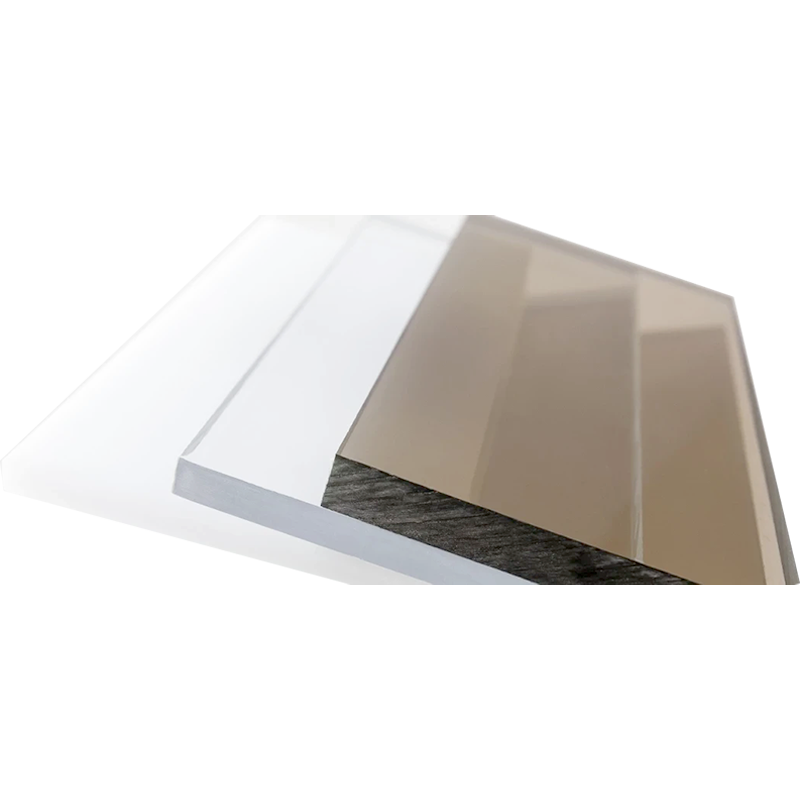 Co-Extruded Self-Adhesive Protective Film for Plastic SheetsTemporary protection film for plastic sheets and glass, designed to peel cleanly after drilling, cutting, thermoforming, or bending without adhesive residue.View Product →
Pouches are excellent at containing small objects and small amounts of material. They are poor at covering large flat surfaces. Nobody wraps a three-metre aluminium panel in a pouch, and nobody protects a polished stainless steel sheet by dropping it into a bag. For those jobs the flexible material has to be supplied as a roll of film that is applied directly to the face of the material and peeled away later.
That is the world our factory works in every day. Industrial surface shielding uses adhesive films, self-adhesive films and protective fleece to keep sheet metal, coated panels, glass, laminates, stone and finished surfaces free of scratches, dust and handling marks during bending, pressing, painting, storage, transport and installation. The principle is the same as a pouch, just applied differently: a thin, flexible layer stands between a valuable object and the environment that would damage it.
A multipurpose film, for instance, can be rolled across a worktop or a decorative panel before the next trade arrives on site, then lifted off without leaving adhesive behind. The pouch protects what fits inside it. The film protects what a pouch could never hold.
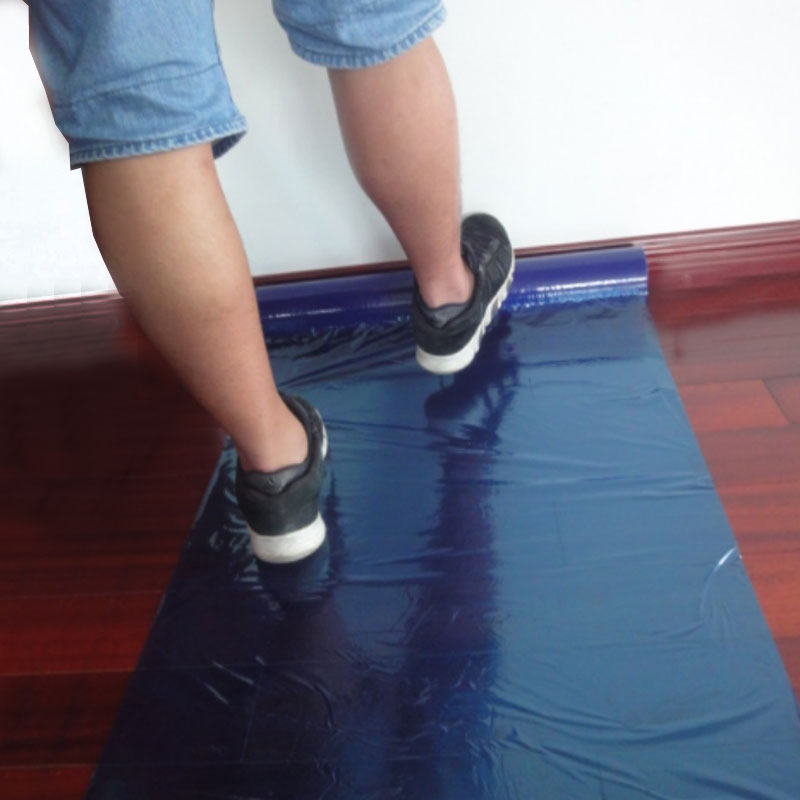 Multi-Purpose Protective Film for Hard Surfaces and WorktopsGlue-coated film for hardwood, laminate, ceramic, vinyl, and worktops, providing temporary protection during painting, remodeling, tiling, and maintenance.View Product →
The right pouch is the one that matches its contents, its closure and its environment. Working through these steps in order saves a lot of returns.
A short checklist is often enough at the point of purchase: Is the seam stitched or welded? Does the lining feel coated or bare? Can the closure be replaced if it fails? Does the pouch fold flat when empty? Four quick checks, and the weaker options eliminate themselves.
A pouch is a small, soft, flexible container that holds a small object or a small amount of material. It is usually closed with a drawstring, zip, flap or heat-sealed seam and folds flat when empty.
A bag often has structure, handles or compartments and keeps its own shape. A pouch is soft and unstructured, takes the shape of its contents and is generally smaller.
No. Drawstrings are the oldest and simplest closure, but zips, snap frames, hook-and-loop flaps, spouts and heat-sealed seams are all common in modern pouches.
Flexible packaging pouches hold food, drinks, pet food, chemicals, medical supplies and retail goods. Laminates give them barrier protection, while stand-up gussets let them sit upright on a shelf.
Marsupial young are born at a very early stage of development. The pouch provides a warm, protected space with access to milk while the young animal continues to grow.
It depends on the material. Single-material polyethylene and polypropylene pouches are the easiest to recycle, fibre-based pouches suit paper streams, and multi-layer laminates are the hardest to separate.
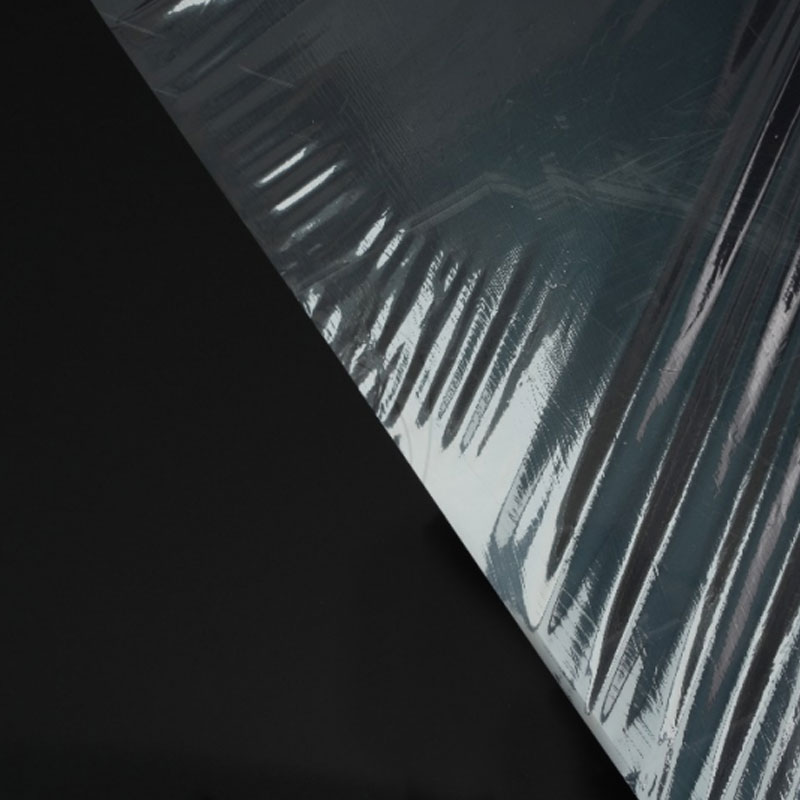
● No “ghost shadow” or “fish eye” after removal; ● Stable adhesion level; ● UV resistance for up to 6 months; ● Can print customized logo or applicati...
See Details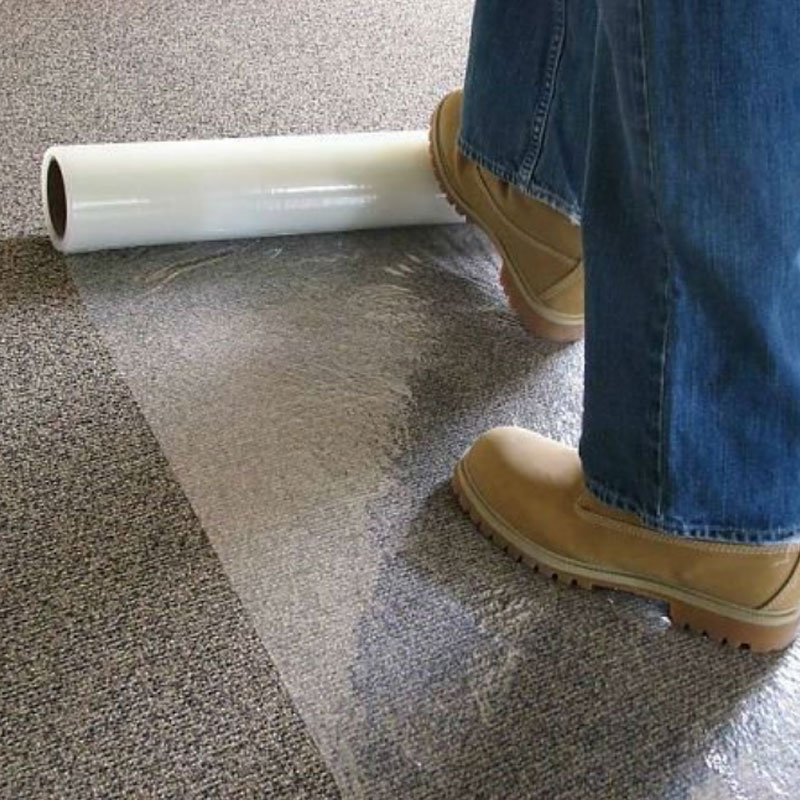
● Protects carpet against staining, paint spillage and dirt during painting, building, remodeling, plastering, tiling, decoration, general maintenance...
See Details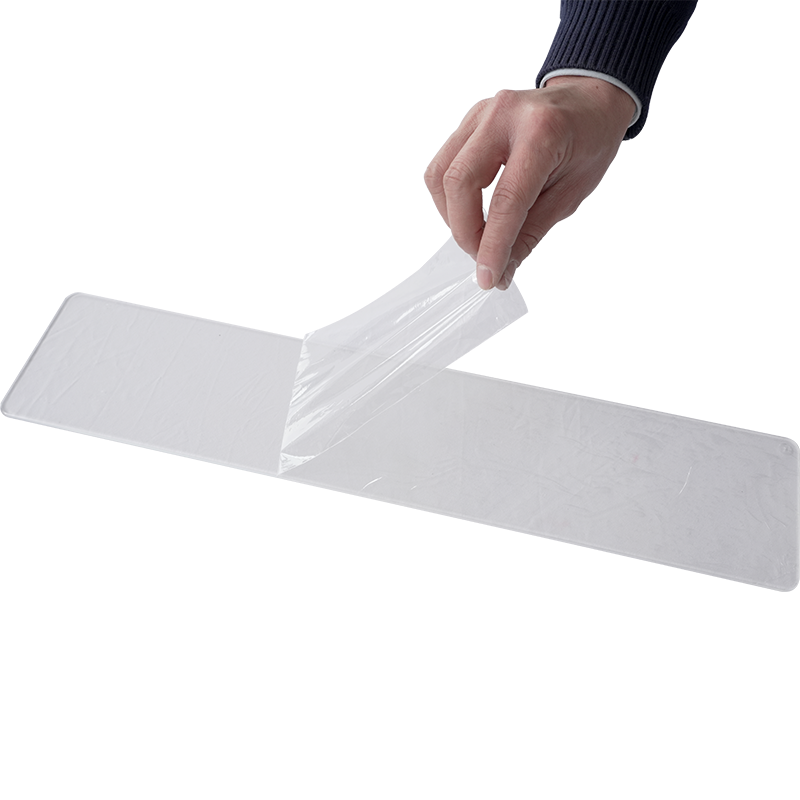
● No “ghost shadow” or “fish eye” after removal; ● Low gel content, soft and stable adhesion plus easy-peel removal with no surface damage or curling;...
See Details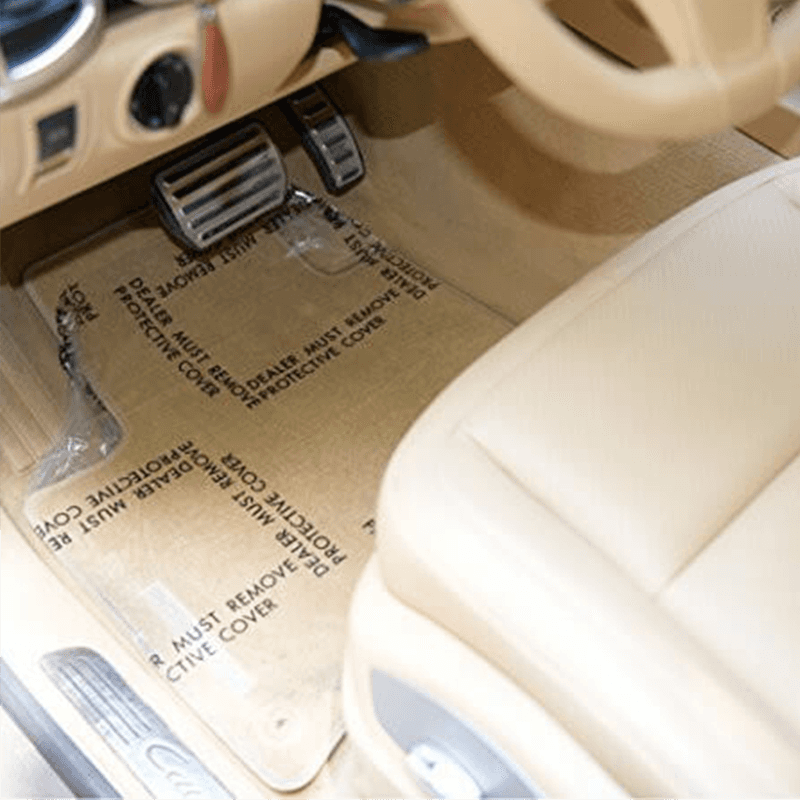
● Distance of each perforation die-cut ranges from 100mm to 1200mm;● Can peel off each die-cut piece of protective film at the perforated line easily;...
See Details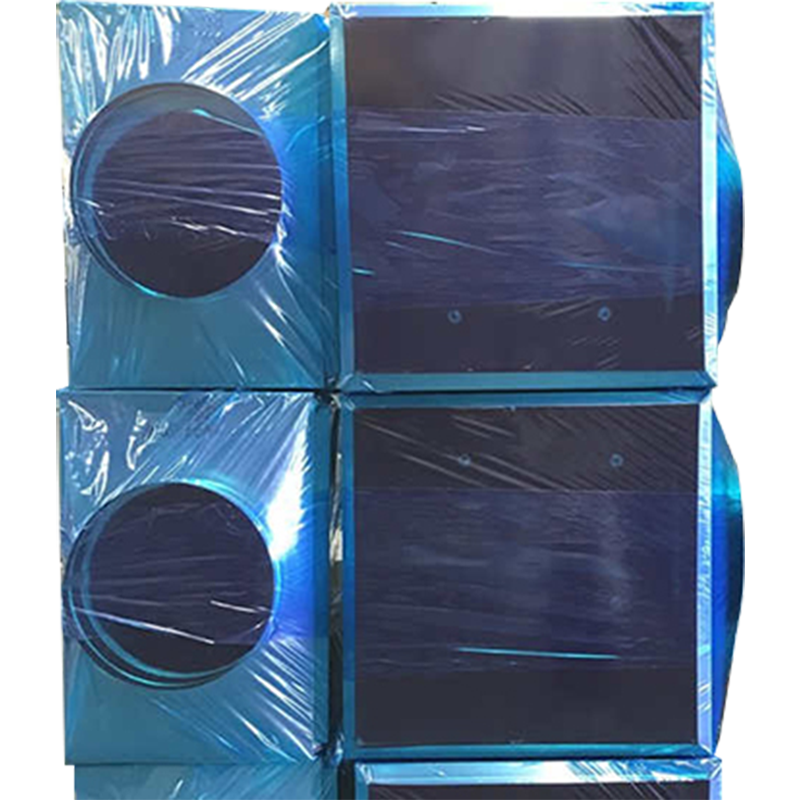
● The super-tough polyethylene film resists puncture and penetration by liquid and dirt during storage, transportation, and installation of the ductwo...
See Details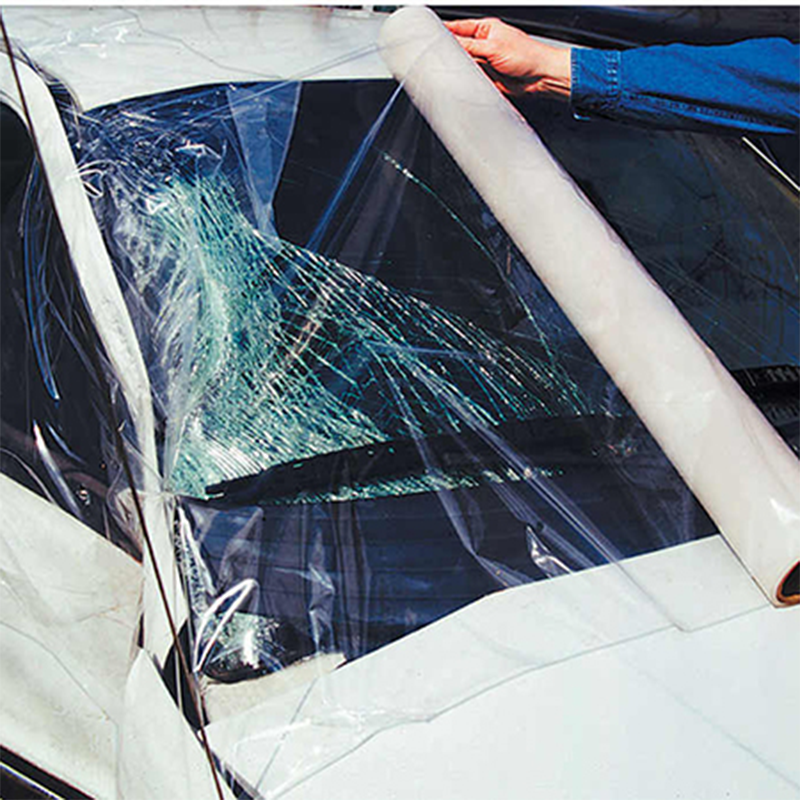
● The super-tough polyethylene film resists puncture and penetration by rain, snow, debris, and dirt during the transportation and storage of the cras...
See Details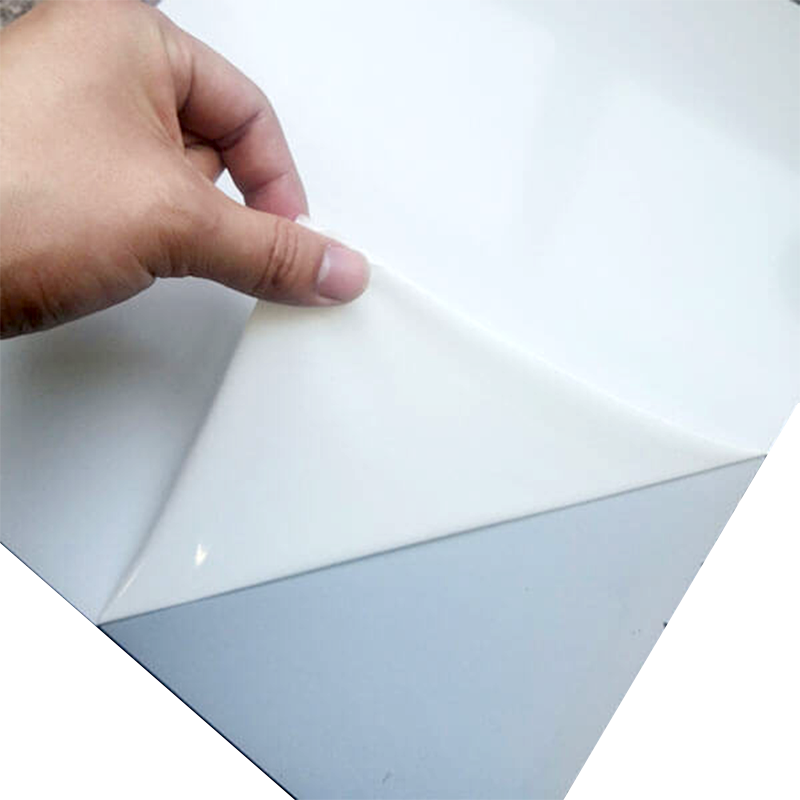
● The super tough polyethylene film with super high adhesion can stop parts of the glass or mirror from splintering away and injuring people when it i...
See Details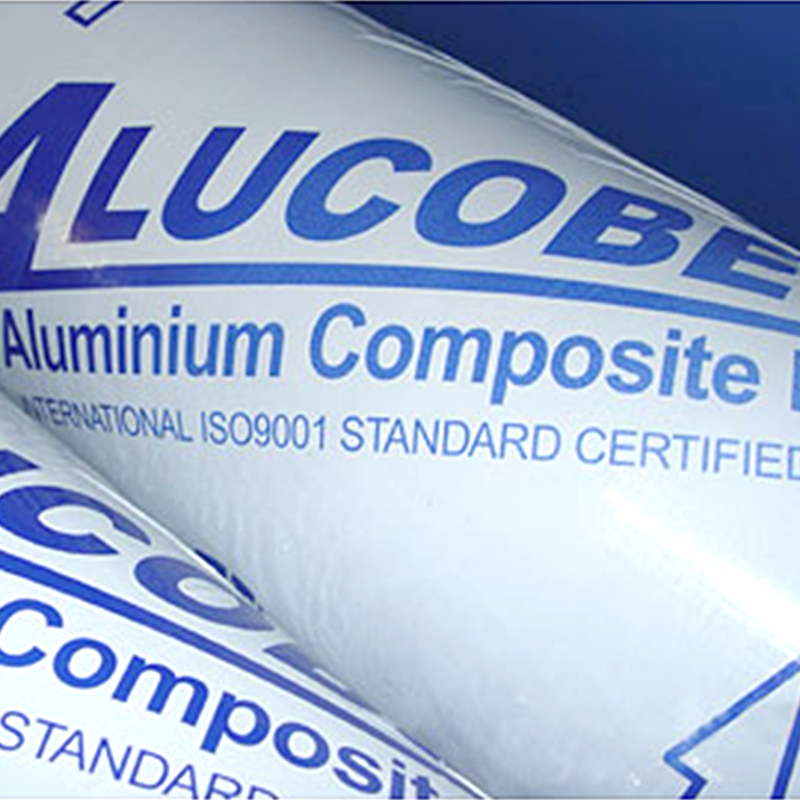
● The specially formulated adhesive ensures easy application and removal without leaving residue glue; ● The super-tough polyethylene film protects ag...
See Details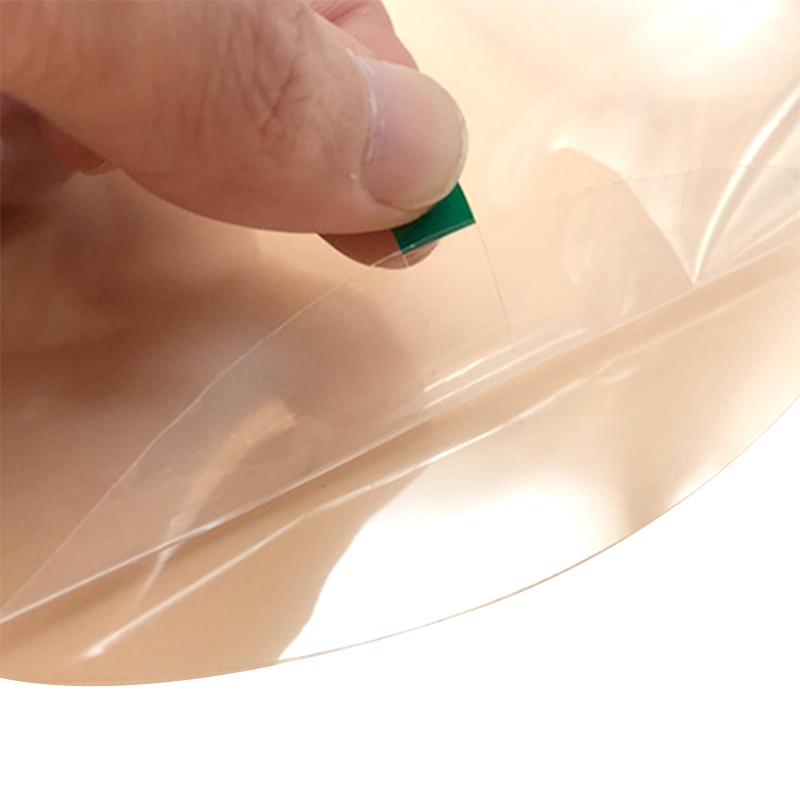
● Suitable for plastic sheets’ drilling, cutting, routing, thermoforming, bending, or post-fabrication operations;● No “ghost shadow” or “fish eye” af...
See Details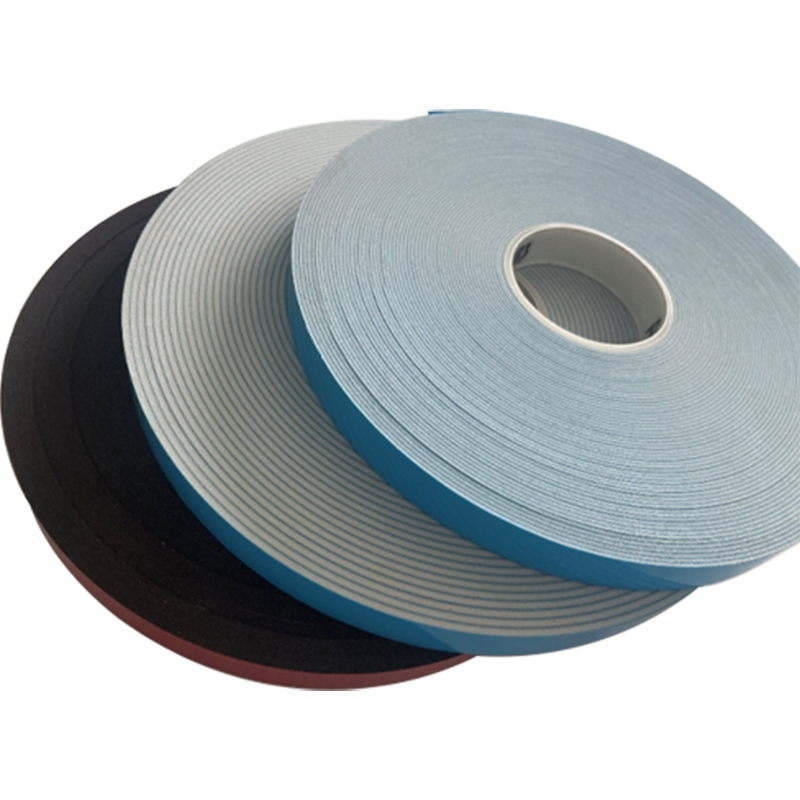
● Waterproof - the desirable material for waterproofing. ● Dust-proof - positive performance of dust prevention.● Low resilience - prevent the deforma...
See DetailsWe’re a reliable partner that shapes our expertise into success for your project.

Copyright 2024 Wuxi Qida Tape Co., Ltd. All Rights Reserved
 Wholesale Protective Film/Foil Manufacturers
Privacy