

 English
 English
 русский
 Français
 Español
 Português
 عربى
عربى
Cat:Glue -coated Protective Film
● No “ghost shadow” or “fish eye” after removal; ● Stable adhesion level; ● UV resistance for up to 6 months; ● Can print customized logo or applicati...
See Details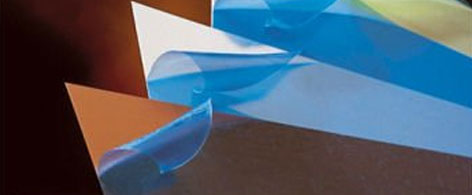
Paint protection film is a clear, flexible layer applied to painted panels, glass and trim to shield the surface underneath from stone chips, scratches, road grime and UV damage while staying nearly invisible. This guide covers what the film is made from, how it is installed, where car paint protection film, windshield protection film and window protection film are each used, and what to look for when choosing a manufacturer.
Short answer: paint protection film, often shortened to PPF, is a thin polyurethane or TPU sheet with a self healing top coat and a pressure sensitive adhesive backing. It is installed over factory paint, headlights, mirrors, windshields and windows to absorb impacts that would otherwise chip, scratch or pit the original surface.
What is paint protection film in practical terms. It is a transparent protective layer, usually between 6 and 8 mils thick, made from thermoplastic polyurethane. The film is manufactured in large rolls and then cut, either by hand or by a computer plotter, into shapes that match the panels of a specific vehicle. Installers stretch the film over curves, trim the edges, and wrap it around body lines so that once it is applied it becomes almost impossible to see with the naked eye.
The core purpose of paint protection film is mechanical protection rather than cosmetic enhancement. Factory paint on a modern car is only a few hundred microns thick, and the clear coat that gives it shine is even thinner. A single piece of gravel kicked up from the road at highway speed can chip through that clear coat in an instant. Paint protection film sits on top of the paint and absorbs that impact energy instead, so the chip lands in the film and the paint underneath stays intact. Over the course of normal ownership, this single layer can prevent hundreds of small chips that would otherwise accumulate one at a time until the paint looked noticeably worn.
Thermoplastic polyurethane or TPU film with a self healing top layer, an optional color stable base layer, and an acrylic adhesive that bonds to painted or glass surfaces.
Absorbs impact from stone chips, road debris, insect acid, bird droppings and light scratches, and blocks a large share of UV radiation that causes paint fading.
Applied to hoods, fenders, bumpers, mirrors, door edges, headlights, rocker panels, windshields and side or rear windows depending on the package chosen.
People searching for what is paint protection film are usually trying to solve one of two problems, either they have already seen a stone chip or a scratch on a car and want to prevent it from happening again, or they are ordering a brand new vehicle and want to protect the paint before the first mile is driven. In both cases the film functions as a sacrificial barrier. It is designed to take damage so the original factory finish does not have to.
Paint protection film is different from a wrap in one important way. A vinyl wrap is applied mainly to change appearance, and it is not engineered to resist deep impacts. Paint protection film is engineered first for durability and impact absorption, and the fact that it is also nearly invisible is what allows it to protect the car without changing how the car looks. This is why installers sometimes call it a clear bra, since it acts like a protective layer worn over the paint rather than a cosmetic finish in its own right. Understanding this distinction helps buyers ask for the right product when speaking with an installer or a manufacturer.
Paint protection film is built in layers, and each layer does a specific job. Understanding this structure explains why the film can take repeated hits from road debris and still look clean months or years later.
A self healing polyurethane top layer that responds to heat, either from the sun or from warm water, by flowing back into shape after light swirl marks and fine scratches. This is the layer that keeps the surface glossy over years of use.
The main polyurethane body of the film provides thickness and elasticity. It stretches around curves during installation without tearing and gives the film the toughness to absorb an impact from a pebble or piece of road debris.
A pressure sensitive acrylic adhesive bonds the film to the painted surface or glass. Quality adhesive is engineered to be removable years later without lifting clear coat or leaving residue behind.
A backing sheet protects the adhesive before installation and is peeled away and discarded once the film is positioned on the panel.
During installation the film is sprayed with a slip solution so it can be positioned without sticking prematurely, then squeegeed to remove the solution and trapped air, and finally heat is applied so the film conforms tightly to curves, body lines and edges.
The self healing behavior deserves a closer look because it is the feature that most separates paint protection film from ordinary plastic sheeting. The top coat is formulated with a polymer structure that is soft enough to flow slightly when warmed above a certain temperature. A light scratch physically bends and displaces that polymer rather than cutting all the way through it, so when heat is reintroduced from sunlight, a heat gun or warm water, the displaced material relaxes back toward its original shape and the mark visually disappears. Deeper cuts that go past the top coat into the base film will not heal in this way, which is why avoiding sharp edge contact is still part of good care.
Not all paint protection film is the same. Manufacturers vary the thickness, the top coat chemistry and the finish to suit different budgets and different expectations for gloss or texture. Buyers who understand these differences are in a much stronger position when comparing quotes from different installers, since two quotes that look similar in price can involve very different film underneath.
| Film Type | Typical Thickness | Finish | Best Suited For |
|---|---|---|---|
| Standard gloss urethane film | 6 to 8 mils | High gloss, matches factory clear coat | Full front end and high impact panels |
| Self healing film | 7 to 8 mils | High gloss with heat activated healing top coat | Daily driven cars exposed to swirl marks |
| Matte finish film | 7 to 8 mils | Satin or matte, non reflective | Vehicles with a factory matte wrap or paint |
| Windshield protection film | 5 to 7 mils, optically clear grade | Optically clear, distortion tested | Windshields exposed to gravel and wiper wear |
| Window protection film | 4 to 6 mils | Clear, scratch resistant | Side and rear windows, sunroofs |
| Colored or tinted PPF | 6 to 8 mils | Tinted gloss or matte, changes panel color | Owners who want protection plus a color change |
Car paint protection film is the most common application of PPF and the one most people mean when they mention this product. It is installed directly over the painted panels of a vehicle that take the heaviest exposure to road debris, sand, insects and minor contact.
A full front car paint protection film package typically covers the areas where stone chips concentrate the most. Partial packages focus only on the highest risk zones to control cost while still preventing the most common types of damage. The right choice usually comes down to how the vehicle is driven, since a car mostly used for short city trips has very different exposure than one that regularly covers long highway distances at speed.
Beyond stone chip resistance, car paint protection film blocks a large portion of ultraviolet light, which slows down paint oxidation and fading, and it resists staining from bird droppings, tree sap and bug splatter long enough for the owner to clean it off before it etches into the clear coat.
Vehicle owners in regions with long highway commutes tend to see the fastest return on car paint protection film because the front end of the car is exposed to a steady stream of debris kicked up by trucks and other vehicles at speed. Owners of dark colored cars also notice a bigger visual benefit, since small chips and swirl marks show up far more clearly on black, navy or dark red paint than they do on lighter colors, and the self healing top coat keeps that dark finish looking smooth for years longer than unprotected paint would.
Windshield protection film applies the same idea of a sacrificial protective layer to automotive glass instead of paint. A windshield takes constant abuse from wiper blades, sand, road salt and flying gravel, and over time this causes fine pitting that scatters light at night and creates glare from oncoming headlights.
Windshield damage tends to accumulate slowly, which is part of why it often goes unnoticed until it becomes a real visibility problem. A windshield does not need a single dramatic impact to become a nuisance, a thousand tiny impacts spread across a few years of commuting can be just as disruptive to nighttime driving comfort.
Glass is harder than paint but it is brittle, so repeated small impacts from gravel do not chip it the way they chip paint, they instead create tiny pits and scratches. Over two to three years of highway driving this pitting becomes visible, especially under low sun or oncoming headlights at night.
A layer of optically clear windshield protection film absorbs the impact from gravel and sand before it reaches the glass. Because the film itself takes the pitting, the glass underneath stays clear, and the film can eventually be peeled off and replaced rather than requiring a full windshield replacement.
Quality windshield protection film is manufactured and tested for optical clarity so that it does not distort vision or create haze under headlights, since visibility through the windshield is a safety requirement and not just a cosmetic one. It is typically installed as a single large piece cut to match the exact curvature and dimensions of the windshield.
Drivers who spend a lot of time on gravel roads, rural highways or job sites with loose stone often replace a windshield every few years purely because of pitting, even when the glass never actually cracks. Windshield protection film changes that math, since the film itself absorbs the pitting and can simply be peeled off and swapped for a new piece once it has done its job, which is typically far less expensive and far less disruptive than a full glass replacement.
Coverage priorities shift depending on the vehicle, since the shape, ride height and usage pattern of a car, truck or SUV changes which panels take the most abuse from road debris. A single generic package rarely fits every vehicle equally well, so it helps to think in terms of the specific driving conditions a vehicle actually faces rather than a one size fits all recommendation.
| Vehicle Type | Priority Areas | Notes |
|---|---|---|
| Sedans and coupes | Hood, front bumper, mirrors, headlights | Lower ride height keeps most stone chip risk on the front end and lower rocker panels |
| SUVs and crossovers | Full front end, door edges, rear bumper | Higher ride height exposes more of the front fascia to debris kicked up by other vehicles |
| Pickup trucks | Hood, front bumper, bed rails, rocker panels | Off road and job site use often justifies window protection film on the rear glass as well |
| Electric vehicles | Full front end, charging port trim, wheel arches | Smooth aerodynamic panels make chips more visible, and some owners protect charging port covers too |
| Performance and sports cars | Full body wrap including side skirts and rear diffuser | Aggressive front splitters and low ground clearance increase exposure to road debris |
Fleet vehicles and rideshare cars are another growing use case for car paint protection film, since these vehicles accumulate far more highway mileage than an average personal car and benefit from protection that keeps the paint presentable for passengers over a shorter but more intense ownership period.
Precut do it yourself paint protection film kits are available for popular vehicle models, and they can be a reasonable option for a confident, patient installer working in a clean, temperature controlled space. These kits ship with pre cut patterns for a specific make and model, a bottle of slip solution, a squeegee and instructions, which lowers the barrier to entry compared with hand cutting film from a bulk roll.
Complex areas such as a full hood with sharp body lines, a front bumper with multiple vents, or a windshield are generally better left to a professional installer, since a mistake on these larger, more visible pieces is expensive to redo and wastes an entire sheet of film.
Window protection film extends the same protective concept to the side windows, rear window, quarter glass and sunroof. These panels are more exposed than most drivers realize, particularly on vehicles that are parked outdoors, driven off road, or used with pets and cargo that can scratch glass from the inside.
Window protection film is thinner than car paint protection film because glass does not flex the way body panels do, so the film only needs to resist surface scratching rather than absorb large impacts. It is commonly chosen by owners of pickup trucks, off road vehicles and vans that carry equipment likely to rub or scratch against interior glass surfaces, as well as by owners who simply want every exterior surface of the car to have the same level of protection.
Because window protection film is optically clear and does not change the tint or color of the glass, it can usually be combined with standard window tint film for both UV control and scratch resistance on the same pane.
Panoramic sunroofs are a growing reason drivers ask about window protection film, since these large glass panels sit directly overhead and can be scratched by roof racks, cargo boxes and branches when driving under low tree cover. A layer of window protection film on the sunroof glass adds a buffer against these light surface scratches without altering how much light passes through the panel, which matters for owners who use the sunroof as a primary source of natural light inside the cabin.
Not every driver needs the same level of coverage, and a quick inspection of a vehicle usually reveals whether paint protection film would make a noticeable difference right away. Walking around the car in bright daylight, ideally after a wash, is usually enough to spot the early warning signs listed below.
Paint protection film exists because ordinary factory paint faces a long list of environmental threats over the life of a vehicle. Recognizing these threats explains why a thin protective film has become such a common addition for new car owners, and why the areas most exposed to these threats are also the areas installers recommend covering first.
Gravel, sand, road salt crystals and loose stone thrown up by tires are the most common cause of small chips on the hood, bumper and mirror caps. Car wash brushes and improper drying towels add fine swirl marks over time, and curb contact or shopping cart bumps create deeper scuffs on door edges and rocker panels.
Bird droppings and tree sap are acidic and can etch into clear coat within hours if left in direct sun. Insect splatter on a front bumper has a similar effect after highway driving. Ultraviolet radiation breaks down the resin in clear coat over years, causing fading, chalking and a loss of gloss, especially on red, black and other dark or high chroma colors.
Owners choose paint protection film for a mix of practical and financial reasons. The following benefits summarize what the film actually delivers over the life of a vehicle, drawn from how the material behaves in real world driving rather than marketing claims alone.
Absorbs the impact energy from gravel and road debris so chips land in the film instead of cutting through the clear coat and paint.
Light swirl marks and fine scratches in the top coat soften and disappear when exposed to warm sunlight or warm water.
Blocks a significant share of ultraviolet radiation, slowing the fading and oxidation that dulls factory paint over time.
Keeps factory paint free of chips and scratches, which supports a stronger resale or trade in value because the original finish is preserved.
Resists etching from bird droppings, tree sap and insect acid long enough for routine washing to remove them safely.
High clarity gloss film matches factory paint so closely that most people cannot tell a panel is protected once installation is complete.
Protected panels need less paint correction over time, which can reduce the frequency and cost of professional polishing and detailing work.
Owners can drive on unfamiliar highways, gravel roads or job sites without worrying as much about new chips appearing on the front end of the car.
Whether it is car paint protection film, windshield protection film or window protection film, the installation follows a similar disciplined sequence. Skipping steps in this order is one of the main reasons installations fail early.
The panel or glass is washed, decontaminated with a clay bar or iron remover, and cleaned with isopropyl alcohol to remove every trace of wax, oil and dust before the film touches the surface.
The film is cut to match the exact shape of the panel using a computer controlled plotter with a pre loaded pattern library, or it is hand cut on the vehicle for a custom bulk wrap.
A slip solution is sprayed on both the adhesive side of the film and the panel so the installer can position the film precisely before it makes final contact.
The installer squeegees out the slip solution and trapped air from the center outward, then wraps and tucks the film edges around body lines so no lifted edge is left exposed to catch a car wash brush or fingernail.
Controlled heat from a heat gun is applied so the film conforms tightly to compound curves and edges, and so the adhesive begins to bond properly to the surface.
The film is left undisturbed for a curing period, commonly between 24 hours and one week depending on temperature, during which the vehicle should avoid washing and hard rain exposure so the adhesive can fully set.
The price of a paint protection film installation depends on coverage area, film brand, vehicle size and labor complexity rather than a single flat rate. The table below outlines the general categories buyers typically compare, and getting quotes from more than one installer for the same coverage level is a reasonable way to see how these factors play out in practice.
| Coverage Package | Typical Area Covered | Relative Cost Level |
|---|---|---|
| Partial front package | Hood edge, front bumper, mirror caps, headlights | Lower |
| Full front end package | Full hood, full front bumper, full fenders, mirrors, headlights | Moderate |
| Track and trim package | Door edges, rocker panels, rear bumper edge | Moderate |
| Windshield protection film | Full windshield | Moderate |
| Window protection film set | Side windows, rear window, sunroof | Moderate |
| Full body wrap | Every exterior painted panel | Higher |
Beyond the package itself, three factors most often move the price up or down, film grade and warranty length from the manufacturer, the complexity of the vehicle body shape which affects how much cutting and heat forming is needed, and local labor rates for a certified installer.
It is worth comparing the cost of paint protection film against the cost of the repairs it prevents. A single respray of a bumper or fender after a deep stone chip or a curb scrape often costs more than a partial front package of film, and unlike a respray, film does not carry any risk of a visible color mismatch or a different texture from the surrounding factory paint. Viewed over the full ownership period of a car, many owners treat paint protection film less as an accessory and more as a form of preventive maintenance for the exterior finish.
Paint protection film is low maintenance compared to bare paint, but a few habits extend its life and keep the self healing top coat performing at its best. None of these habits require special products beyond what most drivers already keep in the garage.
Use a soft wash mitt or touchless car wash rather than stiff automatic brushes that can lift film edges over time.
Rinse off bird droppings, tree sap and bug splatter as soon as practical so acidic residue does not sit on the film surface for long periods.
Park in direct sunlight or use warm water on light swirl marks to trigger the self healing top coat without needing polish or compound.
Be careful around curbs, trailer hitches and sharp cargo edges since a deep cut can go through the film rather than just marking the surface.
A film safe ceramic topper or sealant applied every few months keeps gloss levels high and makes future cleaning easier.
Check panel edges once a year for lifting or discoloration so a professional can address any small issue before it spreads.
A careful inspection right after installation catches most problems while they are still easy to fix, before the film has fully cured and before the vehicle goes back into daily use. Doing this walkthrough with the installer present, rather than after driving away, makes it easier to have any issue corrected on the spot.
Run a fingertip lightly along every edge of the film to confirm it is fully wrapped and tucked, with no lifted corners that could catch on a wash brush or fingernail.
Small bubbles of trapped slip solution usually flatten out within a few days as the film cures, but persistent air bubbles that do not shrink should be pointed out to the installer.
Under direct sunlight, gloss level should look consistent across every protected panel, since a mismatch in gloss usually signals a difference in film batch or in surface preparation.
Cut lines along body creases and panel gaps should sit cleanly inside those lines, since a visible film edge in the middle of a flat panel is far more noticeable than one hidden inside a natural body line.
Paint protection film and ceramic coating are often discussed together, but they solve different problems, and many owners choose to use both at the same time rather than treating them as competing options. Understanding what each product actually does helps set realistic expectations before booking either service.
| Factor | Paint Protection Film | Ceramic Coating |
|---|---|---|
| Impact protection | Strong, absorbs stone chips and scratches | Minimal, coating is a thin hard layer with little impact absorption |
| Gloss enhancement | Preserves factory gloss, does not add extra shine | Adds noticeable gloss and a slick hydrophobic surface |
| Self healing | Yes, on quality film with a heat activated top coat | No, scratches remain until polished out |
| Typical lifespan | Five to ten years depending on film grade | Two to five years depending on coating grade |
| Best used for | High impact panels like the hood, bumper and mirrors | Full vehicle gloss, water beading and easier washing |
A common approach is to apply car paint protection film to the highest impact panels and then apply a ceramic coating over the film and the remaining painted surfaces, combining impact resistance with easier maintenance and added gloss.
Some detailing shops now offer a hybrid product, a thin ceramic coating formulated specifically to sit on top of paint protection film. This combination keeps the impact resistance of the film while adding the hydrophobic water beading and easier cleaning that ceramic coating is known for, and it can extend the interval between deep cleans since dirt and road grime have a harder time bonding to the surface.
Paint protection film turns yellow after a year or two and ruins the look of the car.
Yellowing was a real issue with older generation films, but modern polyurethane films with UV stabilizers are formulated to resist yellowing for many years under normal sun exposure.
Applying paint protection film damages the factory clear coat underneath.
Quality film uses adhesive engineered for automotive paint, and when removed correctly after its service life it comes off cleanly without stripping the clear coat.
Windshield protection film is illegal or will fail a vehicle inspection.
Optically clear windshield protection film that meets clarity standards does not obstruct vision and is designed specifically to avoid the haze or distortion that would affect an inspection.
Once installed, paint protection film never needs any attention again.
Film still benefits from gentle washing, prompt cleaning of contaminants and an occasional edge inspection to get the full lifespan out of the installation.
Paint protection film is only worth installing on expensive luxury or sports cars.
Any vehicle exposed to highway driving, gravel roads or long term outdoor parking can benefit, since stone chips and UV fading affect economy cars and luxury cars in exactly the same way.
Window protection film will make side windows harder to see through at night or in the rain.
Optically clear window protection film is manufactured to the same clarity standard as windshield protection film and does not add noticeable glare or distortion in wet or low light conditions.
Because paint protection film stays on a vehicle for years and is difficult to fully inspect once it is installed, warranty terms and manufacturing quality control matter as much as the initial price of the job. A lower quote that skips these details can end up costing more later if the film fails early.
Ask whether the film is warrantied against yellowing under UV exposure, since older film chemistries were more prone to this issue than current generation products.
A warranty should address lifting, bubbling or edge failure of the adhesive bond, which is usually the first sign of a lower quality film or a rushed installation.
Confirm the warranty covers cracking in cold climates and staining from environmental exposure, both of which vary noticeably between film brands and grades.
Many manufacturers certify individual installers or shops, which can affect whether the manufacturer warranty applies if something goes wrong after installation.
The performance gap between paint protection film brands is significant, so the manufacturer behind the film matters as much as the installer applying it. Buyers and installation shops both benefit from working with a manufacturer that controls film thickness, adhesive formulation and top coat quality consistently across every roll produced.
Wuxi Qida Tape Co., Ltd. is a manufacturer of protective film products for the automotive industry, producing paint protection film, windshield protection film and window protection film along with related adhesive tape products. Businesses sourcing film in volume, including installation shops, distributors and vehicle wrap suppliers, can evaluate Wuxi Qida Tape Co., Ltd. as a supplier for consistent film thickness, adhesive performance and finish options across gloss and matte product lines.
When comparing any paint protection film manufacturer, ask for the film thickness in mils, the top coat type, whether the film includes a self healing layer, and the length and terms of the manufacturer warranty, since these details determine how the film will actually perform once it is on the vehicle.
Consistency between rolls is one of the least visible but most important qualities in a paint protection film manufacturer. A shop that installs film from the same production batch across an entire vehicle will see uniform gloss, uniform thickness and uniform adhesive behavior panel to panel, while inconsistent manufacturing can lead to slight color or gloss mismatches between panels that only become obvious after installation. Working with an established manufacturer such as Wuxi Qida Tape Co., Ltd. is one way installation businesses try to reduce this kind of variation across large orders.
Paint protection film is made from thermoplastic polyurethane, layered with a self healing top coat and a pressure sensitive acrylic adhesive that bonds it to paint or glass.
Quality car paint protection film commonly lasts between five and ten years before it needs replacement, depending on the film grade, climate and maintenance habits.
Yes, windshield protection film is designed to be peeled off once it has absorbed enough pitting or scratching, after which a fresh piece can be installed over the same windshield.
Properly manufactured window protection film is optically clear and does not distort vision through side or rear glass when installed correctly.
Wax adds temporary shine and light protection from the elements, while paint protection film provides physical impact resistance against stone chips and scratches that wax cannot stop.
Yes, as long as the existing paint is properly cleaned, decontaminated and free of active corrosion or unresolved paint damage before installation.
Standard gloss and matte paint protection film is designed to be optically neutral so the factory color shows through unchanged, while tinted or colored PPF is a separate product chosen specifically to alter the appearance of a panel.
Complex compound curves, edge wrapping and heat forming are difficult to execute without experience, so most car paint protection film, windshield protection film and window protection film projects are handled by trained installers using proper tools.
Most manufacturers recommend waiting several days to a week before washing so the adhesive has time to cure fully and bond securely to the surface.
Reputable manufacturers typically offer a multi year warranty covering yellowing, cracking, peeling and adhesive failure under normal use, and asking for these warranty terms in writing is a reasonable step before choosing a film.
Yes, since lease agreements often penalize excess wear including paint chips and scratches, and film that keeps the exterior close to its original condition can help avoid end of lease charges.
It depends on the wrap material and finish, and it is generally better to apply paint protection film first and then decide on a matching wrap, or to consult an installer about whether the specific wrap surface can safely bond with film adhesive.
Paint protection film, windshield protection film and window protection film all follow the same basic idea, a thin, nearly invisible layer takes the physical abuse that would otherwise land directly on paint or glass. The difference between the three products is mainly where they are applied and how thick or flexible the film needs to be for that surface. None of them require the owner to change how the car is driven or parked, which is part of why the category has grown from a niche upgrade into a fairly standard addition for new vehicle owners.
A front bumper, hood edge and mirror caps package covers the areas that take the most stone chip damage on almost any vehicle.
Windshield protection film and window protection film are worth adding for drivers who spend significant time on gravel roads or highways with heavy debris.
Consistent film thickness, a genuine self healing top coat and a clear warranty are the details that separate a good installation from a disappointing one.
Whether the goal is protecting a brand new vehicle from its very first mile, restoring confidence on gravel roads and highway commutes, or simply keeping factory paint looking original for a future sale, paint protection film remains one of the most direct ways to keep a car looking the way it did on the day it left the factory. For most owners, the decision comes down to matching the coverage level and film grade to how the vehicle is actually driven, rather than defaulting to the most expensive or the cheapest option available.
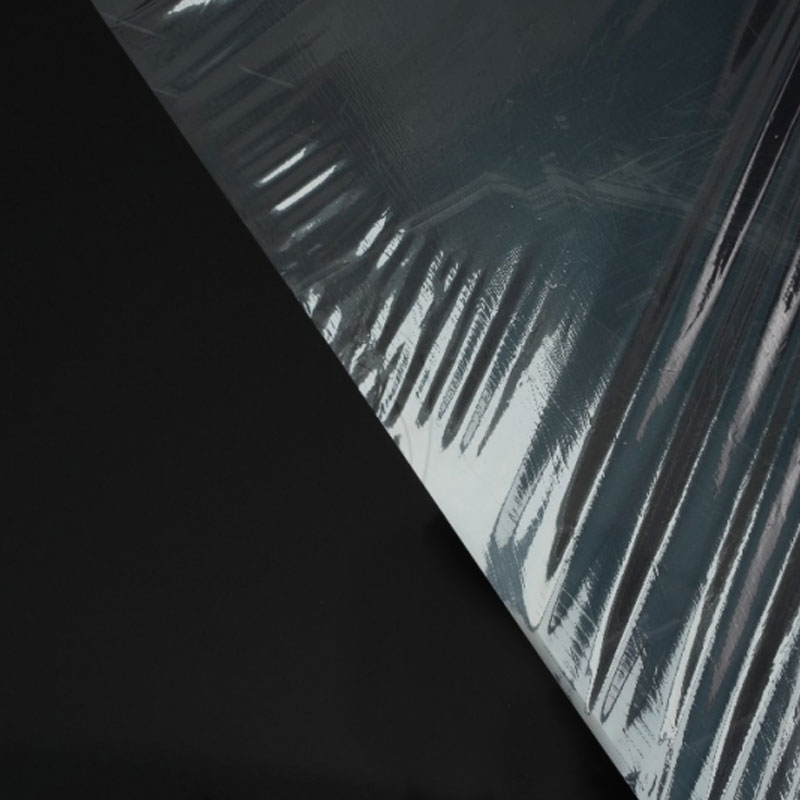
● No “ghost shadow” or “fish eye” after removal; ● Stable adhesion level; ● UV resistance for up to 6 months; ● Can print customized logo or applicati...
See Details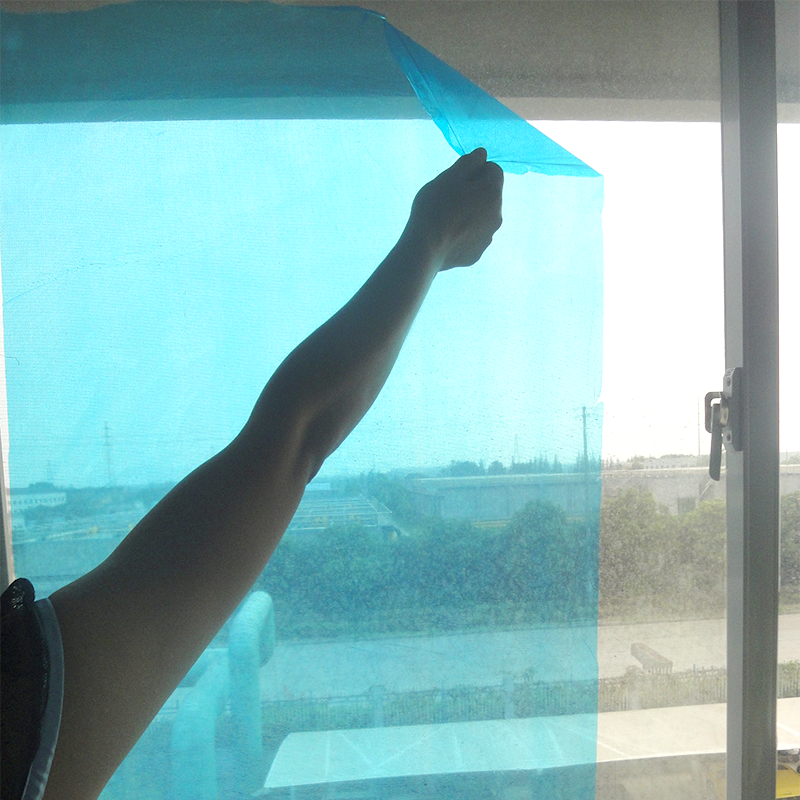
● Protect window glass against paint splatters, dirt, staining, and spillages during painting, building, plastering, tiling, general maintenance and r...
See Details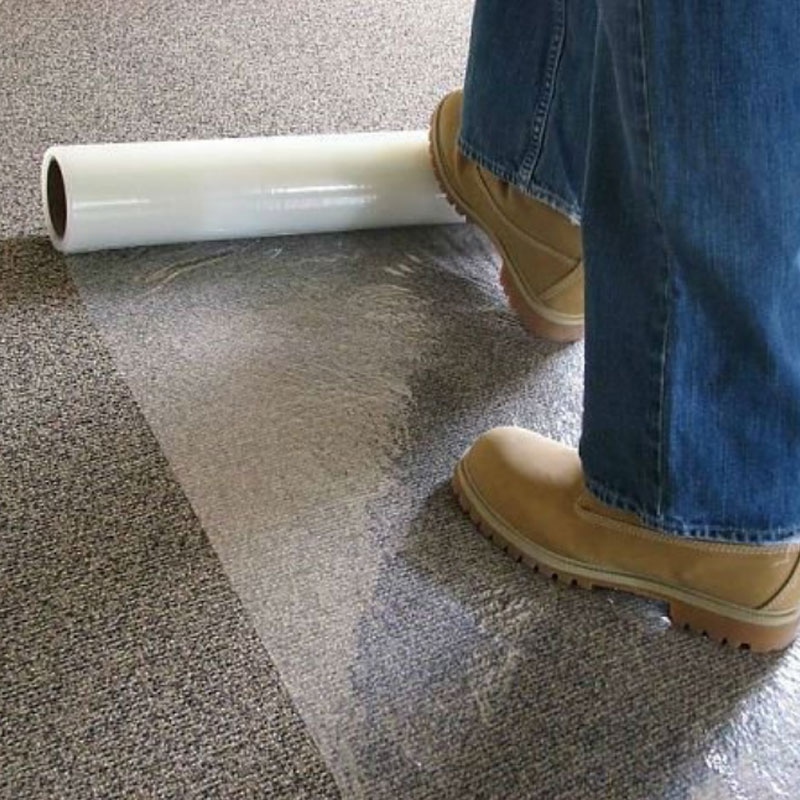
● Protects carpet against staining, paint spillage and dirt during painting, building, remodeling, plastering, tiling, decoration, general maintenance...
See Details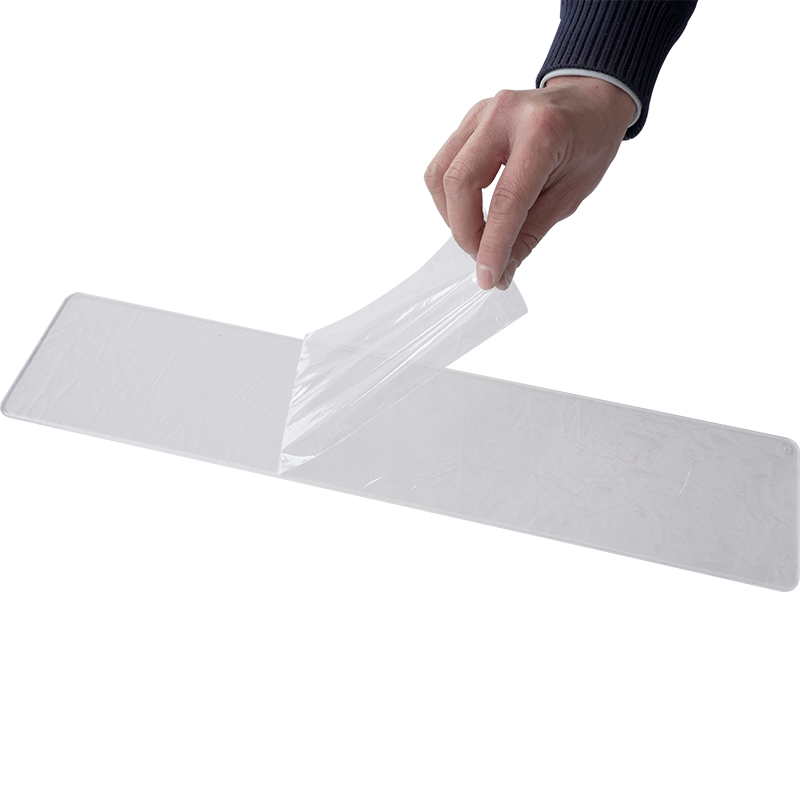
● No “ghost shadow” or “fish eye” after removal; ● Low gel content, soft and stable adhesion plus easy-peel removal with no surface damage or curling;...
See Details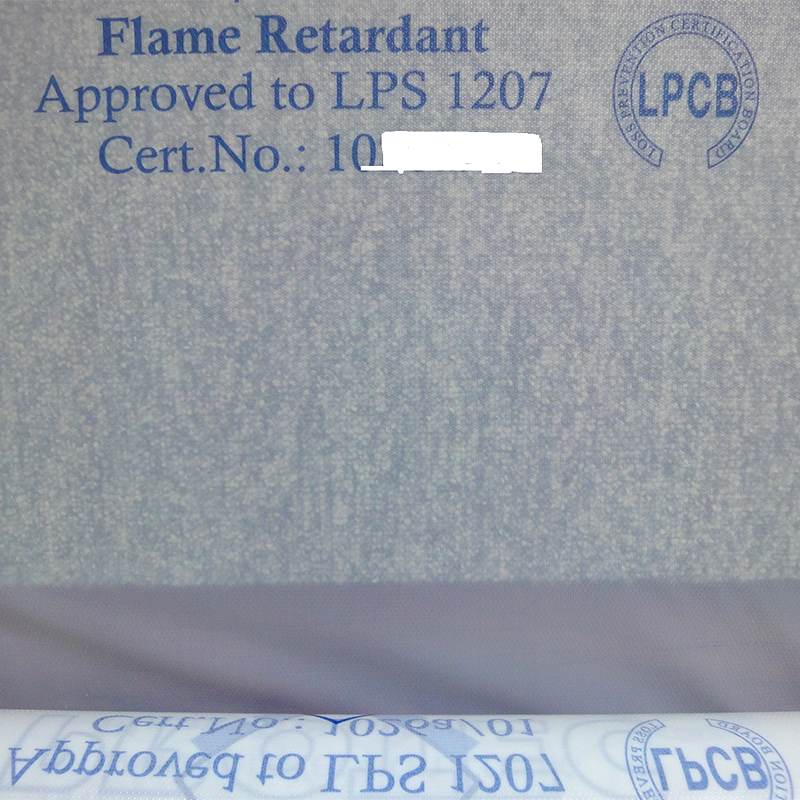
● Prevents costly damages in case of fire /flame;● Meet the strict international test standards of loss prevention; ● Extensive selection for flame re...
See Details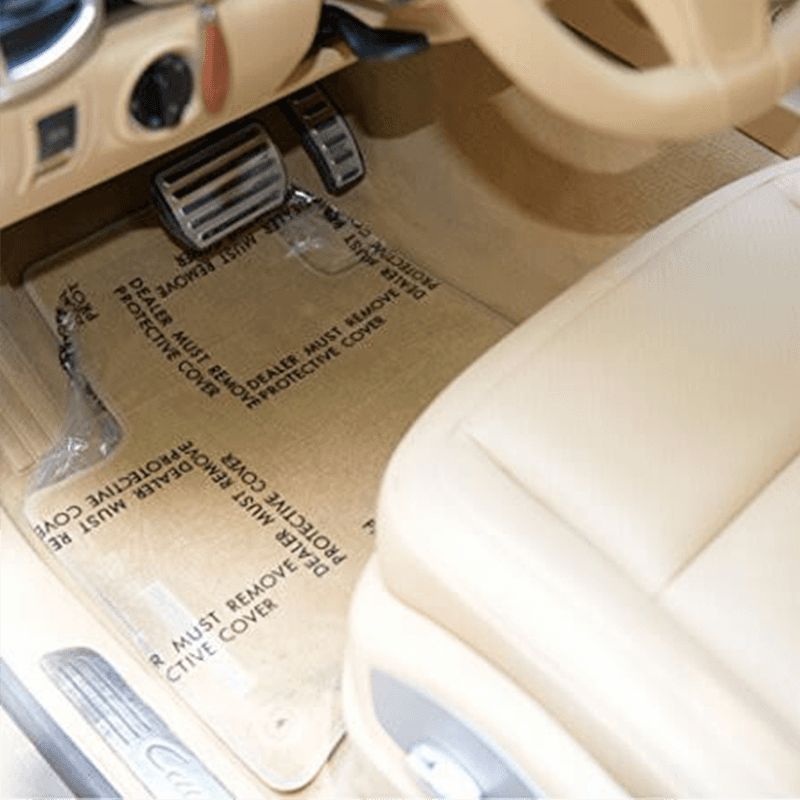
● Distance of each perforation die-cut ranges from 100mm to 1200mm;● Can peel off each die-cut piece of protective film at the perforated line easily;...
See Details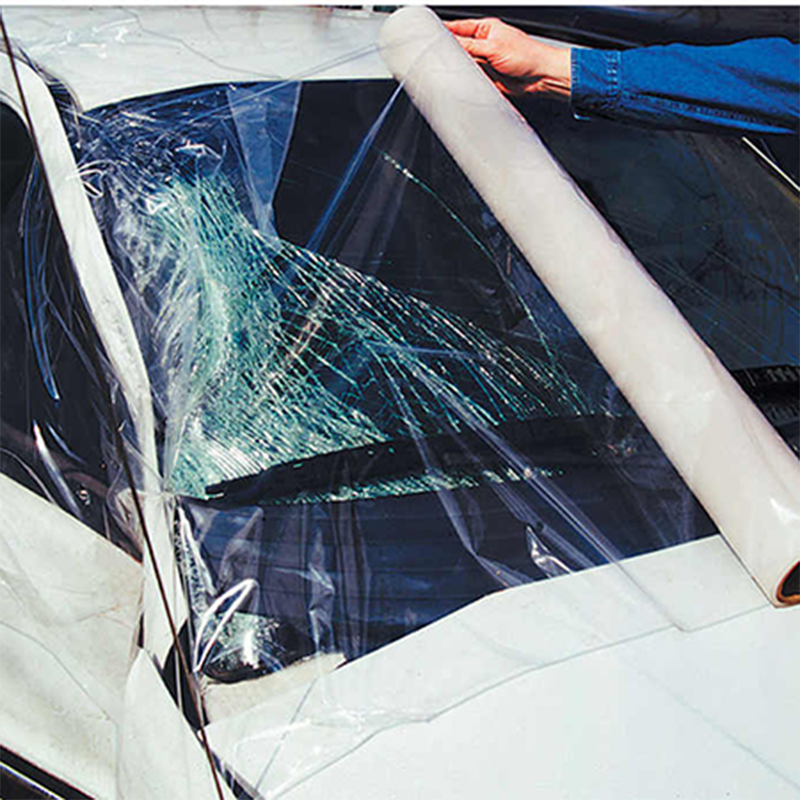
● The super-tough polyethylene film resists puncture and penetration by rain, snow, debris, and dirt during the transportation and storage of the cras...
See Details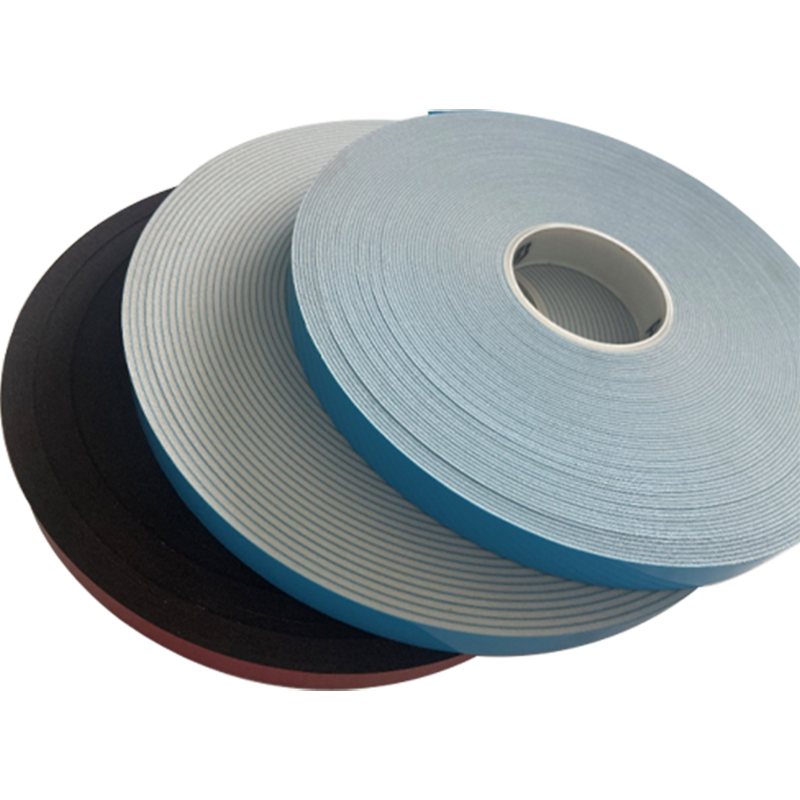
● Waterproof - the desirable material for waterproofing. ● Dust-proof - positive performance of dust prevention.● Low resilience - prevent the deforma...
See Details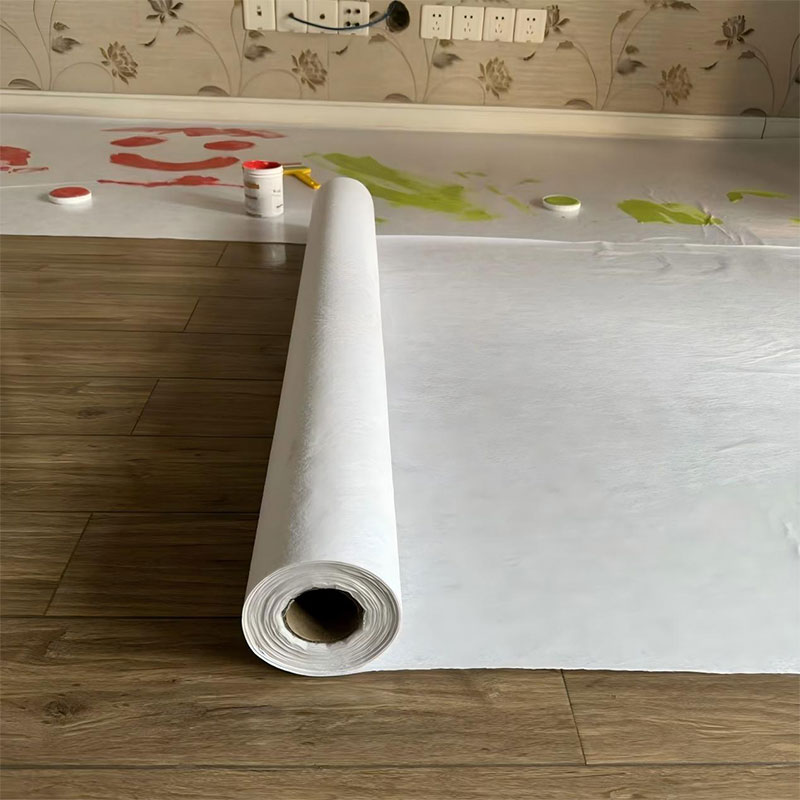
This product has non-woven synthetic fleece in middle; PE film adhered onto top of the non-woven fabric, which is coated with self adhesive glue on it...
See Details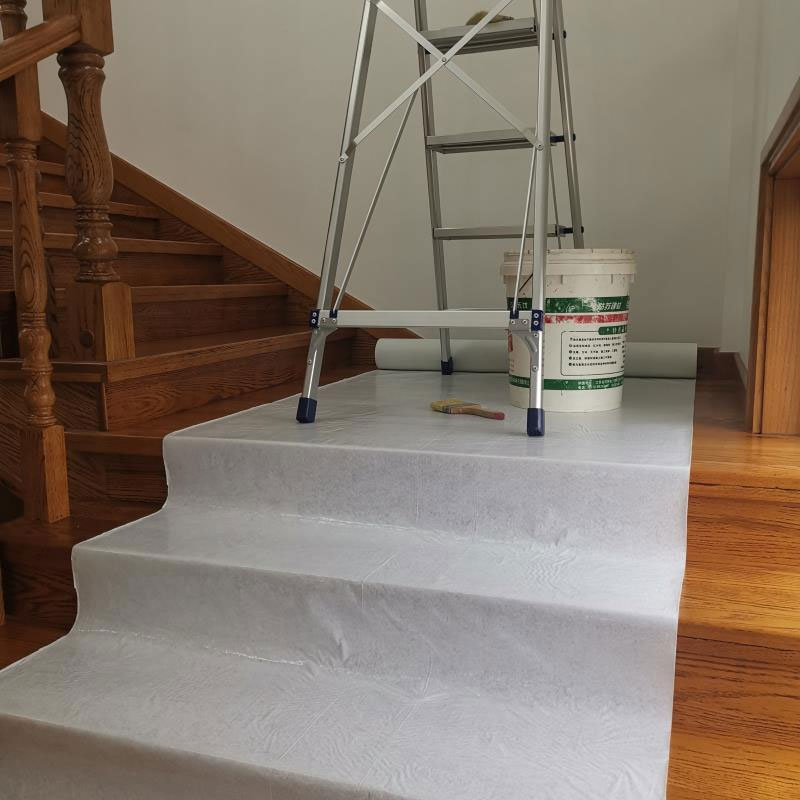
This product has non-woven synthetic fleece in middle; Breathable PE film adhered onto top of the non-woven fabric, which is coated with self adhesive...
See DetailsWe’re a reliable partner that shapes our expertise into success for your project.

Copyright 2024 Wuxi Qida Tape Co., Ltd. All Rights Reserved
 Wholesale Protective Film/Foil Manufacturers
Privacy
Wholesale Protective Film/Foil Manufacturers
Privacy