

 English
 English
 русский
 Français
 Español
 Português
 عربى
عربى
Cat:Glue -coated Protective Film
● No “ghost shadow” or “fish eye” after removal; ● Stable adhesion level; ● UV resistance for up to 6 months; ● Can print customized logo or applicati...
See Details
Protective film is a thin, temporary layer of material applied to a surface to shield it from scratches, dirt, chemicals, impact or moisture during manufacturing, shipping, installation or daily use. It is designed to be removed once the surface no longer needs protection, leaving the original finish untouched underneath.
The term covers a wide family of products, from adhesive plastic sheeting on new appliances to tacky floor mats that trap dust in a construction zone, to paint protection film that guards a car body against road debris. This guide walks through the main categories, how each one is used, and how to choose the right product for your surface and industry.
Protective film is not a single product. It is a category that spans dozens of materials and thicknesses, each engineered for a specific job. Understanding the main groups makes it much easier to pick the right one instead of guessing.
| Category | Typical Material | Common Use Case |
| Surface protection film | Polyethylene, PVC | Stainless steel, glass, aluminum panels |
| Floor and carpet protection | Sticky mat, tacky floor mat, ram board | Construction sites, cleanrooms, renovation |
| Automotive paint film | Thermoplastic urethane (TPU) | Paint protection film for car bodies |
| Automotive glass film | Polyurethane composite | Windshield protection film |
| Electronics and display film | Optical clear PET | Phone screens, monitors, appliance panels |
Each of these categories has its own adhesive strength, thickness range and removal method, which is why a film built for a stainless steel refrigerator is never the right choice for a car hood, and a floor mat sticky enough for a warehouse would damage a polished tile floor.
One of the most practical forms of protective film is not applied to a product at all, but placed on the ground. A sticky mat, also called a tacky floor mat or mat sticky product, is a multi layer mat made of numbered adhesive sheets that peel away one at a time as they collect dust and debris.
Sticky floor mats are placed at entrances to cleanrooms, laboratories, hospitals, paint booths and construction zones. Each layer contains around 30 to 60 individual sheets, and workers or visitors walk across the mat so their shoe soles pick up loose particles before entering a controlled area. A single sheet is designed to capture roughly 99 percent of surface contaminants on the first two steps, which is why facilities that need consistent particle control rely on them at every doorway.
Practical example: A semiconductor cleanroom typically replaces sheets on its sticky mat every shift, while a general construction site might only need to peel a layer once or twice a day depending on foot traffic.
Alongside full floor mats, smaller 3M sticky pads are used for spot protection, such as holding down temporary signage, securing tools on a bench, or mounting lightweight fixtures without drilling. These pads use a pressure sensitive acrylic adhesive that bonds quickly but can usually be removed without leaving residue on smooth surfaces, which is why they are a common choice in retail displays, trade show booths and light industrial settings.
| Product Type | Best Environment | Typical Layer Count |
| Cleanroom sticky mat | Electronics, pharma, labs | 30 to 60 sheets |
| Tacky floor mat | Construction, renovation | 20 to 30 sheets |
| 3M sticky pads | Retail, events, light industrial | Single use pad, no layers |
Paint protection film, often shortened to PPF, is a clear thermoplastic urethane layer applied to the exterior of a vehicle to absorb impact from stone chips, road debris, insect acid and minor scuffs before they reach the paint. It is one of the most requested forms of protective film in the automotive world because factory paint has no built in defense against gravel kicked up at highway speed.
A typical clear coat and base coat finish is only a few thousandths of an inch thick, so a single highway trip can leave small chips along the hood and front bumper. Car paint protection film is usually applied at a thickness of around 150 to 200 microns, roughly the thickness of two sheets of paper, yet that thin layer is enough to absorb the impact energy from small stones and prevent it from reaching the paint underneath.
Example: Owners who commute on gravel or newly resurfaced roads often see stone chips on the front bumper within the first year of ownership if no film is installed, while a vehicle with paint protection film on the front end typically shows no visible damage after the same distance.
Higher grade paint protection film includes a self healing top coat that uses gentle heat, either from sunlight or warm water, to smooth out light swirl marks and fine scratches. Many films also carry a UV inhibitor so the film itself does not yellow over years of sun exposure, which keeps the finish underneath looking factory fresh for longer.
Applying car paint protection is a precise process, not a simple wrap job, which is why it is usually left to trained installers rather than done at home.
| Coverage Package | Typical Areas Covered | Best For |
| Partial front | Bumper, hood edge, mirrors | Budget conscious daily drivers |
| Full front | Full hood, fenders, bumper, mirrors | Highway commuters |
| Full body | Entire exterior painted surface | New or high value vehicles |
Windshield protection film is a specialized clear layer applied directly to the front glass to reduce the chance of chips and cracks from flying road debris. Unlike paint protection film for body panels, windshield film has to remain fully transparent and distortion free since it sits directly in the driver line of sight.
Drivers who spend significant time behind trucks, on gravel roads or on highways with frequent construction traffic are the most common users of windshield protection film, since these conditions produce the highest rate of stone impact. A quality film can absorb the energy from small stone strikes that would otherwise leave a pit or star crack in unprotected glass, and replacing a section of film after a strong impact is far less expensive than replacing an entire windshield.
Good to know: Most windshield protection film is rated for around two to three years of clarity before it may need replacement due to fine surface haze from wiper contact, so it should be inspected each time the vehicle is serviced.
A search for paint protection film near me usually returns a long list of detail shops and wrap studios, and not all of them offer the same level of skill or material quality. Before booking an appointment, it helps to compare a few key factors.
With so many product families under the protective film umbrella, choosing the right one comes down to three questions.
| Question | Why It Matters | Example Answer |
| What surface is being protected | Determines adhesive strength needed | Painted car body needs TPU film, not floor mat sticky adhesive |
| How long will it stay applied | Affects UV stability and adhesive residue risk | Short term shipping film versus multi year car paint protection film |
| What conditions will it face | Impacts thickness and material choice | High traffic sticky floor mats versus light duty 3m sticky pads |
Even the best protective film can fail early if it is applied or maintained incorrectly.
Hand washing with a pH balanced soap, avoiding abrasive brushes, and checking film edges every few months for lifting will extend the working life of almost any protective film, whether it is on a car hood, a windshield, or a factory floor entrance.
Because protective film performance depends so heavily on adhesive formula, film thickness and material grade, the manufacturer behind the product matters as much as the product itself. Wuxi Qida Tape Co., Ltd. produces a wide range of protective film and adhesive tape solutions, including surface protection film for metal and glass, sticky floor mats and tacky mats for controlled environments, and specialty adhesive products for industrial and automotive use.
For businesses sourcing protective film in bulk, whether for a manufacturing line, a construction project, or an automotive detailing shop, working directly with an experienced manufacturer like Wuxi Qida Tape Co., Ltd. makes it easier to get consistent adhesive strength, custom sizing and reliable supply, rather than relying on inconsistent retail packaged products.
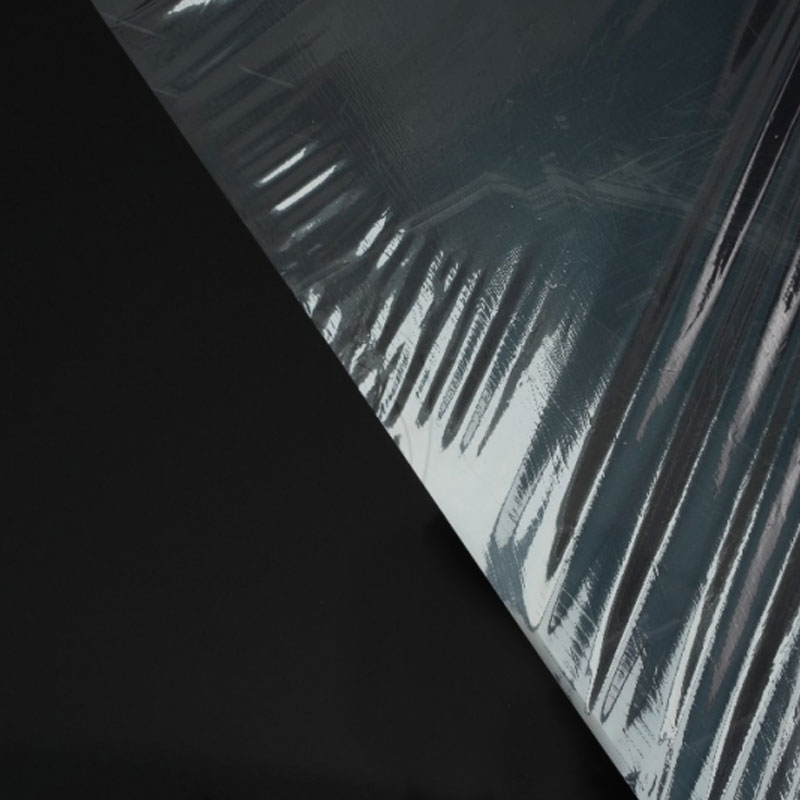
● No “ghost shadow” or “fish eye” after removal; ● Stable adhesion level; ● UV resistance for up to 6 months; ● Can print customized logo or applicati...
See Details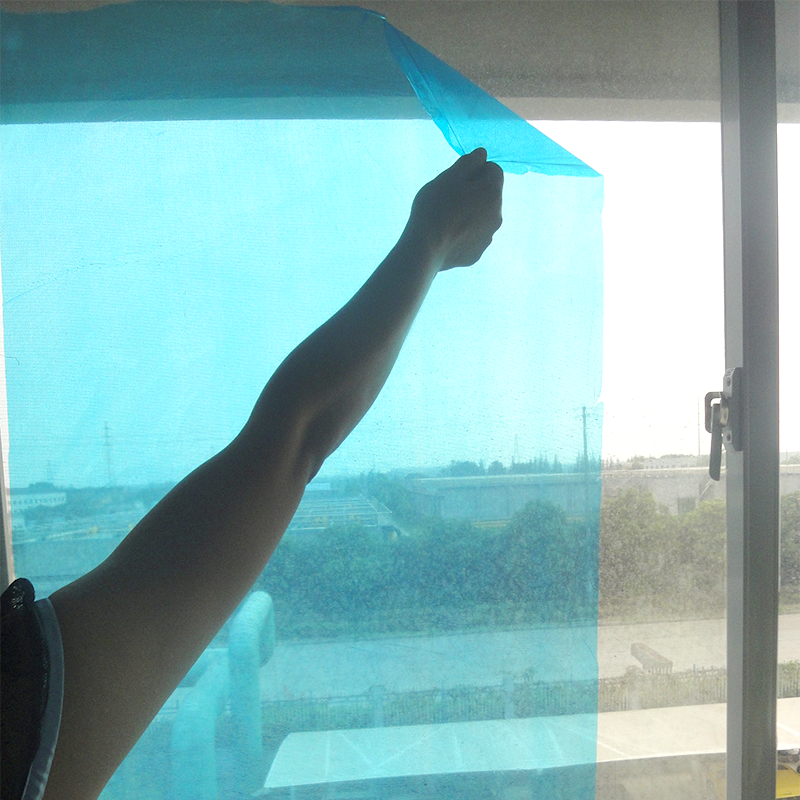
● Protect window glass against paint splatters, dirt, staining, and spillages during painting, building, plastering, tiling, general maintenance and r...
See Details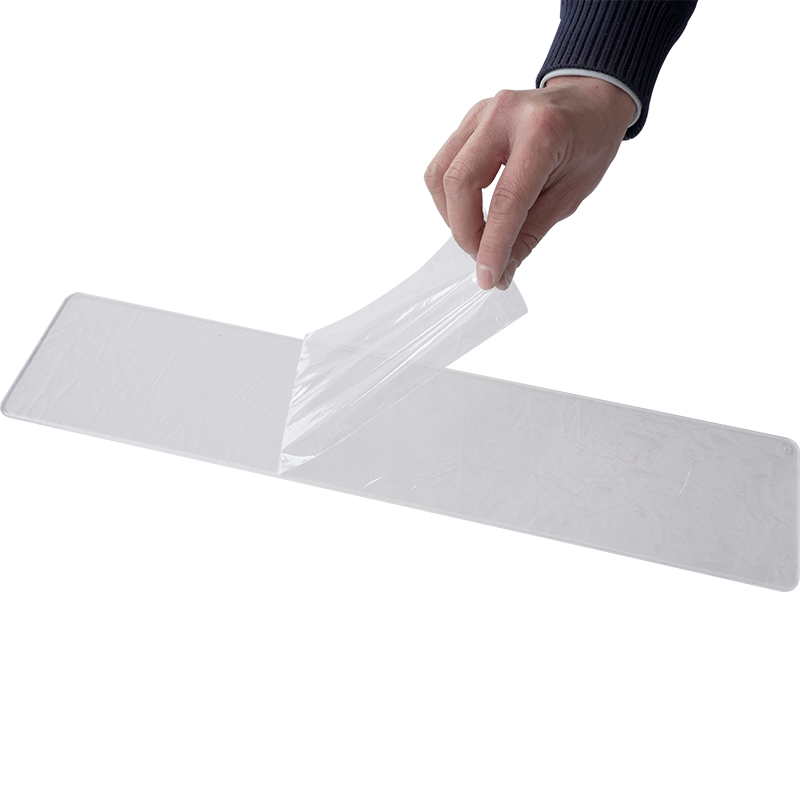
● No “ghost shadow” or “fish eye” after removal; ● Low gel content, soft and stable adhesion plus easy-peel removal with no surface damage or curling;...
See Details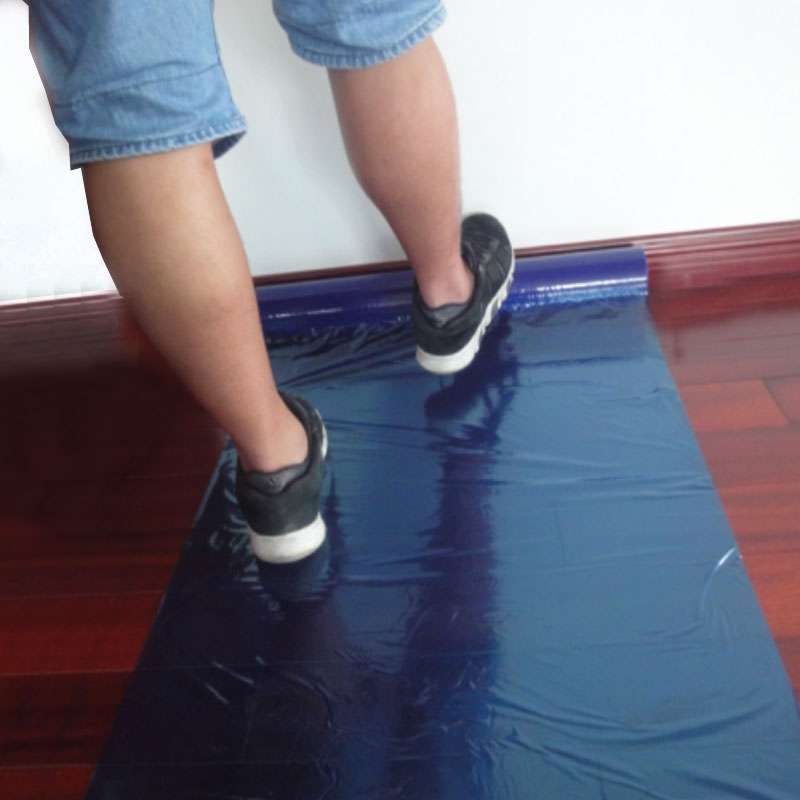
● Patented adhesive formula suits all hard surfaces such as hardwood floors, laminate floors, ceramic, marble, tile, granite, vinyl, worktops, and gla...
See Details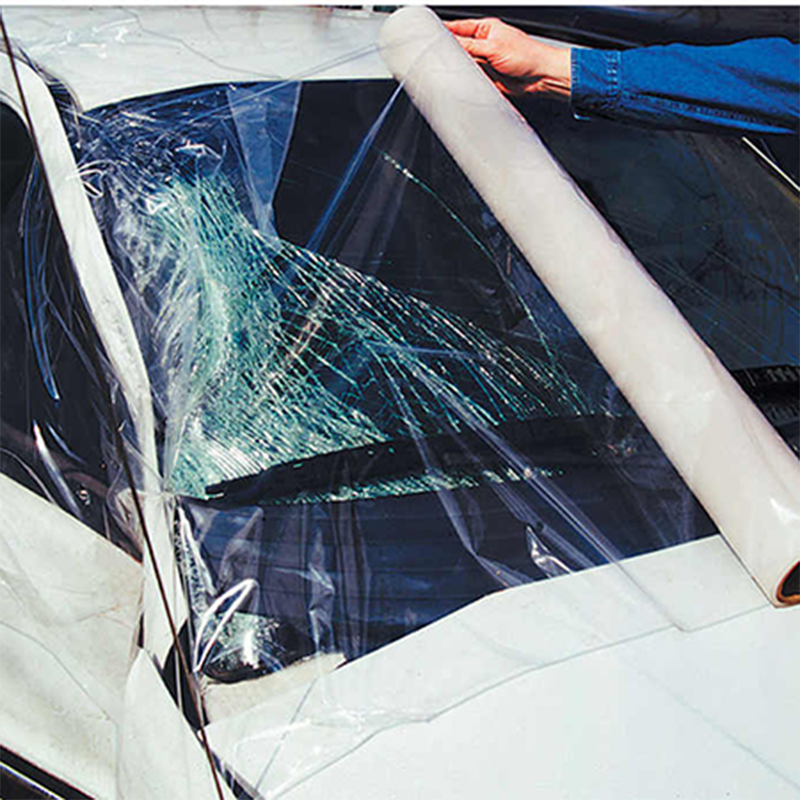
● The super-tough polyethylene film resists puncture and penetration by rain, snow, debris, and dirt during the transportation and storage of the cras...
See Details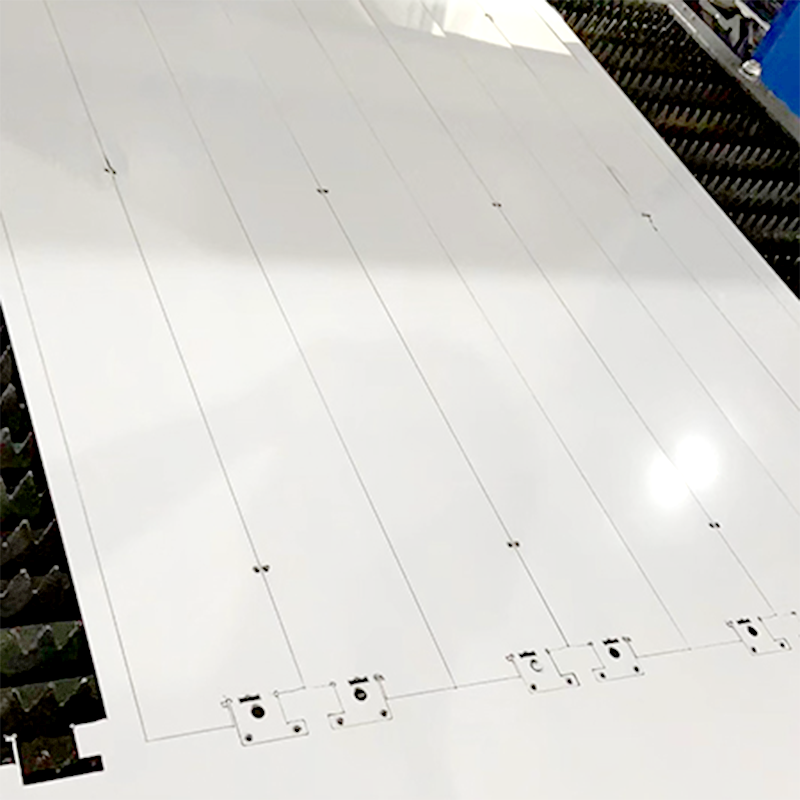
● The specially formulated natural rubber adhesive suitable for both CO2 and Fiber laser cutting processes;● High cutting quality without burr or trac...
See Details
● The specially formulated adhesive ensures easy application and removal without leaving residue glue; ● The super-tough polyethylene film protects ag...
See Details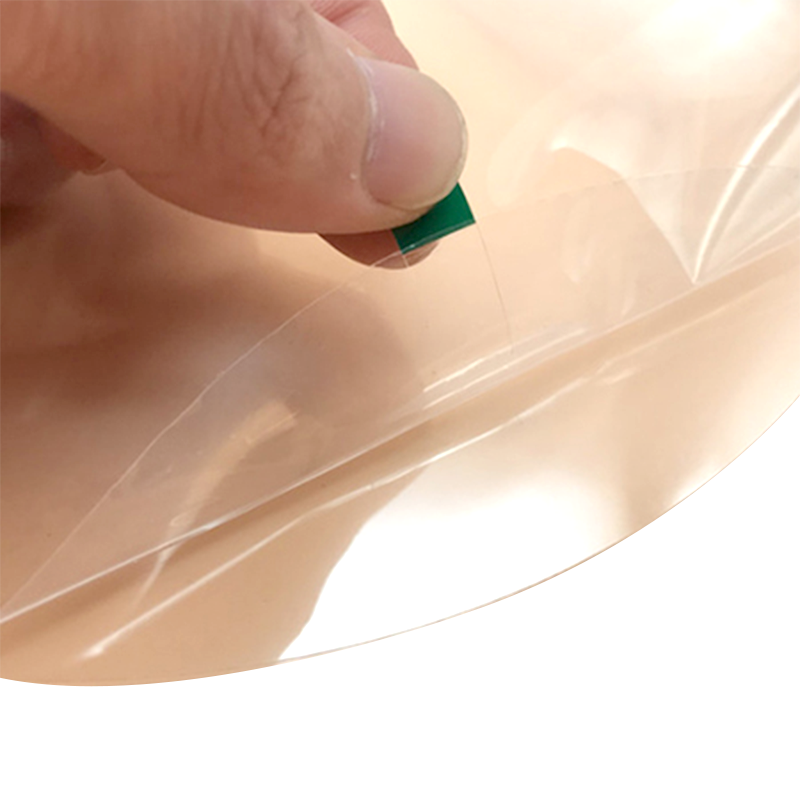
● Suitable for plastic sheets’ drilling, cutting, routing, thermoforming, bending, or post-fabrication operations;● No “ghost shadow” or “fish eye” af...
See Details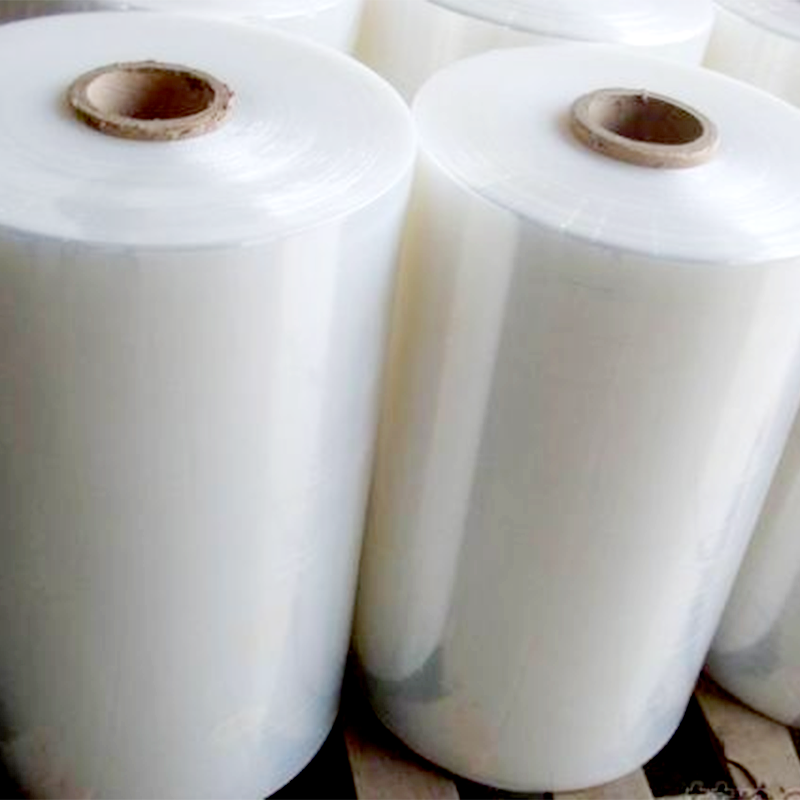
● Excellent puncture and tear resistance; ● Self-adhering-each layer of film bonds to the next for added strength; ● Big roll size to save cost and re...
See Details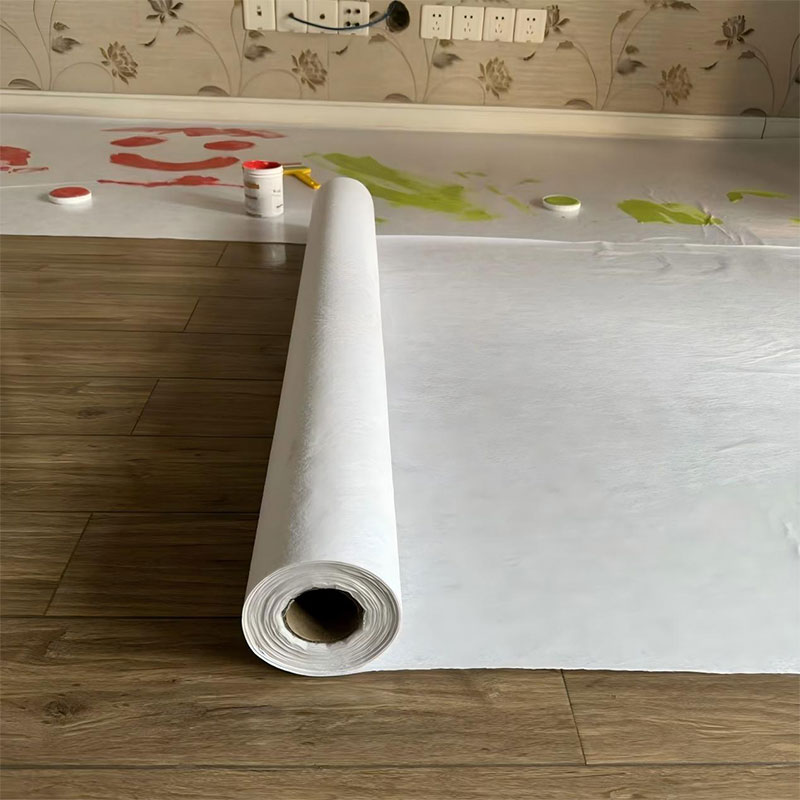
This product has non-woven synthetic fleece in middle; PE film adhered onto top of the non-woven fabric, which is coated with self adhesive glue on it...
See DetailsWe’re a reliable partner that shapes our expertise into success for your project.

Copyright 2024 Wuxi Qida Tape Co., Ltd. All Rights Reserved
 Wholesale Protective Film/Foil Manufacturers
Privacy
Wholesale Protective Film/Foil Manufacturers
Privacy