

 English
 English
 русский
 Français
 Español
 Português
 عربى
عربى
Cat:Glue -coated Protective Film
● Protect window glass against paint splatters, dirt, staining, and spillages during painting, building, plastering, tiling, general maintenance and r...
See Details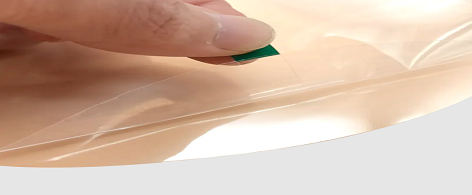
In most cases, self-adhesive protective film offers better short-to-medium-term surface protection than traditional coatings, particularly against scratches, impacts, UV exposure, and chemical splashes, while requiring no curing time, no specialized labor, and no downtime. Traditional coatings (paint, varnish, powder coating, or clear lacquer), however, offer superior long-term durability, better resistance to extreme heat, and a more permanent, seamless finish for surfaces expected to last a decade or more without replacement. The better choice depends on the surface material, expected lifespan, budget, and whether the protection needs to be temporary or permanent.
Self-adhesive protective film is a thin, flexible layer—typically made from PE (polyethylene), PVC, or PET (polyester)—coated on one side with a pressure-sensitive adhesive. It is applied directly onto surfaces such as metal sheets, glass, stainless steel, plastic panels, painted automotive bodies, or electronic displays to shield them from scratches, dust, moisture, and UV damage during manufacturing, transport, storage, or daily use. Once its job is done, it is peeled off to reveal an undamaged surface underneath.
Unlike coatings, protective film does not chemically bond or alter the substrate. It sits on top as a sacrificial, removable barrier—making it fundamentally different in both function and lifespan from traditional coatings.
Traditional coatings refer to liquid or powder-based surface treatments—such as paint, epoxy, polyurethane varnish, powder coating, and anodizing—that are applied and then cured (via air-drying, baking, or chemical reaction) to form a hardened, permanent layer bonded to the substrate. Coatings are designed to become part of the surface, offering long-term protection against corrosion, wear, and environmental exposure.
Because coatings chemically adhere to the material, they generally cannot be removed without sanding, stripping, or repainting, making them a semi-permanent or permanent solution rather than a temporary one.
| Factor | Self-Adhesive Protective Film | Traditional Coatings |
|---|---|---|
| Application time | Minutes, no curing needed | Hours to days (drying/curing) |
| Removability | Fully removable, no residue (with correct adhesive) | Permanent; removal requires sanding/stripping |
| Typical lifespan | 3 months to 3 years depending on grade | 5 to 20+ years |
| Scratch/impact resistance | Excellent (sacrificial layer absorbs damage) | Good, but scratches damage the surface itself |
| Heat resistance | Moderate, typically up to 80–120°C | High, up to 200°C+ for specialty coatings |
| Labor/equipment needed | Minimal, no spray booth or ventilation required | Specialized equipment, ventilation, PPE |
| Cost (upfront) | Lower per application | Higher, but amortized over longer lifespan |
| Environmental impact | Plastic waste after removal | VOC emissions during application (unless water-based) |
In industries like stainless steel fabrication, appliance manufacturing, and construction materials (aluminum composite panels, acrylic sheets), products often need protection only during production, shipping, and installation. Applying a coating for this purpose would be wasteful and unnecessary. Protective film can be applied in seconds per square meter using automated laminating lines, then peeled off once the product reaches its final destination—leaving the original factory finish untouched.
For glass, polished metal, or display screens, coatings can alter optical clarity, color, or texture. Protective film, by contrast, preserves the original surface finish completely once removed, which is why it's standard in the electronics industry for smartphone screens, laptop covers, and touch panels during shipping.
Because film requires no drying or curing time, it's far better suited to high-volume production lines or time-constrained installations, such as protecting elevator interiors or floors during a building renovation, where a coating's multi-day cure time would halt other trades from working.
For surfaces exposed to years of weathering—steel bridges, outdoor railings, ship hulls, or building facades—coatings such as epoxy primers and polyurethane topcoats are engineered to bond permanently and resist corrosion for 10 to 20+ years. Film products are not designed for this kind of multi-year, unattended outdoor exposure and will degrade, yellow, or lose adhesion well before that timeframe.
Engine components, industrial ovens, and exhaust systems routinely exceed the heat tolerance of adhesive films (generally 80–120°C for standard PE film). Specialty coatings, such as ceramic or high-temperature powder coatings, can withstand 200°C or higher without degrading, making them the only viable option in these settings.
When the goal is a permanent color, texture, or corrosion barrier—such as automotive OEM paint or powder-coated furniture—coatings are the only method that becomes structurally part of the product rather than a removable overlay.
While protective film has a lower upfront cost, it is not always cheaper over the long run. If a surface needs protection for many years, repeatedly replacing film every few months can exceed the one-time cost of a durable coating. Conversely, coatings involve higher initial investment—including labor, curing infrastructure, and potential downtime—which may not be justified for temporary or transit-only protection needs.
Neither option is universally "better"—each is built for a different job. Self-adhesive protective film excels at fast, temporary, non-invasive protection during manufacturing, transport, and installation, and is the preferred choice whenever the underlying surface finish must remain untouched. Traditional coatings excel at permanent, long-term protection in demanding outdoor, high-heat, or high-wear environments where durability over many years outweighs the convenience of easy removal. The right decision comes down to matching the protection method to the expected exposure duration, environmental conditions, and total cost over the product's lifecycle.
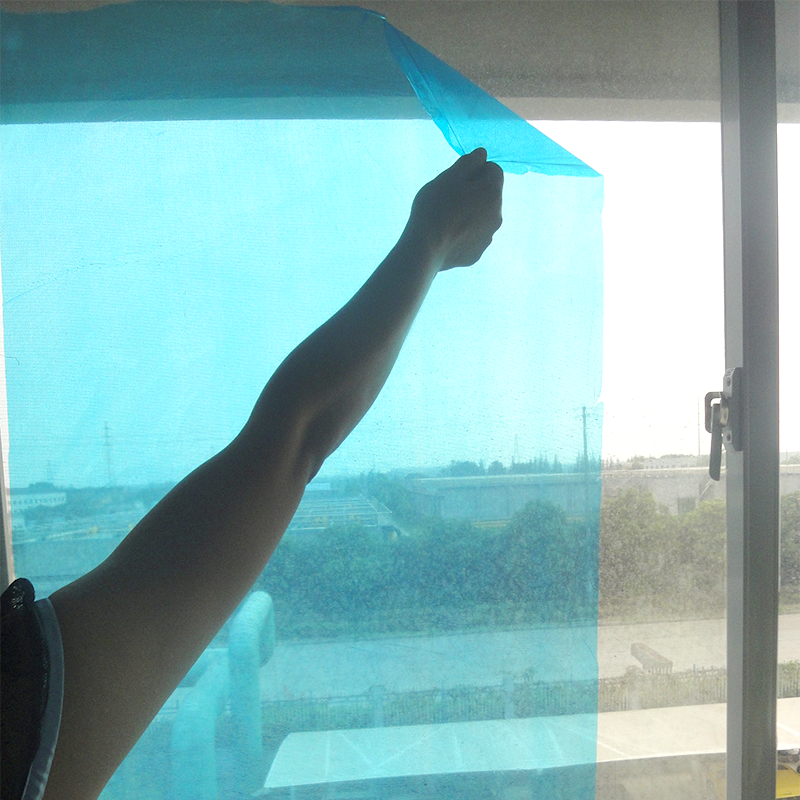
● Protect window glass against paint splatters, dirt, staining, and spillages during painting, building, plastering, tiling, general maintenance and r...
See Details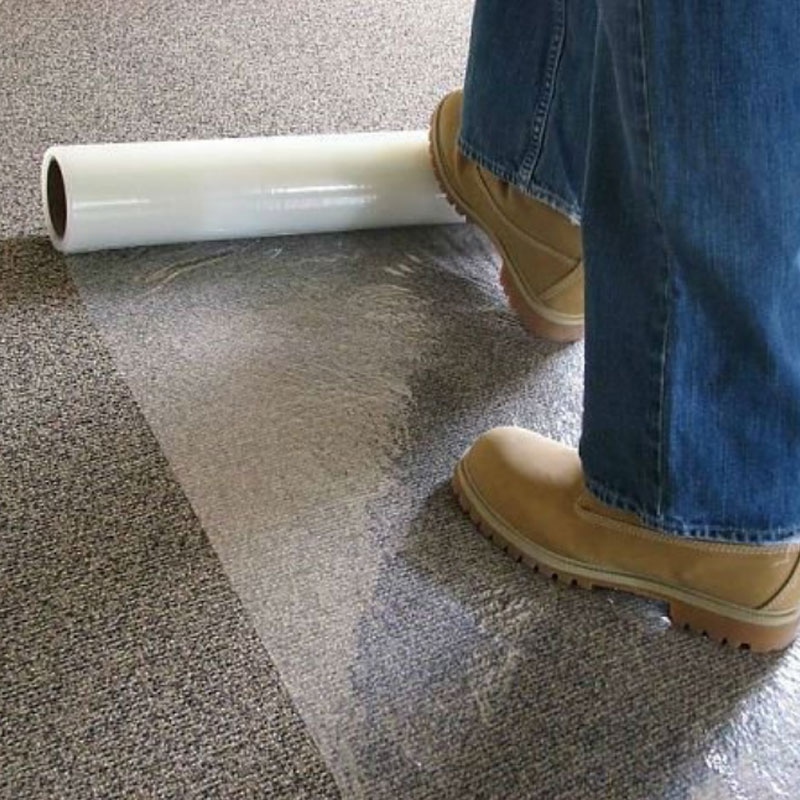
● Protects carpet against staining, paint spillage and dirt during painting, building, remodeling, plastering, tiling, decoration, general maintenance...
See Details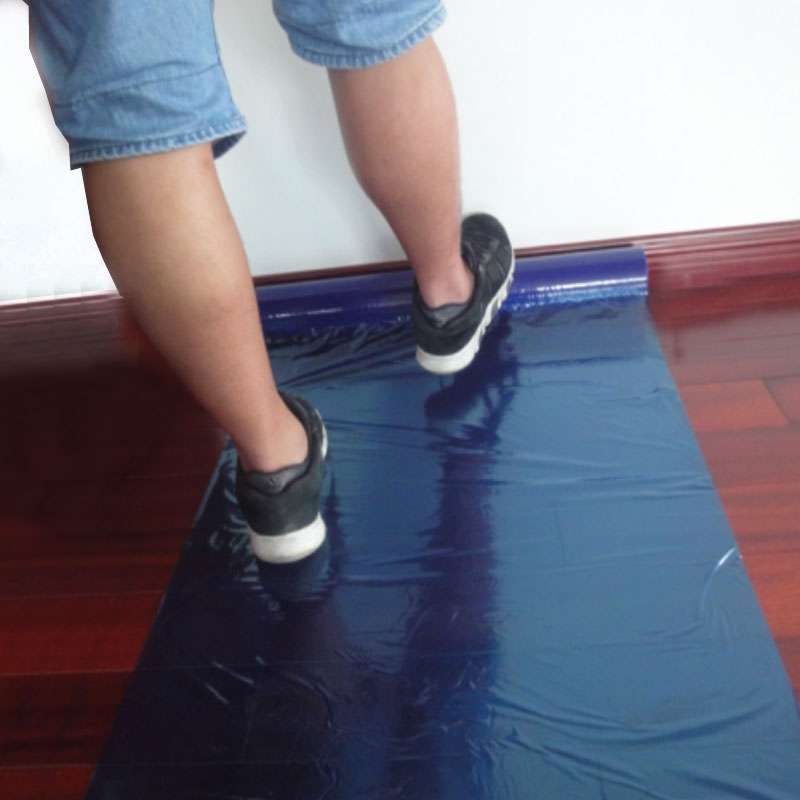
● Patented adhesive formula suits all hard surfaces such as hardwood floors, laminate floors, ceramic, marble, tile, granite, vinyl, worktops, and gla...
See Details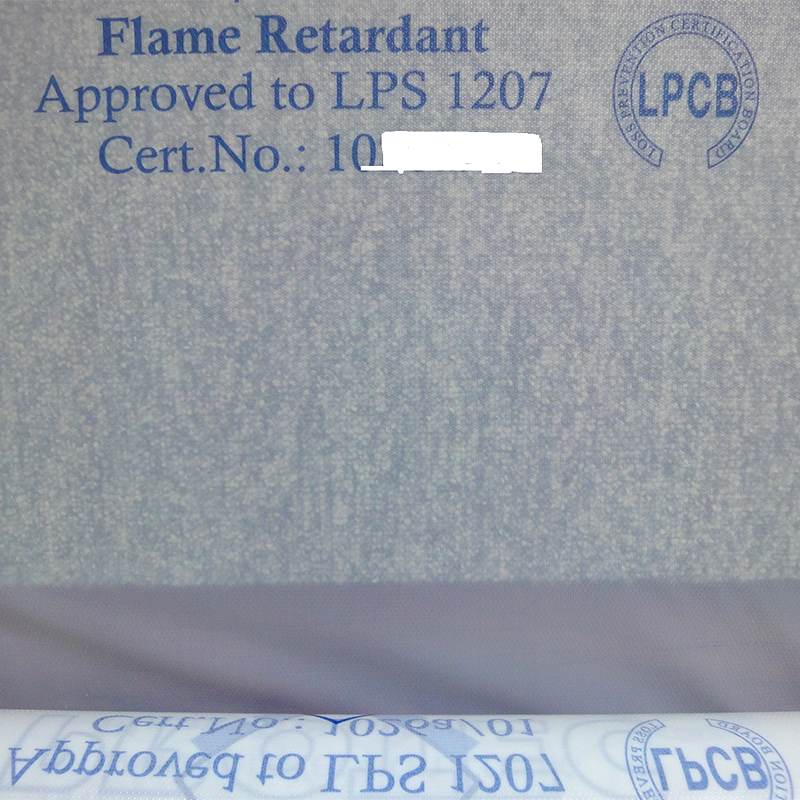
● Prevents costly damages in case of fire /flame;● Meet the strict international test standards of loss prevention; ● Extensive selection for flame re...
See Details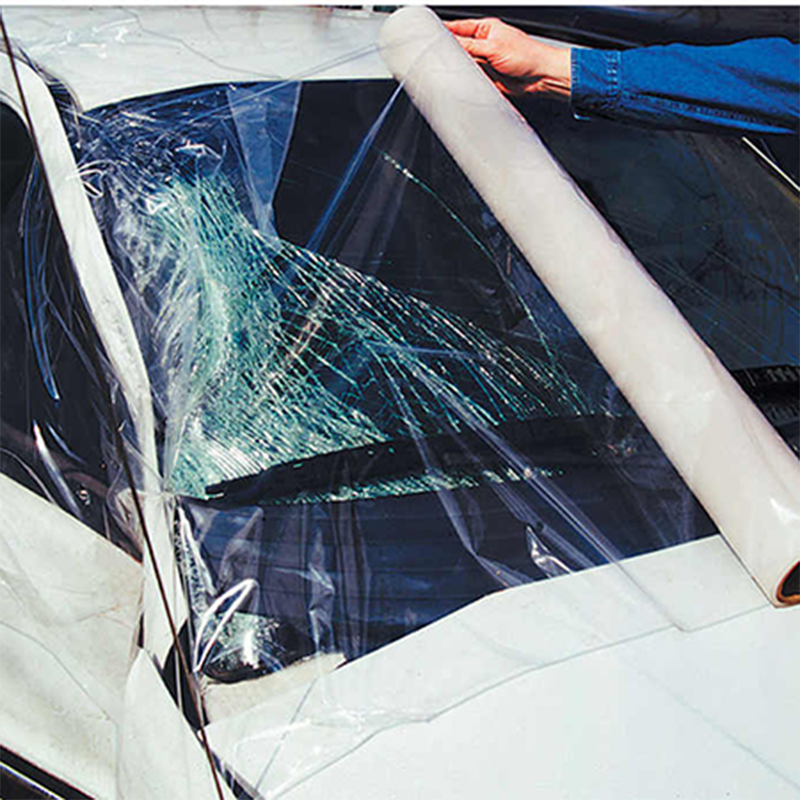
● The super-tough polyethylene film resists puncture and penetration by rain, snow, debris, and dirt during the transportation and storage of the cras...
See Details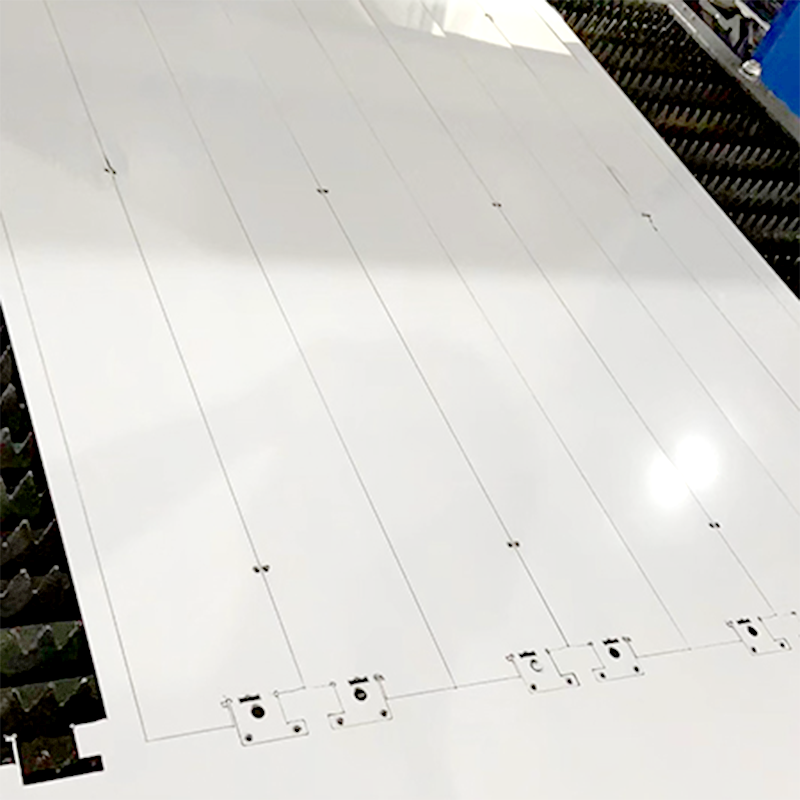
● The specially formulated natural rubber adhesive suitable for both CO2 and Fiber laser cutting processes;● High cutting quality without burr or trac...
See Details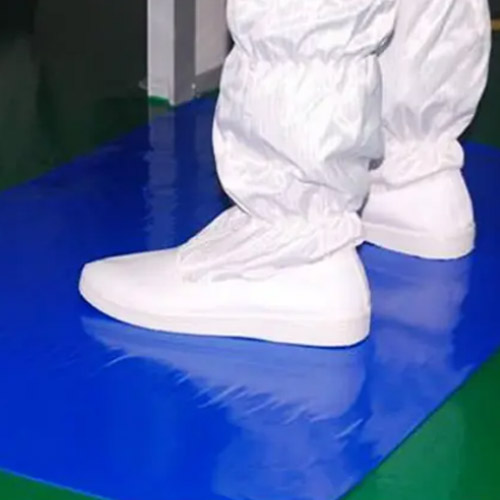
● Options for either 30 or 60 layers per mat; can be packed with four mats, eight mats, or ten mats per carton;● Remove dirt effect: ≥99.9% (5 steps);...
See Details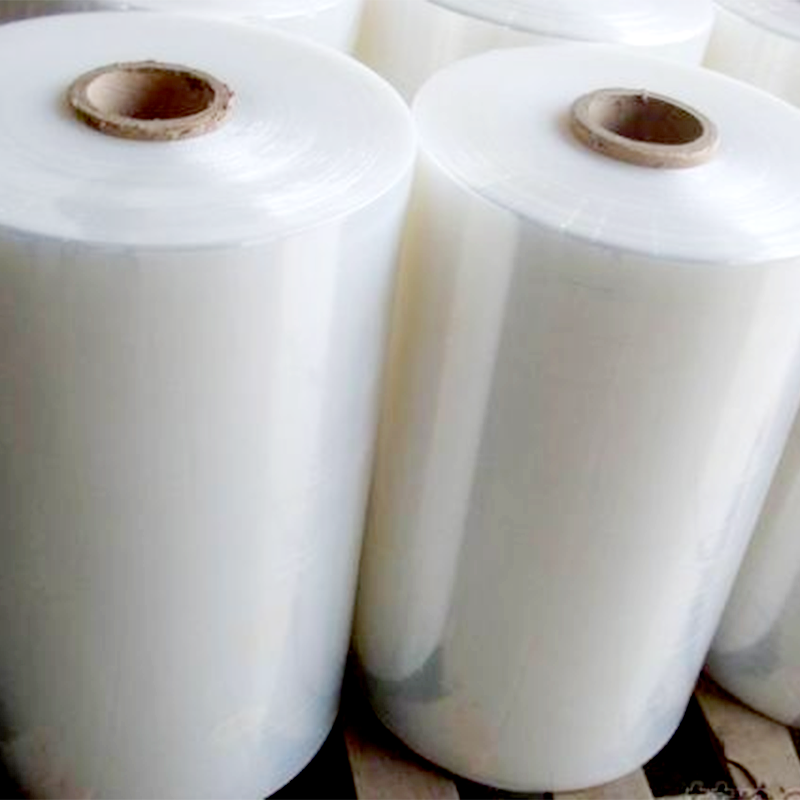
● Excellent puncture and tear resistance; ● Self-adhering-each layer of film bonds to the next for added strength; ● Big roll size to save cost and re...
See Details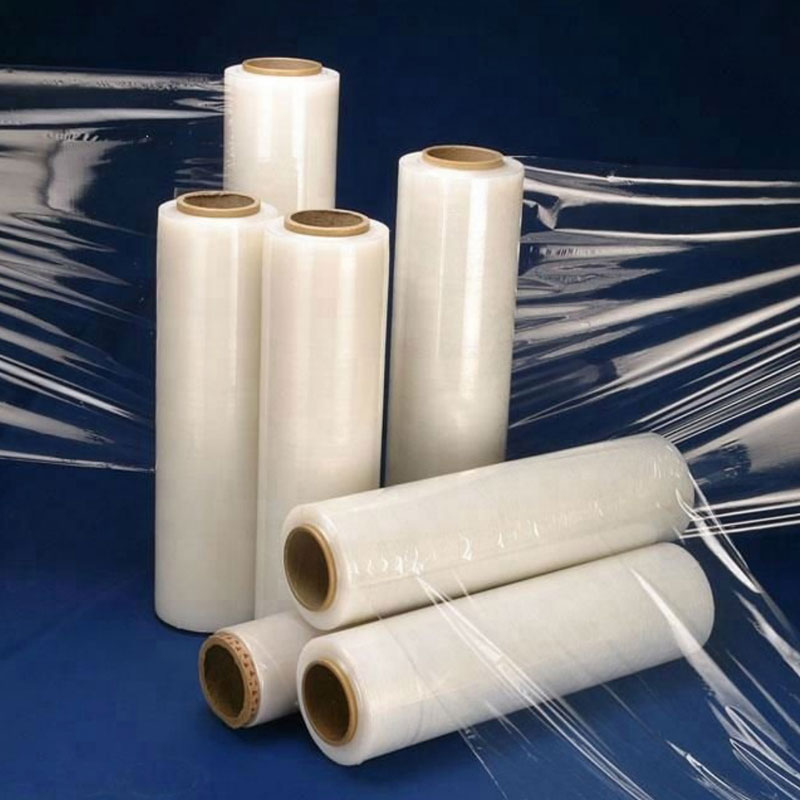
● Small roll size for convenient manual application;● Excellent puncture and tear resistance ; ● A self-adhering-each layer of film bonds to the next ...
See Details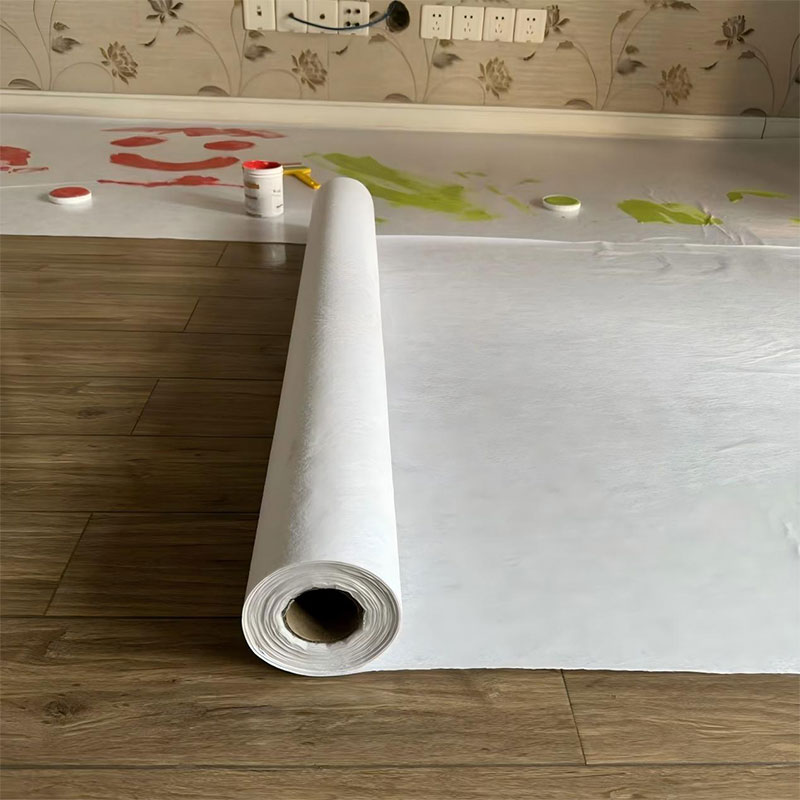
This product has non-woven synthetic fleece in middle; PE film adhered onto top of the non-woven fabric, which is coated with self adhesive glue on it...
See DetailsWe’re a reliable partner that shapes our expertise into success for your project.

Copyright 2024 Wuxi Qida Tape Co., Ltd. All Rights Reserved
 Wholesale Protective Film/Foil Manufacturers
Privacy
Wholesale Protective Film/Foil Manufacturers
Privacy