

 English
 English
 русский
 Français
 Español
 Português
 عربى
عربى
Cat:Glue -coated Protective Film
● No “ghost shadow” or “fish eye” after removal; ● Stable adhesion level; ● UV resistance for up to 6 months; ● Can print customized logo or applicati...
See Details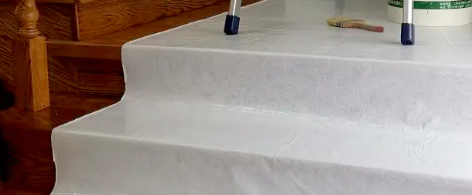
Surface protection fleece should go down any time a finished or semi-finished surface will see foot traffic, equipment movement, or trade work after it's installed — most commonly on flooring, countertops, staircases, and cabinetry during the final phases of a renovation or new build. Its absorbent, cushioned, non-woven construction makes it best suited for surfaces vulnerable to scratches, dents, and spills rather than heavy rolling loads, where a rigid board product is a better fit.
The timing matters as much as the placement: fleece typically goes down after a surface is installed but before other trades begin work in that area, and stays until final walkthrough or move-in. Below is a breakdown of exactly where and when it earns its place on a job site.
Hardwood, LVP, tile, and engineered flooring are the single most common use case. Fleece's cushioned layer absorbs dropped tools and grit tracked in on boots, which is what actually causes most scratches — not direct impact. For high-traffic hallways or areas where carts and dollies will pass repeatedly, pair fleece with a rigid floor board on top for combined cushioning and puncture resistance.
Once stone, quartz, or solid-surface countertops are set, fleece protects against dropped tools, paint splatter, and scratches from tile or cabinet installers working nearby. Because fleece is absorbent, it also catches spills before they seep into seams or edges — something a plastic sheet alone won't do.
Stairs see concentrated, repeated foot traffic in a narrow area, making them a high-risk zone for finish damage. Fleece taped securely to each tread reduces slipping risk compared to plastic film, while still cushioning against dropped materials during move-in or trim work.
Installed cabinets, especially painted or finished millwork, are easily marred by ladders, tool belts, and passing trades. A fleece wrap or draped cover protects face frames and doors during the weeks of finishing work that typically follow cabinet installation.
Stainless steel appliances and plumbing fixtures scratch easily and show every fingerprint. Fleece covers are commonly used here because they're easy to remove and reapply as different trades need temporary access.
Timing protection correctly avoids two common mistakes: covering a surface too early (trapping dust and debris underneath, which can scratch the finish) or too late (after damage has already occurred).
| Project Phase | Apply Fleece? | Notes |
|---|---|---|
| Rough framing / drywall | No | No finished surfaces yet; use heavier debris protection instead |
| Flooring installation complete | Yes | Clean surface first; tape seams, avoid adhesive residue on finish |
| Countertop / cabinet install | Yes | Apply immediately after install, before other trades re-enter |
| Paint and trim work | Yes (keep in place) | High risk of drips and ladder contact |
| Final cleaning / walkthrough | Remove | Pull fleece before client walkthrough to inspect finish underneath |
Fleece isn't a universal solution. For areas that will see heavy equipment, scaffolding, or repeated cart traffic with concentrated point loads, a rigid floor protection board (typically rated for 1,000+ lbs of rolling load) resists punctures far better. Fleece alone can compress or shift under sustained heavy loads, and sharp debris can work through the fibers over time.
Similarly, in areas with active water exposure — such as during roofing tear-off or plumbing rough-in with open pipes — a waterproof film or tarp is more appropriate, since standard fleece absorbs moisture rather than blocking it, which can trap dampness against the surface below.
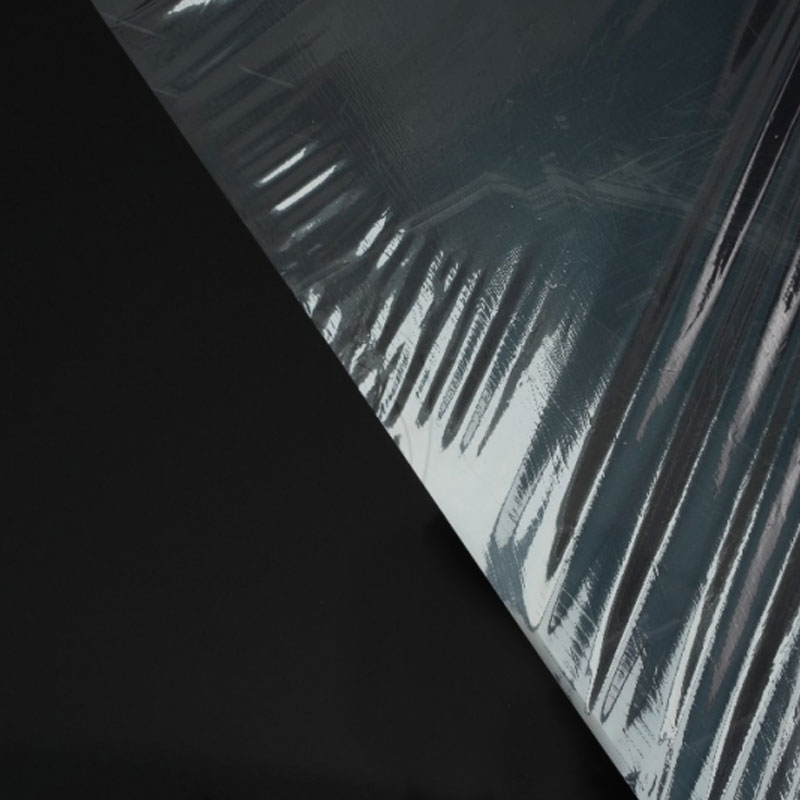
● No “ghost shadow” or “fish eye” after removal; ● Stable adhesion level; ● UV resistance for up to 6 months; ● Can print customized logo or applicati...
See Details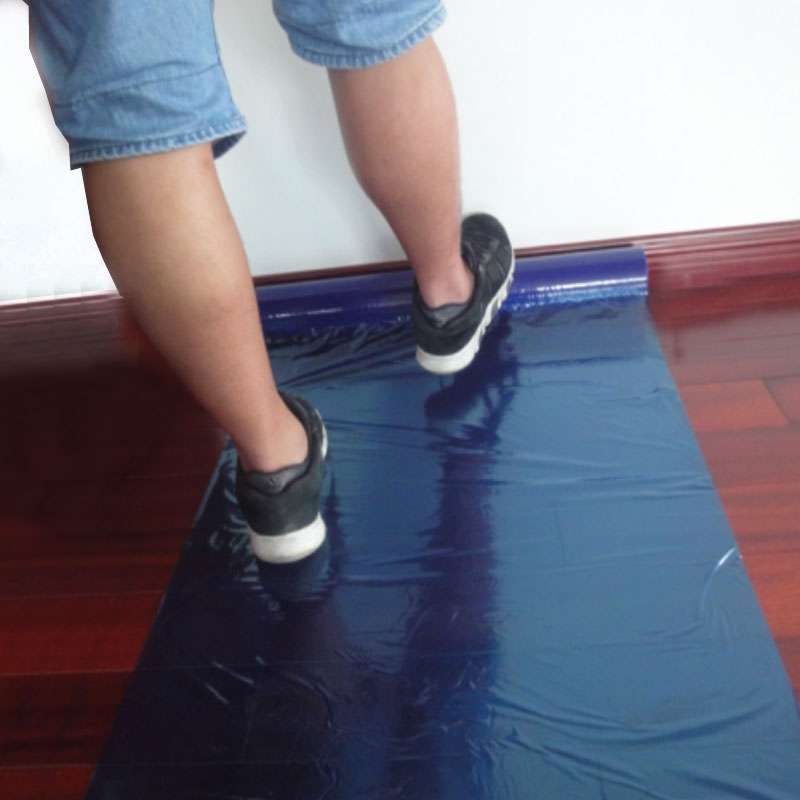
● Patented adhesive formula suits all hard surfaces such as hardwood floors, laminate floors, ceramic, marble, tile, granite, vinyl, worktops, and gla...
See Details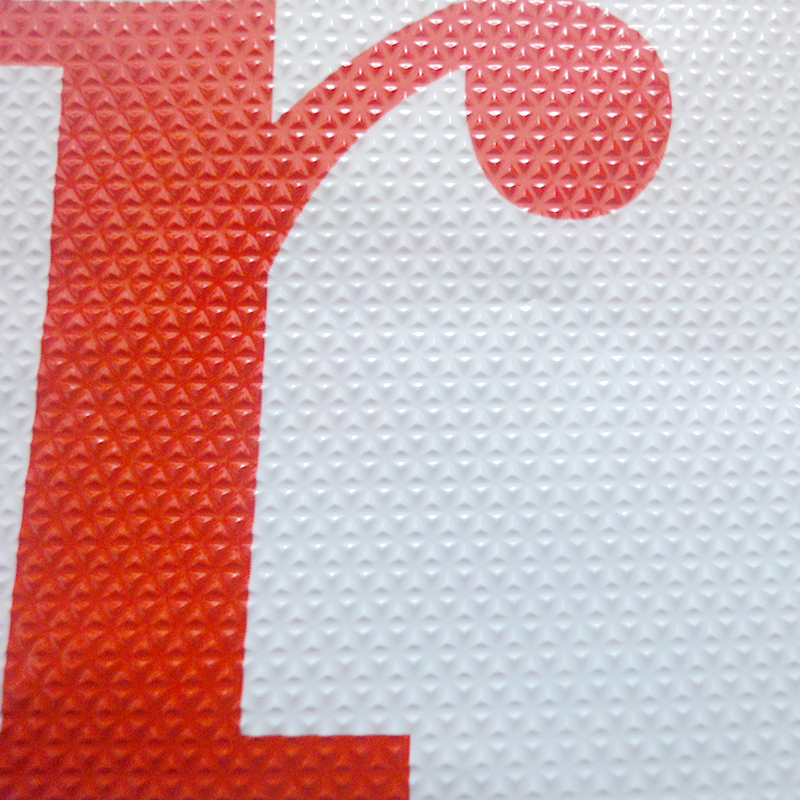
● Anti-slip; ● Embossed film surface to guarantee trip safety;● Tough puncture-resistant polyethylene film;● Can be coated with or without adhesive;● ...
See Details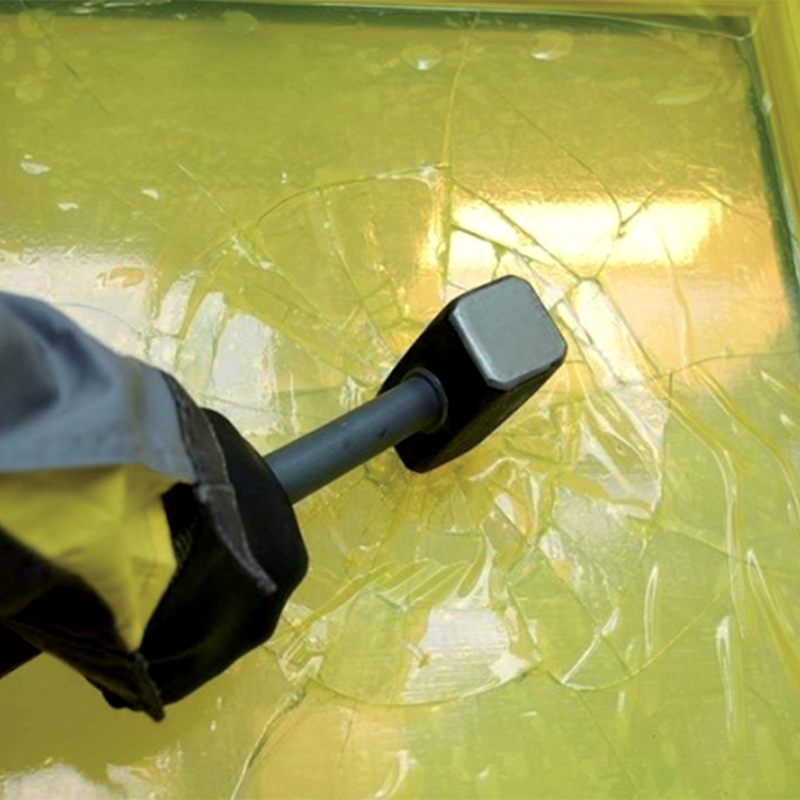
● The super tough polyethylene film with super high adhesion can stop the glass splitting and falling off during window glass demolition process;● Non...
See Details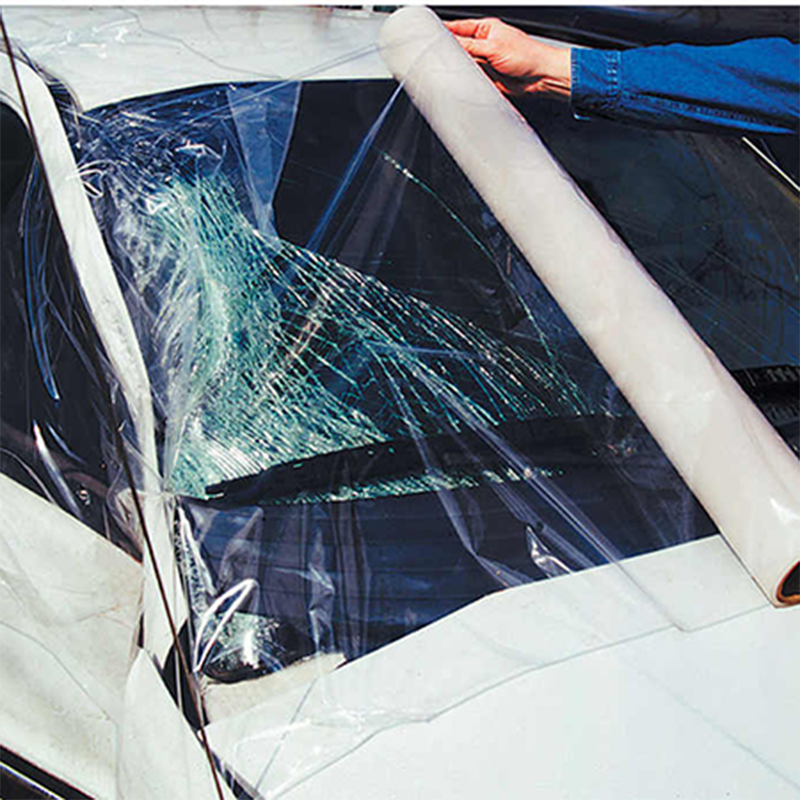
● The super-tough polyethylene film resists puncture and penetration by rain, snow, debris, and dirt during the transportation and storage of the cras...
See Details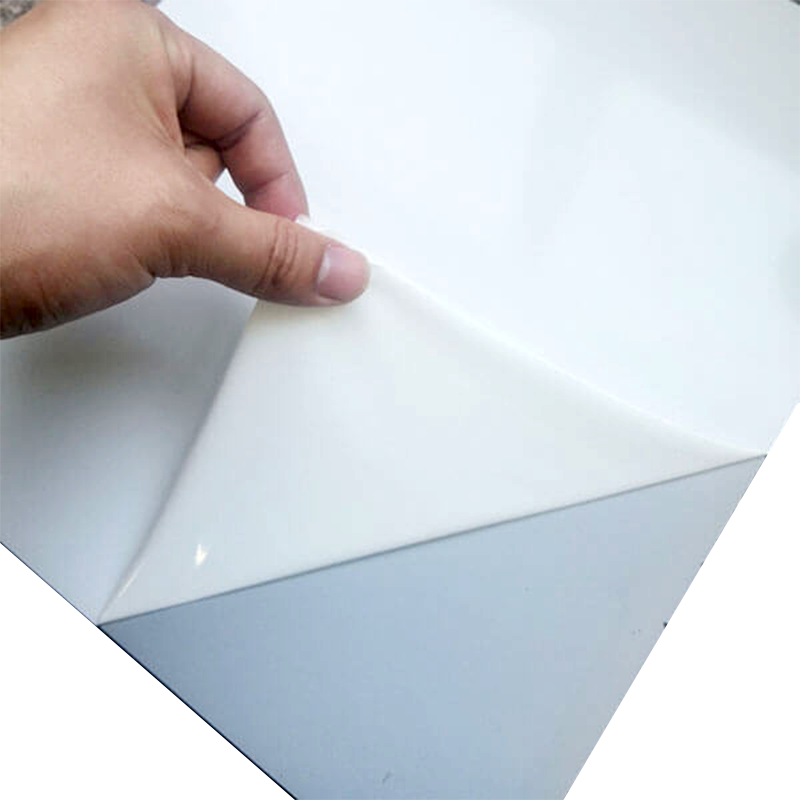
● The super tough polyethylene film with super high adhesion can stop parts of the glass or mirror from splintering away and injuring people when it i...
See Details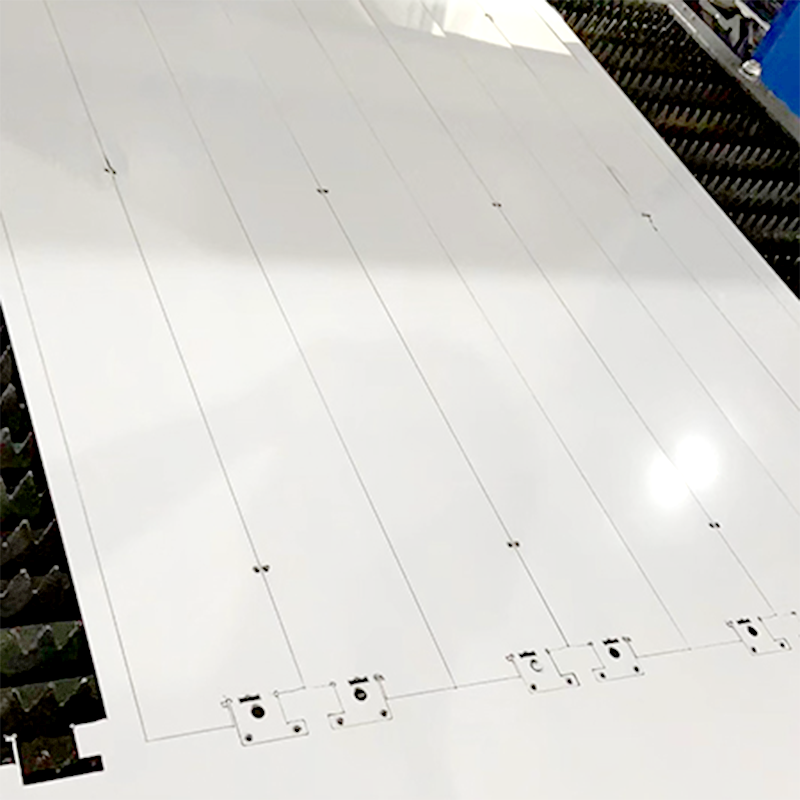
● The specially formulated natural rubber adhesive suitable for both CO2 and Fiber laser cutting processes;● High cutting quality without burr or trac...
See Details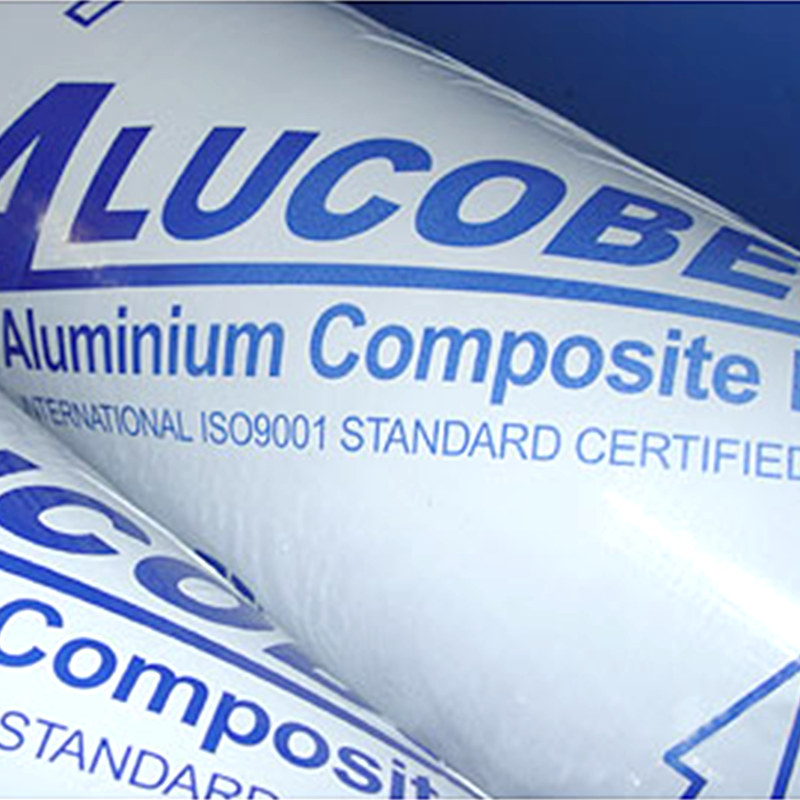
● The specially formulated adhesive ensures easy application and removal without leaving residue glue; ● The super-tough polyethylene film protects ag...
See Details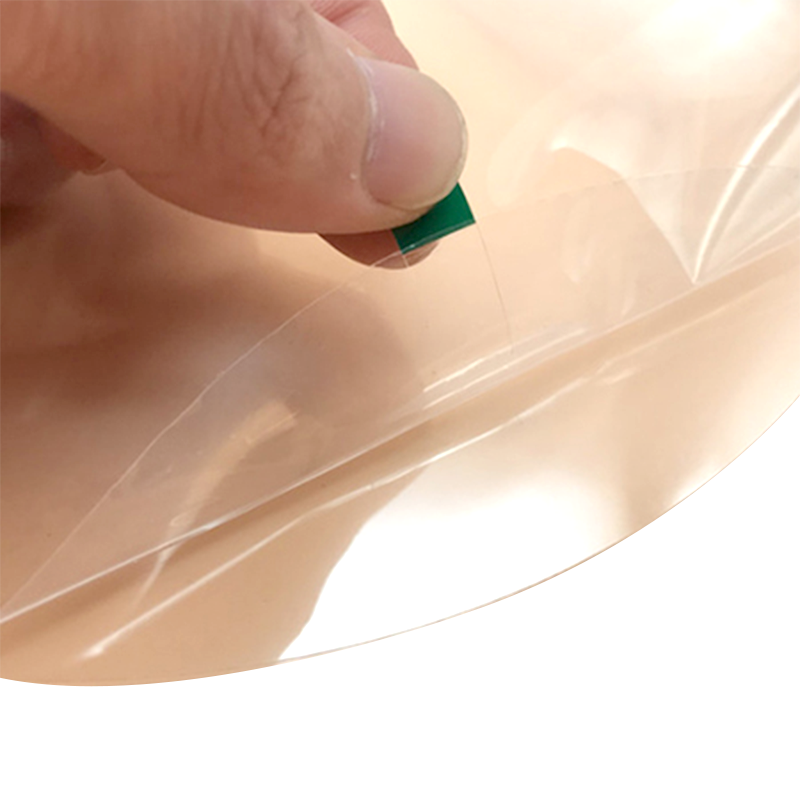
● Suitable for plastic sheets’ drilling, cutting, routing, thermoforming, bending, or post-fabrication operations;● No “ghost shadow” or “fish eye” af...
See Details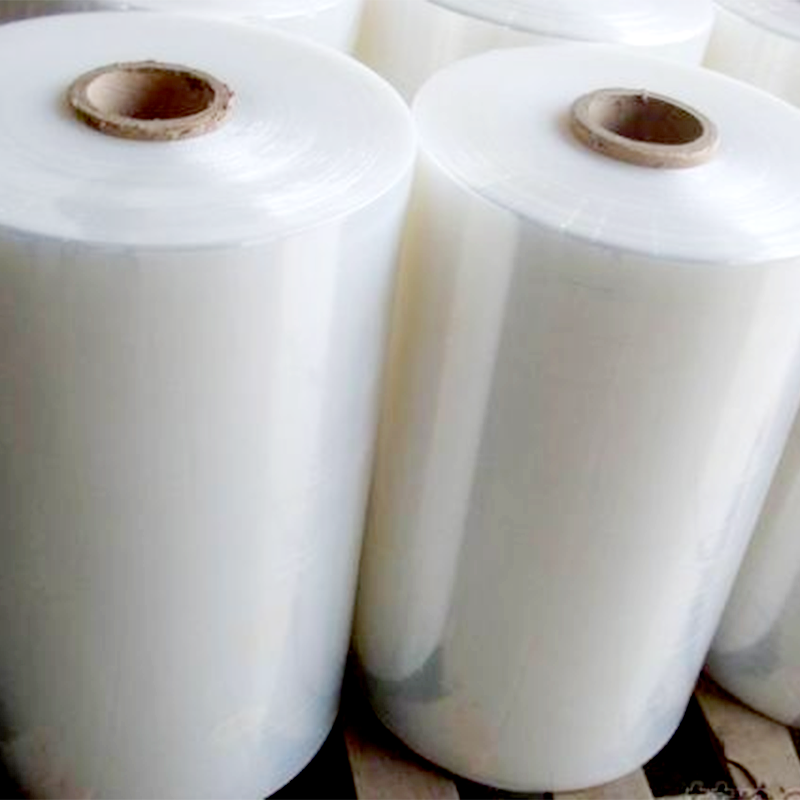
● Excellent puncture and tear resistance; ● Self-adhering-each layer of film bonds to the next for added strength; ● Big roll size to save cost and re...
See DetailsWe’re a reliable partner that shapes our expertise into success for your project.

Copyright 2024 Wuxi Qida Tape Co., Ltd. All Rights Reserved
 Wholesale Protective Film/Foil Manufacturers
Privacy
Wholesale Protective Film/Foil Manufacturers
Privacy