English
 English
 русский
 Français
 Español
 Português
 عربى
عربى

Paint protection film is one of the most effective ways to keep a vehicle looking new, but every owner asks the same question before booking an install: how many years will this actually hold up. This guide gives a direct answer first, then walks through every factor that shortens or extends the life of ppf film, how it compares to windshield protection film, window protection film, and glass protection tape, and how to choose a supplier you can trust. Whether the goal is protecting a brand new daily driver, prepping a lease return, or specifying film for a dealership reconditioning program, understanding realistic lifespan numbers up front makes it far easier to budget correctly and avoid disappointment two or three years down the road.
The automotive protective film market has grown quickly over the past decade, and with that growth has come a wide spread in product quality, marketing claims, and pricing. Some sellers advertise fifteen year lifespans that only apply under laboratory conditions, while others undersell durable film simply because it costs more upfront. This guide sticks to real world, field reported ranges rather than marketing maximums, so the numbers below reflect what typically happens on a car that is driven, washed, and parked outdoors like any other vehicle.
What Determines How Long PPF Film Lasts
There is no single fixed number for ppf film lifespan because the film is a working product that sits outside in sun, road debris, and repeated washing for years at a time. The film itself, the way it was installed, and the way it is cared for afterward all combine to decide the real world result. It helps to think of ppf film lifespan the same way an owner might think about tire life: a manufacturer rating gives a useful starting point, but actual results always shift based on how and where the product is used day to day. The table below breaks down the factors that matter most, ranked by how much impact they typically have on total service life.
| Factor | Typical Impact | Notes |
| Film quality and material | High | Aliphatic urethane with a self healing topcoat outlasts basic aromatic film by several years |
| Installation technique | High | Poor edge sealing and trapped moisture cause early lifting and yellowing |
| UV exposure and climate | Medium to High | Hot, sunny regions accelerate topcoat breakdown compared to milder climates |
| Wash habits and chemicals | Medium | Harsh solvents and brush washes wear the topcoat faster than hand washing |
| Road conditions and mileage | Medium | Gravel roads and highway driving increase impact marks and edge stress |
| Coverage area on the car | Low to Medium | Front bumper and hood panels wear faster than rear quarter panels |
| Ceramic coating on top of film | Positive | A ceramic topcoat can extend gloss retention and ease cleaning |
Of all these variables, installation quality is often the most underestimated. A film rated for eight years can fail in eighteen months if the installer stretches it improperly, leaves air pockets at panel edges, or applies it in dusty conditions that trap debris under the surface. This is why sourcing ppf film from a manufacturer with consistent quality control, and pairing it with an experienced installer, matters just as much as the brand name on the roll.
Why Installation Quality Outweighs Marketing Claims
A roll of film arrives from the factory with a fixed set of properties, but what actually happens to that film once it reaches a car depends entirely on the hands applying it. Overstretching film around curved panels thins the material and creates weak points that crack years earlier than expected. Skipping a proper pre wash and clay treatment traps dust particles under the film, which shows up later as small bumps that catch dirt and eventually lift. Rushing the edge wrap on bumpers and mirrors, rather than tucking and heat setting it correctly, leaves a lip that peels within the first winter of driving.
Because of this, two cars wrapped with the exact same roll of premium film can have dramatically different outcomes after five years. One owner may still have a nearly invisible, glossy finish, while another sees yellowing and lifting at every panel edge. This is why reputable installers offer a labor warranty separate from the film manufacturer warranty, and why it is worth asking to see examples of the installer's own three to five year old work before booking, rather than relying on marketing claims about the film alone.
Aliphatic Versus Aromatic Urethane
Most modern ppf film is built from either aliphatic or aromatic polyurethane. Aliphatic urethane resists ultraviolet breakdown far better, which is why nearly all premium film sold today, including products positioned against paint protection film 3m and other name brand competitors, uses an aliphatic topcoat. Aromatic urethane is cheaper to produce but yellows noticeably faster under sustained sun exposure, often within two to three years in hot climates. Checking which formulation a roll uses is one of the fastest ways to estimate realistic lifespan before installation even begins.
PPF Film Lifespan By Type And Quality Tier
Not all protective film is built the same way, and the market spans a wide range of prices and expected performance. The chart below compares typical lifespans across common categories, from budget vinyl wraps sold as makeshift protection through to premium paint protection film 3m style products and industrial grade materials used in transport rather than daily driving.
Premium film in the top tier of this chart is where most paint protection film 3m style products and comparable high grade competitors sit. These films use multi layer urethane construction with a topcoat engineered to reflow and heal light scratches when warmed, which slows visible wear considerably compared to cheaper alternatives. Choosing a mid tier or premium ppf film upfront is usually more cost effective over a ten year ownership period than replacing a cheaper film two or three times.
Why Budget Vinyl Falls Short As Protection
Budget vinyl wraps are sometimes marketed as a cheap alternative to real ppf film, but they are built for cosmetic color change rather than impact and abrasion resistance. The base material is thinner, lacks a true self healing topcoat, and often uses a weaker adhesive that was never designed for years of highway speed rock chips. Owners who choose vinyl expecting ppf level protection are usually disappointed within two to three years when the surface shows visible pitting and edge lifting that true paint protection film would have resisted.
Where Standard Urethane Fits
Standard urethane film sits in a reasonable middle ground for owners who want genuine protection without paying premium pricing. It typically lacks the most advanced self healing chemistry of top tier film, so light swirl marks may remain visible rather than disappearing in the sun, but it still offers real impact resistance and a five to seven year service window that covers most new car ownership periods before a trade in or lease return.
How PPF Film Is Installed And Why The Process Affects Lifespan
Understanding the basic installation process helps explain why two seemingly identical jobs can age so differently. This is not a do it yourself guide, since professional installation requires specific tools and a controlled workspace, but knowing the key steps makes it much easier to evaluate whether an installer is taking the shortcuts that shorten film life.
- Surface preparation. The panel is thoroughly washed, clayed, and inspected for existing swirl marks or contamination before any film touches the paint, since anything trapped underneath becomes permanent once the film is applied.
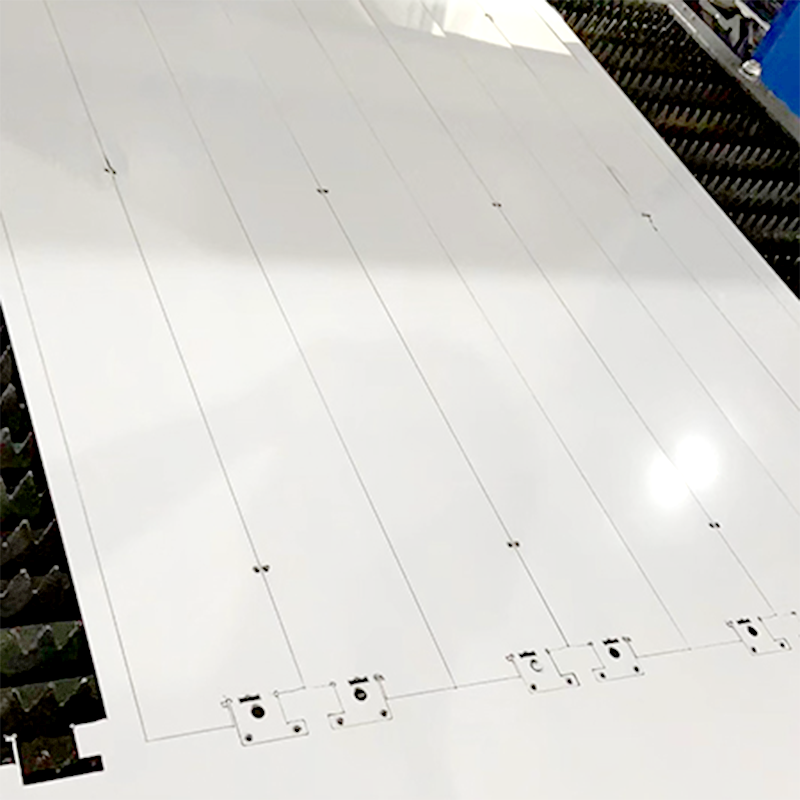
- Panel measuring and cutting. Film is either precision cut using a plotter based on the exact vehicle model, or hand cut on the panel itself, with plotter cut kits generally producing cleaner, more consistent edges.
- Slip solution application. A specialized slip solution is sprayed on the panel and the adhesive side of the film to allow it to be repositioned before it sets, which is critical for achieving even tension without stretching thin spots into the material.
- Positioning and squeegee work. The installer works the film into place with a squeegee, pushing out the slip solution and air from the center outward, taking care not to overstretch curved or complex sections.
- Edge wrapping and trimming. Edges are wrapped around panel gaps and trimmed with a fine blade, then heat set with a heat gun to help the film conform tightly and resist future lifting.
- Final inspection and curing. The finished panel is inspected under raking light for any remaining bubbles or debris, and the owner is given cure time instructions before the first wash or wax.
Shortcuts at any of these steps, particularly skipping a thorough clay treatment, cutting corners on edge heat setting, or rushing multiple vehicles through in a single day, are the most common reasons a film with a strong manufacturer warranty still fails early in real world use.
Signs Your Paint Protection Film Needs Replacing
Even the best ppf film eventually shows its age. Knowing what to look for helps an owner decide whether a section needs a simple clean and reseal or a full replacement. Catching these signs early can often mean a partial panel repair rather than a full re-wrap, which saves significant cost compared to waiting until the entire hood or bumper needs to be redone. The cards below cover the most common warning signs seen on aging film.
Most of these signs develop gradually rather than overnight, which means a simple habit of walking around the car every few months and checking panel edges under direct light can catch problems while they are still small. Once yellowing or lifting spreads across more than a small section of a panel, patch repairs are no longer practical and a full panel replacement becomes the more sensible option, both visually and financially.
How To Extend The Life Of PPF Film
Good maintenance habits can add real years to the service life of installed film. None of these steps require special tools, but consistency matters more than any single technique. Owners who follow a simple routine from day one consistently report film that still looks glossy and tight at the seven or eight year mark, while owners who neglect basic care sometimes see visible wear in as little as two years, even on premium material.
- Hand wash or use touchless washes. Automatic brush washes are the single fastest way to introduce fine scratches into the topcoat.
- Use pH neutral soap. Harsh degreasers and acidic wheel cleaners can strip the protective topcoat if they contact film edges repeatedly.
- Cure time matters. Avoid washing or waxing new film for at least seven to ten days after installation to let the adhesive fully bond.
- Add a ceramic topcoat. A ceramic layer applied over cured film improves UV resistance and makes cleaning easier, which slows visible aging.
- Park out of direct sun when possible. Garage or shade parking reduces cumulative UV exposure that drives yellowing.
- Inspect edges seasonally. Catching a small lift early lets an installer reseal it before water gets underneath and causes larger peeling.
- Remove bug and tar spots promptly. Left too long, acidic residue can etch into the topcoat and leave permanent marks.
Common Mistakes That Shorten Film Life
A handful of avoidable habits account for most premature film failures seen by detailing shops. Using a household glass cleaner containing ammonia on window protection film can degrade the adhesive layer over time. Parking with a fabric car cover that traps grit against the film surface can introduce fine scratches every time the cover shifts in the wind. Waxing or sealing film immediately after installation, before the adhesive has fully cured, can trap solvents underneath and cause cloudy patches that never fully clear. None of these mistakes are dramatic on their own, but repeated over months and years they add up to noticeably shorter film life.
Windshield Protection Film And Window Protection Film Lifespan
How Long Does Glass Film Actually Last
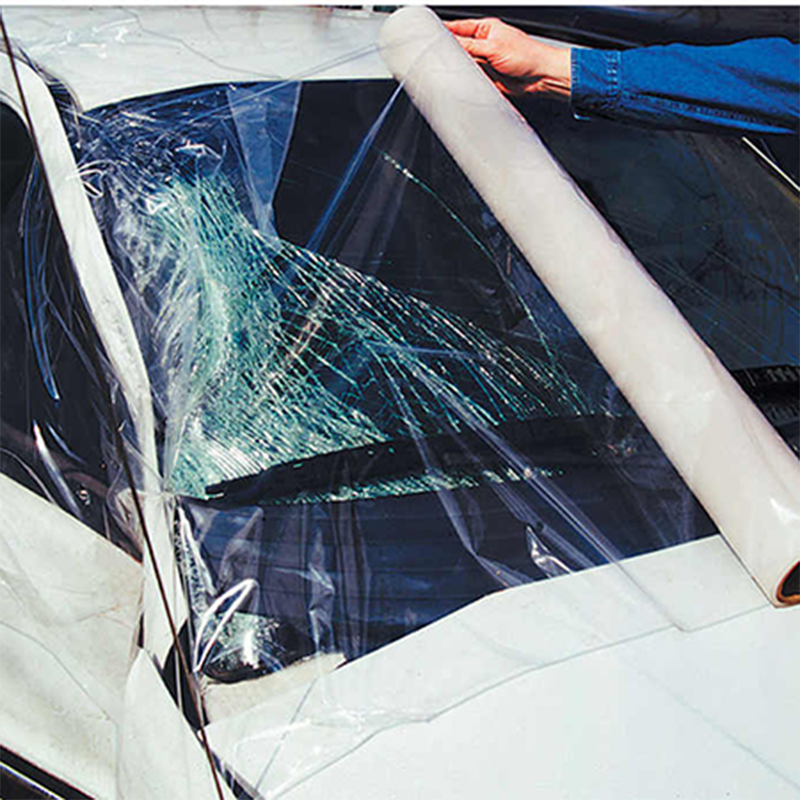
Glass surfaces face a different set of stresses than painted body panels, so windshield protection film and window protection film are engineered and rated differently from body ppf film. A windshield protection film, applied to guard against stone chips and light abrasion, typically lasts one to three years on a daily driver because it takes direct highway impact and constant wiper contact. Window protection film on side and rear glass, which sees less direct impact but more UV and heat cycling, tends to last three to six years.
Glass protection tape is a related but distinct product, generally used as a thinner, adhesive backed strip applied along glass edges, trim lines, or as a temporary protective layer during transport, storage, or construction work rather than as a long term optical film. Because glass protection tape is designed for shorter duration protection, its expected service window is usually measured in weeks or months rather than years, and it should not be confused with a permanent windshield protection film installation.
Choosing Between Windshield And Window Film
For daily commuters who spend significant time on gravel or highway routes, a windshield protection film pays for itself quickly by absorbing chips that would otherwise crack the glass outright. For owners mainly concerned with UV fading of interior trim and passenger comfort, standard window protection film offers a longer service life at a lower replacement frequency. Many detailing shops now offer both as a package alongside body panel ppf film for full vehicle coverage.
Factors That Shorten Glass Film Lifespan Faster Than Body Film
Glass film wears differently than body panel film for a few specific reasons. Wiper blades sweep across the same strip of windshield thousands of times per year, creating fine micro abrasion lines that gradually reduce optical clarity even when the film itself has not failed structurally. Defroster use on rear glass repeatedly heats and cools window protection film, which accelerates adhesive aging compared to body panels that do not experience that thermal cycling. Because of these unique stresses, most reputable installers set expectations for glass film on the shorter end of its range for daily driven vehicles, and on the longer end for vehicles that are garaged or driven less frequently.
Climate And Regional Driving Conditions
Geography plays a larger role in ppf film lifespan than most first time buyers expect. The same roll of premium film installed in two different regions can age at noticeably different rates simply because of sun intensity, temperature swings, and road surface type.
Hot And Sunny Climates
Vehicles in consistently sunny, high UV regions face the fastest topcoat aging. Direct sun for six or more hours a day accelerates the chemical breakdown that eventually causes yellowing, so film in these regions often lands toward the lower half of its rated lifespan range unless the car is garaged regularly or a ceramic topcoat is added for extra UV resistance.
Cold And Snowy Climates
Cold climates introduce a different challenge: road salt and grit used for winter traction. These abrasive materials, combined with frequent temperature swings between freezing and thawing, can stress film edges and adhesive bonds. However, reduced overall UV exposure compared to sunnier regions often balances this out, and film in cold climates frequently reaches the middle to upper end of its expected range as long as salt residue is rinsed off regularly.
Coastal And Humid Regions
Salt air near coastlines and high ambient humidity can slow adhesive curing during installation and, over the long term, contribute to edge lifting if seams are not properly sealed. Film installed in coastal regions benefits from an installer who pays extra attention to edge wrapping and who recommends more frequent rinsing to remove salt film buildup from the vehicle surface.
Gravel And Unpaved Road Use
Regardless of climate, vehicles that regularly travel unpaved or gravel roads see accelerated wear on front facing panels no matter how good the film is. This is less about the film failing prematurely and more about a higher rate of stone impact marks accumulating, which can still be absorbed by the self healing topcoat up to a point before the surface shows permanent texture. Owners in these conditions often choose full front end coverage rather than a partial hood only wrap, since rocker panels, mirror caps, and headlight surrounds all take significant impact on unpaved routes that a partial kit would leave exposed.
Practical Takeaway For Regional Planning
None of these regional factors change the fundamental five to ten year range for quality ppf film, but they do shift where within that range a given vehicle is likely to land. An owner in a hot, sunny, gravel heavy region should plan on the lower to middle part of the range and budget for more frequent inspections, while an owner in a mild, low UV climate with mostly paved commuting can reasonably expect results toward the higher end.
PPF Film Versus Other Protective Products
It helps to see how ppf film for car body panels stacks up against related protective materials that often get confused with it, including 3m clear protective film products and industrial packaging film. The comparison below lines up typical lifespan, main use case, and surface type for each.
| Product | Typical Lifespan | Main Use Case | Surface |
| PPF film for car body | 5 to 10 years | Full panel paint protection | Painted body panels |
| Paint protection film 3m | 7 to 10 years | Premium body protection with warranty backing | Painted body panels |
| 3m clear protective film | 3 to 8 years | General surface protection, trim, and panels | Painted panels and hard plastics |
| Windshield protection film | 1 to 3 years | Stone chip and abrasion resistance | Front windshield glass |
| Window protection film | 3 to 6 years | UV and heat reduction, glare control | Side and rear glass |
| Glass protection tape | Weeks to months | Temporary edge and surface protection | Glass edges, trim, transport |
| Machine stretch film | Single use | Industrial pallet and cargo wrapping | Packaged goods and freight |
The last row is worth explaining since it looks out of place next to automotive film. Machine stretch film is an industrial wrapping material used to secure pallets and bulk goods during shipping, and it is not applied to vehicles. It appears in this comparison because manufacturers that produce automotive protective film, glass protection tape, and window protection film frequently operate the same production lines that also make machine stretch film for logistics and packaging clients, since both product families rely on similar polymer extrusion and adhesive coating processes.
Reading Warranty Terms Correctly
Warranty length is often used as shorthand for expected lifespan, but the fine print matters. Some warranties cover only manufacturing defects such as adhesive failure or delamination, while others also cover yellowing and cracking under normal use. A ten year warranty that only covers manufacturing defects is a very different promise than a ten year warranty that also covers UV related yellowing. Before comparing a local shop offering paint protection film 3m style products against a lesser known brand, it is worth reading exactly what each warranty excludes, since exclusions for improper washing or aftermarket coatings are common across the industry.
Cost Versus Lifespan: Getting The Real Value
Sticker price alone is a poor way to judge ppf film, since a cheaper roll that needs replacing twice can cost more over ten years than a premium film installed once. The chart below models a rough ten year cost comparison using average material and installation pricing.
Even though premium film costs more per square foot at install time, avoiding a second or third full reinstallation across a decade of ownership usually makes it the lower total cost option, alongside better gloss retention and stronger warranty coverage throughout that period.
There is also a resale value angle worth considering. A car presented for trade in or private sale with clean, intact ppf film on the front end typically shows less paint wear and fewer visible stone chips than an unprotected equivalent, which can support a stronger asking price. Buyers who plan to keep a vehicle for many years, or who intend to sell it privately down the road, generally see the strongest return from investing in premium film rather than the cheapest available option.
Finding Reliable PPF Near Me Or Sourcing From A Manufacturer
Searching ppf near me is the natural first step for most car owners, and it is the right approach for installation labor since film needs to be applied in a controlled, clean environment by a trained technician. However, the film itself, the raw material that determines most of the lifespan numbers discussed throughout this guide, comes from a much smaller pool of manufacturers who supply installers, distributors, and retailers worldwide. A local shop is only as good as the film it sources, so it is worth asking any installer directly which manufacturer supplies their rolls and what warranty backs the material itself, separate from the labor warranty.
For individual car owners, a simple local search combined with checking online reviews, asking to see recent installation photos, and confirming the shop offers a written warranty is usually enough due diligence. For businesses on the other side of the counter, meaning installers, auto dealerships, wholesalers, and fleet managers, the more important decision happens earlier in the supply chain, since the quality and consistency of the film itself sets a ceiling on how good any installation can ultimately look and how long it will last.
Sourcing PPF Film And Related Products From Wuxi Qida Tape Co., Ltd.
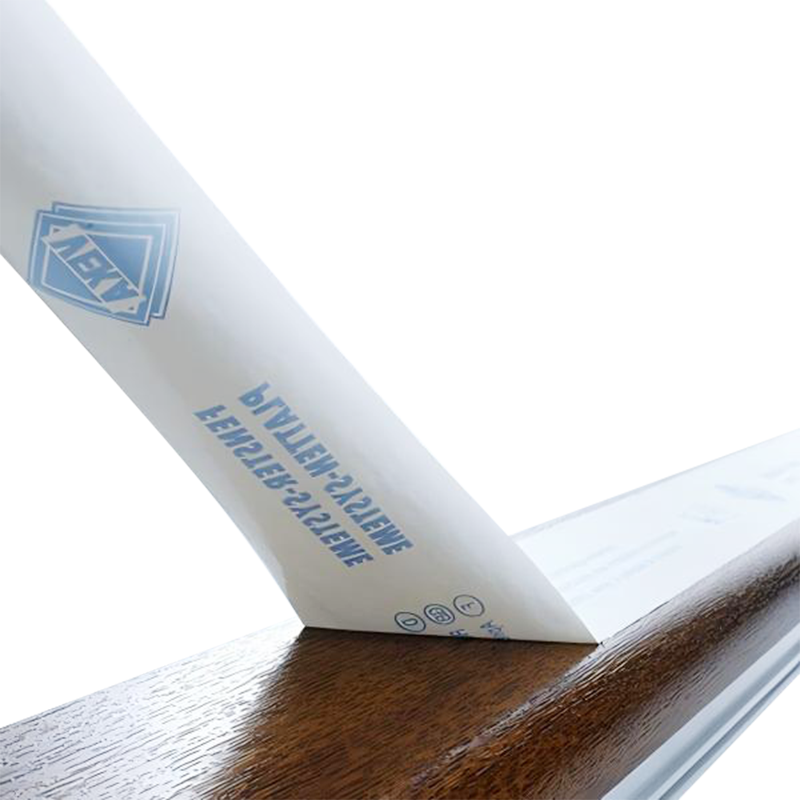
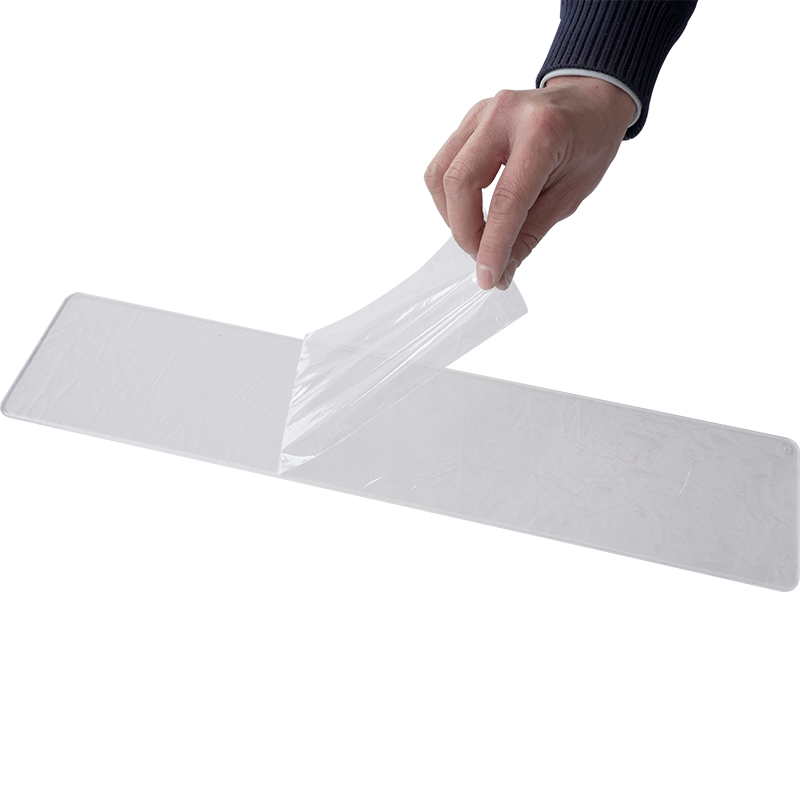
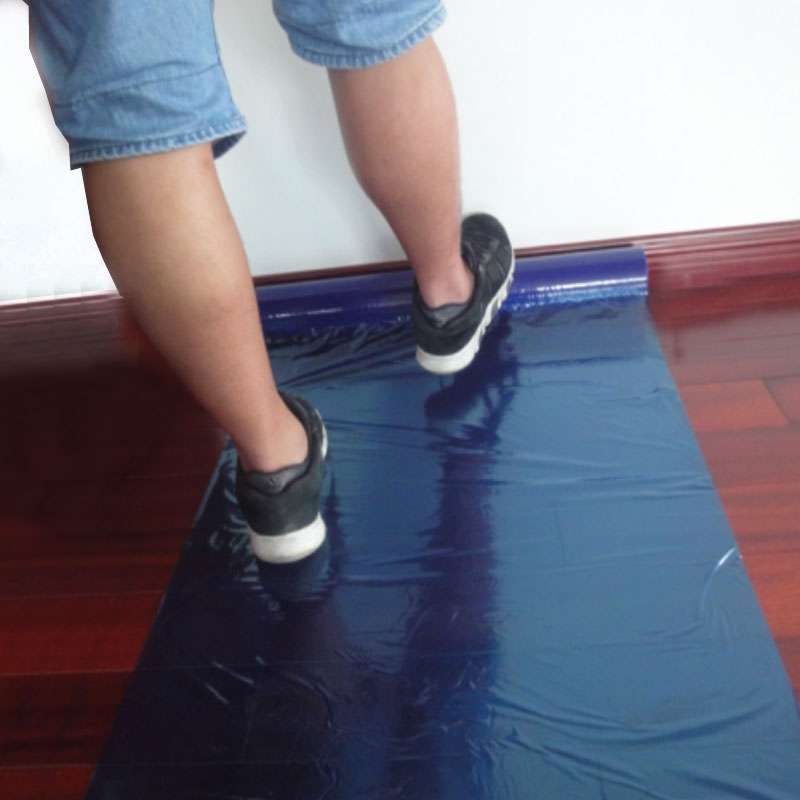
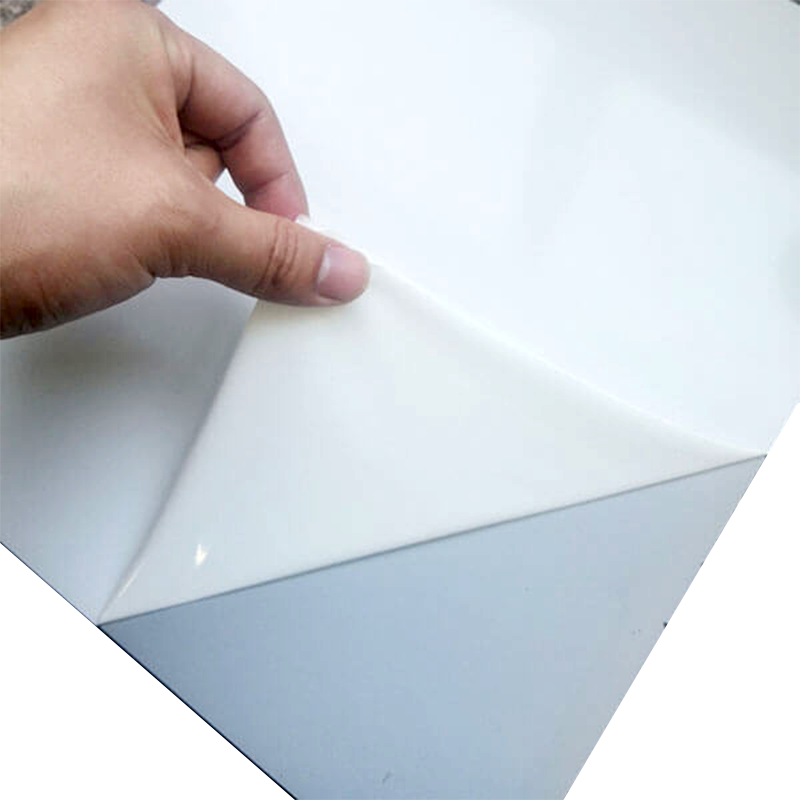
For installers, distributors, and fleet buyers looking to source protective film in bulk rather than one panel at a time, Wuxi Qida Tape Co., Ltd. is worth evaluating as a manufacturing partner. The company produces a broad protective film and tape lineup that spans automotive and industrial applications, including ppf film for body panels, window protection film, glass protection tape, and machine stretch film for packaging and logistics needs. Working with a single manufacturer across these product lines can simplify procurement for shops that also handle glass work, trim protection, or shipping and storage alongside their core paint protection film business.
PPF Film Window Protection Film Glass Protection Tape Machine Stretch FilmWhen comparing manufacturers, ask for topcoat warranty terms in writing, request a sample panel to check clarity and edge conformability, and confirm whether the film uses aliphatic or aromatic urethane, since aliphatic formulations resist yellowing far better over a multi year lifespan. These questions apply whether the film in question is marketed as paint protection film 3m style premium material, a 3m clear protective film alternative, or a private label roll from a dedicated film manufacturer.
Consolidating protective film and tape purchasing with one manufacturer also tends to simplify logistics for larger buyers. A distributor that carries ppf film, window protection film, glass protection tape, and machine stretch film from the same source can place combined orders, negotiate volume pricing across product lines, and rely on a single point of contact for quality questions rather than managing several separate vendor relationships. This kind of consolidated sourcing is increasingly common among mid size and larger installation networks looking to control both cost and consistency across every location they operate.
Checklist For Evaluating A PPF Installer
Since installation quality has such a large effect on how long ppf film actually lasts, it is worth spending time vetting an installer with the same care used to choose the film itself. The following checklist covers the questions that tend to separate a shop that delivers eight to ten years of clean results from one that struggles to make it past three.
| Question To Ask | What A Good Answer Looks Like |
| How many years have you installed film professionally | Several years of dedicated ppf experience, not just general detailing or wrapping work |
| Can I see photos of your own installs at three years or older | Willingness to show aging work, not just fresh install photos |
| Do you use plotter cut patterns or hand cut film | Plotter cut kits for cleaner, more consistent edges on complex panels |
| What is covered under the film manufacturer warranty | Clear written terms covering yellowing, cracking, and adhesive failure, not just defects |
| What is covered under your own labor warranty | A separate written labor warranty distinct from the film manufacturer coverage |
| What aftercare instructions do you provide | Specific cure time guidance and recommended wash methods, not a vague answer |
A shop that answers these questions confidently and in writing is generally a strong sign of a professional operation. Vague answers, reluctance to show older work, or pressure to book immediately without addressing warranty details are common red flags worth taking seriously before committing to an installation appointment.
Frequently Asked Questions
Final Takeaway
PPF film on a car body typically lasts five to ten years, windshield protection film usually lasts one to three years, and window protection film sits around three to six years, with glass protection tape serving only short term needs measured in weeks or months. The single biggest lever an owner controls is choosing quality film and a careful installer from the start, since that decision affects every year of ownership that follows. Whether searching ppf near me for a local install or sourcing rolls directly from a manufacturer such as Wuxi Qida Tape Co., Ltd. for a shop or fleet, the same rule applies: verify the material, ask about warranty terms, and treat the film as a multi year investment rather than a one time purchase.
With realistic expectations set from day one, correct maintenance habits in place, and a trustworthy source for the film itself, most owners find that paint protection film comfortably delivers on its promise, keeping paint looking close to factory condition for the majority of a typical ownership period. Use the checklists, tables, and comparisons in this guide as a reference point during both the buying decision and the years of ownership that follow, and revisit them whenever it is time to evaluate whether a panel needs a simple reseal or a full replacement.