

 English
 English
 русский
 Français
 Español
 Português
 عربى
عربى
Cat:Glue -coated Protective Film
● No “ghost shadow” or “fish eye” after removal; ● Stable adhesion level; ● UV resistance for up to 6 months; ● Can print customized logo or applicati...
See Details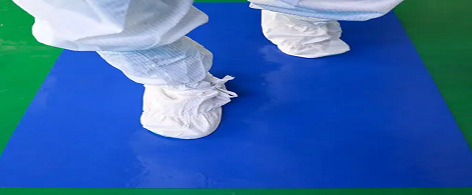
A fabricator applies a low-cost protective film to 2,000 linear feet of architectural aluminum extrusions, stores them for five weeks, and then finds sticky residue on nearly every profile when the film finally comes off. Dust settles into the adhesive, the finishing line rejects the batch, and the cleanup consumes more labor than the film itself cost.
Film residue is not a cleaning accident. It is the predictable result of mismatched adhesive chemistry, surface conditions, and dwell time. When you understand those variables, removal becomes a straightforward procedure and prevention becomes a specification decision instead of a rework cost.
The polyethylene carrier rarely fails; the adhesive is where problems begin. Protective films today use two broad families of adhesives: rubber-based systems and acrylic-based systems. Their behavior over time is entirely different, and that difference is the core of most residue complaints.
Rubber-based adhesives are inexpensive and offer an immediate strong grip, but they oxidize under UV exposure and gradually crosslink with the substrate. A film that peels cleanly after one week can leave a stubborn residue after six weeks. Acrylic adhesives age far more predictably, maintain their peel profile over longer periods, and are the preferred choice for films rated for extended dwell times. The specific formulation still matters: inline-crosslinked acrylics behave differently from emulsion acrylics, which is why quality glue-coated protective films publish dwell-time and temperature data rather than generic claims.
Every protective film has a maximum recommended dwell time. A film rated for three months in a warehouse can start to fail after six weeks in direct sunlight. As time passes, the adhesive flows into the microscopic valleys of the substrate and forms a mechanical lock that peeling cannot break. The first visible symptom is usually an increase in peel force, followed by residue at the edges or across the entire surface.
UV radiation accelerates adhesive oxidation more than any other environmental factor. Heat increases adhesive flow, which drives deeper contact into surface roughness. Humidity, especially in repeated condensation cycles, can destabilize the interface between adhesive and substrate. For exterior glass and metal stored outdoors, a UV-resistant adhesive is not an optional upgrade; it is the difference between clean removal and a solvent project.
Smooth, high-energy surfaces such as clean stainless steel allow the adhesive to wet uniformly and release cleanly. Matte, textured, or powder-coated surfaces give the adhesive mechanical gripping points and increase the risk of residue. Matching film adhesion to surface energy is part of the specification process, not an afterthought.
The right removal method depends more on the substrate than on the solvent. A razor blade that cleans glass perfectly will scratch an acrylic sheet. A heavy solvent that strips residue from stainless steel can soften a powder-coated finish. Test everything on an inconspicuous spot before starting.
| Surface | Preferred removal method | Avoid | Practical note |
|---|---|---|---|
| Glass | IPA, citrus remover, razor blade at 20 to 30 degrees, plastic scraper | Mixing ammonia with other cleaners | Finish with ammonia-free glass cleaner |
| Aluminum profiles | IPA or white spirit with plastic scraper, eraser wheel | Caustic cleaners, aromatic solvents | Mild heat improves release |
| Stainless steel | Eraser wheel, IPA, acetone (ventilated) | Carbon steel scrapers | Ferrous particles rust on stainless |
| Powder-coated or painted | Citrus remover, diluted IPA, eraser wheel at low speed | Razor blades, abrasive pads | Most delicate finish; use solvent first |
| Acrylic, polycarbonate, PET | Warm soapy water, diluted IPA, heat | Acetone, toluene, citrus solvents | Aggressive solvents cause crazing |
For glass, a razor blade at a shallow angle removes residue without damage, but the same blade can ruin a painted finish in one pass. Aluminum profiles tolerate heat and mild solvents, and a well-formulated protective film for aluminum profiles is unlikely to require any of this effort if removed within its rated window. Stainless steel allows stronger solvents, but keep carbon steel tools away so embedded ferrous particles do not create rust later. Powder-coated and painted surfaces demand a solvent-first approach; the finish is more vulnerable than the residue. Plastics require the most restraint: reach for heat and warm soapy water before any solvent.
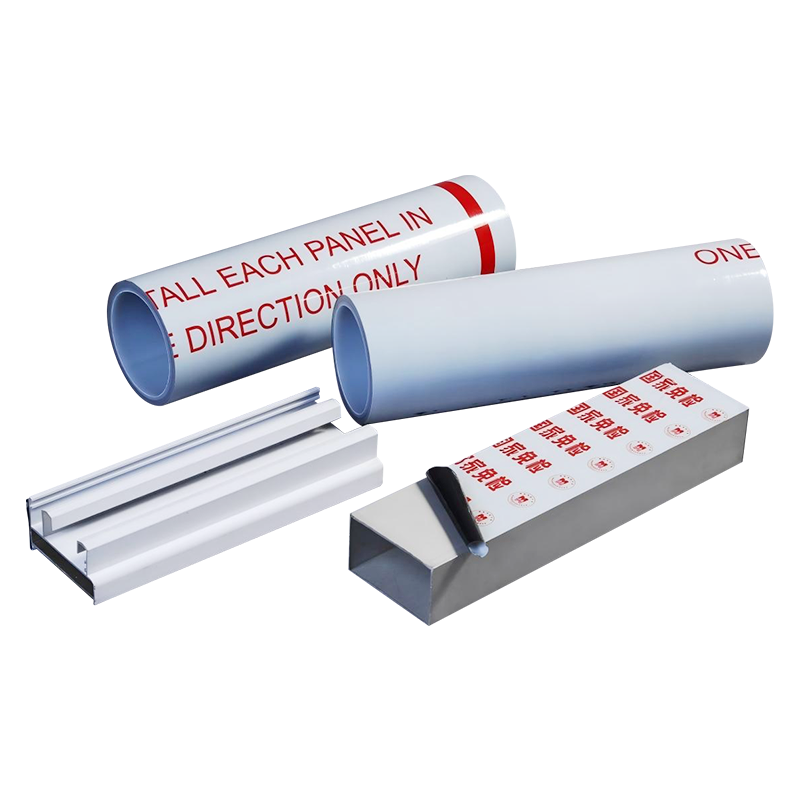 Protective Film For Aluminum Profile Manufacturers, SuppliersAs China protective film for aluminum profile manufacturers and suppliers, Wuxi Qida Tape Co., Ltd. offers OEM/ODM protective film for al...View Product →
Once residue appears, every removal option costs time and risks surface damage. The reliable fix is to choose a film whose adhesive matches the surface, the environment, and the planned removal date. Three specification decisions account for most residue failures.
Low-adhesion films suit smooth, clean surfaces and short protection windows. Medium-adhesion films can survive bending, punching, and handling without lifting. Problems start when a low-adhesion film is pushed beyond its duty cycle, either by a longer-than-planned dwell time or by forming operations that its adhesive was never designed to withstand. For metal fabrication, a film with a balanced adhesion range, such as this protective film for stainless steel plates, holds through processing and releases cleanly when the part is finished.
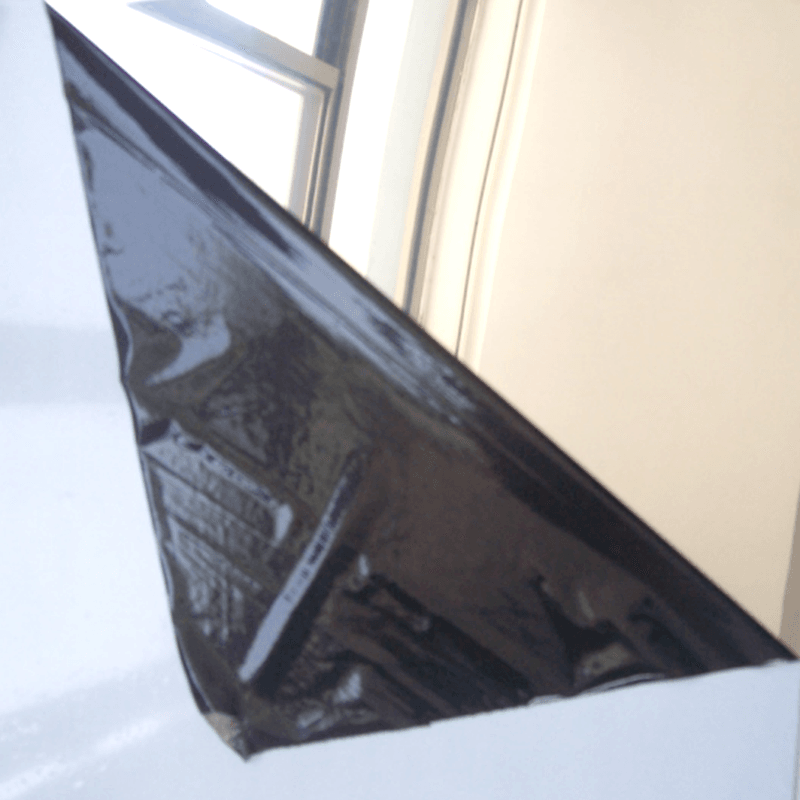 Stainless Steel Prepainted Metal Protective Film ManufacturersAs China stainless steel prepainted metal protective film manufacturers and suppliers, Wuxi Qida Tape Co., Ltd. offers OEM/ODM protective...View Product →
Outdoor storage, UV exposure, and heat are the enemies of rubber-based adhesives. If the parts will sit near windows, on a truck, or in a warm warehouse, specify a UV-resistant acrylic adhesive from the start. The extra material cost is trivial compared with one rejected batch.
Protective film is temporary by definition. Schedule removal into the production plan, and if the timeline slips, review the film's rated dwell time before assuming it will still release cleanly. This single habit prevents more residue problems than any removal technique. If you are defining a protection specification from scratch, a practical guide to selecting the right protective film or tape can help structure the decision.
Film is deceptively simple: two layers of polyethylene look identical from the outside, but the adhesive formulation decides whether removal is clean. Before committing to a film, ask the supplier five specific questions.
A manufacturer with production experience can answer these directly and should offer test samples before any large order. For exterior glass, specifying a window glass protective film with a UV-stable adhesive prevents the classic residue problem that appears years after installation. For aluminum and coated metals, a dedicated aluminum profile protective film with an age-resistant adhesive formulation eliminates the rework scenario described at the beginning of this article.
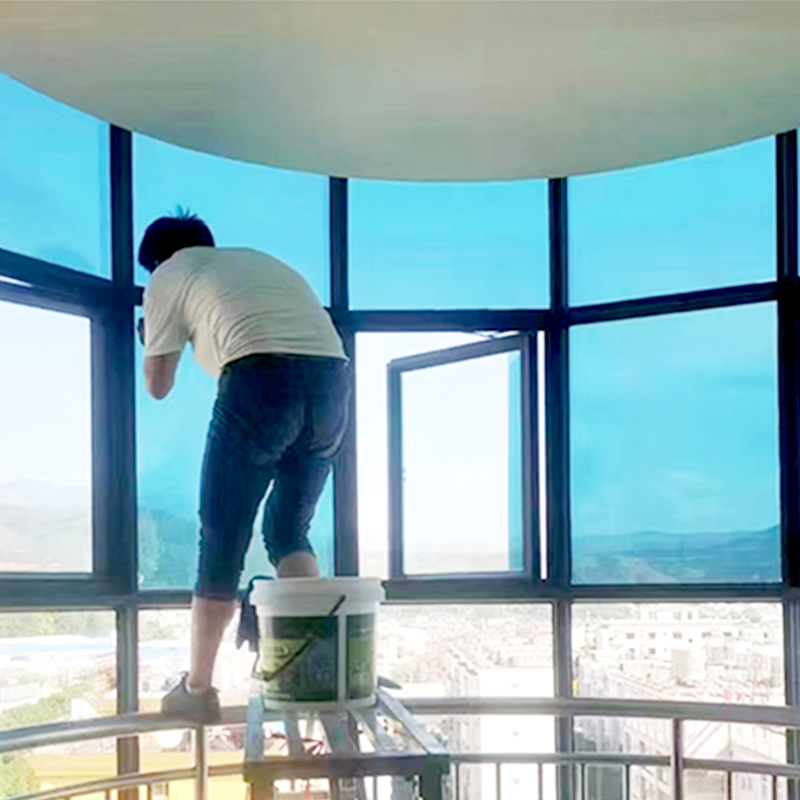 OEM/ODM Window Glass Protective Film/Foil Manufacturers, SuppliersAs professional China window glass protective film/foil manufacturers and suppliers, Wuxi Qida Tape Co., Ltd. offers OEM/ODM protective f...View Product →
Film residue is an avoidable cost. It appears when adhesive chemistry is mismatched to the surface, exposure, or removal window. The solution is never a better scraper; it is a better specification, set before the film goes on and verified with a supplier that documents its adhesive behavior.
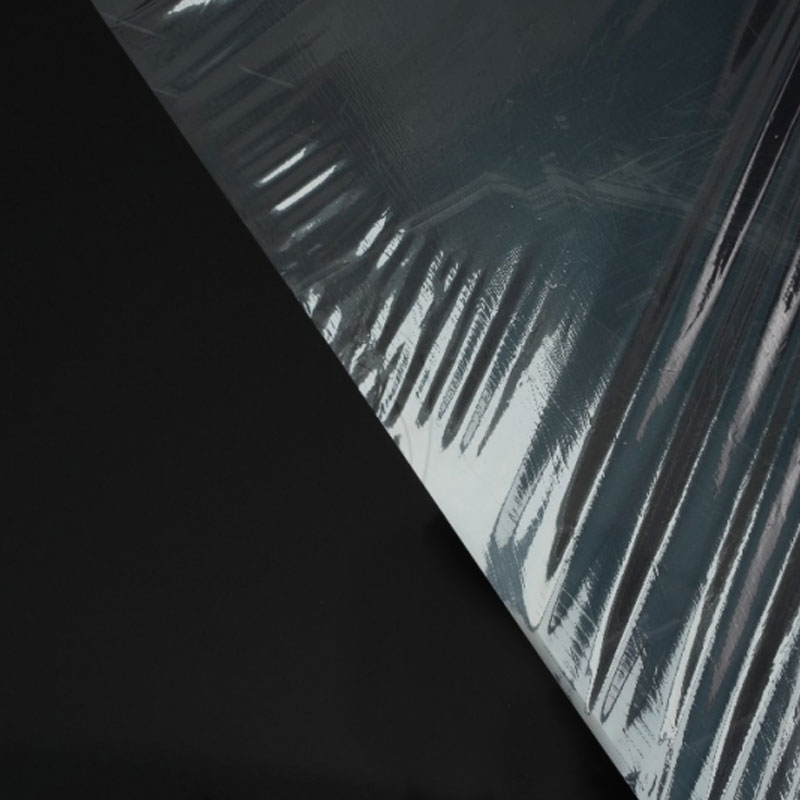
● No “ghost shadow” or “fish eye” after removal; ● Stable adhesion level; ● UV resistance for up to 6 months; ● Can print customized logo or applicati...
See Details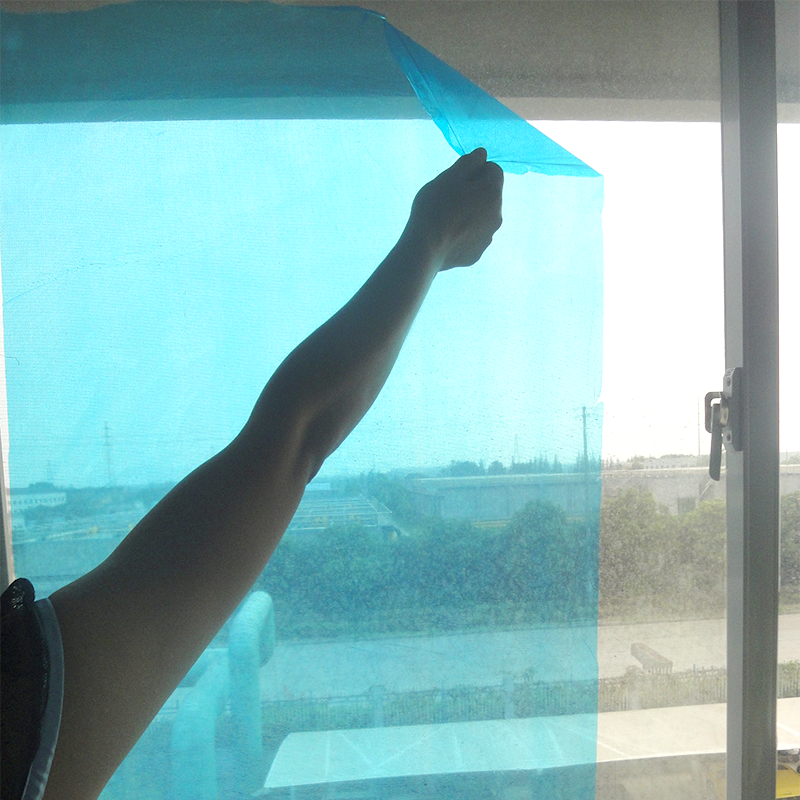
● Protect window glass against paint splatters, dirt, staining, and spillages during painting, building, plastering, tiling, general maintenance and r...
See Details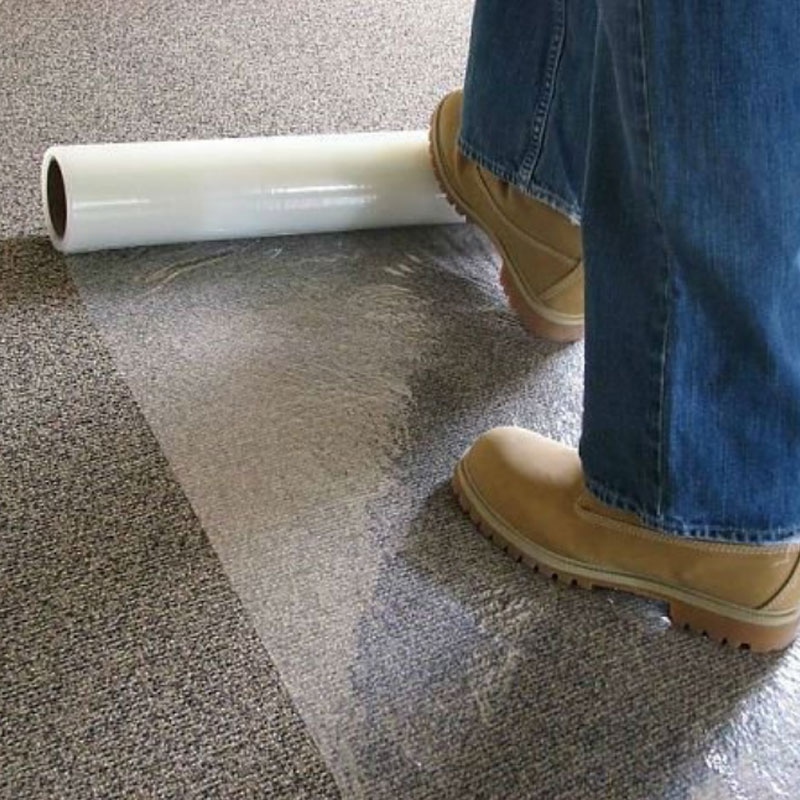
● Protects carpet against staining, paint spillage and dirt during painting, building, remodeling, plastering, tiling, decoration, general maintenance...
See Details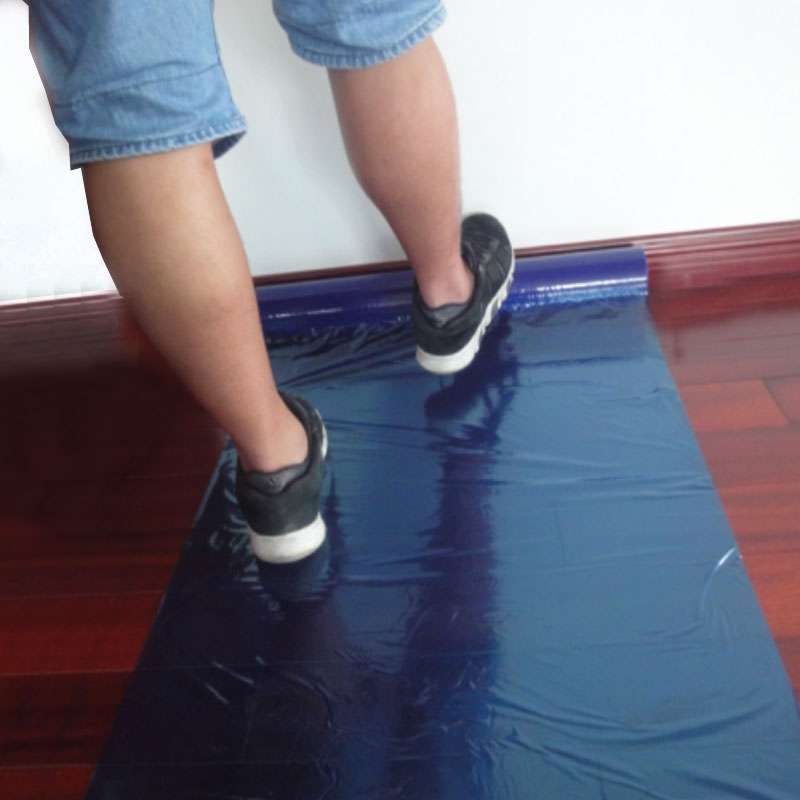
● Patented adhesive formula suits all hard surfaces such as hardwood floors, laminate floors, ceramic, marble, tile, granite, vinyl, worktops, and gla...
See Details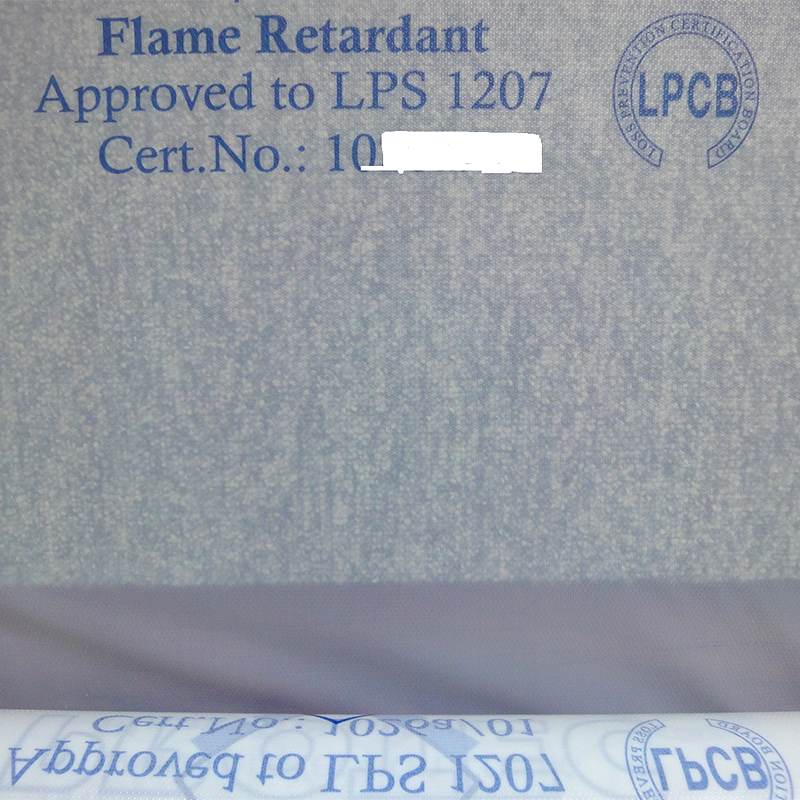
● Prevents costly damages in case of fire /flame;● Meet the strict international test standards of loss prevention; ● Extensive selection for flame re...
See Details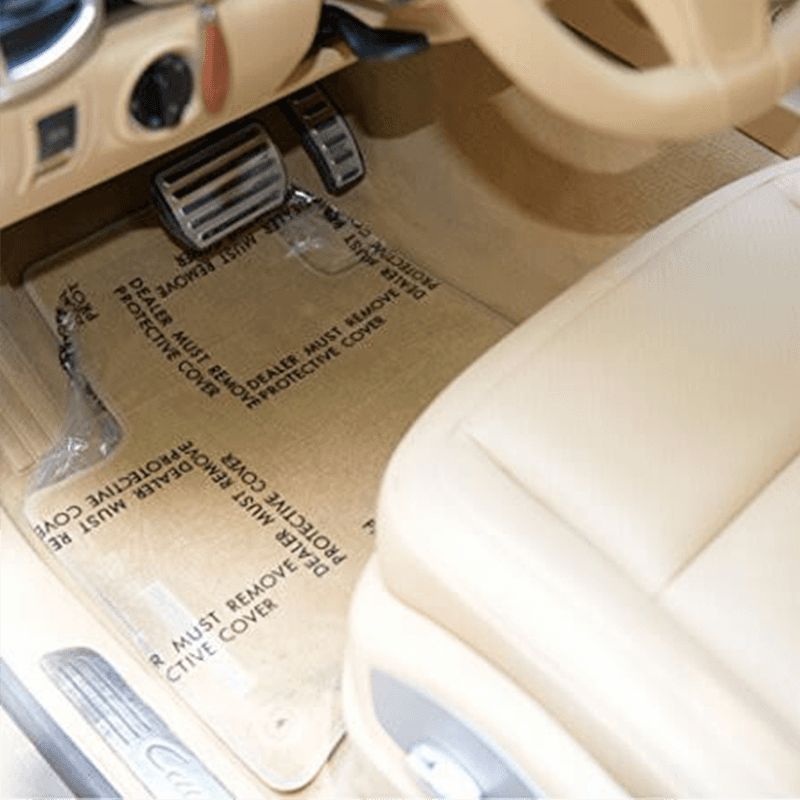
● Distance of each perforation die-cut ranges from 100mm to 1200mm;● Can peel off each die-cut piece of protective film at the perforated line easily;...
See Details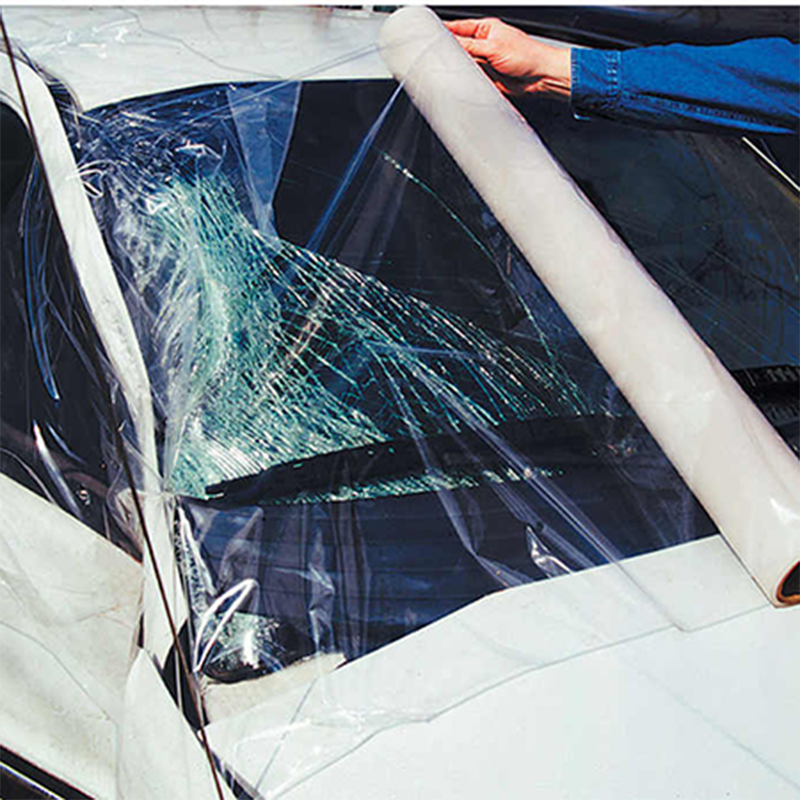
● The super-tough polyethylene film resists puncture and penetration by rain, snow, debris, and dirt during the transportation and storage of the cras...
See Details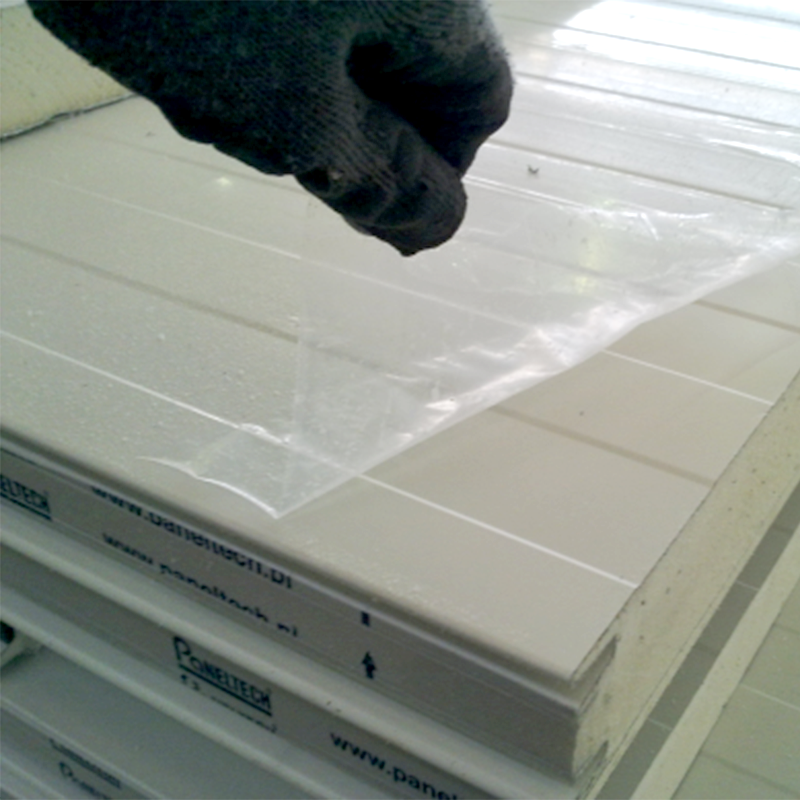
● The specially formulated adhesive ensures easy application and removal without leaving residue glue on the sandwich panels; ● The super-tough polyet...
See Details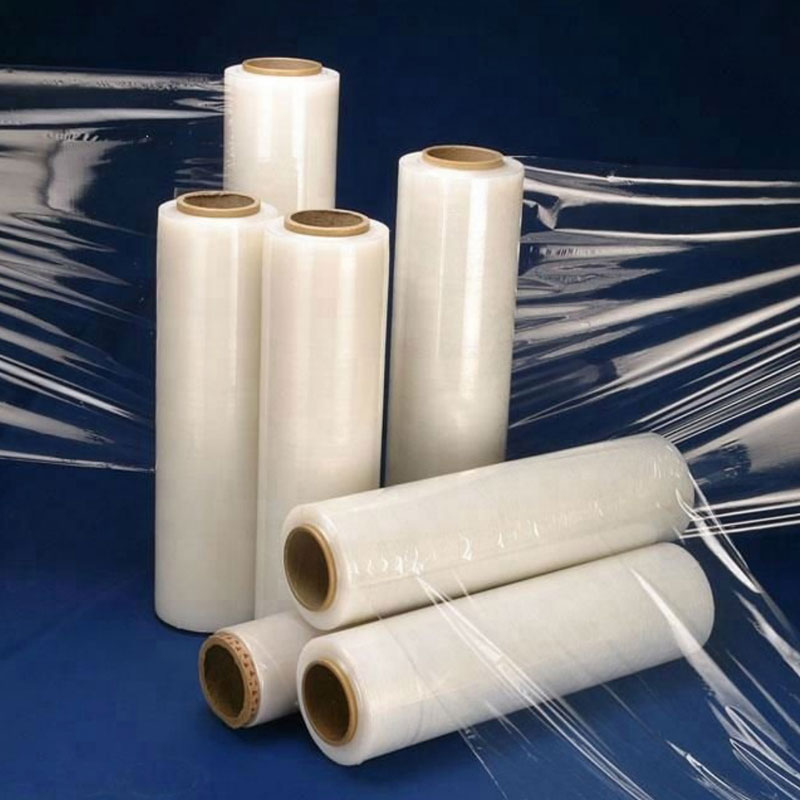
● Small roll size for convenient manual application;● Excellent puncture and tear resistance ; ● A self-adhering-each layer of film bonds to the next ...
See Details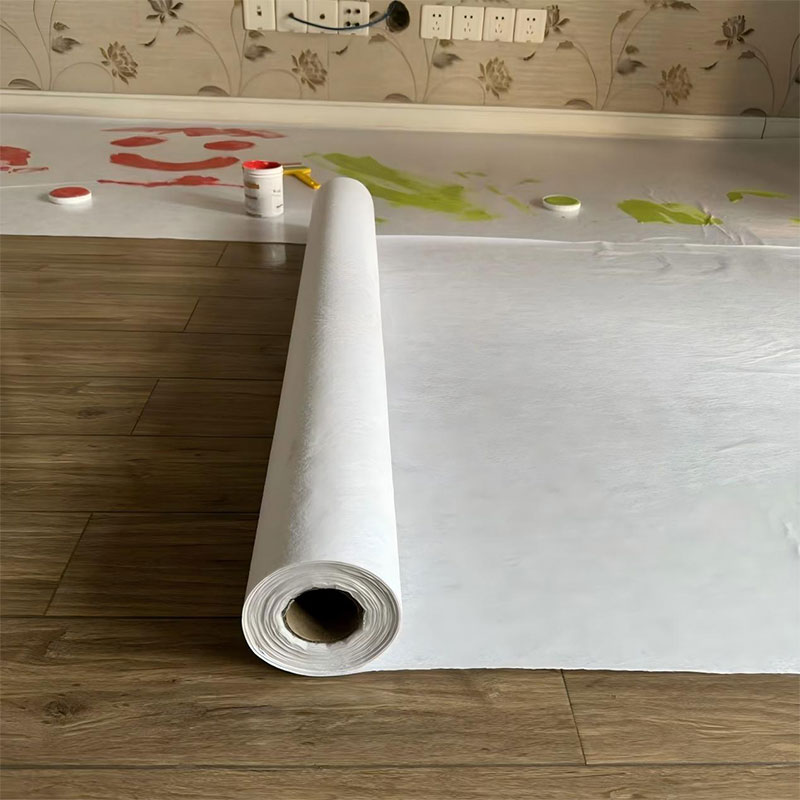
This product has non-woven synthetic fleece in middle; PE film adhered onto top of the non-woven fabric, which is coated with self adhesive glue on it...
See DetailsWe’re a reliable partner that shapes our expertise into success for your project.

Copyright 2024 Wuxi Qida Tape Co., Ltd. All Rights Reserved
 Wholesale Protective Film/Foil Manufacturers
Privacy
Wholesale Protective Film/Foil Manufacturers
Privacy