

 English
 English
 русский
 Français
 Español
 Português
 عربى
عربى
Cat:Glue -coated Protective Film
● Good weatherability for outdoor exposure; ● Stable adhesion level; ● UV resistance for up to 12 months; ● Can print customized logo or application i...
See Details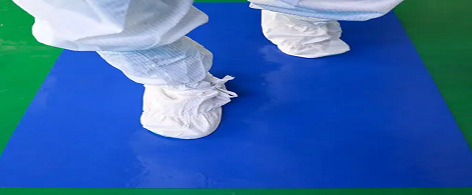
The answer depends on three variables: the adhesive chemistry of the film, the surface it is applied to, and the environmental conditions it is exposed to during service — but as a practical rule, most glue-coated protective films should be removed within 30 days outdoors and within 3 to 6 months indoors to guarantee clean, residue-free release. Beyond these windows, the risk of adhesive degradation, UV cross-linking, and mechanical bonding increases sharply and non-linearly. This guide breaks down exactly what happens to a protective film over time, how different environments accelerate or delay that process, what the rated service lives of common film types mean in practice, and what the warning signs are that a film has already been left too long.
A freshly applied glue-coated protective film exists in a state of carefully engineered equilibrium. The pressure-sensitive adhesive (PSA) is formulated to wet the substrate surface sufficiently to maintain adhesion under normal handling conditions, while retaining enough internal cohesive strength to release cleanly when the film is peeled. This balance is not static — it degrades continuously from the moment the film is applied, driven by chemical, thermal, and photochemical processes that progressively shift the adhesive system away from clean-release behavior.
In the first days after application, the adhesive continues to wet the substrate surface beyond the initial contact area established during application. This process — called viscoelastic flow — sees the adhesive polymer chains slowly conform to micro-scale surface texture features, increasing the true contact area between adhesive and substrate. This is why peel force measurements on the same film-substrate combination are consistently higher at 72 hours than at 1 hour after application, and higher still at 7 days. For most standard protective films applied to smooth surfaces, peel force stabilizes within 7 to 14 days as the adhesive reaches its maximum wetting equilibrium for that surface type.
During this initial period, the film is generally at its easiest to remove cleanly. The adhesive-substrate bond, while strengthening, has not yet been affected by significant UV exposure, thermal cycling, or plasticizer migration. Films removed within the first week of application under indoor conditions almost invariably release without residue on compatible surfaces.
Beyond the initial stabilization period, cumulative degradation processes begin to meaningfully affect adhesive performance. The specific mechanisms active during this period depend on environmental conditions, but in a typical indoor setting the dominant processes are plasticizer migration from PVC backings into the adhesive layer, slow oxidative degradation of rubber-based adhesive systems, and gradual increase in adhesive-substrate bond strength through continued viscoelastic creep into surface irregularities.
In outdoor settings, UV radiation exposure becomes the critical driver during this window. Acrylic PSAs — the most common adhesive chemistry in outdoor-rated protective films — undergo photo-initiated cross-linking when exposed to UV wavelengths below 400 nm. Each cross-linking event adds a covalent bond within the adhesive polymer network, increasing its cohesive strength and stiffness while simultaneously deepening its bond with the substrate surface. After 30 days of direct outdoor sun exposure, peel force on acrylic PSA films can increase by 50 to 200% above the initial application value, depending on UV intensity and film formulation.
Films left in place beyond 6 months — particularly in environments with UV exposure, temperature cycling, or humidity fluctuation — enter a phase where clean release can no longer be assumed regardless of film type or substrate. The adhesive system has undergone sufficient cumulative degradation that cohesive failure during removal becomes likely: portions of the adhesive separate from the film backing rather than releasing from the substrate, leaving residue that requires chemical or mechanical removal. In the most extreme cases — heavily UV-exposed films left outdoors for 12 months or more — the adhesive can become so thoroughly cross-linked that it approaches a semi-solid thermoset state that bonds almost permanently to the substrate surface.
Protective film manufacturers publish service life ratings that represent the maximum recommended application duration for clean removal under specified conditions. These ratings are not conservative estimates — they represent the boundary of tested clean-release performance, and exceeding them meaningfully increases residue risk. Understanding what each rating category covers is essential for correct film selection and removal scheduling.
| Film Category | Typical Adhesive Type | Indoor Service Life | Outdoor Service Life | Primary Applications |
|---|---|---|---|---|
| Short-term transit / packaging film | Low-tack rubber or acrylic | Up to 30 days | Up to 14 days | Product transport, short-term surface protection during handling |
| Construction / fabrication film | Medium-tack acrylic | 3–6 months | 30–60 days | Sheet metal, glass panels, flooring during construction |
| UV-stabilized outdoor film | UV-stabilized acrylic | 6–12 months | 60–180 days | Architectural aluminum, cladding panels, exterior glazing |
| Paint protection film (PPF) | High-performance acrylic | Up to 10 years | 5–10 years (rated) | Automotive clear coat, high-value surface protection |
| Electronic screen protection film | Silicone or low-tack acrylic | 6–24 months | Not rated for outdoor | Display screens, optical surfaces, precision instruments |
| Silicone-adhesive specialty film | Silicone PSA | 12–24 months | Up to 12 months | High-temperature surfaces, silicone-compatible substrates |
Paint protection films (PPF) represent a deliberate exception to standard service life conventions. PPF products are engineered for multi-year service life through purpose-designed adhesive systems that maintain clean-release properties despite extended UV and thermal exposure — a fundamentally different engineering objective from standard protective films. The adhesive formulations used in PPF are substantially more sophisticated and expensive than those in general-purpose protective films, which is reflected in the significant price premium of PPF products.
Manufacturer service life ratings are established under standardized test conditions — typically moderate temperature, controlled UV exposure, and low humidity. Real-world application environments frequently deviate from these conditions in ways that dramatically compress the effective safe removal window. Understanding the environmental multipliers that affect service life allows for informed adjustment of removal scheduling in specific applications.
UV exposure is the dominant variable in outdoor protective film service life. The UV index at the installation location — which varies significantly by latitude, altitude, season, and cloud cover — directly determines how quickly acrylic PSA cross-linking occurs. A film rated for 60 days of outdoor service under standard European test conditions (moderate UV, temperate climate) may reach the equivalent degradation state in as few as 25 to 30 days in high-UV environments such as Arizona, Florida, the Middle East, or equatorial regions where UV index values regularly exceed 10.
As a practical adjustment factor: reduce the outdoor service life rating by approximately 40 to 50% for installations in regions with a summer UV index above 8, and reduce by up to 60% for installations at altitudes above 2,000 meters where UV intensity increases by approximately 10 to 12% per 1,000 meters of elevation gain.
Sustained elevated temperature softens rubber-based adhesives and accelerates plasticizer migration from PVC backings, both of which increase residue risk. Surface temperatures on dark-colored metal panels in direct summer sunlight can reach 70–90°C (158–194°F) — far above the ambient air temperature and well into the range where standard protective film adhesives begin to flow irreversibly into substrate surface features.
Thermal cycling — repeated heating and cooling cycles between day and night, or between seasons — adds mechanical stress to the adhesive layer as differential thermal expansion between the film backing and substrate creates shear forces at the adhesive interface. Over many cycles, this contributes to progressive adhesive creep and increased bond depth, both of which make removal more difficult.
High humidity environments accelerate oxidative degradation of rubber-based adhesives and can cause moisture to migrate under the film edge, altering the adhesive-substrate interface. In very high humidity conditions — tropical climates, coastal environments, or installations near water sources — rubber-based adhesive films may develop adhesive breakdown within 14 to 21 days outdoors, well ahead of their rated service life under standard conditions.
Conversely, very low humidity environments can cause certain adhesive systems to lose moisture content and become more brittle, increasing the risk of cohesive failure during removal at low temperatures. This combination — low humidity plus cold temperature — is common in continental winter climates and creates conditions where even short-service-life films may exhibit brittle removal behavior.
High surface energy substrates — polished stainless steel, glass, and chrome — allow greater adhesive wetting and develop stronger adhesive bonds over time than low surface energy substrates such as polyethylene or PTFE. On high-energy smooth surfaces, the progressive increase in bond strength over the first 30 days of application is more pronounced, and the transition from clean release to residue-risk occurs faster than the rated service life might suggest. On porous or rough surfaces such as brushed metal, stone, or textured powder coat, mechanical interlocking of the adhesive into surface features accelerates residue risk independent of chemical degradation processes.
One of the most important and least understood aspects of protective film service life is that residue risk does not increase linearly with time. It accelerates. A film that is 10% beyond its rated service life does not have a 10% higher residue risk — it may have a 50 to 100% higher risk, because the degradation processes at work are autocatalytic or exponential in character.
UV cross-linking in acrylic adhesives is a particularly clear example of this non-linearity. As cross-links form, the resulting stiffer polymer network undergoes stress concentration under thermal cycling, which can cause micro-cracking within the adhesive layer. These micro-cracks create new surfaces with higher surface area available for further chemical reaction, accelerating subsequent cross-linking. The practical consequence is that a film at 150% of its rated outdoor service life may have an adhesive that is effectively 5 to 10 times as difficult to remove as a film at 100% — not 1.5 times.
This non-linearity is why the industry convention of treating rated service life as a firm removal deadline — rather than a guideline — is well founded. The marginal cost of removing a film a week or two before its rated limit expires is negligible. The cost of removal after the limit is exceeded, in terms of adhesive residue cleanup, potential surface damage, and remediation labor, can be substantial.
When removal scheduling has not been tracked or a film has been inadvertently left in place beyond its service window, several physical indicators reveal whether the film is still within a recoverable removal window or has progressed to a state where aggressive remediation will be required.
Different industries have developed specific norms for protective film service life based on the typical durations of their processes and the surface types involved. Understanding these conventions provides practical benchmarks for film selection and removal scheduling across common application contexts.
| Industry / Application | Typical Film Duration | Key Environmental Exposures | Critical Removal Trigger |
|---|---|---|---|
| Sheet metal fabrication | Days to 4 weeks | Indoor, handling abrasion, cutting fluids | Before powder coating or painting |
| Architectural glazing installation | 4–12 weeks | Outdoor UV, rain, temperature cycling | Within 30 days of building completion |
| Aluminum cladding / curtain wall | Up to 6 months | Outdoor UV, wind-driven rain, heat | Before building handover; UV-stabilized film required |
| Automotive manufacturing | Days to 6 weeks | Indoor controlled, some outdoor transit | Before vehicle delivery to dealer |
| Consumer electronics packaging | Days to 12 months (retail shelf) | Indoor, fluorescent lighting UV, handling | At point of consumer unboxing |
| Construction floor protection | 4–16 weeks | Foot traffic, construction dust, moisture | Within 2 weeks of floor finishing completion |
| Painted automotive PPF | 5–10 years | Full outdoor weathering, car wash chemicals | At or before manufacturer warranty expiry |
The construction industry is particularly prone to service life violations because project timelines frequently extend beyond initial projections, and protective films applied at the beginning of a construction phase may not be removed until months after their rated service life has expired. In post-construction remediation projects, adhesive residue from over-aged protective films on architectural aluminum and glass is among the most labor-intensive and costly surface cleaning challenges encountered, requiring specialized solvent application and, in severe cases, mechanical surface refinishing.
When a protective film has been left in place for significantly longer than its rated service life — often the case with films forgotten during extended construction delays, stored equipment, or buildings with deferred maintenance — the removal challenge changes qualitatively, not just quantitatively.
Severely UV-degraded film backings lose tensile strength and become brittle. Attempting to peel a film in this condition results in immediate backing fracture — the film tears into small fragments rather than peeling as a sheet. Removal then requires working across the surface in small sections, often using a plastic scraper to lift film fragments, followed by solvent treatment of the adhesive layer that remains. This process can take 10 to 20 times longer than clean removal of the same film within its service life window — a significant labor cost multiplier on large-format applications such as curtain wall panels or vehicle wrap films.
In the most severe cases, the adhesive does not merely leave a residue layer — it chemically interacts with the substrate surface coating, altering its composition. This is particularly documented with acrylic PSA films left on powder-coated aluminum surfaces for extended periods: the plasticizers and adhesive monomers can migrate into the powder coat layer, causing swelling, delamination, or permanent surface chemistry changes that are visible as ghosting, hazing, or differential gloss patterns even after complete residue removal. These surface alterations cannot be remediated with solvents — they require mechanical refinishing or complete recoating of the affected surface.
In commercial construction and manufacturing contexts, surface damage caused by over-aged protective films can constitute a defect in the finished building or product, triggering warranty claims, remediation costs, and in some cases contractual liability. Several major construction disputes have involved adhesive residue and surface alteration from protective films left on architectural aluminum cladding beyond their rated service life — a reminder that the consequences of incorrect service life management extend well beyond a cleaning inconvenience.
Preventing service life violations requires a systematic approach rather than reliance on memory or assumption. The following practices, applied consistently, eliminate the majority of over-age film problems in both industrial and commercial applications.
Mark the installation date and calculated removal deadline directly on the film or on an adjacent surface using a permanent marker or removable label. For large-format applications such as cladding panels or flooring protection, use a project tracking log that records installation date, film type, rated service life, and calculated removal date for each protected area. This single practice eliminates the most common cause of service life violation: simply forgetting when the film was applied.
In construction and manufacturing environments, film removal should appear as a discrete scheduled task in the project timeline — not as an implicit activity to be completed "when convenient." Scheduling removal for a specific date, with a designated responsible team and allocated time, prevents the common scenario where film removal is repeatedly deferred as higher-priority tasks take precedence, until the rated service life has been far exceeded.
For outdoor applications, adjust the manufacturer's rated service life using the environmental correction factors discussed earlier in this guide. As a summary reference:
Before committing to full-scale removal — particularly on large-format applications or high-value surfaces — conduct a small peel test in an inconspicuous corner. Lift a section of approximately 5 × 10 cm at a 180-degree angle at slow, controlled speed and inspect both the film backing (for brittleness or tearing) and the substrate surface (for adhesive transfer). This 30-second test determines whether clean removal is achievable or whether heat pre-treatment and solvent remediation planning is required before proceeding, potentially saving hours of unexpected remediation work.
Of all the variables that determine whether a glue-coated protective film releases cleanly or leaves difficult residue — adhesive chemistry, substrate type, UV exposure, temperature — removal timing is the one variable entirely within the control of the user. A film removed within its rated service window, under appropriate temperature conditions, and at the correct peel angle will release cleanly in the vast majority of cases regardless of other factors. The same film left 50% beyond its service window in an outdoor environment may require hours of solvent remediation and still leave surface alteration that requires professional refinishing. Mark the date, schedule the removal, and treat the rated service life as a firm deadline rather than a rough guideline — it is the single most cost-effective practice in protective film management.
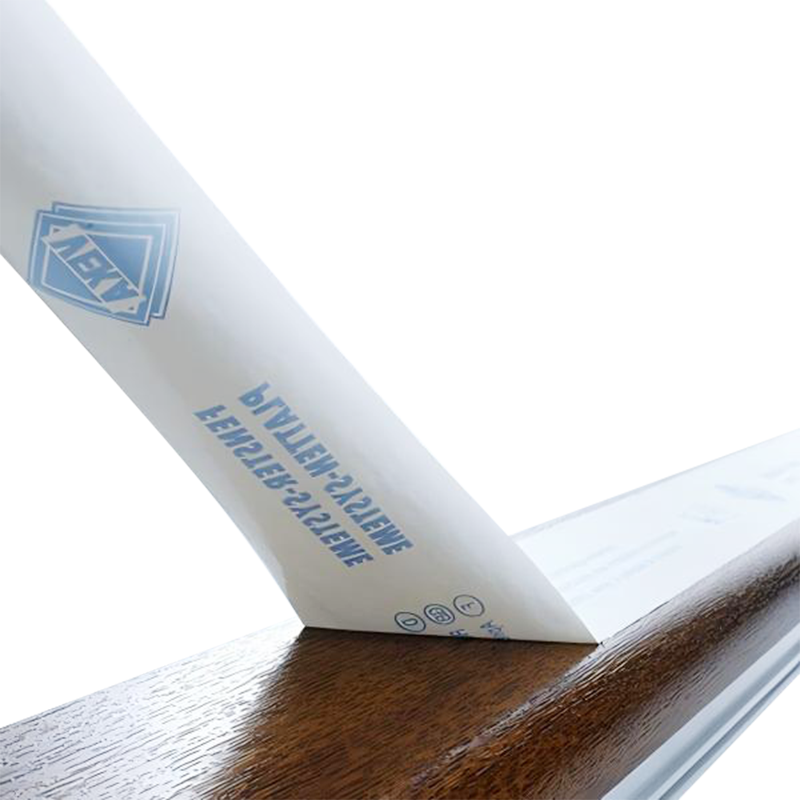
● Good weatherability for outdoor exposure; ● Stable adhesion level; ● UV resistance for up to 12 months; ● Can print customized logo or application i...
See Details
● No “ghost shadow” or “fish eye” after removal; ● Stable adhesion level; ● UV resistance for up to 6 months; ● Can print customized logo or applicati...
See Details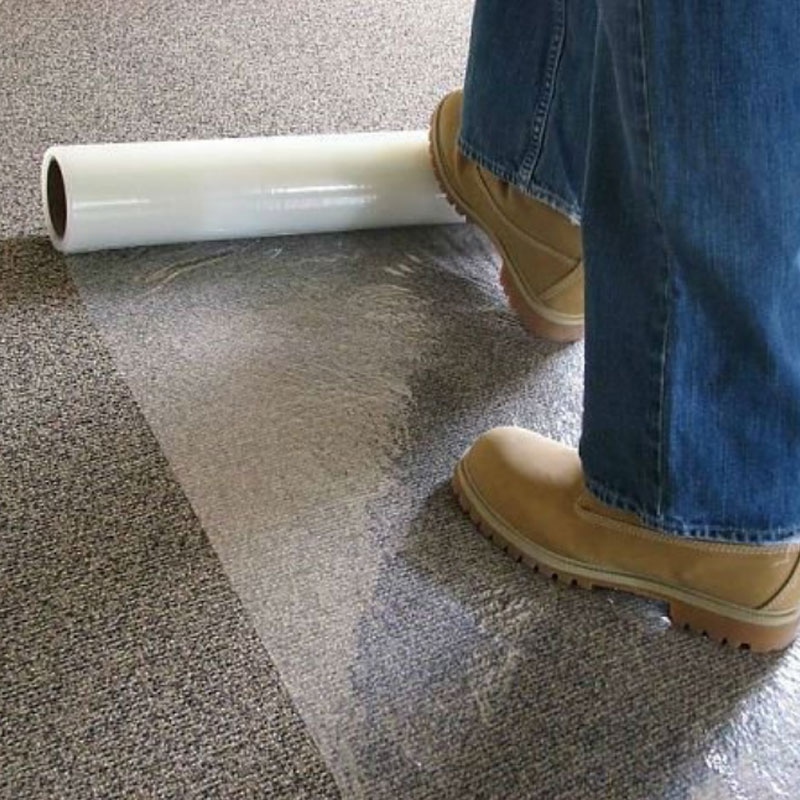
● Protects carpet against staining, paint spillage and dirt during painting, building, remodeling, plastering, tiling, decoration, general maintenance...
See Details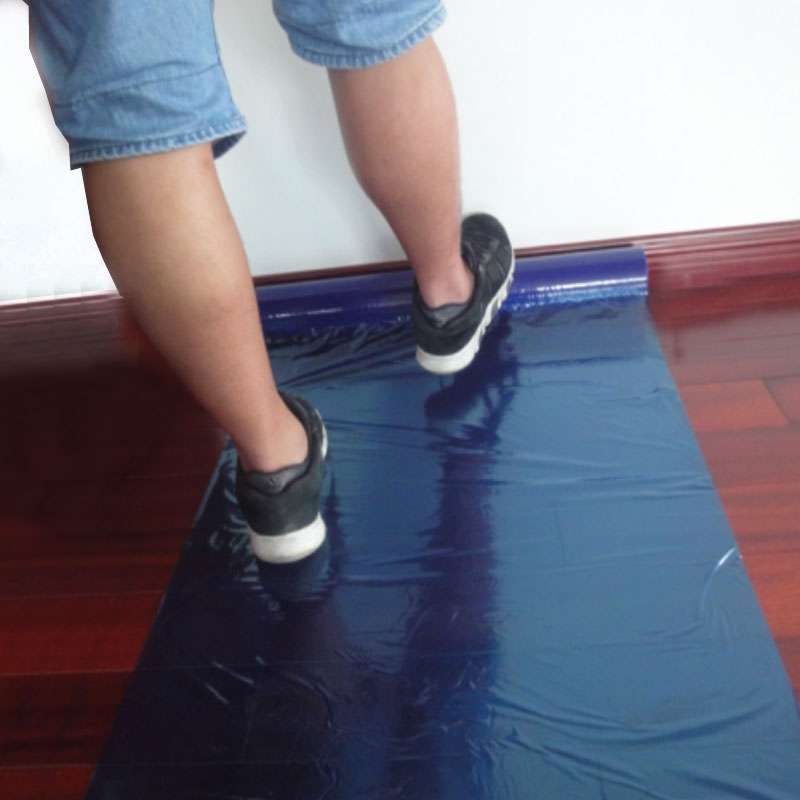
● Patented adhesive formula suits all hard surfaces such as hardwood floors, laminate floors, ceramic, marble, tile, granite, vinyl, worktops, and gla...
See Details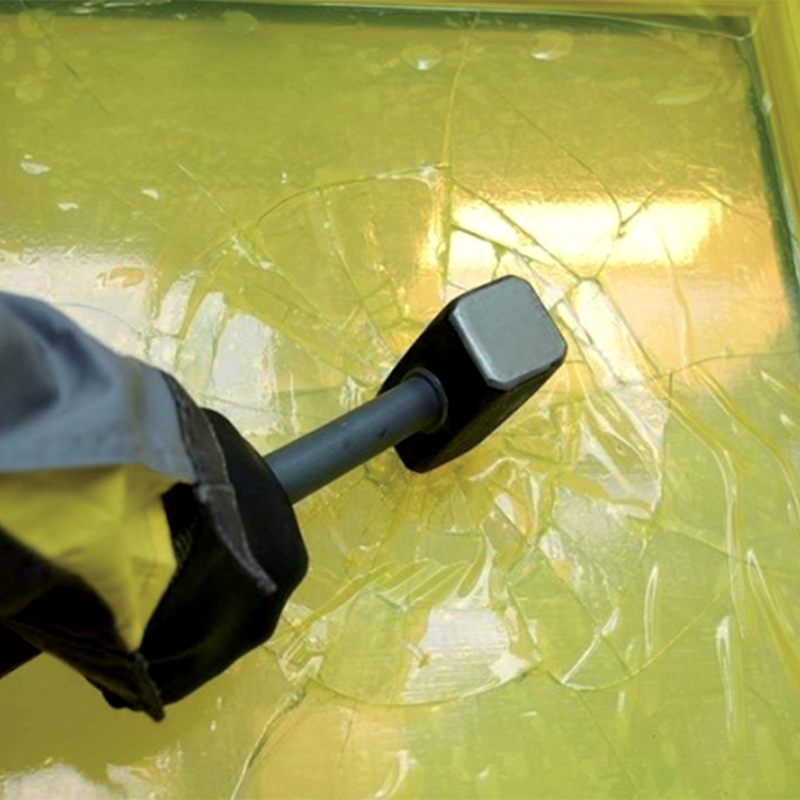
● The super tough polyethylene film with super high adhesion can stop the glass splitting and falling off during window glass demolition process;● Non...
See Details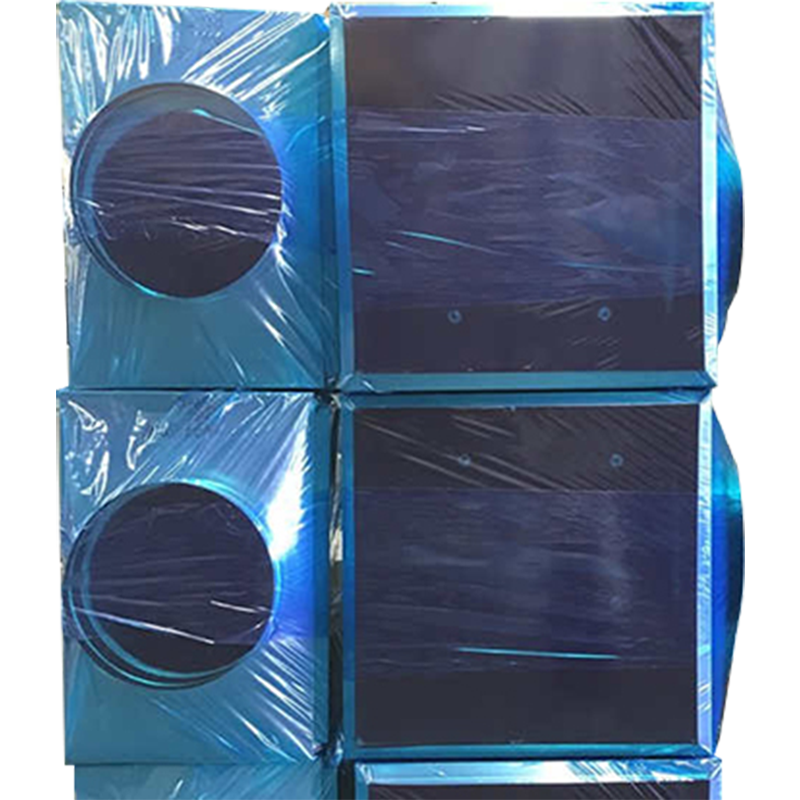
● The super-tough polyethylene film resists puncture and penetration by liquid and dirt during storage, transportation, and installation of the ductwo...
See Details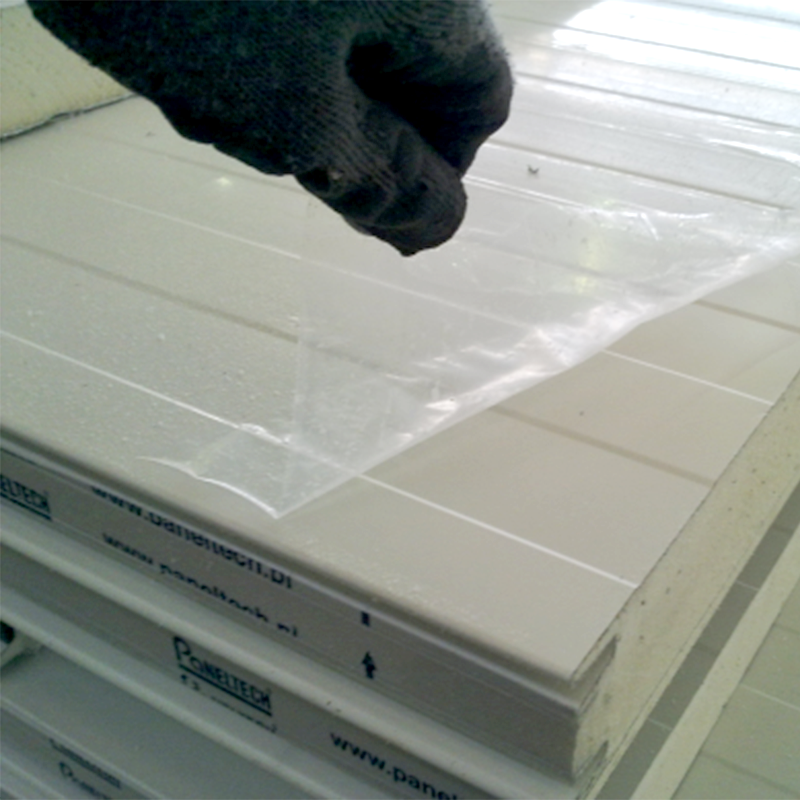
● The specially formulated adhesive ensures easy application and removal without leaving residue glue on the sandwich panels; ● The super-tough polyet...
See Details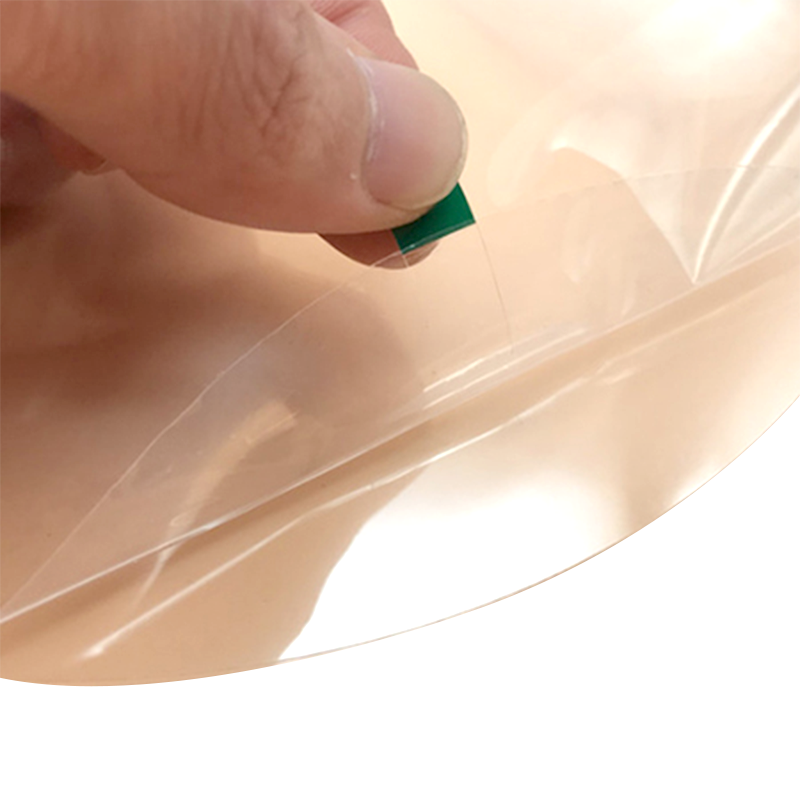
● Suitable for plastic sheets’ drilling, cutting, routing, thermoforming, bending, or post-fabrication operations;● No “ghost shadow” or “fish eye” af...
See Details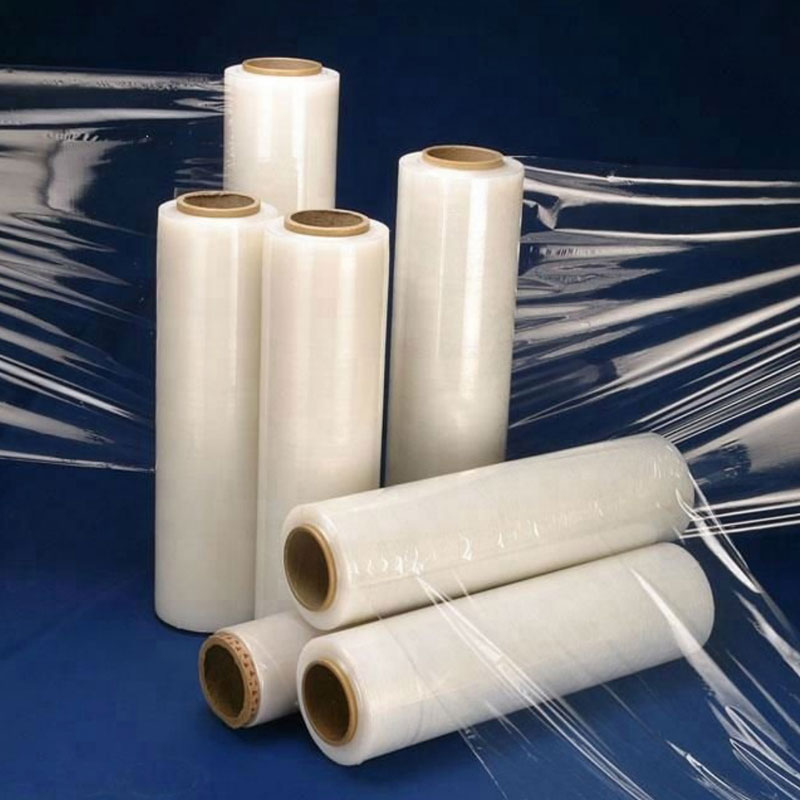
● Small roll size for convenient manual application;● Excellent puncture and tear resistance ; ● A self-adhering-each layer of film bonds to the next ...
See Details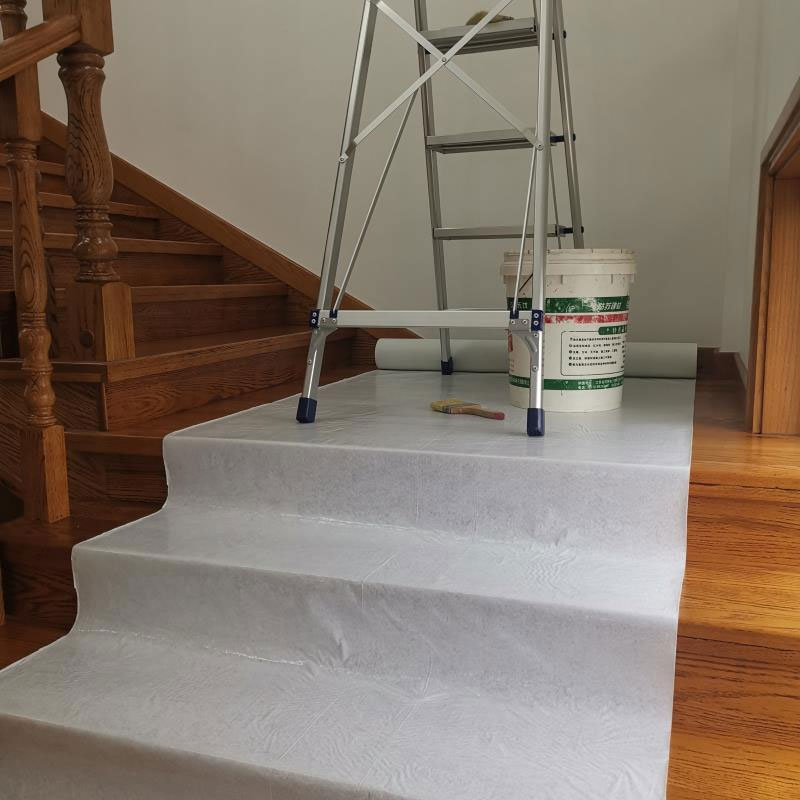
This product has non-woven synthetic fleece in middle; Breathable PE film adhered onto top of the non-woven fabric, which is coated with self adhesive...
See DetailsWe’re a reliable partner that shapes our expertise into success for your project.

Copyright 2024 Wuxi Qida Tape Co., Ltd. All Rights Reserved
 Wholesale Protective Film/Foil Manufacturers
Privacy
Wholesale Protective Film/Foil Manufacturers
Privacy