

 English
 English
 русский
 Français
 Español
 Português
 عربى
عربى
Cat:Glue -coated Protective Film
● Good weatherability for outdoor exposure; ● Stable adhesion level; ● UV resistance for up to 12 months; ● Can print customized logo or application i...
See Details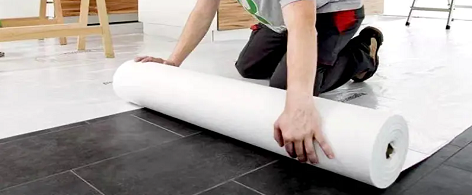
For heavy-duty construction sites, surface protection fleece should be a minimum of 250 gsm, with 300–500 gsm recommended for high-traffic areas, scaffold bases, and surfaces exposed to wheeled equipment. Thickness alone is not the only metric — fiber density, bonding method, and material composition all determine real-world performance. Selecting undersized fleece on an active construction site is one of the most common and costly protection mistakes.
Surface protection fleece thickness is expressed in grams per square meter (gsm), a weight-per-area measurement that directly correlates with fiber density and cushioning depth. A 100 gsm fleece is a lightweight, barely-there sheet; a 500 gsm fleece is a dense, resilient mat you can feel underfoot.
Physical thickness in millimeters varies depending on whether the fleece is needle-punched or thermally bonded. As a general reference:
| GSM Rating | Approx. Thickness (mm) | Classification | Typical Application |
|---|---|---|---|
| 80–120 gsm | 0.5–1.0 mm | Lightweight | Dust covers, short-term furniture protection |
| 150–200 gsm | 1.0–2.0 mm | Medium-duty | Light renovation, residential flooring |
| 250–300 gsm | 2.0–3.5 mm | Heavy-duty | Active construction walkways, tiled floors |
| 350–500 gsm | 3.5–6.0 mm | Extra heavy-duty | Scaffold bases, wheeled equipment, marble |
| 500+ gsm | 6.0 mm+ | Industrial / specialist | Heavy plant movement, staircase protection |
Different zones on a heavy-duty construction site impose very different mechanical loads. Using a single grade of fleece across all areas is inefficient — it means either over-spending in low-risk zones or under-protecting in critical ones.
Corridors used by multiple trades throughout the working day accumulate thousands of footfalls, often with workers carrying tools, materials, or wearing steel-capped boots with aggressive treads. Minimum 250 gsm is required; 300 gsm preferred for projects lasting more than two weeks. Below this threshold, fleece compresses permanently within days and loses its ability to distribute load or cushion impact.
Scaffold base plates and adjustable screw jacks concentrate loads onto a very small footprint. A typical scaffold standard loaded to 30 kN can exert contact pressures exceeding 5 N/mm² at the base plate edge. At this level, 150–200 gsm fleece will compress to near-zero thickness and offer no meaningful protection. 350–500 gsm needle-punched fleece, ideally combined with a rigid spreader board, is the appropriate specification here.
Sack trucks, panel trolleys, pallet jacks, and motorized material handlers all apply concentrated line loads through narrow wheels. A loaded pallet jack can exert over 2,000 kg across two wheel axles, creating severe point pressure on any underlying floor. For these routes, a minimum of 400 gsm fleece is recommended, and doubling up with two layers of 300 gsm is a common site practice that provides better pressure distribution than a single heavier layer.
Staircases present a unique challenge: the nosing (leading edge of each tread) receives the highest impact loads from foot strike and tool contact, yet is also the most geometrically complex area to protect. Pre-cut or pre-formed staircase fleece sections of 300–400 gsm with adhesive backing on the underside are purpose-designed for this application and outperform cut-to-size flat fleece that tends to slip or bunch at nosings.
The fragility and replacement cost of the underlying surface should directly influence the fleece weight selected — independent of the traffic level above.
At the same GSM rating, two fleeces manufactured by different processes can perform very differently under load. This is one of the least-discussed but most practically significant variables in fleece selection.
Fibers are mechanically interlocked by barbed needles, creating a dense, three-dimensional structure. This process produces a fleece that resists compression and recovers its thickness after load is removed — critical for multi-week projects where the same mat must perform through repeated loading cycles. Needle-punched fleece at 300 gsm will outperform thermally bonded fleece at 300 gsm in almost every heavy-duty metric.
Fibers are fused together by heat rather than mechanical entanglement. The result is a smoother, more uniform surface that is excellent for protecting delicate finishes — but permanently compresses under sustained heavy load. Once compressed, thermally bonded fleece does not recover, reducing its effective protection to near zero in the areas of highest stress. Suitable for lighter duty or short-duration applications.
For heavy-duty construction sites, always specify needle-punched construction when purchasing fleece above 200 gsm. Many budget products sold as "heavy-duty" are thermally bonded at 250 gsm and will fail within the first week of active site use.
Impact absorption is tested under EN 12633 and similar standards. Real-world performance data from standardized drop tests provides a clearer picture of how GSM rating translates to protection:
| Fleece Weight | Max Impact Absorbed (Joules) | Equivalent Drop Scenario | Protection Outcome on Marble |
|---|---|---|---|
| 150 gsm | ~5 J | 500g wrench dropped 1 m | Likely chip or scratch |
| 250 gsm | ~15 J | 1.5 kg hammer dropped 1 m | Protected in most cases |
| 350 gsm | ~25 J | 2.5 kg tool dropped 1 m | Protected in most cases |
| 500 gsm | ~40 J | 4 kg angle grinder dropped 1 m | Protected in most cases |
These figures assume the fleece is in good condition and laid flat on a hard substrate. A compressed or wet fleece may perform 30–50% below its rated impact absorption.
Project duration is a critical variable that many buyers overlook when specifying fleece weight. The same floor area with the same traffic level requires a different specification depending on how long protection is needed.
On active sites, it is common to discover that the specified fleece is underperforming only after damage has already occurred. Watch for these warning signs during regular site inspections:
Use this summary as a starting point for specification. Always upgrade one category if the project duration exceeds four weeks or if the surface replacement cost is high.
| Site Type | Recommended GSM | Construction Type |
|---|---|---|
| Light residential renovation | 150–200 gsm | Thermally bonded |
| Commercial fit-out (office, retail) | 250–300 gsm | Needle-punched |
| High-end residential (marble, hardwood) | 350–400 gsm | Needle-punched |
| Active construction with multi-trade access | 300–350 gsm | Needle-punched |
| Heavy plant / scaffold base zones | 400–500 gsm | Needle-punched |
| Industrial / infrastructure construction | 500+ gsm or double layer | Needle-punched |
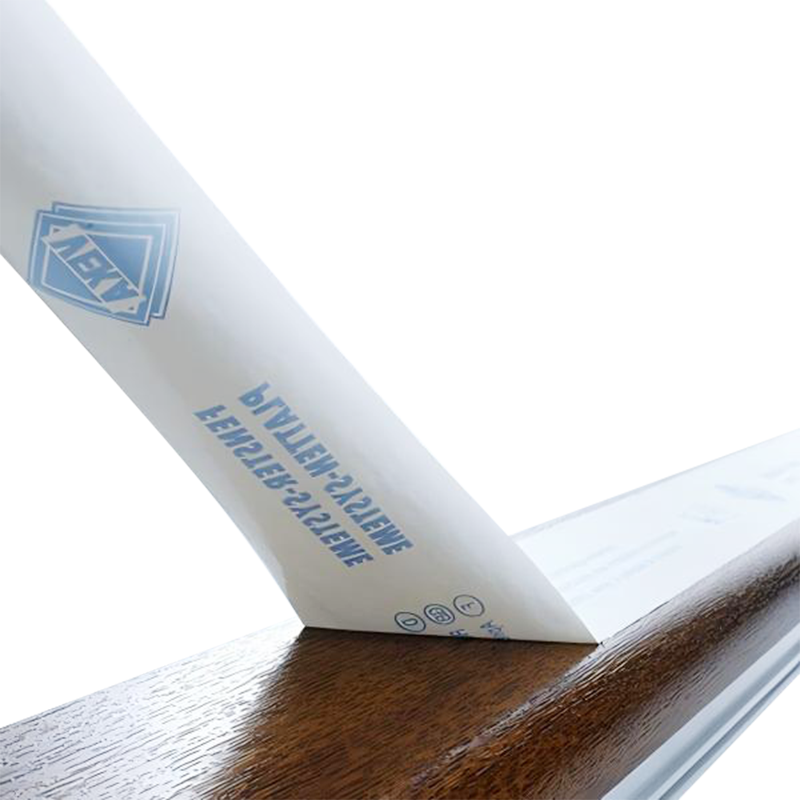
● Good weatherability for outdoor exposure; ● Stable adhesion level; ● UV resistance for up to 12 months; ● Can print customized logo or application i...
See Details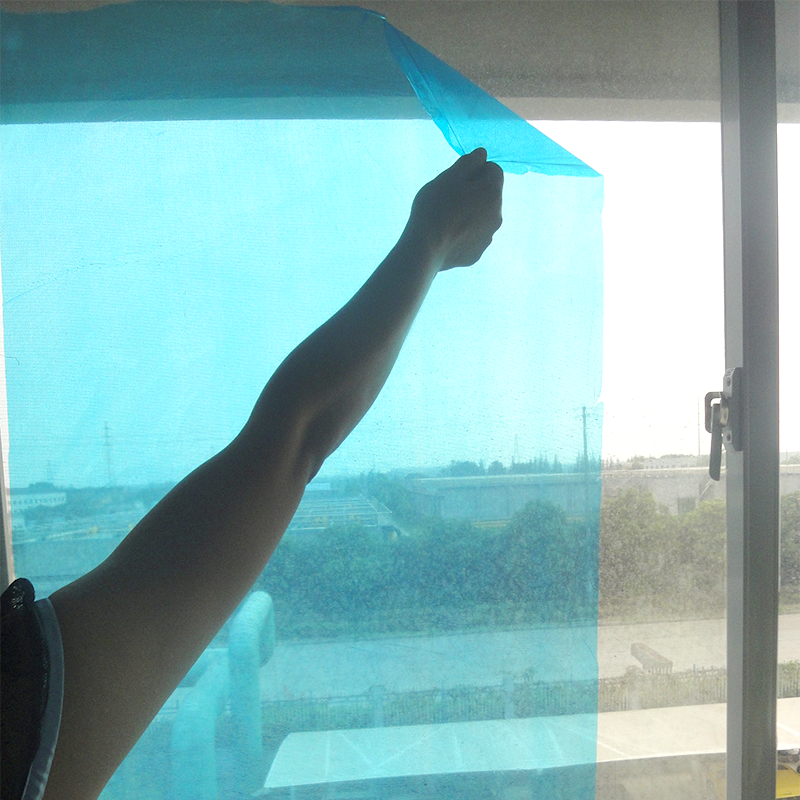
● Protect window glass against paint splatters, dirt, staining, and spillages during painting, building, plastering, tiling, general maintenance and r...
See Details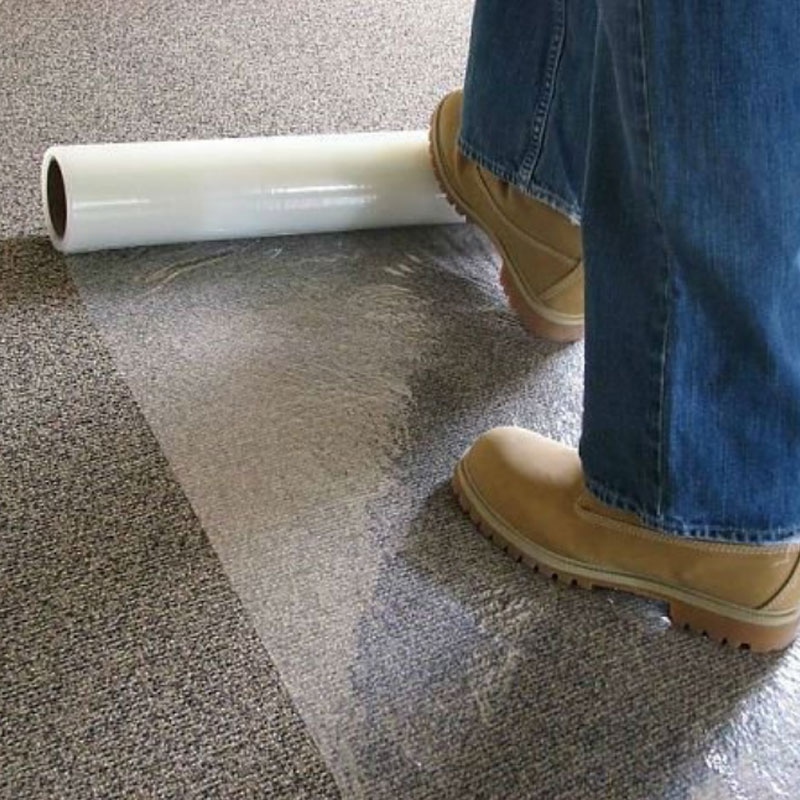
● Protects carpet against staining, paint spillage and dirt during painting, building, remodeling, plastering, tiling, decoration, general maintenance...
See Details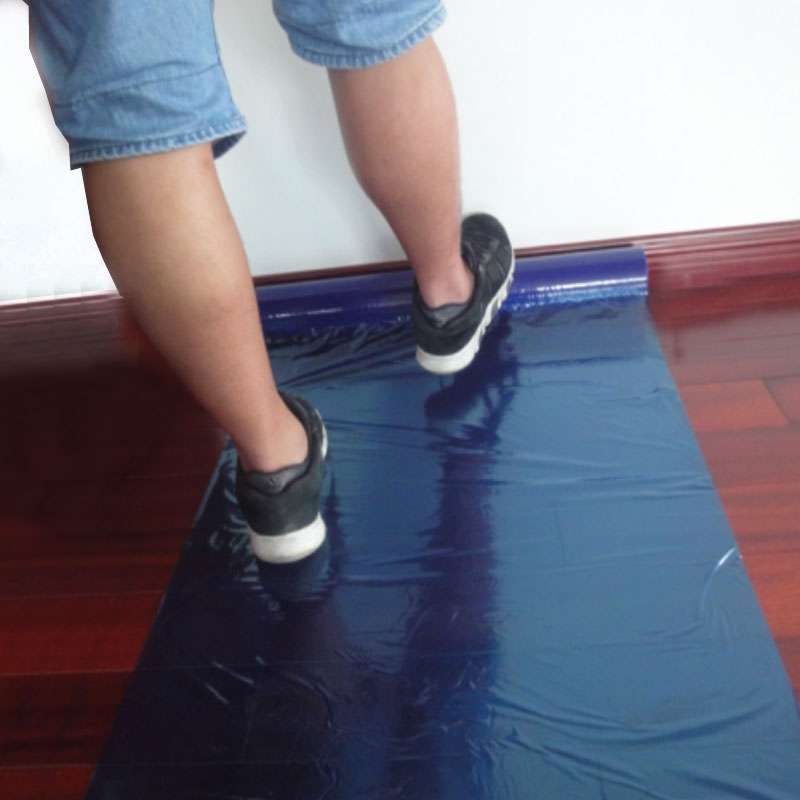
● Patented adhesive formula suits all hard surfaces such as hardwood floors, laminate floors, ceramic, marble, tile, granite, vinyl, worktops, and gla...
See Details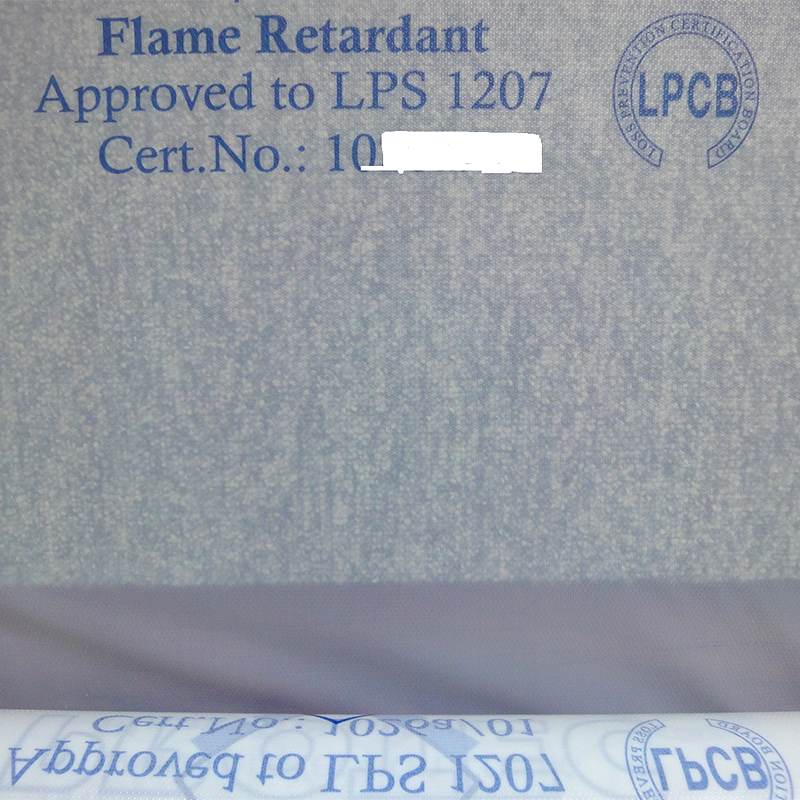
● Prevents costly damages in case of fire /flame;● Meet the strict international test standards of loss prevention; ● Extensive selection for flame re...
See Details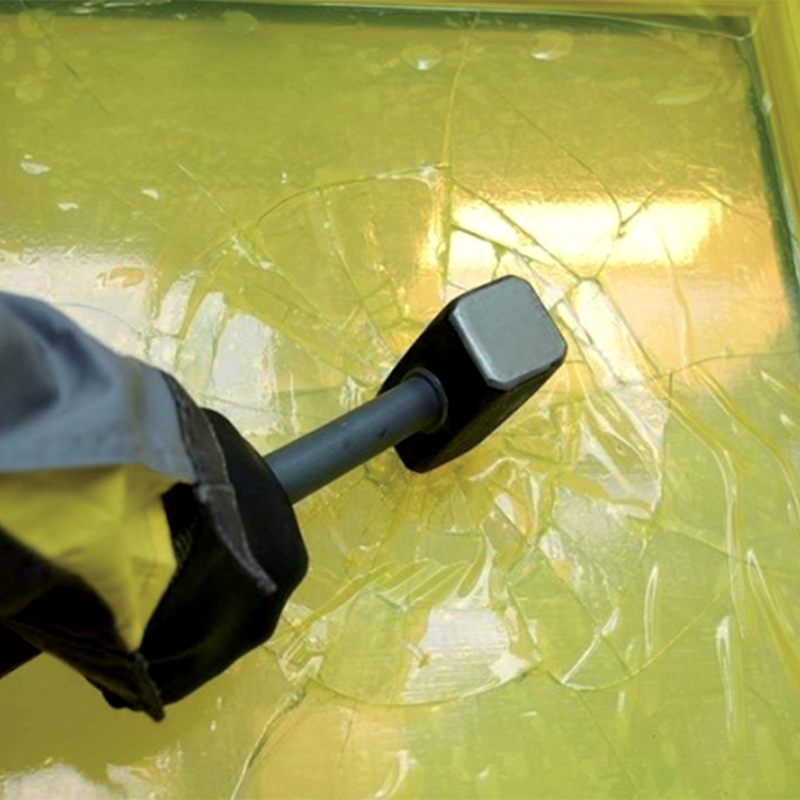
● The super tough polyethylene film with super high adhesion can stop the glass splitting and falling off during window glass demolition process;● Non...
See Details
● Distance of each perforation die-cut ranges from 100mm to 1200mm;● Can peel off each die-cut piece of protective film at the perforated line easily;...
See Details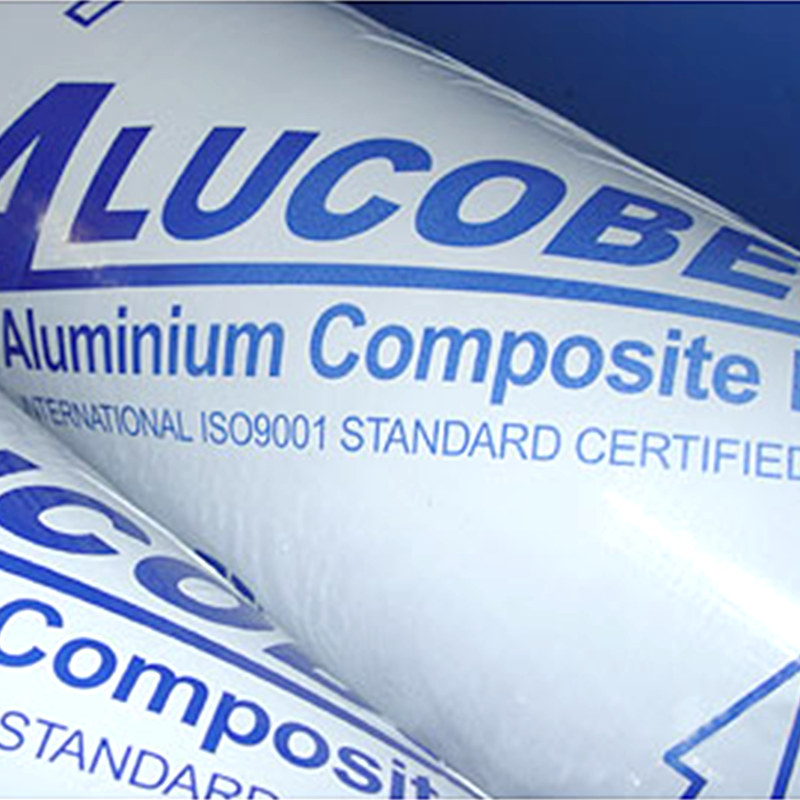
● The specially formulated adhesive ensures easy application and removal without leaving residue glue; ● The super-tough polyethylene film protects ag...
See Details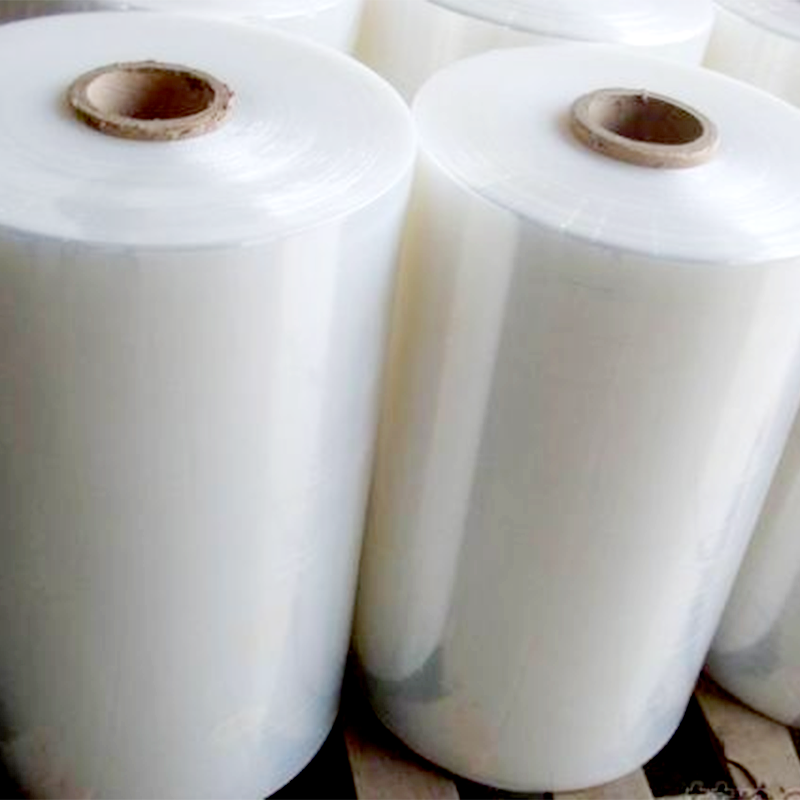
● Excellent puncture and tear resistance; ● Self-adhering-each layer of film bonds to the next for added strength; ● Big roll size to save cost and re...
See Details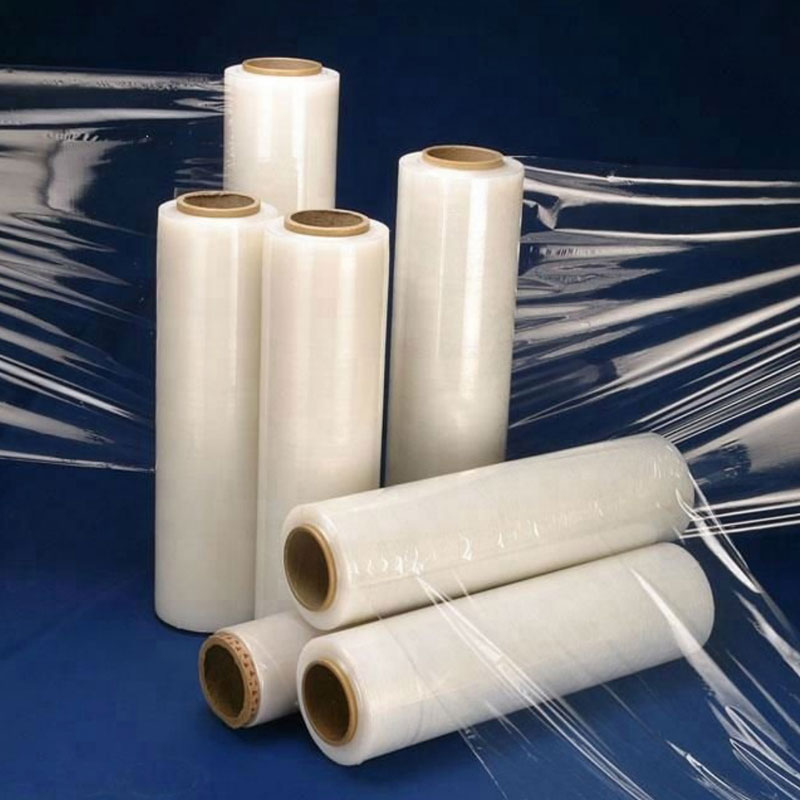
● Small roll size for convenient manual application;● Excellent puncture and tear resistance ; ● A self-adhering-each layer of film bonds to the next ...
See DetailsWe’re a reliable partner that shapes our expertise into success for your project.

Copyright 2024 Wuxi Qida Tape Co., Ltd. All Rights Reserved
 Wholesale Protective Film/Foil Manufacturers
Privacy
Wholesale Protective Film/Foil Manufacturers
Privacy