

 English
 English
 русский
 Français
 Español
 Português
 عربى
عربى
Cat:Glue -coated Protective Film
● Good weatherability for outdoor exposure; ● Stable adhesion level; ● UV resistance for up to 12 months; ● Can print customized logo or application i...
See Details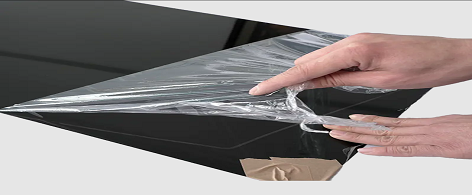
The short answer: protective tapes are pressure-sensitive adhesive films designed to shield surfaces from scratches, dust, moisture, chemicals, and mechanical damage during manufacturing, transit, or installation. They are temporary by nature — applied to protect, then removed cleanly without leaving residue or damaging the surface underneath. The industries that rely on them most heavily include automotive, construction, electronics, aerospace, and metal fabrication — sectors where surface integrity directly affects product quality and commercial value.
Protective tapes consist of two primary components: a backing film and an adhesive layer. The combination of these two materials determines the tape's performance across temperature, chemical exposure, UV resistance, and surface compatibility.
| Tape Type | Primary Function | Typical Application |
|---|---|---|
| Surface protection film tape | Scratch and abrasion resistance | Stainless steel panels, glass, aluminium profiles |
| Masking tape | Paint and coating boundary definition | Automotive painting, construction finishing |
| Anti-corrosion tape | Moisture and chemical barrier | Pipelines, metal structures, underground fittings |
| High-temperature masking tape | Heat resistance during processing | PCB soldering, powder coating, anodizing |
| Edge protection tape | Impact and chip protection on edges | Glass sheets, stone slabs, metal extrusions |
| UV-resistant protective tape | Outdoor weathering protection | Window profiles, cladding panels, solar modules |
The automotive sector uses protective tapes at nearly every stage of the vehicle lifecycle — from manufacturing through to dealership delivery. A single vehicle assembly line may use over 20 different tape products across body, paint, trim, and electronics applications.
The global automotive protective tape market was valued at over $2.1 billion USD in 2023, with demand growing alongside electric vehicle production, which requires additional battery module protection tapes.
Construction sites are harsh environments — surfaces that arrive pristine can be damaged by dust, concrete splatter, tool contact, and foot traffic within hours. Protective tapes are applied immediately after installation to preserve surface quality until project handover.
In electronics, even microscopic contamination or surface damage can render a component non-functional. Protective tapes in this sector must meet extremely tight specifications for chemical purity, thickness tolerance, and residue-free removal.
Sheet metal, aluminium extrusions, and precision-machined components are highly susceptible to surface damage during cutting, bending, punching, and transport. Protective tapes are applied immediately after surface finishing — such as anodizing, polishing, or powder coating — to lock in that quality.
Aerospace components operate under extreme mechanical and thermal stress. Any surface defect — even a minor scratch — can initiate fatigue cracking or compromise aerodynamic performance. Protective tapes in this sector must meet stringent material certifications including Boeing BAC, Airbus AIMS, and MIL-spec standards.
Protective tapes in medical and pharmaceutical applications must meet biocompatibility standards — including ISO 10993 for skin-contact safety and FDA compliance for food and drug contact surfaces.
| Industry | Primary Tape Types Used | Key Performance Requirement |
|---|---|---|
| Automotive | PE film, masking, fabric harness tape | Heat resistance, clean removal, conformability |
| Construction | PE/PVC film, floor protection tape | UV stability, residue-free removal, durability |
| Electronics | Polyimide, UV-release dicing tape, ESD film | Chemical purity, precision thickness, zero residue |
| Metal Fabrication | PE coil film, acid-resistant masking tape | Abrasion resistance, long-term adhesion stability |
| Aerospace | Certified silicone tape, VCI tape, PET film | No silicone contamination, MIL-spec compliance |
| Medical Devices | Clean-room grade PE, anti-glare films | Biocompatibility, ISO 10993, sterility compatibility |
Protective tapes are not a commodity afterthought — they are an engineered component in modern manufacturing and construction workflows. Choosing the wrong tape can result in adhesive residue that requires costly solvent cleaning, surface staining that voids warranties, or premature tape failure that leaves surfaces unprotected at the most critical moment.
For procurement teams and engineers, selecting the right protective tape means matching backing material, adhesive chemistry, thickness, and adhesion level to the specific surface, environment, and duration of protection required. In high-value industries, the cost of tape failure far exceeds the cost of the tape itself.
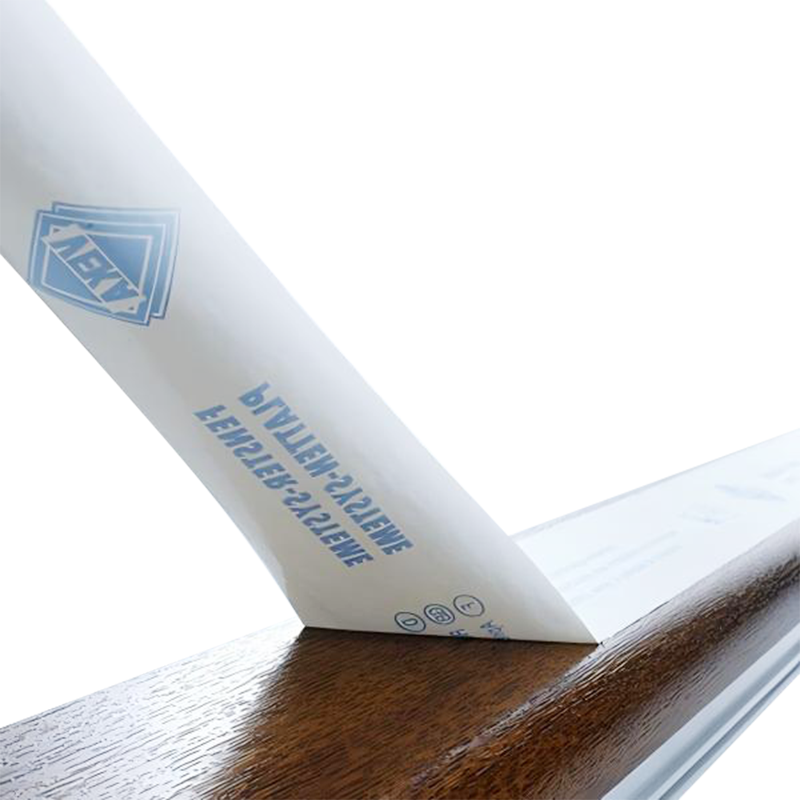
● Good weatherability for outdoor exposure; ● Stable adhesion level; ● UV resistance for up to 12 months; ● Can print customized logo or application i...
See Details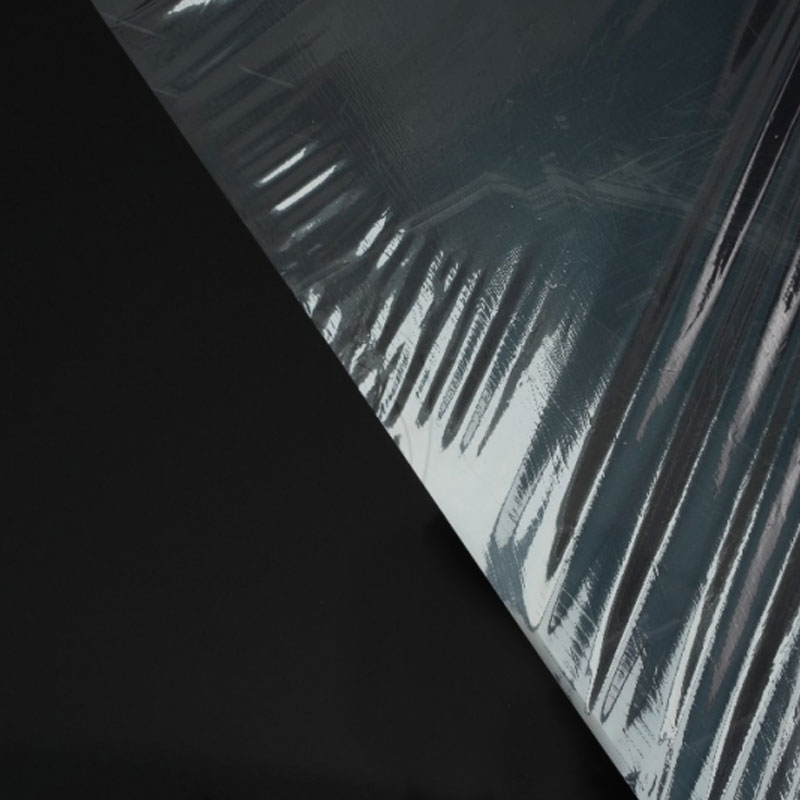
● No “ghost shadow” or “fish eye” after removal; ● Stable adhesion level; ● UV resistance for up to 6 months; ● Can print customized logo or applicati...
See Details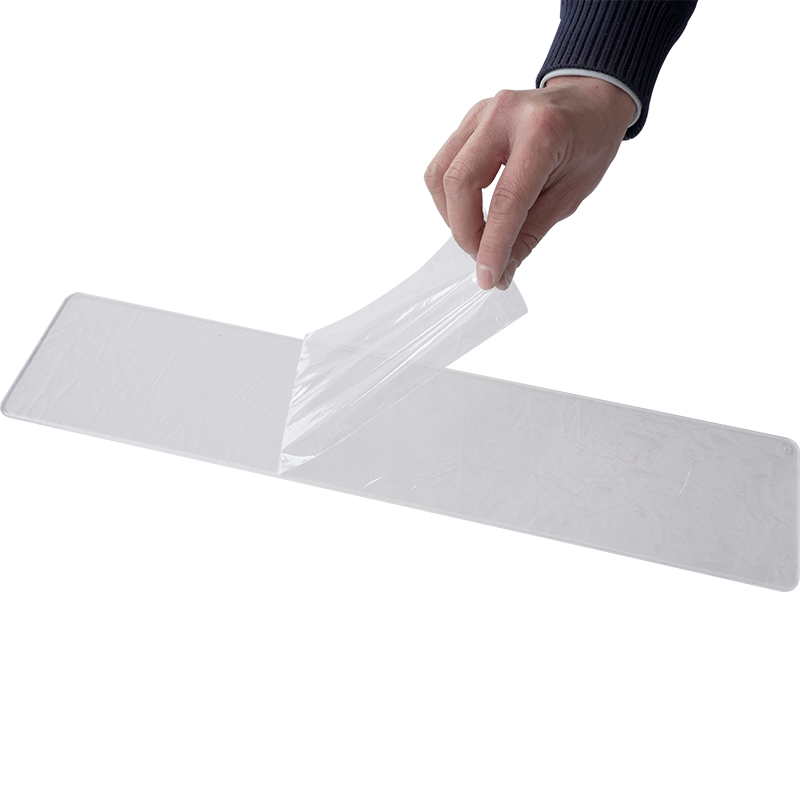
● No “ghost shadow” or “fish eye” after removal; ● Low gel content, soft and stable adhesion plus easy-peel removal with no surface damage or curling;...
See Details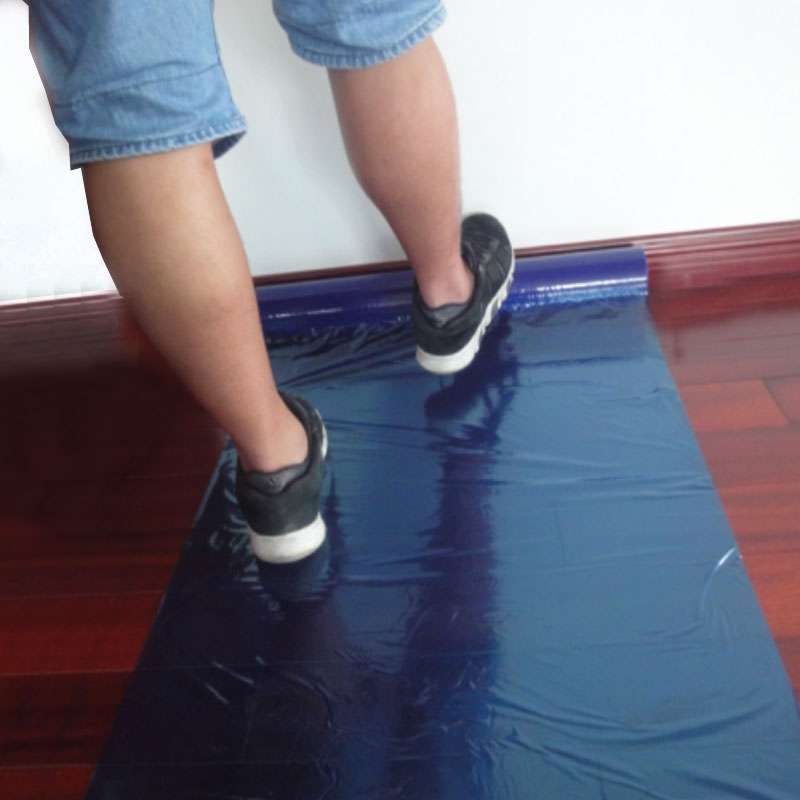
● Patented adhesive formula suits all hard surfaces such as hardwood floors, laminate floors, ceramic, marble, tile, granite, vinyl, worktops, and gla...
See Details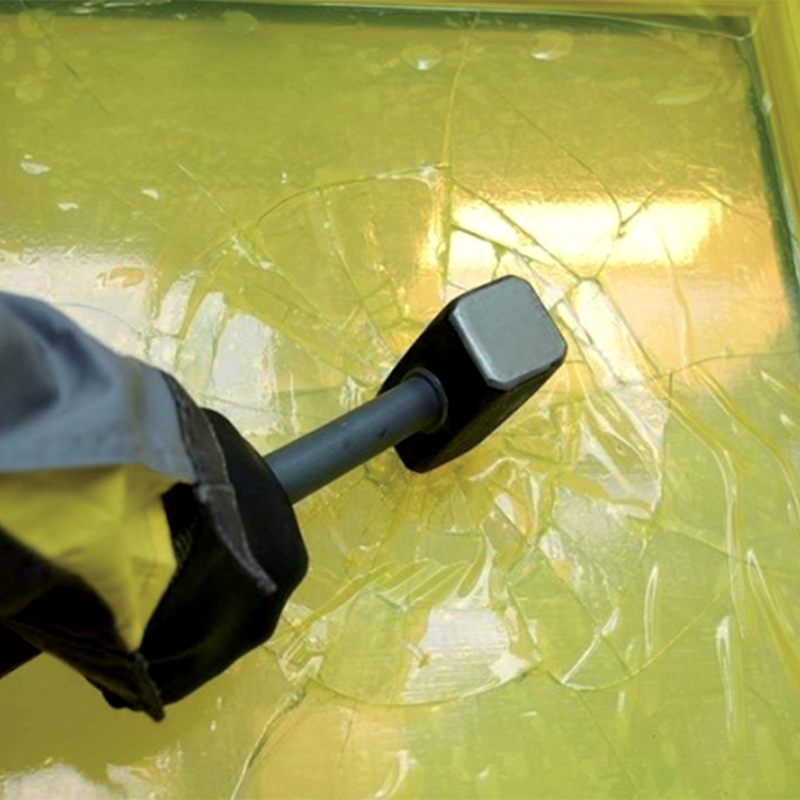
● The super tough polyethylene film with super high adhesion can stop the glass splitting and falling off during window glass demolition process;● Non...
See Details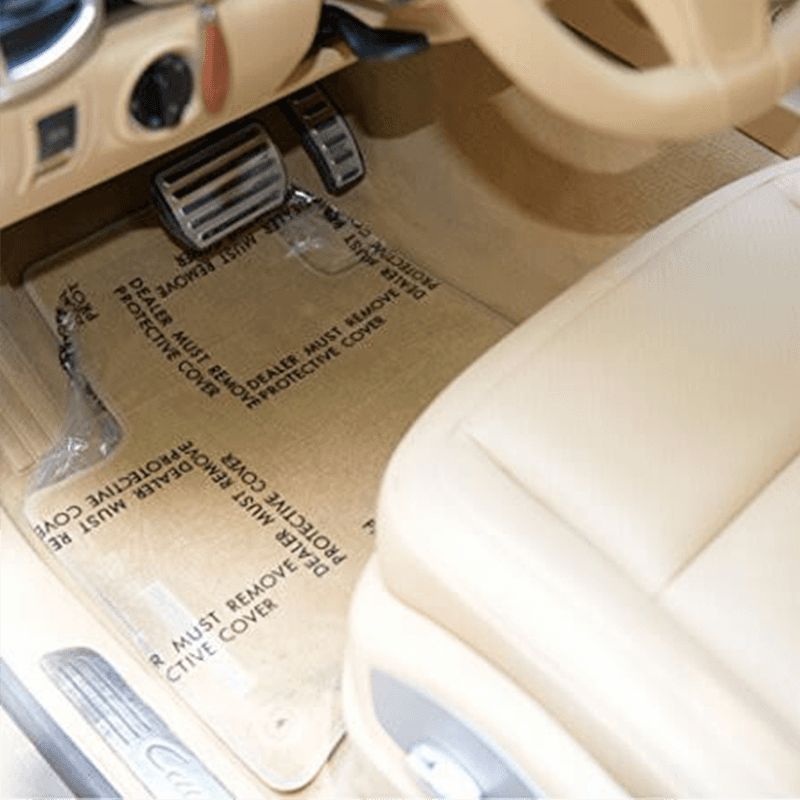
● Distance of each perforation die-cut ranges from 100mm to 1200mm;● Can peel off each die-cut piece of protective film at the perforated line easily;...
See Details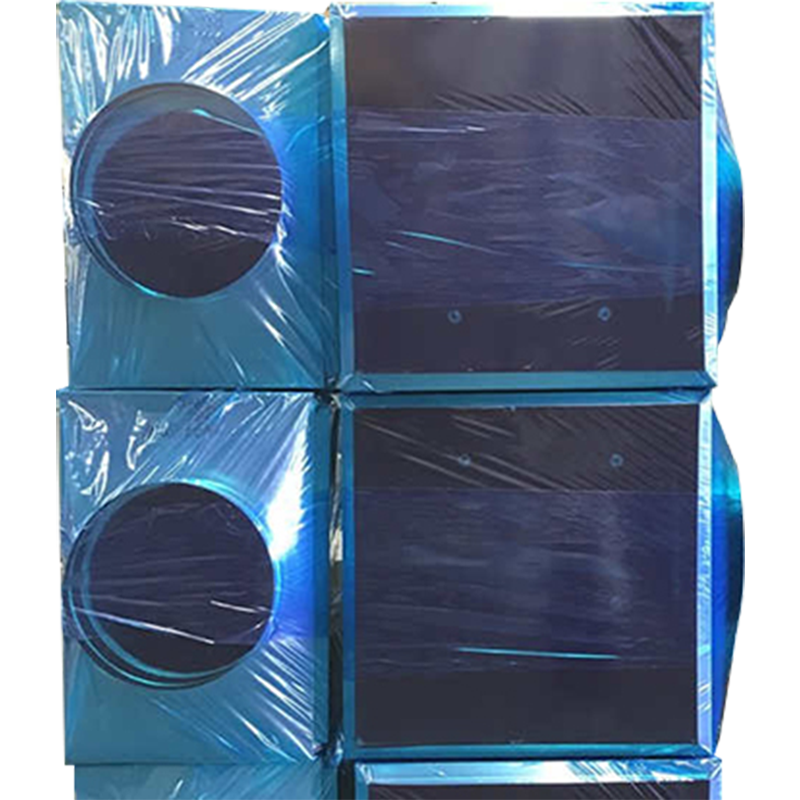
● The super-tough polyethylene film resists puncture and penetration by liquid and dirt during storage, transportation, and installation of the ductwo...
See Details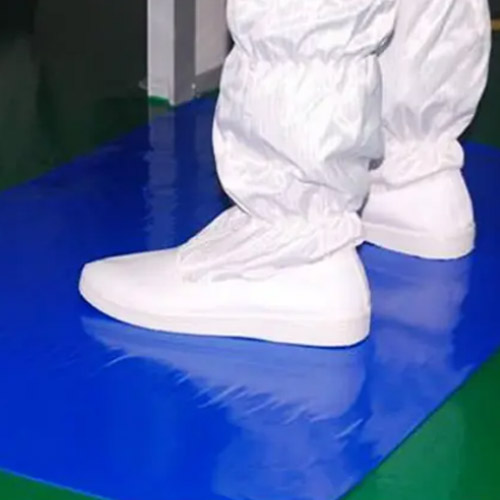
● Options for either 30 or 60 layers per mat; can be packed with four mats, eight mats, or ten mats per carton;● Remove dirt effect: ≥99.9% (5 steps);...
See Details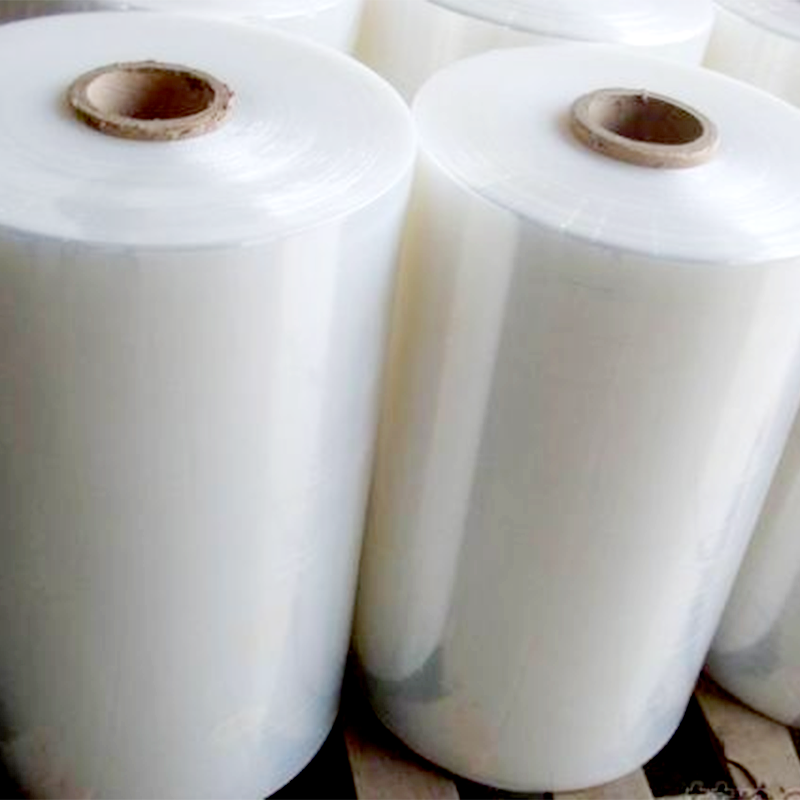
● Excellent puncture and tear resistance; ● Self-adhering-each layer of film bonds to the next for added strength; ● Big roll size to save cost and re...
See Details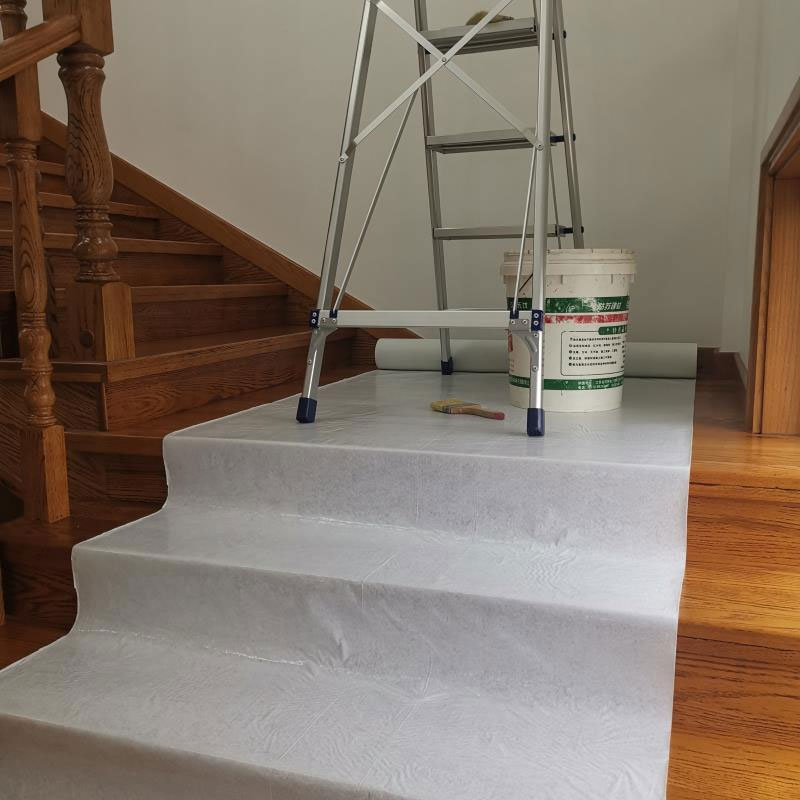
This product has non-woven synthetic fleece in middle; Breathable PE film adhered onto top of the non-woven fabric, which is coated with self adhesive...
See DetailsWe’re a reliable partner that shapes our expertise into success for your project.

Copyright 2024 Wuxi Qida Tape Co., Ltd. All Rights Reserved
 Wholesale Protective Film/Foil Manufacturers
Privacy
Wholesale Protective Film/Foil Manufacturers
Privacy