

 English
 English
 русский
 Français
 Español
 Português
 عربى
عربى
Cat:Glue -coated Protective Film
● Good weatherability for outdoor exposure; ● Stable adhesion level; ● UV resistance for up to 12 months; ● Can print customized logo or application i...
See Details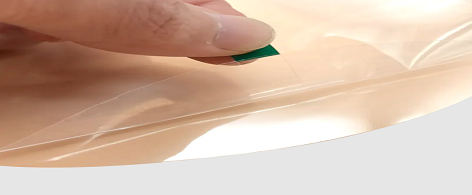
In the field of surface protection, Self-adhesive Protective Film is meant to be a product’s “temporary shield.” However, the most frustrating issue for manufacturers is the appearance of mottled adhesive residue upon removal. This not only increases labor costs for additional cleaning but can also lead to permanent damage to high-value substrates such as mirror-finish stainless steel or high-end plastic panels.
From a physicochemical perspective, adhesive residue occurs when the internal cohesive strength of the adhesive layer is weaker than its adhesive strength (bond) to the substrate surface. When you peel off the protective film, the adhesive molecular chains break in the middle; one part remains on the film carrier, while the other remains anchored to the product surface.
Most industrial protective films utilize a Polyethylene (PE) substrate combined with an acrylic pressure-sensitive adhesive. When protected products are stored outdoors or near windows, ultraviolet rays penetrate the film.
The tackiness of a protective film is not static; it increases as dwell time increases.
This is a specific issue encountered when protecting Polyvinyl Chloride (PVC) or certain painted surfaces. Plasticizers within the substrate can migrate outward into the adhesive layer of the protective film, causing the adhesive to soften and lose its cohesive strength. This phenomenon manifests as an oily, sticky coating left on the surface after the film is removed.
Preventing residue is not simply about choosing the most expensive film; it is about achieving a technical match between the protective film and the substrate. A scientific prevention plan should cover the entire lifecycle from selection and testing to storage.
The first principle of selecting a protective film is “the lower the adhesion, the better—as long as it protects.”
If you have a “zero tolerance” requirement for residue, it is recommended to use Co-extruded Protective Films.
| Feature | Solvent-based Adhesive Film | Water-based Adhesive Film | Co-extruded Film (Co-ex) |
|---|---|---|---|
| Residue Risk | Moderate (Depends on evaporation) | Higher (Poor moisture resistance) | Extremely Low (No glue layer) |
| Weather/UV Resistance | Excellent | Fair | Excellent |
| Adhesion Stability | Increases significantly over time | Relatively stable | Extremely Stable |
| Cost | Higher | Lower | Moderate |
| Main Applications | Deep drawing/Heavy processing | General indoor protection | High-gloss/Electronics/Medical |
Q: How can I safely remove residue that has already occurred?
A: For metal surfaces, it is recommended to use Isopropyl Alcohol (IPA) or a professional citrus-based adhesive remover with a lint-free cloth. For plastic or coated surfaces, avoid strong solvents (like acetone or toluene). Always test in a hidden area first, or try using a hairdryer to warm the residue before slowly wiping it away.
Q: Why does the same film work well in winter but leave residue in summer?
A: This is the “Thermal Acceleration Effect.” High summer temperatures make adhesive molecules more fluid, increasing physical penetration into the substrate. Additionally, high heat can accelerate the aging of acrylics, causing the peel strength to double or triple.
Q: How do I determine if the adhesion I need is appropriate?
A: A 180° peel strength test is recommended. The standard method involves applying the film to a sample plate, letting it sit for 24 hours (or performing an accelerated aging test), and ensuring the peel force remains stable without visual residue.
Q: What is the typical shelf life of self-adhesive film?
A: Most PE protective films are recommended for use within 6–12 months. Beyond this period, the film itself may become brittle, and the adhesive may undergo irreversible chemical changes.
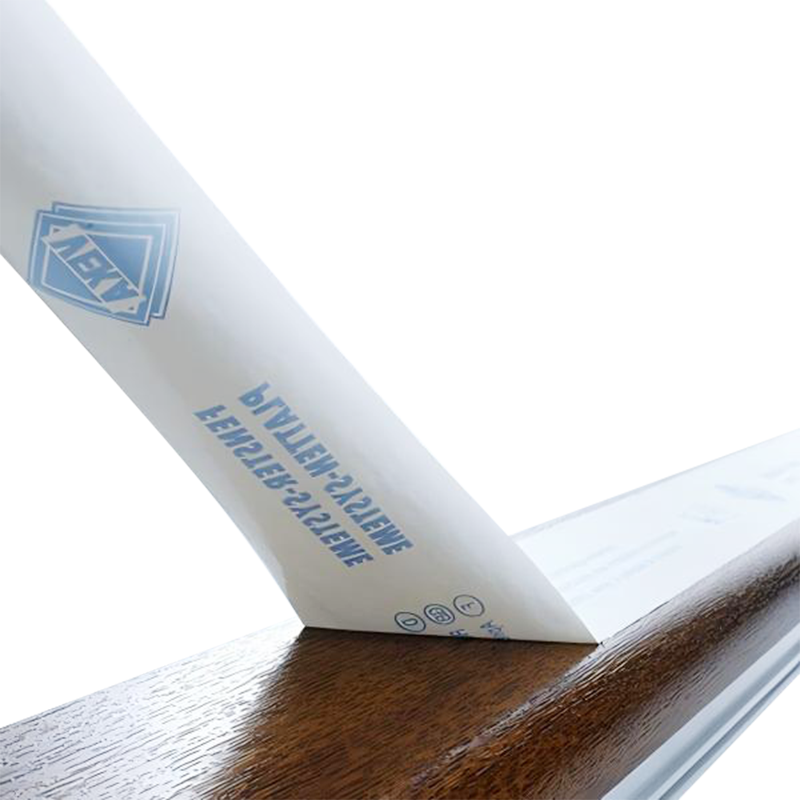
● Good weatherability for outdoor exposure; ● Stable adhesion level; ● UV resistance for up to 12 months; ● Can print customized logo or application i...
See Details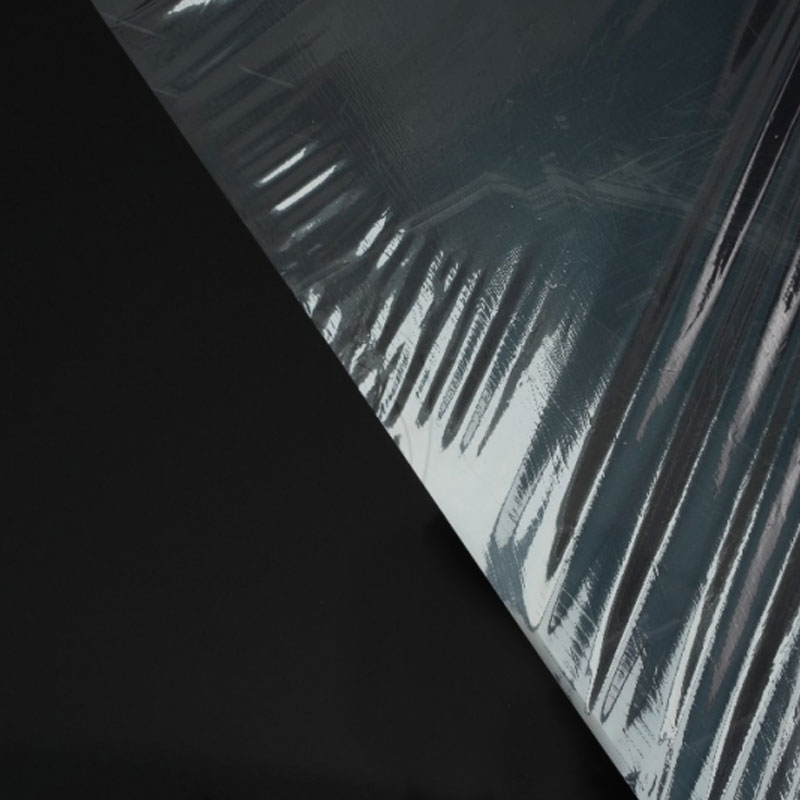
● No “ghost shadow” or “fish eye” after removal; ● Stable adhesion level; ● UV resistance for up to 6 months; ● Can print customized logo or applicati...
See Details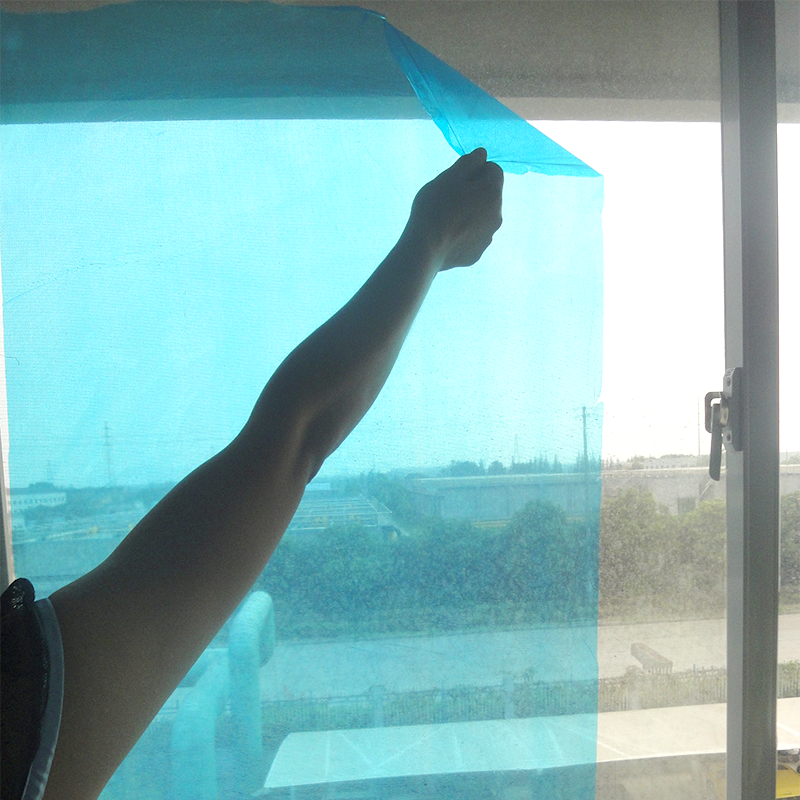
● Protect window glass against paint splatters, dirt, staining, and spillages during painting, building, plastering, tiling, general maintenance and r...
See Details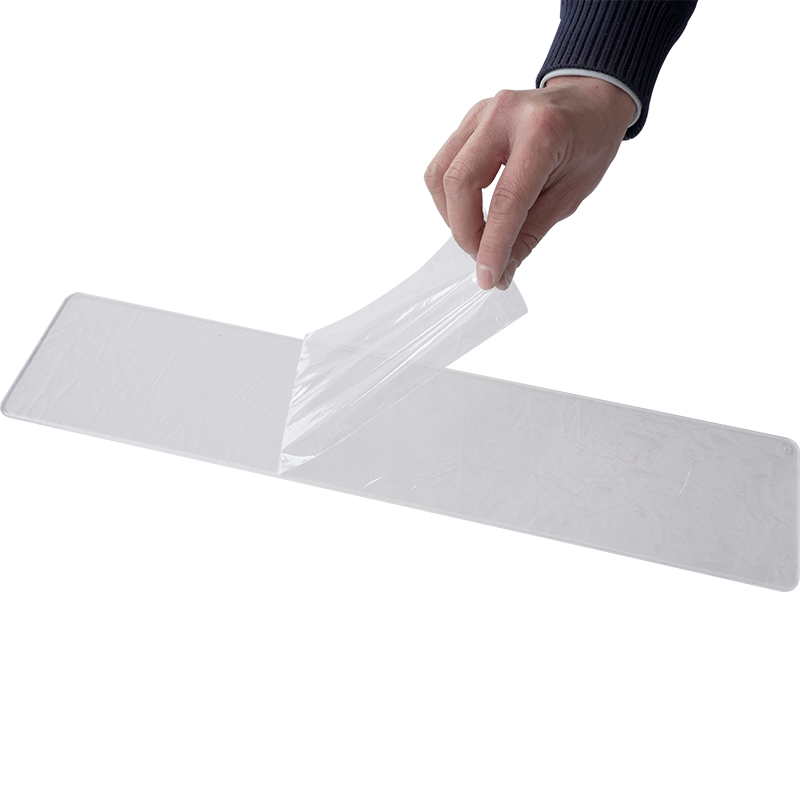
● No “ghost shadow” or “fish eye” after removal; ● Low gel content, soft and stable adhesion plus easy-peel removal with no surface damage or curling;...
See Details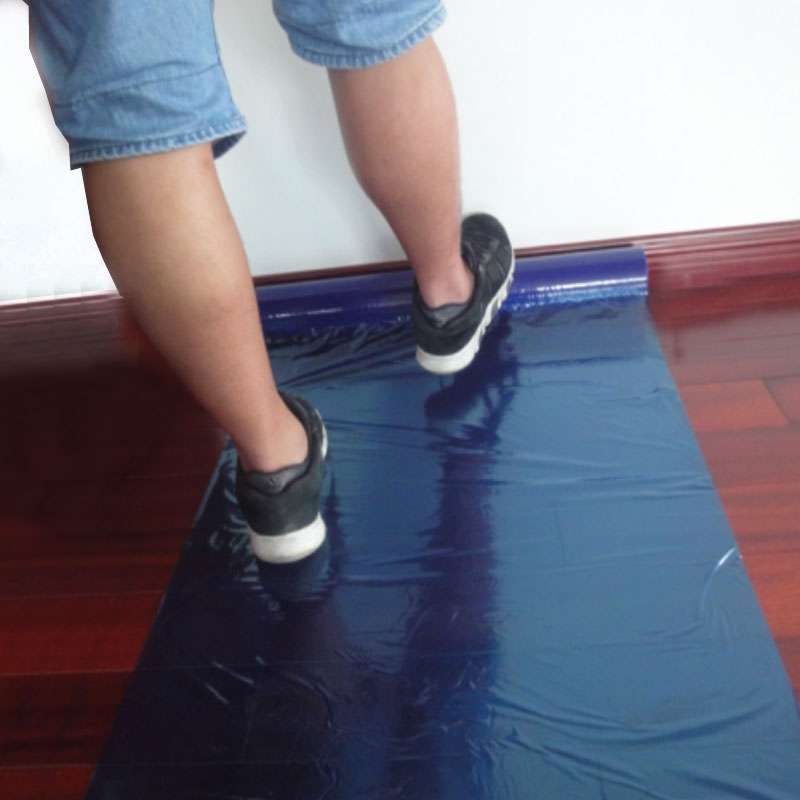
● Patented adhesive formula suits all hard surfaces such as hardwood floors, laminate floors, ceramic, marble, tile, granite, vinyl, worktops, and gla...
See Details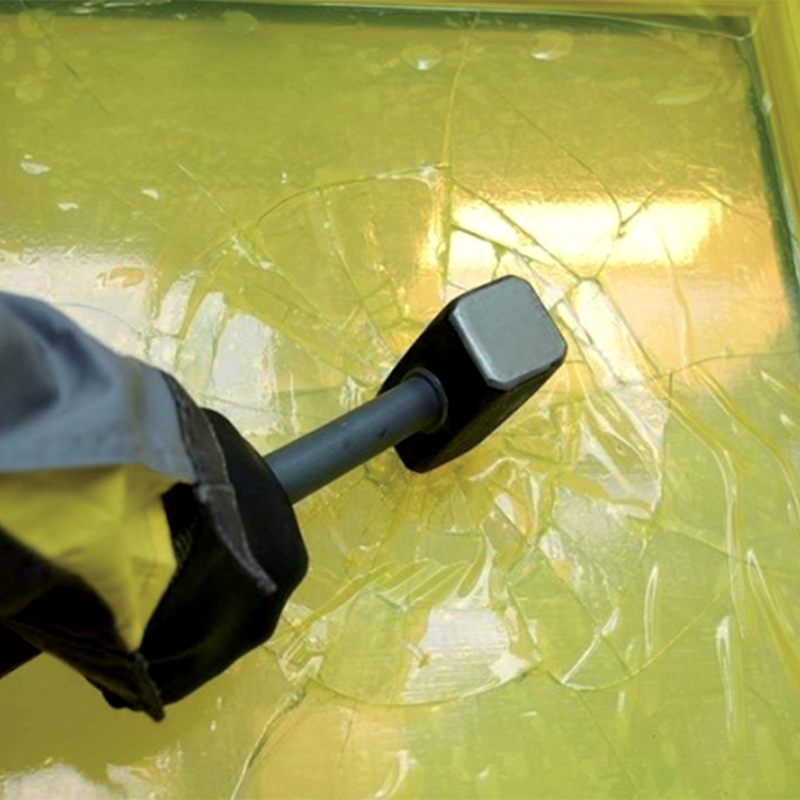
● The super tough polyethylene film with super high adhesion can stop the glass splitting and falling off during window glass demolition process;● Non...
See Details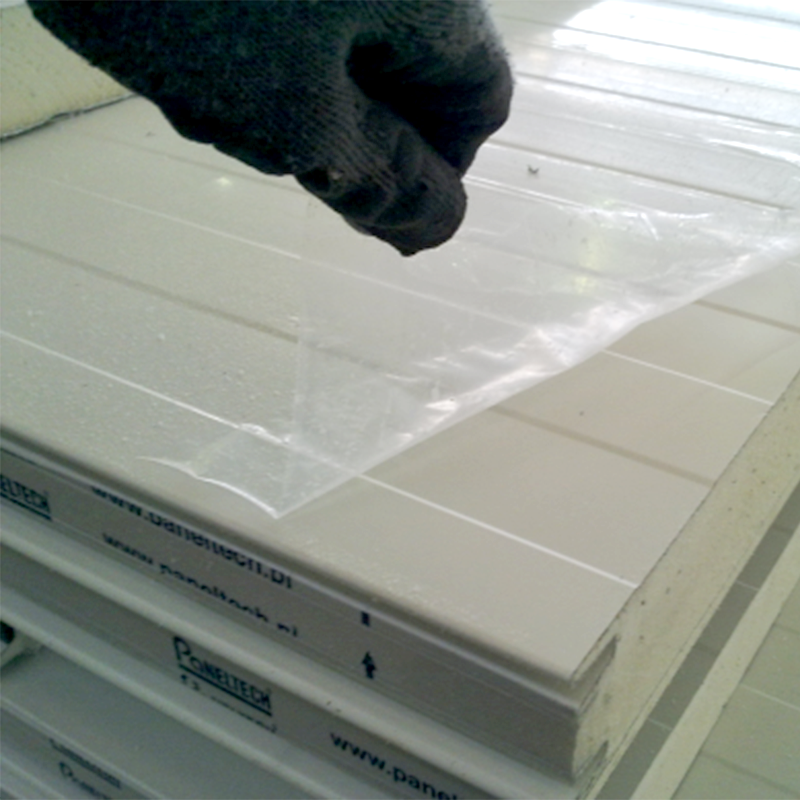
● The specially formulated adhesive ensures easy application and removal without leaving residue glue on the sandwich panels; ● The super-tough polyet...
See Details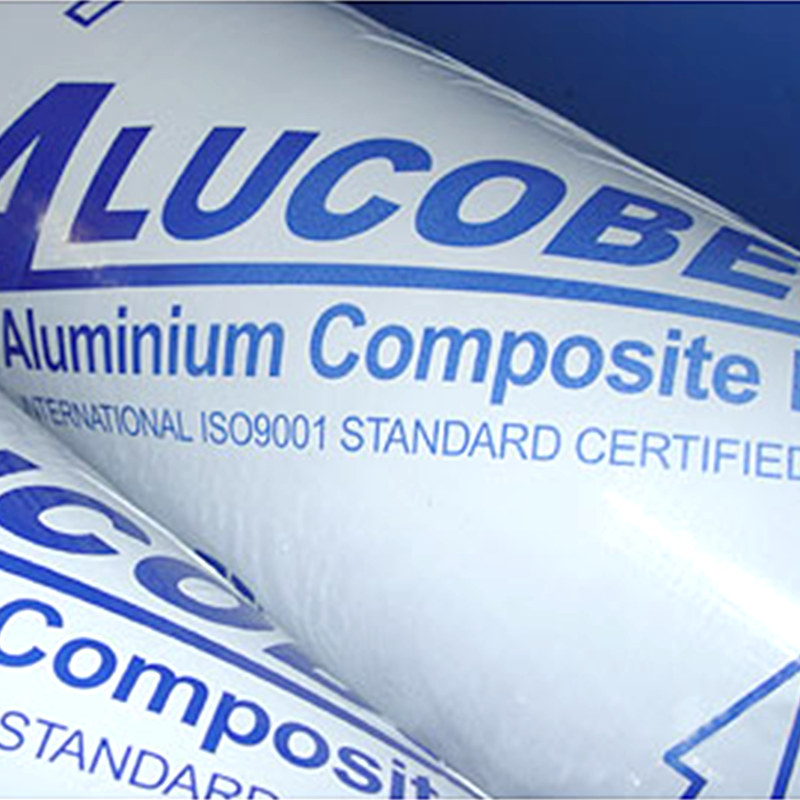
● The specially formulated adhesive ensures easy application and removal without leaving residue glue; ● The super-tough polyethylene film protects ag...
See Details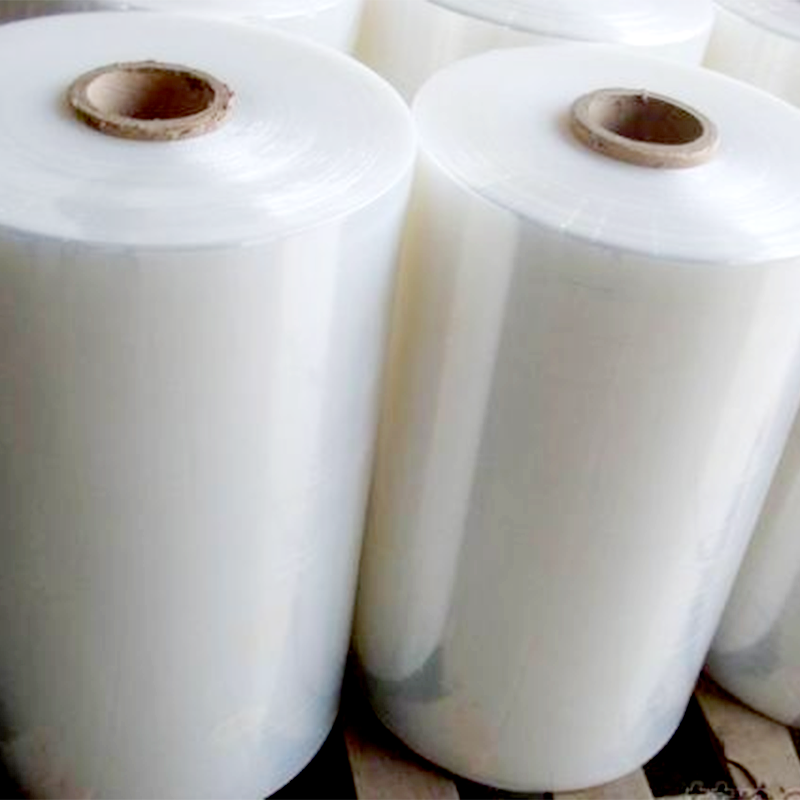
● Excellent puncture and tear resistance; ● Self-adhering-each layer of film bonds to the next for added strength; ● Big roll size to save cost and re...
See Details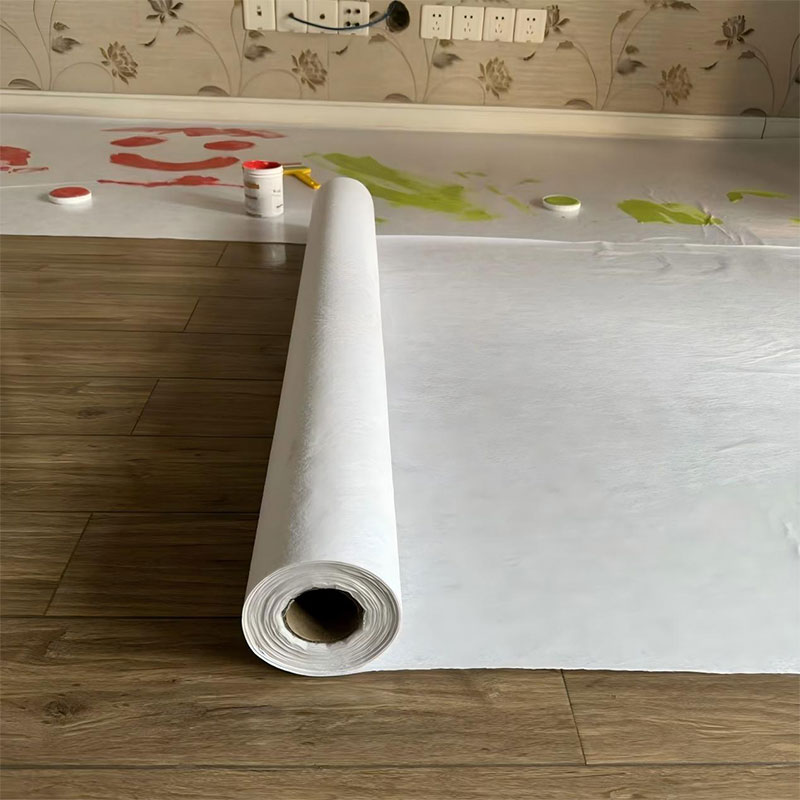
This product has non-woven synthetic fleece in middle; PE film adhered onto top of the non-woven fabric, which is coated with self adhesive glue on it...
See DetailsWe’re a reliable partner that shapes our expertise into success for your project.

Copyright 2024 Wuxi Qida Tape Co., Ltd. All Rights Reserved
 Wholesale Protective Film/Foil Manufacturers
Privacy
Wholesale Protective Film/Foil Manufacturers
Privacy