

 English
 English
 русский
 Français
 Español
 Português
 عربى
عربى
Cat:Glue -coated Protective Film
● Protect window glass against paint splatters, dirt, staining, and spillages during painting, building, plastering, tiling, general maintenance and r...
See Details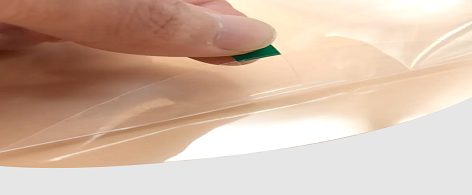
When selecting a self-adhesive protective film, the first physical factor to consider is surface roughness. This directly determines the “tack level” (adhesiveness) of the film. The bonding process is essentially the interaction between the adhesive molecules and the molecules of the target surface. If the surface is perfectly flat (like a mirror), the adhesive achieves 100% contact; however, if the surface is uneven (like a matte finish), the adhesive only touches the “peaks” and cannot reach the “valleys.”
For extremely smooth surfaces, such as mirror-finish stainless steel or glass screens, a “very low tack” film must be used. Because the effective contact area on a smooth surface is massive, excessively high adhesion will cause the peel force to grow exponentially over time, eventually leading to removal difficulties or residue. Conversely, for brushed metal or textured plastics, we require “high tack” or even “extra high tack” films. High-tack adhesives generally have better “wet-out” properties, allowing them to partially fill microscopic grooves and provide enough grip to ensure the film doesn’t lift during cutting or transport.
Beyond physical texture, surface energy is a critical factor. High-surface-energy materials (like metals) are easily “wetted,” meaning the adhesive bonds more tightly. Low-surface-energy materials (like polyethylene or certain powder coatings) are repellent. When dealing with these “difficult-to-bond” surfaces, simply increasing the tack is not enough; a specially modified chemical adhesive may be required to enhance attachment.
The chemical composition of the substrate determines the stability of the protective film during long-term application. A protective film is not just a layer of plastic; it is a complex chemical system involving the interaction between the carrier (usually PE, PET, or PP) and the adhesive (acrylic or rubber-based).
When protecting plastic materials (such as flexible PVC or Polycarbonate), the most common technical risk is “plasticizer migration.” Many plastics contain plasticizers to maintain flexibility; these small molecules can migrate into the film’s adhesive layer over time, causing the adhesive to soften, become gummy, or even chemically fuse with the target surface. This results in the film being impossible to tear off or leaving permanent “ghosting” (foggy marks). Therefore, acrylic-based adhesives with tested chemical stability must be used for such materials.
Metal surfaces are not entirely inert. For example, certain copper alloys or non-passivated aluminum may react with acidic components in the adhesive, leading to surface discoloration or oxidation. When choosing a film, it is essential to ensure the adhesive is pH-neutral and free of corrosive elements. Furthermore, for coated metals, one must consider whether the film will disrupt the cross-linked structure of the coating surface.
The role of a protective film extends beyond storage; it must provide “dynamic protection” during complex fabrication processes. Many manufacturers mistakenly believe that once a film is applied, the product is safe, ignoring the extreme demands that subsequent processing environments place on the film.
In the stainless steel fabrication industry, Laser Cutting is a standard procedure. Ordinary protective films will melt under the high heat of the laser, producing excessive smoke that contaminates lenses and leaving charred slag on the cut edges. Specialized laser protective films (usually black/white or transparent blue) use heat-resistant carriers and formulas that absorb specific wavelengths, ensuring the beam penetrates smoothly for a clean edge without melting.
If the protected sheet undergoes Deep Drawing or Bending, the film’s elongation (stretchability) becomes a core metric. If the film is too brittle, it will snap at the corners during bending. If the Coefficient of Friction (COF) between the film and the surface is incorrect, the film might tear under die pressure or cause scratches on the sheet. Ideal stamping films should have self-lubricating properties and a break elongation exceeding 300%.
To help you make an informed decision, the following table summarizes the typical selection logic across different industrial applications:
| Target Surface | Surface Characteristics | Recommended Tack (Adhesion/25mm) | Recommended Base/Color | Processing Advice |
|---|---|---|---|---|
| Cold Rolled SS (2B) | Smooth | 50g - 100g | Clear/Blue PE | Scratch protection, general handling |
| Powder Coated Aluminum | Rough/Granular | 150g - 300g | Black & White PE | High UV resistance required |
| Acrylic/PC Sheets | Static-prone | 30g - 80g | Clear PET/PE | Anti-static, anti-plasticizer |
| Construction Carpet | Highly porous | 600g+ | Thick PE (Yellow/Clear) | High initial tack, slip resistance |
| Laser Cutting Plate | High thermal load | 100g - 150g | Specialized B&W | Good penetration, no charring |
Q1: Why is the film impossible to peel off after sun exposure?
A: This is due to UV rays accelerating the aging and cross-linking of the adhesive molecules. Without UV inhibitors, the adhesive undergoes physical denaturation and embeds itself into the microscopic pores of the material. For outdoor use, you must choose specialized UV-Resistant black and white protective films.
Q2: How do I test if a film is suitable for my product?
A: In addition to standard peel tests, an “aging simulation” is vital. Place the filmed sample in a 60°C oven for 24–48 hours to simulate several months of natural storage. If it still peels smoothly without residue, the chemical compatibility is good.
Q3: Does the thickness (Micron) of the film matter?
A: Thickness primarily provides mechanical protection (against impacts and heavy scratches). Usually, 50 microns (μm) is sufficient for general processing, while 80–100 microns may be needed for deep drawing or harsh shipping environments.
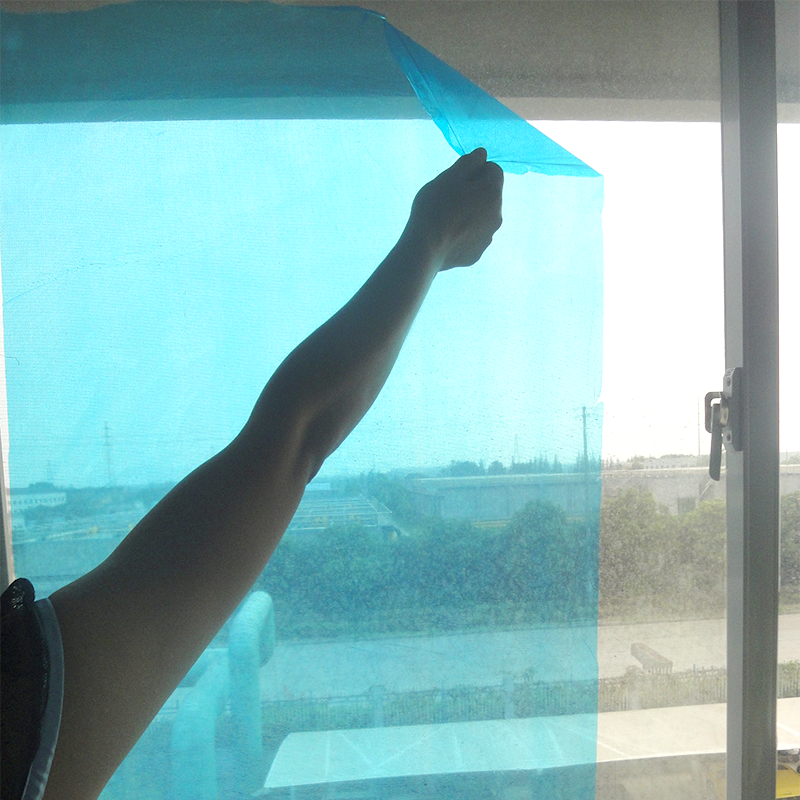
● Protect window glass against paint splatters, dirt, staining, and spillages during painting, building, plastering, tiling, general maintenance and r...
See Details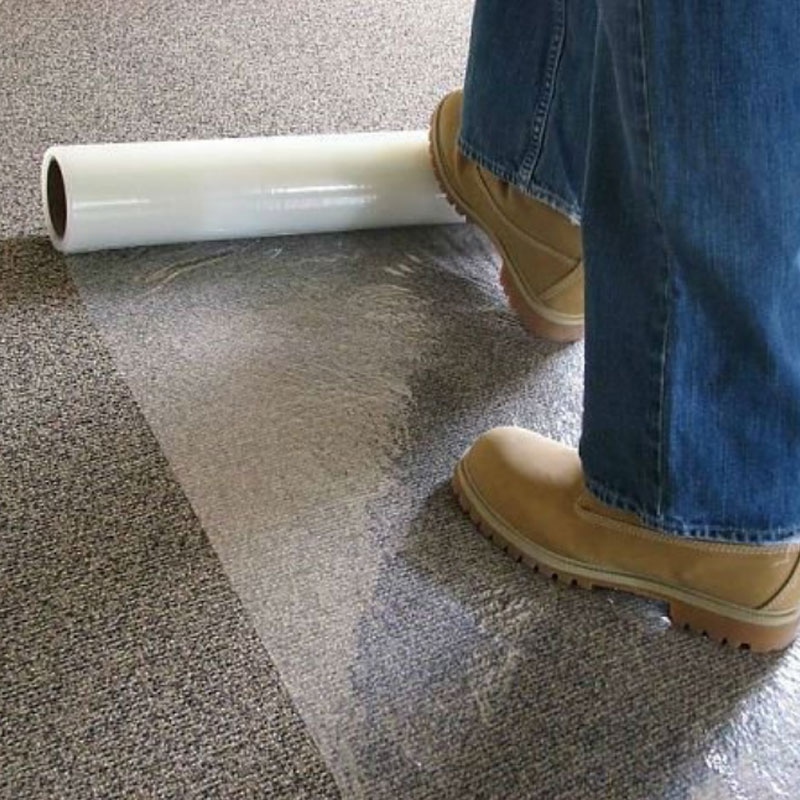
● Protects carpet against staining, paint spillage and dirt during painting, building, remodeling, plastering, tiling, decoration, general maintenance...
See Details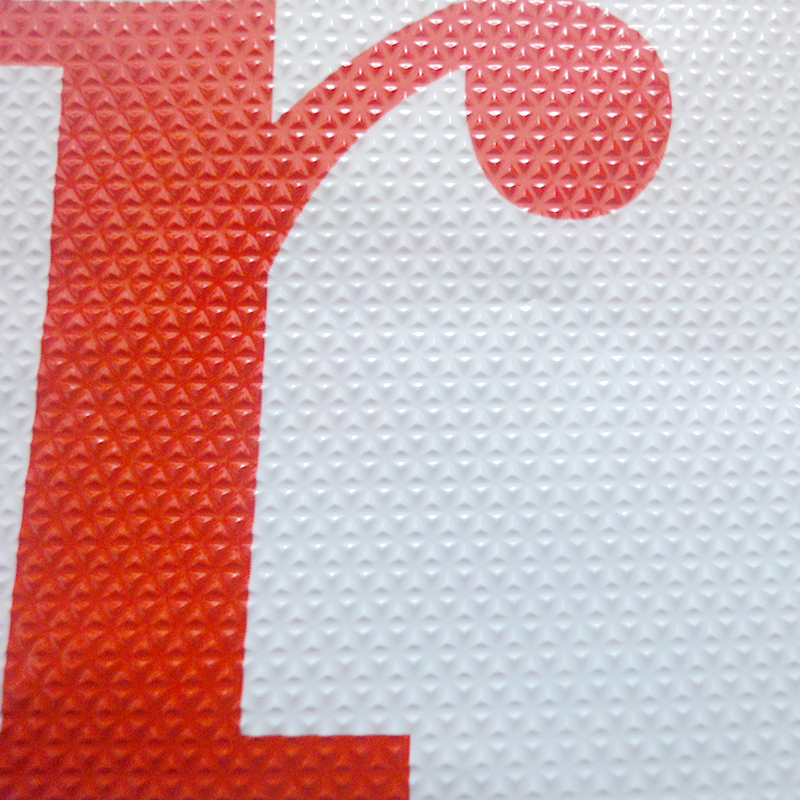
● Anti-slip; ● Embossed film surface to guarantee trip safety;● Tough puncture-resistant polyethylene film;● Can be coated with or without adhesive;● ...
See Details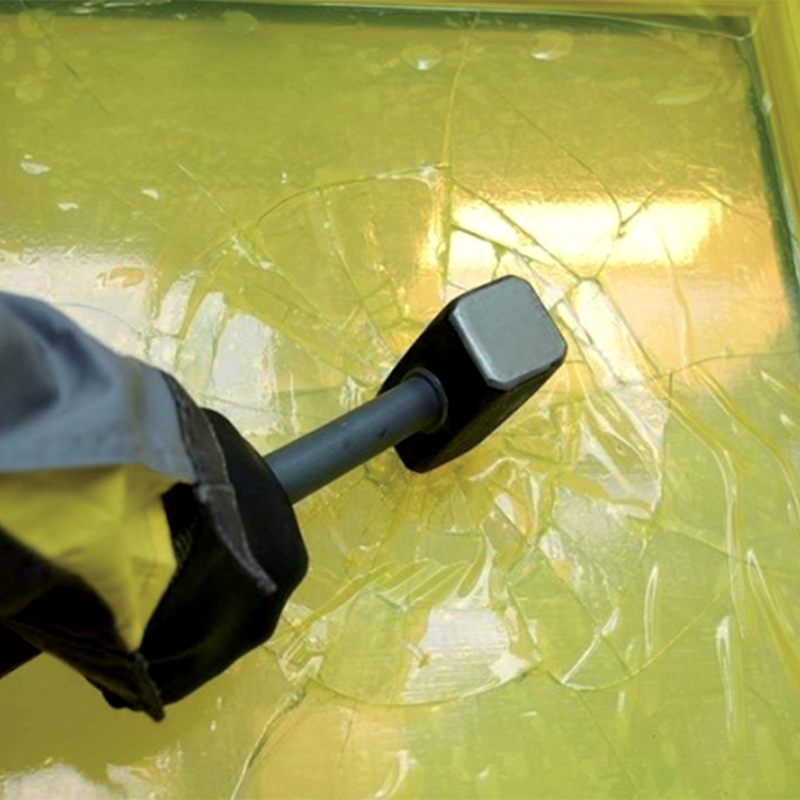
● The super tough polyethylene film with super high adhesion can stop the glass splitting and falling off during window glass demolition process;● Non...
See Details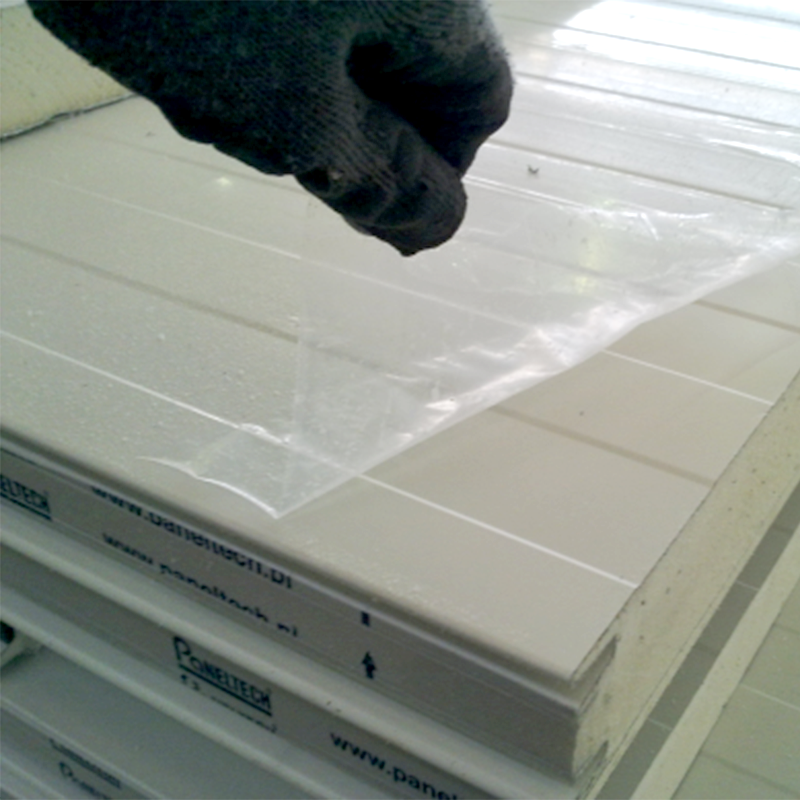
● The specially formulated adhesive ensures easy application and removal without leaving residue glue on the sandwich panels; ● The super-tough polyet...
See Details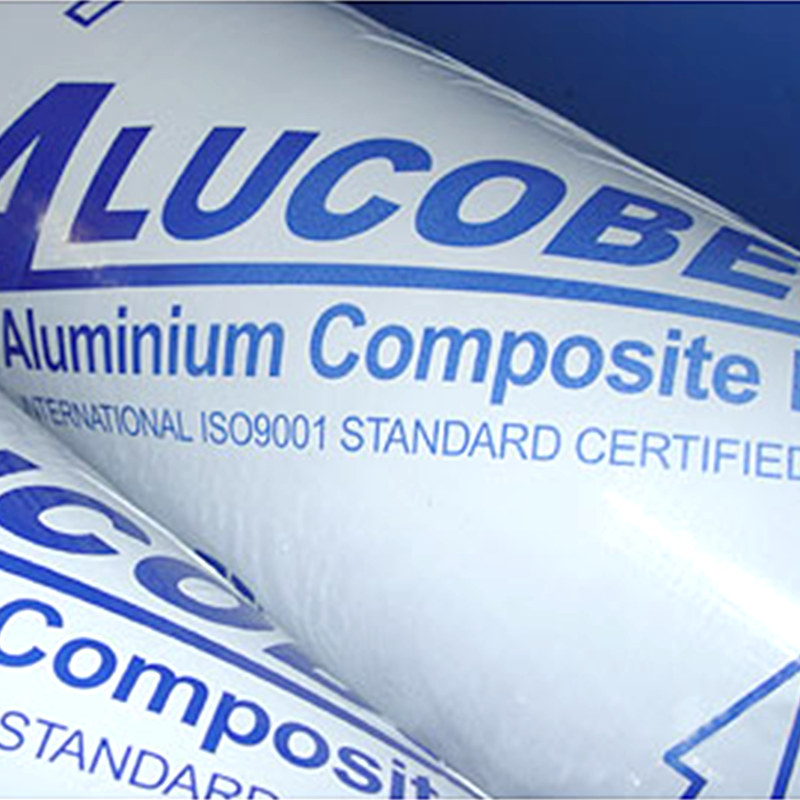
● The specially formulated adhesive ensures easy application and removal without leaving residue glue; ● The super-tough polyethylene film protects ag...
See Details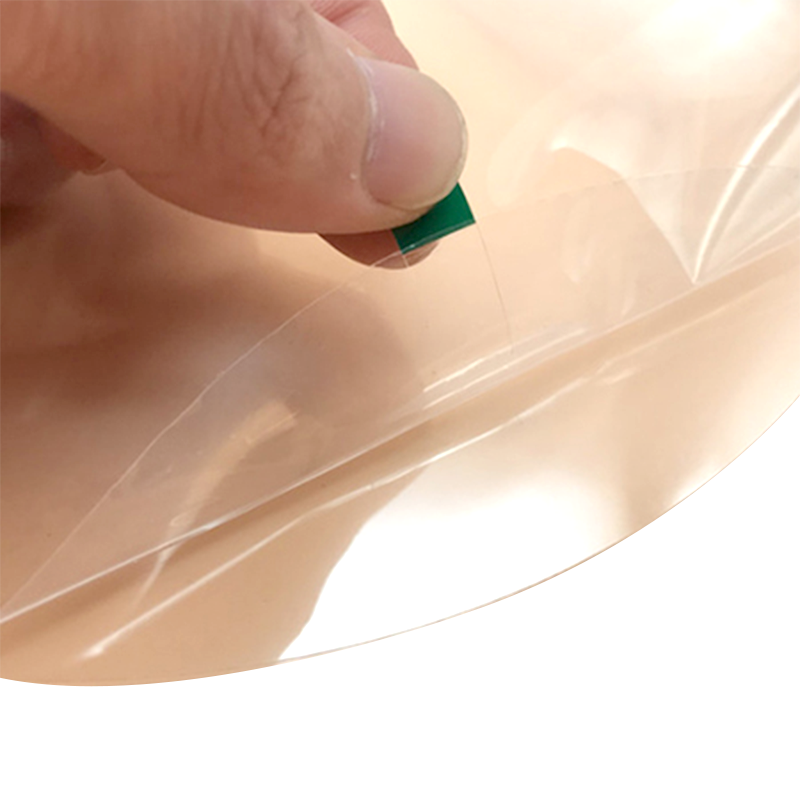
● Suitable for plastic sheets’ drilling, cutting, routing, thermoforming, bending, or post-fabrication operations;● No “ghost shadow” or “fish eye” af...
See Details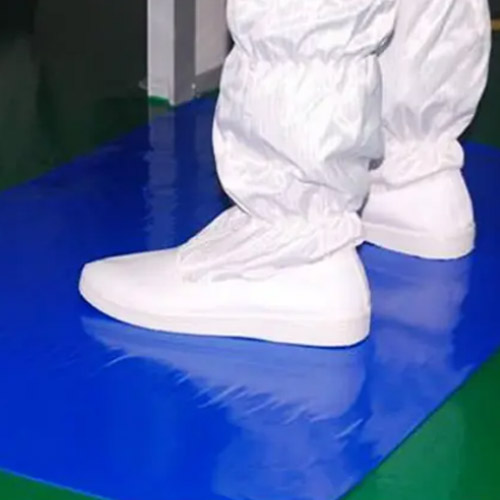
● Options for either 30 or 60 layers per mat; can be packed with four mats, eight mats, or ten mats per carton;● Remove dirt effect: ≥99.9% (5 steps);...
See Details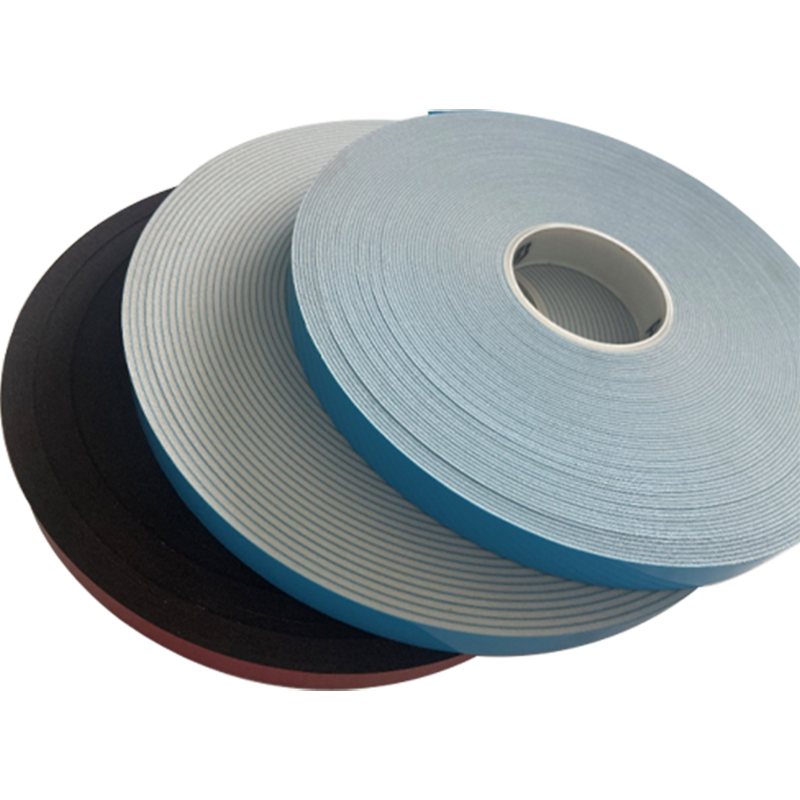
● Waterproof - the desirable material for waterproofing. ● Dust-proof - positive performance of dust prevention.● Low resilience - prevent the deforma...
See Details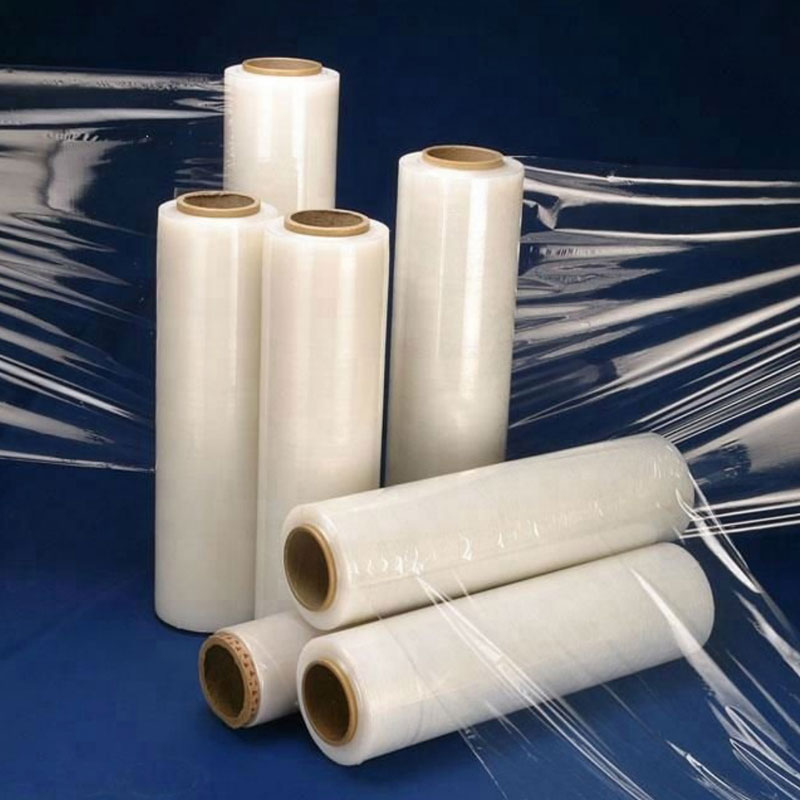
● Small roll size for convenient manual application;● Excellent puncture and tear resistance ; ● A self-adhering-each layer of film bonds to the next ...
See DetailsWe’re a reliable partner that shapes our expertise into success for your project.

Copyright 2024 Wuxi Qida Tape Co., Ltd. All Rights Reserved
 Wholesale Protective Film/Foil Manufacturers
Privacy
Wholesale Protective Film/Foil Manufacturers
Privacy