

 English
 English
 русский
 Français
 Español
 Português
 عربى
عربى
Cat:Glue -coated Protective Film
● No “ghost shadow” or “fish eye” after removal; ● Stable adhesion level; ● UV resistance for up to 6 months; ● Can print customized logo or applicati...
See Details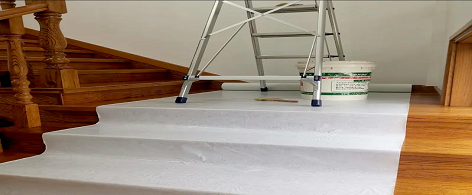
Standard surface protection felt is an essential material used across multiple industries to protect delicate surfaces during handling, storage, and transportation. From high-end furniture and electronics to glassware and automotive components, surface protection felt ensures that products remain scratch-free and damage-free. Unlike disposable protective materials, high-quality felt is reusable, provided it is maintained and cleaned properly. Proper cleaning and maintenance not only extend the lifespan of the felt but also ensure consistent performance and cost efficiency over time.
The felt works by providing a soft, cushioned barrier between surfaces and external contact, preventing scratches, dents, and other damage. Over time, however, dust, debris, and spills can accumulate within the felt fibers, reducing its protective effectiveness. Without regular cleaning, the felt may transfer contaminants onto the very surfaces it is designed to protect, which can compromise both product appearance and structural integrity. Therefore, establishing a regular cleaning and maintenance routine is crucial for anyone using surface protection felt in professional or domestic applications.
Dust and particulate matter can embed in the fibers of surface protection felt, reducing its effectiveness. Regular cleaning is vital to maintain the felt’s protective properties.
By removing dust and debris consistently, the felt maintains its cushioning properties and prevents any particles from scratching sensitive surfaces during reuse.
Spills of oils, adhesives, or liquids are common in manufacturing or workshop environments and can significantly affect the felt’s performance. Addressing stains promptly ensures the felt remains reusable and functional.
Recommended Cleaning Methods for Standard Surface Protection Felt
| Cleaning Method | Purpose | Recommended Frequency | Notes |
|---|---|---|---|
| Vacuum or Brush | Remove dust and loose particles | After each use | Gentle strokes preserve fibers |
| Spot Cleaning with Detergent | Remove minor stains or spills | As needed | Avoid soaking the felt |
| Compressed Air | Remove fine dust and embedded debris | Weekly | Suitable for thick or industrial felt |
| Air-Drying | Dry the felt after cleaning | Immediately | Prevents mold or mildew |
Proper storage is critical to prevent damage to surface protection felt. Mismanaged storage can result in creases, fiber compression, or mold growth, all of which reduce the felt’s protective abilities.
Correct handling ensures the felt remains intact and prevents contamination:
Even with proper cleaning and storage, surface protection felt should be periodically inspected:
Regular inspection ensures long-term functionality and maintains the quality of the surfaces the felt protects.
Proper maintenance and cleaning of standard surface protection felt offer multiple benefits that go beyond mere reuse:
Investing time in cleaning, inspection, and proper storage ensures that surface protection felt continues to perform efficiently while extending its usable life.
Q1: How often should surface protection felt be cleaned?
A1: Dust and debris should be removed after each use, while deeper cleaning for stains should be done as needed based on exposure to oils or dirt.
Q2: Can surface protection felt be machine-washed?
A2: Machine washing is generally not recommended as it can damage the fibers. Hand cleaning with mild detergent and air-drying is preferred.
Q3: How should I store felt sheets for long-term use?
A3: Store flat in a dry, ventilated area, avoiding heavy objects, moisture, and direct sunlight.
Q4: How long can standard surface protection felt be reused?
A4: Lifespan depends on the type of use and maintenance. With proper care, felt can be reused multiple times, but worn or damaged sections should be replaced.
Q5: What spills are most harmful to surface protection felt?
A5: Oils, adhesives, and acidic liquids can damage fibers and reduce cushioning, so these should be cleaned promptly.
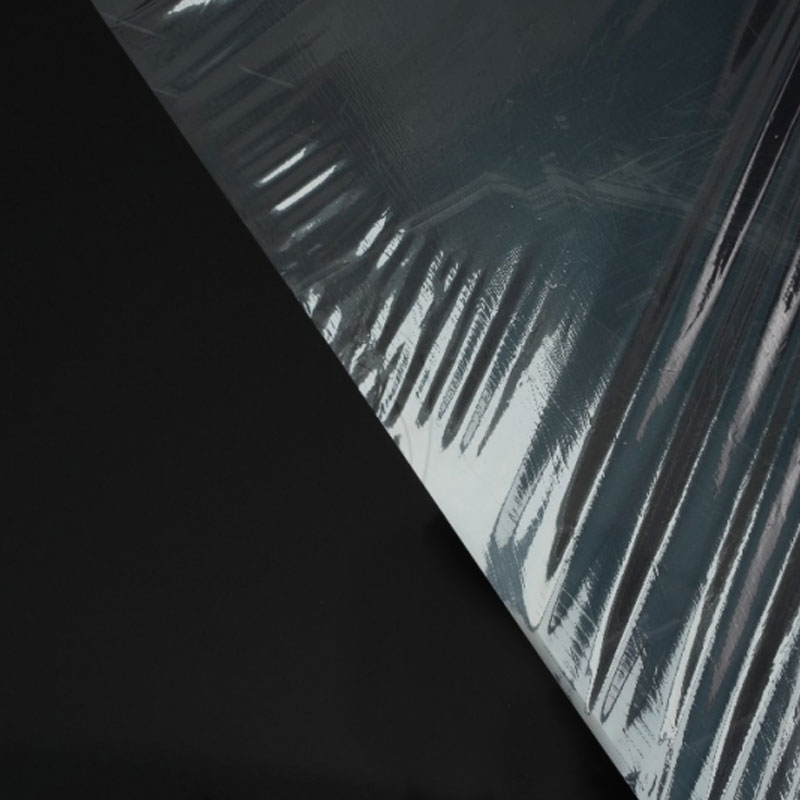
● No “ghost shadow” or “fish eye” after removal; ● Stable adhesion level; ● UV resistance for up to 6 months; ● Can print customized logo or applicati...
See Details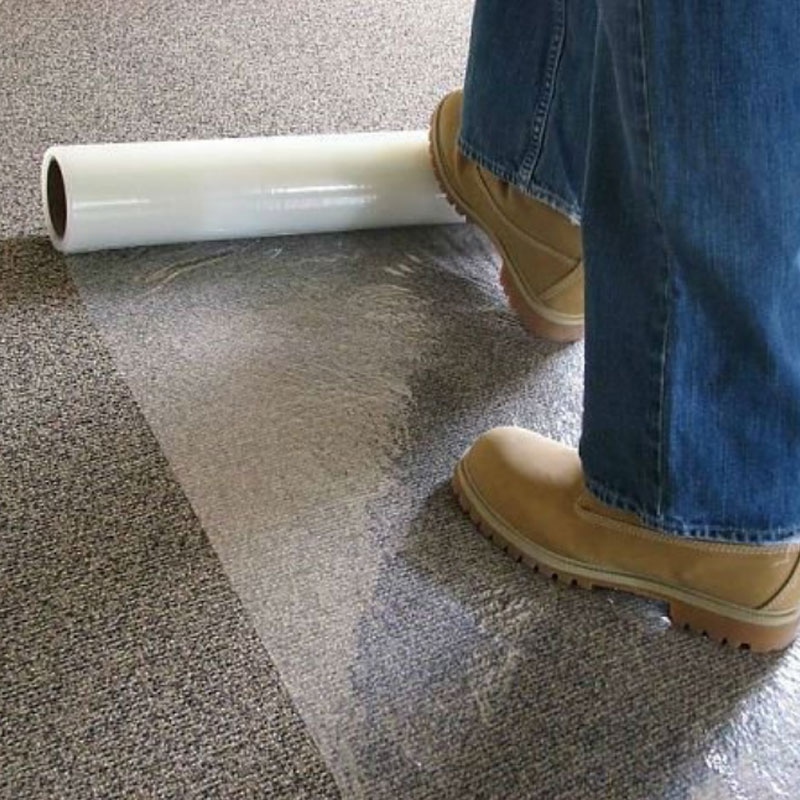
● Protects carpet against staining, paint spillage and dirt during painting, building, remodeling, plastering, tiling, decoration, general maintenance...
See Details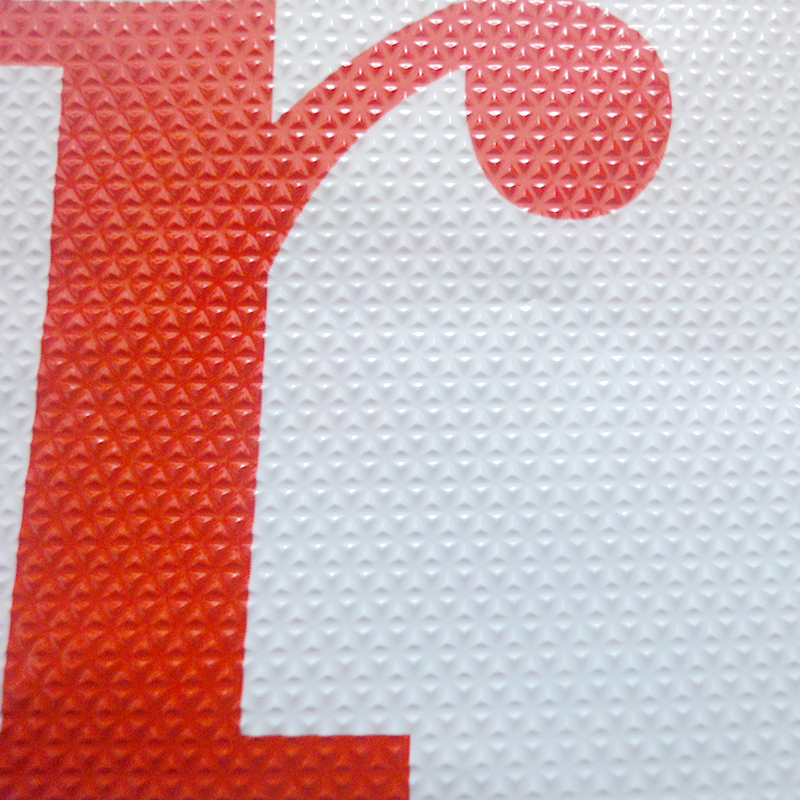
● Anti-slip; ● Embossed film surface to guarantee trip safety;● Tough puncture-resistant polyethylene film;● Can be coated with or without adhesive;● ...
See Details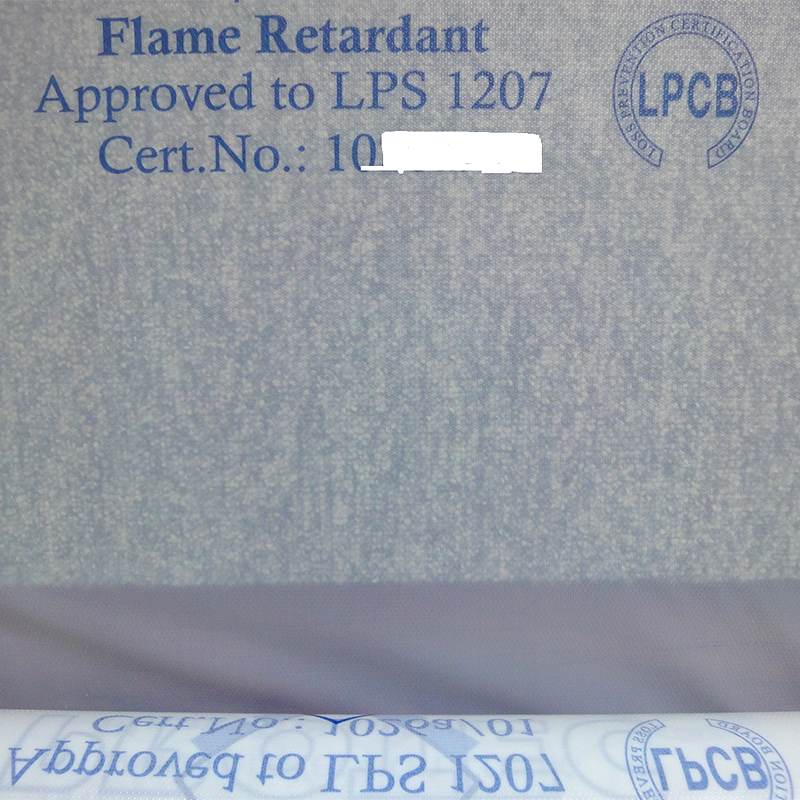
● Prevents costly damages in case of fire /flame;● Meet the strict international test standards of loss prevention; ● Extensive selection for flame re...
See Details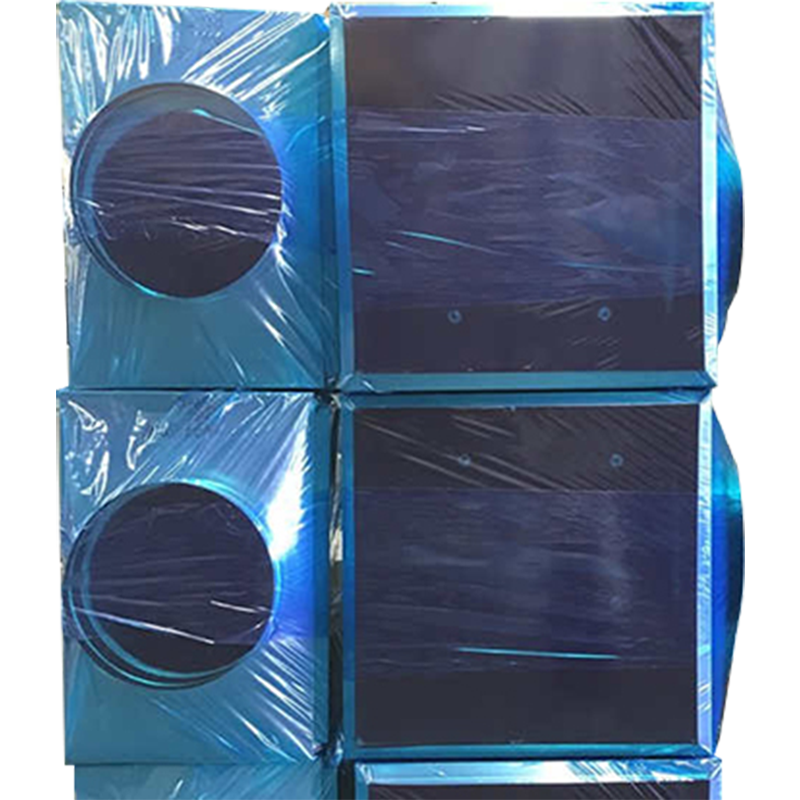
● The super-tough polyethylene film resists puncture and penetration by liquid and dirt during storage, transportation, and installation of the ductwo...
See Details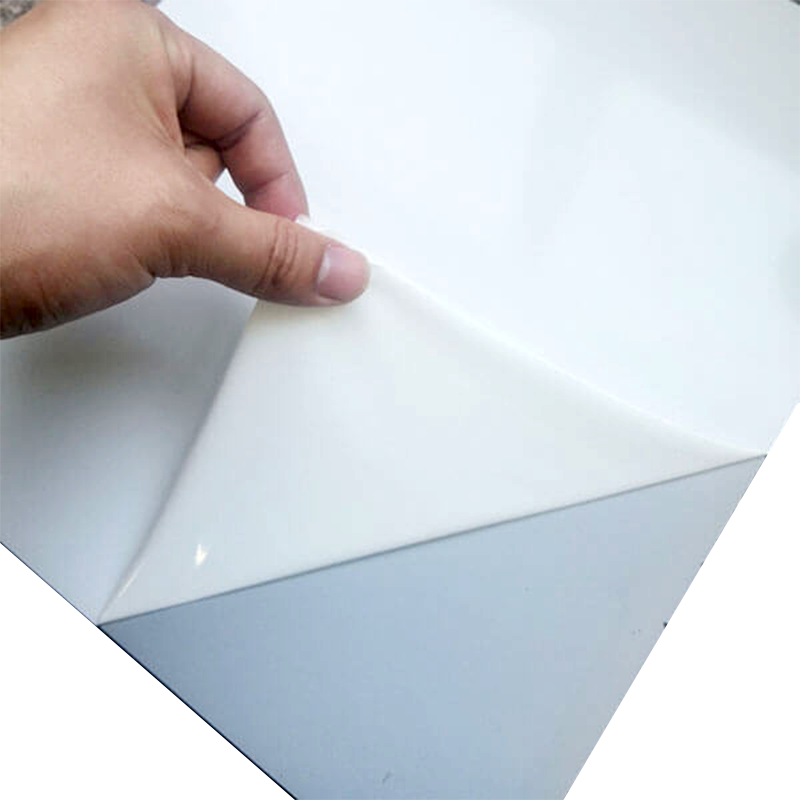
● The super tough polyethylene film with super high adhesion can stop parts of the glass or mirror from splintering away and injuring people when it i...
See Details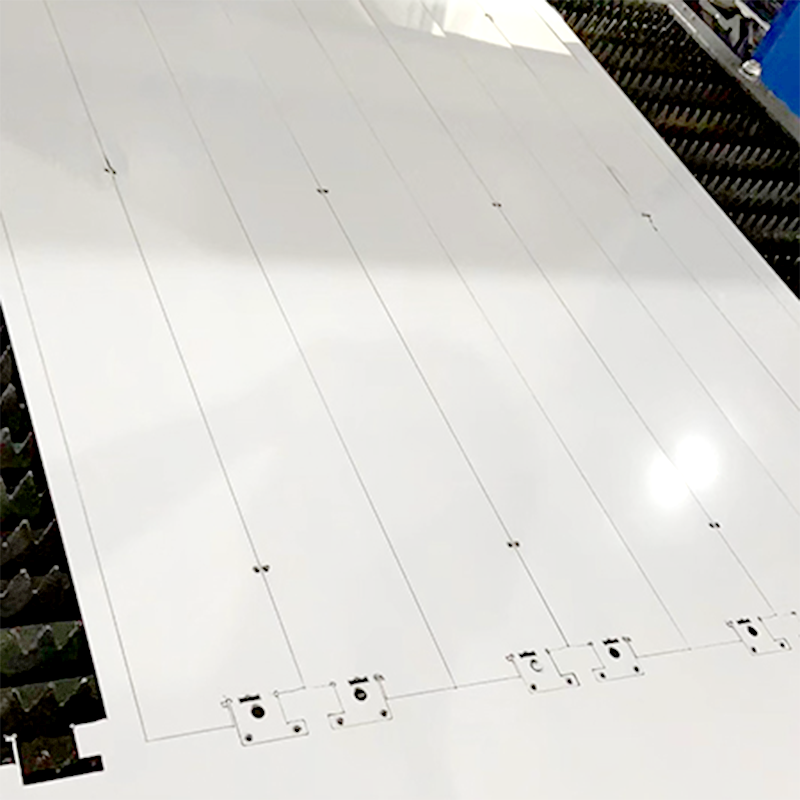
● The specially formulated natural rubber adhesive suitable for both CO2 and Fiber laser cutting processes;● High cutting quality without burr or trac...
See Details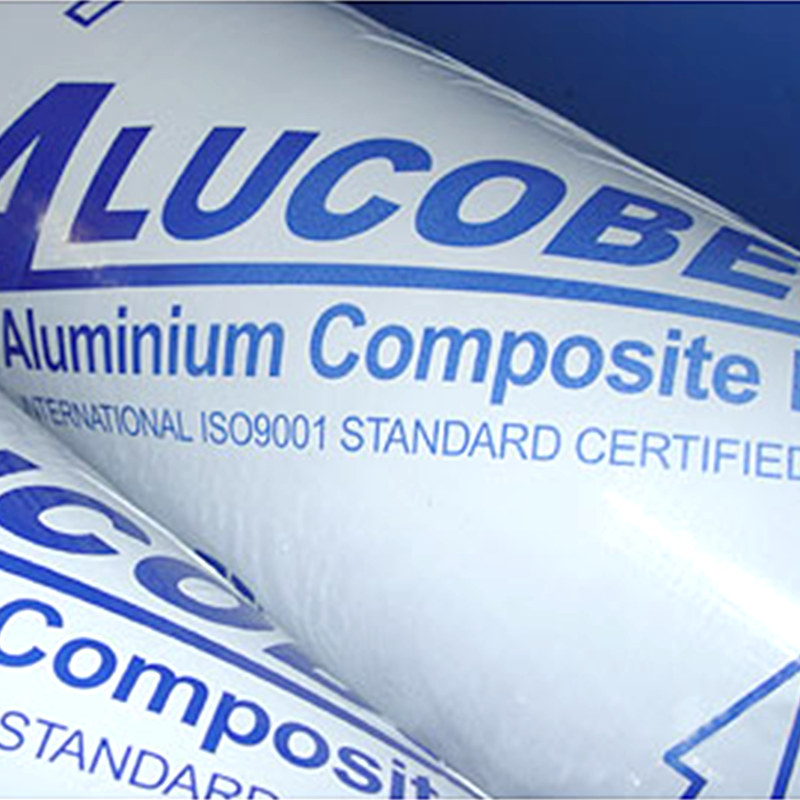
● The specially formulated adhesive ensures easy application and removal without leaving residue glue; ● The super-tough polyethylene film protects ag...
See Details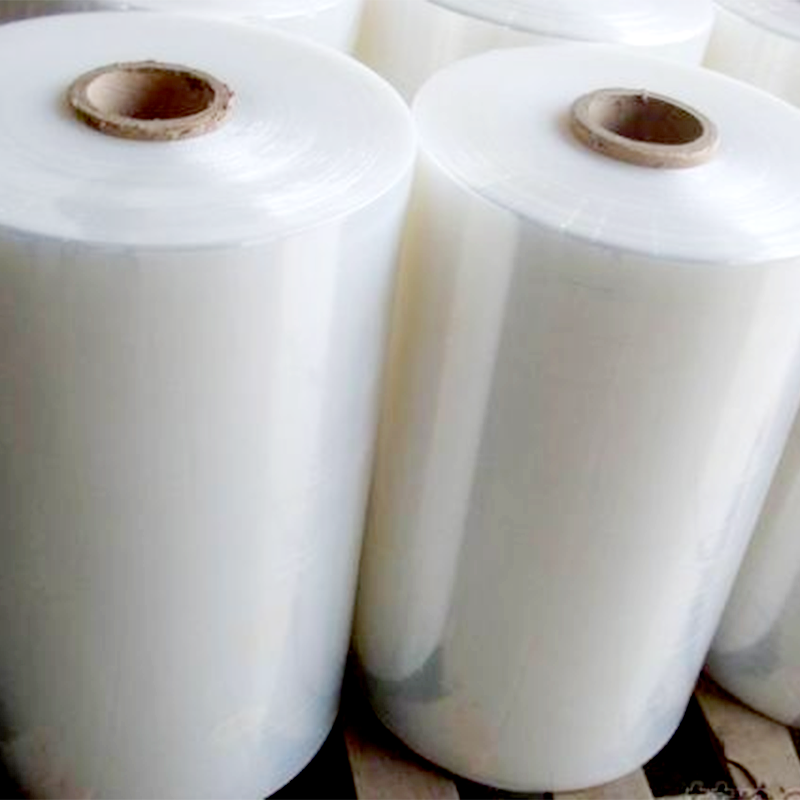
● Excellent puncture and tear resistance; ● Self-adhering-each layer of film bonds to the next for added strength; ● Big roll size to save cost and re...
See Details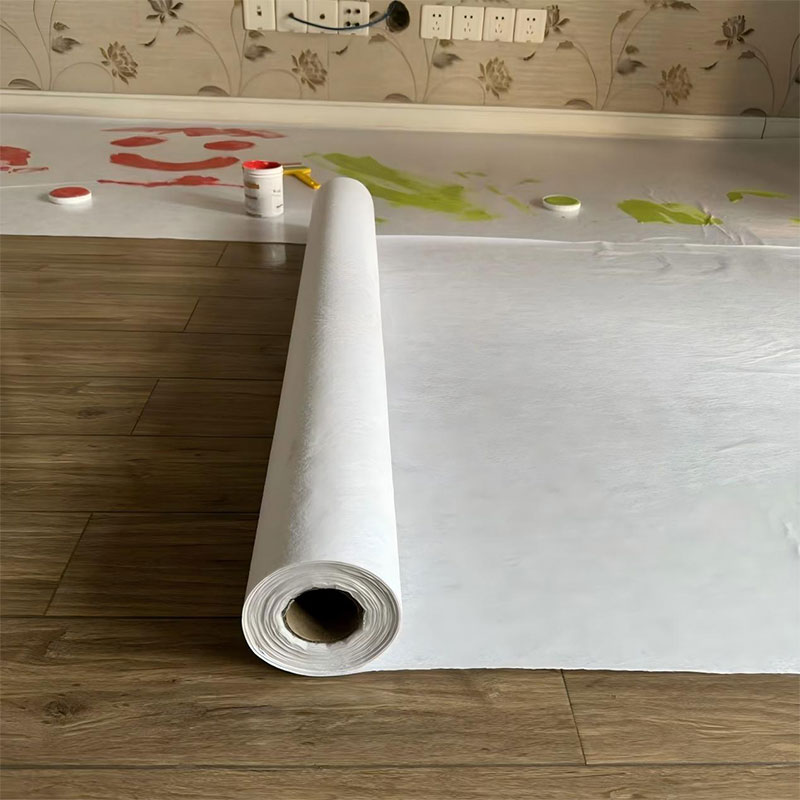
This product has non-woven synthetic fleece in middle; PE film adhered onto top of the non-woven fabric, which is coated with self adhesive glue on it...
See DetailsWe’re a reliable partner that shapes our expertise into success for your project.

Copyright 2024 Wuxi Qida Tape Co., Ltd. All Rights Reserved
 Wholesale Protective Film/Foil Manufacturers
Privacy
Wholesale Protective Film/Foil Manufacturers
Privacy