

 English
 English
 русский
 Français
 Español
 Português
 عربى
عربى
Cat:Glue -coated Protective Film
● Good weatherability for outdoor exposure; ● Stable adhesion level; ● UV resistance for up to 12 months; ● Can print customized logo or application i...
See Details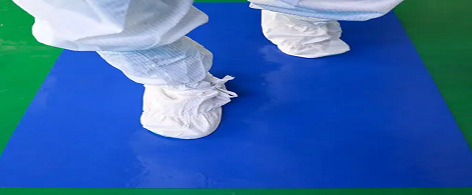
Sticky mats, sometimes called tacky mats or adhesive mats, are essential tools in controlled environments such as cleanrooms, laboratories, hospitals, and manufacturing areas. Their main function is to capture dust, dirt, and small particles from shoes, equipment wheels, or carts before personnel or materials enter a critical area. Each sticky mat typically consists of multiple adhesive layers mounted on a rigid base. Once the top layer becomes soiled, it can be peeled away to reveal a fresh, adhesive surface, ensuring continuous particle capture. By intercepting contaminants at entry points, sticky mats significantly reduce the risk of contamination spreading in sensitive areas.
Sticky mats are usually made from polyethylene with layers of adhesive that vary in tackiness depending on the application. Heavy-duty versions can handle foot traffic, equipment wheels, and carts. Anti-static or conductive mats are available for environments with sensitive electronics to prevent electrostatic discharge. Mats come in different thicknesses and sizes to accommodate entrances, hallways, and work zones.
When a person steps on a sticky mat, particles from shoes, wheels, or carts adhere to the surface. The adhesive prevents these particles from entering the controlled area, maintaining cleanliness and protecting sensitive processes. Consistent placement of mats at entrances and critical transfer points ensures maximum protection and reduces the need for frequent floor cleaning.
| Type | Use Case | Adhesive Strength | Special Feature |
|---|---|---|---|
| Shoe-Only Mat | Lab entryways, offices | Medium | Economical, easy peel layers |
| Equipment & Cart Mat | Hospitals, industrial cleanrooms | High | Supports wheels, heavy-duty adhesive |
| Anti-Static Mat | Electronics, semiconductor labs | Medium | Prevents electrostatic discharge |
| Custom-Sized Mat | High-traffic or specialized areas | Variable | Custom dimensions, heavy-duty adhesive |
Regular replacement of adhesive layers is essential. High-traffic areas may require daily peeling, while low-traffic areas can be maintained weekly. Peeling layers promptly ensures consistent effectiveness in capturing particles.
Although the adhesive layers trap most debris, dust may accumulate around the edges of the mat. Wiping with a damp cloth prevents buildup and maintains stability. Avoid harsh chemicals that could damage the adhesive.
Place mats at all entrances, exits, and high-traffic zones. Encourage personnel to step fully onto the mat and roll carts or trolleys across the surface to maximize contaminant removal. Integrating mats into workflow ensures consistent environmental control.
Sticky mats provide a simple yet effective method to reduce dust and contaminants in cleanrooms and controlled environments. By selecting the appropriate mat type, strategically placing it, and maintaining it regularly, organizations can protect sensitive processes, extend equipment life, and improve overall cleanliness. They are cost-effective, easy to implement, and versatile enough to accommodate various work environments.
Replacement depends on traffic. High-traffic areas may need daily peeling, while low-traffic zones may only require weekly replacement.
Yes, heavy-duty sticky mats are designed for wheels, preventing dirt transfer and protecting cleanroom environments.
Yes, anti-static mats are available for electronics and semiconductor labs to prevent electrostatic discharge.
No, each adhesive layer is single-use. Peeling exposes a new, clean surface for maximum effectiveness.
Yes, mats are designed to be non-damaging when used according to manufacturer guidelines.
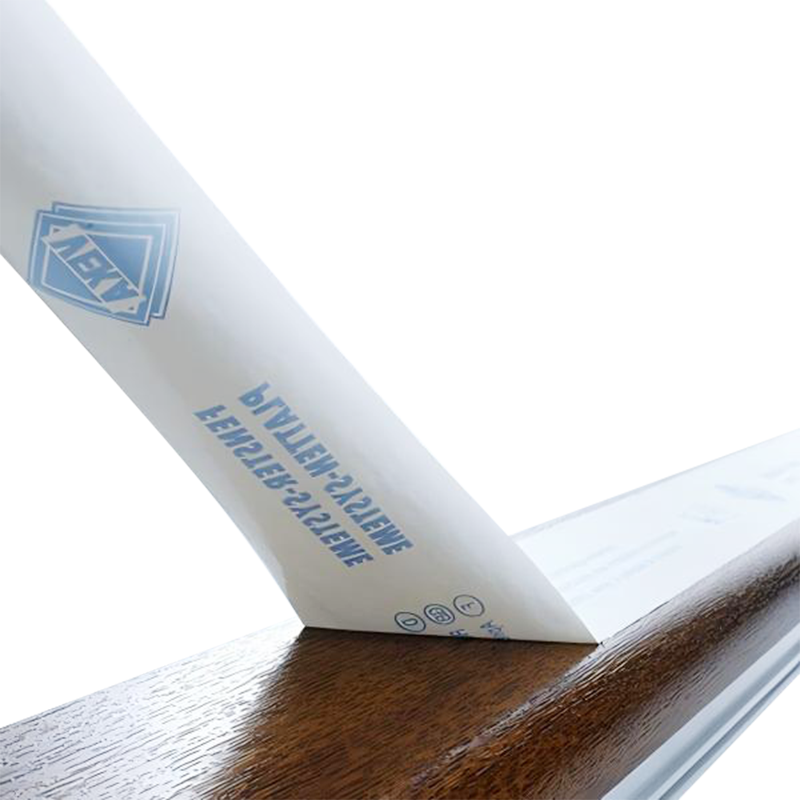
● Good weatherability for outdoor exposure; ● Stable adhesion level; ● UV resistance for up to 12 months; ● Can print customized logo or application i...
See Details
● Protect window glass against paint splatters, dirt, staining, and spillages during painting, building, plastering, tiling, general maintenance and r...
See Details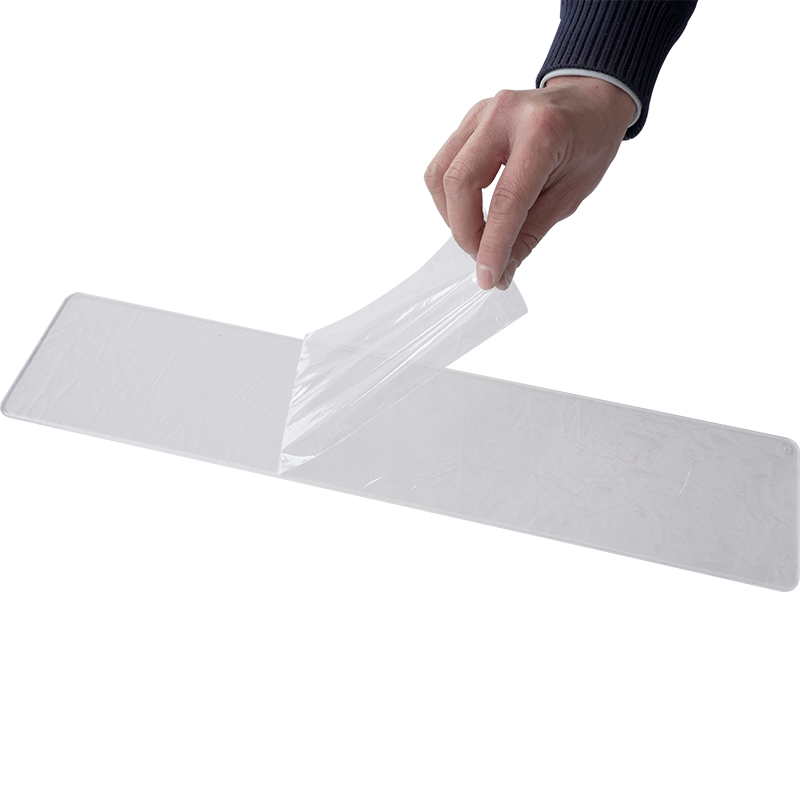
● No “ghost shadow” or “fish eye” after removal; ● Low gel content, soft and stable adhesion plus easy-peel removal with no surface damage or curling;...
See Details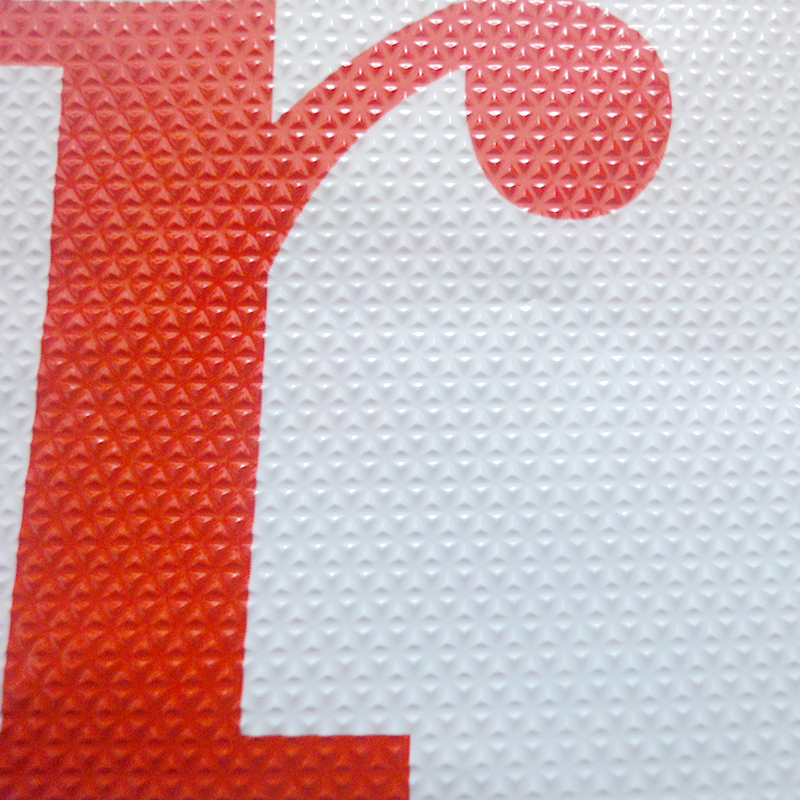
● Anti-slip; ● Embossed film surface to guarantee trip safety;● Tough puncture-resistant polyethylene film;● Can be coated with or without adhesive;● ...
See Details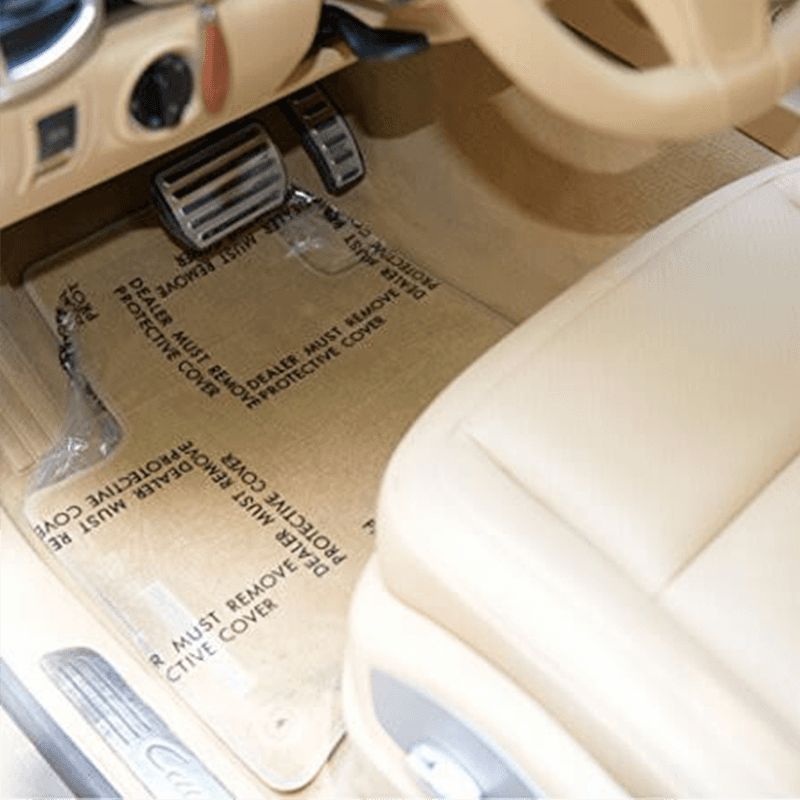
● Distance of each perforation die-cut ranges from 100mm to 1200mm;● Can peel off each die-cut piece of protective film at the perforated line easily;...
See Details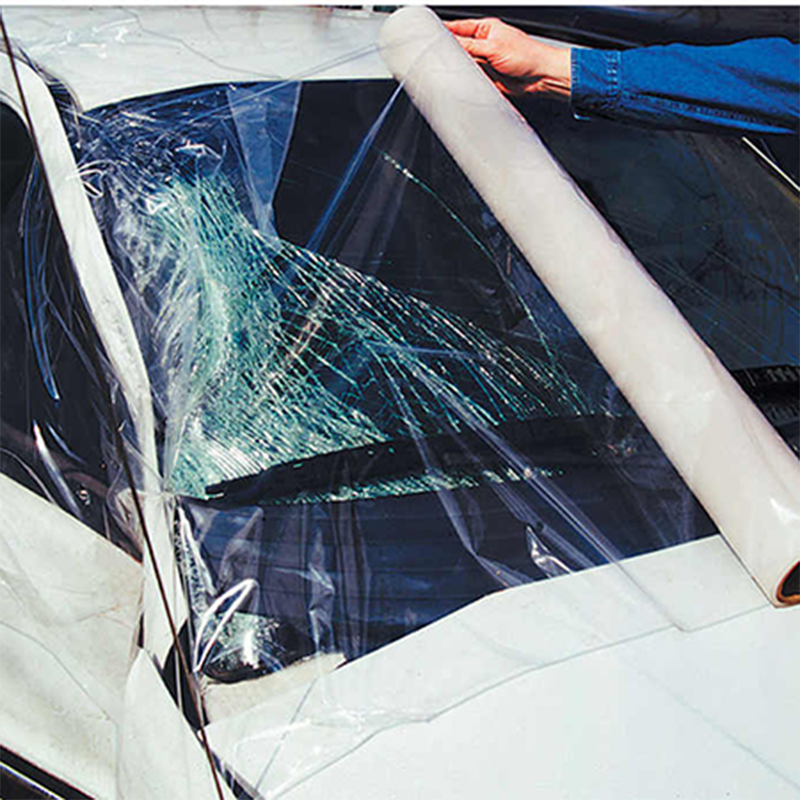
● The super-tough polyethylene film resists puncture and penetration by rain, snow, debris, and dirt during the transportation and storage of the cras...
See Details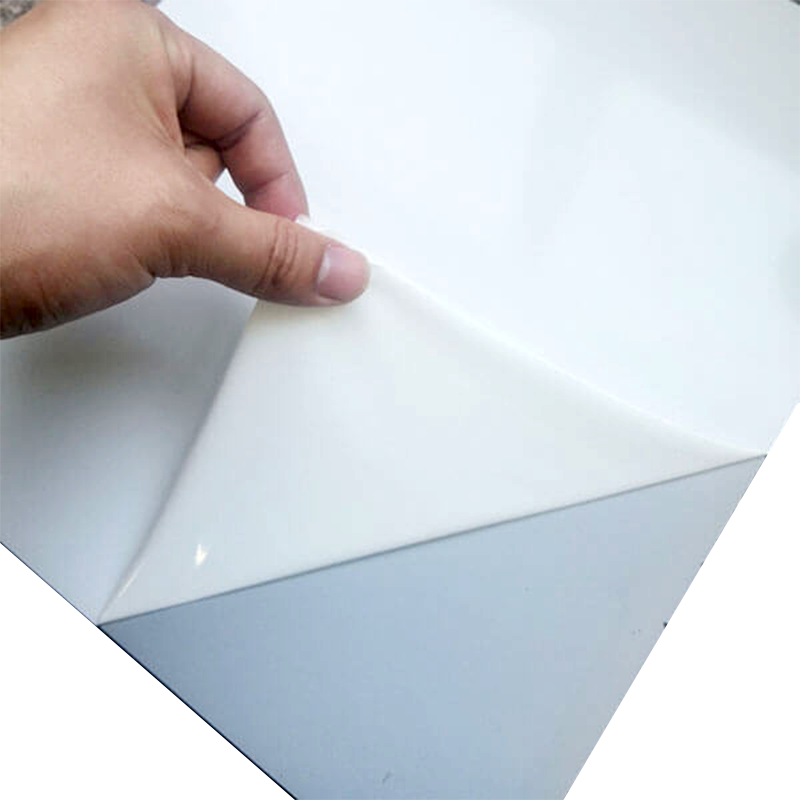
● The super tough polyethylene film with super high adhesion can stop parts of the glass or mirror from splintering away and injuring people when it i...
See Details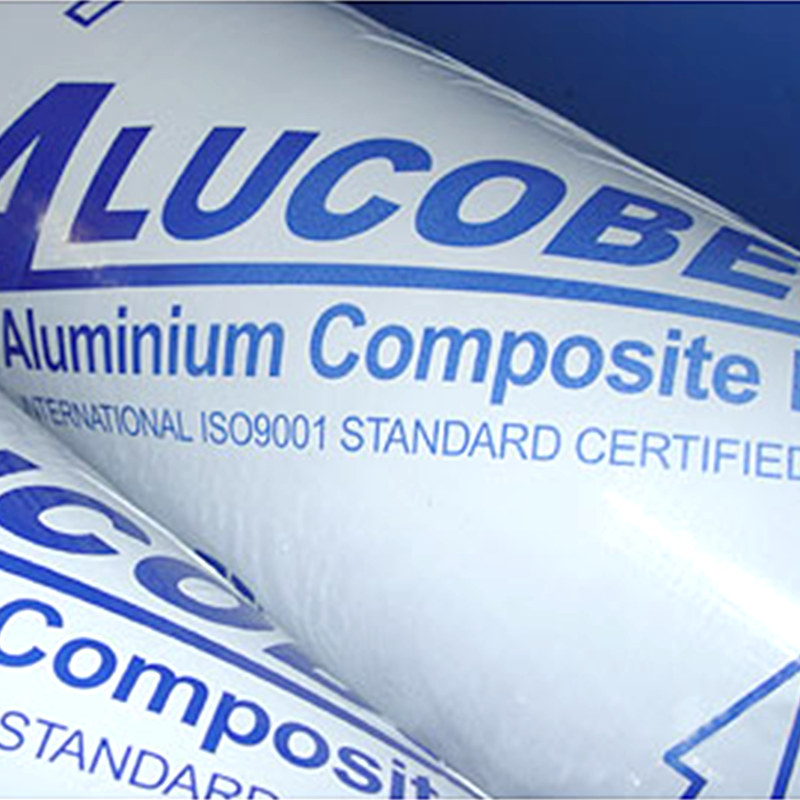
● The specially formulated adhesive ensures easy application and removal without leaving residue glue; ● The super-tough polyethylene film protects ag...
See Details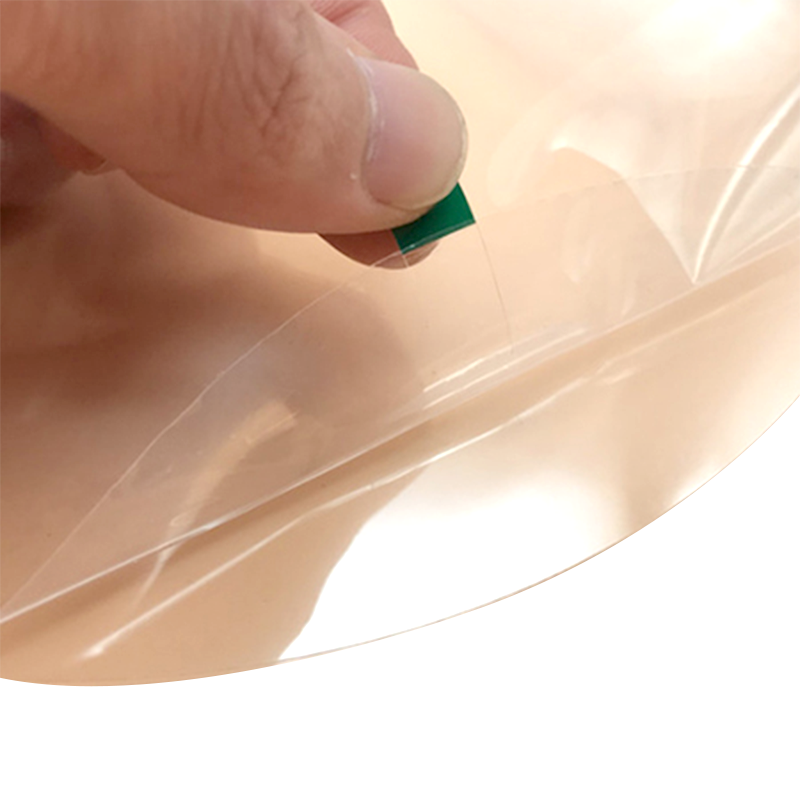
● Suitable for plastic sheets’ drilling, cutting, routing, thermoforming, bending, or post-fabrication operations;● No “ghost shadow” or “fish eye” af...
See Details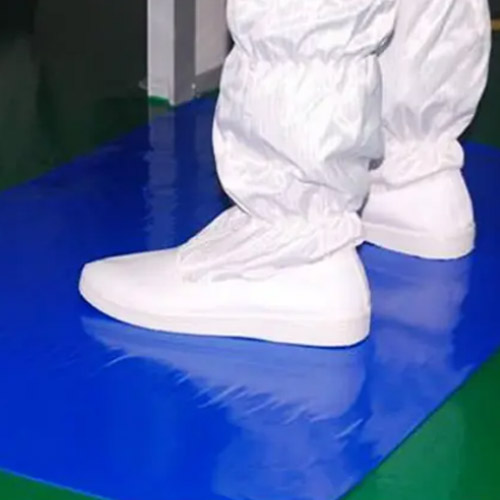
● Options for either 30 or 60 layers per mat; can be packed with four mats, eight mats, or ten mats per carton;● Remove dirt effect: ≥99.9% (5 steps);...
See DetailsWe’re a reliable partner that shapes our expertise into success for your project.

Copyright 2024 Wuxi Qida Tape Co., Ltd. All Rights Reserved
 Wholesale Protective Film/Foil Manufacturers
Privacy
Wholesale Protective Film/Foil Manufacturers
Privacy