

 English
 English
 русский
 Français
 Español
 Português
 عربى
عربى
Cat:Glue -coated Protective Film
● No “ghost shadow” or “fish eye” after removal; ● Stable adhesion level; ● UV resistance for up to 6 months; ● Can print customized logo or applicati...
See Details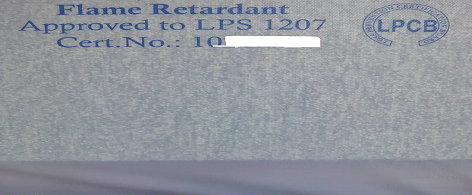
Self-adhesive protective film is a thin, flexible material coated with pressure-sensitive adhesive that temporarily shields surfaces from scratches, dust, dirt, paint, and other contaminants. It is commonly used in industries such as automotive, electronics, construction, and manufacturing to protect glass, metals, plastics, and painted surfaces during fabrication, transportation, or installation. The film works by adhering firmly to the surface while distributing minor impacts across its layer, effectively preventing surface damage. The adhesive is formulated to provide a strong bond while remaining removable without leaving residue or damaging the underlying material.
These films often come in rolls or pre-cut sheets, allowing users to cover large areas efficiently. Advanced self-adhesive films may also include UV resistance, anti-static properties, and enhanced tear resistance, which extend protection even under challenging environmental conditions. Their versatility and ease of use make them a preferred solution for temporary surface protection in both industrial and consumer applications.
Selecting the correct protective film is crucial for effective surface protection and ease of removal. Factors to consider include surface type, adhesive strength, thickness, UV resistance, and temperature tolerance. For delicate surfaces such as acrylic or polished metals, low-tack films are recommended to prevent marks. For industrial or outdoor applications, higher tack films with weather-resistant coatings provide durability and longer protection.
Consider the environmental conditions and intended application duration. Films with UV stabilization are preferred for outdoor use to prevent yellowing, while thicker films are suitable for heavy-duty protection against scratches or abrasions. Always check the manufacturer’s data sheet to ensure compatibility with your specific surface.
| Factor | Recommendation |
|---|---|
| Surface Type | Delicate, painted, or polished surfaces may require low-tack adhesives |
| Thickness | Thicker films provide better impact resistance |
| UV Resistance | Essential for prolonged outdoor exposure |
| Temperature Range | Choose film rated for your operational environment |
| Application Duration | Short-term vs. long-term adhesion affects removal ease |
Self-adhesive protective films offer numerous benefits for both industrial and consumer applications. The primary advantage is surface protection: they prevent scratches, dents, dust, and chemical contamination. This is particularly important for high-value surfaces such as painted metals, glass panels, and electronic devices. The films are also cost-effective, reducing the need for rework or replacement of damaged surfaces.
Another key benefit is ease of installation and removal. Most modern films adhere securely without the need for additional adhesives or fasteners and can be removed cleanly without leaving sticky residue. Additionally, protective films enhance safety by reducing the risk of accidental surface damage during handling or transport. Their versatility, durability, and low maintenance requirements make them an essential solution across industries including automotive, construction, electronics, and furniture manufacturing.
Yes, self-adhesive protective films are designed specifically to shield surfaces from scratches, scuffs, dents, dust, and paint splatter. The film creates a barrier between the surface and external forces, distributing minor impacts across its layer. This prevents the surface from experiencing direct contact with abrasive or harmful elements. High-quality films are abrasion-resistant, tear-resistant, and flexible, allowing them to conform to complex shapes and edges, providing comprehensive protection.
Industries such as automotive manufacturing use protective films to guard freshly painted vehicles during assembly, shipping, and detailing. Construction and renovation projects utilize films to protect flooring, windows, and countertops from scratches, paint, or chemical spills. Electronics manufacturers apply protective films to display screens and panels to prevent micro-scratches during assembly or transit. Using the correct film ensures maximum surface preservation and reduces potential replacement costs.
The duration a self-adhesive protective film can remain on a surface depends on its adhesive strength, environmental conditions, and surface type. High-quality films can remain for several weeks to months without leaving residue, even under moderate UV exposure or indoor humidity. Low-tack adhesives are suitable for delicate surfaces, while high-tack adhesives are designed for industrial or outdoor use.
Environmental factors such as heat, UV light, or moisture can affect adhesive performance. For long-term applications, films with UV stabilization or heat-resistant adhesives are recommended. Regular inspections help ensure the film remains intact, and removal is performed before excessive curing of the adhesive. Following manufacturer guidelines ensures clean removal and maintains surface integrity.
Yes, self-adhesive protective films are available in a variety of types tailored to different applications. Options include low-tack, medium-tack, and high-tack adhesives; clear or opaque films; UV-resistant films; and anti-static films. Low-tack films are ideal for delicate or polished surfaces, while high-tack films provide strong adhesion for rough or outdoor materials. Anti-static films are used in electronics manufacturing to prevent dust accumulation and electrostatic discharge. Selecting the appropriate type ensures optimal protection and ease of removal.
Additionally, some films include additional properties such as chemical resistance, tear resistance, or thickness variations to suit specific industrial or commercial needs. Choosing the right combination of adhesive strength, material, and specialized features maximizes protection while minimizing risks of residue or surface damage.
The material and thickness of a protective film determine its durability, flexibility, and resistance to impact or abrasion. Thicker films provide better protection against scratches, dents, and heavy handling, while thinner films are more flexible and ideal for complex or curved surfaces. Common materials include polyethylene (PE), polypropylene (PP), and polyvinyl chloride (PVC). Each material offers different properties, such as UV resistance, chemical resistance, and adhesion performance.
Selecting the appropriate thickness and material ensures that the protective film can withstand the operational conditions without tearing, stretching, or failing prematurely. It also affects the ease of application and removal. For example, PE films are lightweight and flexible, suitable for delicate surfaces, while PVC films are more rigid, offering enhanced protection for industrial or outdoor applications.
Yes, specialized self-adhesive protective films are designed to withstand high temperatures, UV exposure, moisture, and chemical contact. Heat-resistant films prevent adhesive softening or degradation when exposed to elevated temperatures, while UV-stabilized films resist yellowing or brittleness in outdoor environments. Chemical-resistant films protect surfaces from solvents, paints, and cleaning agents commonly encountered in industrial or manufacturing applications. Choosing the right type of film for environmental conditions ensures consistent protection and prevents residue or damage upon removal.
Proper application begins with surface cleaning to remove dust, oil, or moisture. Measure and cut the film to size, then gradually apply from one edge while smoothing out air bubbles using a soft squeegee or roller. Avoid stretching the film excessively. For removal, lift a corner and pull slowly at a 45–90 degree angle. Mild heat can soften the adhesive for long-term applications. Avoid sharp tools or excessive force to prevent scratches or residue.
| Step | Recommendation |
|---|---|
| Surface Prep | Clean and dry surface with lint-free cloth |
| Film Application | Apply gradually, smooth air bubbles with squeegee |
| Removal | Pull slowly, optionally use mild heat for long-term films |
| Precautions | Avoid sharp tools and excessive force |
Self-adhesive protective films are used across multiple industries. Automotive manufacturers use them to protect freshly painted vehicles during assembly and transport. Electronics companies apply films to displays, panels, and delicate components to prevent scratches and dust. Construction and renovation industries protect flooring, countertops, windows, and metal surfaces during work. Furniture manufacturers use films to maintain polished surfaces during assembly and shipment. The versatility and ease of use make these films suitable for both industrial and consumer applications, improving efficiency, reducing damage-related costs, and enhancing overall product quality.
Most films are designed for single-use. Reusing may reduce adhesion and protection efficiency.
Duration depends on adhesive strength and environmental conditions; high-quality films may last weeks to months.
If applied and removed correctly according to manufacturer instructions, high-quality films do not leave residue.
Yes, but UV-stabilized and weather-resistant films are recommended for prolonged outdoor exposure.
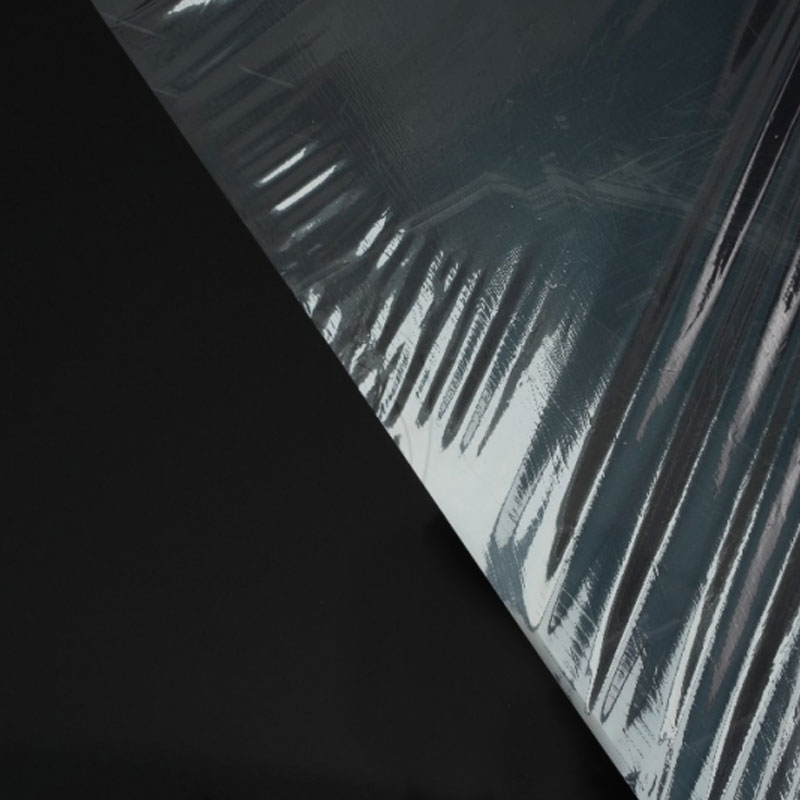
● No “ghost shadow” or “fish eye” after removal; ● Stable adhesion level; ● UV resistance for up to 6 months; ● Can print customized logo or applicati...
See Details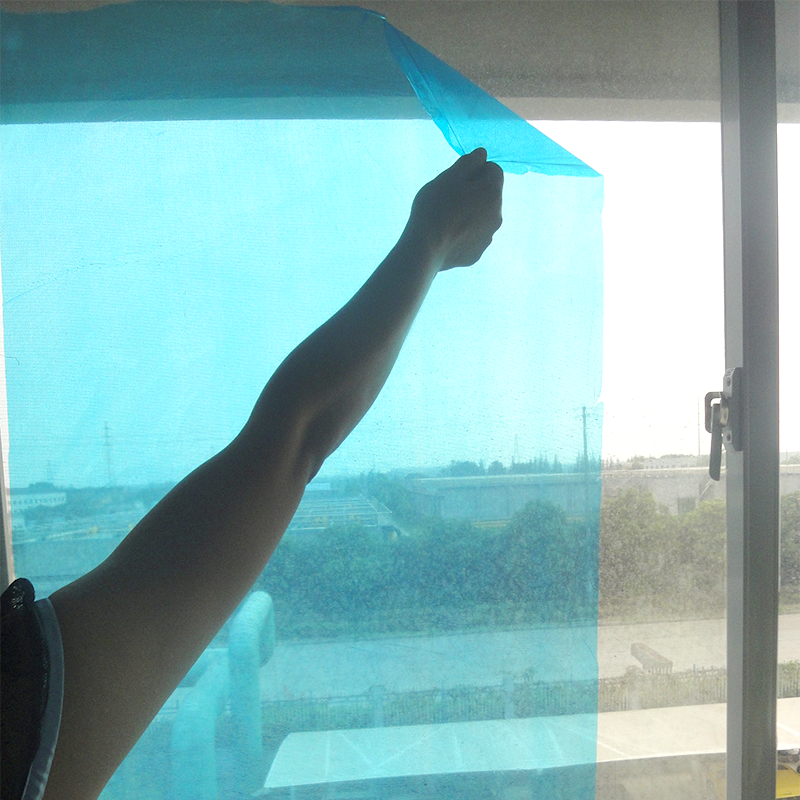
● Protect window glass against paint splatters, dirt, staining, and spillages during painting, building, plastering, tiling, general maintenance and r...
See Details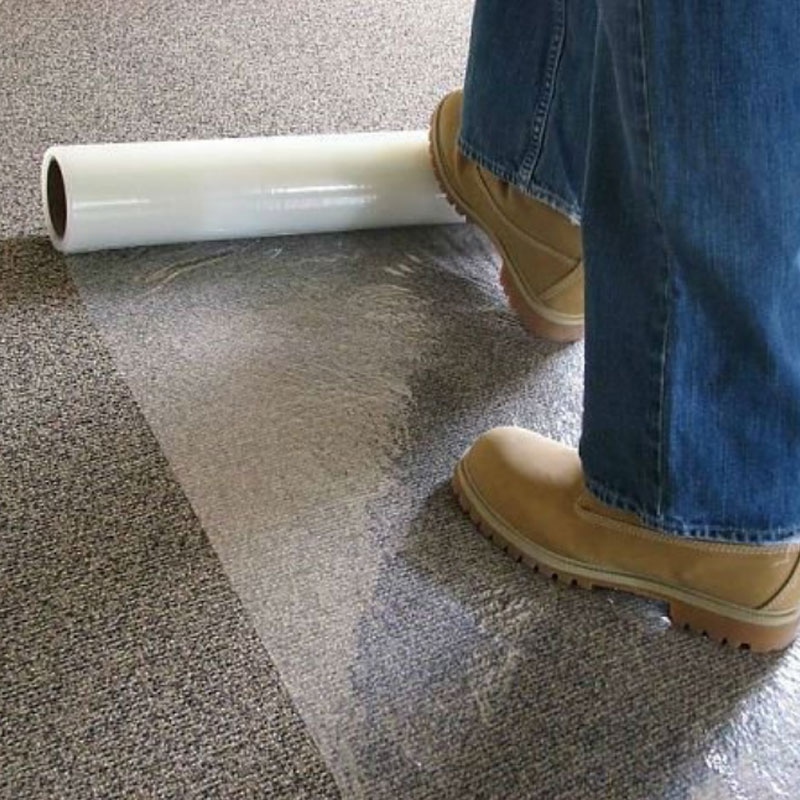
● Protects carpet against staining, paint spillage and dirt during painting, building, remodeling, plastering, tiling, decoration, general maintenance...
See Details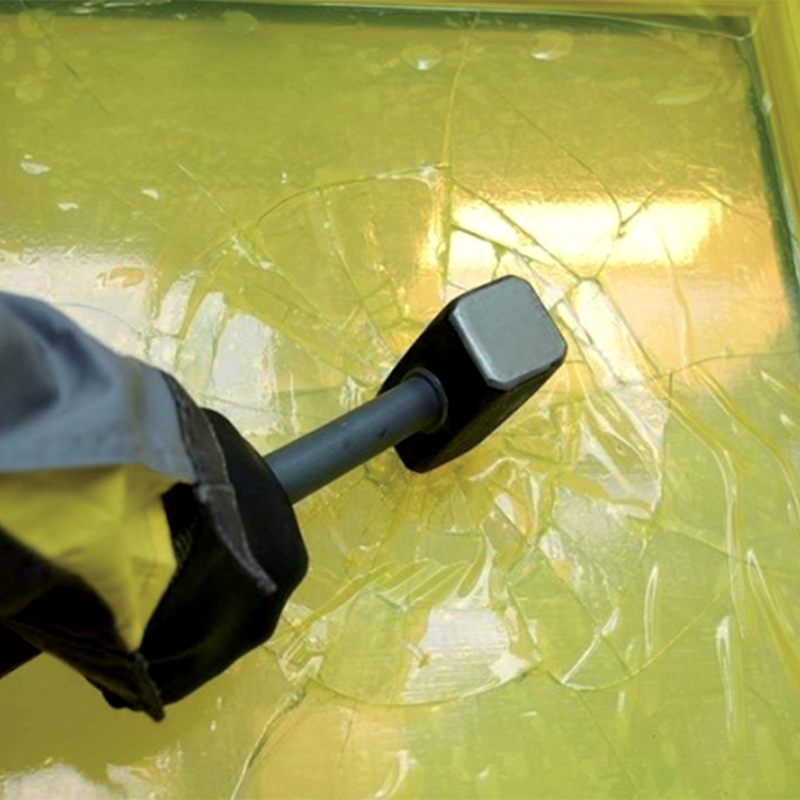
● The super tough polyethylene film with super high adhesion can stop the glass splitting and falling off during window glass demolition process;● Non...
See Details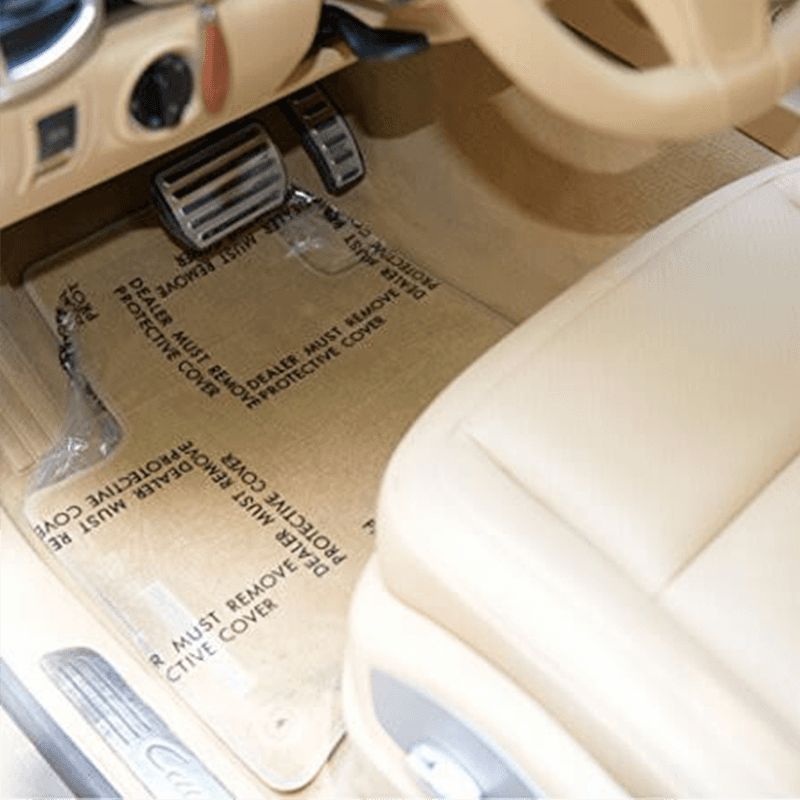
● Distance of each perforation die-cut ranges from 100mm to 1200mm;● Can peel off each die-cut piece of protective film at the perforated line easily;...
See Details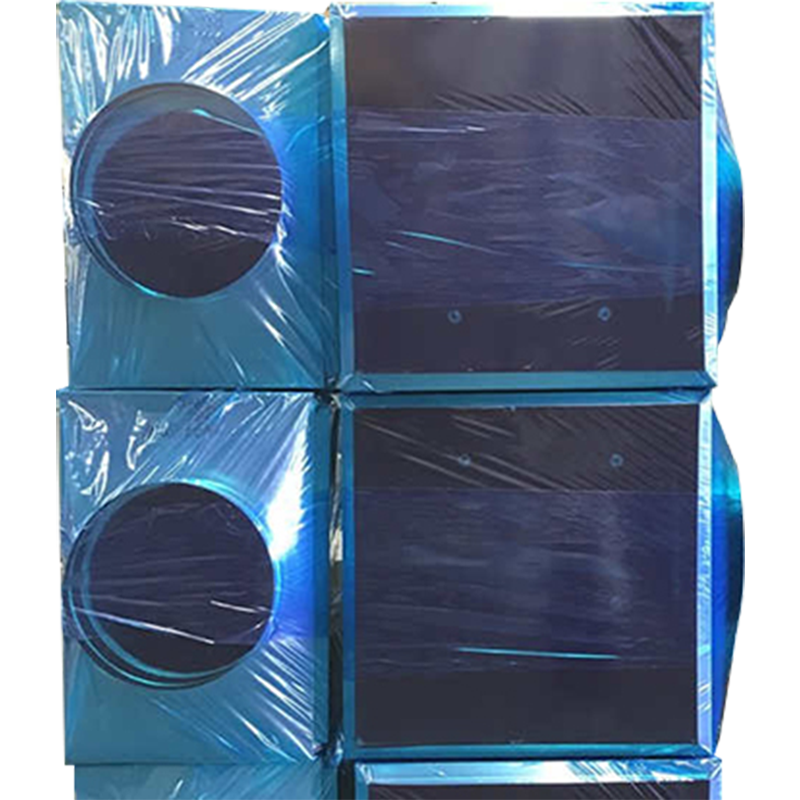
● The super-tough polyethylene film resists puncture and penetration by liquid and dirt during storage, transportation, and installation of the ductwo...
See Details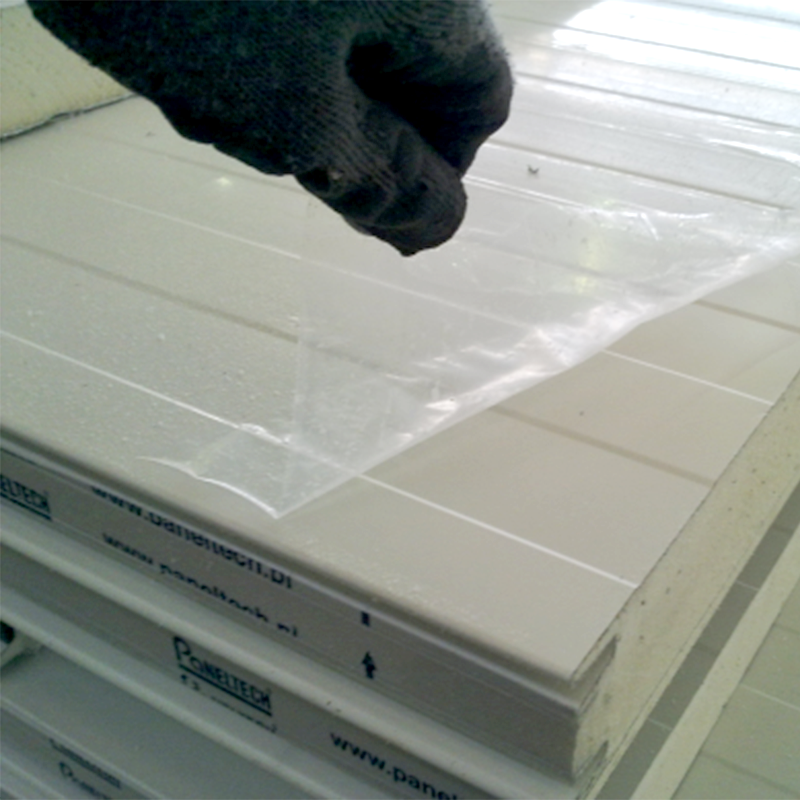
● The specially formulated adhesive ensures easy application and removal without leaving residue glue on the sandwich panels; ● The super-tough polyet...
See Details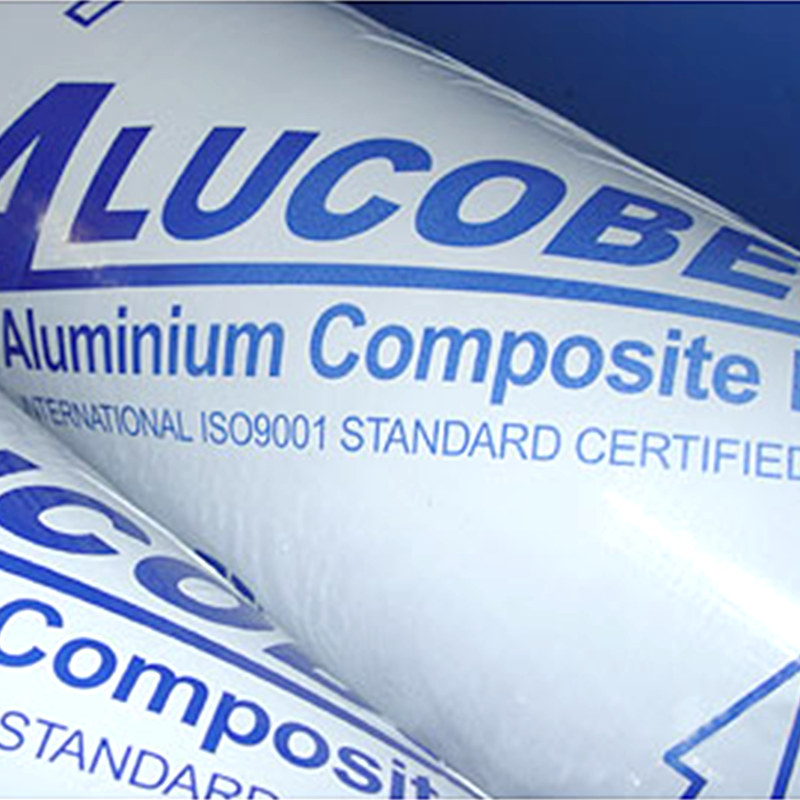
● The specially formulated adhesive ensures easy application and removal without leaving residue glue; ● The super-tough polyethylene film protects ag...
See Details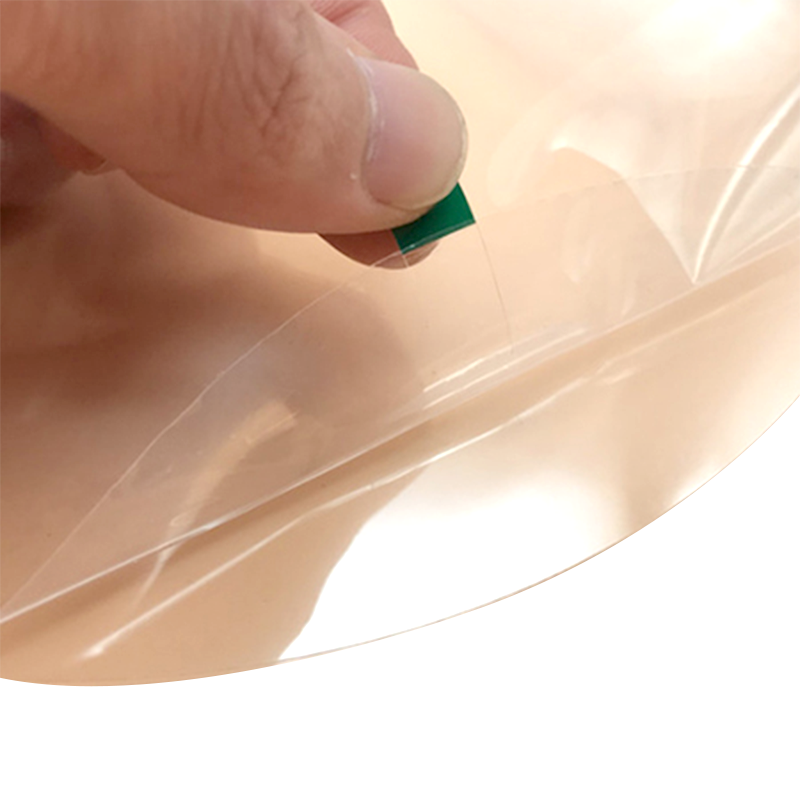
● Suitable for plastic sheets’ drilling, cutting, routing, thermoforming, bending, or post-fabrication operations;● No “ghost shadow” or “fish eye” af...
See Details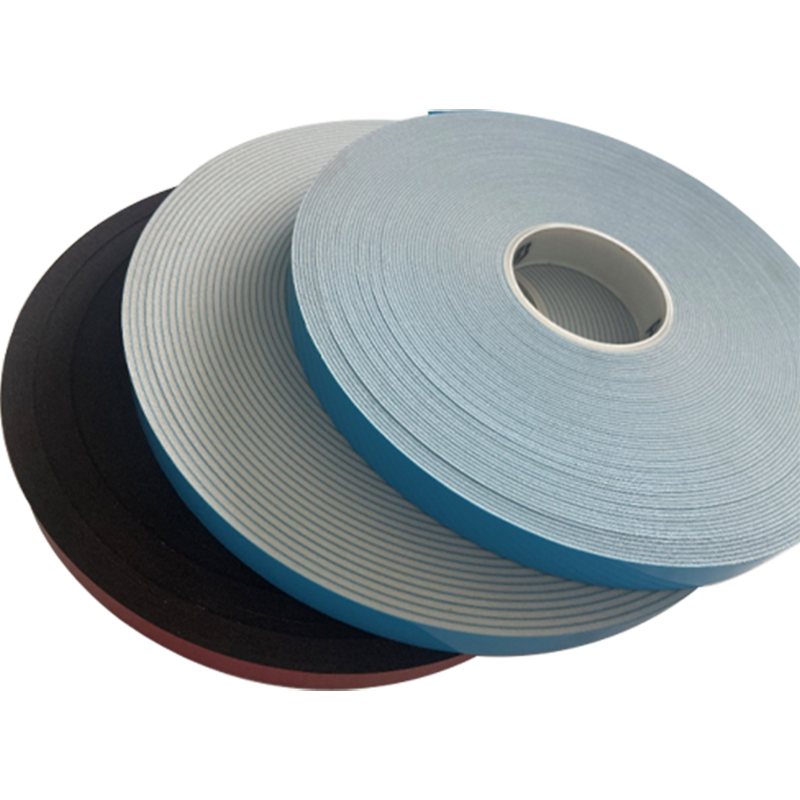
● Waterproof - the desirable material for waterproofing. ● Dust-proof - positive performance of dust prevention.● Low resilience - prevent the deforma...
See DetailsWe’re a reliable partner that shapes our expertise into success for your project.

Copyright 2024 Wuxi Qida Tape Co., Ltd. All Rights Reserved
 Wholesale Protective Film/Foil Manufacturers
Privacy
Wholesale Protective Film/Foil Manufacturers
Privacy