

 English
 English
 русский
 Français
 Español
 Português
 عربى
عربى
Cat:Glue -coated Protective Film
● Protects carpet against staining, paint spillage and dirt during painting, building, remodeling, plastering, tiling, decoration, general maintenance...
See Details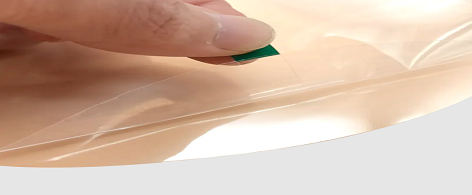
In the competitive world of surface protection, selecting the right material is essential to ensuring product quality during manufacturing, transport, and installation. One of the most significant shifts in recent years is the transition from traditional glue-coated films to Self-adhesive Protective Film. While both serve the primary purpose of preventing scratches, contamination, and abrasion, they rely on fundamentally different chemical structures and manufacturing processes. Understanding these differences is key for procurement managers and engineers to avoid costly surface residues and ensure compatibility with sensitive substrates like high-gloss plastics, stainless steel, and electronic displays.
The primary factor that sets Self-adhesive Protective Film apart from its traditional counterparts is its “born-with” adhesive property. Traditional protective films are produced through a multi-step coating process. In this legacy method, a polyethylene (PE) base film is manufactured first, and then a secondary machine applies a layer of liquid acrylic or rubber-based glue onto the surface. This mechanical bond is often tenuous and prone to failure under environmental stress.
In contrast, a high-quality Self-adhesive Protective Film is produced via an advanced multi-layer co-extrusion process. In this method, the carrier film (typically PE) and the functional adhesive layer (often an EVA or metallocene-based polyolefin) are melted and extruded simultaneously from the same die. This means the adhesive isn’t just “stuck” on top; it is molecularly fused to the film while both are in a molten state. This integrated structure ensures that the adhesive layer cannot delaminate or “flake off” from the carrier film, a common headache with coated products.
Because Self-adhesive Protective Film is created in a single step using heat and pressure, it entirely eliminates the need for the chemical solvents, cross-linking agents, and drying ovens required by the coating process. This makes it an inherently eco-friendly choice, free from Volatile Organic Compounds (VOCs). For companies aiming to meet strict environmental standards or those operating in sensitive industries like medical device packaging or high-end electronics, the solvent-free nature of co-extruded films provides a significant safety and regulatory advantage.
The technical superiority of Self-adhesive Protective Film becomes most apparent during the removal phase. For high-value surfaces such as optical lenses, high-gloss kitchen cabinets, or powder-coated aluminum, even a microscopic amount of adhesive residue can render the final product unsellable or require expensive manual cleaning.
“Ghosting” refers to the faint, cloudy outline or pattern left on a surface after a protective film is peeled away. This is almost always caused by the low-molecular-weight components of traditional liquid glues migrating into the microscopic pores of the substrate.
For industries that involve secondary processing, such as thermoforming or vacuum shaping, the Self-adhesive Protective Film is irreplaceable. Traditional glues have a low melting point and can become “gummy” or liquid-like under heat, causing them to bond permanently to the substrate or bubble up. Because the adhesive layer in a co-extruded film is a solid polyolefin resin with a high melting point, it remains stable during heating processes, stretching uniformly with the substrate and protecting it throughout the entire forming cycle without leaving a trace of residue.
To assist technical buyers in making an informed decision, the following table outlines the critical specifications and performance metrics for both categories of surface protection.
| Technical Feature | Self-adhesive Protective Film | Traditional Glue-coated Film |
|---|---|---|
| Manufacturing Process | Multi-layer Co-extrusion (Fused) | Secondary Liquid Coating (Bonded) |
| Adhesive Chemistry | Functional Polyolefin Resins | Acrylic or Rubber-based Glues |
| Solvent Content | 0% (Solvent-Free) | Variable (Often high VOCs) |
| Residue Risk | Near Zero | Moderate to High (Adhesive Transfer) |
| Adhesion Stability | Excellent (Minimal Build-up) | Poor (Tack increases with time) |
| Thermoforming Support | Highly Recommended | Not Recommended (Glue Melting) |
| Surface Application | High-gloss, PC, PMMA, PET | Textured, Carpets, Rough Metal |
| Storage Life | 12 - 24 Months (Highly Stable) | 6 - 12 Months (Glue may dry out) |
Generally, Self-adhesive Protective Film is best suited for smooth, semi-smooth, or high-gloss surfaces. Because it relies on molecular contact rather than a thick, flowing layer of liquid glue, it may not “wet out” sufficiently on deeply textured or embossed surfaces. For very rough materials like industrial carpets or cast metals, a high-tack glue-coated film may still be the necessary choice.
Bubbles are usually caused by improper lamination pressure or surface contamination. However, with Self-adhesive Protective Film, the risk is lower because the film is more “breathable” and the adhesive layer is perfectly uniform. Ensuring the substrate is clean and using a rubber roller with consistent pressure will typically result in a bubble-free finish.
While the initial per-square-meter price of Self-adhesive Protective Film might be slightly higher than entry-level coated films, the “total cost of ownership” is usually lower. By eliminating the labor costs associated with cleaning glue residue and significantly reducing the scrap rate of damaged parts, most manufacturers find that self-adhesive films save them substantial money in the long run.
Yes, all plastic films have a shelf life, typically 12 to 24 months. However, self-adhesive films are much more stable than coated films. Since there are no liquid chemicals to dry out or cross-linkers to expire, the performance remains consistent as long as the film is stored in a cool, dry place away from direct UV light.
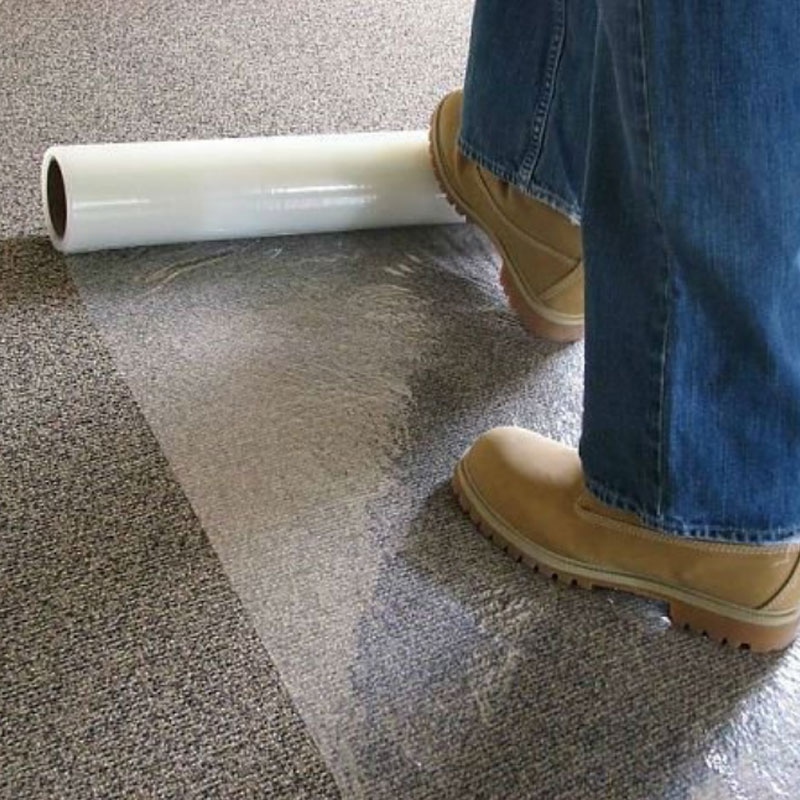
● Protects carpet against staining, paint spillage and dirt during painting, building, remodeling, plastering, tiling, decoration, general maintenance...
See Details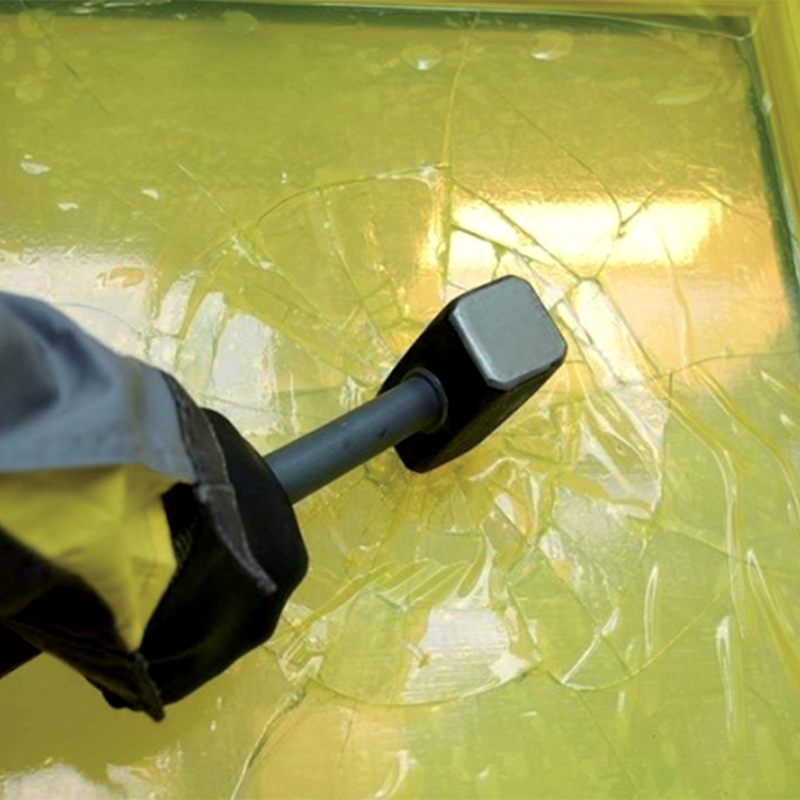
● The super tough polyethylene film with super high adhesion can stop the glass splitting and falling off during window glass demolition process;● Non...
See Details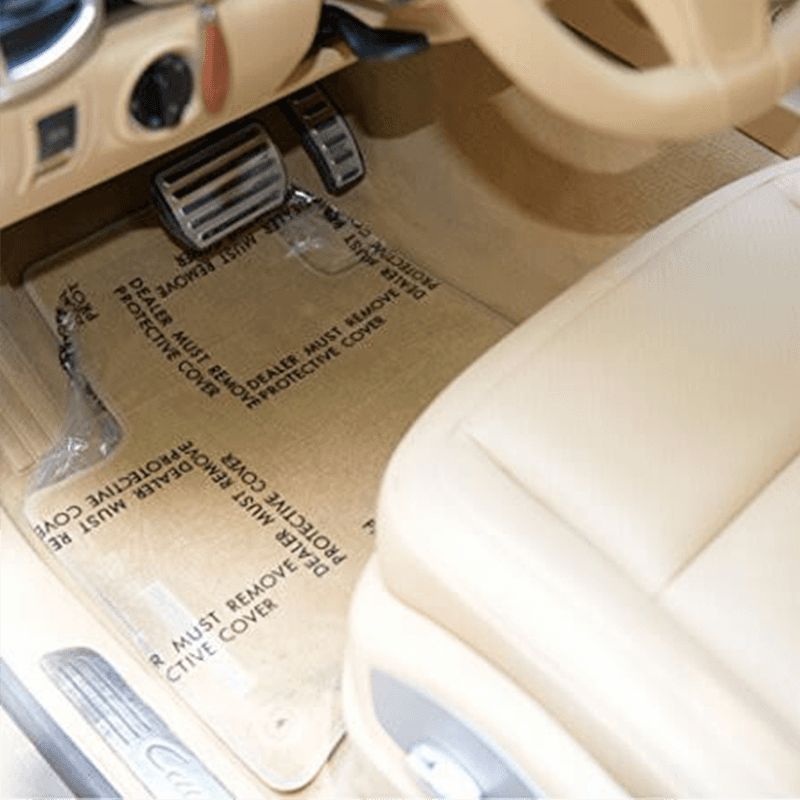
● Distance of each perforation die-cut ranges from 100mm to 1200mm;● Can peel off each die-cut piece of protective film at the perforated line easily;...
See Details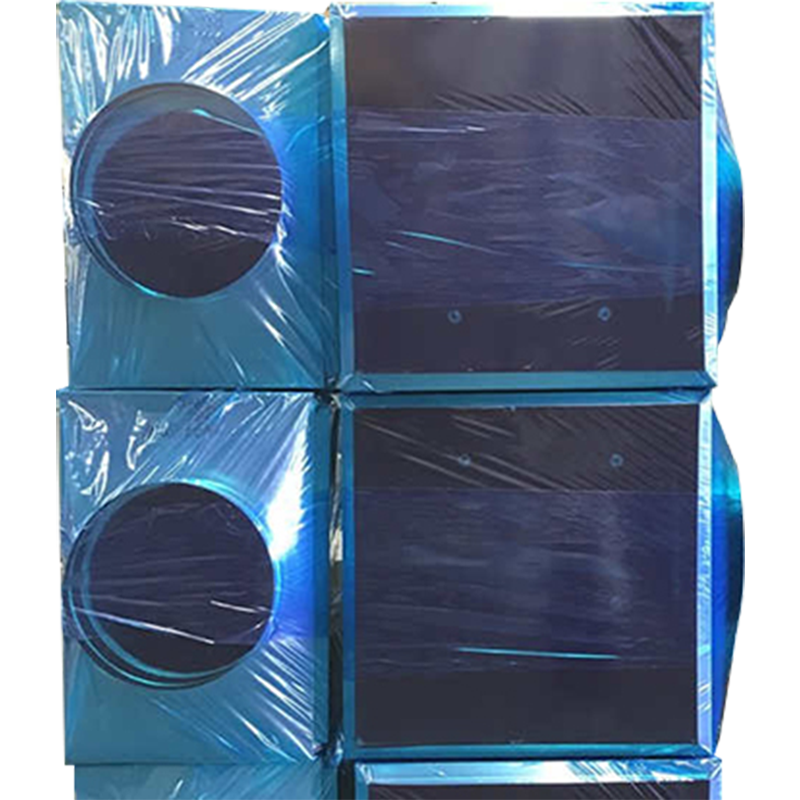
● The super-tough polyethylene film resists puncture and penetration by liquid and dirt during storage, transportation, and installation of the ductwo...
See Details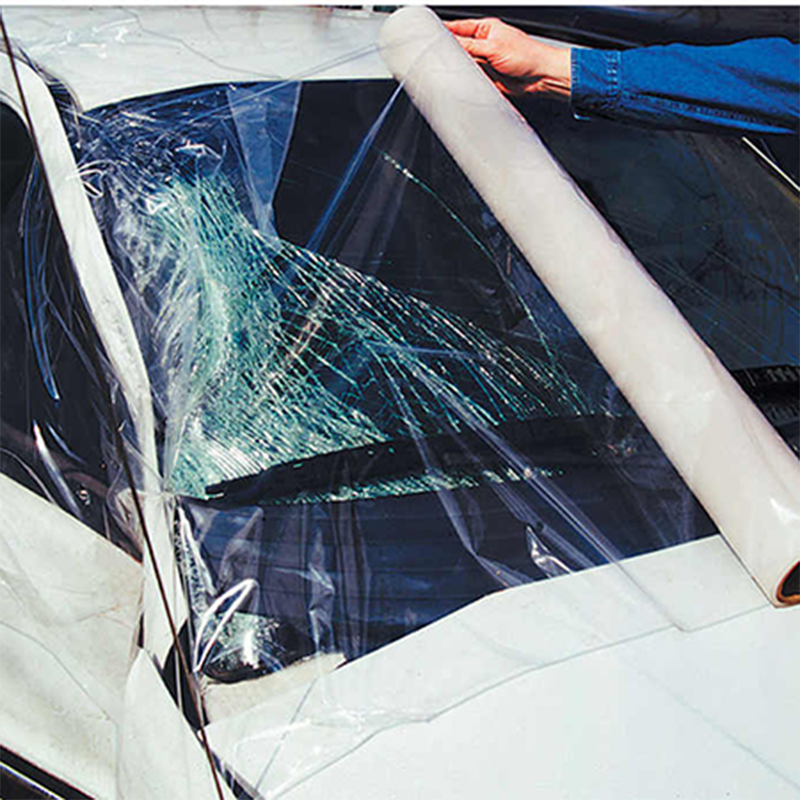
● The super-tough polyethylene film resists puncture and penetration by rain, snow, debris, and dirt during the transportation and storage of the cras...
See Details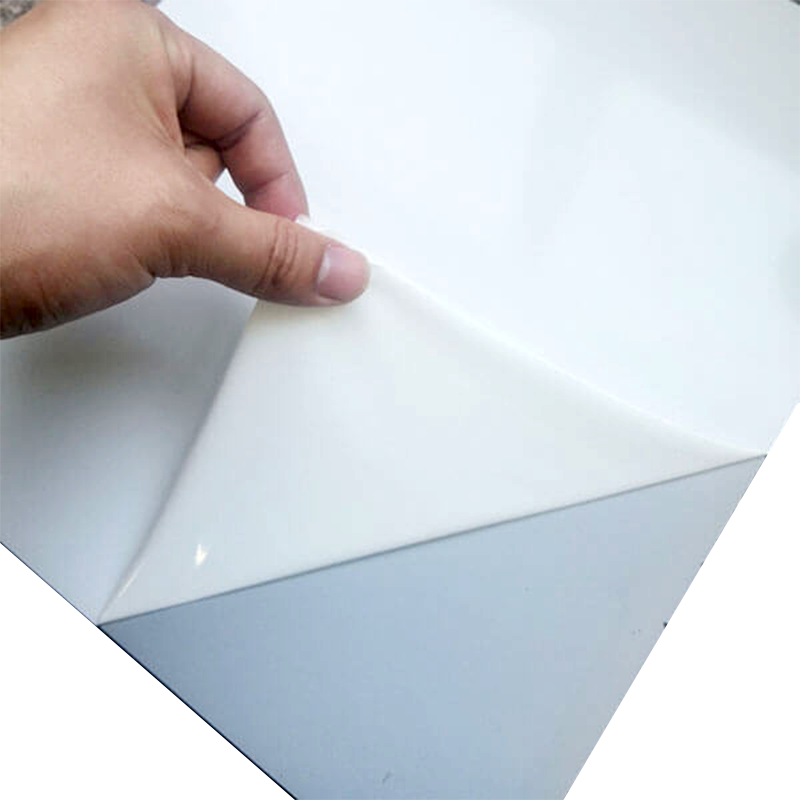
● The super tough polyethylene film with super high adhesion can stop parts of the glass or mirror from splintering away and injuring people when it i...
See Details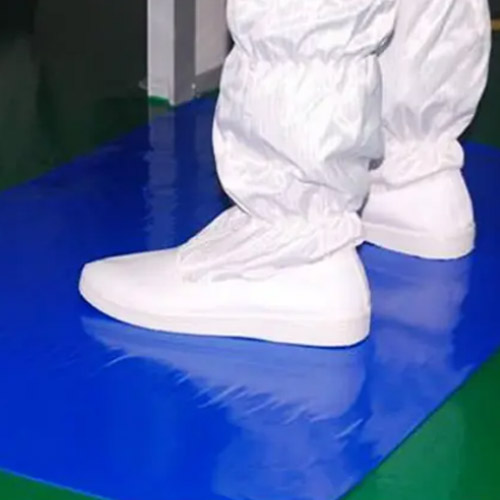
● Options for either 30 or 60 layers per mat; can be packed with four mats, eight mats, or ten mats per carton;● Remove dirt effect: ≥99.9% (5 steps);...
See Details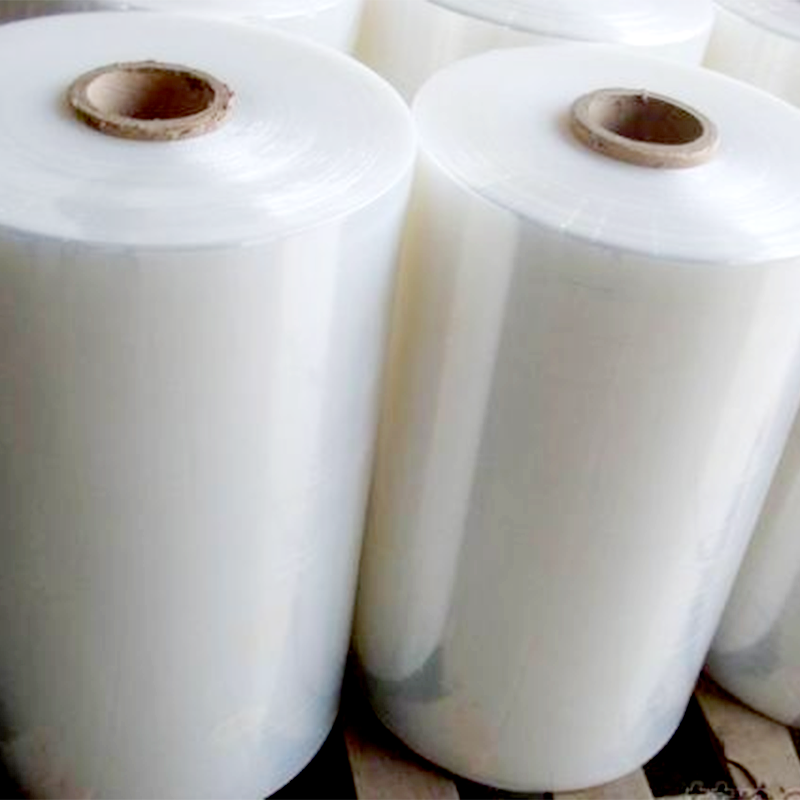
● Excellent puncture and tear resistance; ● Self-adhering-each layer of film bonds to the next for added strength; ● Big roll size to save cost and re...
See Details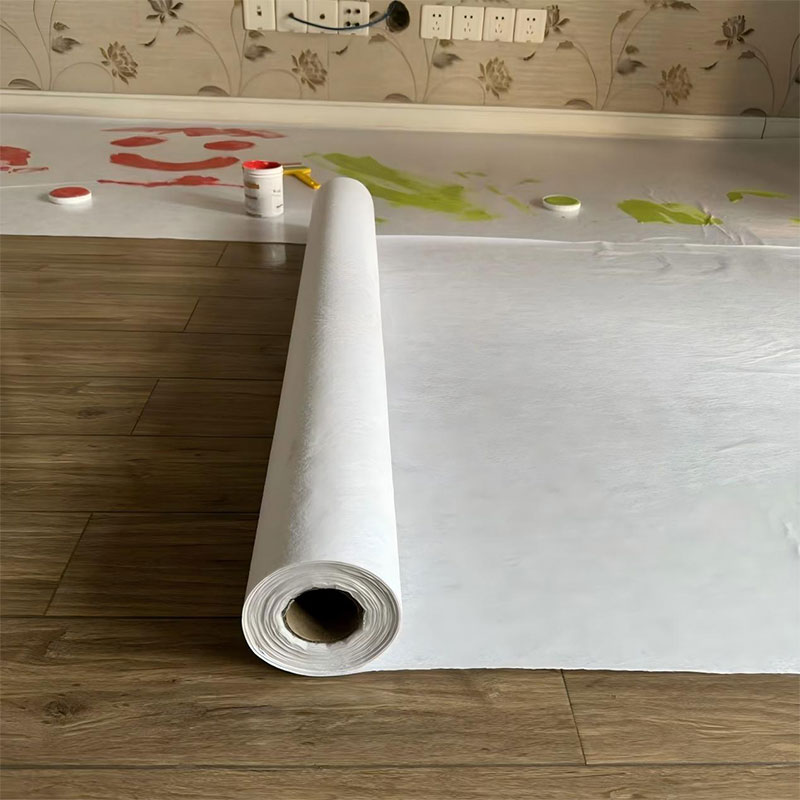
This product has non-woven synthetic fleece in middle; PE film adhered onto top of the non-woven fabric, which is coated with self adhesive glue on it...
See Details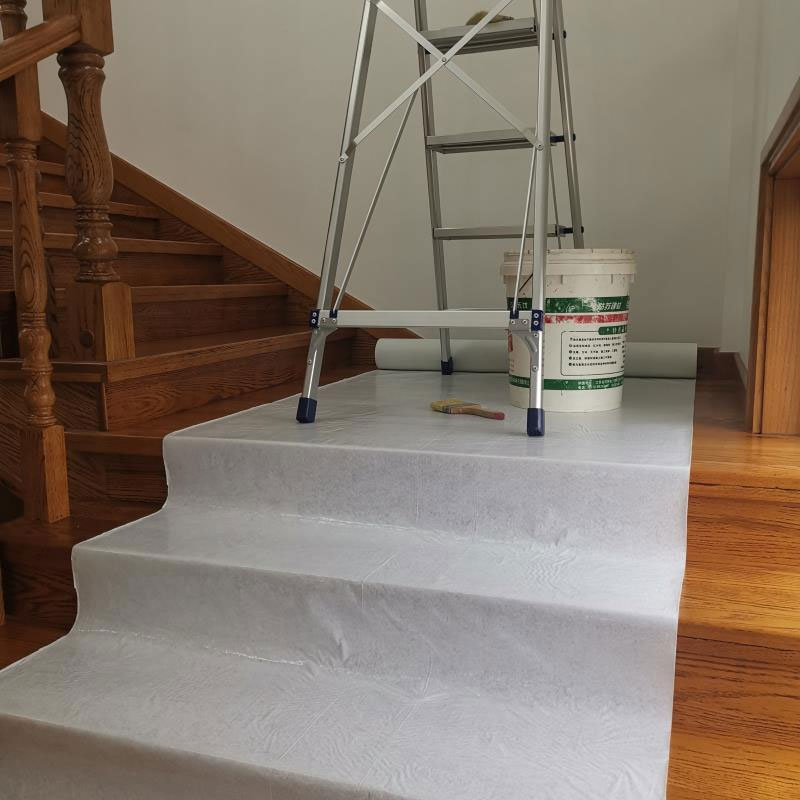
This product has non-woven synthetic fleece in middle; Breathable PE film adhered onto top of the non-woven fabric, which is coated with self adhesive...
See DetailsWe’re a reliable partner that shapes our expertise into success for your project.

Copyright 2024 Wuxi Qida Tape Co., Ltd. All Rights Reserved
 Wholesale Protective Film/Foil Manufacturers
Privacy
Wholesale Protective Film/Foil Manufacturers
Privacy