

 English
 English
 русский
 Français
 Español
 Português
 عربى
عربى
Cat:Glue -coated Protective Film
● Good weatherability for outdoor exposure; ● Stable adhesion level; ● UV resistance for up to 12 months; ● Can print customized logo or application i...
See Details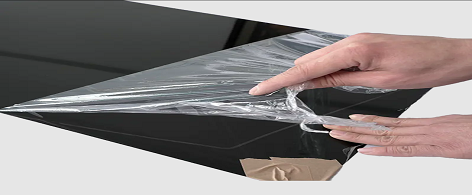
In industries ranging from stainless steel processing and plastic sheet production to electronics assembly, using glue-coated protective film is essential to ensure that product surfaces remain free from scratches or contamination during transport and fabrication. However, one of the most persistent headaches for production managers and quality control officers is discovering adhesive residue left behind after the film is peeled away.
Adhesive residue does more than just ruin the product’s aesthetics; it leads to expensive secondary cleaning labor costs and can even cause the failure of downstream processes like painting or electroplating. Why does a product designed to protect a surface end up becoming the source of contamination?
Most glue-coated protective films utilize Pressure Sensitive Adhesives (PSA), typically based on acrylic or natural rubber polymers. While these polymers are stable under standard conditions, they are complex organic chemical chains that are highly susceptible to external energy sources, leading to degradation.
When a filmed product, such as aluminum window frames or architectural wall panels, is stored outdoors, ultraviolet (UV) radiation from the sun penetrates the transparent polyethylene (PE) carrier and hits the adhesive layer directly.
Heat is another silent killer of adhesive stability. If filmed metal sheets are stored in high-temperature warehouses or shipping containers, the thermal energy accelerates the oxidation of the glue. Heat increases molecular mobility, allowing the adhesive to seep deeper into the microscopic pores of the material surface—a process known as “mechanical anchoring.” This deep physical bond makes clean removal nearly impossible later on.
Not all protective films are suitable for all surfaces. The chemical compatibility between the glue-coated protective film and the substrate is the core factor determining whether residue will occur. If the wrong film is selected, even the highest-quality adhesive will fail on specific surfaces.
This is an extremely common issue in the plastics industry, particularly when protecting PVC (Polyvinyl Chloride) sheets.
Different materials possess different levels of surface energy. For example, Teflon is a low-surface-energy material, while metals and glass are high-surface-energy materials.
Sometimes, the glue itself is of high quality, but residue occurs due to “adhesion build-up” over long storage periods or improper physical handling during removal.
The stickiness of a protective film is not static; it increases over time. This is known in the industry as Adhesion Build.
Mechanical handling plays a significant role in adhesive failure.
| Risk Factor | High Risk Condition | Best Practice Solution |
|---|---|---|
| Storage Environment | High temp, direct sunlight, humidity | Climate-controlled, dark warehouse |
| Surface Type | Plastics with plasticizers (PVC) | Plasticizer-resistant adhesive formula |
| Application Pressure | Excessive lamination pressure | Adjust to minimum effective pressure |
| Product Lifespan | Filmed for >6-12 months | Remove within 3-6 months |
| Adhesive Base | General rubber-based glue | Solvent-based Acrylic adhesive |
Q: What is the safest way to remove residue once it is discovered?
A: For solvent-resistant surfaces like stainless steel or glass, Isopropyl Alcohol (IPA) or specialized citrus-based adhesive removers are effective. Avoid using sharp metal scrapers, as they will scratch expensive finishes. For plastic surfaces, always test the solvent on an inconspicuous area first to prevent surface clouding.
Q: Is there an alternative that is 100% residue-free?
A: You may consider Self-adhesive film (Co-extruded film). These films do not have an independent glue layer; instead, one layer of the film is made tacky during the extrusion process. This fundamentally eliminates the risk of glue-film separation and residue.
Q: Why does my film peel off easily in winter but leave residue in summer?
A: This is due to the temperature sensitivity of PSAs. Low winter temperatures harden the glue, reducing tack. High summer temperatures soften the glue and increase its flowability, strengthening the bond with the surface and increasing the likelihood of residue.
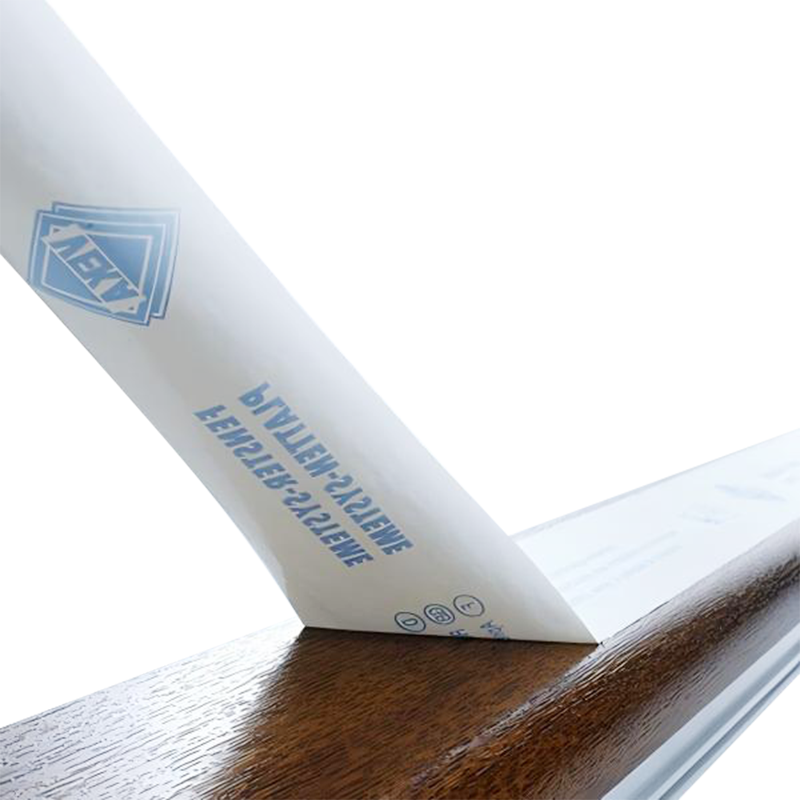
● Good weatherability for outdoor exposure; ● Stable adhesion level; ● UV resistance for up to 12 months; ● Can print customized logo or application i...
See Details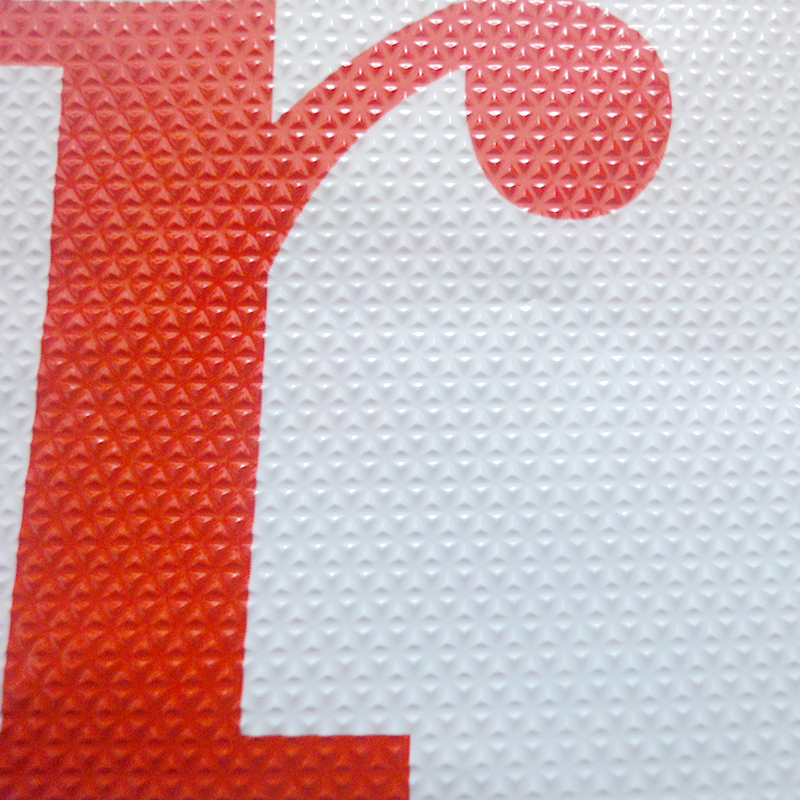
● Anti-slip; ● Embossed film surface to guarantee trip safety;● Tough puncture-resistant polyethylene film;● Can be coated with or without adhesive;● ...
See Details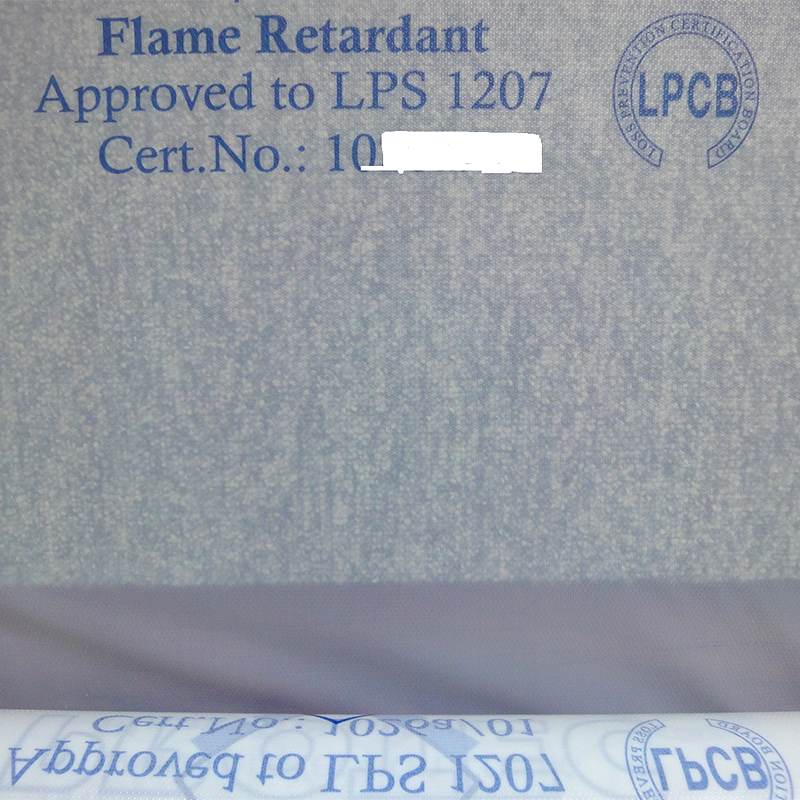
● Prevents costly damages in case of fire /flame;● Meet the strict international test standards of loss prevention; ● Extensive selection for flame re...
See Details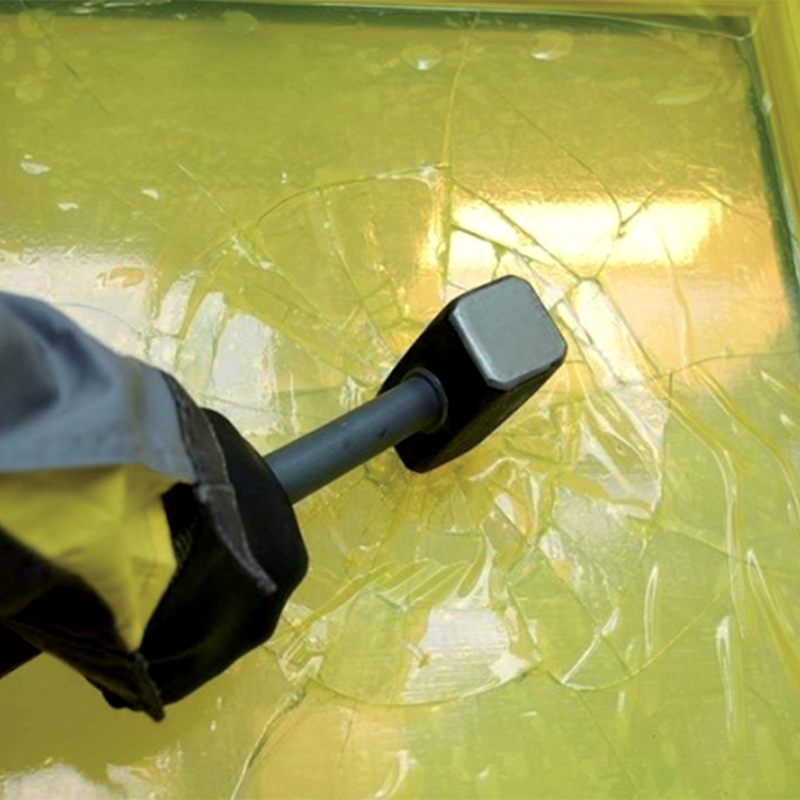
● The super tough polyethylene film with super high adhesion can stop the glass splitting and falling off during window glass demolition process;● Non...
See Details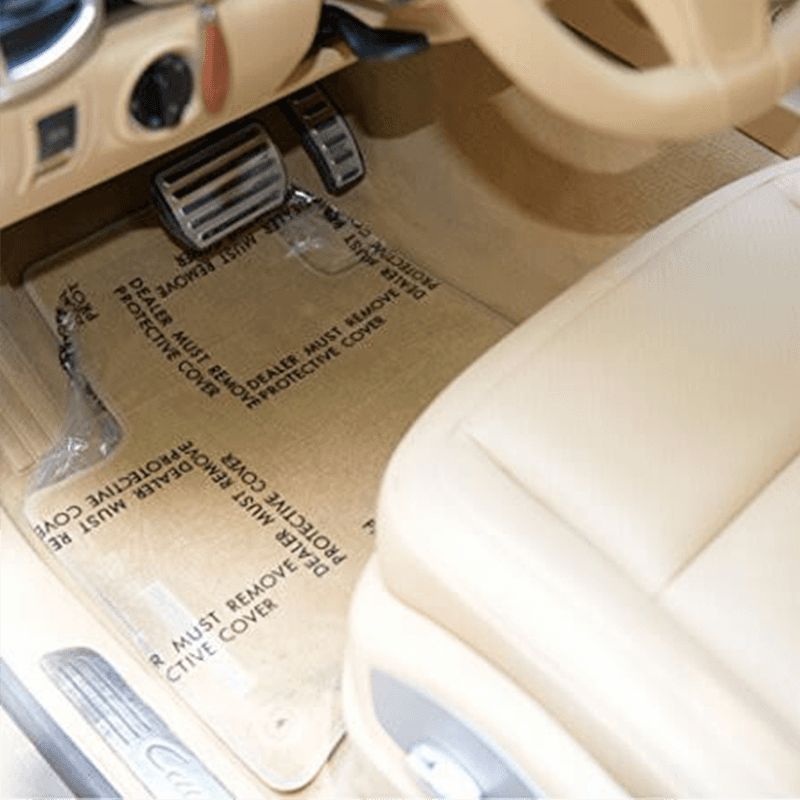
● Distance of each perforation die-cut ranges from 100mm to 1200mm;● Can peel off each die-cut piece of protective film at the perforated line easily;...
See Details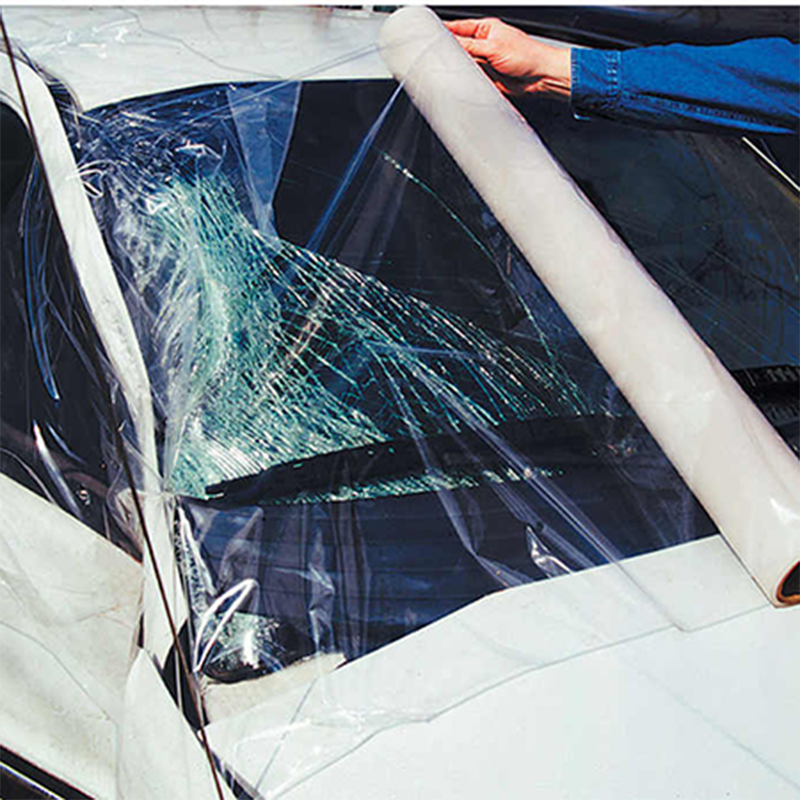
● The super-tough polyethylene film resists puncture and penetration by rain, snow, debris, and dirt during the transportation and storage of the cras...
See Details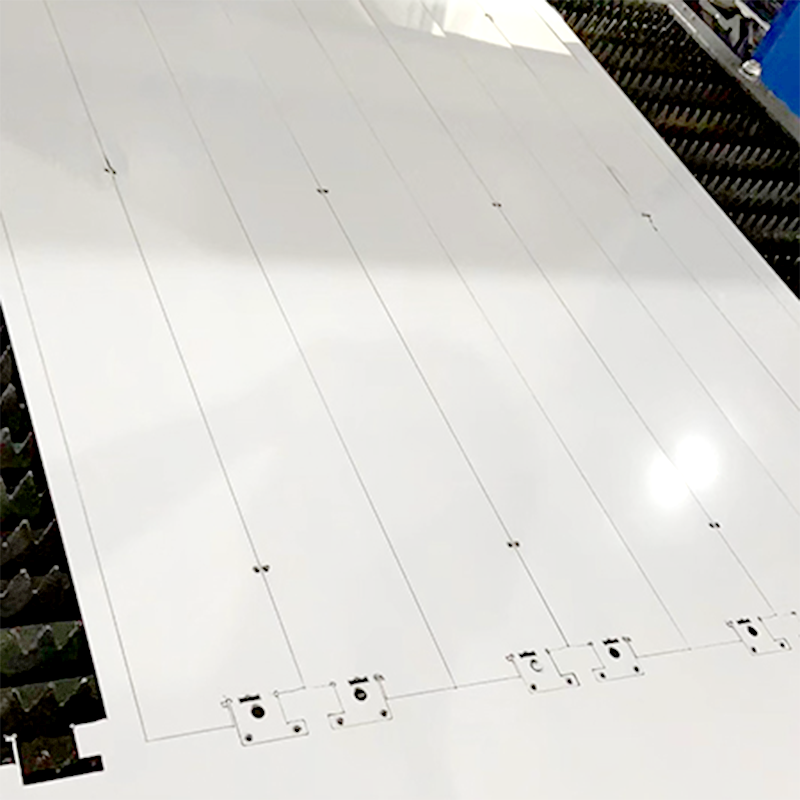
● The specially formulated natural rubber adhesive suitable for both CO2 and Fiber laser cutting processes;● High cutting quality without burr or trac...
See Details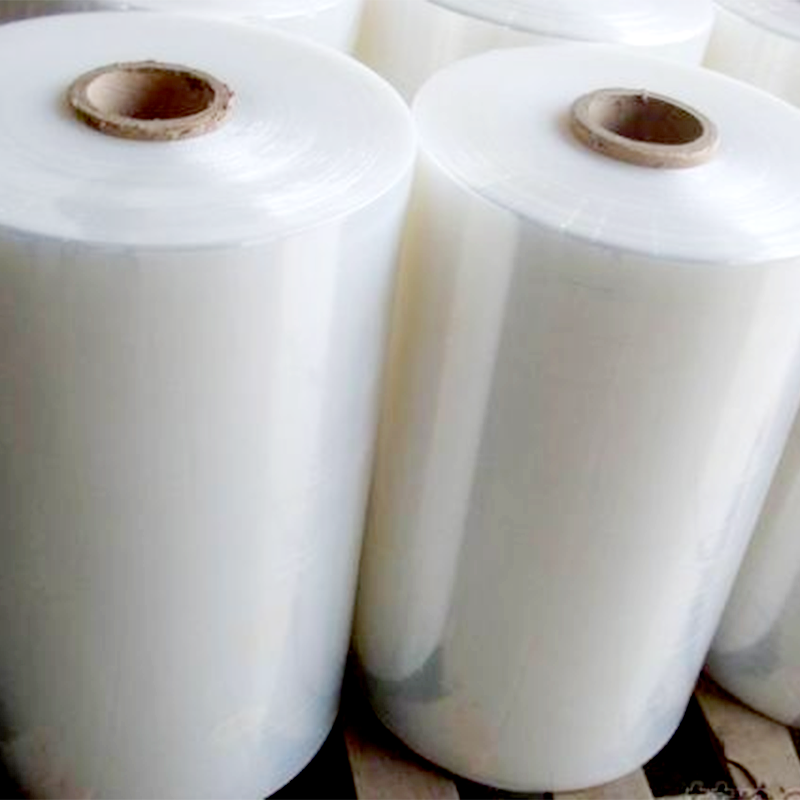
● Excellent puncture and tear resistance; ● Self-adhering-each layer of film bonds to the next for added strength; ● Big roll size to save cost and re...
See Details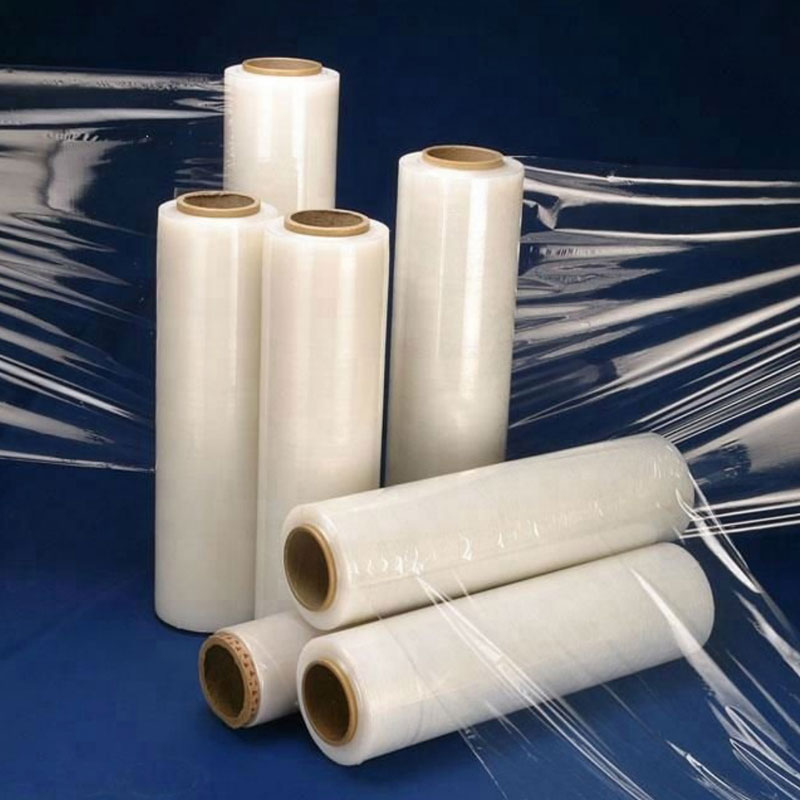
● Small roll size for convenient manual application;● Excellent puncture and tear resistance ; ● A self-adhering-each layer of film bonds to the next ...
See Details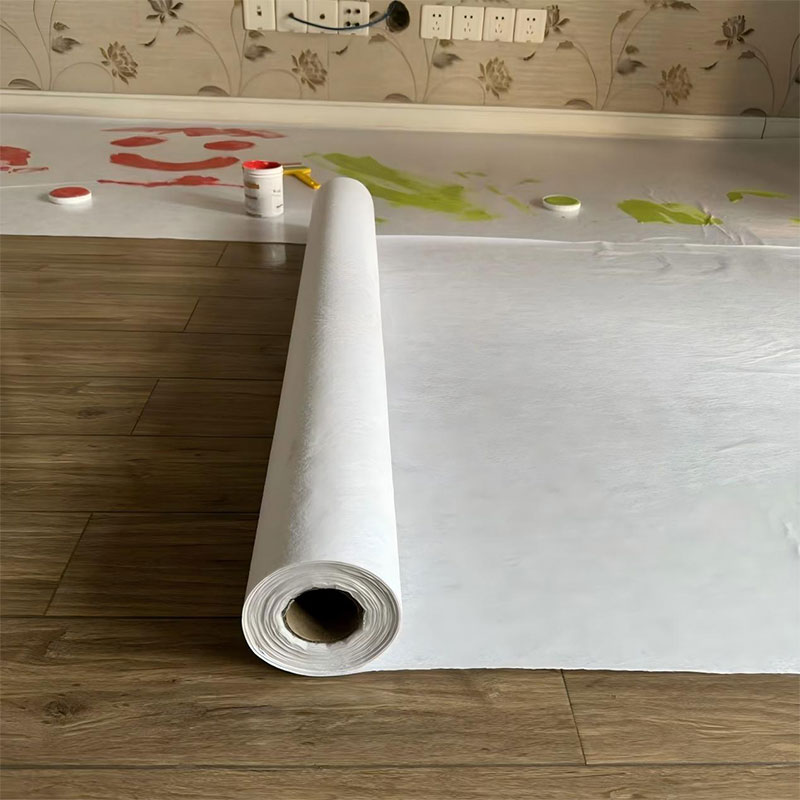
This product has non-woven synthetic fleece in middle; PE film adhered onto top of the non-woven fabric, which is coated with self adhesive glue on it...
See DetailsWe’re a reliable partner that shapes our expertise into success for your project.

Copyright 2024 Wuxi Qida Tape Co., Ltd. All Rights Reserved
 Wholesale Protective Film/Foil Manufacturers
Privacy
Wholesale Protective Film/Foil Manufacturers
Privacy