

 English
 English
 русский
 Français
 Español
 Português
 عربى
عربى
Cat:Glue -coated Protective Film
● Good weatherability for outdoor exposure; ● Stable adhesion level; ● UV resistance for up to 12 months; ● Can print customized logo or application i...
See Details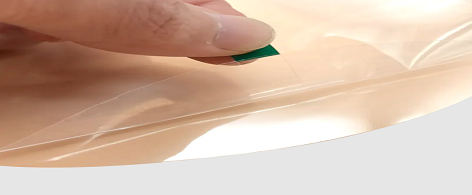
In the 2026 global landscape of carbon neutrality and sustainable packaging, the manufacturing sector is facing unprecedented environmental regulatory pressure. For the surface protection of aluminum profiles, stainless steel sheets, plastic panels, and electronic components, the choice of protective film is no longer just about performance—it is about the environmental footprint. The rise of Co-extruded Self-Adhesive Protective Film is regarded as a “green revolution” in surface protection technology. Compared to traditional coated adhesive films, it not only solves the pain point of adhesive residue but also demonstrates significant environmental advantages in Life Cycle Assessments (LCA).
To understand why co-extruded film is more eco-friendly, one must first compare the fundamental differences in the production processes between co-extrusion and traditional adhesive coating. This technical disparity directly determines energy consumption and pollutant emissions during manufacturing.
Traditional protective film production typically occurs in two independent stages. First, the PE substrate is produced via film blowing or cast extrusion; then, a layer of liquid adhesive (usually acrylic or rubber-based) is coated onto the surface.
In contrast, Co-extruded Self-Adhesive Protective Film utilizes an integrated molding process. Through multi-layer co-extrusion equipment, the protective layer (usually PE) and the functional self-adhesive layer (special elastomers) are melted and extruded simultaneously.
In a circular economy, the recyclability of a material depends on its chemical purity. Traditional adhesive protective films, due to their complex material composition, often become the “black sheep” of the recycling chain.
In the recycling sector, “mono-material” status is the key to improving recycling quality. Traditional protective films consist of a plastic substrate and a chemically distinct adhesive layer. This mixture causes severe “cross-contamination” during the recycling and pelletizing process, resulting in low-quality recycled resin that is often unusable, eventually ending up in landfills or incinerators.
Co-extruded Self-Adhesive Protective Film is essentially a mono-material product. Although it consists of multiple layers, it contains no chemical glues, and all layers typically belong to the polyolefin family (PE or PP).
The following table compares co-extruded film and traditional coated film across environmental metrics and performance dimensions, serving as a vital reference for engineering selection.
| Metrics | Traditional Coated Film | Co-extruded Self-Adhesive Film |
|---|---|---|
| VOC Emissions | High (Solvent-based glues) | Zero (Solvent-free green process) |
| Manufacturing Steps | Two-stage (Extrusion + Coating) | One-stage (Multi-layer Co-extrusion) |
| Recyclability | Difficult (Multi-material composite) | Excellent (Mono-polyolefin material) |
| Energy Footprint | High (Requires large drying ovens) | Low (Single-pass extrusion molding) |
| Chemical Residue Risk | High (Adhesive migration or ghosting) | Extremely Low (Mechanical bonding) |
| Weather Resistance | Adhesive degrades under heat/UV | Stable structure, long-term protection |
Eco-friendliness refers not only to the product itself but also to how it reduces waste in the downstream life cycle. The fundamental task of a protective film is to protect the surface; co-extruded film contributes to carbon reduction indirectly by lowering the “rejection rate.”
In the manufacturing of stainless steel, high-end panels, or consumer electronics, the most severe resource waste is the scrapping of finished goods. Traditional adhesive films may leave “ghosting” residues or chemical corrosion marks due to poor chemical stability, especially after long-term storage or high-temperature processing.
Co-extrusion technology allows for micron-level precision control over the thickness of each layer. By optimizing formulas, manufacturers can reduce the total thickness of the film while maintaining the same puncture resistance and protection performance. This “lightweighting” strategy directly reduces the consumption of virgin plastic resin, lowering the carbon density per unit value from the source.
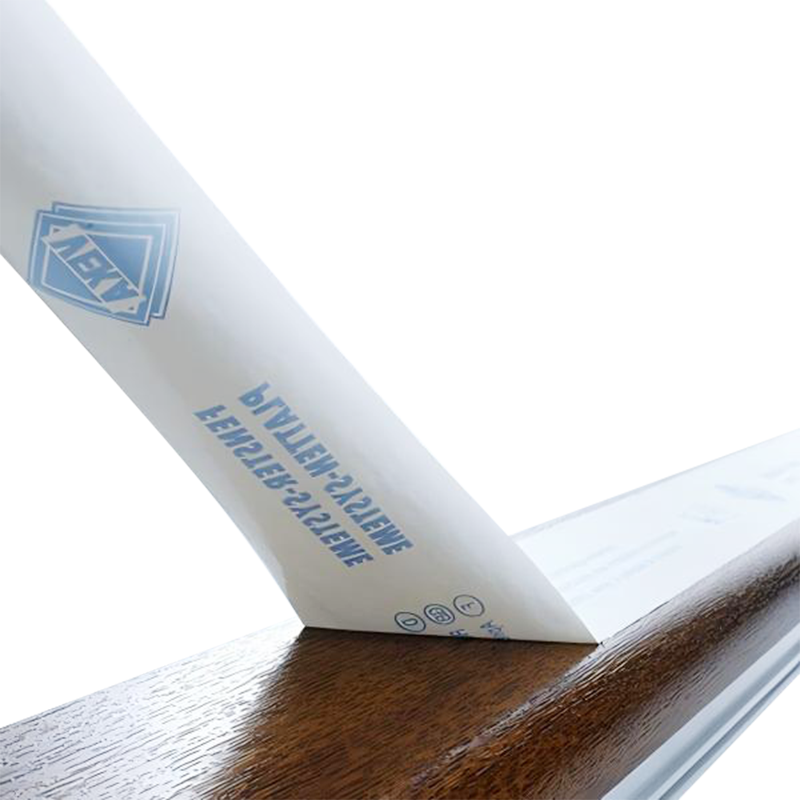
● Good weatherability for outdoor exposure; ● Stable adhesion level; ● UV resistance for up to 12 months; ● Can print customized logo or application i...
See Details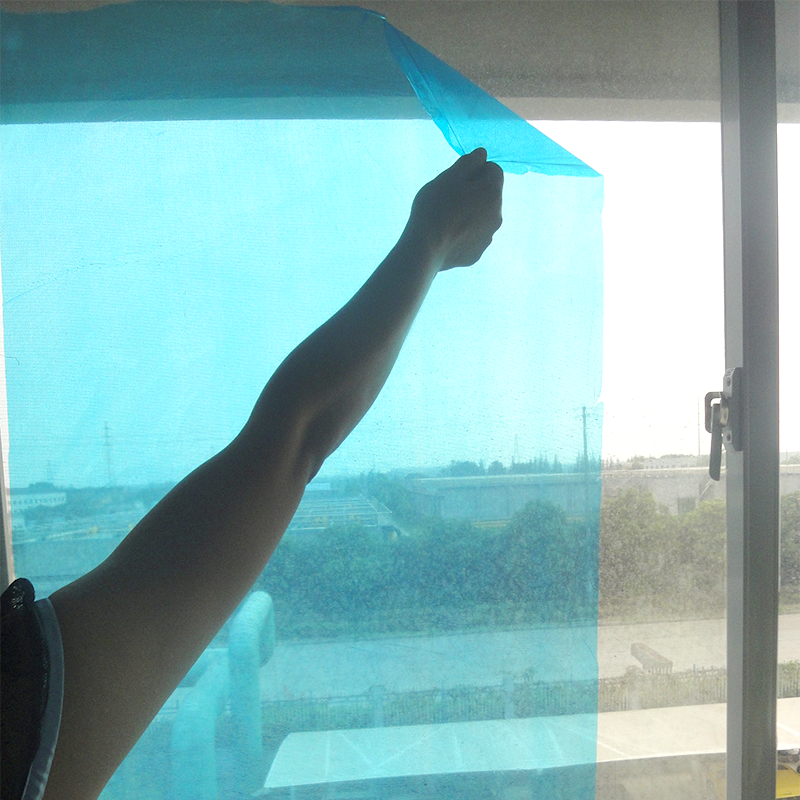
● Protect window glass against paint splatters, dirt, staining, and spillages during painting, building, plastering, tiling, general maintenance and r...
See Details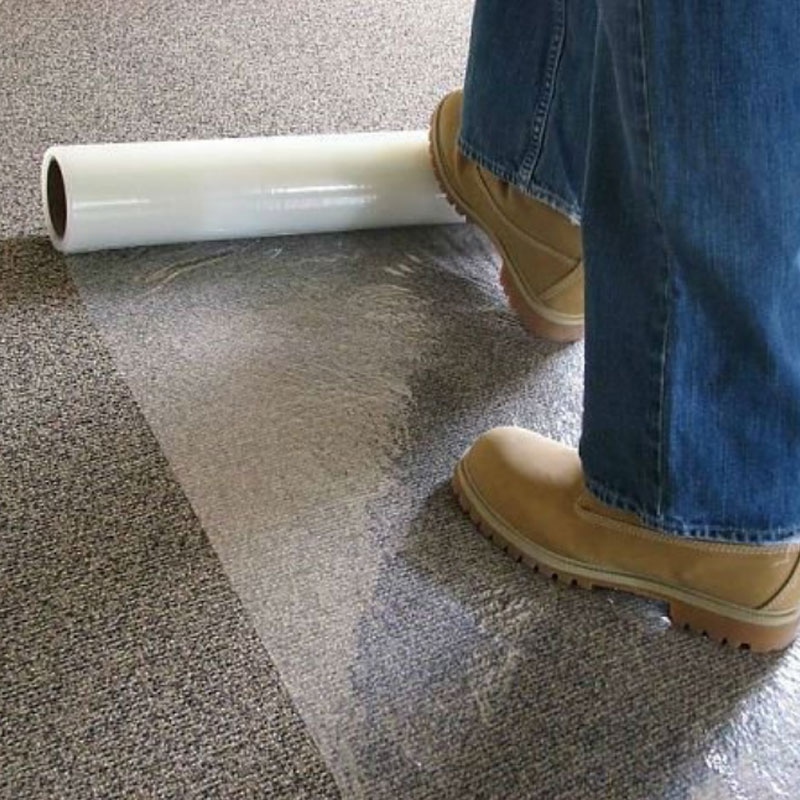
● Protects carpet against staining, paint spillage and dirt during painting, building, remodeling, plastering, tiling, decoration, general maintenance...
See Details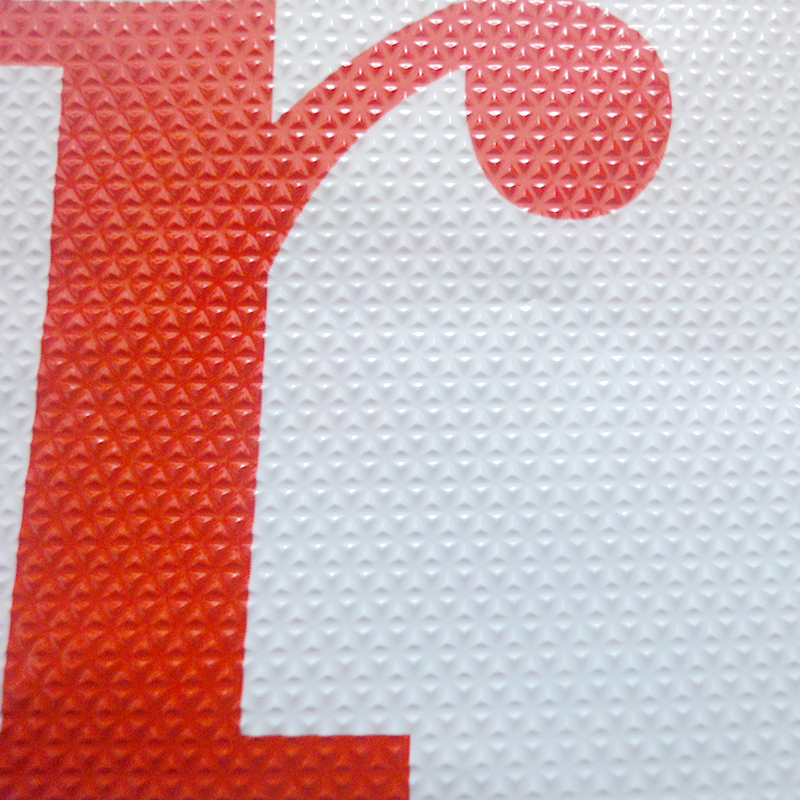
● Anti-slip; ● Embossed film surface to guarantee trip safety;● Tough puncture-resistant polyethylene film;● Can be coated with or without adhesive;● ...
See Details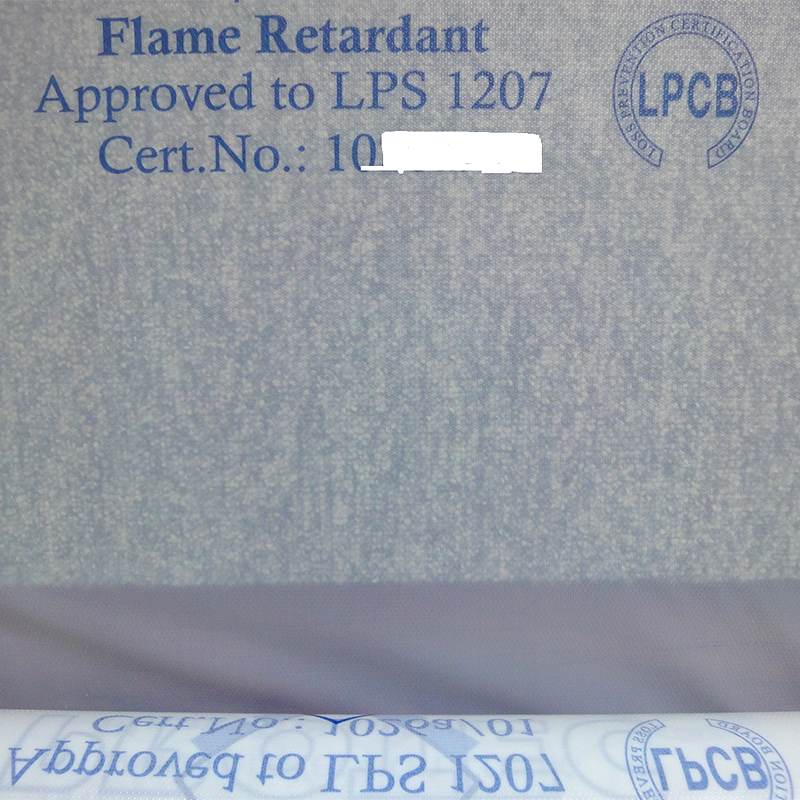
● Prevents costly damages in case of fire /flame;● Meet the strict international test standards of loss prevention; ● Extensive selection for flame re...
See Details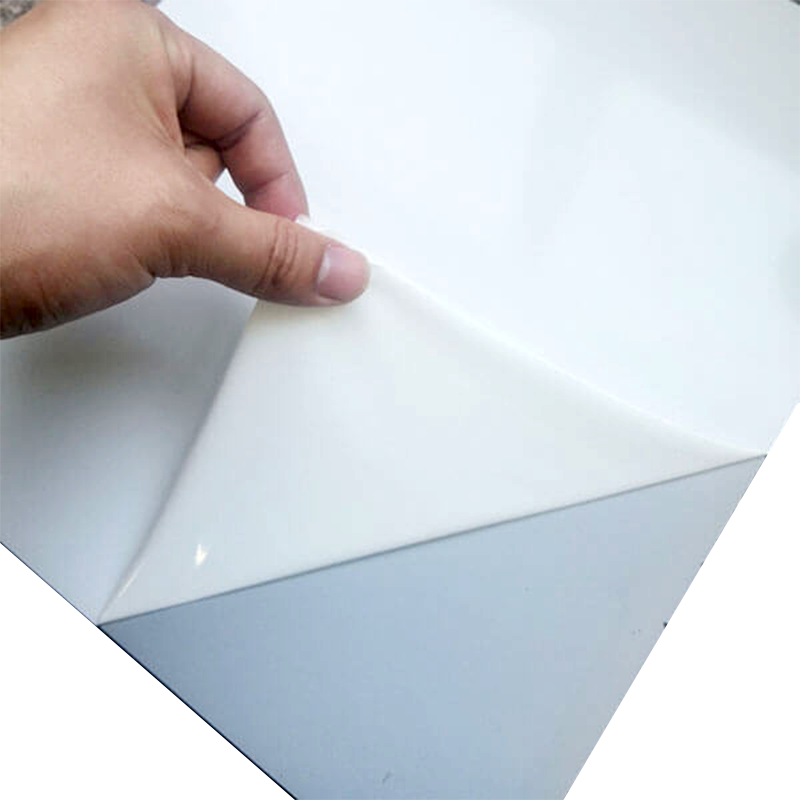
● The super tough polyethylene film with super high adhesion can stop parts of the glass or mirror from splintering away and injuring people when it i...
See Details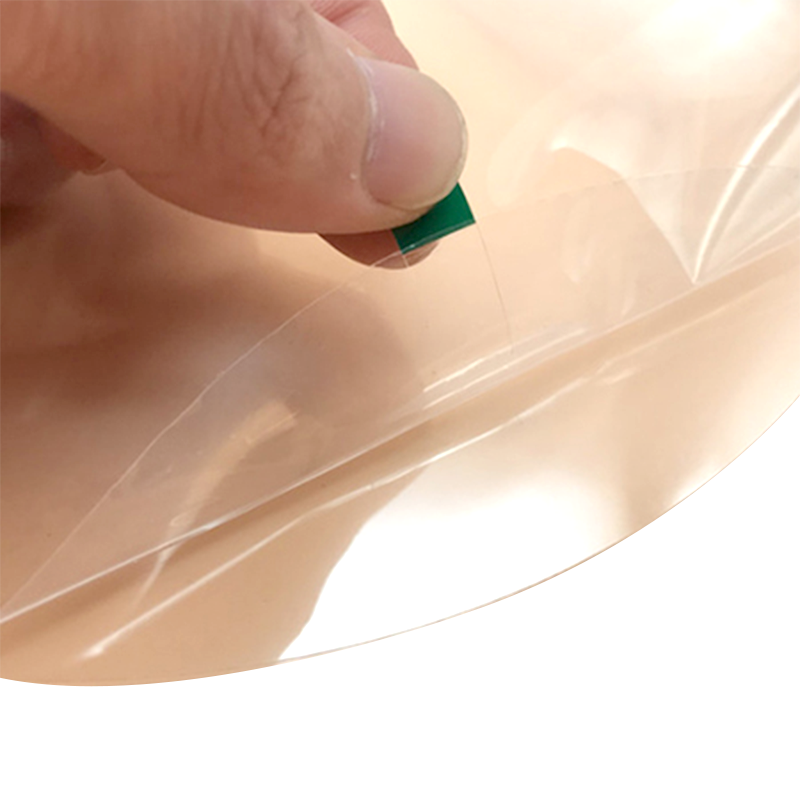
● Suitable for plastic sheets’ drilling, cutting, routing, thermoforming, bending, or post-fabrication operations;● No “ghost shadow” or “fish eye” af...
See Details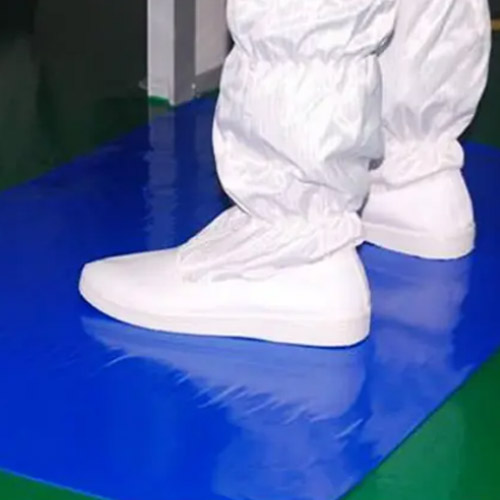
● Options for either 30 or 60 layers per mat; can be packed with four mats, eight mats, or ten mats per carton;● Remove dirt effect: ≥99.9% (5 steps);...
See Details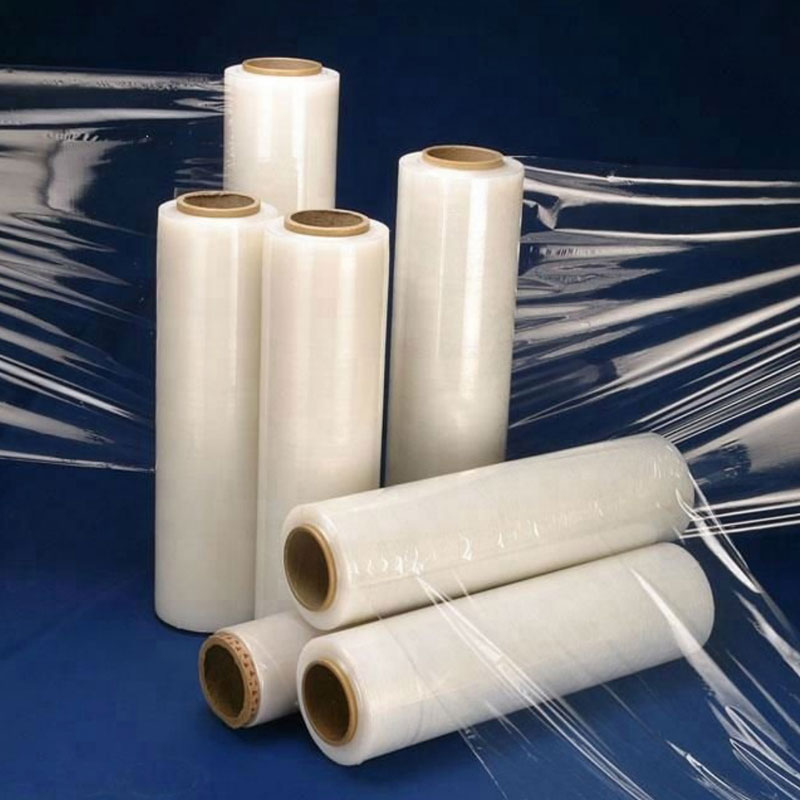
● Small roll size for convenient manual application;● Excellent puncture and tear resistance ; ● A self-adhering-each layer of film bonds to the next ...
See Details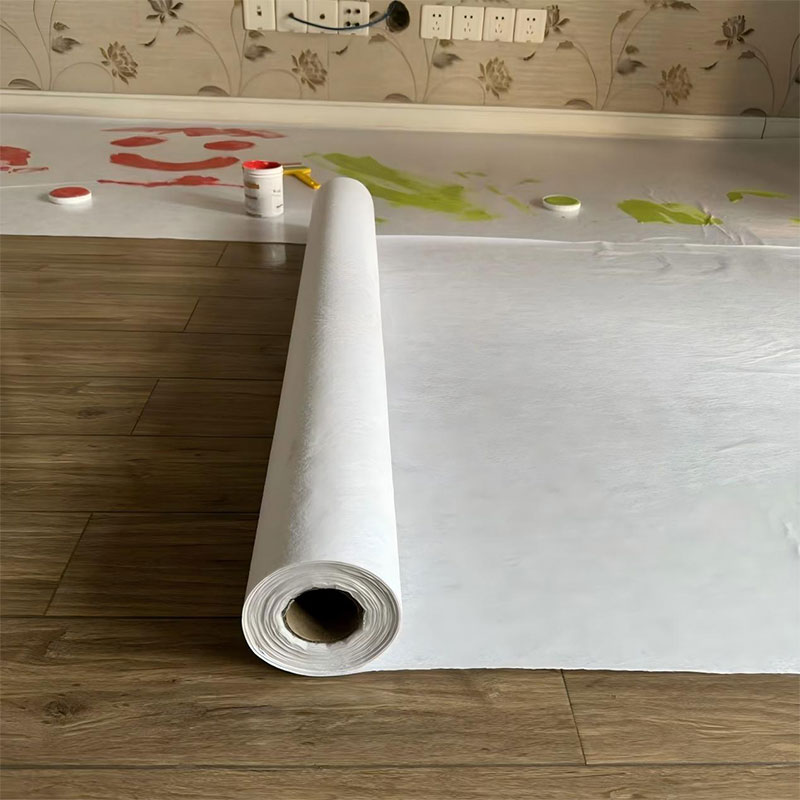
This product has non-woven synthetic fleece in middle; PE film adhered onto top of the non-woven fabric, which is coated with self adhesive glue on it...
See DetailsWe’re a reliable partner that shapes our expertise into success for your project.

Copyright 2024 Wuxi Qida Tape Co., Ltd. All Rights Reserved
 Wholesale Protective Film/Foil Manufacturers
Privacy
Wholesale Protective Film/Foil Manufacturers
Privacy