

 English
 English
 русский
 Français
 Español
 Português
 عربى
عربى
Cat:Glue -coated Protective Film
● No “ghost shadow” or “fish eye” after removal; ● Low gel content, soft and stable adhesion plus easy-peel removal with no surface damage or curling;...
See Details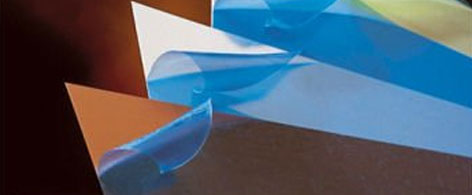
In any large-scale construction or renovation project, the flooring is often the most expensive and most vulnerable element. High-traffic construction sites—where contractors, heavy equipment, and volatile materials are in constant motion—require more than just a simple cover. The use of Anti-slip Surface Protection Fleece has become an industry standard for professionals who prioritize safety and floor integrity.
Safety is the cornerstone of any professional construction site. According to global occupational health and safety statistics, slips and trips account for a significant percentage of workplace injuries. In a high-traffic zone, traditional materials like plastic sheeting or cardboard fail to provide the necessary traction.
Modern Anti-slip Surface Protection Fleece is engineered with a specialized bottom layer, often featuring a self-adhesive coating or a high-friction “tack” surface. This ensures that the fleece remains firmly anchored to the substrate, whether it is polished marble, hardwood, or industrial concrete. Unlike loose plastic, which can bunch up and create tripping hazards, a professional-grade fleece creates a flat, secure walking surface.
The term “High-Traction Floor Protection” is a major search driver for B2B buyers. A high friction coefficient allows workers to carry heavy tools and equipment, such as Power Cord reels or bulky Hot Plates, without fear of losing their footing. This stability directly translates to higher productivity, as workers can move faster and more confidently across the site. Furthermore, the “cushion” effect of the fleece reduces worker fatigue during long shifts on hard surfaces.
In high-traffic environments, the floor is subjected to constant mechanical stress. Dropped tools, moving scaffolding, and the heavy footfall of workers wearing steel-toed boots can cause structural damage that is difficult and expensive to fix.
A high-quality Heavy-duty Surface Protection Fleece acts as a shock absorber. When a heavy object, such as a Magnesium Anode Rod or a metal wrench, is accidentally dropped, the dense felt fibers of the fleece dissipate the energy of the impact. This prevents the “star-cracks” common in ceramic tiles and the deep indentations often seen in softwoods like pine or oak.
On sites where large appliances like Electrical Water Heaters are being moved into position, the pressure exerted on a single point can be immense. Using a non-woven protection fleece helps distribute the load of pallet jacks and trolleys across a wider surface area. This is particularly crucial when working on “floating” floors or newly laid screed that has not yet reached its full compressive strength.
When optimizing for Semrush, it is essential to target “versus” keywords. Many contractors still rely on outdated materials like corrugated cardboard or poly-sheeting. The following table highlights why professional fleece is the superior investment for modern sites.
| Feature | Anti-slip Protection Fleece | Corrugated Cardboard | Standard Plastic Film |
|---|---|---|---|
| Slip Resistance | Excellent (Adhesive Backing) | Poor (Slides easily) | Dangerous (Slippery when wet) |
| Impact Protection | High (Multi-layer felt) | Medium (Crattens easily) | Low (Zero padding) |
| Breathability | Yes (Vapor permeable) | No | No (Causes condensation) |
| Liquid Barrier | Yes (Laminated top) | No (Soaks through) | Yes |
| Reusability | Yes (Durable) | No (One-time use) | Minimal |
One of the most searched technical terms in floor protection is “Breathable Floor Protection.” Freshly laid floors, especially those treated with oils, waxes, or screeds, release moisture vapors during the curing process. If you seal these floors with plastic, the trapped moisture can cause “bloom,” rot, or warping. A high-end protection fleece allows these vapors to escape while preventing liquid spills from the top from penetrating the floor.
For a company like CN-FPDQ, which supplies essential components like Heating Elements and Power Strips, recommending or providing surface protection solutions adds a layer of professional value to your service.
B2B clients value contractors who respect the job site. When an installation team arrives to install a Water Heater Heating Element and immediately lays down a clean, branded Surface Protection Fleece, it reinforces a message of quality and care. It prevents “collateral damage” claims, which can erode profit margins and damage a company’s reputation.
The final stage of any high-traffic project is the cleanup. Traditional protection methods often leave debris or sticky tape residue. Professional fleece is designed for “Clean Removal.” Once the project is complete, the fleece can be rolled up quickly, often taking the construction dust and grit with it, leaving a pristine floor underneath. This reduces labor hours in the final “sparkle clean” phase, making the project more profitable.
Q: Is Anti-slip Surface Protection Fleece safe for use on all types of stone?
A: Most professional fleeces are safe for stone. However, for natural, unsealed stones like limestone or certain marbles, we recommend using a “vapor-transmitting” fleece to ensure no moisture is trapped, which could cause discoloration.
Q: Can I reuse the fleece on multiple construction sites?
A: Yes, if the fleece has not been heavily soiled with paints or chemicals, it can be vacuumed, rolled up, and transported to the next site. This makes it a more sustainable and cost-effective option than cardboard.
Q: Does the fleece work on stairs?
A: Absolutely. The self-adhesive nature of the anti-slip backing makes it ideal for wrapping around stair treads and risers, providing a secure grip where safety is most critical.
Q: How does it handle liquid spills like oil or paint?
A: Most premium fleeces feature a dual-layer design. The top layer is absorbent, while the middle or bottom layer is a liquid-proof membrane that prevents fluids from reaching the floor.
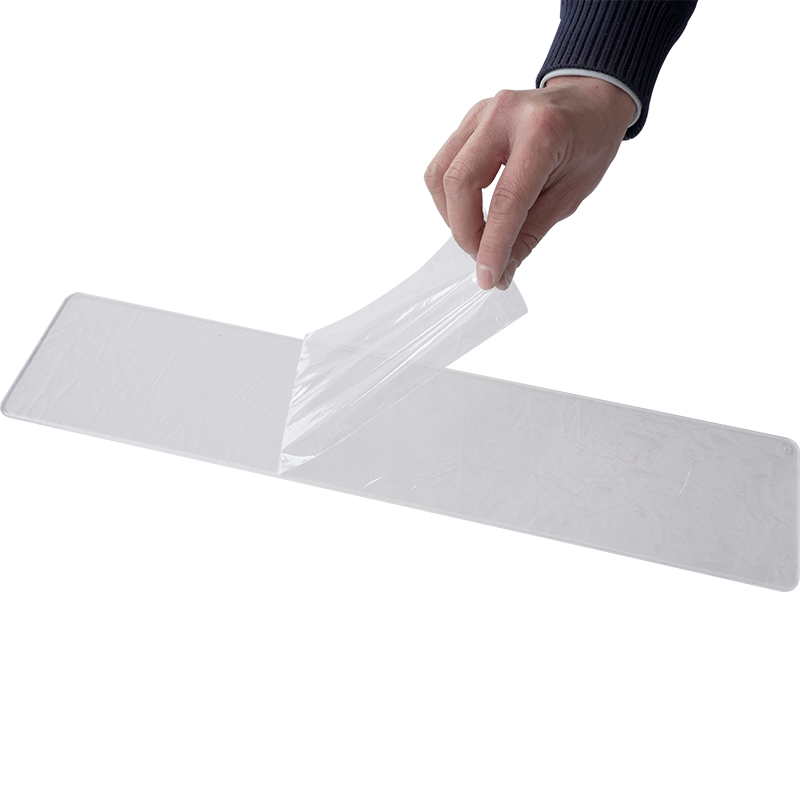
● No “ghost shadow” or “fish eye” after removal; ● Low gel content, soft and stable adhesion plus easy-peel removal with no surface damage or curling;...
See Details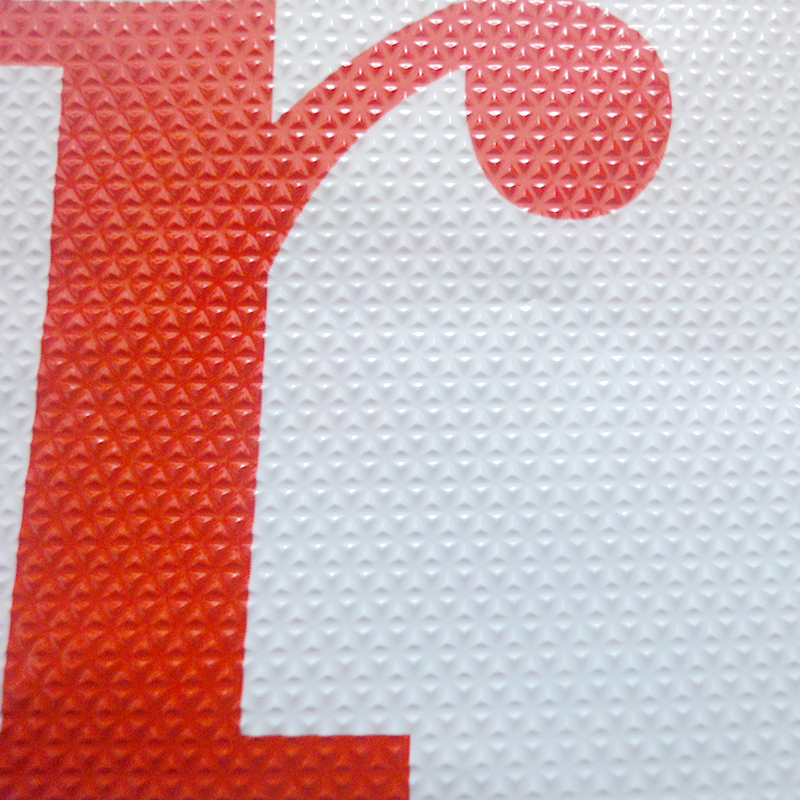
● Anti-slip; ● Embossed film surface to guarantee trip safety;● Tough puncture-resistant polyethylene film;● Can be coated with or without adhesive;● ...
See Details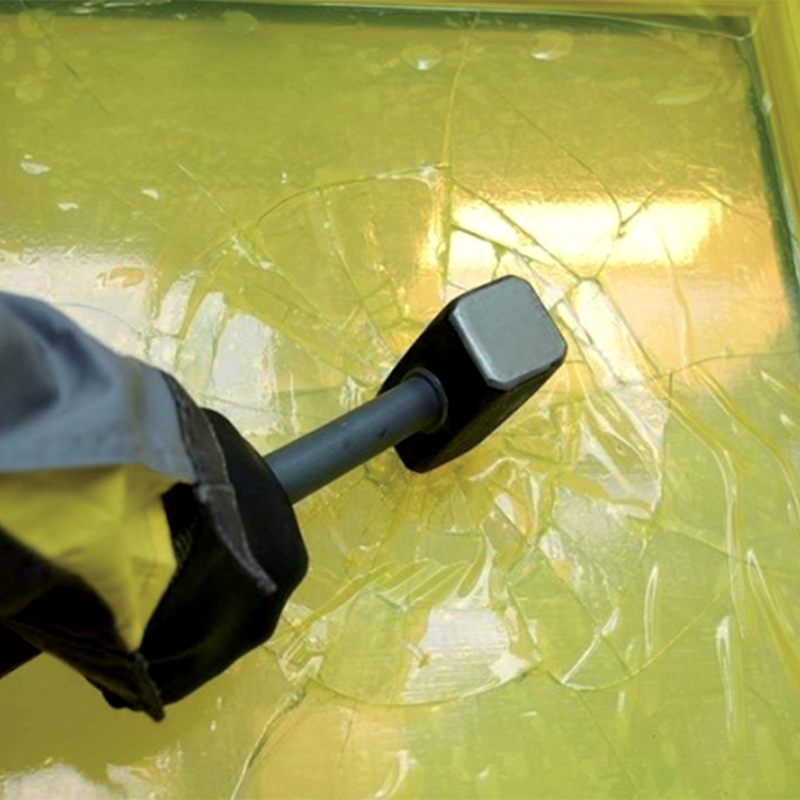
● The super tough polyethylene film with super high adhesion can stop the glass splitting and falling off during window glass demolition process;● Non...
See Details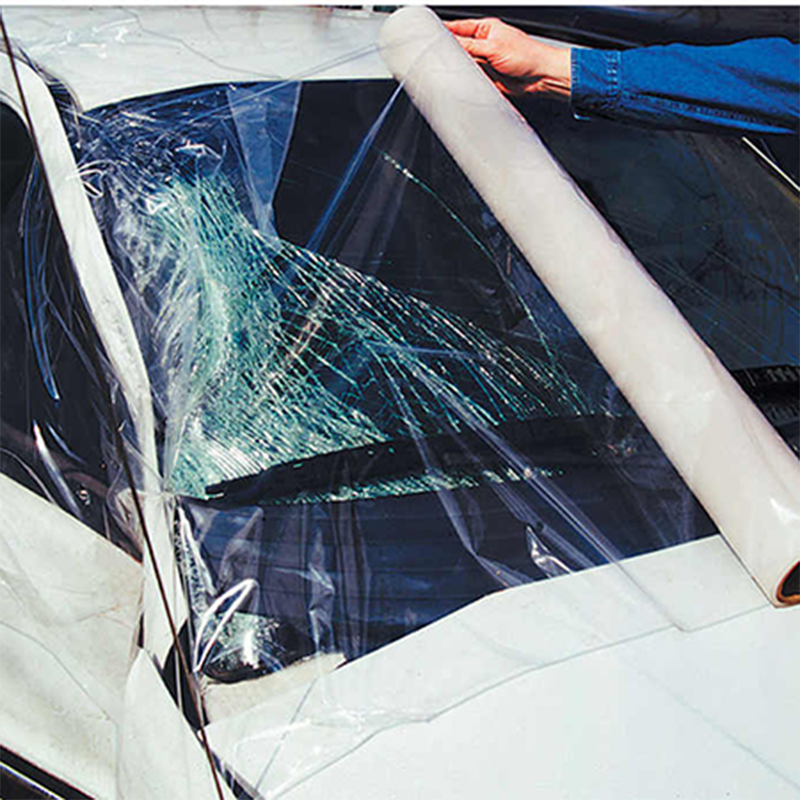
● The super-tough polyethylene film resists puncture and penetration by rain, snow, debris, and dirt during the transportation and storage of the cras...
See Details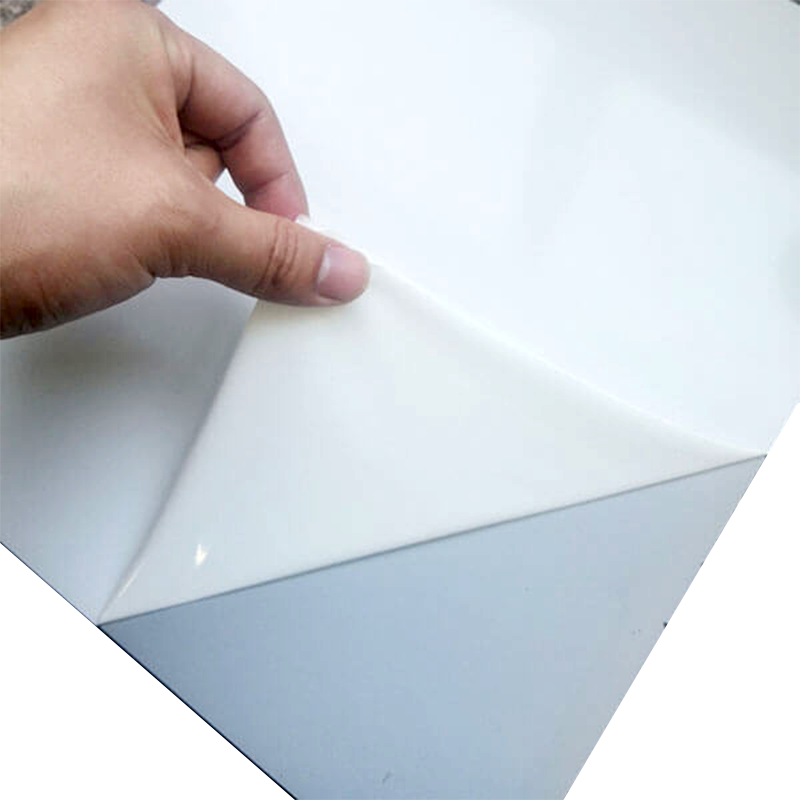
● The super tough polyethylene film with super high adhesion can stop parts of the glass or mirror from splintering away and injuring people when it i...
See Details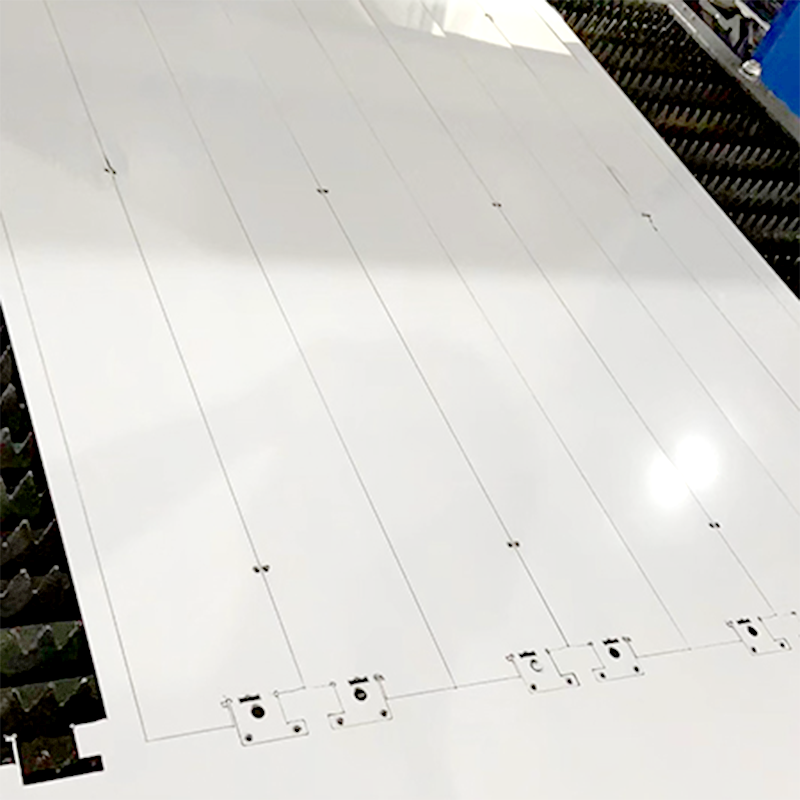
● The specially formulated natural rubber adhesive suitable for both CO2 and Fiber laser cutting processes;● High cutting quality without burr or trac...
See Details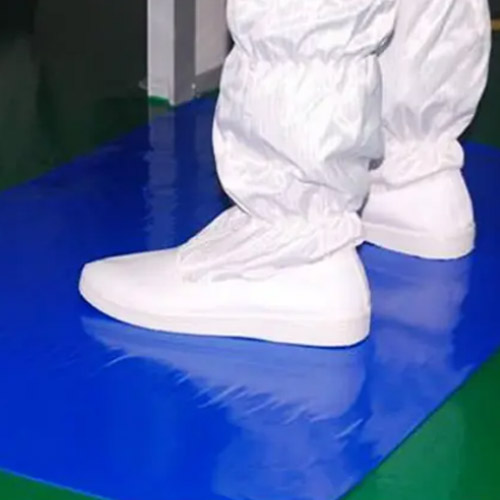
● Options for either 30 or 60 layers per mat; can be packed with four mats, eight mats, or ten mats per carton;● Remove dirt effect: ≥99.9% (5 steps);...
See Details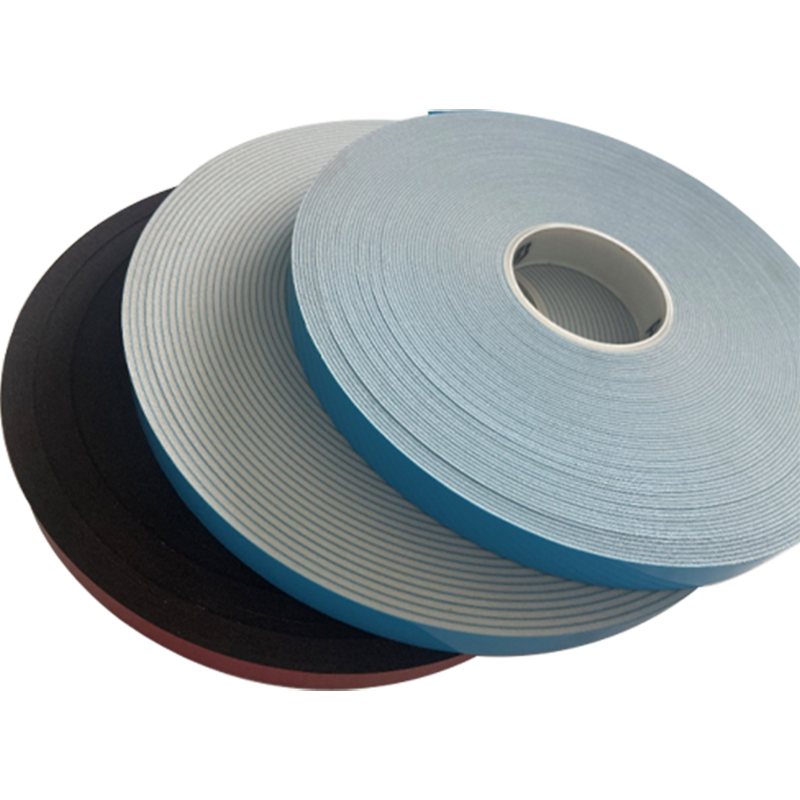
● Waterproof - the desirable material for waterproofing. ● Dust-proof - positive performance of dust prevention.● Low resilience - prevent the deforma...
See Details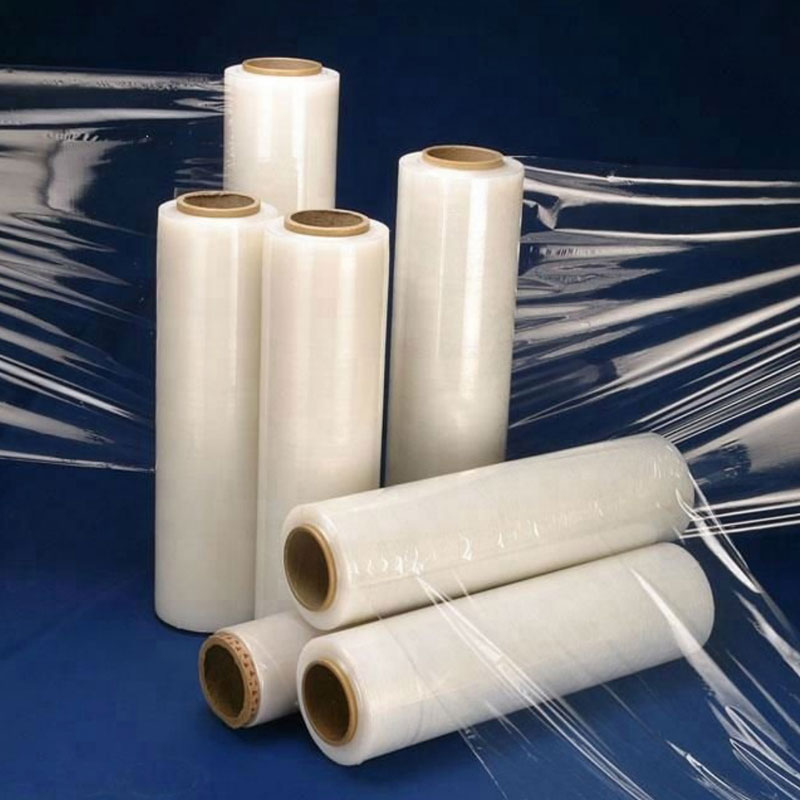
● Small roll size for convenient manual application;● Excellent puncture and tear resistance ; ● A self-adhering-each layer of film bonds to the next ...
See Details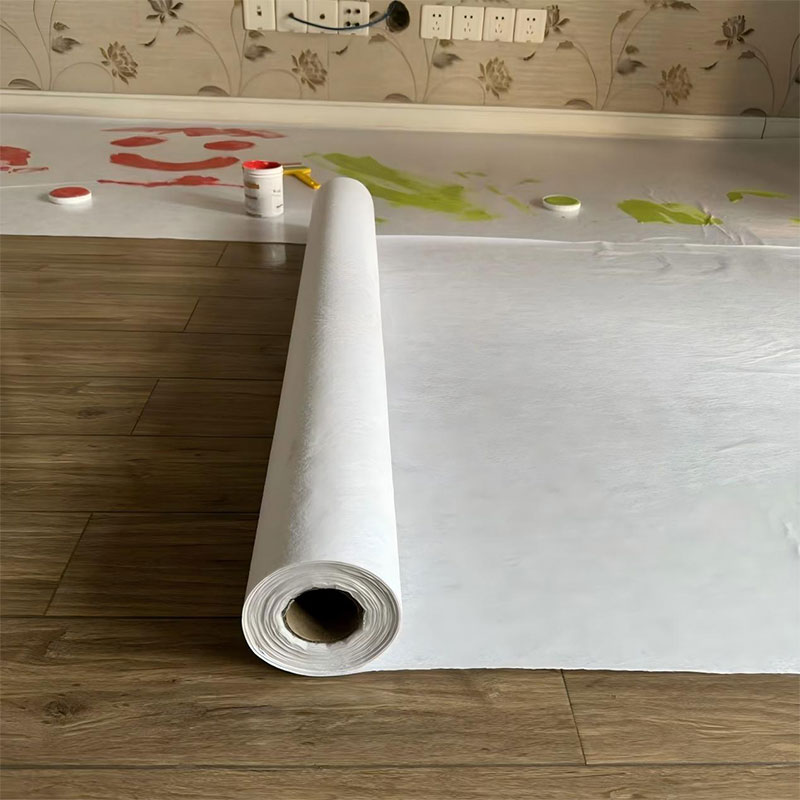
This product has non-woven synthetic fleece in middle; PE film adhered onto top of the non-woven fabric, which is coated with self adhesive glue on it...
See DetailsWe’re a reliable partner that shapes our expertise into success for your project.

Copyright 2024 Wuxi Qida Tape Co., Ltd. All Rights Reserved
 Wholesale Protective Film/Foil Manufacturers
Privacy
Wholesale Protective Film/Foil Manufacturers
Privacy