

 English
 English
 русский
 Français
 Español
 Português
 عربى
عربى
Cat:Glue -coated Protective Film
● No “ghost shadow” or “fish eye” after removal; ● Stable adhesion level; ● UV resistance for up to 6 months; ● Can print customized logo or applicati...
See Details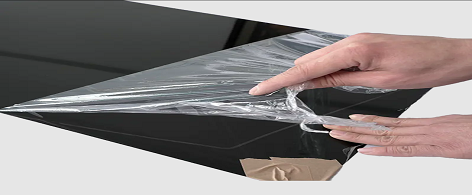
In the industrial manufacturing sector, surface protection is not a “one-size-fits-all” solution. The choice between Acrylic and Silicone adhesive for your Glue-coated Protective Film can determine the success of your entire production line. Whether you are protecting the polished stainless steel of a Hot Plate or the sensitive glass of an electronic display, understanding the chemical interaction between the adhesive and the substrate is paramount.
Acrylic adhesive protective film is the workhorse of the surface protection industry. Known in technical circles as pressure-sensitive adhesive (PSA) film, it is formulated by polymerizing acrylic monomers. This type of film is predominantly used in industries where cost-efficiency and high initial “grab” are required.
Acrylic-based films are favored for their versatility. They offer a wide range of adhesion levels, from “Ultra-Low” for glass to “Extra-High” for textured plastics. For companies manufacturing Water Heaters or Electrical Components, acrylic films provide a robust shield against abrasions during metal stamping and hydraulic pressing.
The primary challenge with acrylic is “Adhesion Build.” This is a phenomenon where the bond strength increases over time or under heat. If an acrylic film is left on a Heating Element housing for too long, the removal force required may double, potentially leaving “ghosting” or adhesive residue on the surface.
When precision and extreme performance are required, Silicone glue-coated protective film is the premium alternative. While the price per square meter is higher, the physical properties of silicone are unmatched in high-tech and high-heat environments.
Silicone adhesives are made from inorganic silicone polymers. Unlike acrylic, which “wets” the surface by flowing into microscopic crevices, silicone relies on a unique molecular structure that provides a stable, gentle grip. This makes it the “gold standard” for sensitive surfaces that cannot tolerate any chemical migration.
To help your engineering team select the right surface protection solution, we have summarized the key performance metrics in the table below. Choosing the right film can prevent the costly “re-work” associated with cleaning adhesive residue.
| Feature | Acrylic Adhesive Film | Silicone Adhesive Film |
|---|---|---|
| Initial Tack | Very High (Aggressive) | Low to Medium (Gentle) |
| Heat Resistance | Up to 80°C - 100°C | Up to 200°C - 250°C |
| Adhesion Build | High (Gets stronger over time) | Negligible (Stays consistent) |
| Residue Risk | Moderate (if over-exposed) | Extremely Low |
| Primary Substrates | PVC, Aluminum, Stainless Steel | Glass, PC, Optical Films, PCB |
| Relative Cost | Economy / Mid-range | Premium |
For a manufacturer like CN-FPDQ, the choice often comes down to the specific product line.
For Power Strips and Extension Cord housings made of ABS or Polycarbonate, Acrylic Glue-coated Protective Film is usually sufficient. It protects the plastic from scratches during assembly and bulk packaging. Since these products aren’t typically exposed to high heat during the manufacturing process, the risk of adhesive transfer is minimal.
If you are manufacturing Magnesium Anode Rods or the stainless steel flanges of an Immersion Water Heater, the environment changes. During the welding or assembly of these heating components, ambient temperatures can rise. In these scenarios, a High-Heat Acrylic or even a Silicone-based film is recommended to ensure that the heat doesn’t fuse the plastic film to the metal surface, which could lead to customer complaints about “unpeelable” plastic.
Regardless of the adhesive type, we always recommend a “Peel Strength Test” on your specific substrate. Surface energy varies between different batches of stainless steel or plastic; a “Medium Tack” film on one surface might act like “High Tack” on another.
Q: How do I prevent adhesive residue from a glue-coated protective film?
A: The best way is to match the adhesive to the surface energy. Also, avoid storing filmed products in direct sunlight or high-temperature warehouses, as this accelerates the chemical bonding of the glue to the surface.
Q: Can I use silicone-coated film on a product that will be painted?
A: Be cautious. Silicone is a “release agent.” If any silicone oil migrates to the surface, it can cause “fish-eyes” in the subsequent paint or coating layers. For products requiring post-paint, a high-quality cross-linked acrylic film is usually safer.
Q: Does thickness (microns) affect the adhesive performance?
A: Yes. Thicker films (e.g., 80-100 microns) provide better mechanical protection against impacts, but the adhesive layer must be thick enough to maintain contact with textured or uneven surfaces.
Q: What is the shelf life of these protective films?
A: Typically, 6 to 12 months. After this period, the adhesive may undergo chemical changes, making it harder to remove or causing it to lose its tackiness.
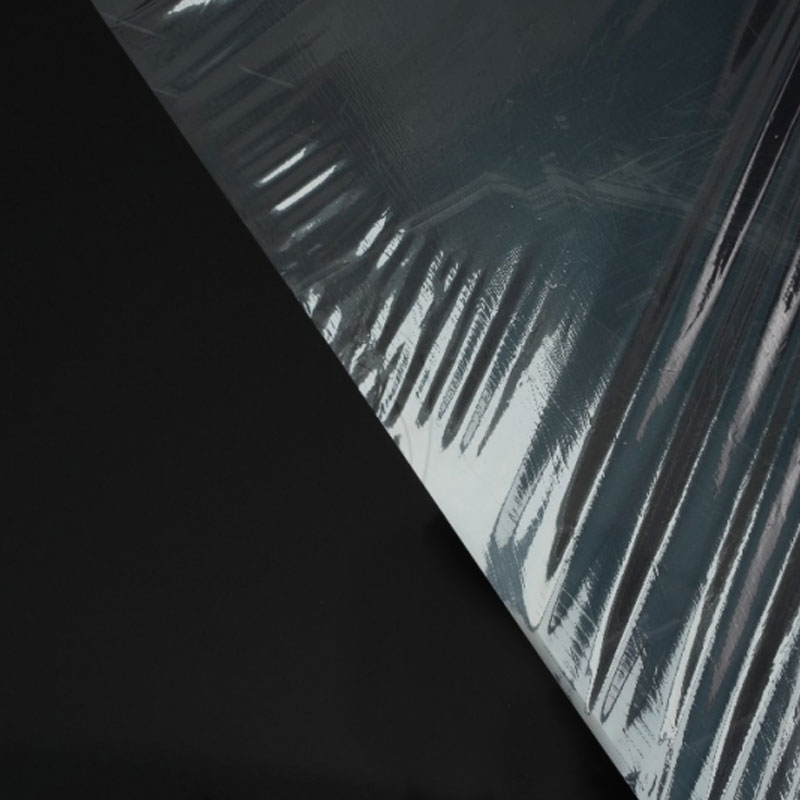
● No “ghost shadow” or “fish eye” after removal; ● Stable adhesion level; ● UV resistance for up to 6 months; ● Can print customized logo or applicati...
See Details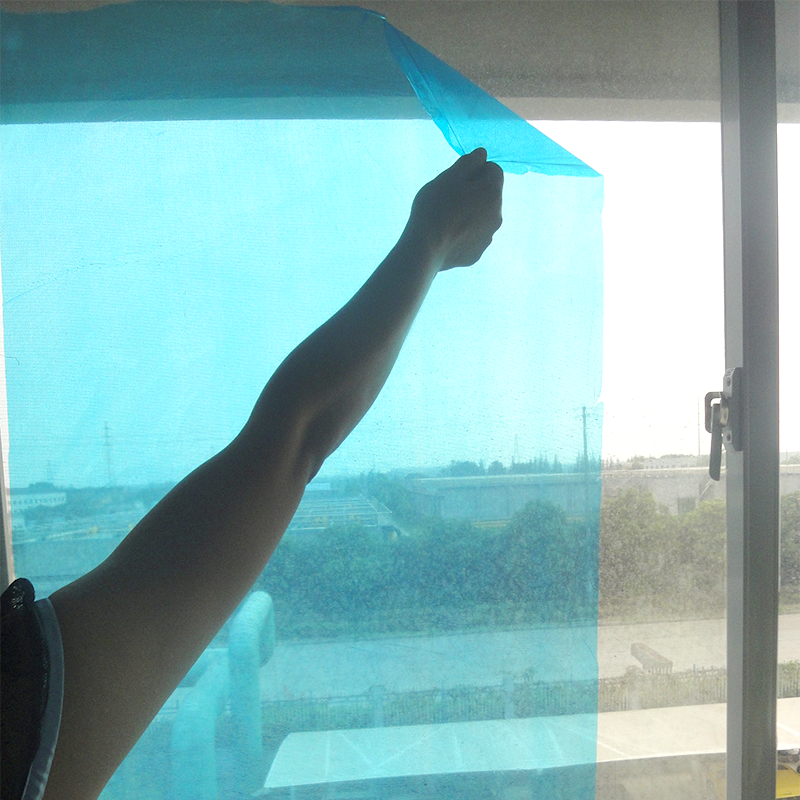
● Protect window glass against paint splatters, dirt, staining, and spillages during painting, building, plastering, tiling, general maintenance and r...
See Details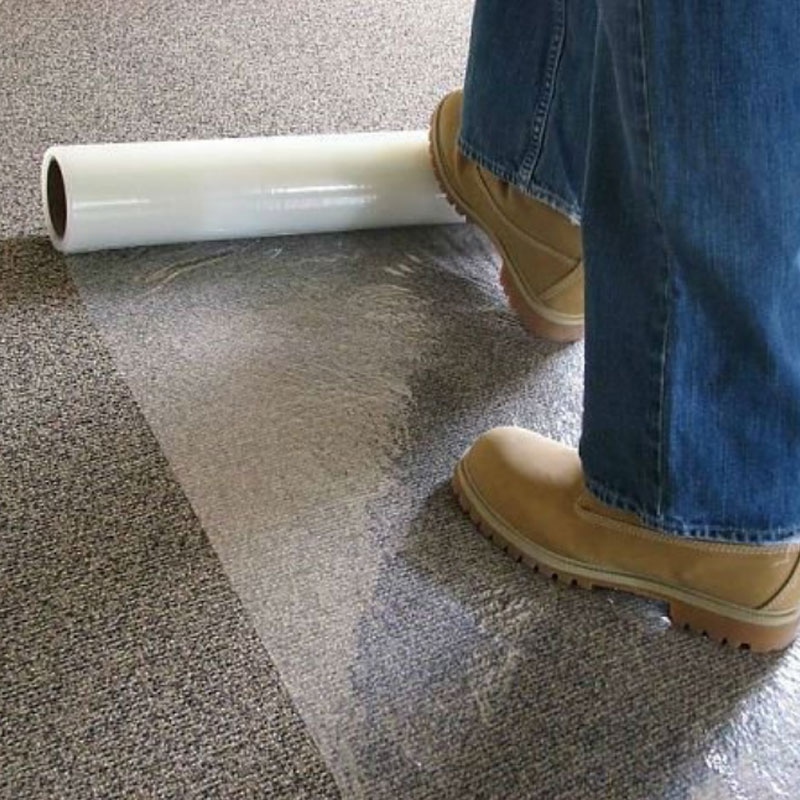
● Protects carpet against staining, paint spillage and dirt during painting, building, remodeling, plastering, tiling, decoration, general maintenance...
See Details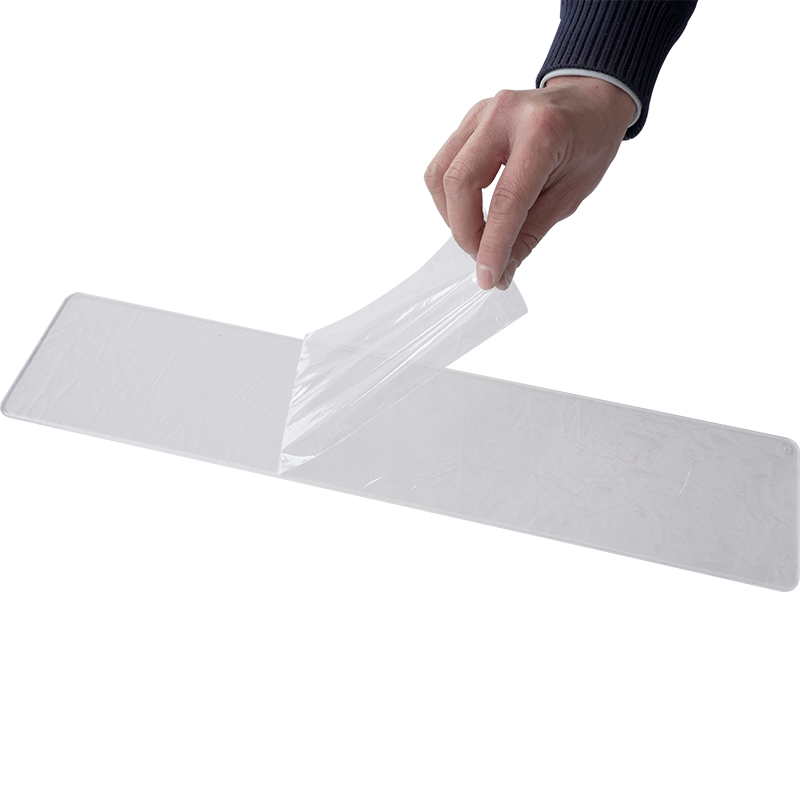
● No “ghost shadow” or “fish eye” after removal; ● Low gel content, soft and stable adhesion plus easy-peel removal with no surface damage or curling;...
See Details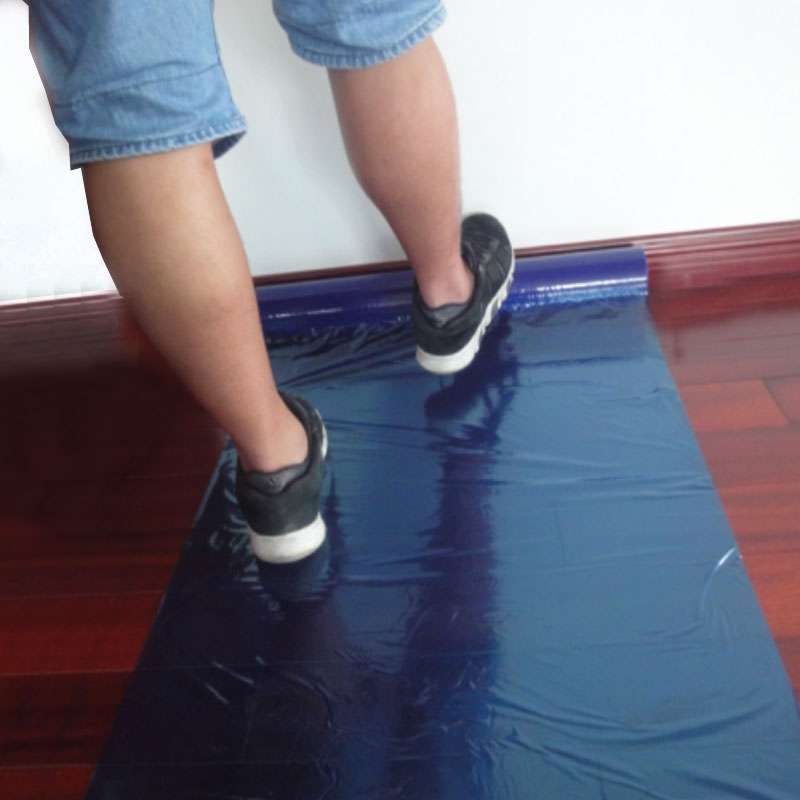
● Patented adhesive formula suits all hard surfaces such as hardwood floors, laminate floors, ceramic, marble, tile, granite, vinyl, worktops, and gla...
See Details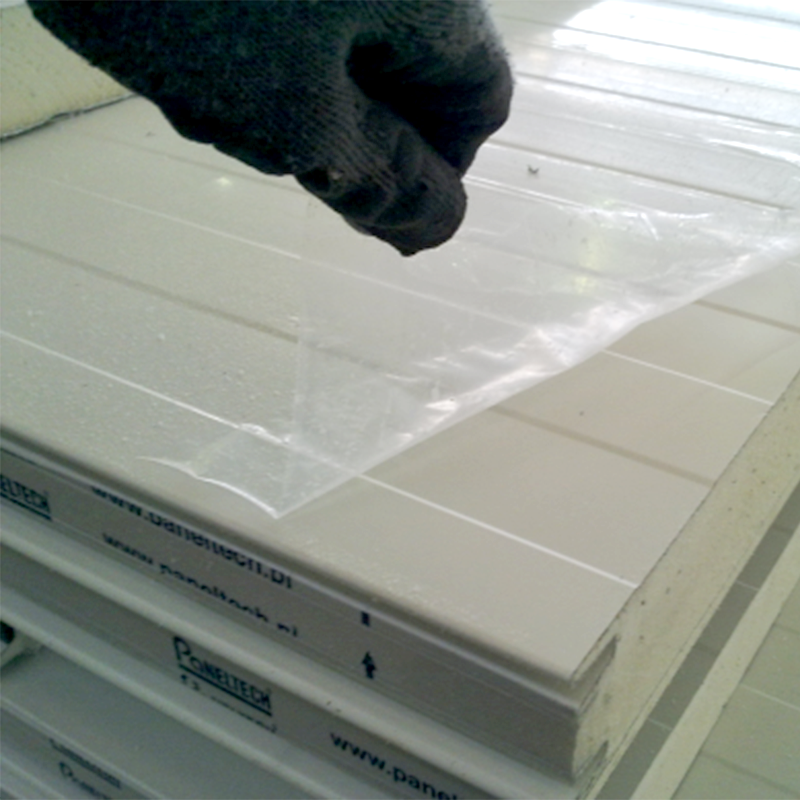
● The specially formulated adhesive ensures easy application and removal without leaving residue glue on the sandwich panels; ● The super-tough polyet...
See Details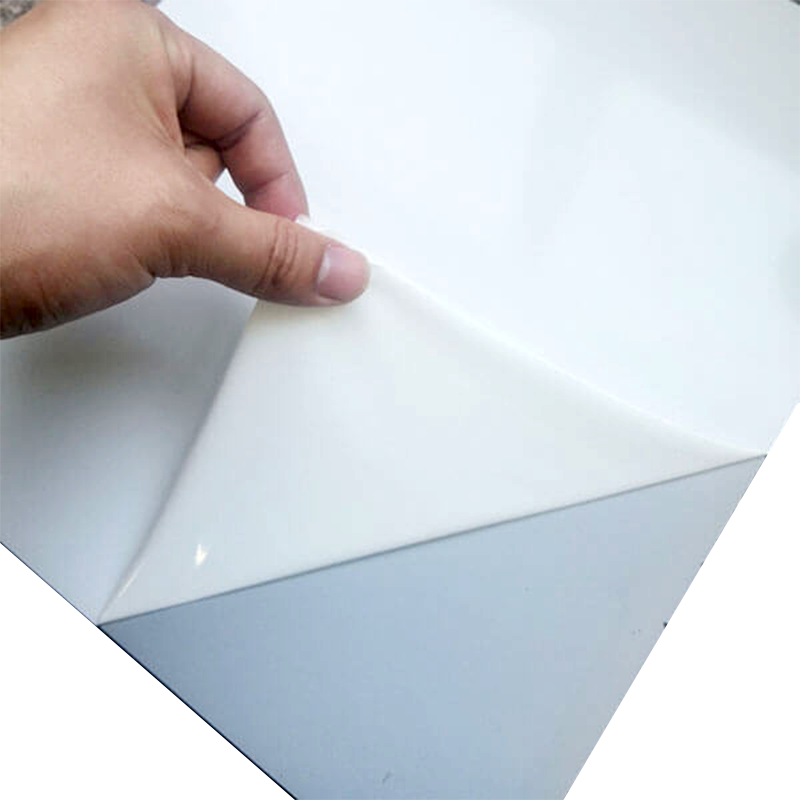
● The super tough polyethylene film with super high adhesion can stop parts of the glass or mirror from splintering away and injuring people when it i...
See Details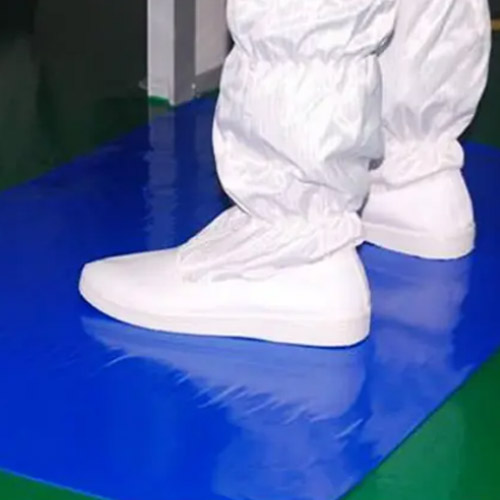
● Options for either 30 or 60 layers per mat; can be packed with four mats, eight mats, or ten mats per carton;● Remove dirt effect: ≥99.9% (5 steps);...
See Details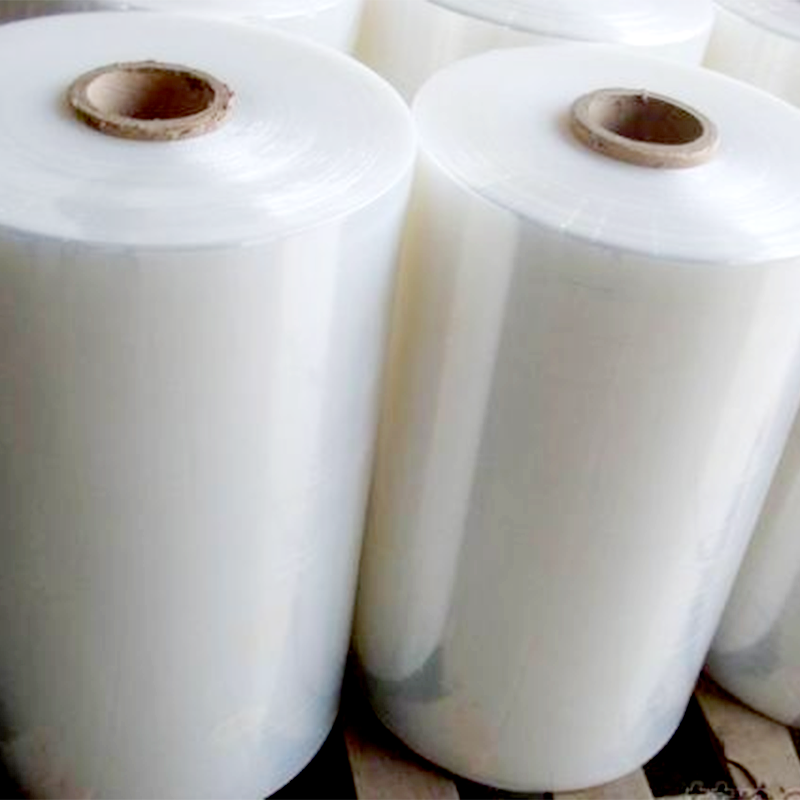
● Excellent puncture and tear resistance; ● Self-adhering-each layer of film bonds to the next for added strength; ● Big roll size to save cost and re...
See Details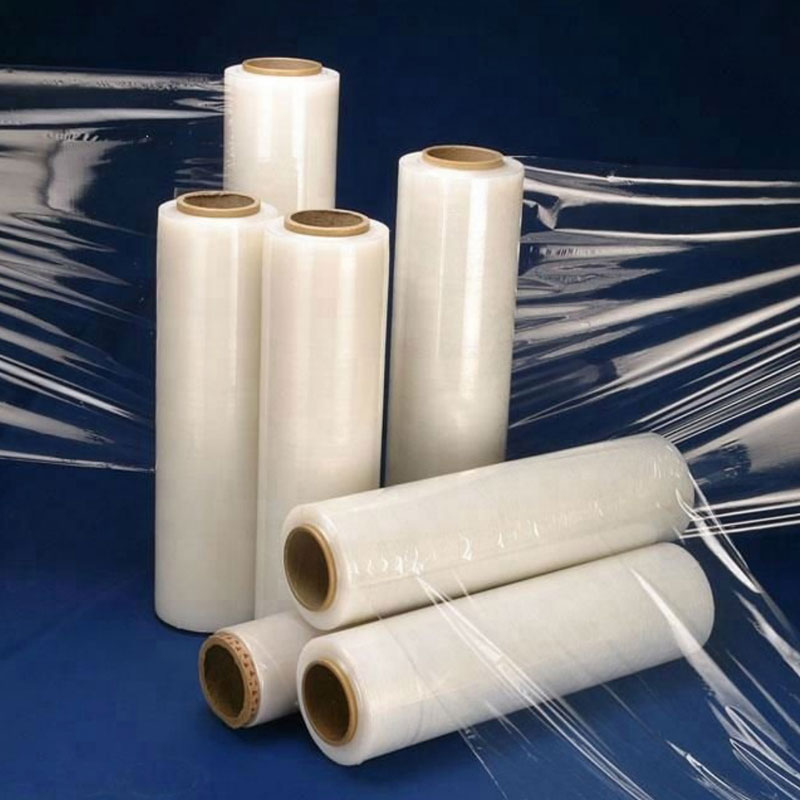
● Small roll size for convenient manual application;● Excellent puncture and tear resistance ; ● A self-adhering-each layer of film bonds to the next ...
See DetailsWe’re a reliable partner that shapes our expertise into success for your project.

Copyright 2024 Wuxi Qida Tape Co., Ltd. All Rights Reserved
 Wholesale Protective Film/Foil Manufacturers
Privacy
Wholesale Protective Film/Foil Manufacturers
Privacy