

 English
 English
 русский
 Français
 Español
 Português
 عربى
عربى
Cat:Glue -coated Protective Film
● Good weatherability for outdoor exposure; ● Stable adhesion level; ● UV resistance for up to 12 months; ● Can print customized logo or application i...
See Details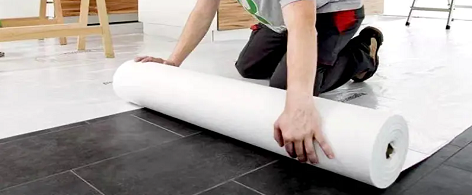
This is a critical question for contractors, site managers, and facility owners who need to balance safety with property protection. While many think of “felt” as a simple craft material, Standard Surface Protection Felt used in construction is a multi-layered engineering solution designed to mitigate the two biggest risks on a job site: liquid damage and slip-and-fall accidents.
When evaluating whether a surface protection felt is truly “waterproof,” it is essential to look at its cross-sectional composition. Standard felt by itself is absorbent; however, professional-grade construction felt is rarely a single-material product.
Most high-quality protection felts feature a PE (Polyethylene) film laminated to either the top or bottom surface. This film acts as a 100% liquid-proof membrane. In a construction setting, this is vital for:
A key feature of Standard Surface Protection Felt is its dual-action design. The top “fuzzy” felt layer is designed to absorb minor spills so they don’t puddle and create a slipping hazard, while the bottom waterproof layer ensures that those absorbed liquids never reach the finished floor.
Slips and falls are a leading cause of injury on construction sites. If a protection material slides across the floor like a rug, it becomes a liability rather than a safety feature.
The “non-slip” rating of standard surface protection felt usually refers to two different points of contact:
In commercial projects, “High-Traffic” means heavy carts, pallet jacks, and constant foot traffic. A non-slip felt must be able to withstand the shear force of a turning wheel without delaminating or sliding. This is why “Standard” protection is often categorized by weight (e.g., 300g/m² vs 500g/m²)—the heavier the felt, the better it stays in place.
A common technical challenge on construction sites is protecting a floor that is still “curing” (such as freshly poured concrete or newly finished wood).
While waterproof felt is excellent for existing floors, it can trap moisture under a newly finished surface, leading to discoloration or “blushing.”
| Feature | Performance Level | Technical Detail |
|---|---|---|
| Liquid Resistance | 100% Waterproof | Integrated PE-foil / Liquid barrier |
| Slip Rating | Class R10/R11 Equivalent | Tacky/Self-adhesive backing options |
| Impact Protection | High | Compressed non-woven fibers (absorbs dropped tools) |
| Material Composition | Synthetic/Recycled Fibers | Generally PET or PP with PE lamination |
| Standard Weight | 180g/m² to 800g/m² | Higher weight equals better impact/slip resistance |
| Reusable | Yes | Can be swept, rolled up, and moved to next site |
Q1: Can I use standard surface protection felt on stairs?
Yes, but you must use the self-adhesive (tacky) variety. Standard non-adhesive felt can slide on stair treads, which is extremely dangerous. Always ensure the felt is wrapped tightly over the “nosing” of the stair.
Q2: Is the felt fire-retardant?
Many industrial-grade protection felts are treated to be flame-retardant (meeting standards like DIN 4102 B1), which is often a requirement for high-rise construction or public sector projects. Check the specific product datasheet for the “FR” rating.
Q3: How do I clean the felt during a long project?
One of the advantages of felt over plastic is that it can be vacuumed. This prevents dust and debris from being tracked into other parts of the building.
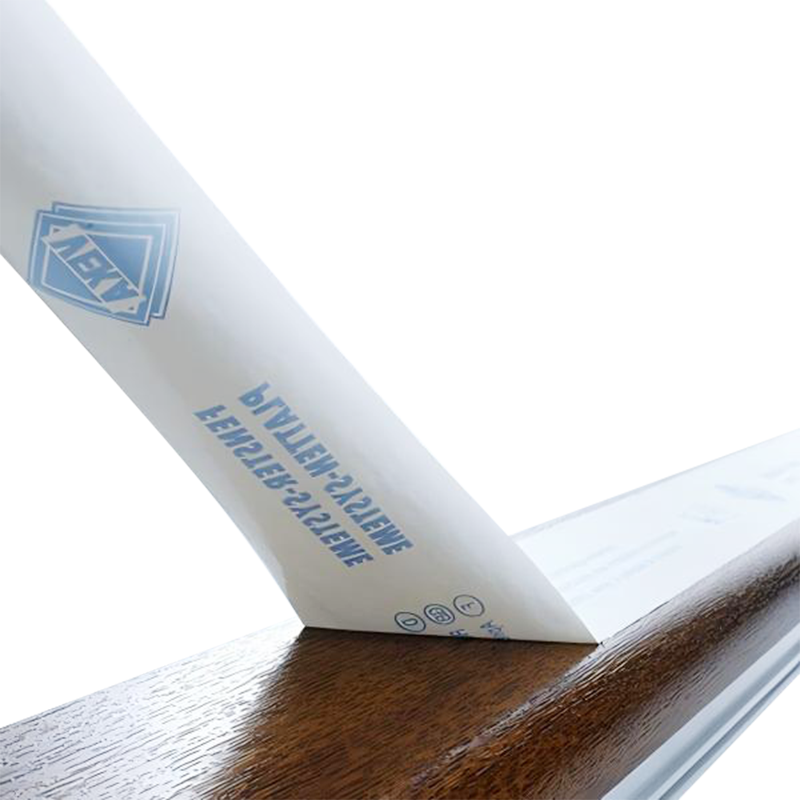
● Good weatherability for outdoor exposure; ● Stable adhesion level; ● UV resistance for up to 12 months; ● Can print customized logo or application i...
See Details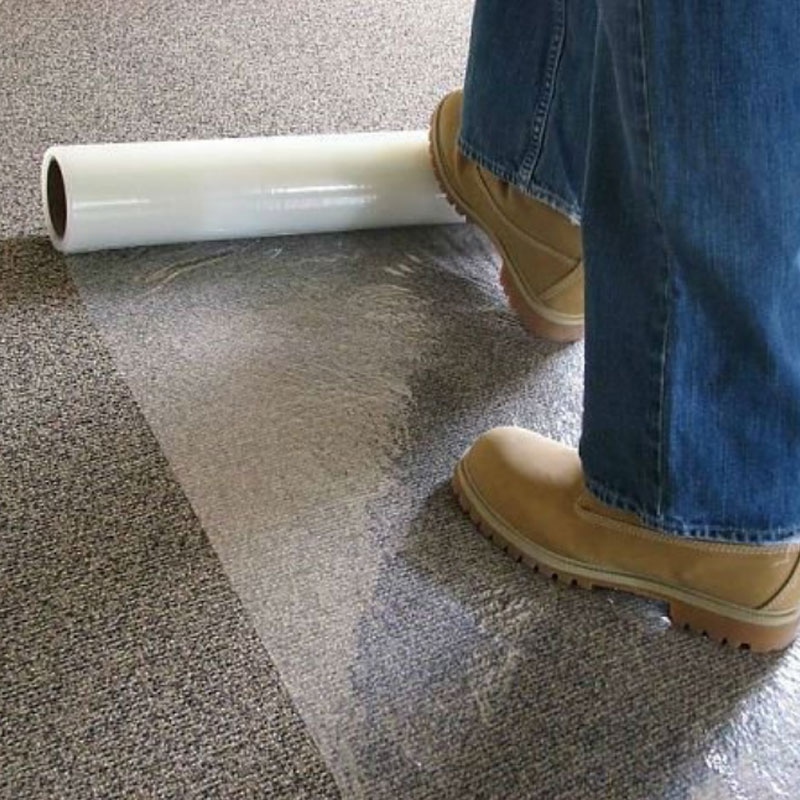
● Protects carpet against staining, paint spillage and dirt during painting, building, remodeling, plastering, tiling, decoration, general maintenance...
See Details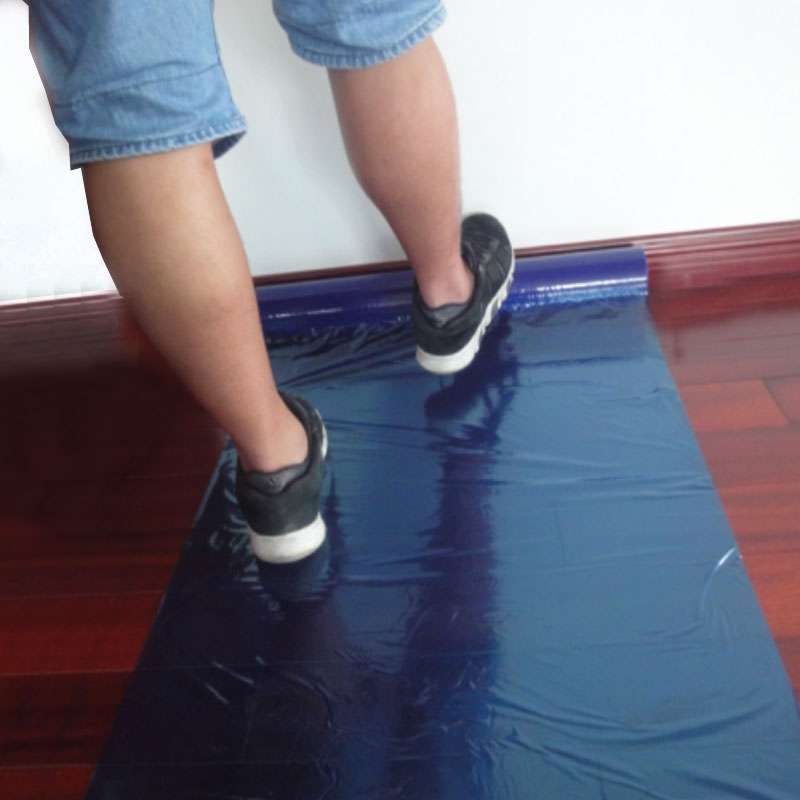
● Patented adhesive formula suits all hard surfaces such as hardwood floors, laminate floors, ceramic, marble, tile, granite, vinyl, worktops, and gla...
See Details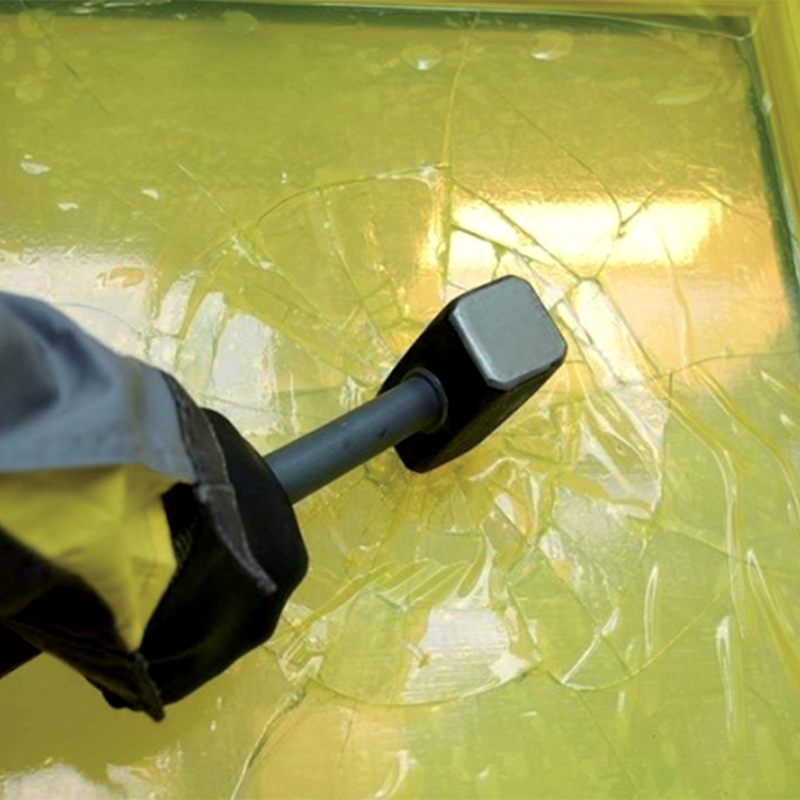
● The super tough polyethylene film with super high adhesion can stop the glass splitting and falling off during window glass demolition process;● Non...
See Details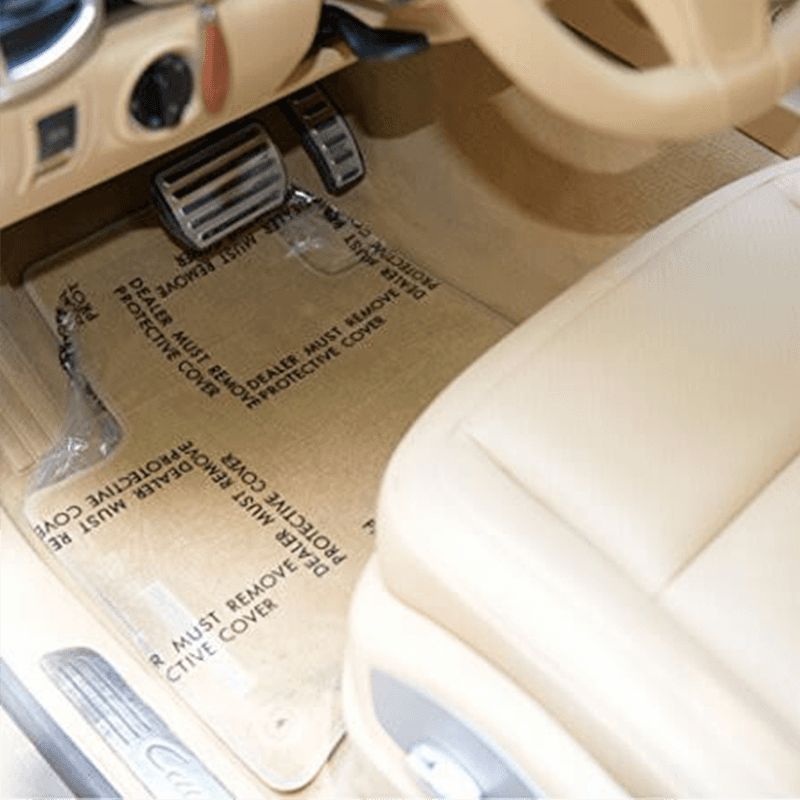
● Distance of each perforation die-cut ranges from 100mm to 1200mm;● Can peel off each die-cut piece of protective film at the perforated line easily;...
See Details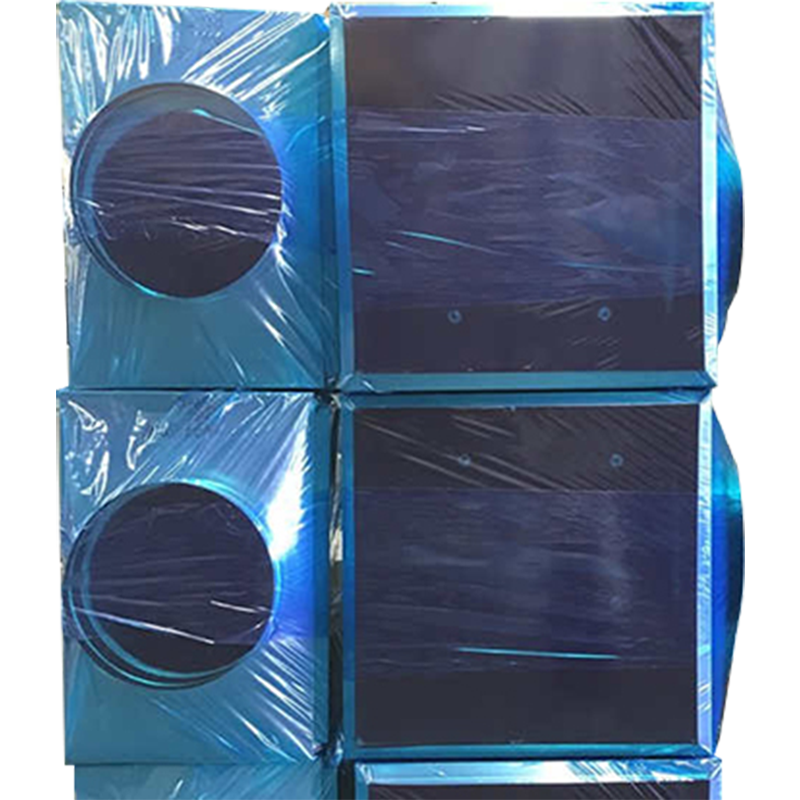
● The super-tough polyethylene film resists puncture and penetration by liquid and dirt during storage, transportation, and installation of the ductwo...
See Details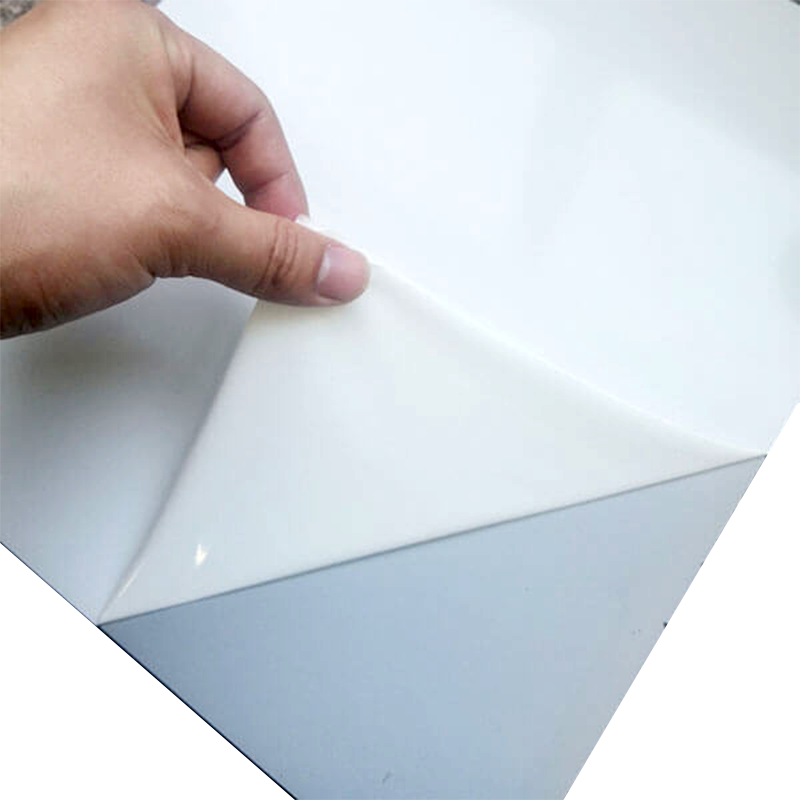
● The super tough polyethylene film with super high adhesion can stop parts of the glass or mirror from splintering away and injuring people when it i...
See Details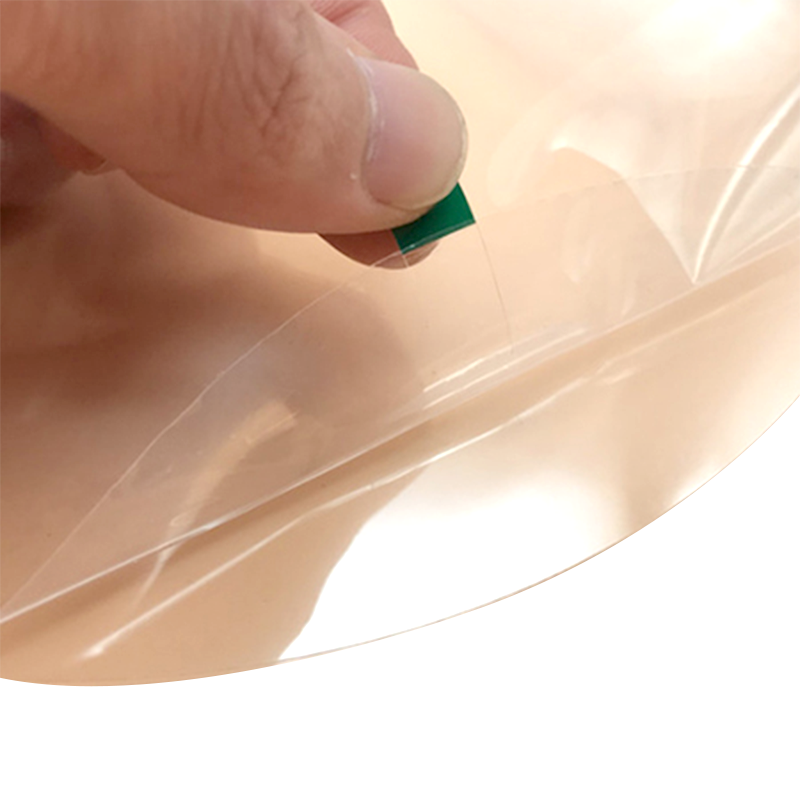
● Suitable for plastic sheets’ drilling, cutting, routing, thermoforming, bending, or post-fabrication operations;● No “ghost shadow” or “fish eye” af...
See Details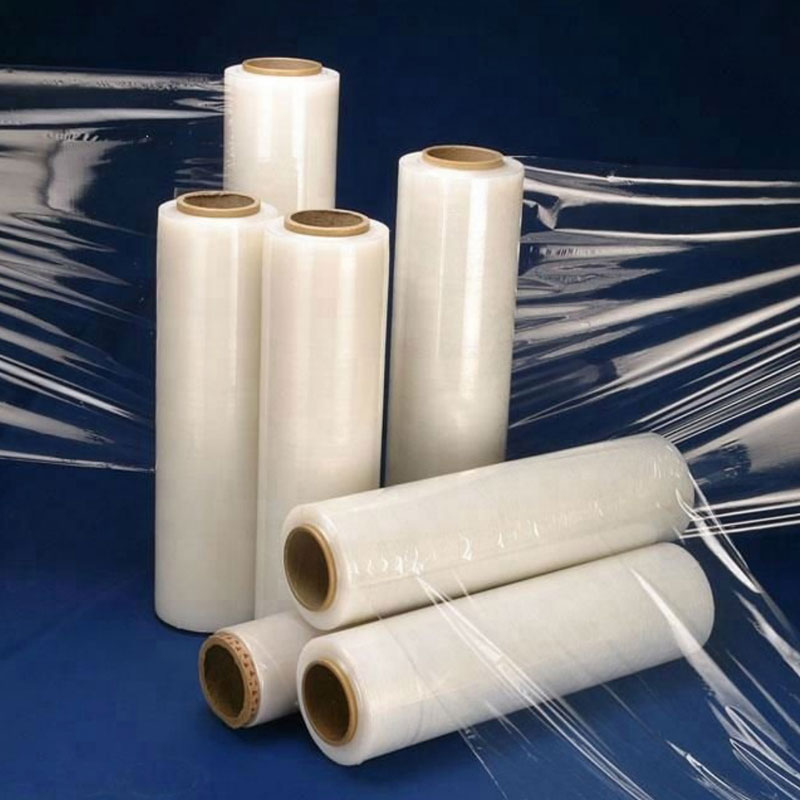
● Small roll size for convenient manual application;● Excellent puncture and tear resistance ; ● A self-adhering-each layer of film bonds to the next ...
See Details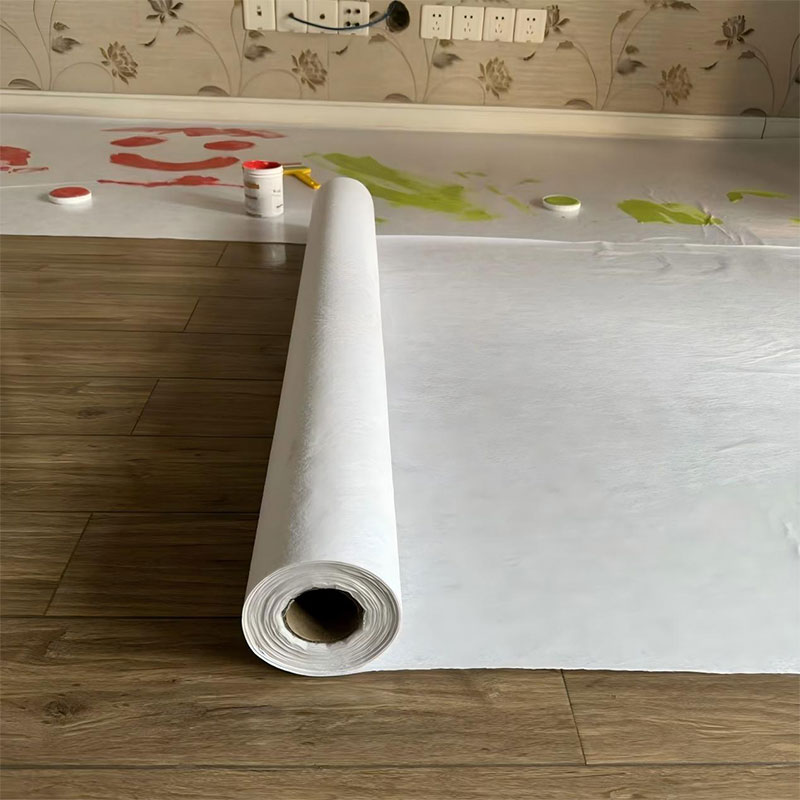
This product has non-woven synthetic fleece in middle; PE film adhered onto top of the non-woven fabric, which is coated with self adhesive glue on it...
See DetailsWe’re a reliable partner that shapes our expertise into success for your project.

Copyright 2024 Wuxi Qida Tape Co., Ltd. All Rights Reserved
 Wholesale Protective Film/Foil Manufacturers
Privacy
Wholesale Protective Film/Foil Manufacturers
Privacy