

 English
 English
 русский
 Français
 Español
 Português
 عربى
عربى
Cat:Glue -coated Protective Film
● No “ghost shadow” or “fish eye” after removal; ● Low gel content, soft and stable adhesion plus easy-peel removal with no surface damage or curling;...
See Details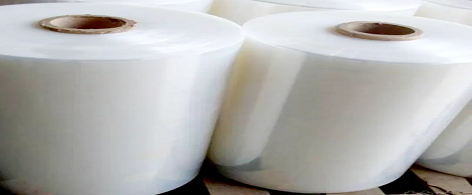
Machine stretch film significantly increases the speed and efficiency of packaging lines. Unlike manual wrapping, which is slow and prone to human error, stretch film machines can wrap hundreds of units per hour. These machines are designed to work at high speeds, offering consistency and rapid throughput without compromising on quality. This is crucial for businesses with high production volumes, where time is of the essence.
By automating the film application process, companies can minimize the time spent on wrapping and focus resources on other parts of the production line. Machine stretch film systems can be integrated seamlessly with conveyors and other automated equipment, ensuring that products move smoothly from one stage of the packaging process to the next. This automation allows for faster delivery times, which is essential in industries where quick turnaround times are crucial to maintaining customer satisfaction.
Additionally, stretch film machines are capable of wrapping products with multiple layers of film in a single pass, further increasing efficiency. This makes them ideal for high-speed lines where speed and accuracy are paramount. The result is not only faster packaging but also a more streamlined and productive operation overall.
| Feature | Manual Wrapping | Machine Stretch Film |
|---|---|---|
| Wrapping Speed | Slow, labor-intensive | Fast, automated |
| Efficiency | Prone to delays due to human factors | Consistent and continuous |
| Labor Costs | High | Low |
| Throughput | Low | High |
One of the most significant advantages of machine stretch film is the consistency it brings to the packaging process. When wrapping is done manually, the application of the stretch film can vary greatly from one worker to another. Variations in tension, overlap, and film quality often lead to inconsistencies in the packaging. This can result in poor load stability, increased risk of product damage, and a less professional appearance.
Machine stretch film, on the other hand, ensures that the wrapping is always done with the same tension and film stretch. These machines are equipped with sensors and controls that automatically adjust the stretch to the optimal level, ensuring that every package is wrapped securely and uniformly. This uniformity not only enhances load stability but also minimizes the risk of product shifting or collapsing during transportation.
For businesses shipping products internationally, consistent wrapping is especially important. Variability in packaging can lead to shipping delays or even damage during transit. With machine stretch film, companies can be confident that their products are securely wrapped in a consistent manner, improving both the protection of the product and the overall customer experience.
Machine stretch film is highly efficient in terms of material usage. Stretch film machines are designed to apply the optimal amount of tension to the film, ensuring that the film is stretched to its maximum capacity without wasting material. This precision reduces the amount of stretch film needed for each package, resulting in significant cost savings over time.
In manual wrapping processes, the amount of film used can vary, leading to waste. Employees might apply too much film in an attempt to ensure security, or not enough, which could result in insufficient load stability. By using machine stretch film, the amount of film applied is controlled, reducing excess use and contributing to lower material costs.
Moreover, as stretch film machines are able to wrap products more quickly, the overall production costs are lowered. Faster wrapping means that fewer labor hours are required, allowing businesses to allocate resources more efficiently. The combination of lower film consumption and reduced labor costs results in a more cost-effective packaging process overall.
| Aspect | Manual Wrapping | Machine Stretch Film |
|---|---|---|
| Film Usage | Variable and often excessive | Optimized for minimal waste |
| Cost Savings | High material waste | Significant reduction in costs |
| Labor Costs | High due to time consumption | Lower due to automation |
One of the most critical functions of machine stretch film is ensuring that loads remain stable during storage and transportation. When the film is applied using a machine, it is done with a precise amount of tension, ensuring that the film tightly secures the load without overstretching. This prevents products from shifting or toppling during transit, reducing the risk of damage.
The ability to apply multiple layers of stretch film in a single pass adds an extra layer of security to the packaging. The film holds the load together tightly, which is especially important for products that are stacked on pallets. By keeping the load securely in place, machine stretch film reduces the risk of product damage caused by movement during handling, transportation, or stacking.
Additionally, machine stretch film helps maintain the integrity of products that may be sensitive to impact, moisture, or dust. In high-speed packaging lines, where products are often moved quickly and in bulk, this level of protection is vital to ensuring the safe delivery of goods to customers.
The automation of the wrapping process with machine stretch film greatly reduces the physical strain on workers. Manual wrapping often involves repetitive motions, such as bending, lifting, and twisting, which can lead to injuries over time. By automating this process, companies can reduce the physical demands on workers and create a safer work environment.
In addition, stretch film machines are designed to be user-friendly, with controls that allow operators to adjust settings easily and quickly. This reduces the need for workers to handle heavy rolls of film or operate complex machinery manually. The increased efficiency of automated systems also allows workers to focus on other tasks, further improving workplace safety by preventing fatigue and repetitive strain injuries.
With fewer physical demands on workers, companies can also reduce the likelihood of workers needing time off due to injury, resulting in fewer disruptions to the production line. A safer workplace is a more productive workplace, and the use of machine stretch film contributes to both.
Machine stretch film systems can be easily customized to meet the specific needs of different products. For example, the tension, speed, and number of film layers can be adjusted depending on the size, weight, and fragility of the items being wrapped. This versatility allows businesses to package a wide range of products, from small, delicate items to large, heavy loads, with the same machine.
In addition, the type of stretch film used can be customized to offer features such as UV protection, puncture resistance, or anti-static properties. This makes machine stretch film an excellent choice for a variety of industries, from food and beverage to pharmaceuticals and electronics. Customization options ensure that the wrapping process provides the best possible protection for each specific product, enhancing both the quality of packaging and the safety of the products.
Machine stretch film provides a polished, uniform appearance to wrapped products. Unlike manual wrapping, which can result in uneven layers and untidy finishes, machine stretch film ensures that each package is wrapped neatly and securely. This not only improves the visual appeal of the product but also enhances the perception of quality.
For businesses that ship products directly to consumers, the appearance of the packaging can significantly impact customer satisfaction. Neat and professional-looking packaging gives consumers the impression that the product inside is of high quality. This can increase customer loyalty and improve the overall brand image.
Machine stretch film systems are designed to integrate seamlessly with other automated packaging equipment. This allows businesses to create a fully automated packaging line that can handle high volumes of products with minimal human intervention. Stretch film machines can be connected to conveyors, palletizers, and other equipment to streamline the entire packaging process.
By supporting integration, machine stretch film systems enable businesses to increase productivity and reduce labor costs. Automation also reduces the risk of human error, ensuring that each product is packaged to the same high standards every time. This makes machine stretch film an essential component of modern, automated packaging operations.
1. Can machine stretch film be used for all types of products?
Yes, machine stretch film can be customized to fit the packaging needs of a wide variety of products, including both lightweight and heavy items. The tension, layers, and type of stretch film can be adjusted to suit different sizes and shapes.
2. How does machine stretch film improve safety in packaging?
By automating the process, machine stretch film reduces the physical strain on workers and minimizes the risk of injuries associated with manual wrapping, such as repetitive motion injuries.
3. Is machine stretch film cost-effective?
Yes, machine stretch film is more cost-effective than manual wrapping due to reduced material waste, lower labor costs, and increased efficiency in the packaging process.
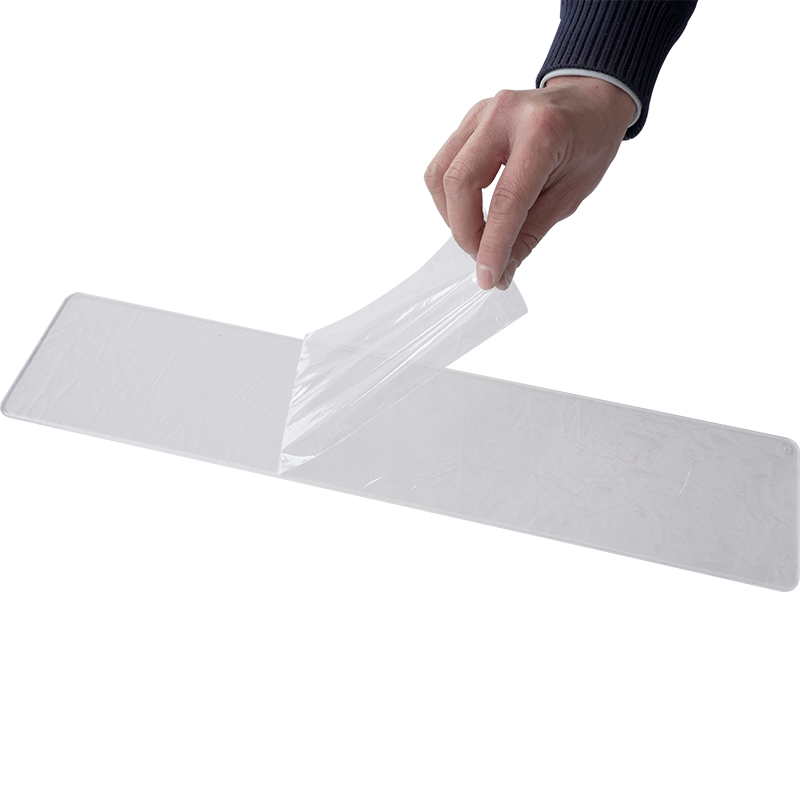
● No “ghost shadow” or “fish eye” after removal; ● Low gel content, soft and stable adhesion plus easy-peel removal with no surface damage or curling;...
See Details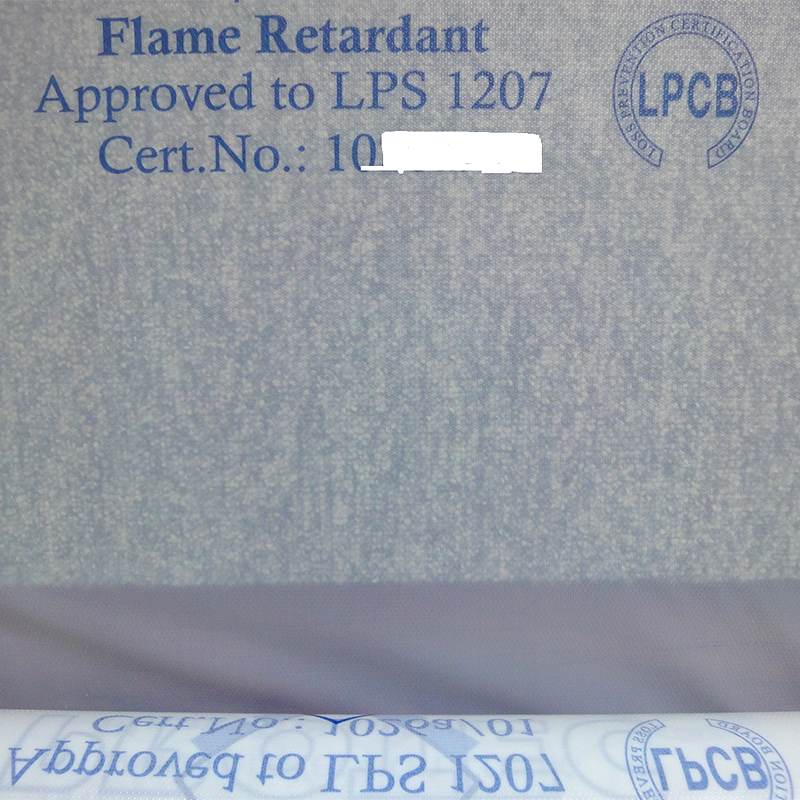
● Prevents costly damages in case of fire /flame;● Meet the strict international test standards of loss prevention; ● Extensive selection for flame re...
See Details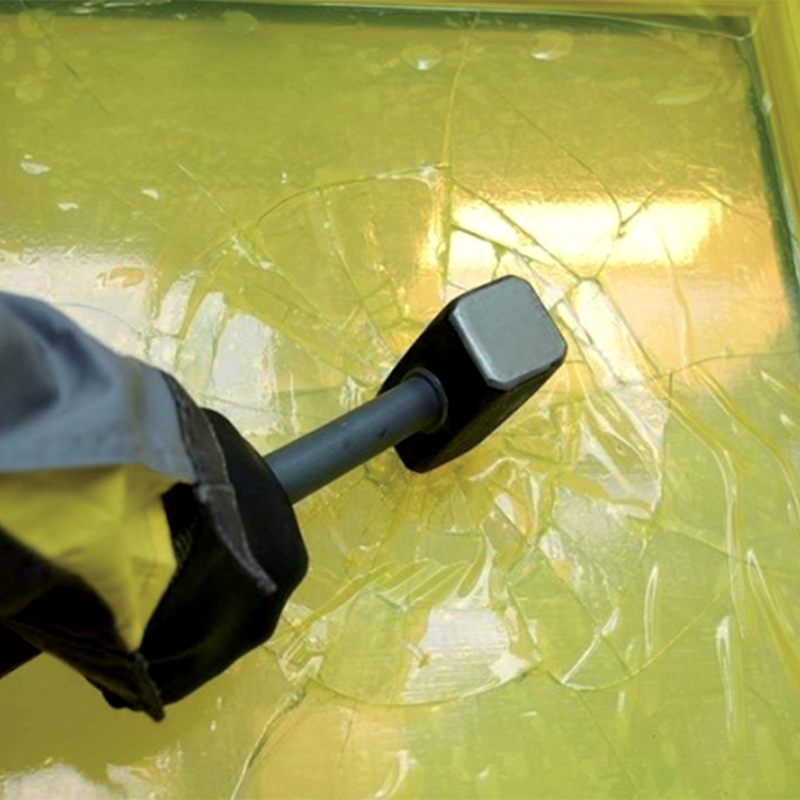
● The super tough polyethylene film with super high adhesion can stop the glass splitting and falling off during window glass demolition process;● Non...
See Details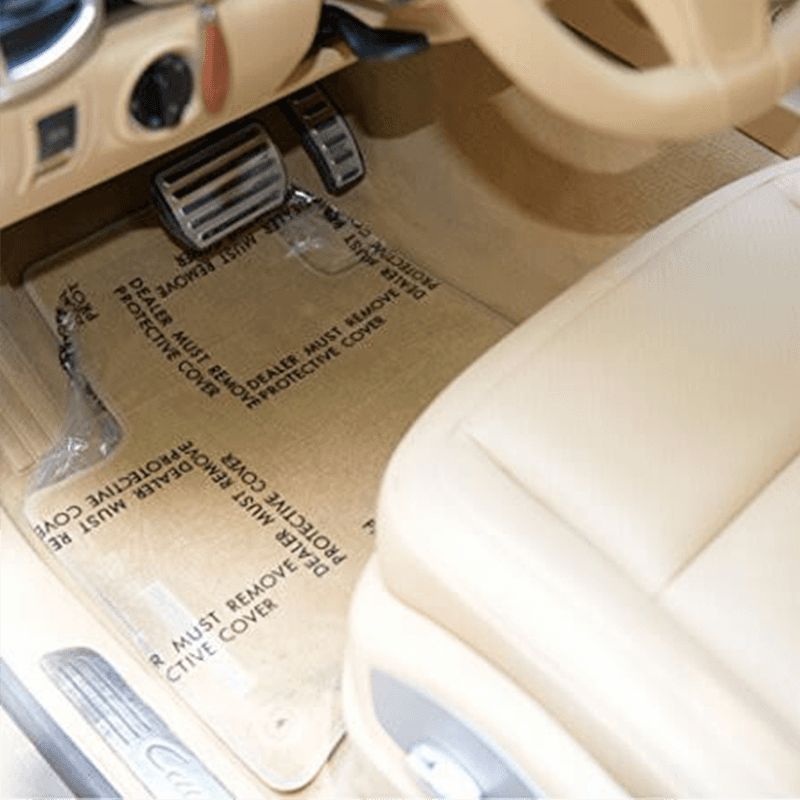
● Distance of each perforation die-cut ranges from 100mm to 1200mm;● Can peel off each die-cut piece of protective film at the perforated line easily;...
See Details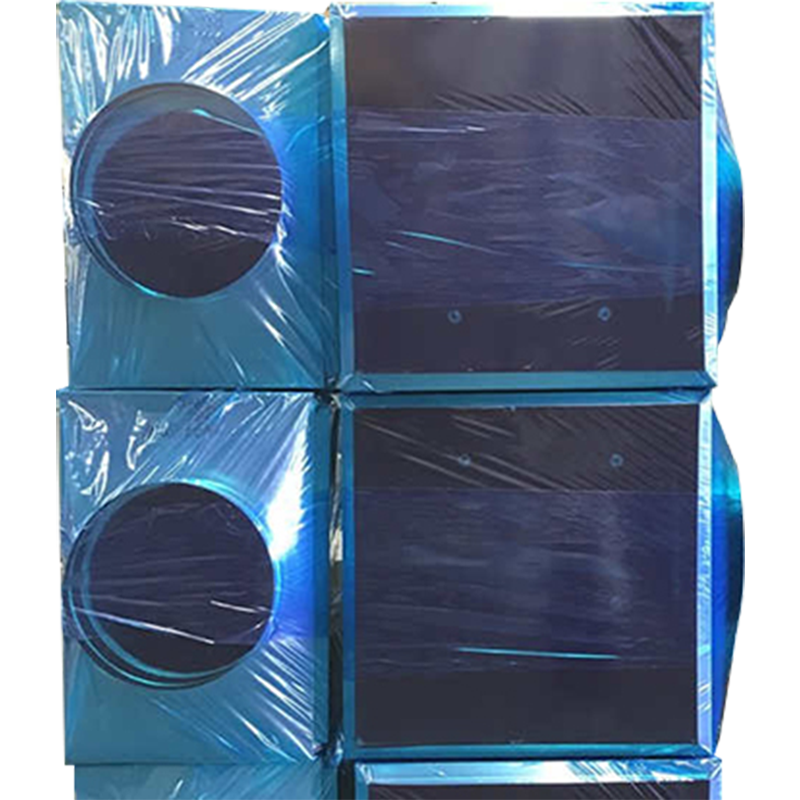
● The super-tough polyethylene film resists puncture and penetration by liquid and dirt during storage, transportation, and installation of the ductwo...
See Details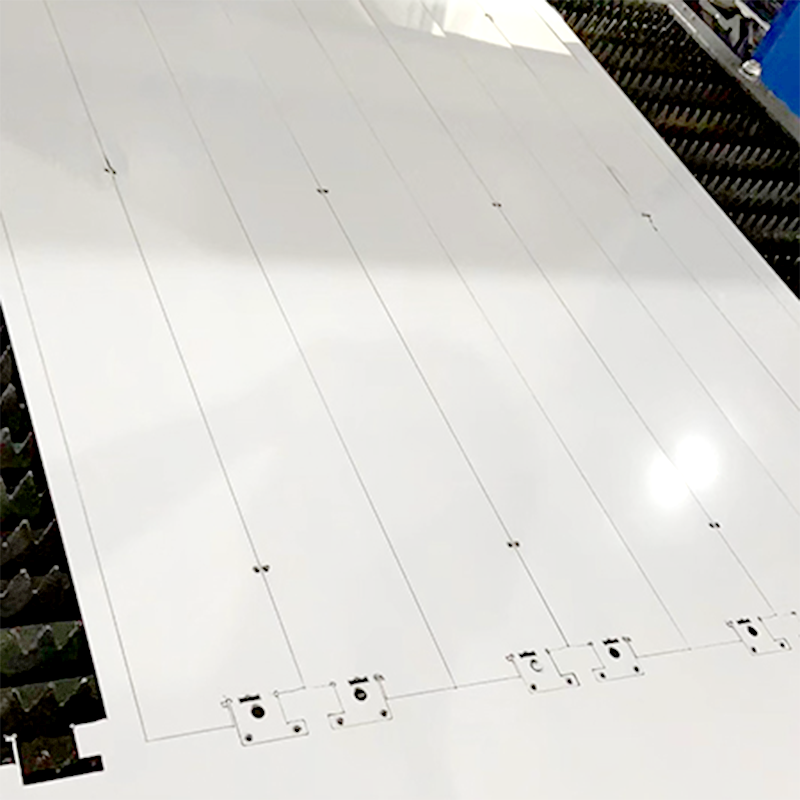
● The specially formulated natural rubber adhesive suitable for both CO2 and Fiber laser cutting processes;● High cutting quality without burr or trac...
See Details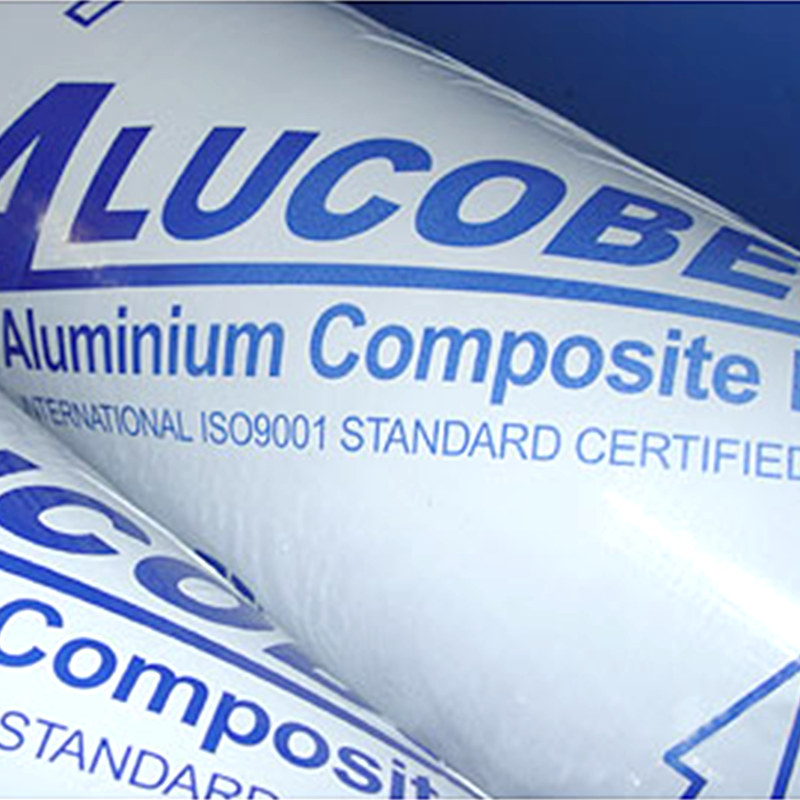
● The specially formulated adhesive ensures easy application and removal without leaving residue glue; ● The super-tough polyethylene film protects ag...
See Details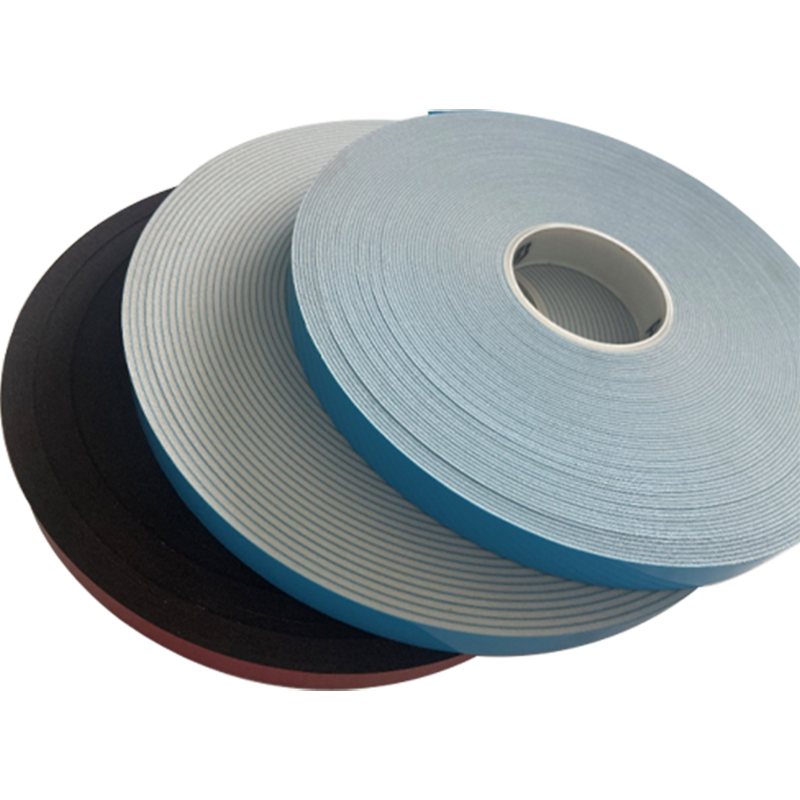
● Waterproof - the desirable material for waterproofing. ● Dust-proof - positive performance of dust prevention.● Low resilience - prevent the deforma...
See Details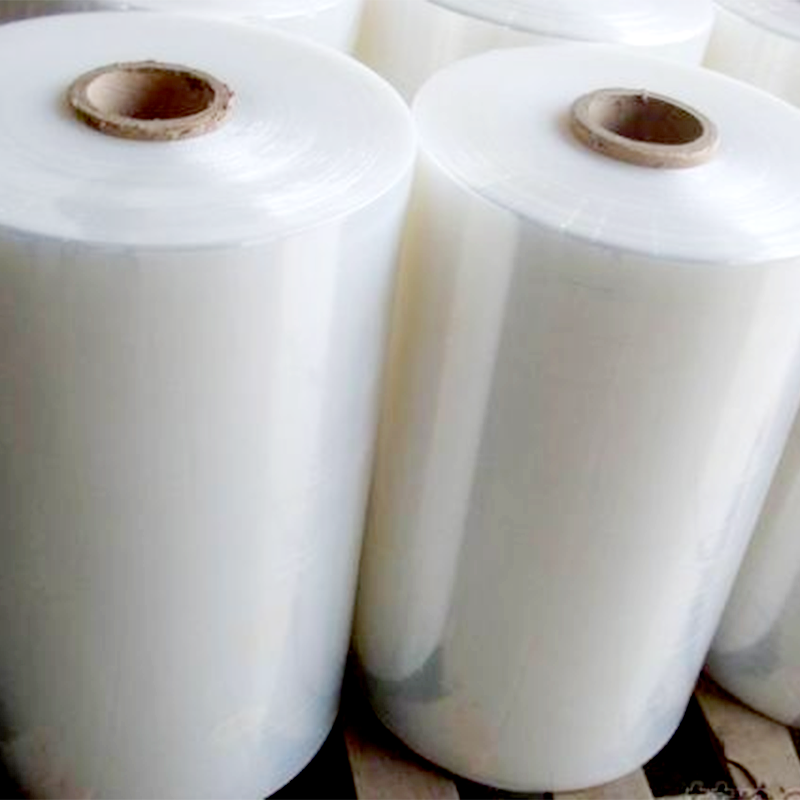
● Excellent puncture and tear resistance; ● Self-adhering-each layer of film bonds to the next for added strength; ● Big roll size to save cost and re...
See Details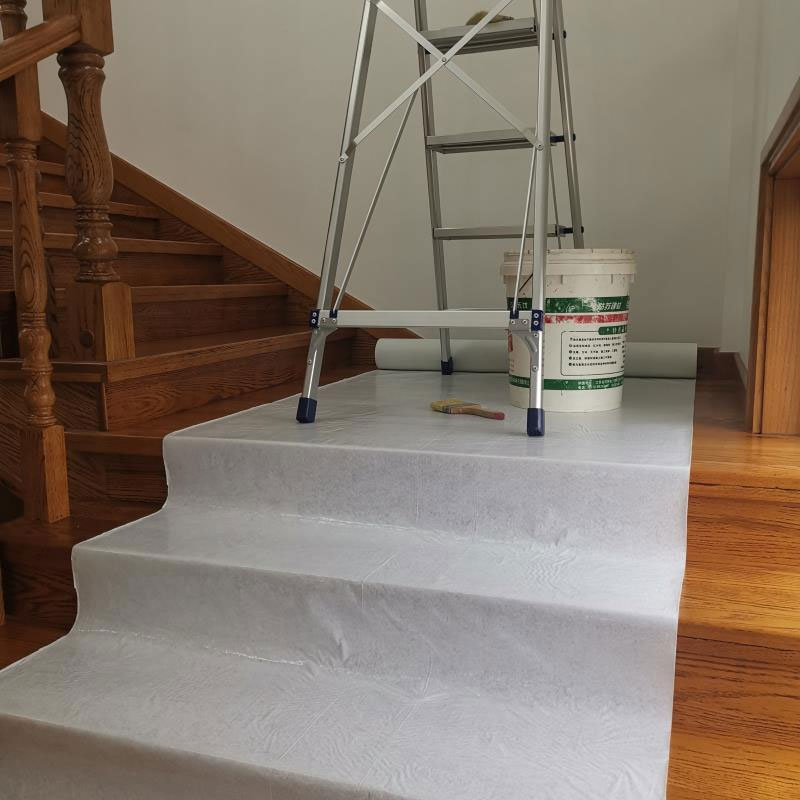
This product has non-woven synthetic fleece in middle; Breathable PE film adhered onto top of the non-woven fabric, which is coated with self adhesive...
See DetailsWe’re a reliable partner that shapes our expertise into success for your project.

Copyright 2024 Wuxi Qida Tape Co., Ltd. All Rights Reserved
 Wholesale Protective Film/Foil Manufacturers
Privacy
Wholesale Protective Film/Foil Manufacturers
Privacy