

 English
 English
 русский
 Français
 Español
 Português
 عربى
عربى
Cat:Glue -coated Protective Film
● Good weatherability for outdoor exposure; ● Stable adhesion level; ● UV resistance for up to 12 months; ● Can print customized logo or application i...
See Details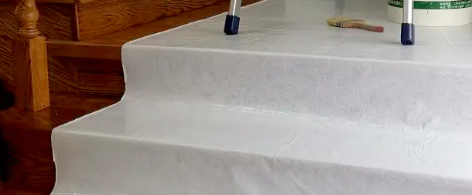
Breathable surface protection felt is a specialized material designed to shield surfaces from physical damage, moisture, and environmental hazards while maintaining air circulation. Unlike traditional plastic wraps or foam pads, which can trap humidity and promote condensation, breathable felt allows moisture vapor to escape. This characteristic is particularly crucial for surfaces prone to water damage, including wood, metal, glass, and polished stone. The felt is generally made from nonwoven fibers that create a cushioned layer to absorb minor impacts and scratches. Beyond physical protection, the material’s breathability ensures that condensation, which can lead to warping, staining, or corrosion, is minimized.
In industrial, construction, and logistics environments, surfaces are frequently exposed to changes in humidity and temperature. Unprotected materials can accumulate condensation, leading to long-term structural and aesthetic damage. Breathable felt addresses these concerns by providing a protective layer that does not hinder airflow. Moreover, its soft texture prevents abrasions during handling, transport, or storage. This makes it a practical solution for manufacturers, furniture suppliers, construction companies, and shipping providers who need a reliable method to preserve surface integrity without compromising ventilation.
The core advantage of breathable surface protection felt lies in its ability to manage moisture effectively. The nonwoven fibers in the felt form a semi-permeable layer that allows air and water vapor to move freely, preventing the formation of condensation between the protective layer and the surface. This is especially important in environments with high humidity or rapid temperature changes. In addition to ventilation, some felts have moisture-absorbing capabilities that further reduce the risk of water-related damage. Materials such as hardwood, metal panels, and laminated surfaces particularly benefit from these properties, as moisture can compromise structural integrity or cause corrosion.
| Feature | Benefit | Example Application |
|---|---|---|
| Breathable fiber structure | Allows air and moisture vapor to escape | Protecting wooden furniture during shipping |
| Soft nonwoven surface | Cushions against scratches and abrasions | Covering glass panels in construction sites |
| Lightweight and flexible | Easy to wrap or layer over uneven surfaces | Packaging delicate metal components |
| Moisture absorption | Prevents accumulation of water droplets | Flooring protection in high-humidity areas |
This table highlights how breathable felt combines multiple protective features into one solution. By providing a balance between cushioning, breathability, and moisture management, it ensures that delicate surfaces remain safe from environmental and mechanical damage simultaneously.
When choosing breathable surface protection felt, it is crucial to consider factors such as fiber density, thickness, material composition, and compatibility with the surface to be protected. Thicker felts offer superior cushioning but may be less flexible, making them better suited for flat surfaces. Conversely, thinner felts are highly flexible and ideal for wrapping irregular shapes. Some felts are enhanced with anti-static or antibacterial treatments, providing additional protection for sensitive applications. For outdoor or high-humidity environments, selecting felts with higher water vapor transmission rates ensures that surfaces remain ventilated and free from moisture buildup.
Reusability and sustainability are additional considerations. Many manufacturers now offer eco-friendly felt options made from recycled fibers, combining durability with environmental responsibility. Proper installation is also critical: securing the felt without trapping air pockets enhances moisture management and prevents damage during transport or storage. By carefully selecting and installing the right felt, businesses can protect valuable assets while minimizing maintenance costs and preventing long-term moisture-related damage.
Q1: Can breathable felt be used on all types of surfaces?
A1: Yes, breathable felt is versatile and can be used on wood, metal, glass, stone, and laminated surfaces, though testing on delicate finishes is recommended.
Q2: How does it compare to traditional plastic or foam protection?
A2: Unlike plastic or foam, which can trap moisture, breathable felt allows air and vapor to escape, reducing condensation, corrosion, and staining risks.
Q3: Is breathable felt reusable?
A3: Yes, many breathable felt products are durable and can be reused multiple times if maintained properly.
Q4: Can it prevent mold and mildew?
A4: By allowing moisture to escape, breathable felt significantly reduces the likelihood of mold and mildew formation.
Q5: What industries benefit most from using breathable felt?
A5: Industries such as furniture manufacturing, construction, logistics, glass and metal fabrication, and flooring installation benefit significantly from using breathable surface protection felt.
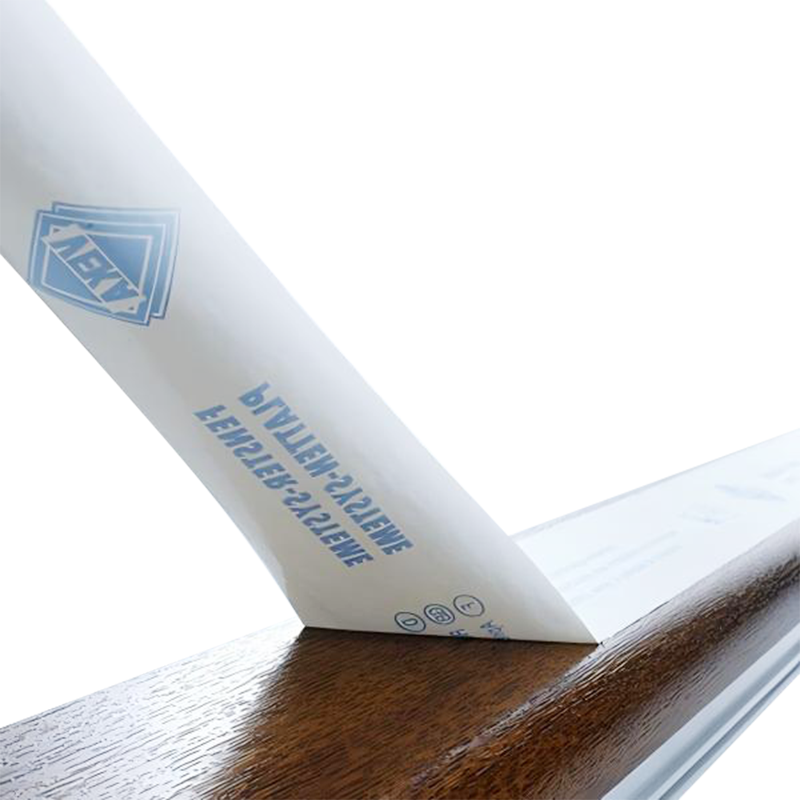
● Good weatherability for outdoor exposure; ● Stable adhesion level; ● UV resistance for up to 12 months; ● Can print customized logo or application i...
See Details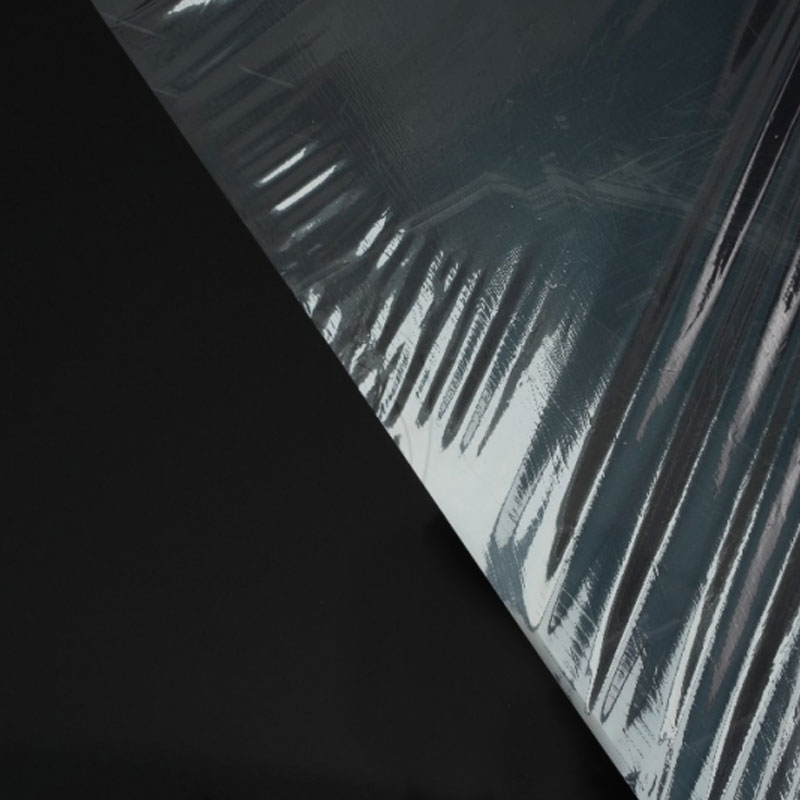
● No “ghost shadow” or “fish eye” after removal; ● Stable adhesion level; ● UV resistance for up to 6 months; ● Can print customized logo or applicati...
See Details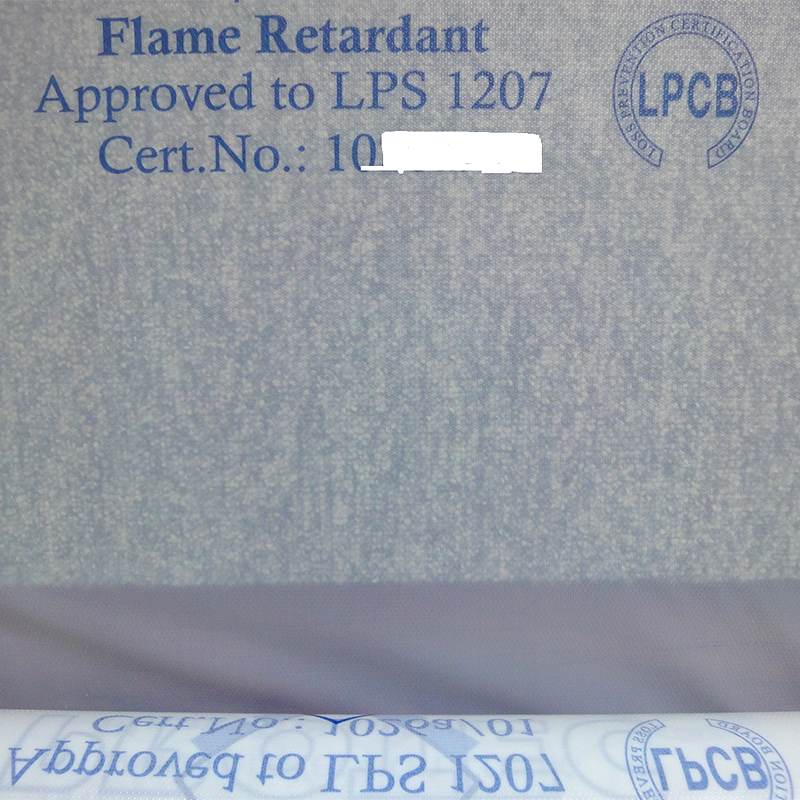
● Prevents costly damages in case of fire /flame;● Meet the strict international test standards of loss prevention; ● Extensive selection for flame re...
See Details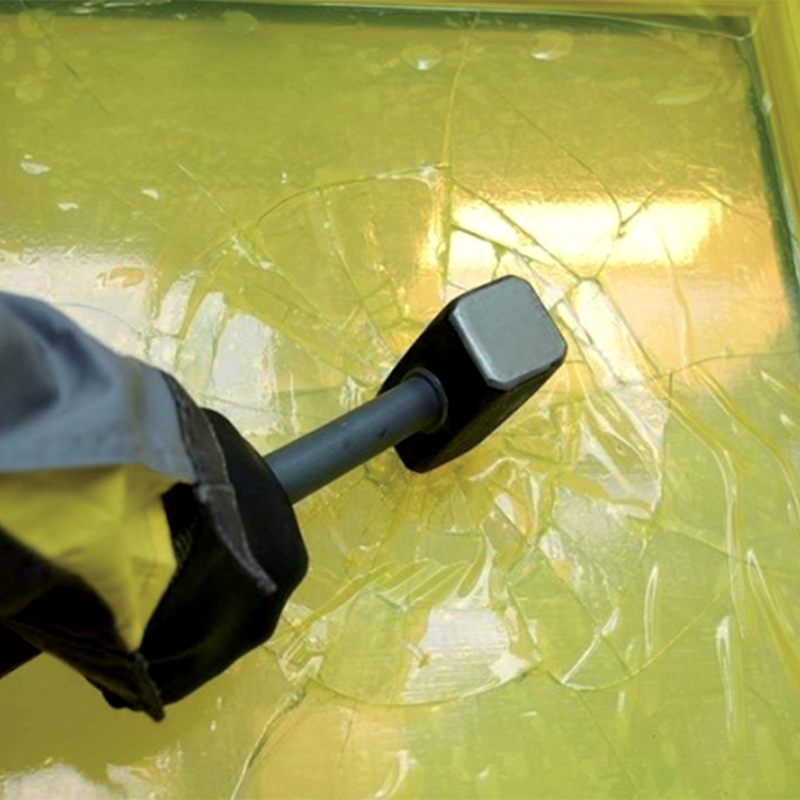
● The super tough polyethylene film with super high adhesion can stop the glass splitting and falling off during window glass demolition process;● Non...
See Details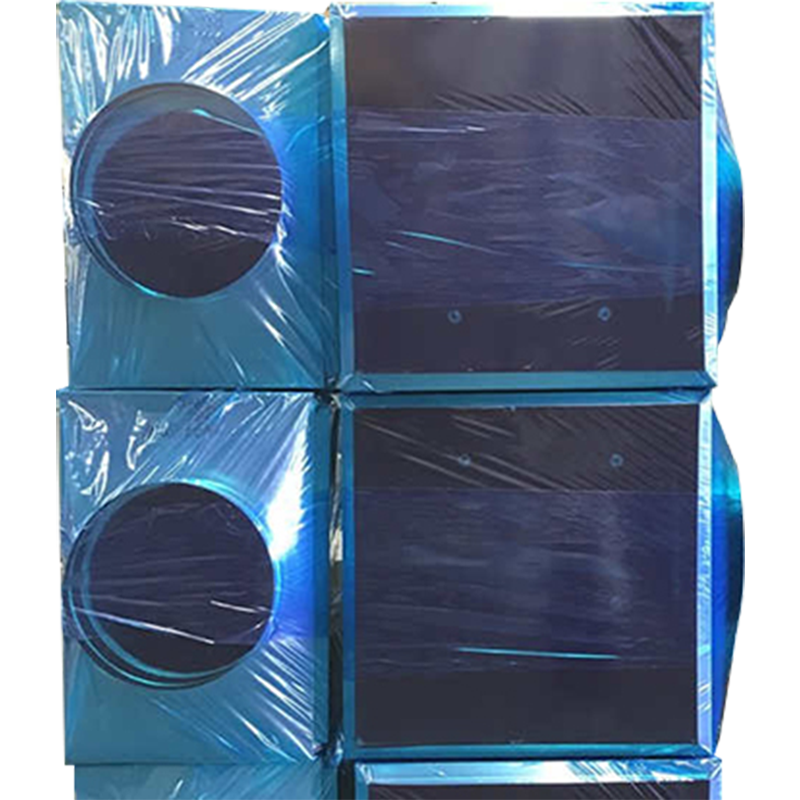
● The super-tough polyethylene film resists puncture and penetration by liquid and dirt during storage, transportation, and installation of the ductwo...
See Details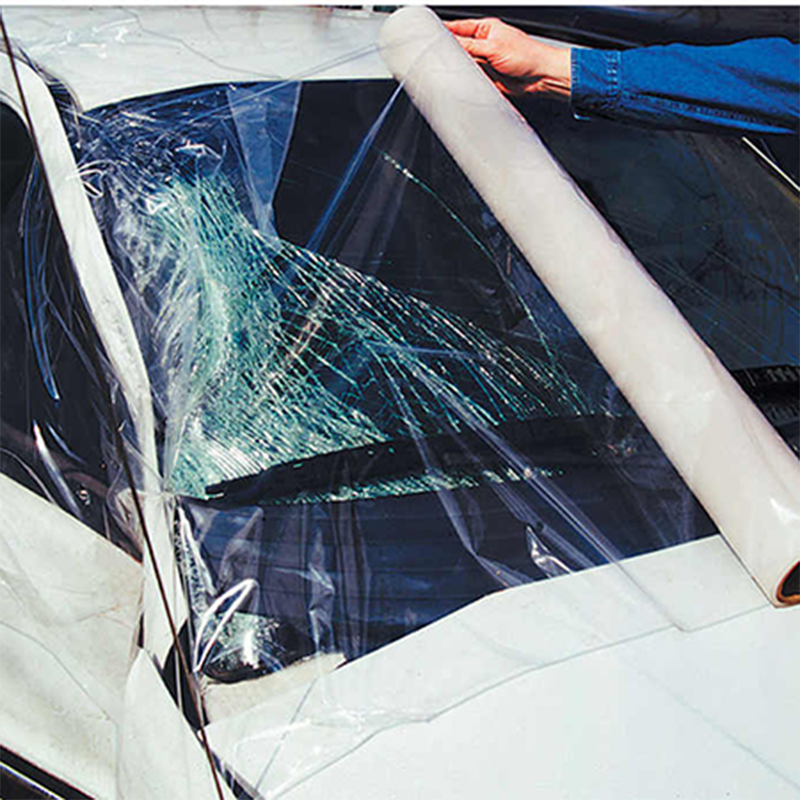
● The super-tough polyethylene film resists puncture and penetration by rain, snow, debris, and dirt during the transportation and storage of the cras...
See Details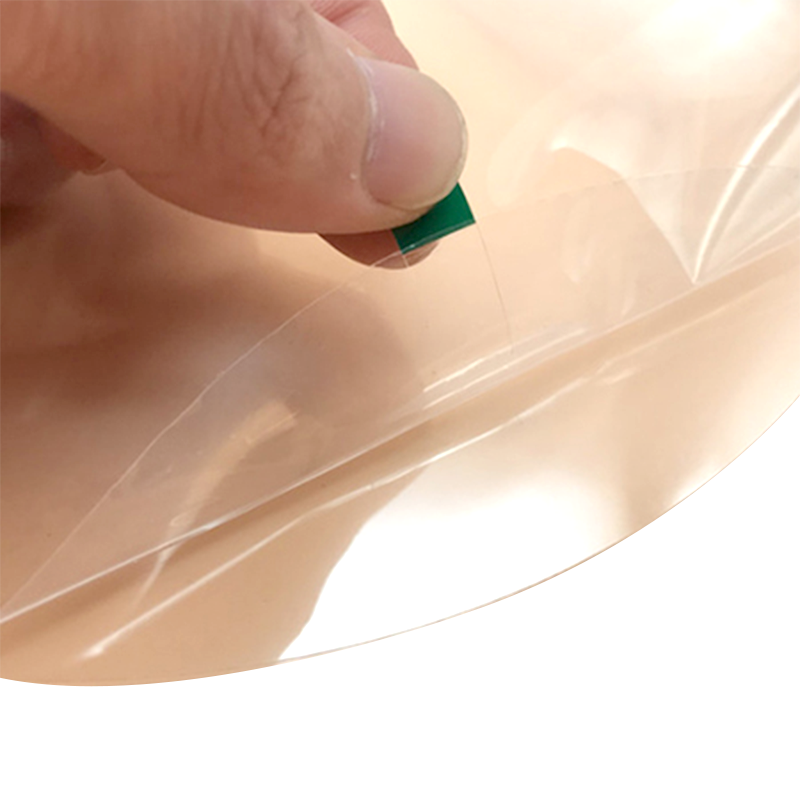
● Suitable for plastic sheets’ drilling, cutting, routing, thermoforming, bending, or post-fabrication operations;● No “ghost shadow” or “fish eye” af...
See Details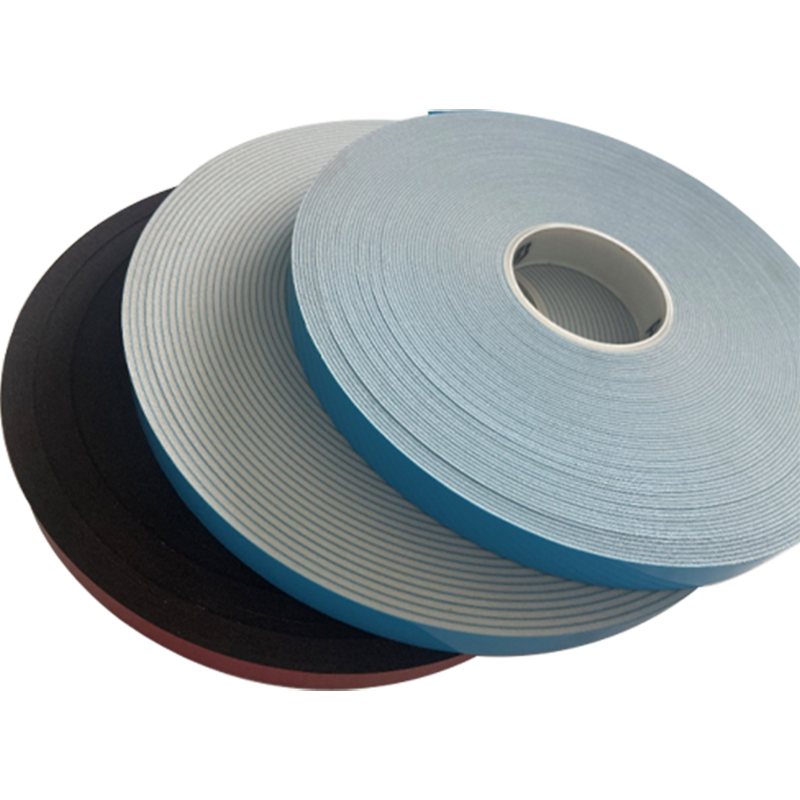
● Waterproof - the desirable material for waterproofing. ● Dust-proof - positive performance of dust prevention.● Low resilience - prevent the deforma...
See Details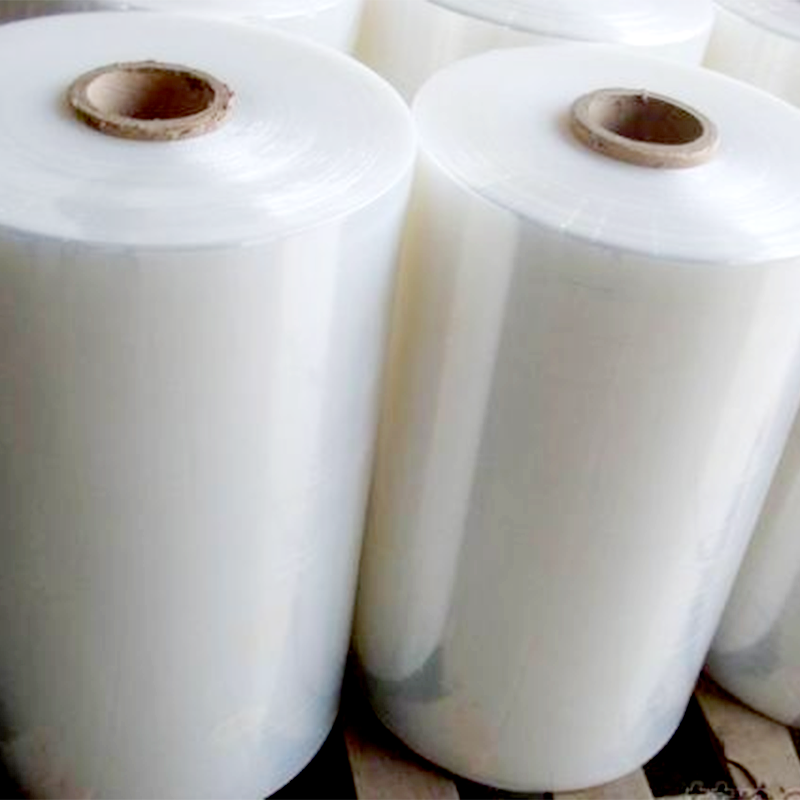
● Excellent puncture and tear resistance; ● Self-adhering-each layer of film bonds to the next for added strength; ● Big roll size to save cost and re...
See Details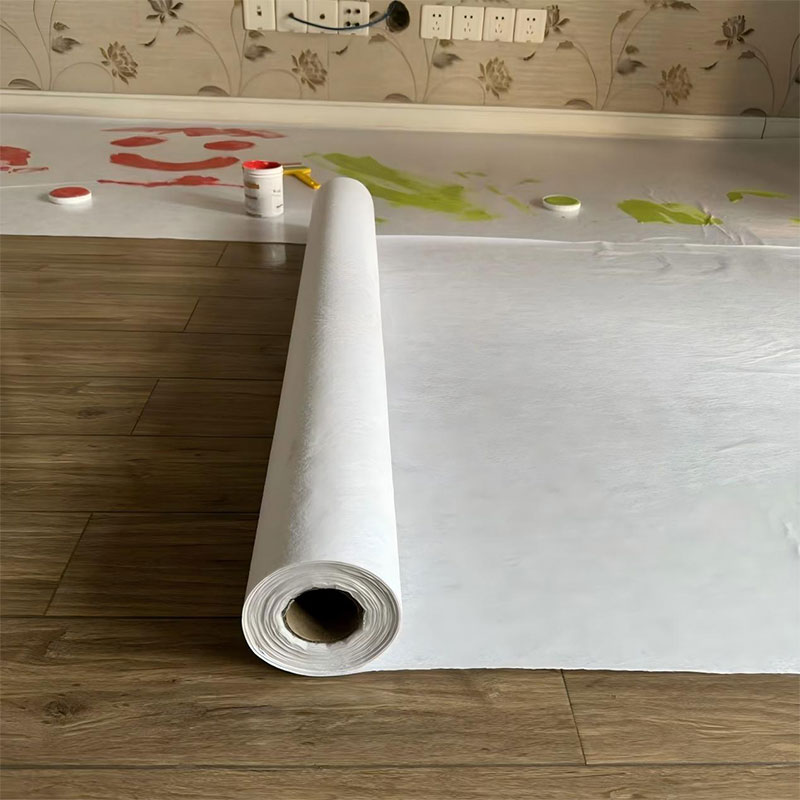
This product has non-woven synthetic fleece in middle; PE film adhered onto top of the non-woven fabric, which is coated with self adhesive glue on it...
See DetailsWe’re a reliable partner that shapes our expertise into success for your project.

Copyright 2024 Wuxi Qida Tape Co., Ltd. All Rights Reserved
 Wholesale Protective Film/Foil Manufacturers
Privacy
Wholesale Protective Film/Foil Manufacturers
Privacy