

 English
 English
 русский
 Français
 Español
 Português
 عربى
عربى
Cat:Glue -coated Protective Film
● No “ghost shadow” or “fish eye” after removal; ● Low gel content, soft and stable adhesion plus easy-peel removal with no surface damage or curling;...
See Details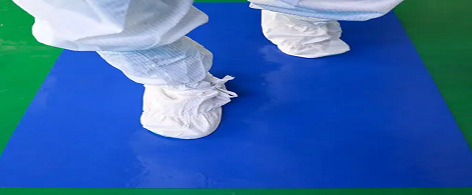
A Sticky Mat is a floor contamination-control product made from multiple layers of PE film composited with polymer pressure-sensitive adhesive. It is mainly installed at the entrances of industrial workshops, warehouse passages, and transition zones leading to clean production areas in order to capture dust particles from shoe soles and wheels. The fundamental principle is the transfer of tiny solid contaminants from the contact surface to the adhesive mat, thereby blocking contaminants from spreading deeper into indoor spaces. In most industrial facilities, the entrance is the first point where the external environment connects directly with the production area. Without effective protection, sand, fibers, metal chips, and electrostatic dust can be carried inside frequently, which not only increases cleaning workloads but may also affect equipment precision and product yield.
The structural design of sticky mats is highly engineered. Typical products contain 30 to 60 peel-off adhesive layers, with an overall backing adhesive at the bottom so that the mat can fit tightly to the ground without curling edges. During use, maintenance staff simply remove the top contaminated layer to restore a fresh adhesive surface. Compared with traditional friction-based doormats, sticky mats provide a more controllable and hygienic method. For industries such as electronics manufacturing, automotive components, coating, and packaging, sticky mats have become a standard configuration.
It should be emphasized that a sticky mat is not merely “a very sticky piece of plastic.” Excessive adhesion may cause discomfort when walking or leave glue on footwear, while insufficient adhesion fails to capture dust. Therefore, professional evaluation usually focuses on initial tack, holding performance, and peel strength. Other factors such as slip resistance, puncture resistance, and whether antibacterial or antistatic functions are included must also be considered. Understanding these basic concepts is essential for rational selection among numerous suppliers.
Under modern facility-management ideas, sticky mats also play roles in safety and corporate image. A clean entrance conveys a professional attitude to visiting clients, while effective contamination control extends the life of HVAC filtration systems and reduces maintenance costs. Consequently, the sticky mat is a comprehensive product integrating material science with on-site management. Only by fully recognizing its definition and value can enterprises make scientific purchasing decisions.
Before selecting a sticky mat, enterprises must conduct systematic assessment of their industrial environment. The forms of contaminants faced at different factory entrances vary greatly. Some entrances deal mainly with ordinary road dust, others contain oil stains and water marks, and still others bring rubber powder, wood chips, or mineral particles. Electronics and precision-instrument industries often focus on PM10 or even PM2.5 micro-particles, whereas heavy industry pays more attention to visible sand and hard debris. Environmental assessment should examine three dimensions: traffic volume, contamination type, and climatic conditions.
Traffic volume is the first indicator. If an entrance experiences more than 500 person-passes per day or frequent movement of carts and forklifts, products with higher holding tack and more layers are required. Low-traffic workshops can use economical specifications. The second dimension is the contamination type. For example, food-processing plants usually bring flour and organic debris that require moisture-resistant and antibacterial adhesive systems. Workshops related to wood processing or Cross Laminated Timber production often face large amounts of fibrous wood dust. Such particles are light but abundant and need formulas that keep uniform tack without being quickly covered by fibers.
Climate must not be ignored. In humid regions or areas near ports, water vapor may reduce adhesive efficiency, so pressure-sensitive adhesives with good wet resistance should be chosen. In very cold or hot environments, ordinary PE film may become brittle in winter or overly soft in summer, which influences peel-off performance.
Assessment should also include safety and compatibility requirements. Chemical plants or entrances of facilities producing PVC or NBR&PVC hoses may contain solvent vapors, and it must be confirmed that the sticky mat will not react adversely. Ground material—epoxy, self-leveling compound, or cement—affects backing adhesive choice as well.
Through these analyses, the sticky mat should be regarded as an environment-adapted consumable rather than universal product. The ideal practice is cooperation between quality and facility departments to set entrance cleanliness targets (allowed particle numbers, weekly cleaning time limits, etc.) and then select the sticky mat grade accordingly. Only by identifying real industrial conditions can enterprises avoid blind purchasing.
The size and thickness of sticky mats directly determine dust-capture coverage and service life. Many factories purchase standard 24″×36″ specifications only according to door width, which is often inadequate. Studies show that personnel need continuous two to three steps of contact distance to fully transfer contaminants; therefore, the mat length should not be less than 90cm and the width must cover the main walking route rather than merely the doorway.
Thickness refers to the number of replaceable layers. Thirty layers are suitable for ordinary workshops, while sixty layers fit heavy-traffic entrances and passages used by industrial equipment. However, overly thick film may interfere with door clearance or rolling resistance, whereas thin film is easily punctured by metal chips. For industrial entrances containing certain hard debris, single-layer thickness of 0.035 to 0.05mm is recommended.
During layout, situations of double doors, corners, or wide passages must be considered. For positions where forklifts or pay-off racks move in and out, sticky mats should be combined with metal frames or slope plates to avoid curling. Colors and numeric labels are related with thickness as well. Each layer printed with serial numbers helps maintenance personnel follow planned peel-off schedules.
The sticky mat in size and thickness selection is similar to a small contamination-filtration system. Enterprises with their own processing ability should prioritize customized solutions coordinated with manufacturers instead of limiting to general specifications.
Adhesive strength is the core of sticky mat performance but must be considered together with durability. Industrial entrance contamination is usually explosive rather than uniform. A quality sticky mat should maintain stable peel strength throughout its life cycle. Initial tack test data provided by manufacturers simulate continuous stepping and measure particle capture rates.
Durability includes tensile resistance, tear resistance, and anti-slip backing. Entrances containing welding equipment, PVC gas hoses, or wood processing must face sharp metal chips; if sticky mats lack tear-proof structure, holes form easily.
Residual-glue risk is another issue. Some low-end products pursue high adhesion as selling point and affect worker comfort and client impression in Europe and America. Suitable choice is medium or heavy-duty grade with wide temperature performance.
Hence adhesive selection should follow the principle of “adequate, stable, predictable” rather than “the stickier the better.”
Enterprises face two routes: disposable sticky mats and reusable sticky mats. Disposable products updated by peel-off layers fit most manufacturing habits, particularly processing factories targeting export. Advantages are hygiene and no washing; disadvantages are continuous replacement costs.
Reusable sticky mats have lower long-term cost and suit warehouse entrances with ordinary dust, yet require dedicated cleaning and assessment of moisture influence.
Selection must calculate annual traffic, labor maintenance cost, and contamination mainly wood fiber or not. If target is high cleanliness and image, disposable is safer; for ordinary warehouses reusable is feasible.
Installation seems simple but relates to route safety. Bottom backing adhesive must be compatible with epoxy floors; peel-off should be smooth and not influence HVAC systems. Enterprises can use their own metal processing to make trays and slopes.
Planned numbering and weekly records guarantee edge safety. Easy installation products reduce downtime.
Industrial entrances belong to high-risk zones. Sticky mats should have anti-slip grades, no adverse reaction with PVC or NBR&PVC hoses, and meet antistatic and antibacterial requirements for food industry, especially important for export to Europe and America.
Total value reflects filtration life, reduced cleaning time, and improved yield. Enterprises should assess ROI with durable products instead of only price. Slightly higher cost but better performance lowers maintenance expenses.
Before purchasing, sample tests for two weeks should record wood dust capture, color change, and peeling difficulty, and read similar industrial reviews. Real data surpass promotion.
Q1: What industrial entrances suit sticky mats?
A: Electronics, food, pharmaceutical, coating, packaging, and wood workshops all suit; adhesive system selected by contamination type.
Q2: How often peel one layer?
A: Depends on traffic; heavy scenarios 1–2 layers per day, ordinary 2–3 layers per week.
Q3: Will it stick to feet?
A: Quality products use adequate adhesion and do not affect walking.
Q4: Can size be customized?
A: Yes, manufacturers usually provide drawings customization.
Q5: Difference from ordinary mats?
A: Sticky mats capture finer particles by adhesive transfer rather than friction.
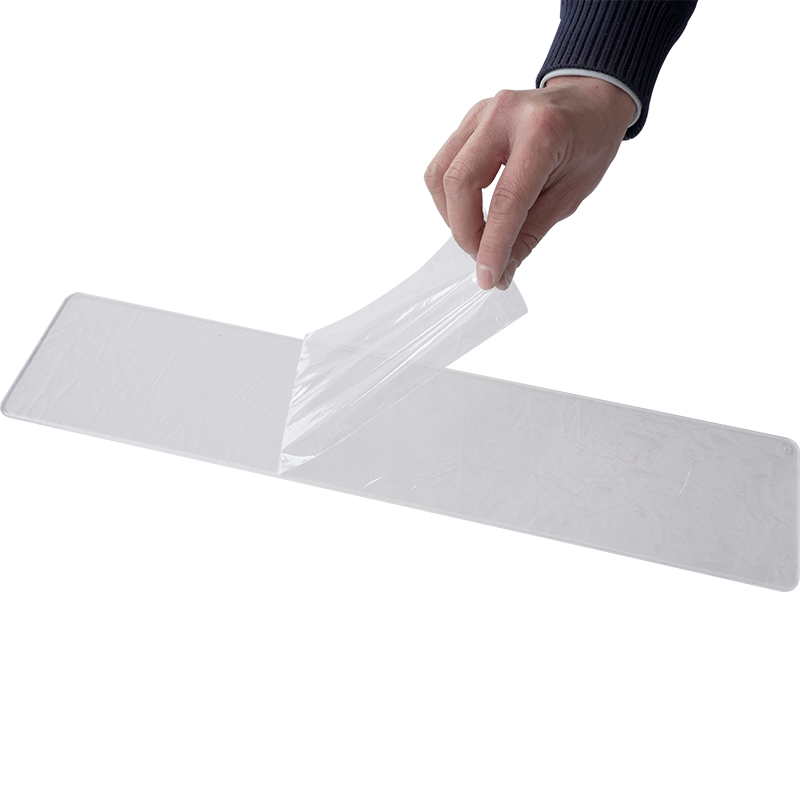
● No “ghost shadow” or “fish eye” after removal; ● Low gel content, soft and stable adhesion plus easy-peel removal with no surface damage or curling;...
See Details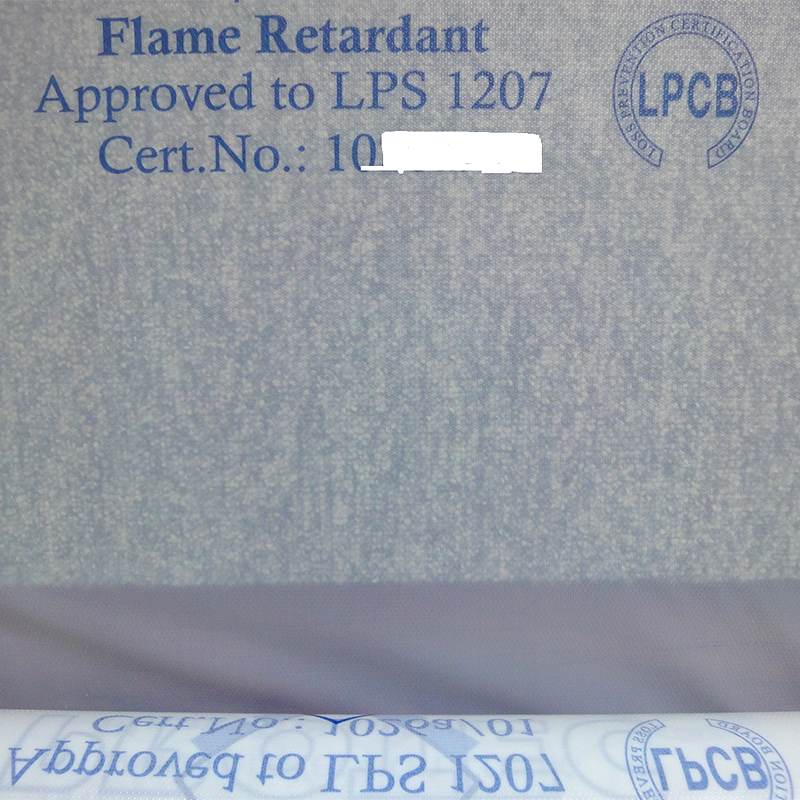
● Prevents costly damages in case of fire /flame;● Meet the strict international test standards of loss prevention; ● Extensive selection for flame re...
See Details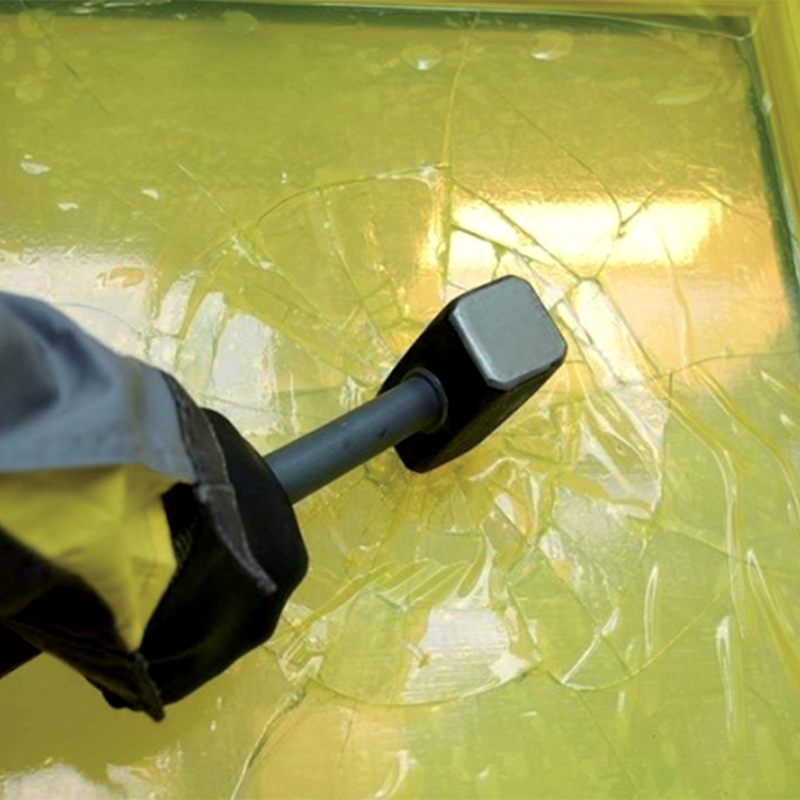
● The super tough polyethylene film with super high adhesion can stop the glass splitting and falling off during window glass demolition process;● Non...
See Details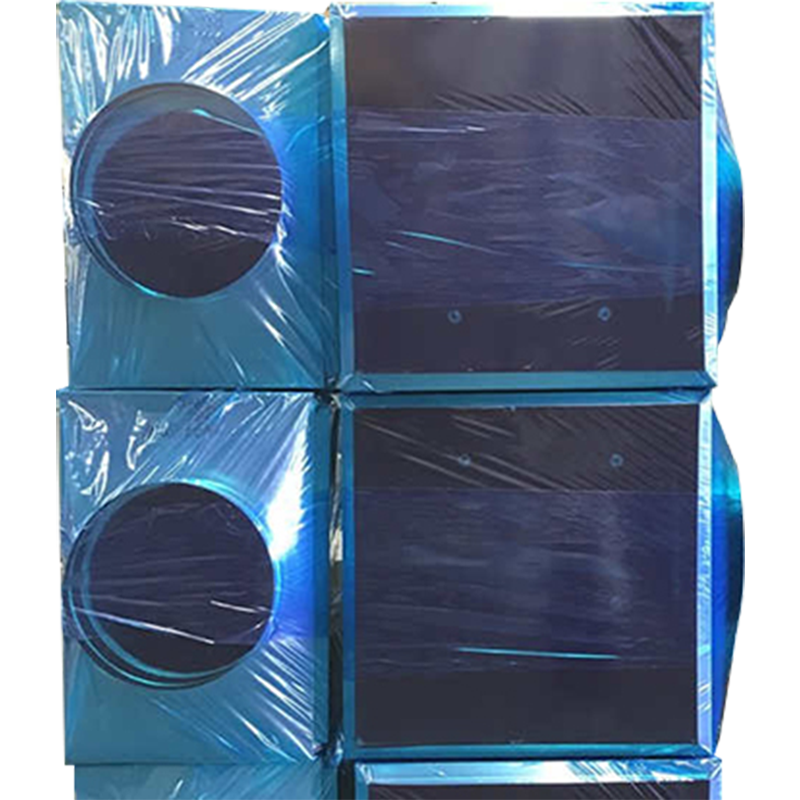
● The super-tough polyethylene film resists puncture and penetration by liquid and dirt during storage, transportation, and installation of the ductwo...
See Details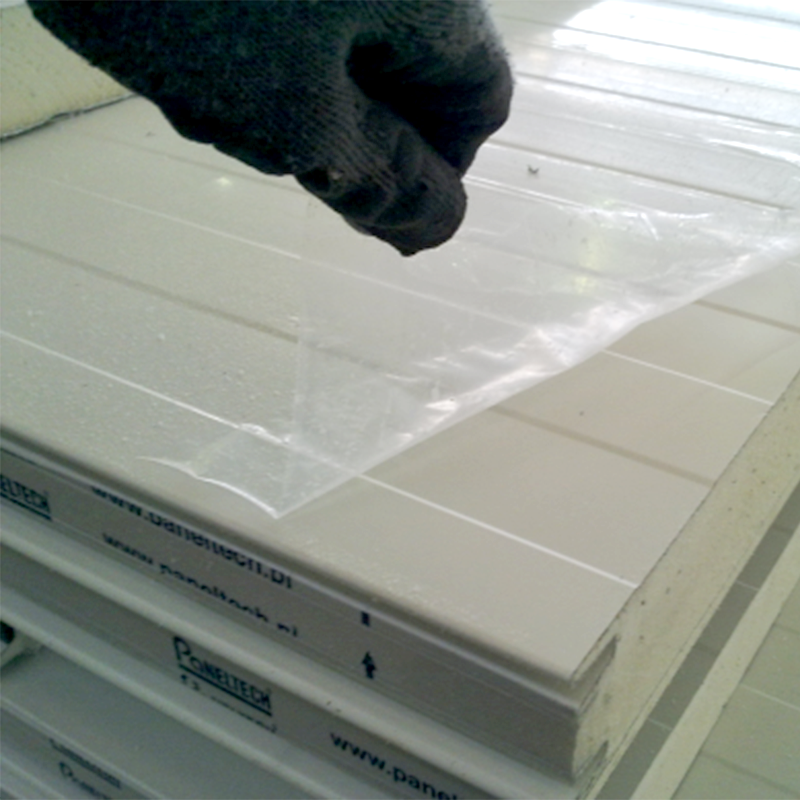
● The specially formulated adhesive ensures easy application and removal without leaving residue glue on the sandwich panels; ● The super-tough polyet...
See Details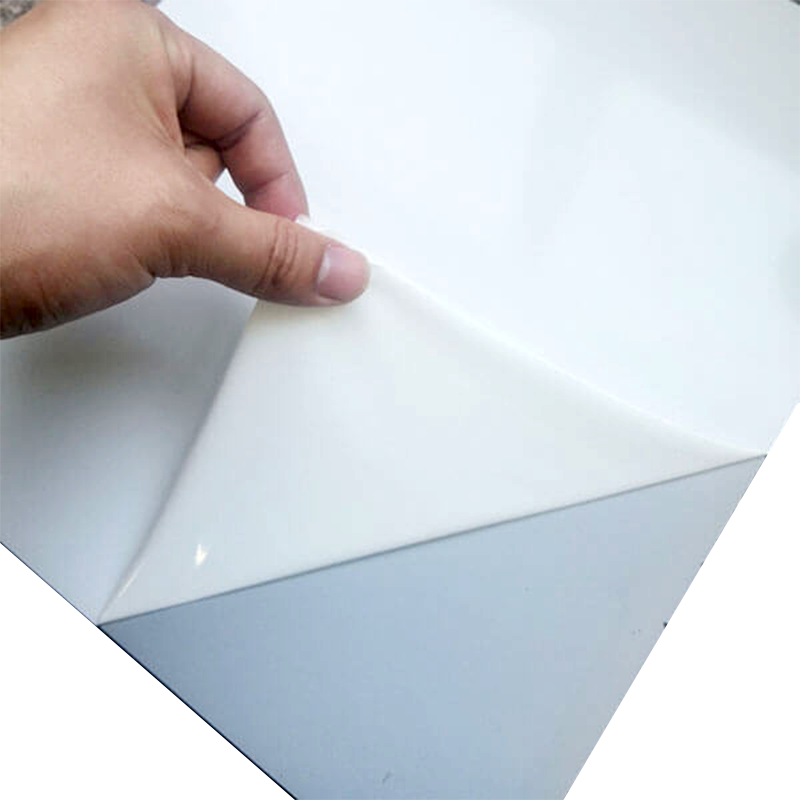
● The super tough polyethylene film with super high adhesion can stop parts of the glass or mirror from splintering away and injuring people when it i...
See Details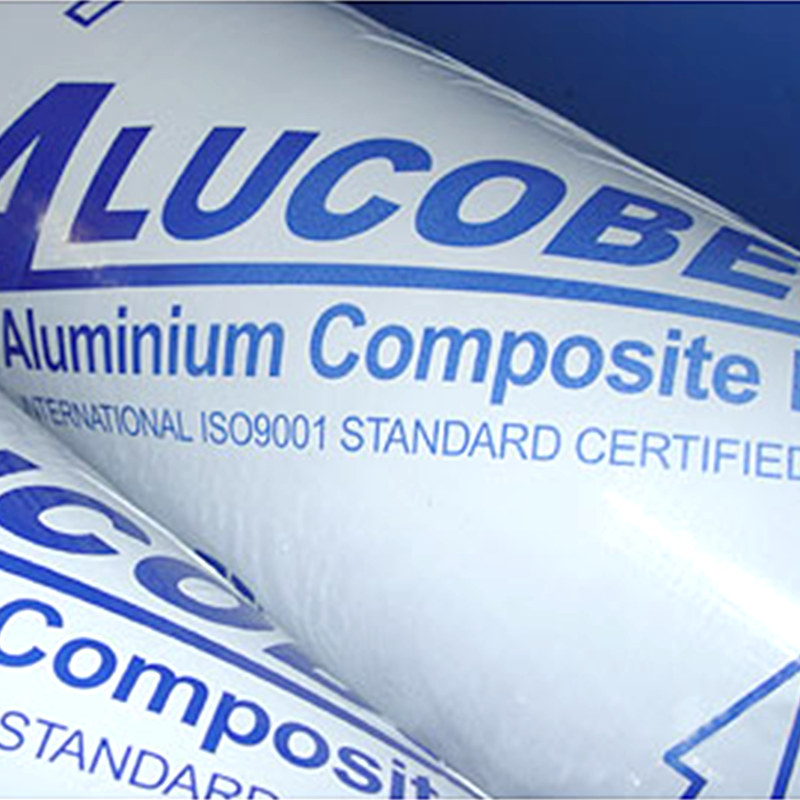
● The specially formulated adhesive ensures easy application and removal without leaving residue glue; ● The super-tough polyethylene film protects ag...
See Details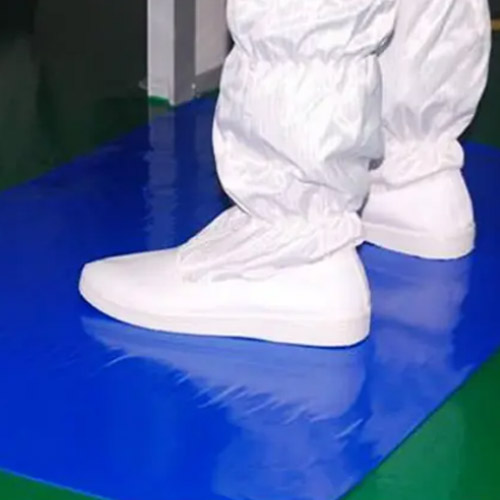
● Options for either 30 or 60 layers per mat; can be packed with four mats, eight mats, or ten mats per carton;● Remove dirt effect: ≥99.9% (5 steps);...
See Details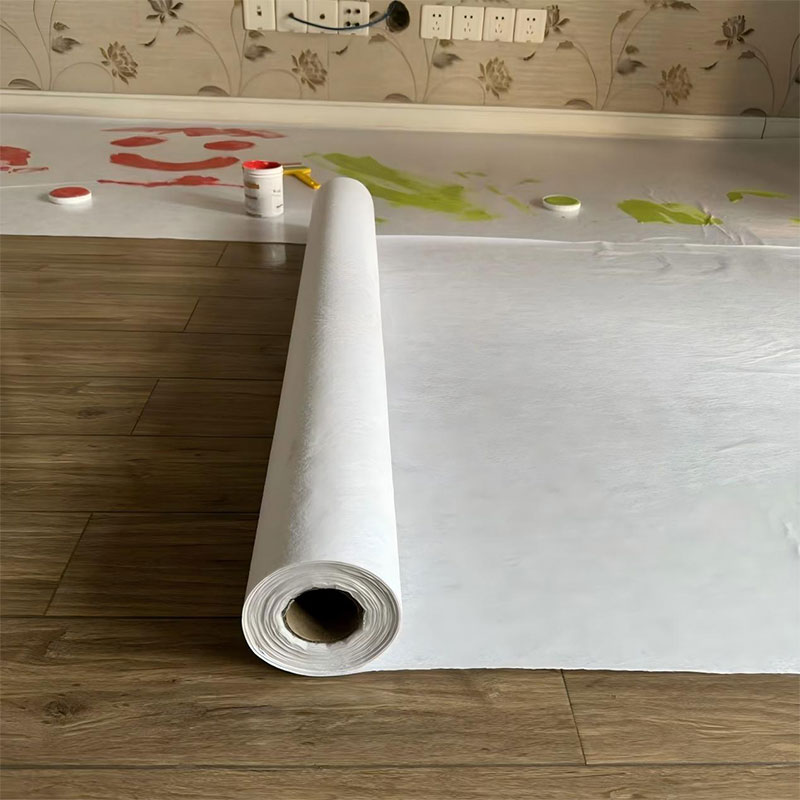
This product has non-woven synthetic fleece in middle; PE film adhered onto top of the non-woven fabric, which is coated with self adhesive glue on it...
See Details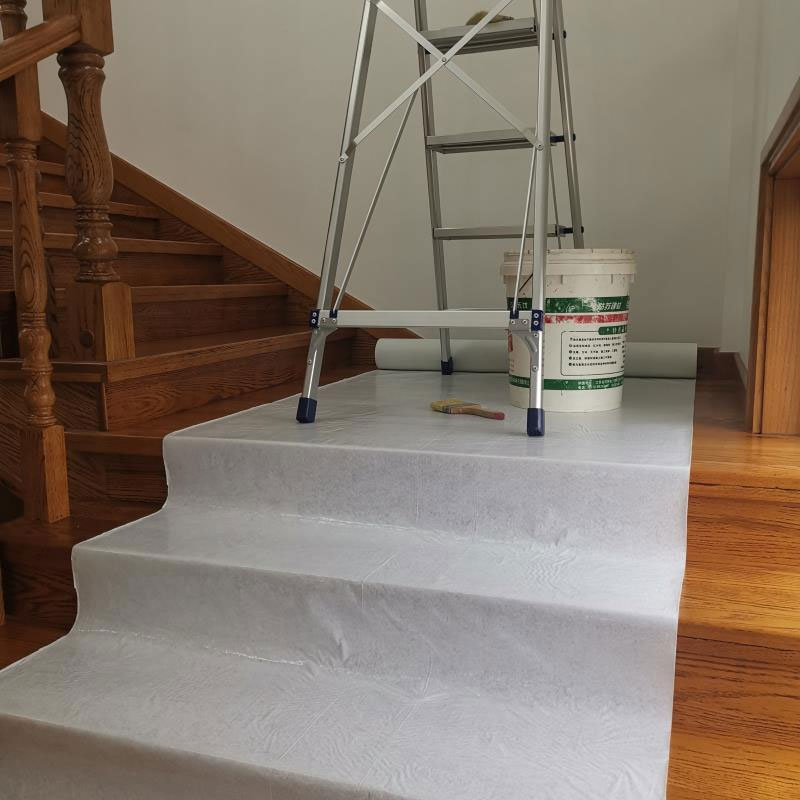
This product has non-woven synthetic fleece in middle; Breathable PE film adhered onto top of the non-woven fabric, which is coated with self adhesive...
See DetailsWe’re a reliable partner that shapes our expertise into success for your project.

Copyright 2024 Wuxi Qida Tape Co., Ltd. All Rights Reserved
 Wholesale Protective Film/Foil Manufacturers
Privacy
Wholesale Protective Film/Foil Manufacturers
Privacy