

 English
 English
 русский
 Français
 Español
 Português
 عربى
عربى
Cat:Glue -coated Protective Film
● No “ghost shadow” or “fish eye” after removal; ● Low gel content, soft and stable adhesion plus easy-peel removal with no surface damage or curling;...
See Details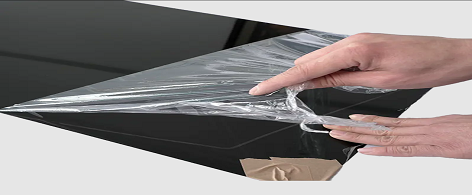
In industrial manufacturing, surface protection, and logistics transportation, the choice of protective film directly affects product quality and cost control. Among various options, Glue-coated Protective Film and Non-adhesive Film are the two most common types. Although both are used for surface protection, they differ fundamentally in structure, performance, and application scenarios.
The core characteristic of glue-coated protective film lies in its pressure-sensitive adhesive (PSA) layer. This adhesive forms a stable bond with the target surface under light pressure, without the need for heat or chemical activation. By adjusting parameters such as initial tack, holding power, and peel strength, glue-coated films can be precisely matched to different substrates, including stainless steel, aluminum sheets, glass, PMMA, and PC panels, ensuring reliable adhesion throughout processing and transportation.
In contrast, non-adhesive film does not rely on true adhesion. Instead, it remains in place through static electricity, material tension, or external fixing methods such as tapes or straps. While this approach may be sufficient for flat, stationary surfaces, it performs poorly in environments involving vibration, rotation, or vertical positioning, where slipping or detachment is more likely.
From a technical perspective, the adhesive layer makes glue-coated protective film an active protection material, whereas non-adhesive film functions more as a passive covering solution, resulting in a significant difference in stability and reliability.
In practical applications, the primary function of protective film is to prevent scratches, contamination, oxidation, and accidental damage during handling and processing. Because glue-coated protective film closely conforms to the surface, it effectively blocks dust, oil, and moisture while also absorbing minor impacts and friction, significantly reducing the risk of surface defects.
Moreover, during processes such as laser cutting, punching, and bending, glue-coated protective film remains firmly in place, preventing metal chips or tools from directly contacting the finished surface. This advantage is especially critical for high-value materials such as mirror-finish stainless steel and polished aluminum panels.
Non-adhesive film offers relatively limited protection. Due to its lack of secure attachment, it can wrinkle or shift during transportation or processing, exposing parts of the surface and reducing overall protection. As a result, non-adhesive film is better suited for low-risk, short-term applications or situations where surface appearance requirements are minimal.
Glue-coated protective film is widely used in industrial manufacturing and downstream processing industries. In the metal sheet sector, it is applied to stainless steel, aluminum alloy, and galvanized steel during processing and transport. In construction, it protects aluminum composite panels, curtain wall glass, and decorative panels. In electronics, it is commonly used for display screens, touch panels, and precision plastic components.
Its major advantage lies in its ability to adapt to complex manufacturing processes, including cutting, bending, forming, and even short-term outdoor storage, while maintaining consistent protection. By selecting different adhesive strength levels, manufacturers can achieve anything from high adhesion to low peel force, meeting diverse production requirements.
Non-adhesive film, on the other hand, is more suitable for temporary or light-duty protection, such as dust protection during storage, inner packaging layers, or applications with zero tolerance for adhesive residue. While easy to use and inexpensive, its functionality is limited, making it unsuitable for high-intensity industrial operations.
| Comparison Factor | Glue-coated Protective Film | Non-adhesive Film |
|---|---|---|
| Fixation method | Pressure-sensitive adhesive | Static or external fixing |
| Protection stability | High, resistant to shifting | Low to medium |
| Processing compatibility | Cutting, bending, punching | Generally unsuitable |
| Surface conformity | Tight, uniform contact | Loose coverage |
| Application duration | Medium to long term | Short term |
One of the most common concerns regarding glue-coated protective film is whether it leaves adhesive residue. In fact, high-quality glue-coated films are specifically engineered to address this issue. By using acrylic or rubber-based adhesives with controlled molecular structures, manufacturers can achieve reliable adhesion while ensuring clean removal without residue or surface damage when used within recommended conditions.
It is important to note that residue problems are rarely caused simply by the presence of adhesive, but rather by incorrect adhesive selection or improper usage conditions. Prolonged exposure to high temperatures, direct sunlight, or usage beyond the recommended time frame can all increase the risk of residue.
Non-adhesive film naturally eliminates any risk of adhesive residue, but this benefit comes at the cost of reduced protection stability. For high-value surfaces, industries generally prefer glue-coated protective film with predictable and controllable performance.
From an operational standpoint, glue-coated protective film offers higher efficiency. It can be applied quickly using automatic laminating equipment or manual processes, without the need for additional fixation, making it ideal for high-volume production lines.
Non-adhesive film often requires auxiliary materials such as tapes, straps, or shrink wrapping to remain in place. This not only increases labor costs but also reduces operational efficiency. In applications involving complex shapes or curved surfaces, non-adhesive film becomes even more difficult to manage.
As a result, in industrial environments where productivity and standardized processes are priorities, glue-coated protective film provides a clear advantage.
In terms of unit price, glue-coated protective film is generally more expensive than non-adhesive film due to higher adhesive formulation, coating technology, and quality control costs. However, when evaluated from a total cost of ownership (TCO) perspective, glue-coated protective film often proves more cost-effective.
By significantly reducing surface damage, rework rates, and customer complaints, glue-coated protective film helps minimize hidden costs. Non-adhesive film may appear economical initially, but in high-risk applications it can lead to greater quality losses and downstream expenses.
Q1: Can glue-coated protective film damage sensitive surfaces?
A: When the correct adhesive grade is selected and the film is used under recommended conditions, surface damage is unlikely.
Q2: Is non-adhesive film completely unsuitable for industrial applications?
A: Not at all. It is suitable for short-term, low-risk, or dust-protection applications, but not for complex or high-intensity processing.
Q3: How do I choose the right type of protective film?
A: Selection should be based on substrate type, processing methods, application duration, and environmental conditions.
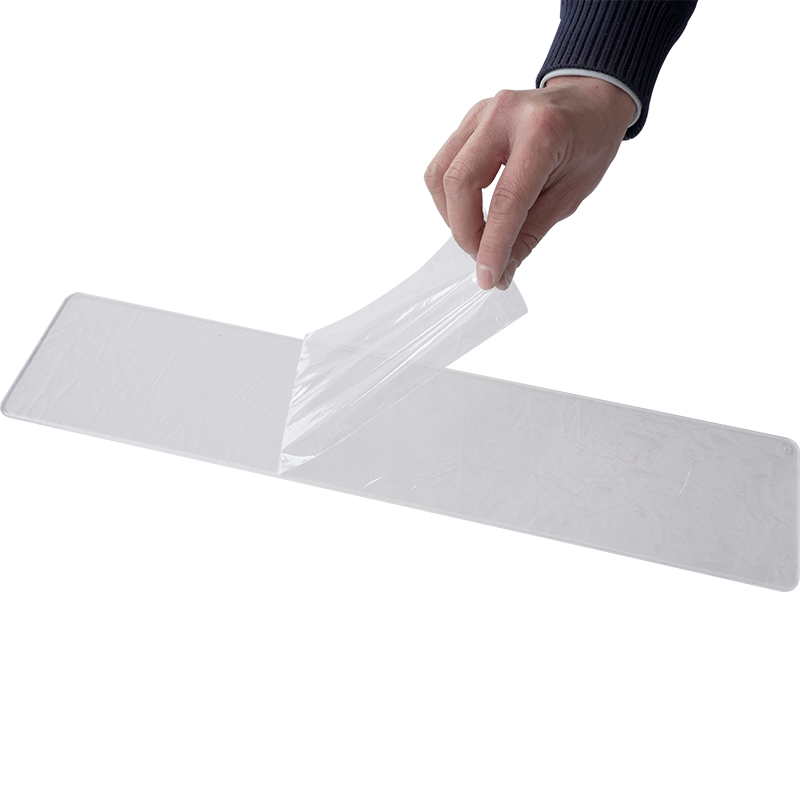
● No “ghost shadow” or “fish eye” after removal; ● Low gel content, soft and stable adhesion plus easy-peel removal with no surface damage or curling;...
See Details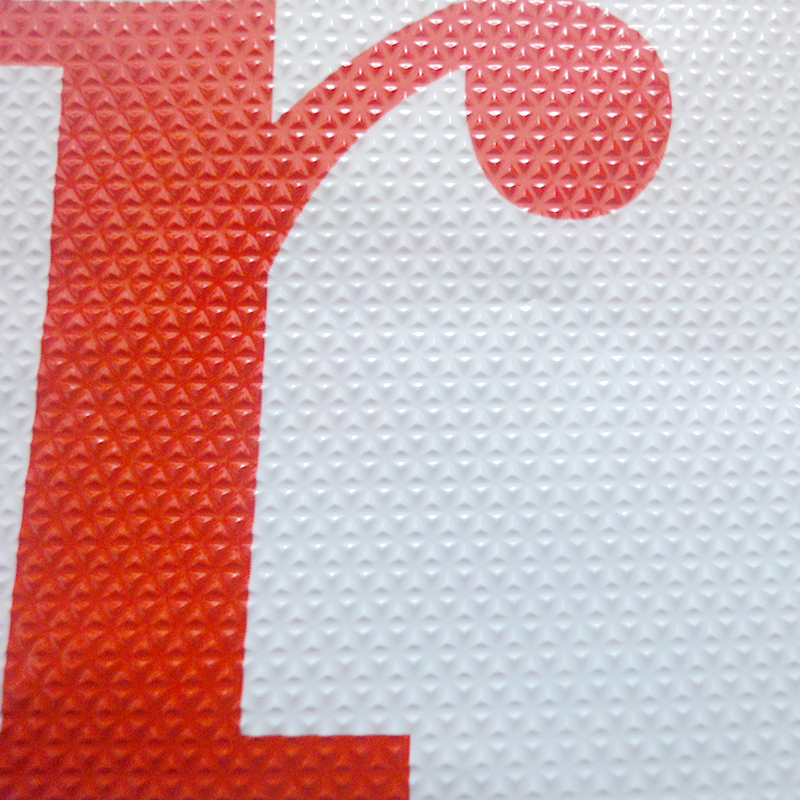
● Anti-slip; ● Embossed film surface to guarantee trip safety;● Tough puncture-resistant polyethylene film;● Can be coated with or without adhesive;● ...
See Details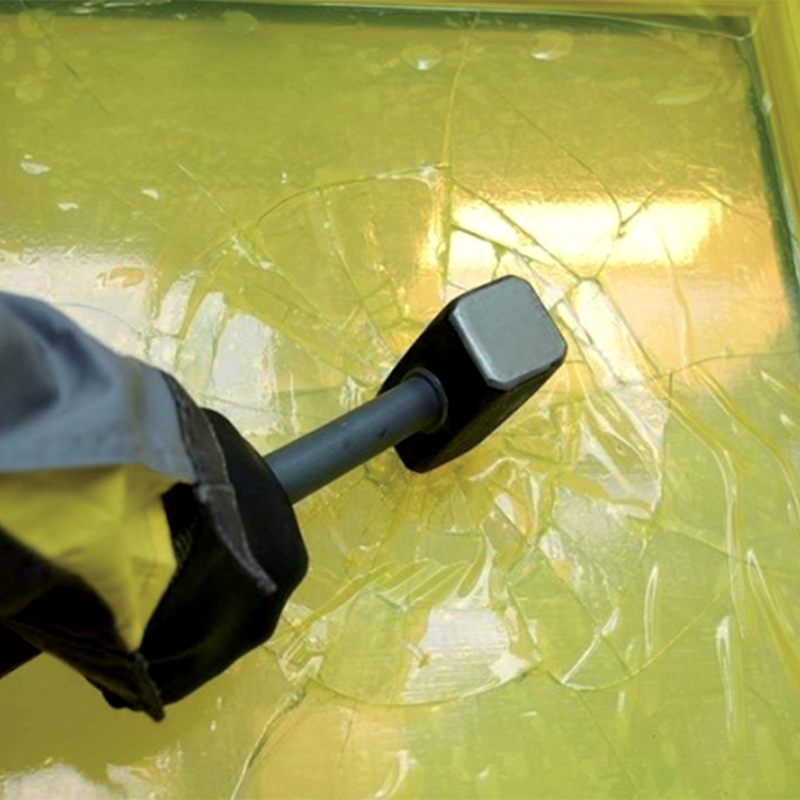
● The super tough polyethylene film with super high adhesion can stop the glass splitting and falling off during window glass demolition process;● Non...
See Details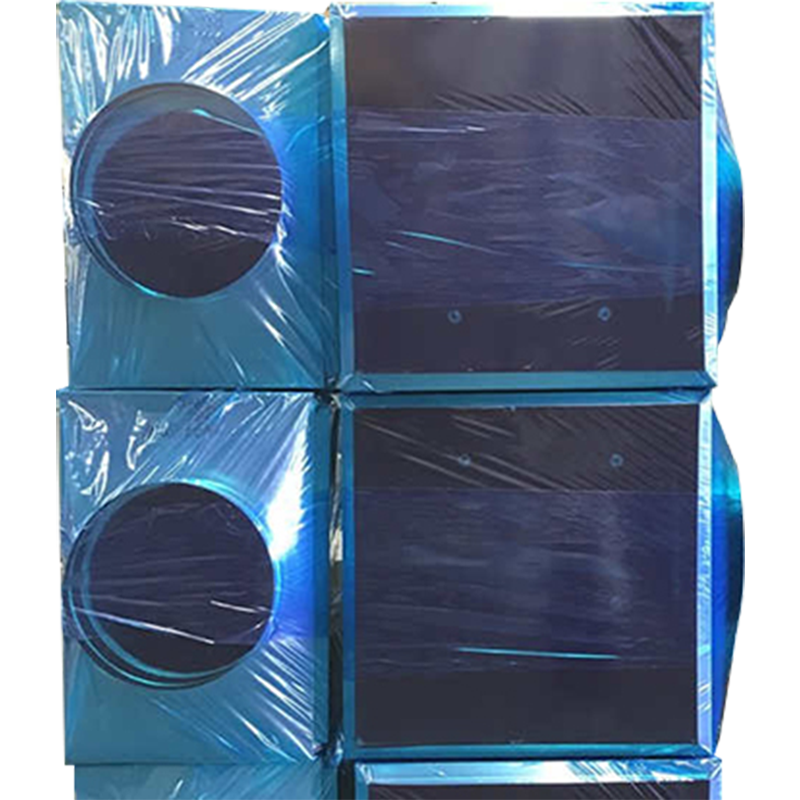
● The super-tough polyethylene film resists puncture and penetration by liquid and dirt during storage, transportation, and installation of the ductwo...
See Details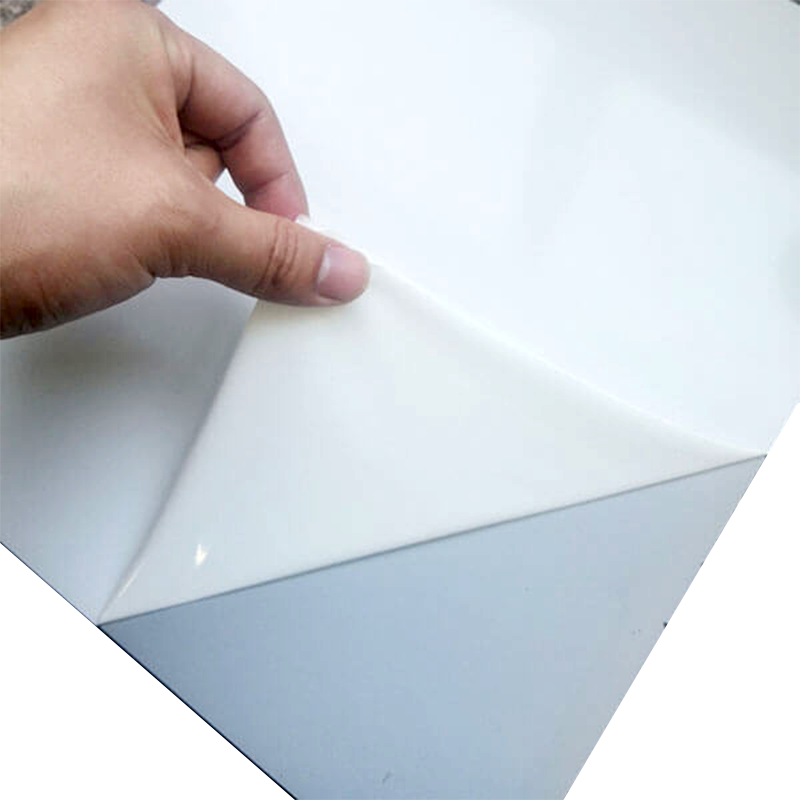
● The super tough polyethylene film with super high adhesion can stop parts of the glass or mirror from splintering away and injuring people when it i...
See Details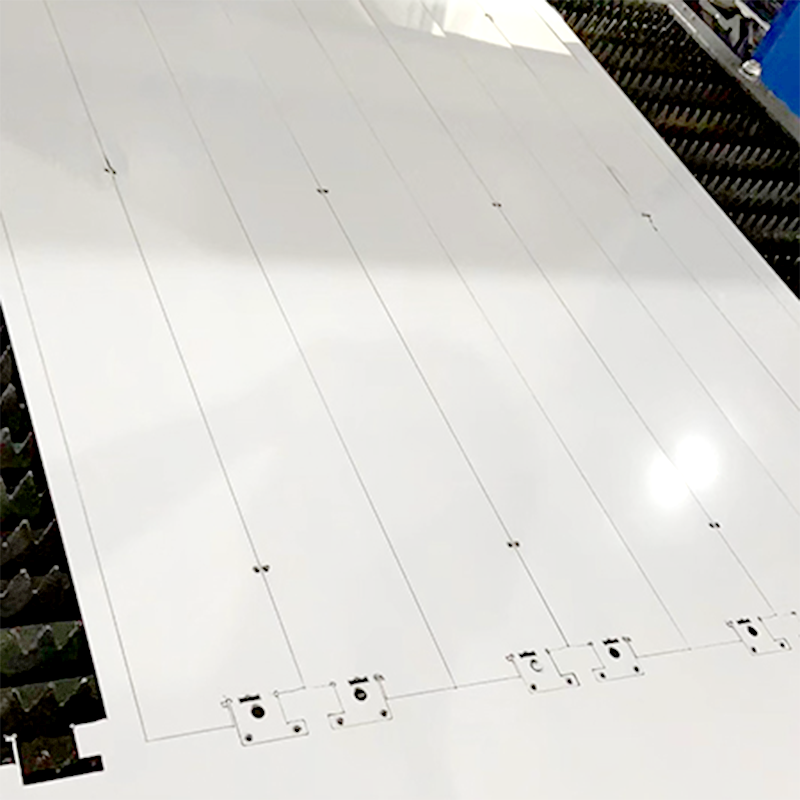
● The specially formulated natural rubber adhesive suitable for both CO2 and Fiber laser cutting processes;● High cutting quality without burr or trac...
See Details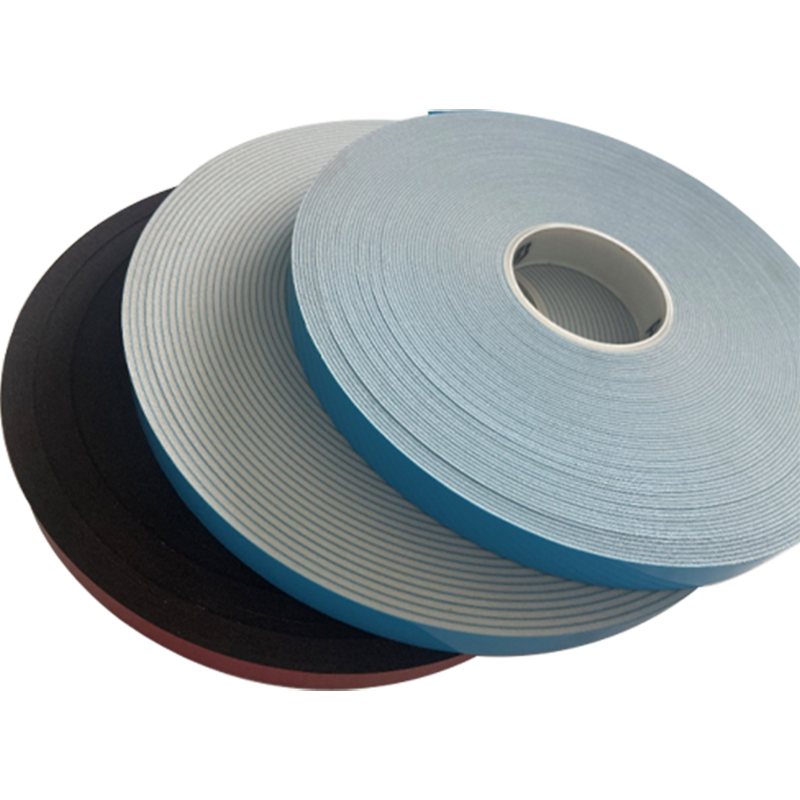
● Waterproof - the desirable material for waterproofing. ● Dust-proof - positive performance of dust prevention.● Low resilience - prevent the deforma...
See Details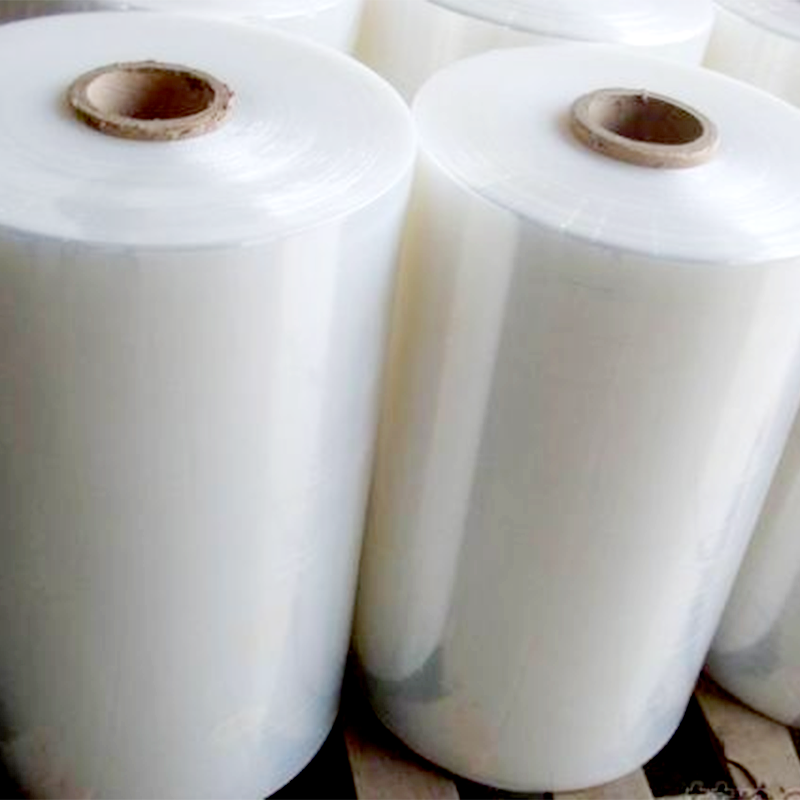
● Excellent puncture and tear resistance; ● Self-adhering-each layer of film bonds to the next for added strength; ● Big roll size to save cost and re...
See Details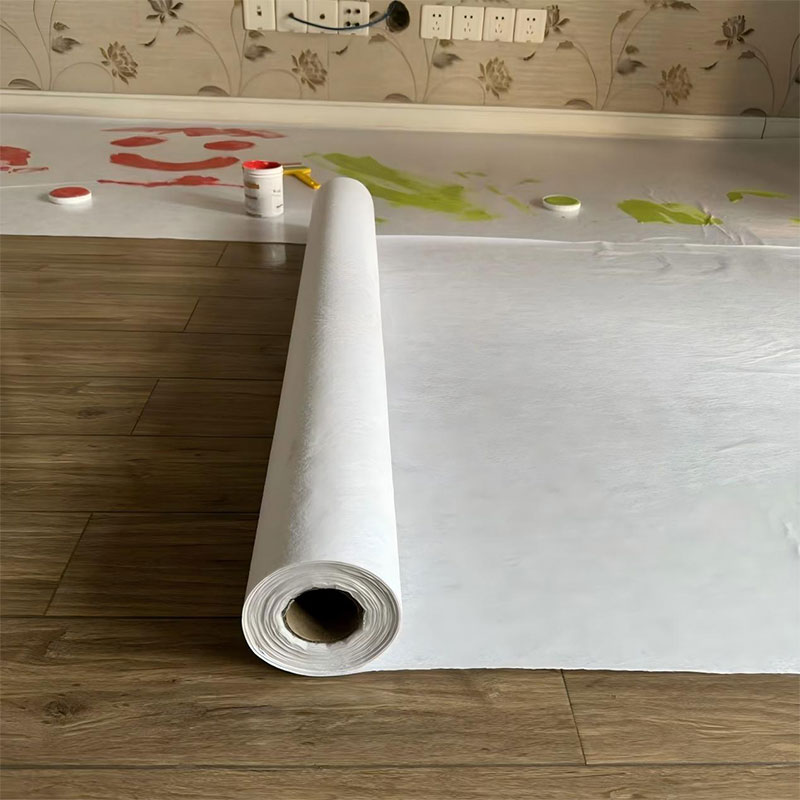
This product has non-woven synthetic fleece in middle; PE film adhered onto top of the non-woven fabric, which is coated with self adhesive glue on it...
See Details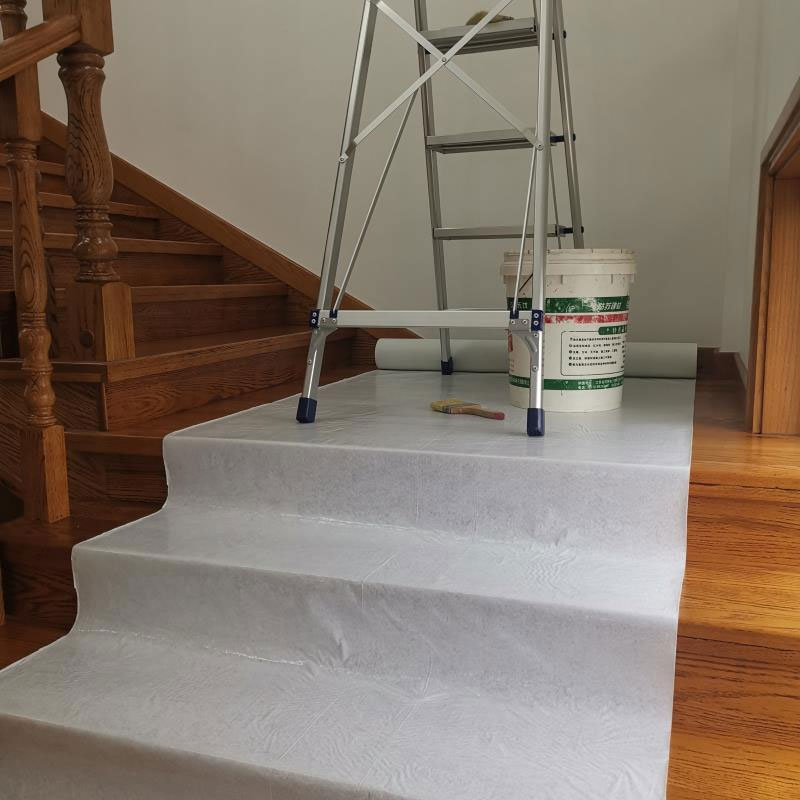
This product has non-woven synthetic fleece in middle; Breathable PE film adhered onto top of the non-woven fabric, which is coated with self adhesive...
See DetailsWe’re a reliable partner that shapes our expertise into success for your project.

Copyright 2024 Wuxi Qida Tape Co., Ltd. All Rights Reserved
 Wholesale Protective Film/Foil Manufacturers
Privacy
Wholesale Protective Film/Foil Manufacturers
Privacy