

 English
 English
 русский
 Français
 Español
 Português
 عربى
عربى
Cat:Glue -coated Protective Film
● No “ghost shadow” or “fish eye” after removal; ● Stable adhesion level; ● UV resistance for up to 6 months; ● Can print customized logo or applicati...
See Details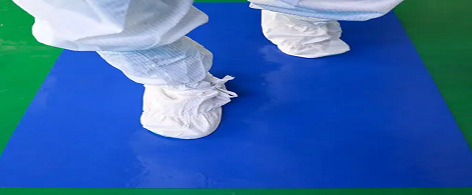
Sticky mats, also known as tacky mats or adhesive floor mats, have become a staple in industrial facilities for maintaining cleanliness and preventing contamination. These mats are typically placed at entrances of cleanrooms, laboratories, production areas, and warehouses to trap dirt, dust, and debris from shoes and wheels before entering critical spaces.
For industries such as electronics, pharmaceuticals, food processing, and medical manufacturing, even small contaminants can compromise product quality, damage equipment, or increase downtime. Sticky mats provide a cost-effective solution to mitigate these risks. However, many facility managers question whether the expense of sticky mats is justified compared to the potential savings in operational costs, waste reduction, and compliance with industry regulations.
In practice, sticky mats not only protect sensitive equipment and products but also improve overall workplace safety and efficiency. By reducing the need for frequent floor cleaning and minimizing contamination-related incidents, these mats can contribute to substantial cost savings in both the short and long term.
Sticky mats reduce operational costs by preventing contaminants from entering production areas, which can otherwise lead to equipment malfunctions, product defects, and expensive cleaning routines. In high-precision industries, even minor particles of dust can affect the performance of machinery or compromise product quality. By intercepting dirt at entry points, sticky mats prevent these costly incidents, ensuring smoother operations.
Another key benefit is the reduction of labor costs. Floors remain cleaner for longer periods, which decreases the frequency of manual cleaning and allows staff to focus on more critical tasks. This improved efficiency directly translates into cost savings over time.
Moreover, sticky mats help maintain compliance with quality and safety standards. For regulated industries such as pharmaceuticals or food manufacturing, preventing contamination is not optional—it is mandatory. By mitigating contamination risks proactively, sticky mats reduce the potential for regulatory fines and product recalls, offering indirect but significant financial benefits.
Sticky mats come in a variety of designs, including disposable, reusable, and layered adhesive mats. Each type offers distinct advantages based on traffic volume, contamination risk, and operational priorities.
| Sticky Mat Type | Best For Industrial Use | Cost-Benefit Consideration |
|---|---|---|
| Disposable Mats | High-traffic cleanrooms or labs | Higher initial cost, minimal maintenance, ensures consistent cleanliness |
| Reusable Mats | Moderate traffic production areas | Lower material cost, requires regular cleaning and monitoring |
| Layered Adhesive Mats | Continuous contamination control | Balanced cost and efficiency, good for heavy-use areas |
These variations allow industrial managers to choose mats tailored to their specific environment, optimizing both safety and cost-effectiveness.
The return on investment (ROI) for sticky mats is highly favorable when analyzed over time. While the initial expenditure may seem significant, the savings achieved through reduced cleaning, maintenance, and contamination-related product loss often outweigh the costs.
Sticky mats prevent unnecessary downtime caused by equipment contamination and reduce the frequency of cleaning cycles, which in turn lowers labor and material costs. For industries with sensitive production processes, minimizing product defects and recalls can result in substantial financial savings.
Moreover, sticky mats contribute to compliance with industry standards, reducing the risk of fines or penalties. In the long term, the combination of operational efficiency, waste reduction, and contamination prevention makes sticky mats a highly cost-effective solution for industrial facilities.
Proper use and maintenance ensure sticky mats remain effective, contributing to long-term cost savings and workplace safety.
Even the best sticky mats can underperform if misused. Common mistakes include:
Avoiding these mistakes ensures optimal protection and maximizes the cost-effectiveness of sticky mats in industrial settings.
Sticky mats are an affordable, effective, and practical solution for industrial contamination control. They help protect sensitive equipment, maintain product quality, reduce labor costs, and ensure compliance with industry standards. By selecting the appropriate type, placing mats strategically, and maintaining them properly, industrial facilities can achieve a strong ROI while safeguarding workplace cleanliness and safety.
Sticky mats are more than just floor coverings—they are an essential component of modern industrial operations, delivering both financial and operational benefits.
Q1: How often should sticky mats be replaced in industrial facilities?
A: Replacement frequency depends on traffic and mat type. Disposable mats are typically replaced daily or weekly, while reusable mats may last for several months with proper cleaning.
Q2: Are sticky mats effective against all types of contaminants?
A: Sticky mats are most effective for dust, dirt, and debris from shoes or wheels, but they do not protect against liquid spills or chemical contamination.
Q3: Can reusable sticky mats save costs effectively?
A: Yes, reusable mats can be cleaned or rejuvenated, making them a cost-effective choice for moderate-traffic areas.
Q4: Where should sticky mats be placed for maximum effectiveness?
A: Place mats at all critical entrances to production areas, cleanrooms, laboratories, and storage areas to capture contaminants before they enter sensitive spaces.

● No “ghost shadow” or “fish eye” after removal; ● Stable adhesion level; ● UV resistance for up to 6 months; ● Can print customized logo or applicati...
See Details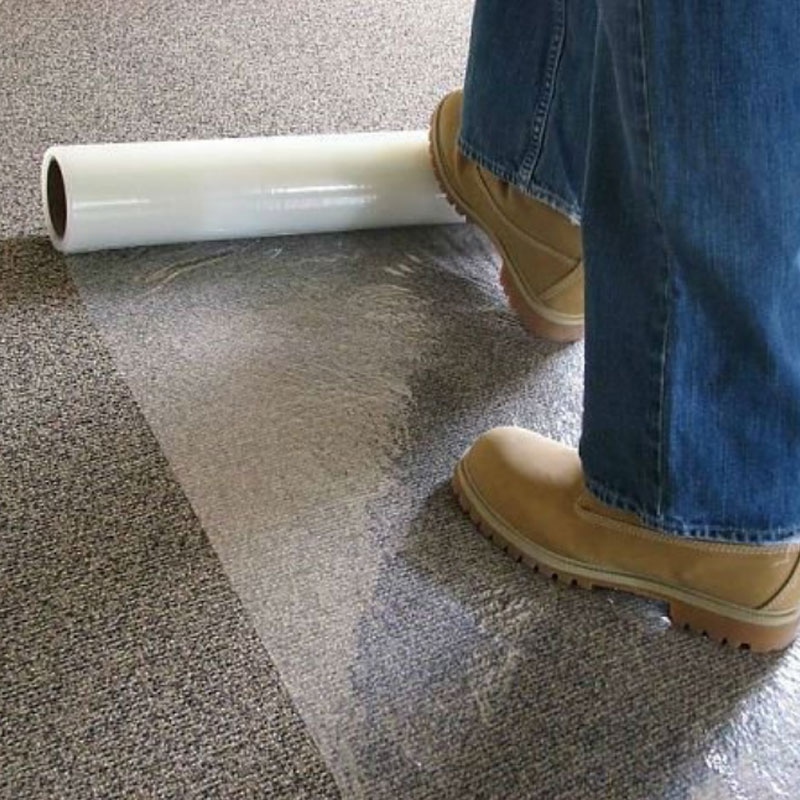
● Protects carpet against staining, paint spillage and dirt during painting, building, remodeling, plastering, tiling, decoration, general maintenance...
See Details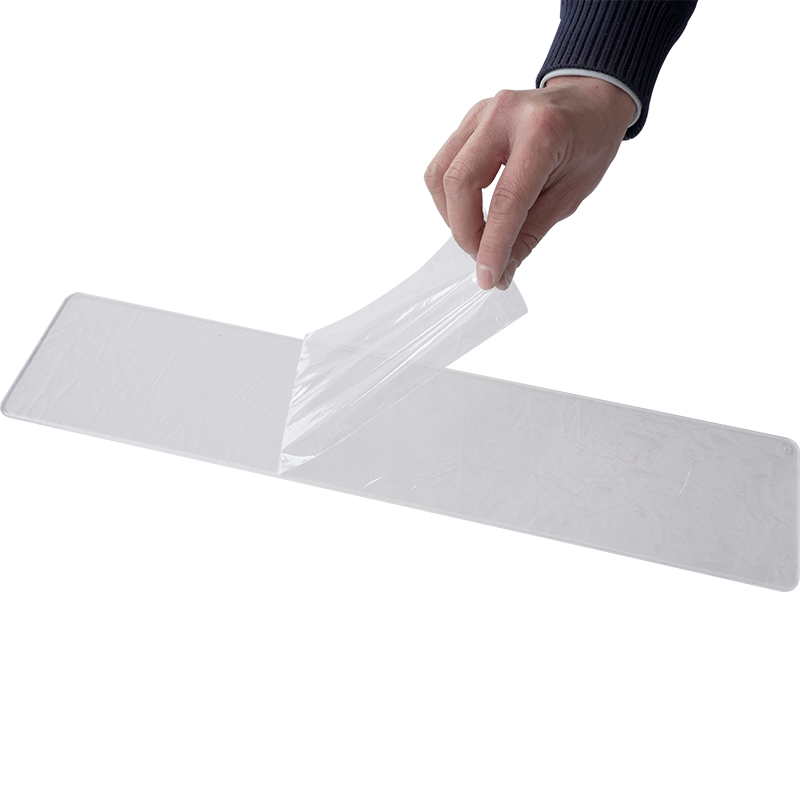
● No “ghost shadow” or “fish eye” after removal; ● Low gel content, soft and stable adhesion plus easy-peel removal with no surface damage or curling;...
See Details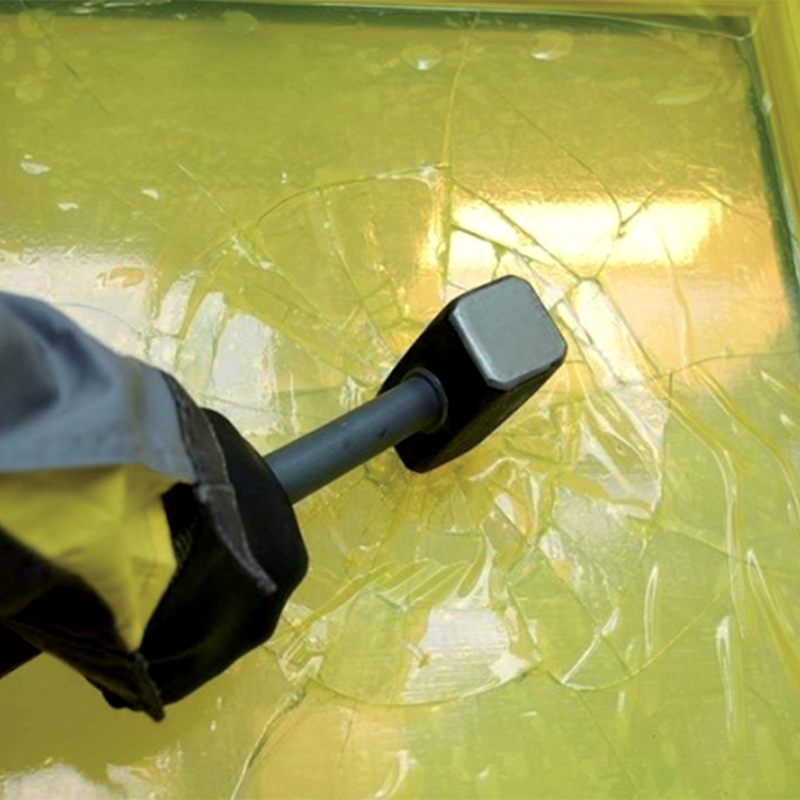
● The super tough polyethylene film with super high adhesion can stop the glass splitting and falling off during window glass demolition process;● Non...
See Details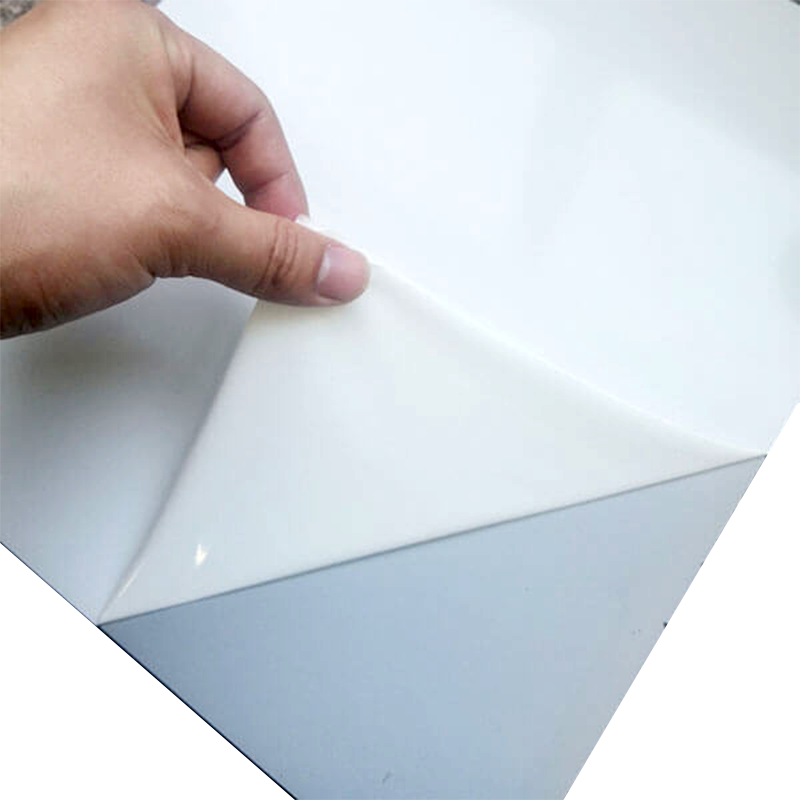
● The super tough polyethylene film with super high adhesion can stop parts of the glass or mirror from splintering away and injuring people when it i...
See Details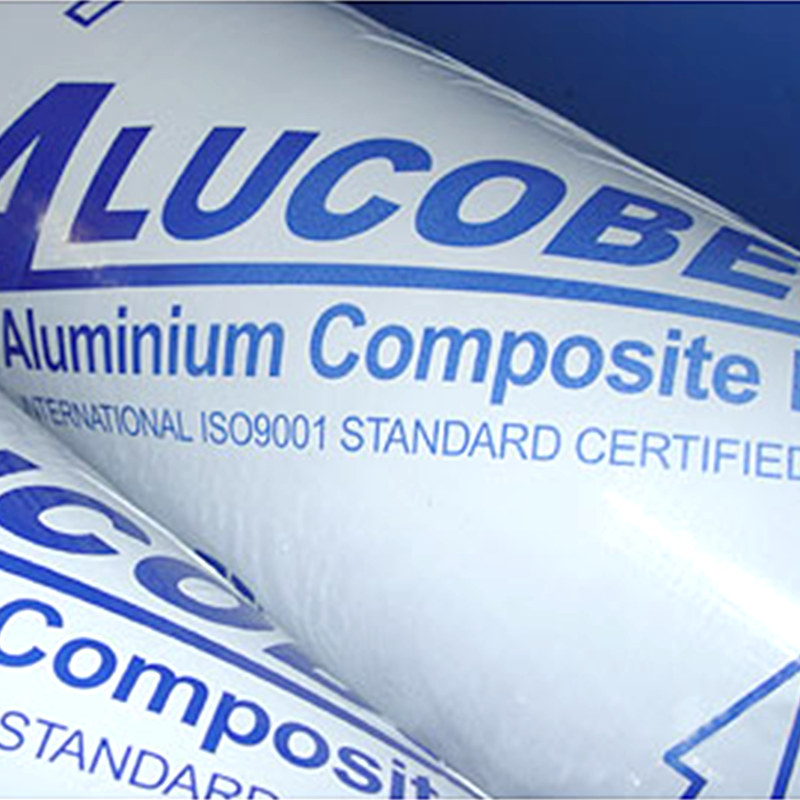
● The specially formulated adhesive ensures easy application and removal without leaving residue glue; ● The super-tough polyethylene film protects ag...
See Details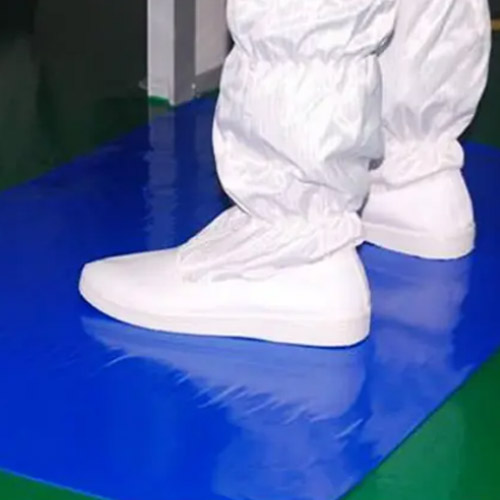
● Options for either 30 or 60 layers per mat; can be packed with four mats, eight mats, or ten mats per carton;● Remove dirt effect: ≥99.9% (5 steps);...
See Details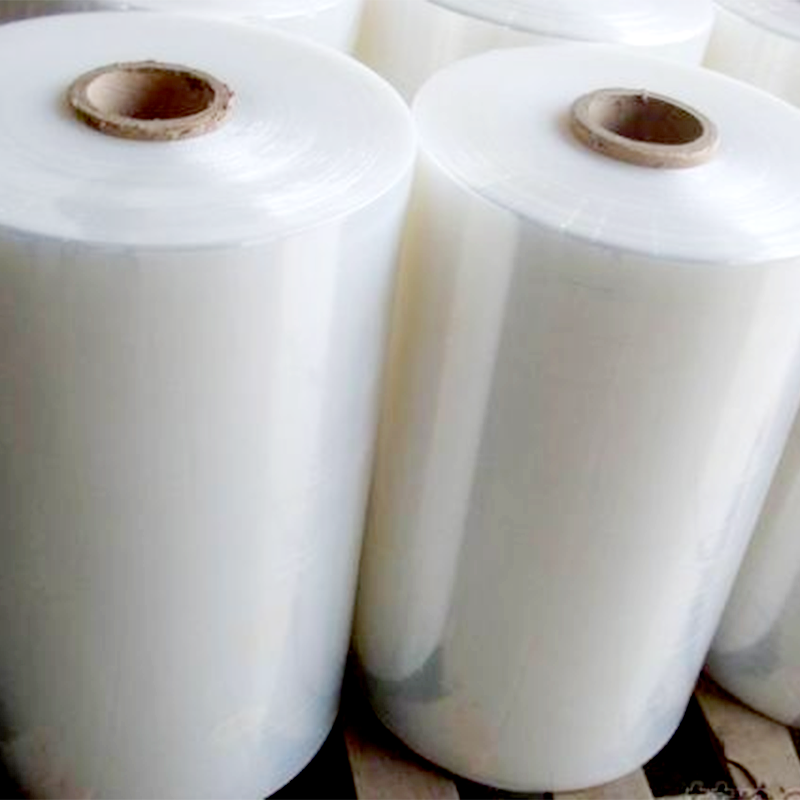
● Excellent puncture and tear resistance; ● Self-adhering-each layer of film bonds to the next for added strength; ● Big roll size to save cost and re...
See Details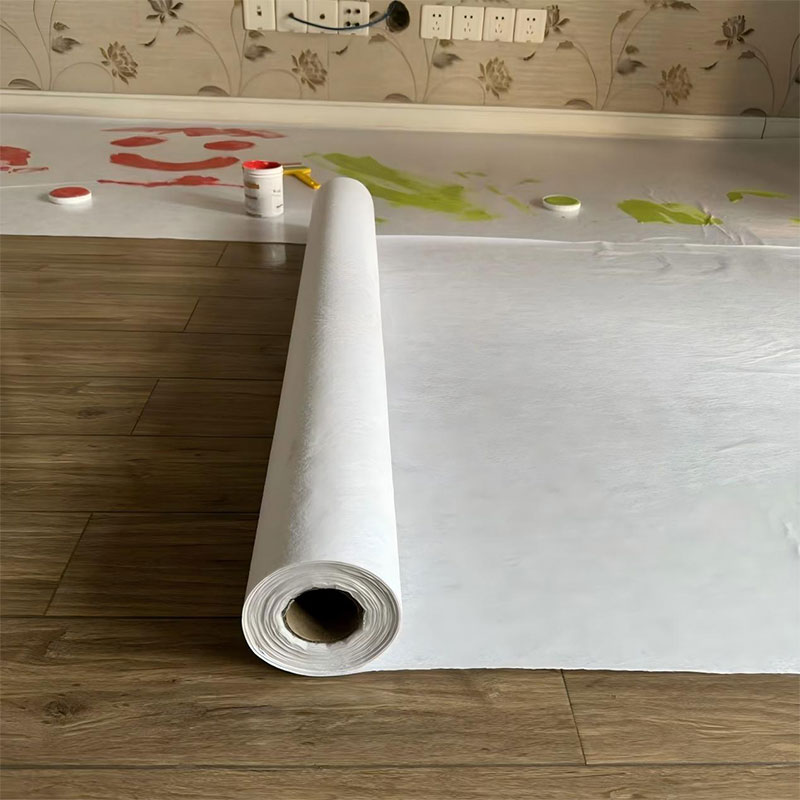
This product has non-woven synthetic fleece in middle; PE film adhered onto top of the non-woven fabric, which is coated with self adhesive glue on it...
See Details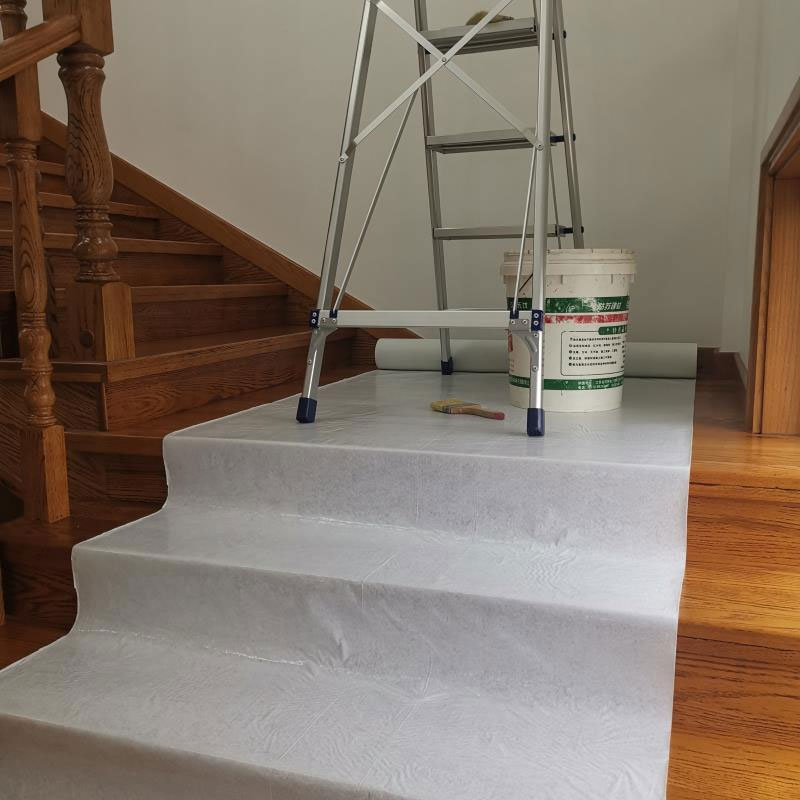
This product has non-woven synthetic fleece in middle; Breathable PE film adhered onto top of the non-woven fabric, which is coated with self adhesive...
See DetailsWe’re a reliable partner that shapes our expertise into success for your project.

Copyright 2024 Wuxi Qida Tape Co., Ltd. All Rights Reserved
 Wholesale Protective Film/Foil Manufacturers
Privacy
Wholesale Protective Film/Foil Manufacturers
Privacy