

 English
 English
 русский
 Français
 Español
 Português
 عربى
عربى
Cat:Glue -coated Protective Film
● No “ghost shadow” or “fish eye” after removal; ● Stable adhesion level; ● UV resistance for up to 6 months; ● Can print customized logo or applicati...
See Details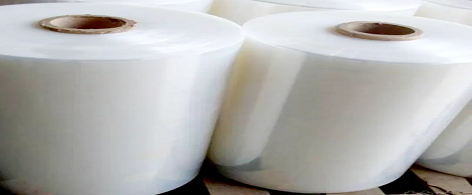
PE Stretch Film, or polyethylene stretch film, has become an indispensable part of modern packaging and logistics. Its main role is to secure products on pallets, protect them from damage, and ensure safe transportation from manufacturer to warehouse or retail. In an era where global supply chains are more complex than ever, using the right stretch film is critical for minimizing product loss, maintaining quality, and optimizing logistics efficiency.
Beyond merely holding items together, PE Stretch Film serves as a protective layer against environmental factors such as dust, moisture, and vibration during transport. Businesses that invest in proper stretch film solutions can not only reduce damage-related costs but also enhance operational efficiency and customer satisfaction.
The widespread adoption of PE Stretch Film across industries—from food and beverage to electronics and furniture—demonstrates its versatility and importance. Without it, shipments would be more prone to shifting, tipping, or exposure to contaminants, making the supply chain less reliable.
PE Stretch Film is a flexible, highly stretchable plastic film made from linear low-density polyethylene (LLDPE). Its unique elasticity allows it to wrap tightly around products or pallets, holding items securely while absorbing minor shocks and movement during transit. Unlike traditional packing materials such as ropes, straps, or boxes, stretch film conforms to the shape of the load, providing continuous tension and a uniform protective layer.
There are two main types of PE Stretch Film: hand stretch film, which is applied manually, and machine stretch film, which is applied using automated wrapping machines. Both types provide excellent protection, but machine film offers higher consistency and speed, particularly useful for high-volume operations.
PE Stretch Film is widely used in packaging for industries such as food and beverages, pharmaceuticals, electronics, and industrial goods. Its affordability, ease of application, and protective properties make it a staple in modern logistics, ensuring that products arrive in perfect condition.
Key benefits include:
PE Stretch Film plays a critical role in maintaining load stability during transport. By wrapping products tightly on pallets, it prevents individual items from shifting or toppling. This is especially important for fragile, tall, or irregularly shaped loads that are prone to damage. The tension created by the stretch film distributes pressure evenly across the load, minimizing stress points and reducing the likelihood of breakage.
Additionally, PE Stretch Film acts as a barrier against environmental factors such as moisture, dust, and dirt. For example, food and beverage products maintain hygiene, electronics are protected from scratches, and furniture remains free from minor impacts during shipping. The combination of physical restraint and environmental protection ensures that products arrive intact and ready for use or sale.
| Feature | Benefit | Application Example |
|---|---|---|
| High Elasticity | Holds items tightly without tearing | Stacked boxes on a pallet |
| Transparent Material | Easy to inspect products without unwrapping | Food and beverage shipments |
| Tear Resistance | Prevents damage during handling | Fragile electronics and glass items |
| Moisture Barrier | Protects from water and humidity | Outdoor storage or long-distance shipping |
Using PE Stretch Film is not only about safety; it also significantly reduces operational costs. A tightly secured pallet reduces the risk of product damage during transit, which in turn minimizes returns, replacements, and customer complaints. Over time, these savings can amount to a substantial reduction in operational expenses.
PE Stretch Film also reduces the need for other packaging materials such as strapping, cardboard, or adhesive tapes. Its lightweight nature helps lower transportation costs, especially for shipments with weight-based pricing. Automated wrapping machines can further enhance efficiency, ensuring consistent wrapping tension, faster processing times, and less material waste compared to manual wrapping.
Moreover, the versatility of stretch film allows it to accommodate varying load shapes and sizes, enabling businesses to streamline warehouse operations. By improving load stability and packaging efficiency, companies can maximize storage space and reduce labor costs while ensuring that goods reach their destination safely.
With growing emphasis on environmental responsibility, PE Stretch Film manufacturers have developed recyclable and low-gauge options to reduce plastic usage. Some films are even biodegradable, offering companies a greener packaging solution without compromising product protection.
Selecting the right thickness and type of film is essential for balancing safety and sustainability. Thicker films provide better load security but use more material, while thinner, high-quality films can achieve the same protective effects with less plastic. Responsible use of PE Stretch Film contributes to lower waste production and supports corporate sustainability initiatives while maintaining reliable transportation safety.
Following these practices ensures optimal protection, minimizes product damage, and extends the lifespan of the film itself.
Common mistakes when using PE Stretch Film include:
Avoiding these errors helps maintain consistent protection and reduces the risk of damaged goods.
PE Stretch Film is an essential tool for ensuring safe and efficient product transportation. By providing load stability, environmental protection, cost savings, and operational efficiency, it safeguards goods from production to delivery. Selecting the right type, applying it correctly, and following best practices ensures that products arrive intact, reduces losses, and supports sustainable logistics practices.
Q1: Can PE Stretch Film be reused?
A: Yes, it can sometimes be reused, but repeated use may reduce elasticity and load stability.
Q2: Is machine wrapping more efficient than hand wrapping?
A: Machine wrapping is faster, more consistent, and ideal for high-volume operations. Hand wrapping is suitable for smaller or irregular loads.
Q3: What thickness of PE Stretch Film is recommended for heavy pallets?
A: High-gauge films (20–23 microns) or multi-layer films are recommended for heavy or fragile loads.
Q4: Is PE Stretch Film recyclable?
A: Yes, most PE Stretch Films are recyclable, though recycling facilities and regulations vary by region.
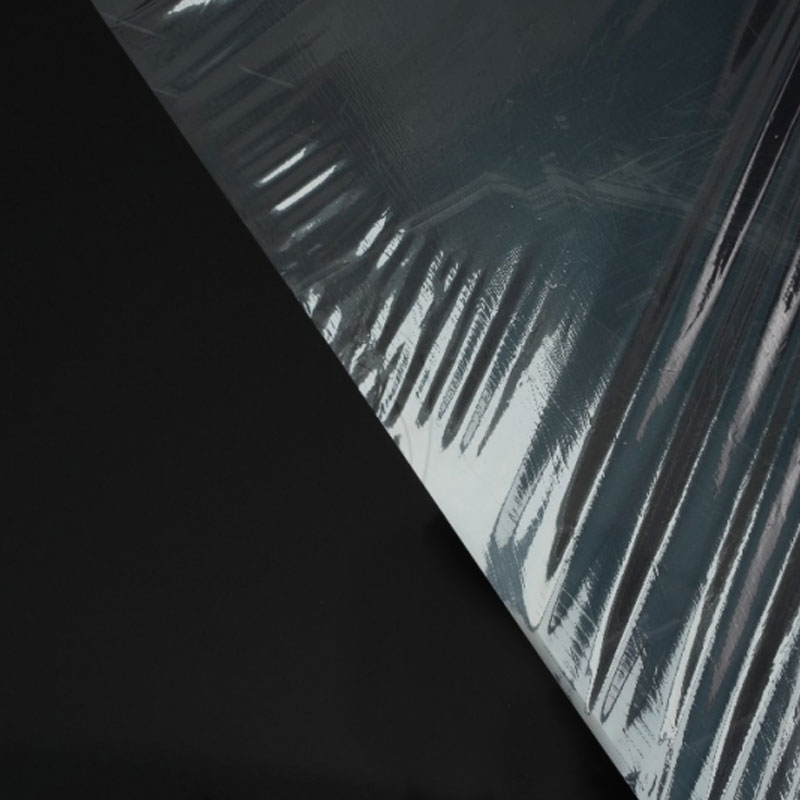
● No “ghost shadow” or “fish eye” after removal; ● Stable adhesion level; ● UV resistance for up to 6 months; ● Can print customized logo or applicati...
See Details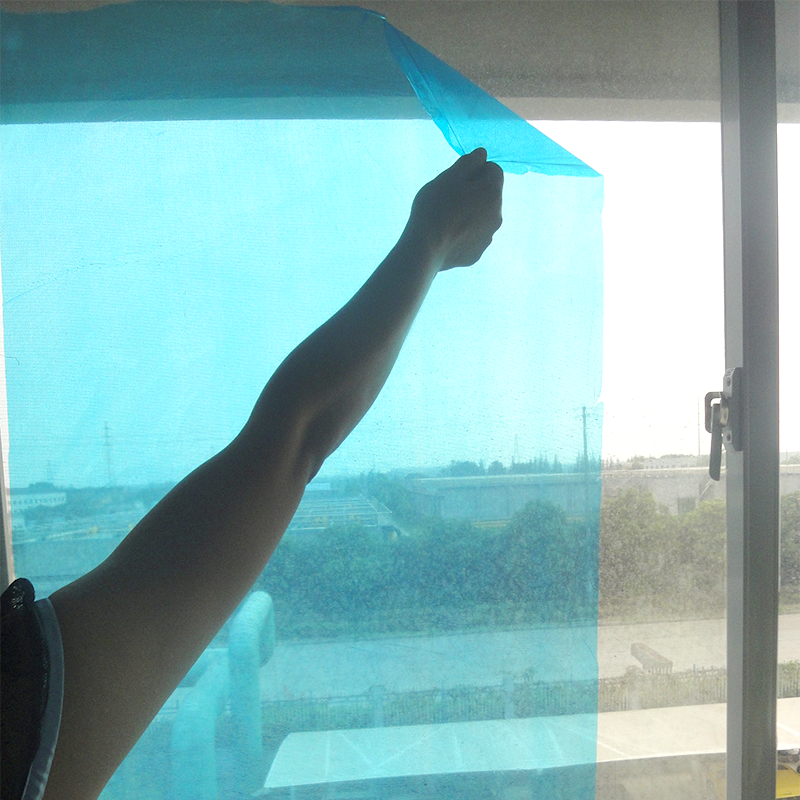
● Protect window glass against paint splatters, dirt, staining, and spillages during painting, building, plastering, tiling, general maintenance and r...
See Details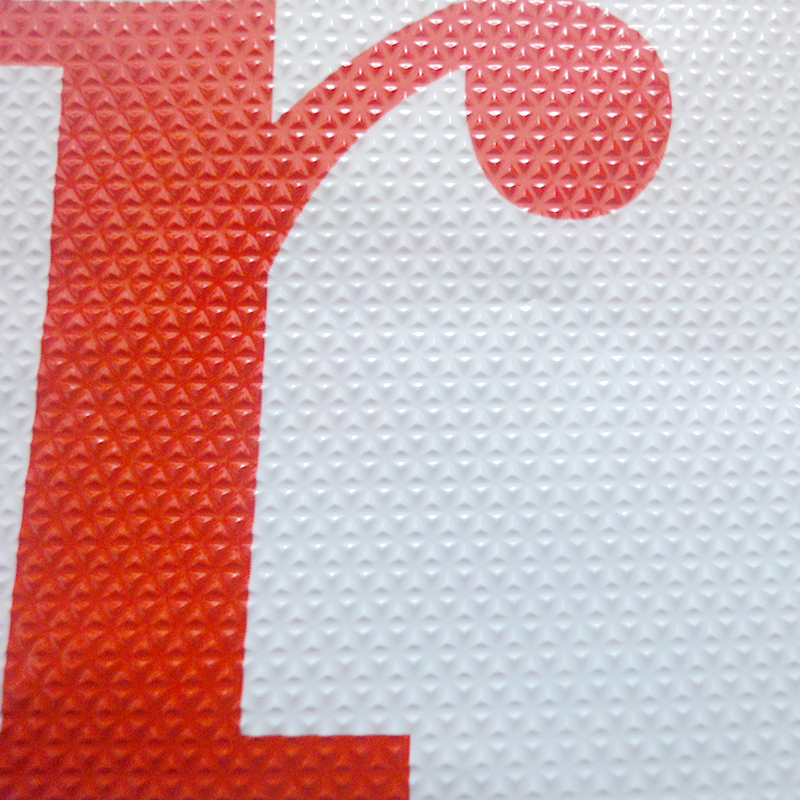
● Anti-slip; ● Embossed film surface to guarantee trip safety;● Tough puncture-resistant polyethylene film;● Can be coated with or without adhesive;● ...
See Details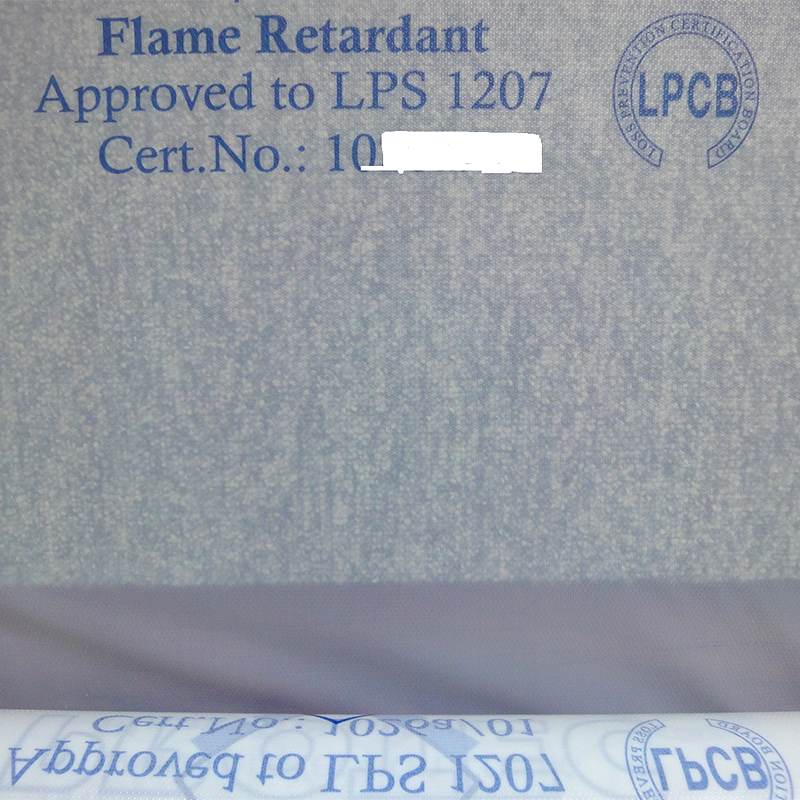
● Prevents costly damages in case of fire /flame;● Meet the strict international test standards of loss prevention; ● Extensive selection for flame re...
See Details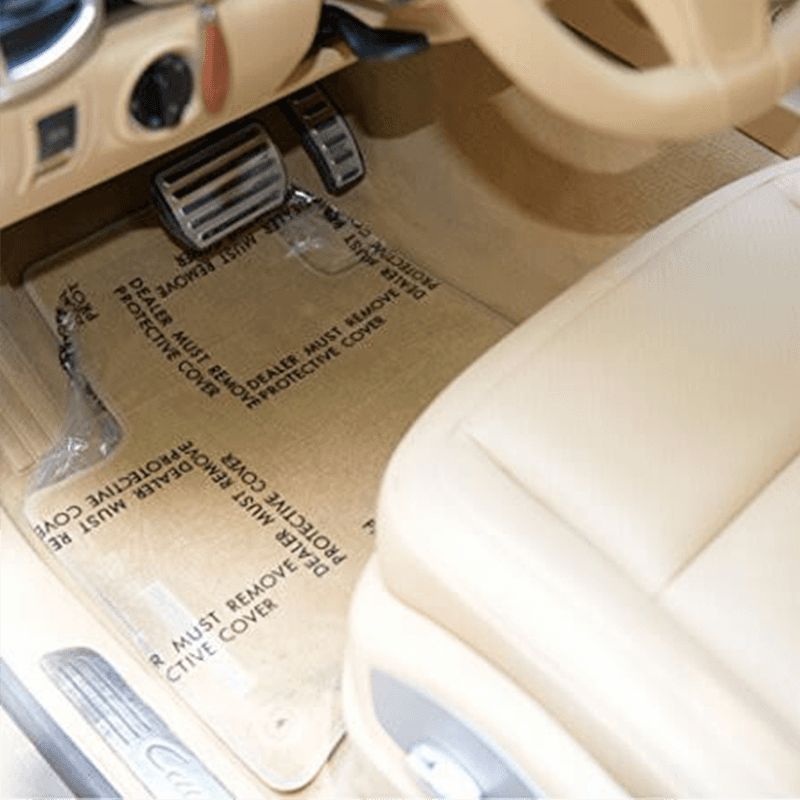
● Distance of each perforation die-cut ranges from 100mm to 1200mm;● Can peel off each die-cut piece of protective film at the perforated line easily;...
See Details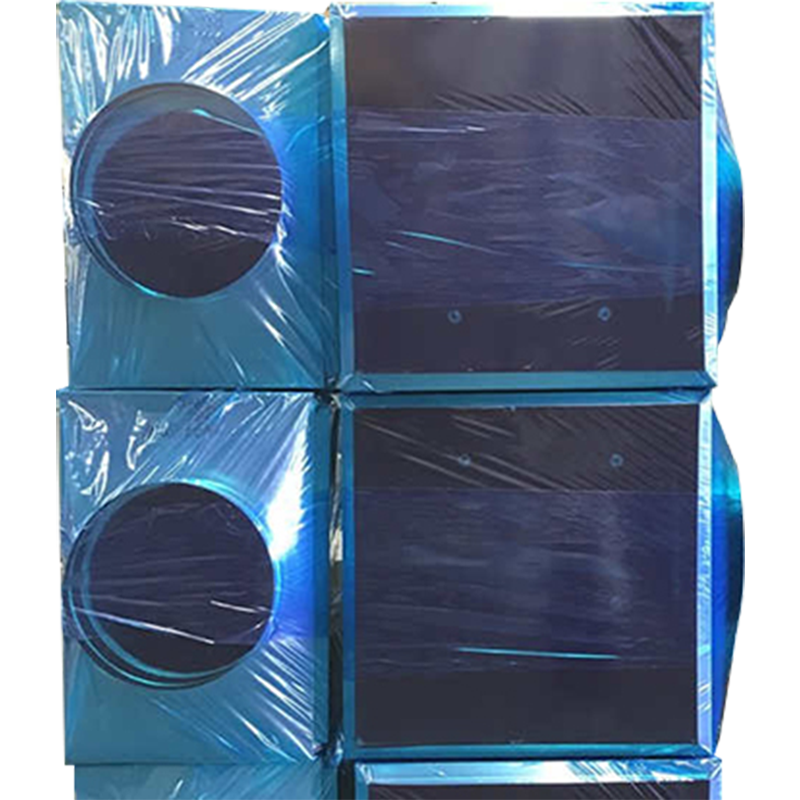
● The super-tough polyethylene film resists puncture and penetration by liquid and dirt during storage, transportation, and installation of the ductwo...
See Details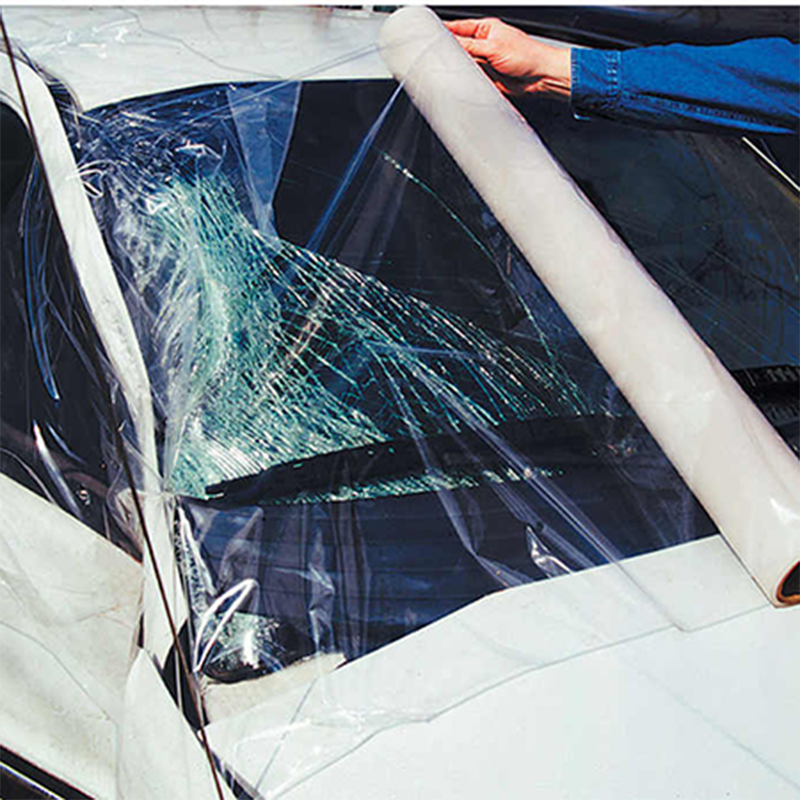
● The super-tough polyethylene film resists puncture and penetration by rain, snow, debris, and dirt during the transportation and storage of the cras...
See Details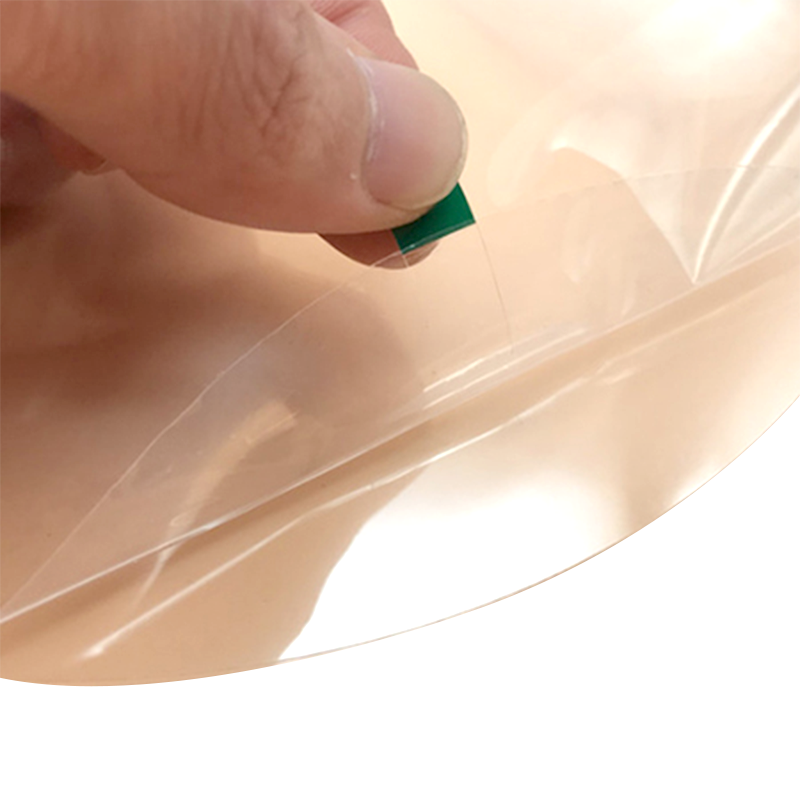
● Suitable for plastic sheets’ drilling, cutting, routing, thermoforming, bending, or post-fabrication operations;● No “ghost shadow” or “fish eye” af...
See Details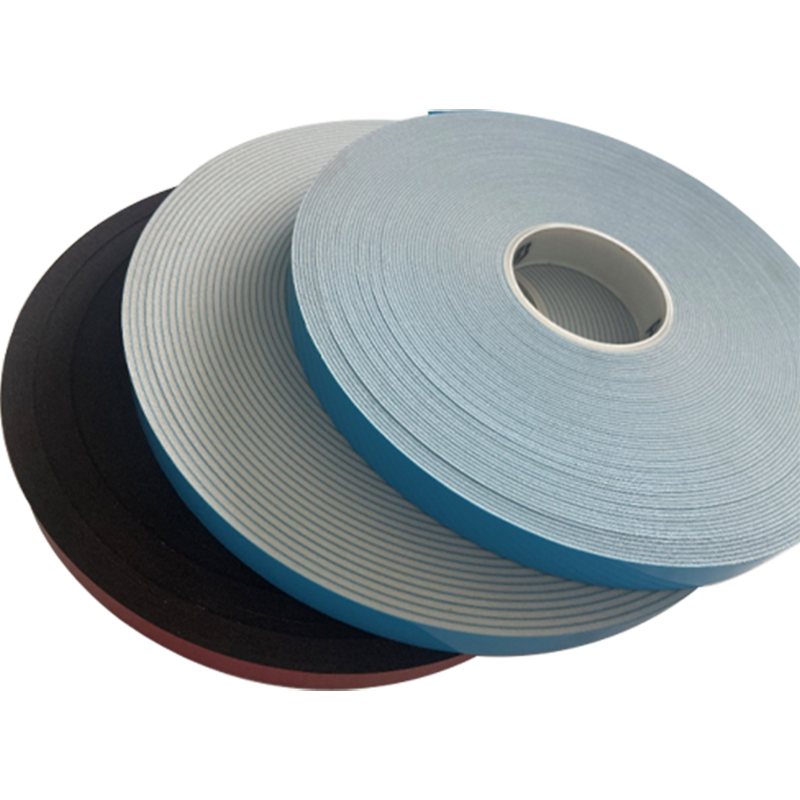
● Waterproof - the desirable material for waterproofing. ● Dust-proof - positive performance of dust prevention.● Low resilience - prevent the deforma...
See Details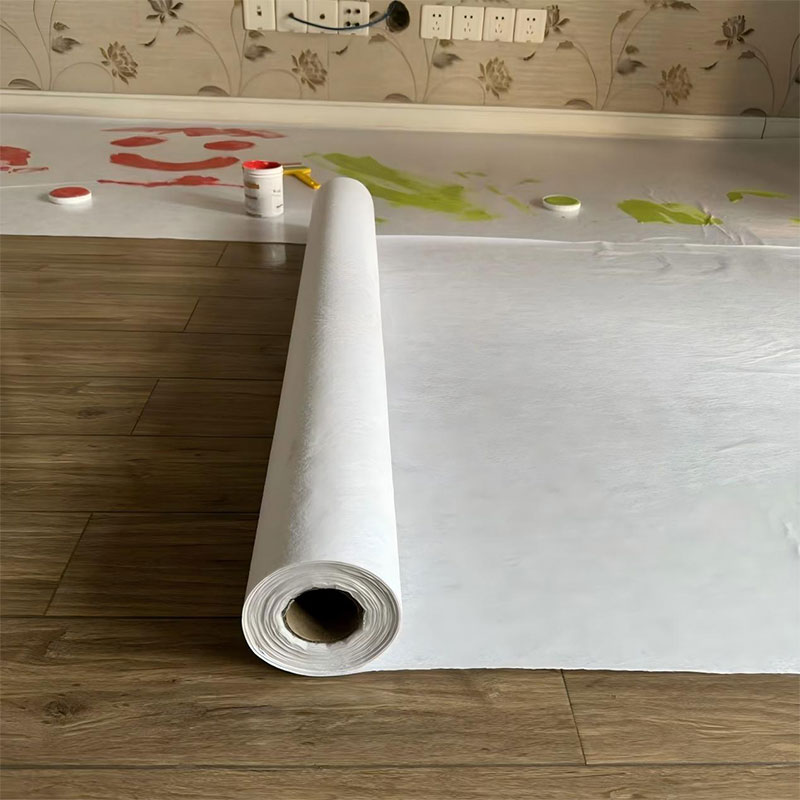
This product has non-woven synthetic fleece in middle; PE film adhered onto top of the non-woven fabric, which is coated with self adhesive glue on it...
See DetailsWe’re a reliable partner that shapes our expertise into success for your project.

Copyright 2024 Wuxi Qida Tape Co., Ltd. All Rights Reserved
 Wholesale Protective Film/Foil Manufacturers
Privacy
Wholesale Protective Film/Foil Manufacturers
Privacy