

 English
 English
 русский
 Français
 Español
 Português
 عربى
عربى
Cat:Glue -coated Protective Film
● Good weatherability for outdoor exposure; ● Stable adhesion level; ● UV resistance for up to 12 months; ● Can print customized logo or application i...
See Details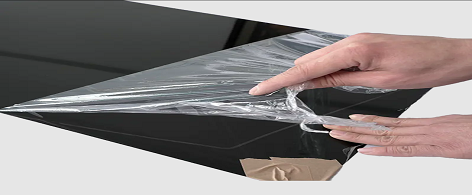
Glue-coated protective film has become an essential material in modern industrial surface protection. From metal processing and electronics manufacturing to construction and automotive industries, this type of protective film plays a critical role in maintaining surface integrity throughout production, handling, transportation, and installation.
One of the primary reasons glue-coated protective film is widely used in industrial surface protection is its strong and stable adhesion. The film is coated with a pressure-sensitive adhesive (PSA) that allows it to bond securely to a wide range of surfaces without requiring heat, solvents, or water activation. This makes it highly suitable for fast-paced industrial environments.
In industrial processing, materials often undergo multiple steps such as cutting, stamping, bending, polishing, or assembling. During these processes, surface vibration, friction, and mechanical stress can easily cause unprotected materials to shift or become scratched. Glue-coated protective film remains firmly attached throughout these operations, preventing movement and exposure.
Another advantage is the consistency of adhesion. High-quality glue-coated protective films are engineered to maintain uniform bonding strength across the entire surface, avoiding weak points that could lead to peeling or lifting. This stability ensures continuous protection even on large sheets or panels.
Moreover, manufacturers can customize adhesion strength—low, medium, or high tack—based on application requirements. This adaptability makes glue-coated protective film suitable for both delicate surfaces and rough industrial materials.
Industrial surfaces are highly vulnerable to damage at every stage of production and logistics. Scratches, abrasions, dust contamination, oil stains, and chemical exposure can significantly reduce product value. Glue-coated protective film acts as a physical barrier, effectively isolating the surface from external threats.
During machining or fabrication, sharp tools and metal debris can easily damage exposed surfaces. The protective film absorbs minor impacts and prevents direct contact, ensuring the underlying material remains intact. This is particularly important for decorative or functional surfaces where appearance and precision are critical.
In addition, glue-coated protective film helps prevent micro-scratches that may not be immediately visible but can affect surface coatings, reflectivity, or bonding performance later. These micro-damages often lead to customer complaints or product rejection.
By minimizing surface defects, manufacturers can significantly reduce rework, polishing, or refinishing costs. As a result, glue-coated protective film contributes directly to higher production efficiency and improved overall product quality.
Clean removability is a crucial requirement in industrial surface protection, and glue-coated protective film excels in this area. Advanced adhesive formulations are designed to provide strong adhesion during use while allowing easy removal without leaving glue residue on the surface.
Residue left behind after film removal can cause serious issues, especially on stainless steel, aluminum, glass, or painted surfaces. Adhesive contamination may interfere with further processing such as coating, printing, welding, or bonding. Glue-coated protective film minimizes this risk through carefully balanced adhesive chemistry.
High-quality films maintain adhesive stability over time, meaning they do not harden, migrate, or degrade under normal storage or processing conditions. This ensures that even after extended protection periods, the film can still be peeled off cleanly.
Additionally, clean removal reduces labor time and eliminates the need for chemical cleaners or solvents. This not only improves operational efficiency but also supports environmentally friendly manufacturing practices.
| Adhesive Property | Glue-coated Protective Film | Conventional Tape | Non-adhesive Film |
|---|---|---|---|
| Adhesion Stability | High | Medium | None |
| Residue After Removal | None or Minimal | Often Residue | None |
| Surface Compatibility | Very Wide | Limited | Limited |
| Industrial Process Tolerance | Excellent | Moderate | Poor |
| Application Efficiency | High | Medium | Low |
Glue-coated protective film is widely used because it is compatible with a broad range of industrial materials. Whether the surface is smooth, textured, coated, or untreated, the film can be engineered to perform effectively without causing damage.
Common compatible materials include stainless steel, aluminum sheets, galvanized steel, plastic panels (PVC, PET, acrylic), glass, mirrors, and painted or powder-coated surfaces. This versatility allows manufacturers to standardize protective solutions across multiple product lines.
Material compatibility also extends to different surface finishes, such as brushed, polished, matte, or glossy. The adhesive layer is designed to conform closely to the surface profile, ensuring uniform contact and protection.
This adaptability reduces the need for multiple protective products, simplifies inventory management, and lowers procurement costs. As a result, glue-coated protective film is an ideal solution for multi-material industrial environments.
Glue-coated protective film is engineered to withstand various industrial processes without compromising its protective function. During laser cutting, CNC machining, bending, or stamping, the film remains intact and continues to shield the surface.
Specialized versions of glue-coated protective film can resist heat, UV exposure, and mechanical stress. For example, laser-compatible films are designed to prevent edge burning and residue formation during laser cutting operations.
The film’s flexibility allows it to stretch and conform during forming or bending processes, maintaining coverage even on complex shapes. This adaptability ensures continuous protection throughout production workflows.
By integrating seamlessly into industrial processes, glue-coated protective film eliminates the need for repeated application or replacement, saving time and reducing material waste.
From a cost perspective, glue-coated protective film offers exceptional value. The cost of applying protective film is minimal compared to the expense of repairing damaged surfaces, reworking defective products, or scrapping unusable materials.
Surface defects often result in customer dissatisfaction, returns, or warranty claims. By preventing damage upfront, glue-coated protective film helps manufacturers avoid these downstream costs.
Additionally, improved yield rates and reduced scrap contribute directly to higher profitability. The film’s ease of application and removal also minimizes labor costs, further enhancing cost efficiency.
For manufacturers focused on lean production and quality control, glue-coated protective film is a smart investment with measurable financial benefits.
Ease of use is another key reason glue-coated protective film is widely adopted. The film can be applied manually for small-scale operations or automatically using laminating equipment for high-volume production lines.
The adhesive activates under light pressure, ensuring quick and consistent application without specialized tools. This reduces training requirements and speeds up production.
Removal is equally straightforward. Operators can peel off the film in one piece without tearing, residue, or surface damage. This efficiency is especially important during final assembly or installation stages.
Simple application and removal improve workflow efficiency and reduce downtime, making glue-coated protective film ideal for modern industrial operations.
Different industrial applications require different levels of adhesion. Glue-coated protective film offers customizable adhesive strength to meet these varying needs.
Low-tack films are suitable for delicate surfaces such as polished aluminum or acrylic panels. Medium- and high-tack options are used for rougher surfaces or applications involving heavy processing and long-term protection.
This customization ensures optimal performance without over-adhesion, which could cause removal difficulties. Manufacturers can select or customize films based on surface type, protection duration, and processing conditions.
Such flexibility makes glue-coated protective film a highly adaptable solution for diverse industrial requirements.
Transportation and storage present significant risks to industrial products. Vibration, stacking pressure, moisture, and dust can all damage exposed surfaces. Glue-coated protective film provides reliable protection throughout the logistics chain.
The film prevents friction between stacked materials and shields surfaces from environmental contaminants. This ensures products arrive at their destination in pristine condition.
For export-oriented manufacturers, this protection is especially critical. Reduced damage during shipping leads to fewer claims, returns, and customer complaints.
By safeguarding surfaces during storage and transit, glue-coated protective film enhances product reliability and brand reputation.
Many glue-coated protective films are manufactured in compliance with international quality and environmental standards. This ensures consistent performance and suitability for global industrial applications.
Compliance with standards such as ISO quality systems and environmental regulations supports sustainable manufacturing practices. Some films are also recyclable or made with environmentally friendly materials.
Meeting these standards helps manufacturers align with customer expectations and regulatory requirements, particularly in export markets.
As quality assurance becomes increasingly important, glue-coated protective film remains a trusted and compliant surface protection solution.
Q1: Does glue-coated protective film damage sensitive surfaces?
No. When properly selected, the film is designed to protect sensitive surfaces without causing damage or residue.
Q2: How long can glue-coated protective film stay on a surface?
Depending on the adhesive type and environment, it can remain effective for weeks or months.
Q3: Can glue-coated protective film be used outdoors?
Yes. UV-resistant versions are available for outdoor or long-term exposure applications.
Q4: Is the film recyclable?
Some types are recyclable, depending on material composition. Always consult the manufacturer.
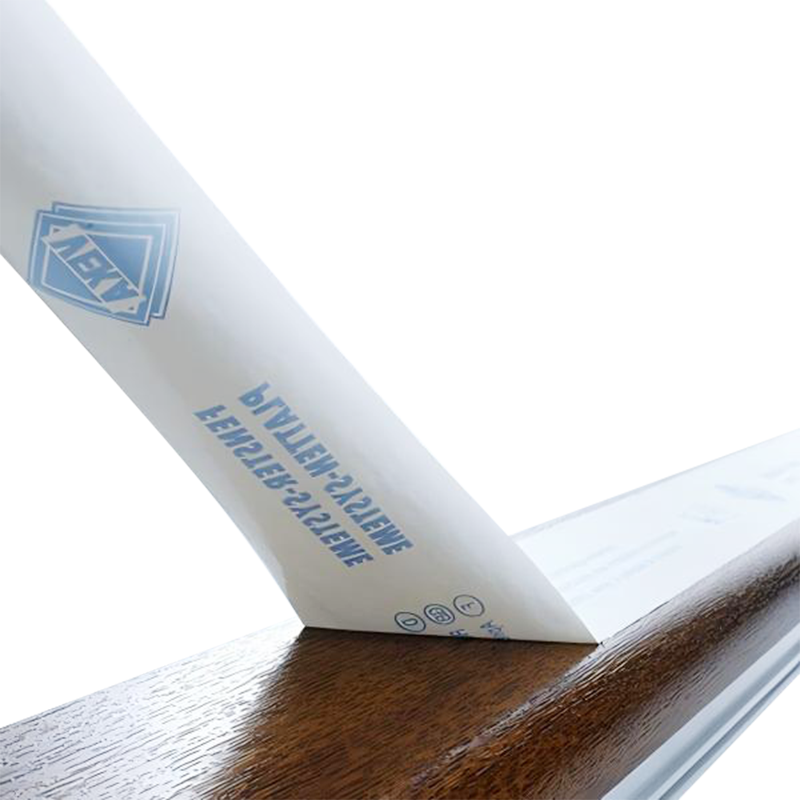
● Good weatherability for outdoor exposure; ● Stable adhesion level; ● UV resistance for up to 12 months; ● Can print customized logo or application i...
See Details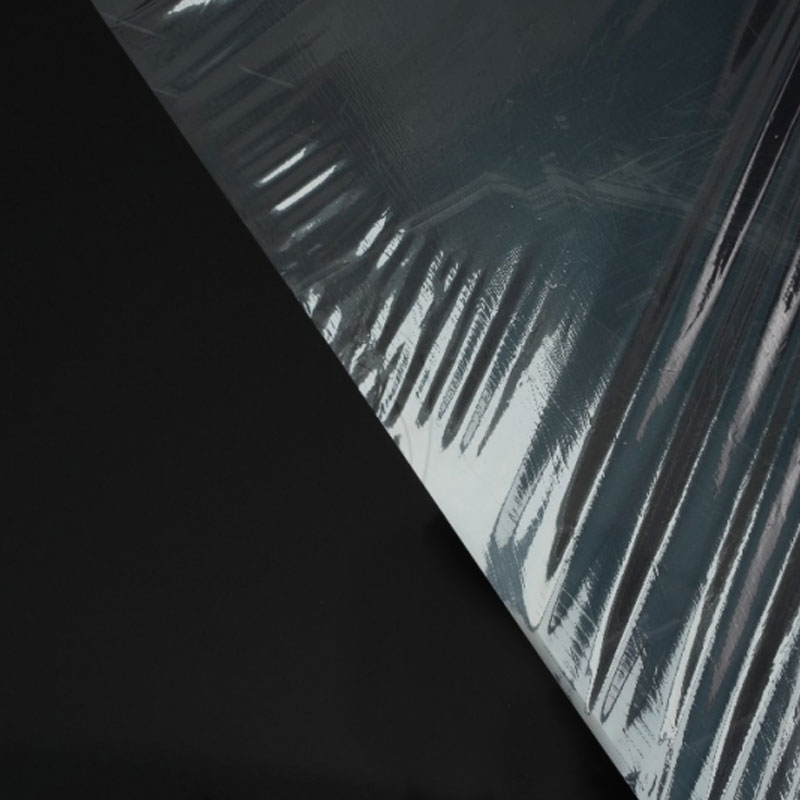
● No “ghost shadow” or “fish eye” after removal; ● Stable adhesion level; ● UV resistance for up to 6 months; ● Can print customized logo or applicati...
See Details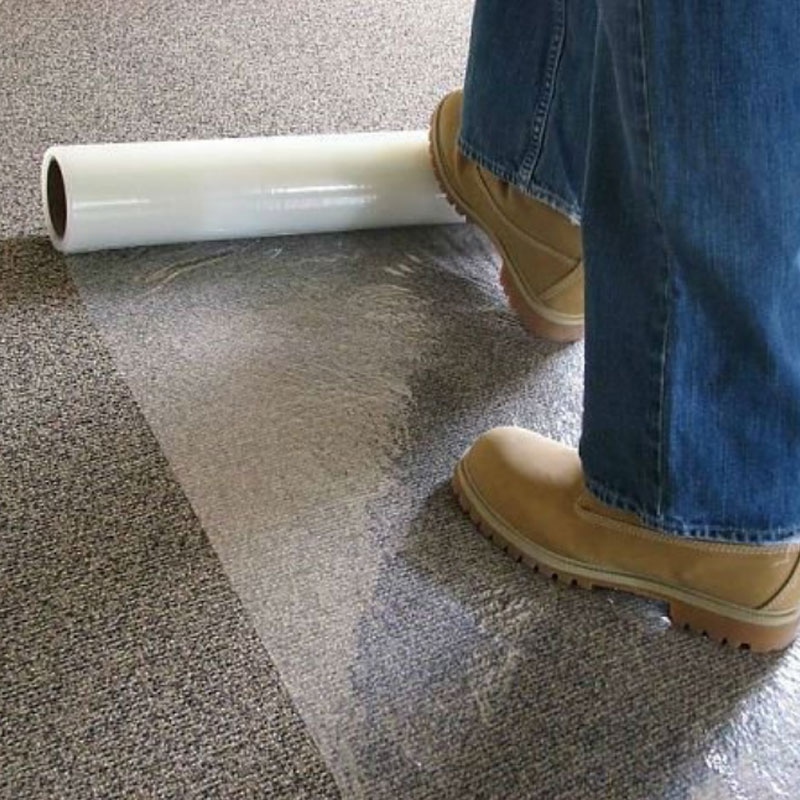
● Protects carpet against staining, paint spillage and dirt during painting, building, remodeling, plastering, tiling, decoration, general maintenance...
See Details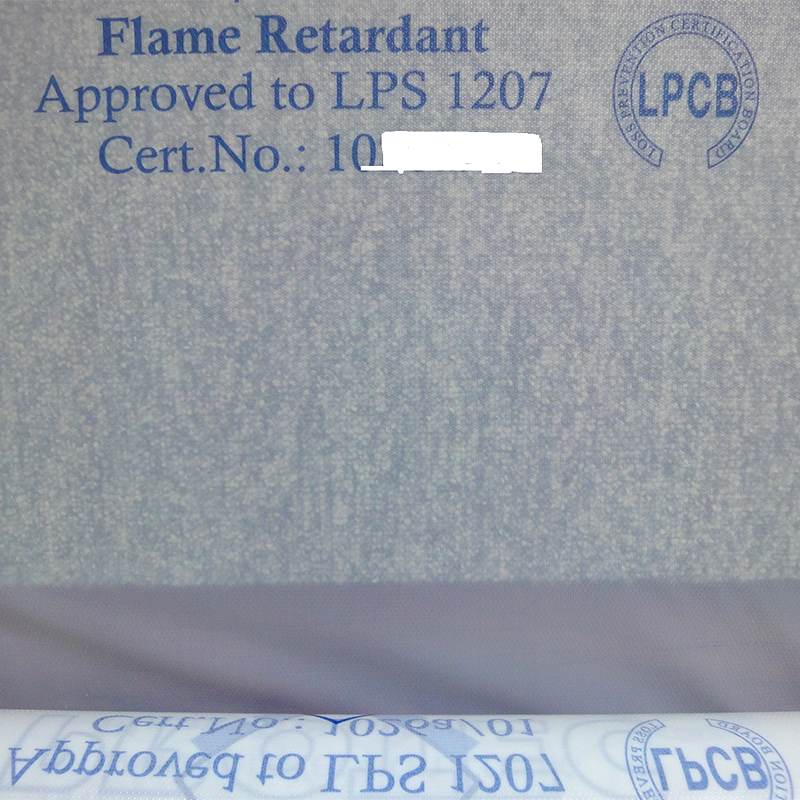
● Prevents costly damages in case of fire /flame;● Meet the strict international test standards of loss prevention; ● Extensive selection for flame re...
See Details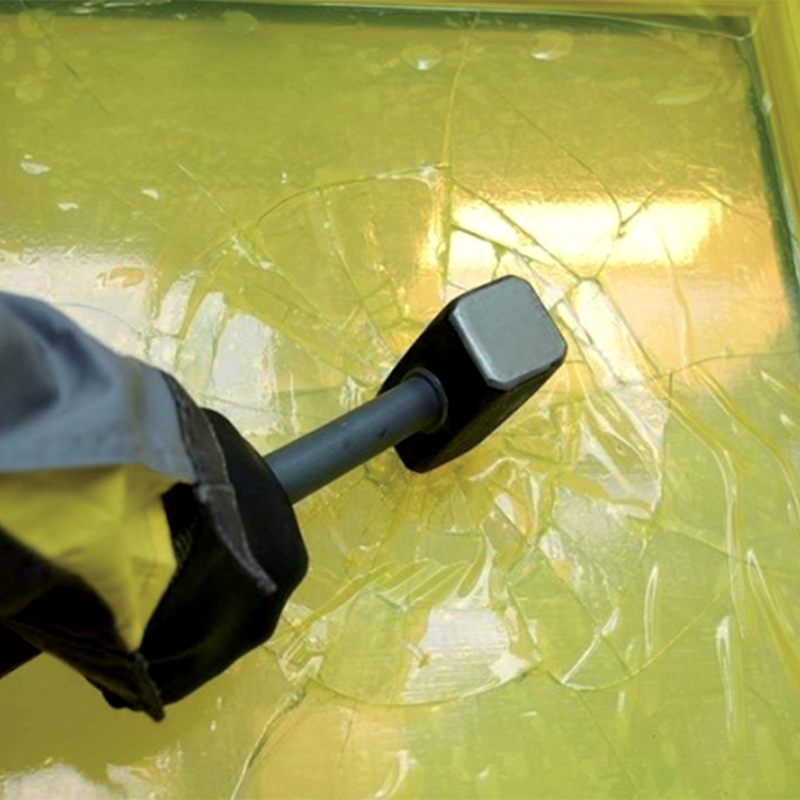
● The super tough polyethylene film with super high adhesion can stop the glass splitting and falling off during window glass demolition process;● Non...
See Details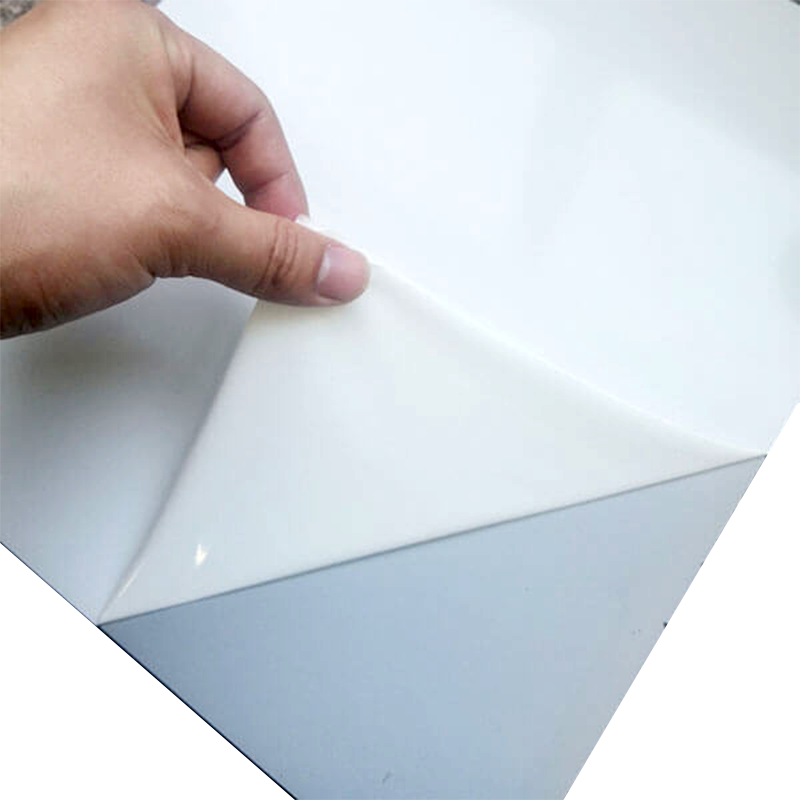
● The super tough polyethylene film with super high adhesion can stop parts of the glass or mirror from splintering away and injuring people when it i...
See Details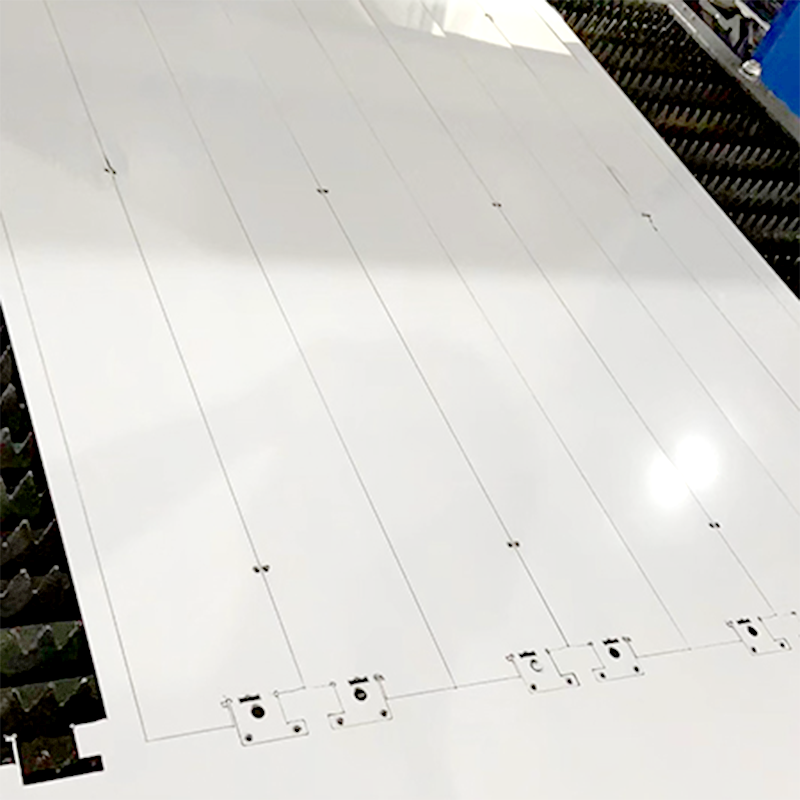
● The specially formulated natural rubber adhesive suitable for both CO2 and Fiber laser cutting processes;● High cutting quality without burr or trac...
See Details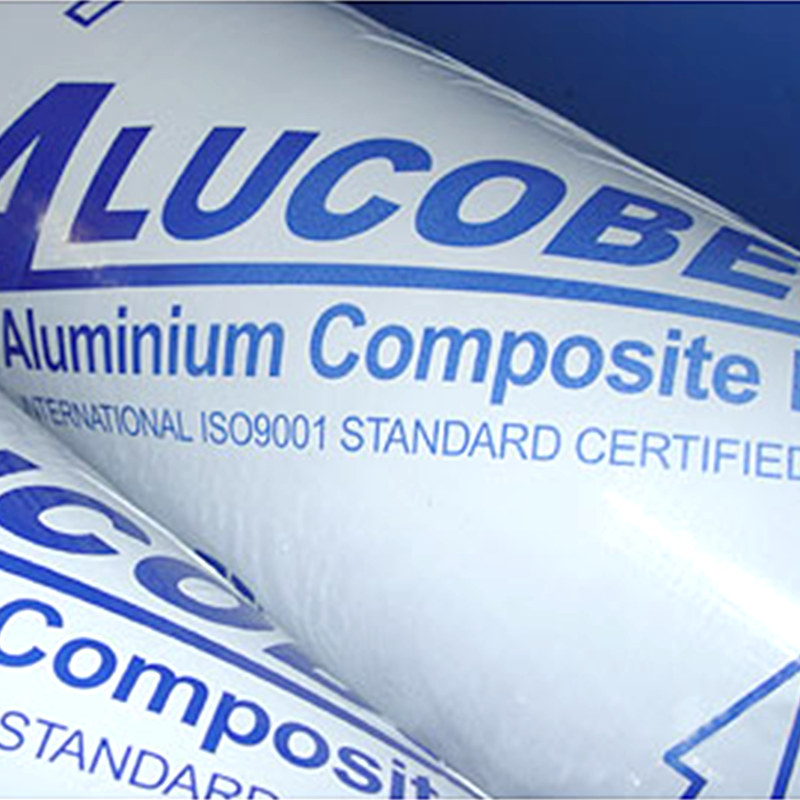
● The specially formulated adhesive ensures easy application and removal without leaving residue glue; ● The super-tough polyethylene film protects ag...
See Details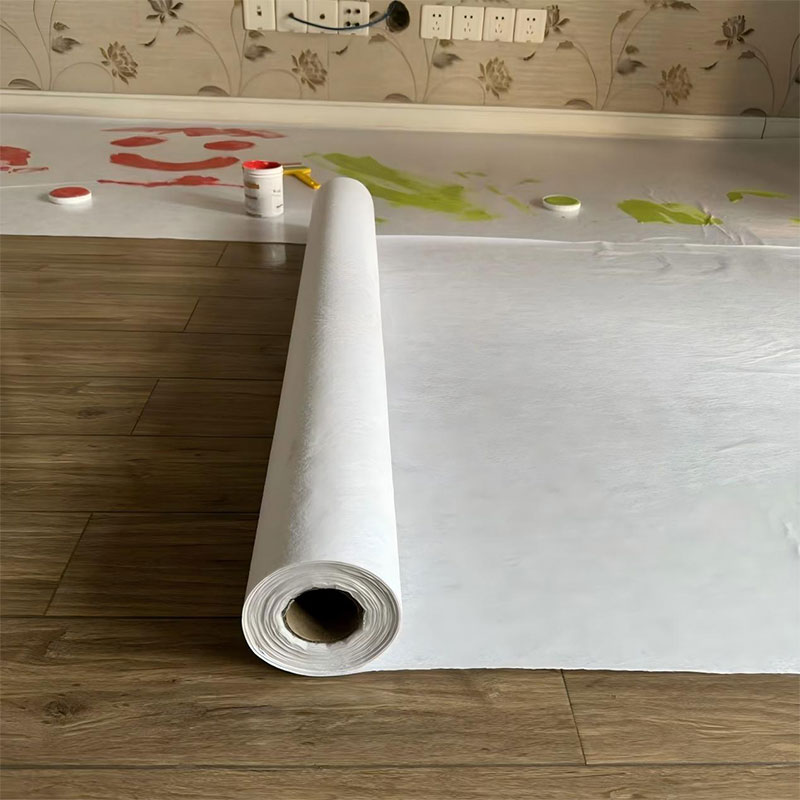
This product has non-woven synthetic fleece in middle; PE film adhered onto top of the non-woven fabric, which is coated with self adhesive glue on it...
See Details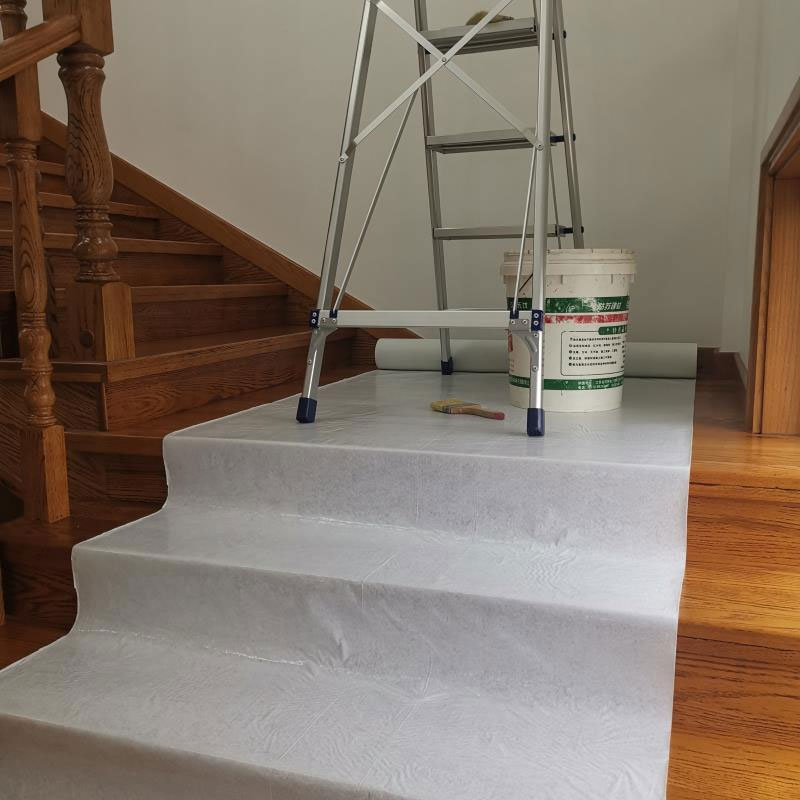
This product has non-woven synthetic fleece in middle; Breathable PE film adhered onto top of the non-woven fabric, which is coated with self adhesive...
See DetailsWe’re a reliable partner that shapes our expertise into success for your project.

Copyright 2024 Wuxi Qida Tape Co., Ltd. All Rights Reserved
 Wholesale Protective Film/Foil Manufacturers
Privacy
Wholesale Protective Film/Foil Manufacturers
Privacy