

 English
 English
 русский
 Français
 Español
 Português
 عربى
عربى
Cat:Glue -coated Protective Film
● Good weatherability for outdoor exposure; ● Stable adhesion level; ● UV resistance for up to 12 months; ● Can print customized logo or application i...
See Details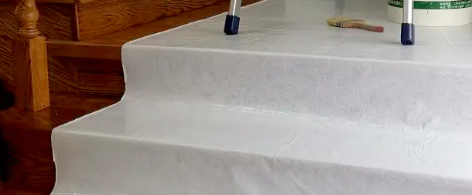
Surface protection fleece and plastic film protection serve fundamentally different use cases: fleece excels at protecting hard, smooth surfaces from impact and abrasion over extended periods, while plastic film is better suited for short-term protection against dust, paint splatter, and liquid contamination. Choosing the wrong material leads to either surface damage or unnecessary cost — understanding their core differences is essential for contractors, facility managers, and manufacturers.
Surface protection fleece is a nonwoven textile, typically made from polypropylene (PP) or polyester fibers that are thermally bonded or needle-punched into a dense mat. This fibrous structure gives it cushioning depth — standard construction grades range from 180 gsm to 350 gsm — creating a physical buffer layer that absorbs point loads and distributes pressure.
Plastic film protection, by contrast, is a thin extruded polymer sheet — most commonly polyethylene (PE) at 50–200 microns thickness, sometimes with a self-adhesive layer. It has no meaningful cushioning ability. Its protection is chemical and environmental in nature: a barrier against liquids, aerosols, and fine dust rather than physical impacts.
| Property | Surface Protection Fleece | Plastic Film Protection |
|---|---|---|
| Base Material | Polypropylene / Polyester nonwoven | Polyethylene film |
| Typical Weight / Thickness | 180–350 gsm | 50–200 microns |
| Cushioning Ability | High | None |
| Liquid Barrier | Partial (breathable) | Complete |
| Tear Resistance | High | Low to moderate |
| Slip Resistance | High (textured surface) | Low (slippery when wet) |
Understanding what each material protects against is more useful than comparing them side-by-side in the abstract.
A common field mistake is using plastic film on hardwood or tiled floors during active construction. The film itself traps grit beneath it and becomes an abrasive layer every time a worker walks across it — effectively grinding the very surface it was meant to protect.
The substrate type is the first decision point when selecting a protection method. Neither material is universally superior — context determines the correct choice.
| Surface / Scenario | Recommended Material | Reason |
|---|---|---|
| Hardwood floors during renovation | Fleece | Cushions impact; prevents grit abrasion; breathable to avoid moisture trapping |
| Windows and glazing during painting | Plastic Film | Complete barrier against overspray; self-adhesive edges seal perimeter |
| Marble or stone countertops | Fleece | Soft fiber surface will not scratch polished stone; absorbs tool drops |
| Installed appliances (pre-delivery) | Plastic Film | Dust and splash protection; not walked on; adhesive holds in place |
| Active construction walkways | Fleece | Non-slip surface; withstands repeated foot traffic without tearing |
| Vehicle body panels in transit | Plastic Film (self-adhesive) | Conforms to curves; stays in place at speed; peels cleanly |
Durability is a major differentiator in total cost of ownership, particularly on projects lasting more than a few days.
Surface protection fleece is designed for repeated use. A quality 250 gsm polypropylene fleece can typically withstand 5–15 installation cycles before performance degrades, depending on site conditions. It resists tearing from foot traffic and tools, and can be rolled, stored, and redeployed across multiple project phases or job sites.
Plastic film is primarily a single-use product. Once punctured, stretched, or peeled, it loses adhesion and barrier integrity. On active construction sites, PE film typically requires replacement every 1–3 days. Over a four-week project, this single-use cost can exceed the initial purchase price of a reusable fleece by a factor of 3–5x for floor protection applications.
On occupied or active worksites, safety compliance adds another dimension to material selection.
Surface protection fleece has an inherently textured, high-friction surface. Most commercial grades achieve an R-value of R10 or higher (DIN 51130), making them suitable for walkways without additional anti-slip treatment. Plastic film, particularly when wet, becomes dangerously slippery. Smooth PE film on a hard floor can have a dynamic coefficient of friction below 0.3 — below the 0.4 threshold typically required by occupational safety standards in Europe and North America.
Many construction sites and public buildings require temporary protection materials to meet flame-retardant classifications. Flame-retardant surface protection fleece is available rated to EN 13501-1 Class Cfl-s1 or Bfl-s1, suitable for use in occupied buildings, hospitals, and transit areas. Standard PE plastic film typically achieves only Class F (highly flammable) and is prohibited in many building environments without an FR additive treatment.
Sustainability considerations increasingly influence material procurement decisions in construction and manufacturing.
Plastic film has a lower unit purchase price — typically €0.05–0.20 per m² for standard PE film versus €0.40–1.20 per m² for surface protection fleece. However, this comparison is misleading when applied to real project conditions.
Consider a four-week floor protection scenario covering 500 m²:
When labor costs are factored in, fleece typically delivers a 20–40% lower total cost on projects lasting more than one week, even at its higher unit price.
The most effective approach on complex construction projects is often a layered protection system that combines both materials. A common specification for high-value floor protection:
This combination is standard practice for protecting polished marble, large-format porcelain tile, and engineered hardwood in high-end residential and commercial fit-outs. The film layer can be left in place and the fleece removed, cleaned, and reused on the next project — maximizing the investment in the more expensive component while using the film as a consumable barrier.
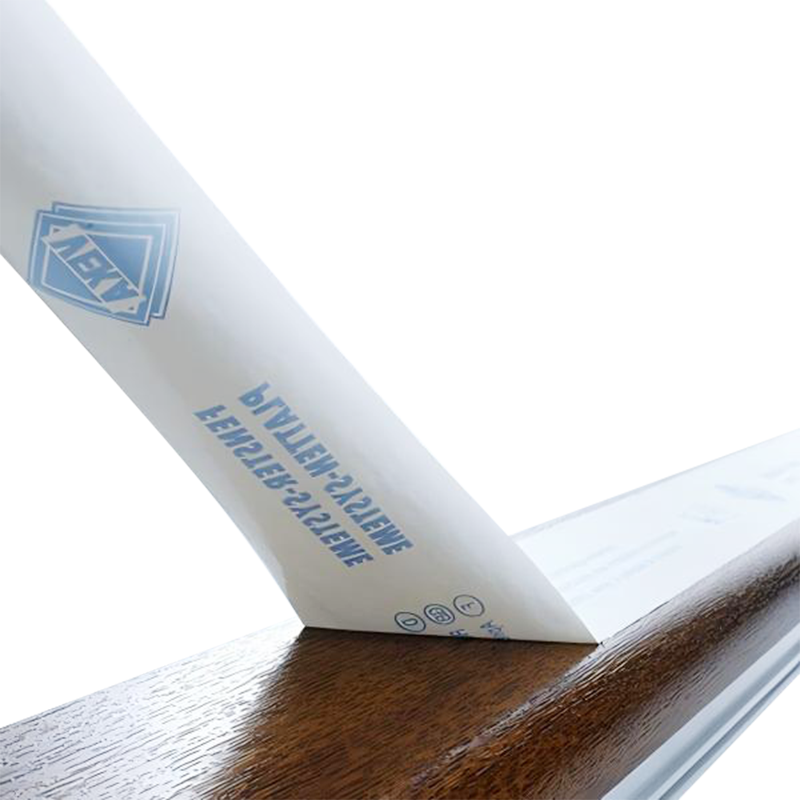
● Good weatherability for outdoor exposure; ● Stable adhesion level; ● UV resistance for up to 12 months; ● Can print customized logo or application i...
See Details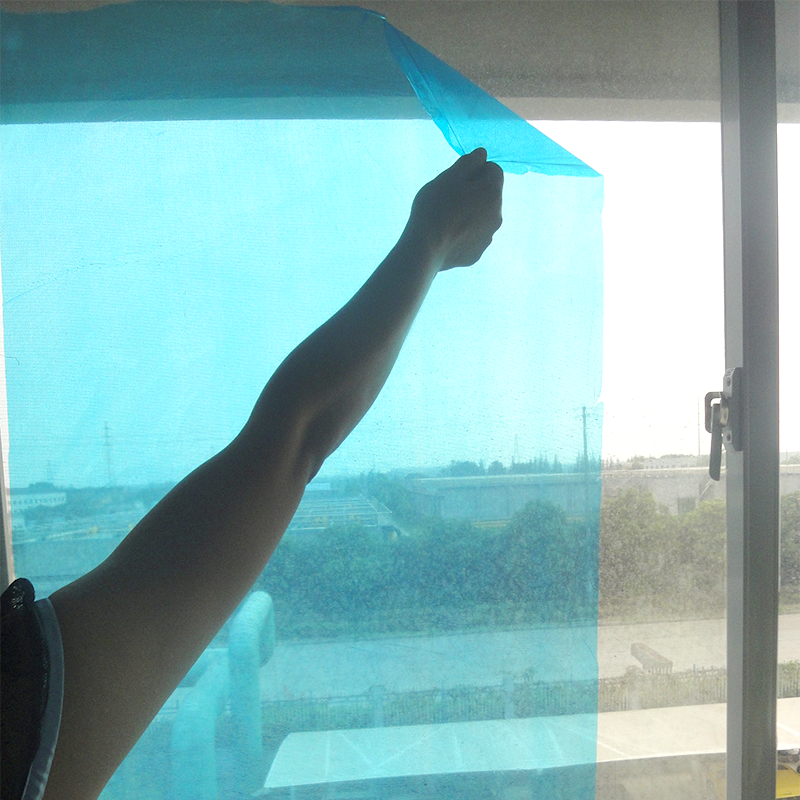
● Protect window glass against paint splatters, dirt, staining, and spillages during painting, building, plastering, tiling, general maintenance and r...
See Details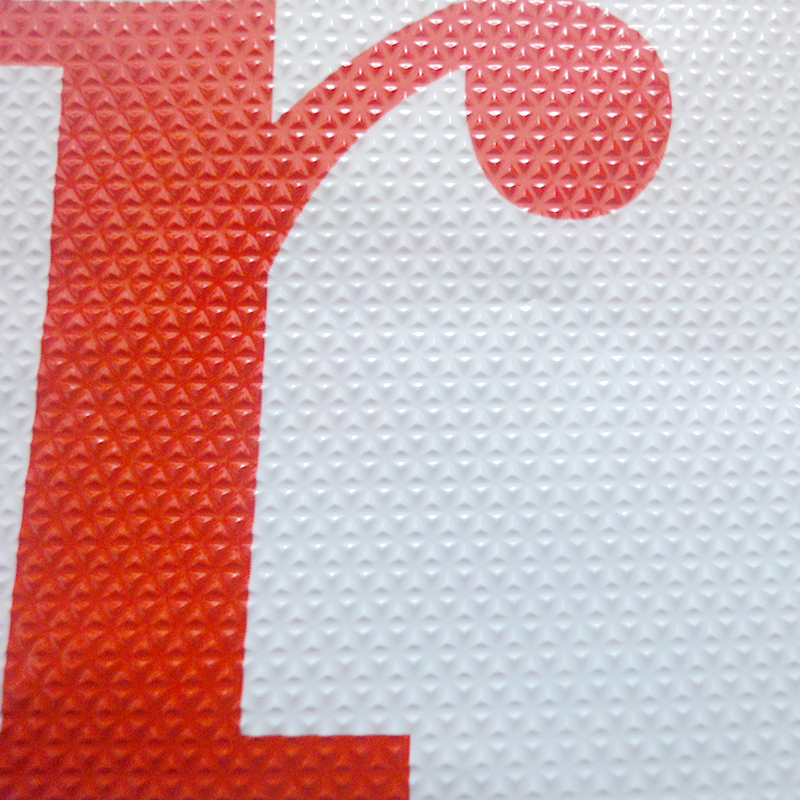
● Anti-slip; ● Embossed film surface to guarantee trip safety;● Tough puncture-resistant polyethylene film;● Can be coated with or without adhesive;● ...
See Details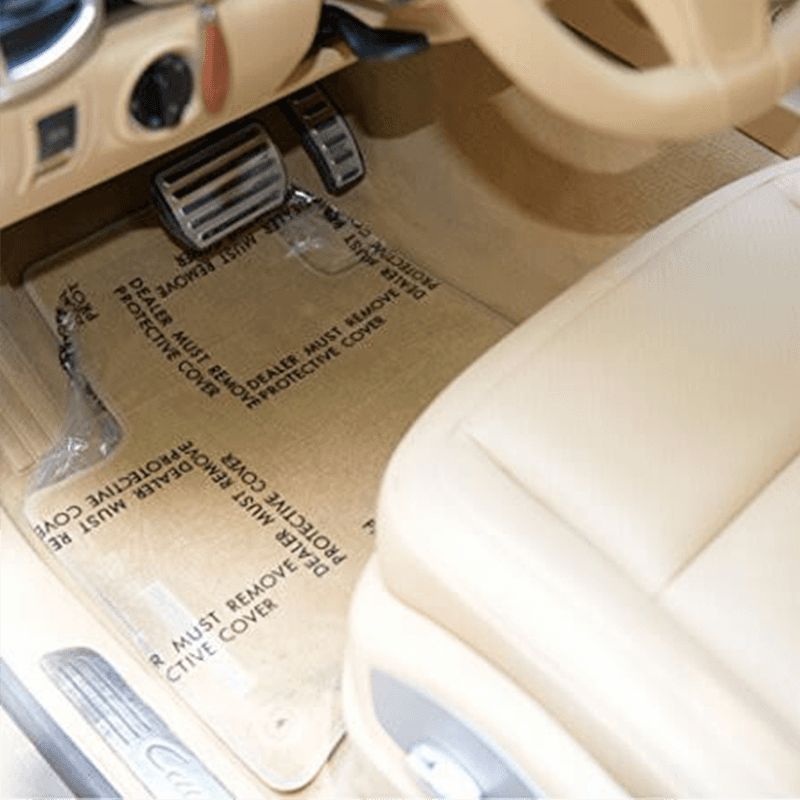
● Distance of each perforation die-cut ranges from 100mm to 1200mm;● Can peel off each die-cut piece of protective film at the perforated line easily;...
See Details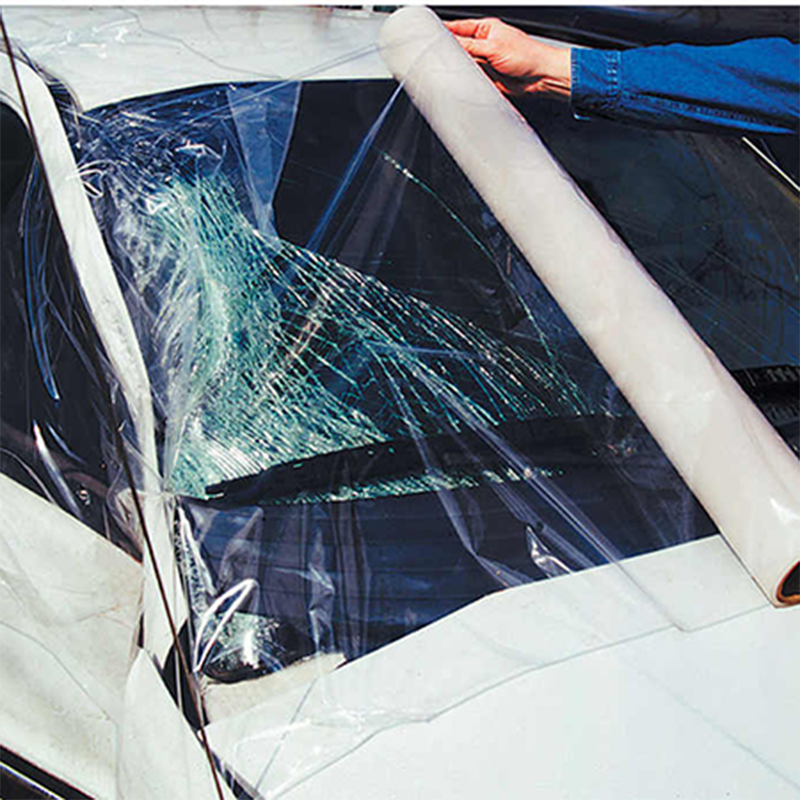
● The super-tough polyethylene film resists puncture and penetration by rain, snow, debris, and dirt during the transportation and storage of the cras...
See Details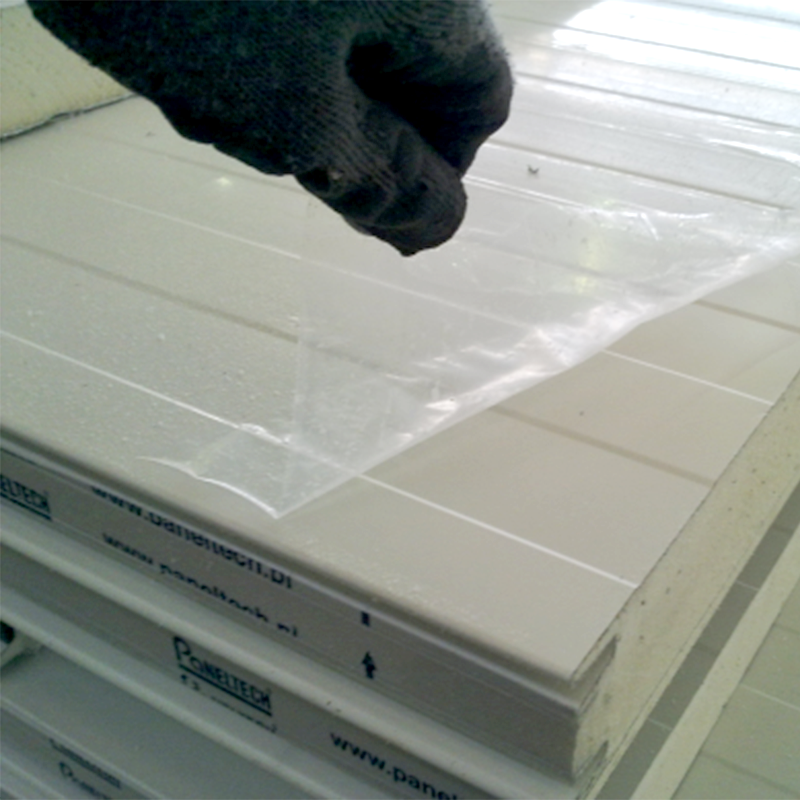
● The specially formulated adhesive ensures easy application and removal without leaving residue glue on the sandwich panels; ● The super-tough polyet...
See Details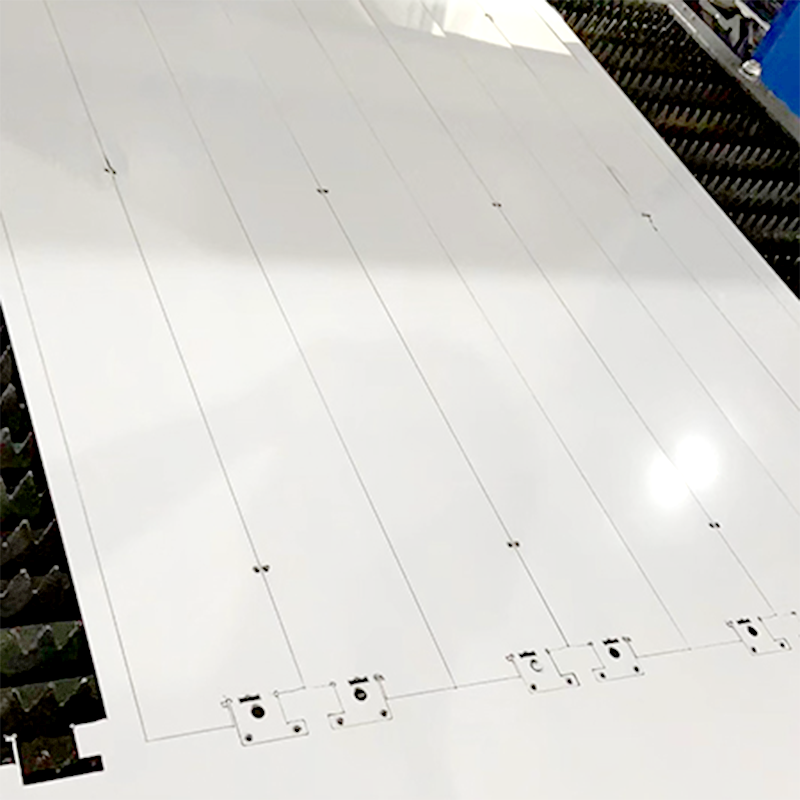
● The specially formulated natural rubber adhesive suitable for both CO2 and Fiber laser cutting processes;● High cutting quality without burr or trac...
See Details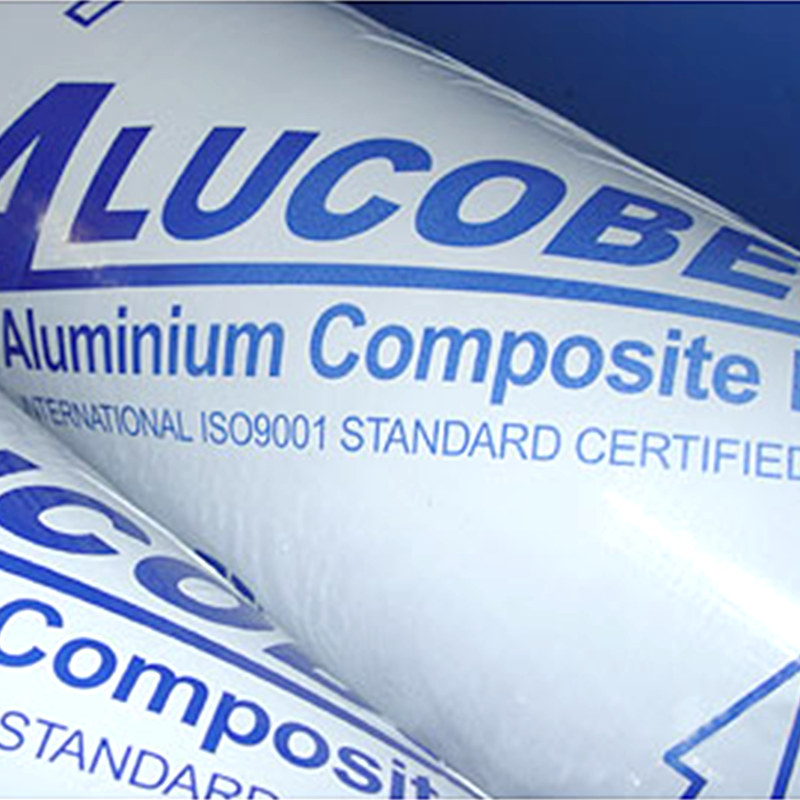
● The specially formulated adhesive ensures easy application and removal without leaving residue glue; ● The super-tough polyethylene film protects ag...
See Details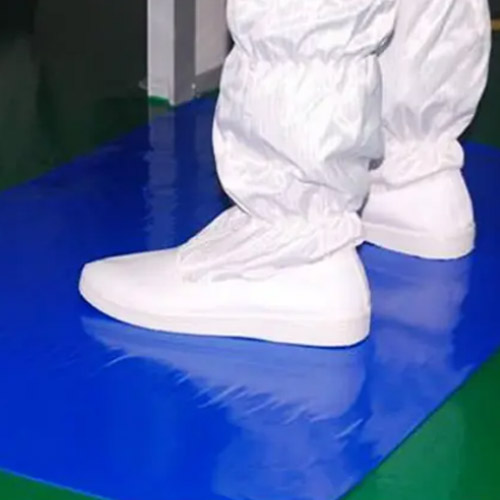
● Options for either 30 or 60 layers per mat; can be packed with four mats, eight mats, or ten mats per carton;● Remove dirt effect: ≥99.9% (5 steps);...
See Details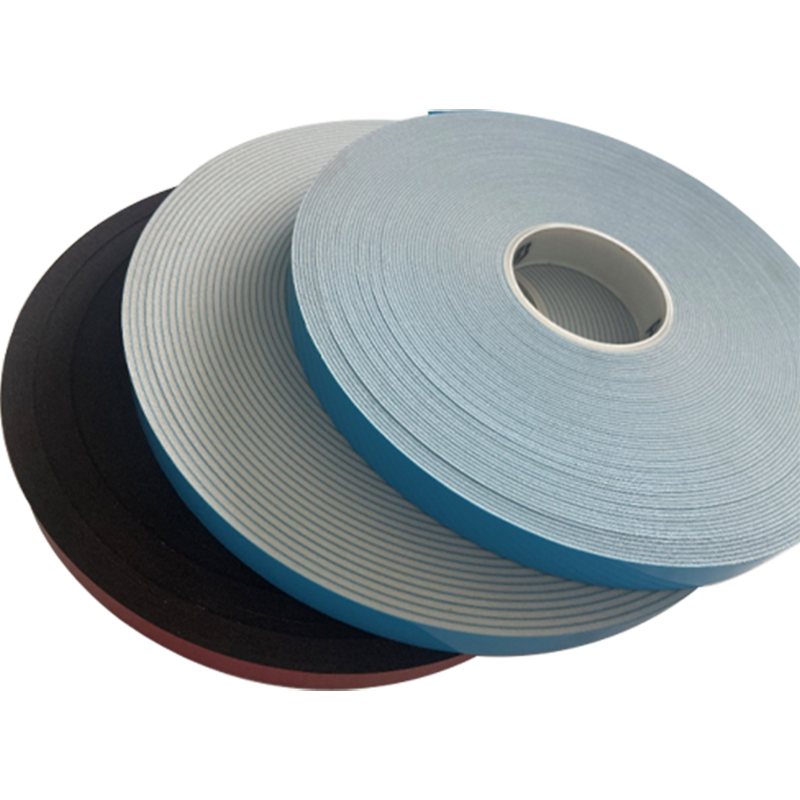
● Waterproof - the desirable material for waterproofing. ● Dust-proof - positive performance of dust prevention.● Low resilience - prevent the deforma...
See DetailsWe’re a reliable partner that shapes our expertise into success for your project.

Copyright 2024 Wuxi Qida Tape Co., Ltd. All Rights Reserved
 Wholesale Protective Film/Foil Manufacturers
Privacy
Wholesale Protective Film/Foil Manufacturers
Privacy