

 English
 English
 русский
 Français
 Español
 Português
 عربى
عربى
-
Flexible Packaging Printing: Protect Your Printed Films from Scratches, Dust & Damage
Flexible packaging printing has become the backbone of modern consumer goods, from snacks and pet food to liquid pouches and medical devices. As the fastest-gr...
Industry News -
Cast Film Explained: Process, Properties, and How to Choose Protective Film
A coil of pre-painted steel arrives at the fabricator with a hairline scratch across the top layer. Tracing the coil back, the damage occurred before it left t...
Industry News -
Flexible Packaging: Definition, Types, and Applications Explained for Buyers
Flexible packaging is the quiet overachiever of the packaging world. It usually shows up as a roll of film, a stack of flat pouches, or a printed laminate woun...
Industry News -
How to Get Adhesive Residue off Plastic: Proven Safe Methods and Prevention Tips for Good
You just peeled a barcode sticker from a new plastic storage box, and the sticky smear left behind refuses to wash off. The same thing happens with tape on a l...
Industry News -
Aerospace Surface Protection: Maximizing Material Yield During Production and MRO
During the assembly of a commercial aircraft, a single scratch on the wing skin can halt the line while the part is reworked or replaced. The same risk applies...
Industry News -
How to Get Rid of Adhesive Residue Safely on Glass, Metal, Plastic and More
Peeling a shipping label off a stainless steel cabinet usually goes one of two ways: the label comes off cleanly, or a sticky patch remains. The same issue app...
Industry News -
How to Remove Adhesive Residue from Metal without Damaging the Surface Finish
You peel away a sticker, a shipping label, or the edge of a protective film, and the metal underneath looks clean except for one problem: a tacky, rubbery laye...
Industry News -
How to Remove Strong Adhesive: Proven Methods That Protect Your Surface
Picture the moment a finished stainless steel sheet comes out of storage. The protective film that was supposed to peel off in seconds splits into strips; unde...
Industry News -
Protective Film Residue: Why It Happens, How to Remove It, and How to Prevent It
The Real Cost of Film Residue A fabricator applies a low-cost protective film to 2,000 linear feet of architectural aluminum extrusions, stores them for five w...
Industry News -
Protective Film Residue: Why It Happens, How to Remove It, and How to Prevent It
The Real Cost of Film Residue A fabricator applies a low-cost protective film to 2,000 linear feet of architectural aluminum extrusions, stores them for five w...
Industry News -
How long does PPF film typically last on a car?
PPF Lifespan Guide Paint protection film is one of the most effective ways to keep a vehicle looking new, but every owner asks the same question before booking...
Industry News -
Where and When to Use Surface Protection Fleece on Construction Sites
Quick Answer: The Core Rule Surface protection fleece should go down any time a finished or semi-finished surface will see foot traffic, equipment movement, or...
Industry News

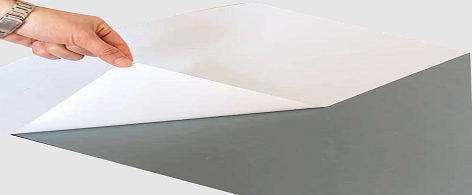

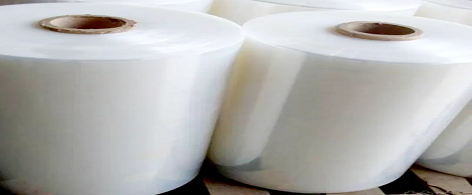
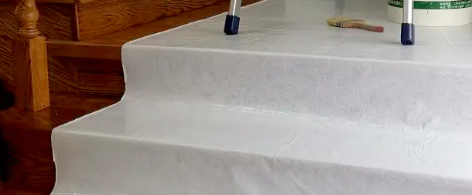
We’re a reliable partner that shapes our expertise into success for your project.

- ADDRESS: No. 18 Wanshou Road, Qianzhou Town Industrial Park, Wuxi City, Jiangsu Province, China Post Code:214181
- TELPHONE: 0086-510-83452956
- CELL PHONE: 0086-13771122281
- EMAIL: sales@qidatape.com
Copyright 2024 Wuxi Qida Tape Co., Ltd. All Rights Reserved
 Wholesale Protective Film/Foil Manufacturers
Privacy
Wholesale Protective Film/Foil Manufacturers
Privacy